Quitclaim Bill of Sale of Horse and Affidavit
What is this form?
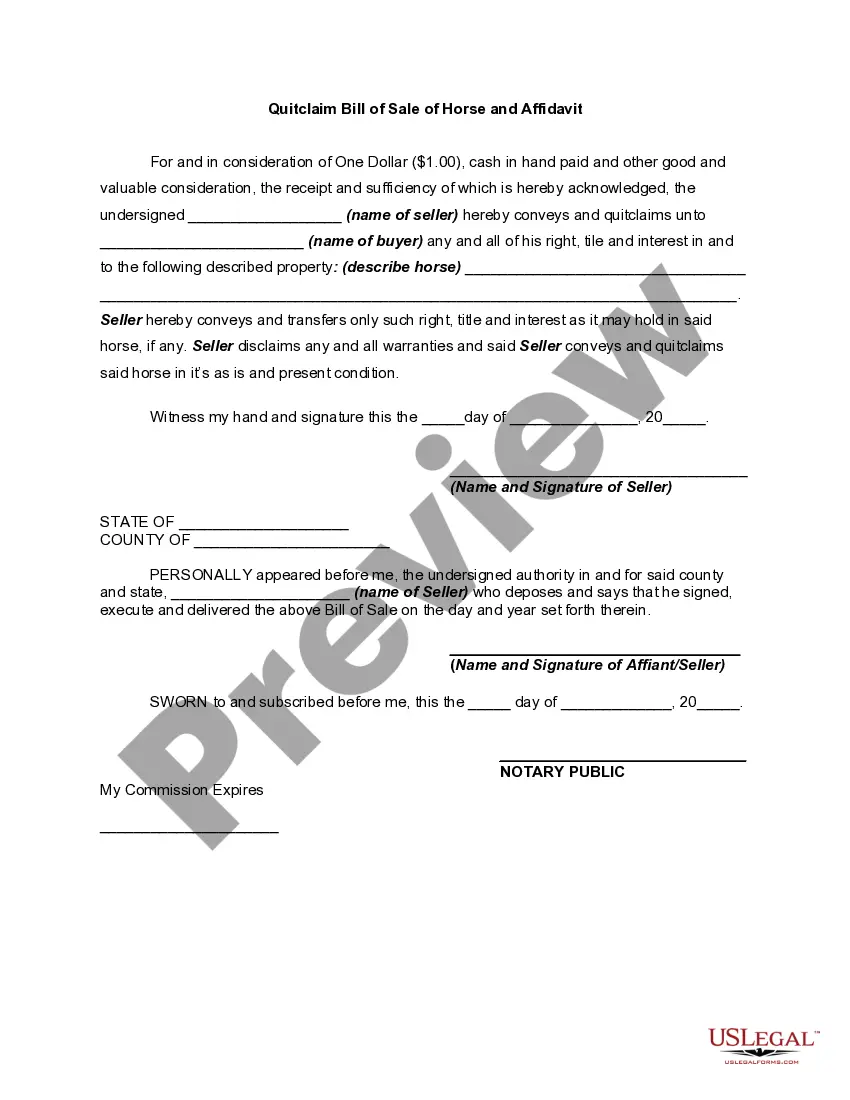
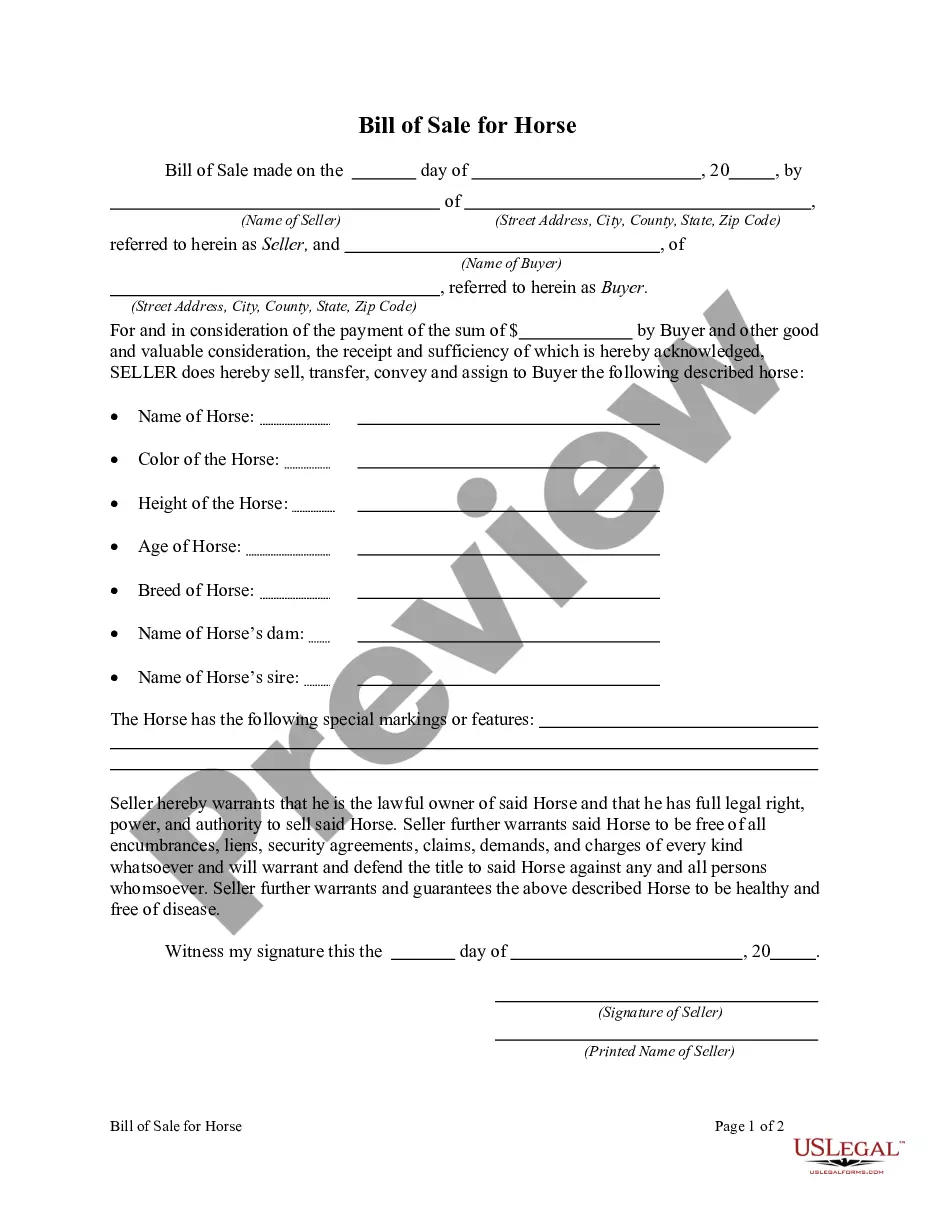
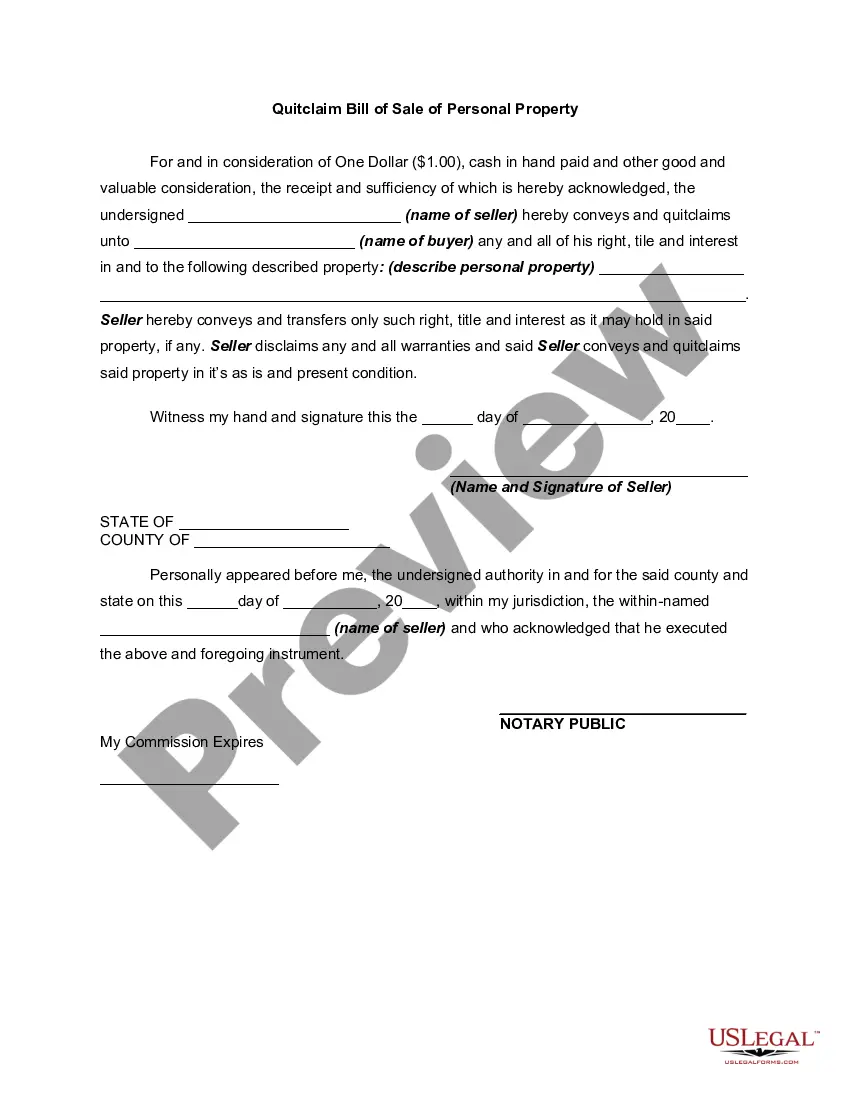
The Quitclaim Bill of Sale of Horse and Affidavit is a legal document used to transfer ownership of a horse from one party to another. Unlike other bill of sale forms, the quitclaim aspect means that the seller transfers any interest they have in the horse without providing warranties about ownership or the horse's condition. This form is particularly useful in informal transactions where the buyer accepts the horse "as is."
Key parts of this document
- Name and signature of the seller, affirming the sale.
- Name of the buyer to whom the horse is being conveyed.
- Description of the horse being sold, which ensures clarity on the specific property involved.
- A statement confirming the transfer is made without warranties, highlighting the "as is" condition of the horse.
- Date and signature line for notarization to validate the document.

When this form is needed
This form should be used when a horse is being sold or transferred, especially in situations where the seller cannot guarantee the horse's condition or title. It is particularly beneficial in private sales among individuals, where both parties are aware of the transaction's informal nature and conditions. Using this form formalizes the agreement and helps protect both the buyer and seller.
Who can use this document
- Individuals selling a horse who wish to convey ownership without warranties.
- Buyers looking for a straightforward, legally binding agreement for the purchase of a horse.
- Private parties engaging in non-commercial horse sales.
Steps to complete this form
- Identify the seller and buyer by entering their full names in the appropriate spaces.
- Describe the horse being sold in detail to avoid any misunderstandings.
- Specify the amount of money exchanged for the transaction.
- Have the seller sign the form, acknowledging the conditions of the sale.
- Complete the notary section to finalize the transaction; this may require the presence of a notary public.
Notarization requirements for this form
This form must be notarized to be legally valid. US Legal Forms provides secure online notarization powered by Notarize, allowing you to complete the process through a verified video call.
Get your form ready online
Our built-in tools help you complete, sign, share, and store your documents in one place.
Make edits, fill in missing information, and update formatting in US Legal Forms—just like you would in MS Word.
Download a copy, print it, send it by email, or mail it via USPS—whatever works best for your next step.
Sign and collect signatures with our SignNow integration. Send to multiple recipients, set reminders, and more. Go Premium to unlock E-Sign.
If this form requires notarization, complete it online through a secure video call—no need to meet a notary in person or wait for an appointment.
We protect your documents and personal data by following strict security and privacy standards.

Make edits, fill in missing information, and update formatting in US Legal Forms—just like you would in MS Word.

Download a copy, print it, send it by email, or mail it via USPS—whatever works best for your next step.

Sign and collect signatures with our SignNow integration. Send to multiple recipients, set reminders, and more. Go Premium to unlock E-Sign.

If this form requires notarization, complete it online through a secure video call—no need to meet a notary in person or wait for an appointment.

We protect your documents and personal data by following strict security and privacy standards.
Mistakes to watch out for
- Failing to accurately describe the horse, leading to potential disputes.
- Not obtaining the necessary notarization, making the form potentially invalid.
- Leaving sections blank, which could affect the completeness and clarity of the transaction.
Advantages of online completion
- Easy accessibility: Download and print the form at your convenience.
- Editability: Fill in the required information directly on your device.
- Reliability: Use a legally vetted form drafted by attorneys to ensure compliance with legal standards.
Key takeaways
- The Quitclaim Bill of Sale of Horse transfers ownership without warranties.
- It is used primarily for informal sales in private transactions.
- Notarization is required for legal validity.
Looking for another form?
Form popularity
FAQ
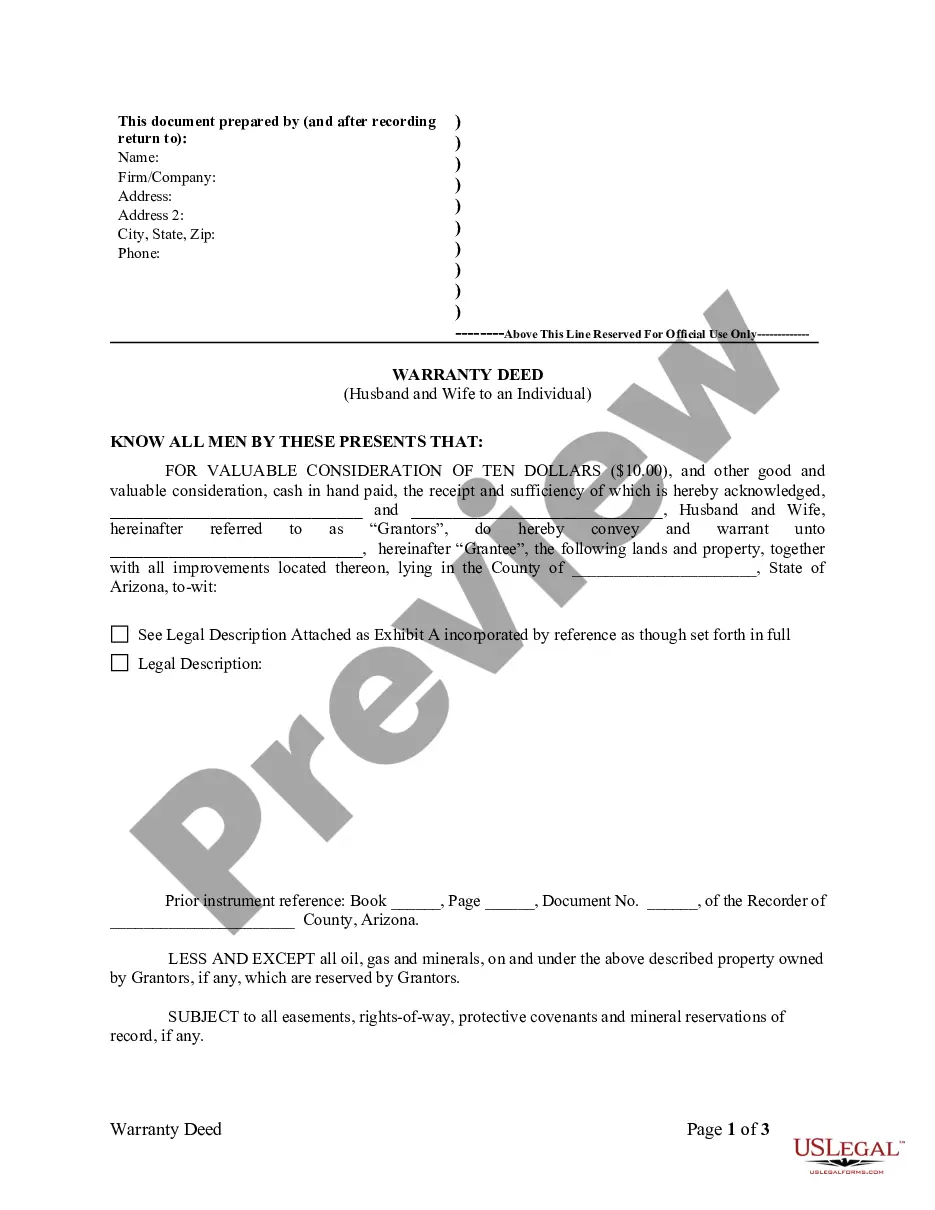
But you might be wondering if an owner can transfer a deed to another person without a real estate lawyer. The answer is yes. Parties to a transaction are always free to prepare their own deeds.A quitclaim deed, for example, is far simpler than a warranty deed.
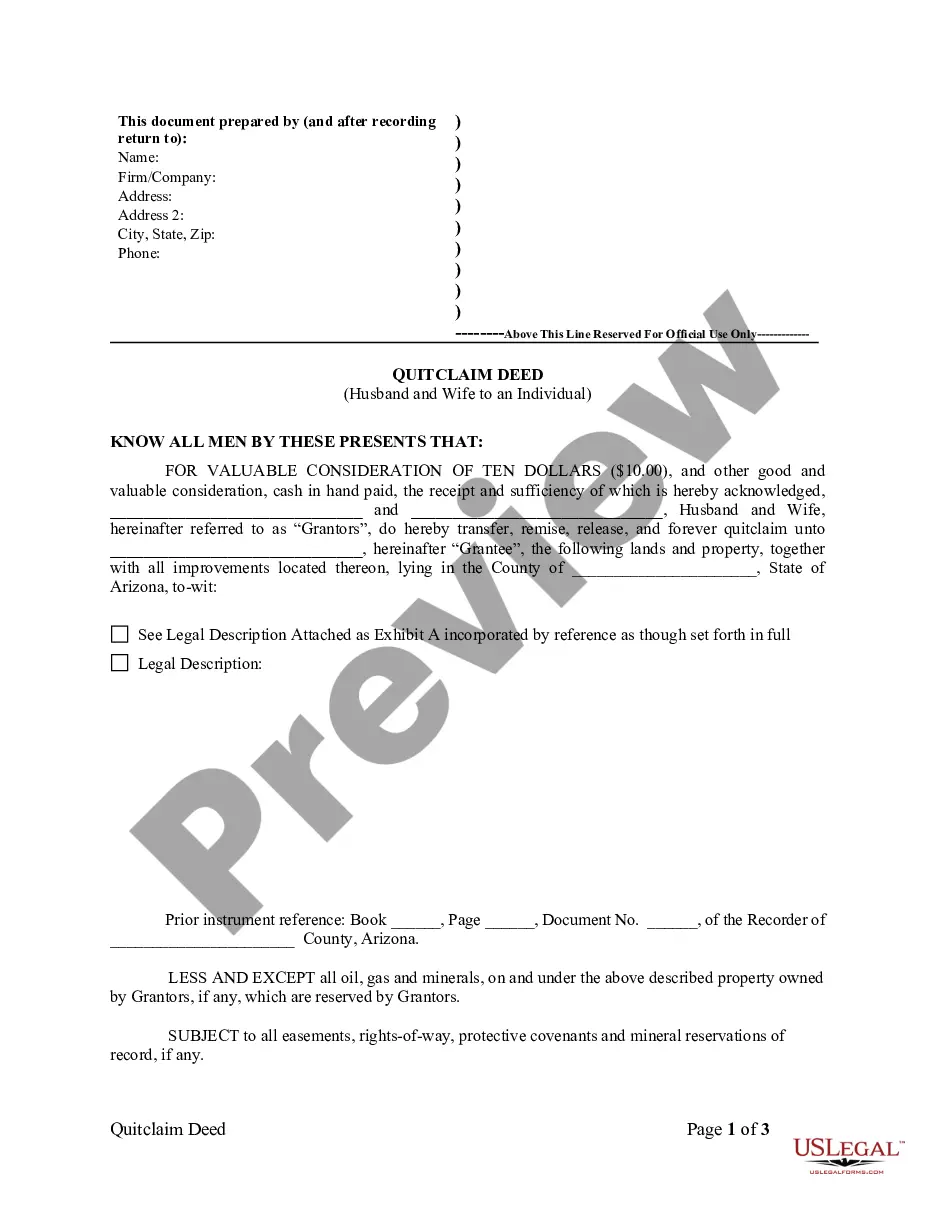
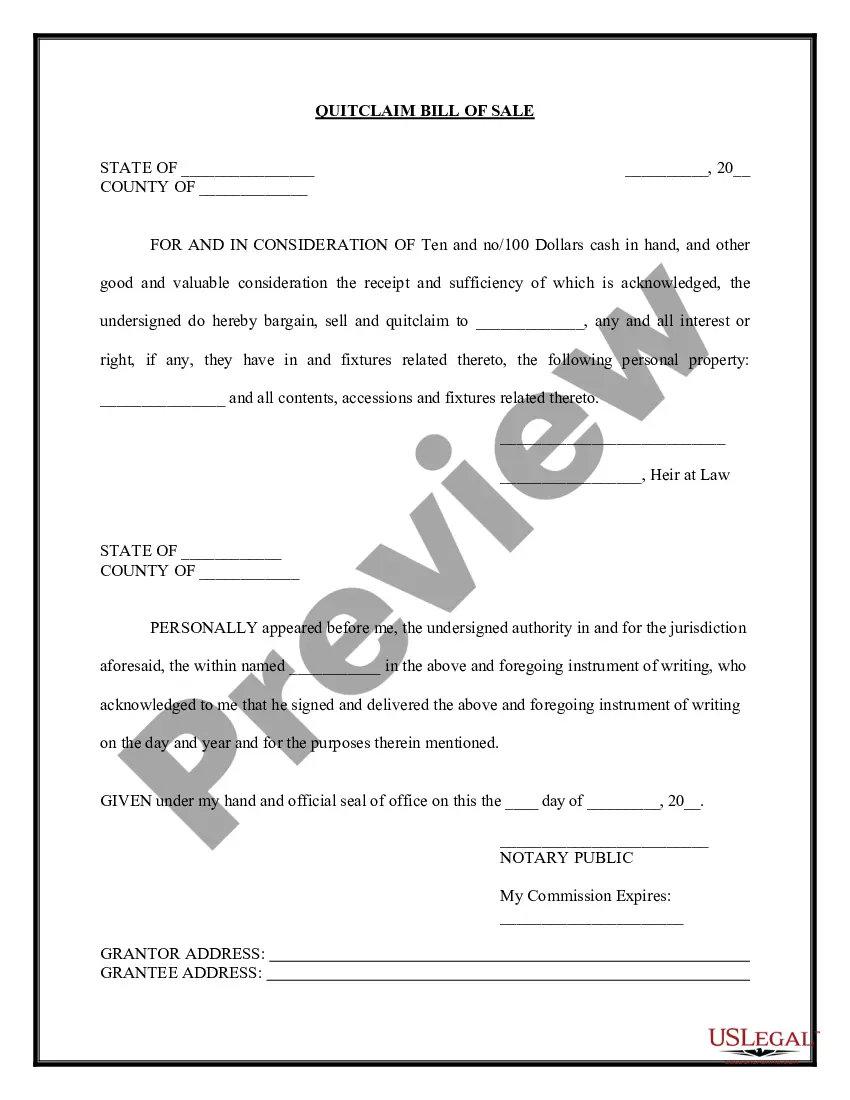
They are commonly used to add/remove someone to/from real estate title or deed (divorce, name changes, family and trust transfers). The quitclaim deed is a legal document (deed) used to transfer interest in real estate from one person or entity (grantor) to another (grantee).
The deed transfer is done simply and there is no title search or title insurance used. It is fast and easy. Quitclaim deeds are not used for real estate sales, because the new owner receives no guarantees about the title and how valid it is.
A quitclaim deed is dangerous if you don't know anything about the person giving you the property. You should be sure that a person actually has rights to a property before signing it over with a quitclaim deed.
The drawback, quite simply, is that quitclaim deeds offer the grantee/recipient no protection or guarantees whatsoever about the property or their ownership of it. Maybe the grantor did not own the property at all, or maybe they only had partial ownership.
Quitclaim Does Not Release Debts Signing a quitclaim deed and giving up all rights to the property doesn't release you from any financial obligations you may have. It only removes you from the title, not from the mortgage, and you are still responsible for making payments.
A quitclaim deed is a legal instrument that is used to transfer interest in real property.The owner/grantor terminates (quits) any right and claim to the property, thereby allowing the right or claim to transfer to the recipient/grantee.
A quitclaim deed transfers a seller's right to property to another party without completing the traditional sale process. More often than not, the property is transferred without a formal sale or exchange of money.