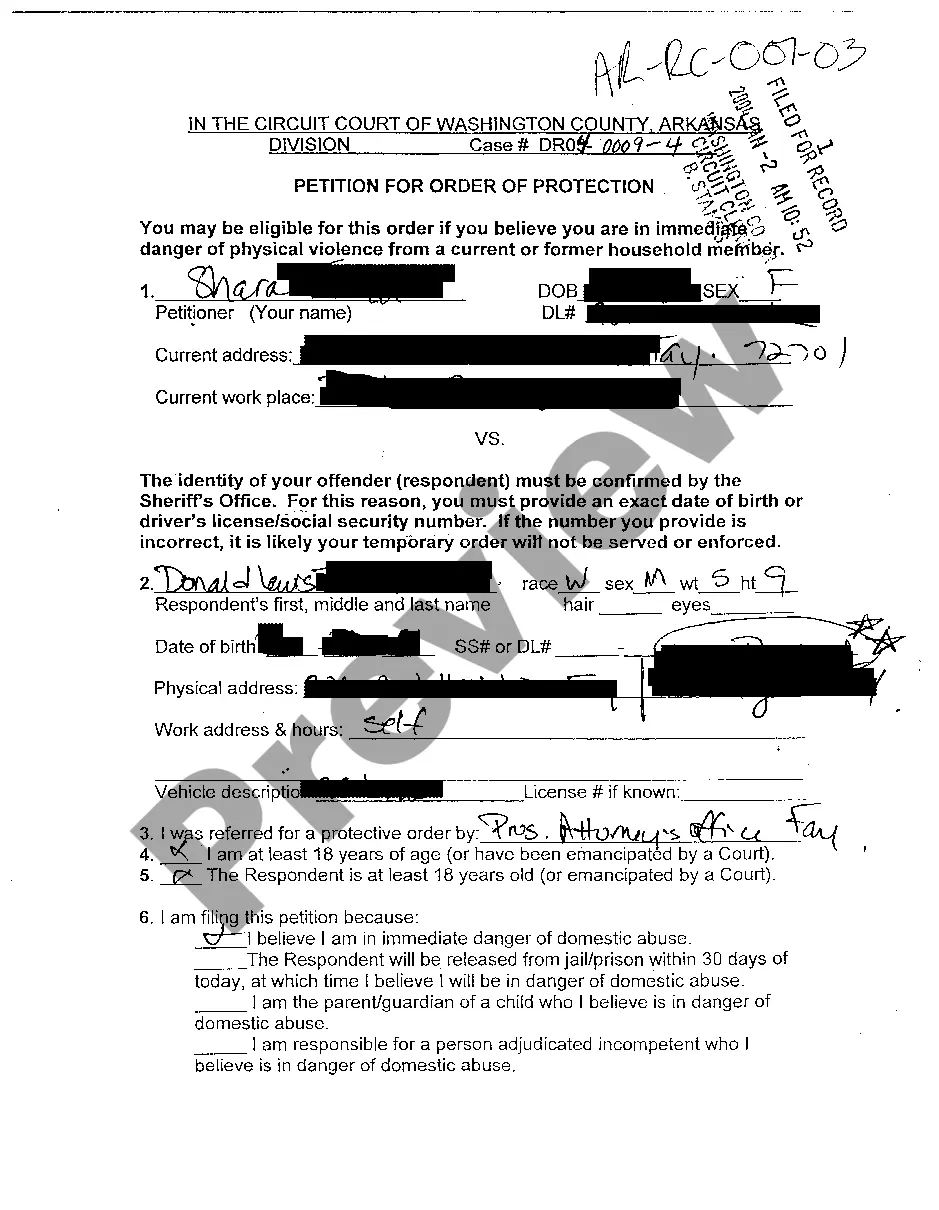
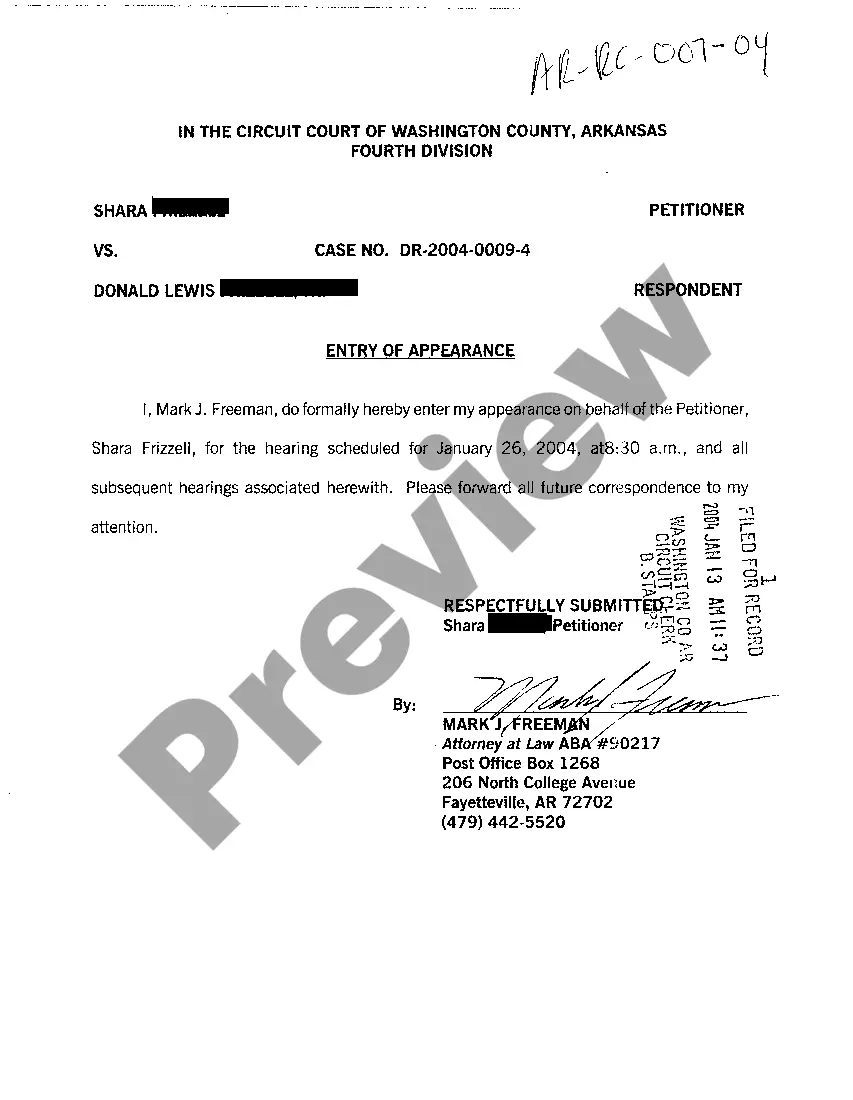
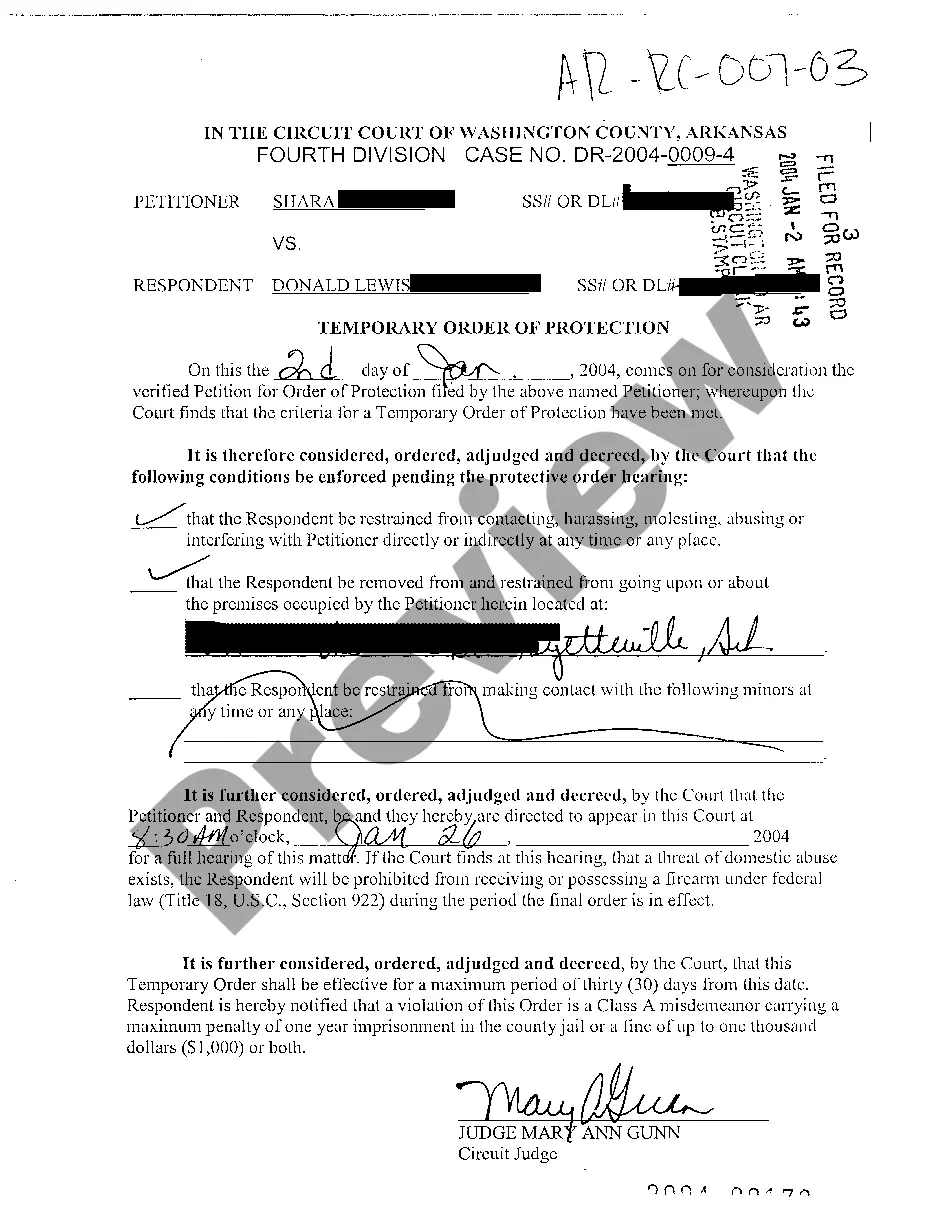
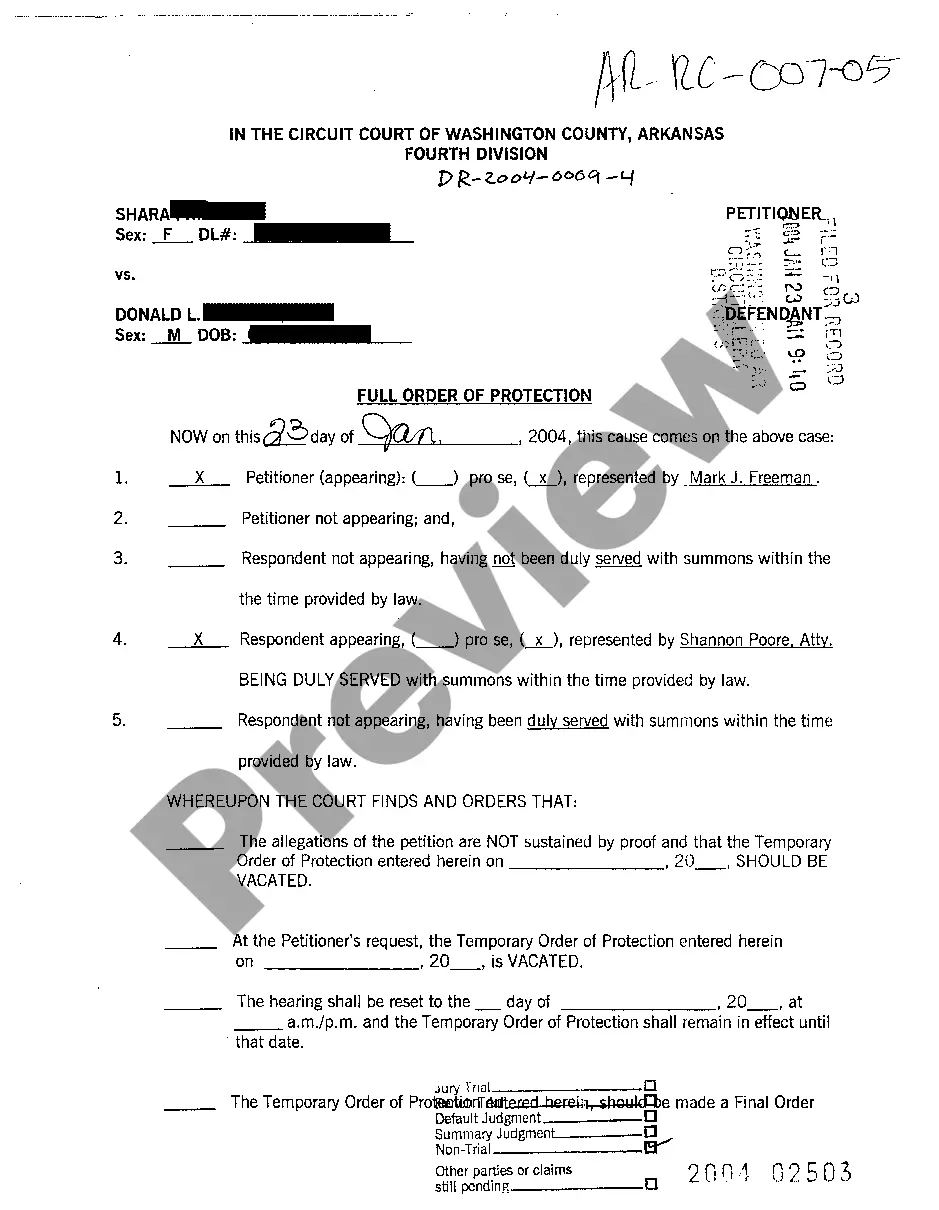
Motion of Defendant to Quash Service of Process
What is this form?
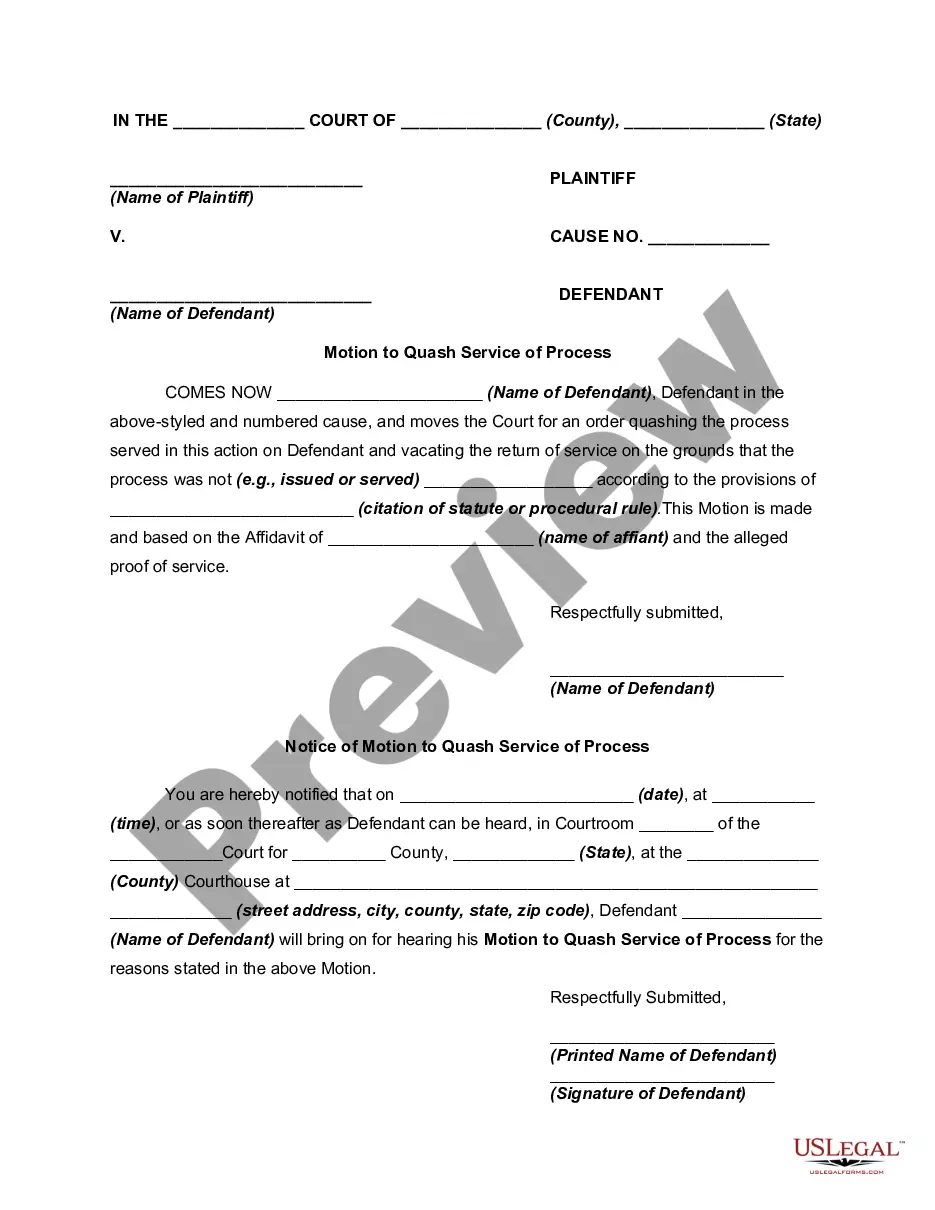
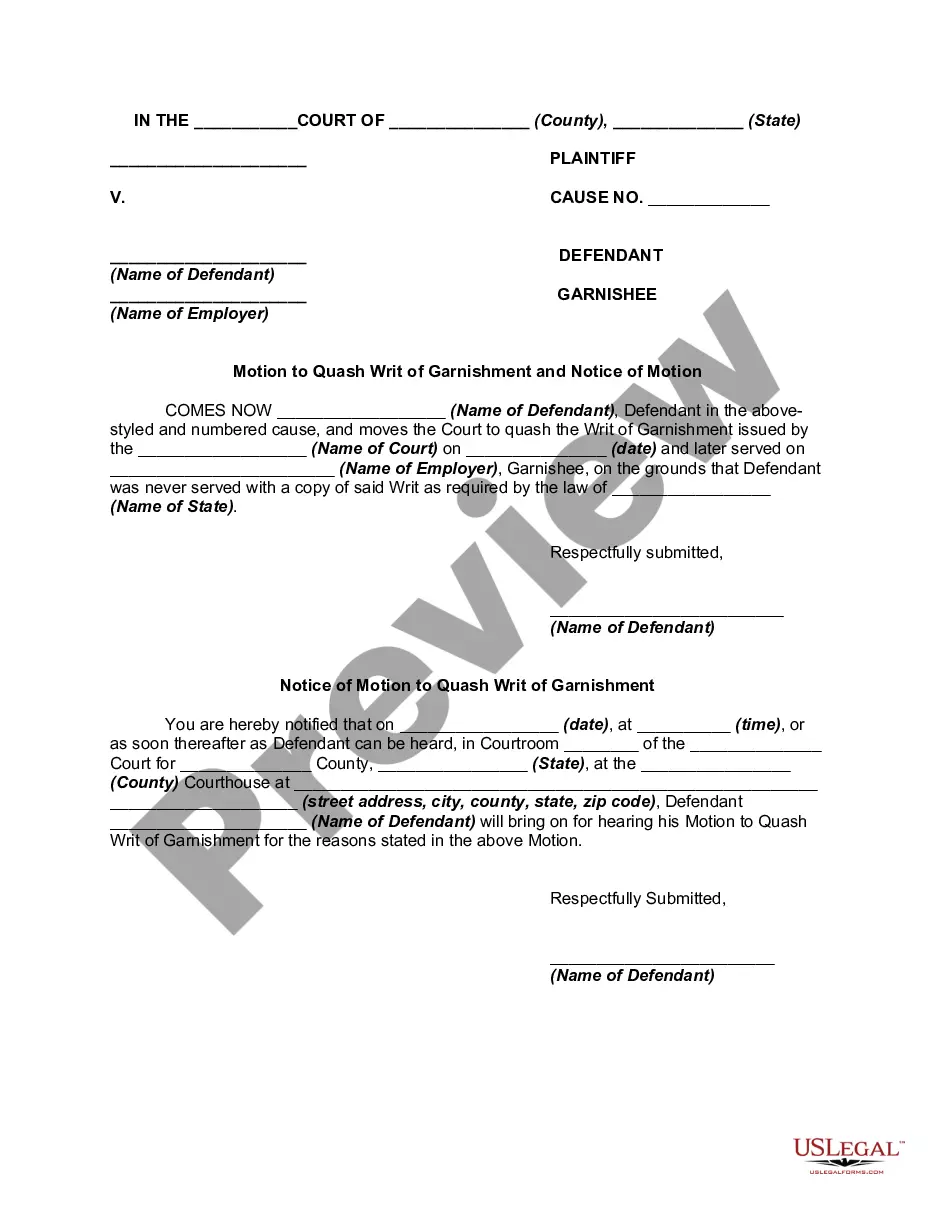
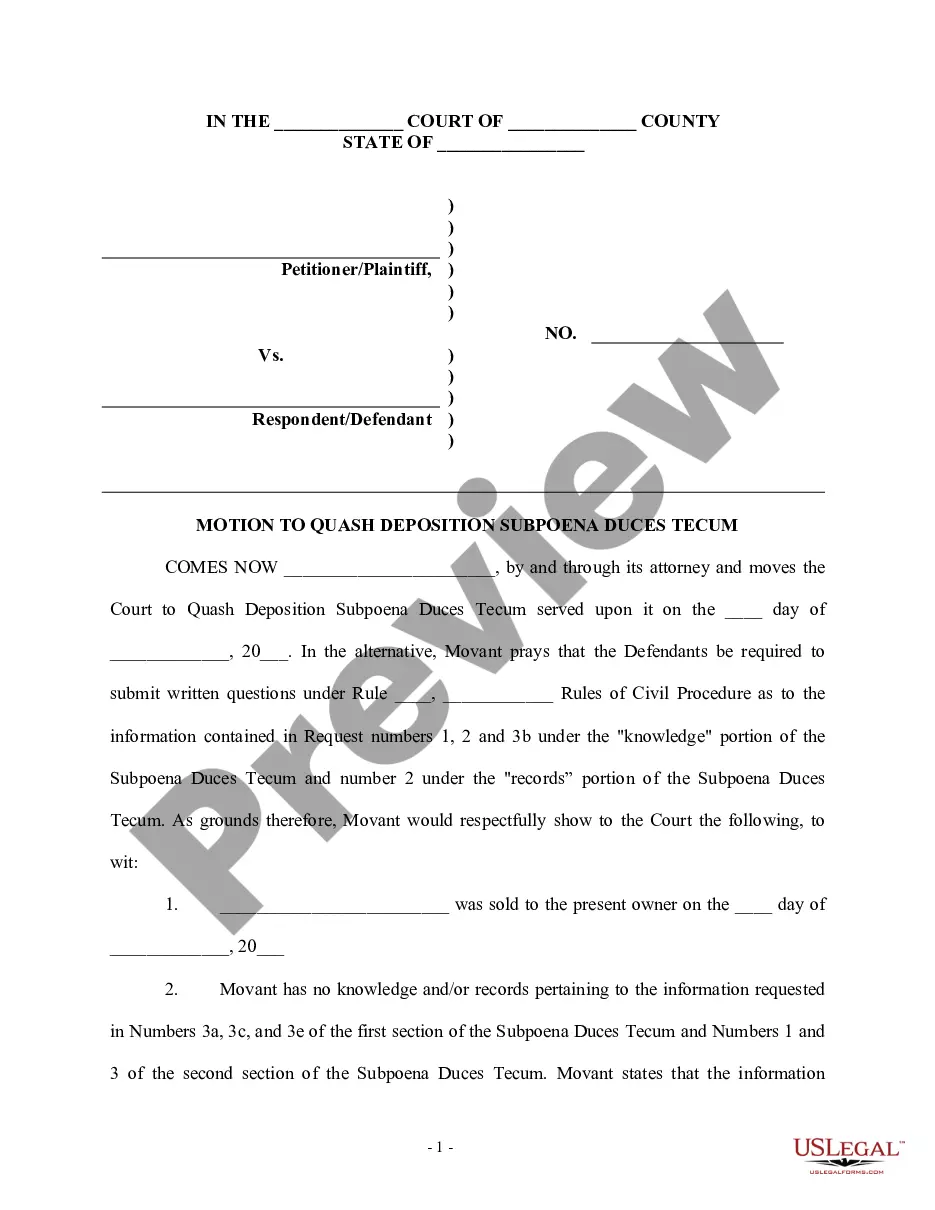
The Motion of Defendant to Quash Service of Process is a legal document used by defendants to challenge the validity of how they were served with legal documents in a court case. This form allows defendants to object to the process based on procedural defects, ensuring that service of process follows proper legal standards. It is important to distinguish this form from other motions related to service, as it specifically addresses issues with the service itself and not the merits of the underlying case.
Key components of this form
- Information on the defendant and plaintiff, including names and case number.
- The motion requesting the court to quash the service, detailing the grounds for such a request.
- A notice of motion that informs the opposing party of the hearing date and time.
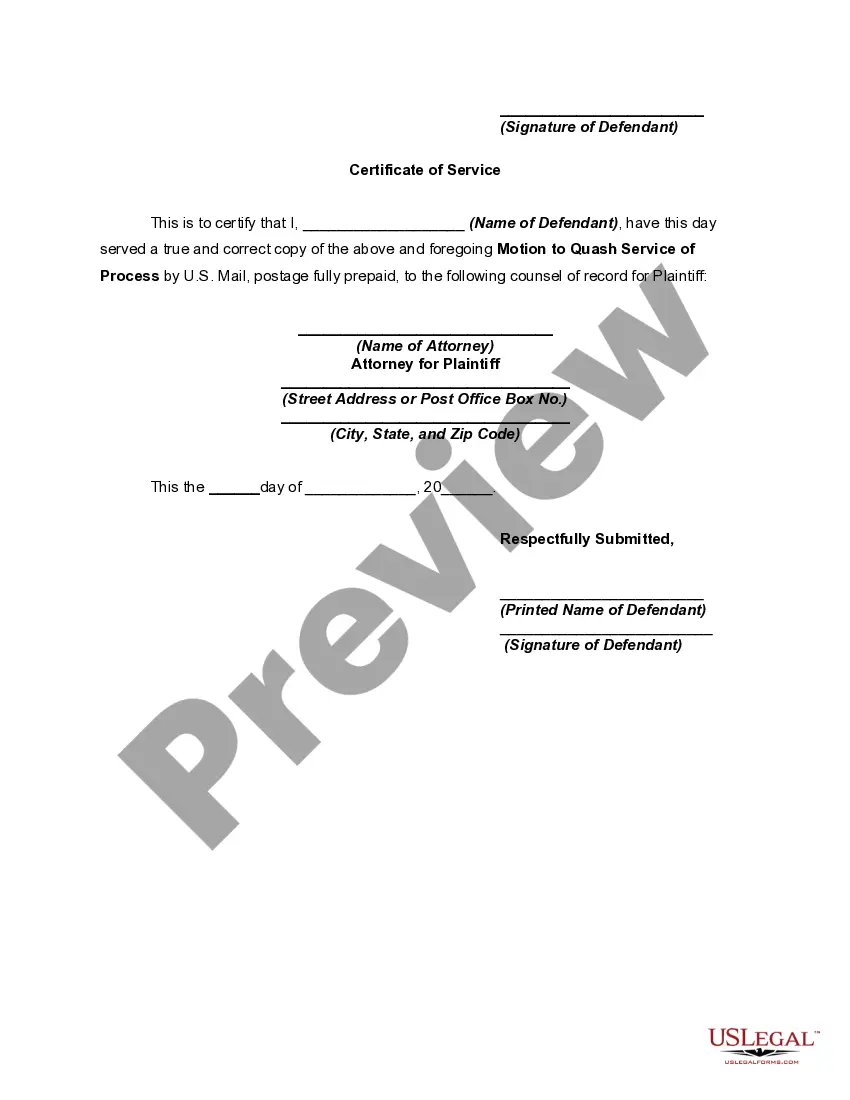
- A certificate of service confirming that the motion has been properly served to the plaintiff's attorney.
When to use this form
This form should be used when a defendant believes that the service of process was not executed correctly or did not meet legal requirements. Common scenarios include situations where the documents were not properly delivered, the defendant was not correctly identified, or the timing of the service does not comply with jurisdictional rules.
Who needs this form
- Defendants who have been served with legal documents and wish to challenge that service.
- Individuals representing themselves in court (pro se litigants) who are familiarizing themselves with legal processes.
- Legal practitioners requiring a template for their clients when addressing service issues.
How to complete this form
- Identify the parties involved by filling in the names of the plaintiff and defendant at the top of the form.
- State the specific reasons for quashing the service, citing relevant statutes or procedural rules.
- Prepare the notice of motion, including the hearing date and court location.
- Provide a certificate of service with details of how and when the motion was served to the opposing party.
- Sign and date the form where indicated.
Does this form need to be notarized?
This form does not typically require notarization unless specified by local law. It is important to verify local rules and procedures before filing.
Get your form ready online
Our built-in tools help you complete, sign, share, and store your documents in one place.
Make edits, fill in missing information, and update formatting in US Legal Forms—just like you would in MS Word.
Download a copy, print it, send it by email, or mail it via USPS—whatever works best for your next step.
Sign and collect signatures with our SignNow integration. Send to multiple recipients, set reminders, and more. Go Premium to unlock E-Sign.
If this form requires notarization, complete it online through a secure video call—no need to meet a notary in person or wait for an appointment.
We protect your documents and personal data by following strict security and privacy standards.

Make edits, fill in missing information, and update formatting in US Legal Forms—just like you would in MS Word.

Download a copy, print it, send it by email, or mail it via USPS—whatever works best for your next step.

Sign and collect signatures with our SignNow integration. Send to multiple recipients, set reminders, and more. Go Premium to unlock E-Sign.

If this form requires notarization, complete it online through a secure video call—no need to meet a notary in person or wait for an appointment.

We protect your documents and personal data by following strict security and privacy standards.
Common mistakes
- Failing to file the motion before answering the complaint, which may forfeit the right to contest service.
- Not providing adequate reasons for quashing the service, which can result in denial.
- Omitting the required signature or date on the motion, leading to procedural issues.
Why use this form online
- Immediate access to customizable legal form templates drafted by licensed attorneys.
- The ability to download and complete forms at your convenience, eliminating the need for in-person visits to legal offices.
- Affordability and a straightforward approach to legal documentation without hidden fees.
Legal use & context
- This motion is a critical step in protecting a defendant's rights and ensuring proper legal procedures are followed.
- It may affect the outcome of a case regarding the court's ability to hear the claim against the defendant.
- Failure to file this motion correctly may result in a waiver of the right to contest the service.
Main things to remember
- The Motion of Defendant to Quash Service of Process is vital for disputing improper service.
- Defendants must act quickly and follow the specific procedures for filing.
- Consult local laws or an attorney for guidance specific to your jurisdiction.
Looking for another form?








Form popularity
FAQ
It is a civil-procedure form used by a defendant to challenge the validity of how they were served with court papers. It targets procedural defects in service, not the case merits, and requests the court to quash the service and, if needed, allow proper re-service.
After a motion is granted, the court issues an order quashing the current service, ending that attempt. The plaintiff usually must re-serve the defendant in compliance with court rules, or follow any alternative service method the judge permits. The form’s notice of motion and certificate of service ensure proper notice and documentation.
Outcomes vary by case and jurisdiction, but success depends on proving a procedural defect in service, such as improper delivery, misidentification, or failure to follow timing rules. This form guides you to present those grounds clearly at the hearing and to provide a proper certificate of service.
It means the defendant is asking the court to cancel or invalidate the current service of process. The form specifies that the motion requests the court to quash the service, and it requires a notice of motion and a certificate of service to show proper service of the motion itself.
Examples include service that was not properly delivered, served to the wrong person, at an incorrect address, or outside the required timeframe. The form helps document these grounds for relief and can be filed with a notice of hearing so the court can decide on the motion.
This form specifically challenges the validity of service itself, while a motion to dismiss for improper service focuses on jurisdiction over the case. The Motion of Defendant to Quash Service of Process targets the service event and often leads to re-service, rather than directly addressing the merits of the lawsuit.