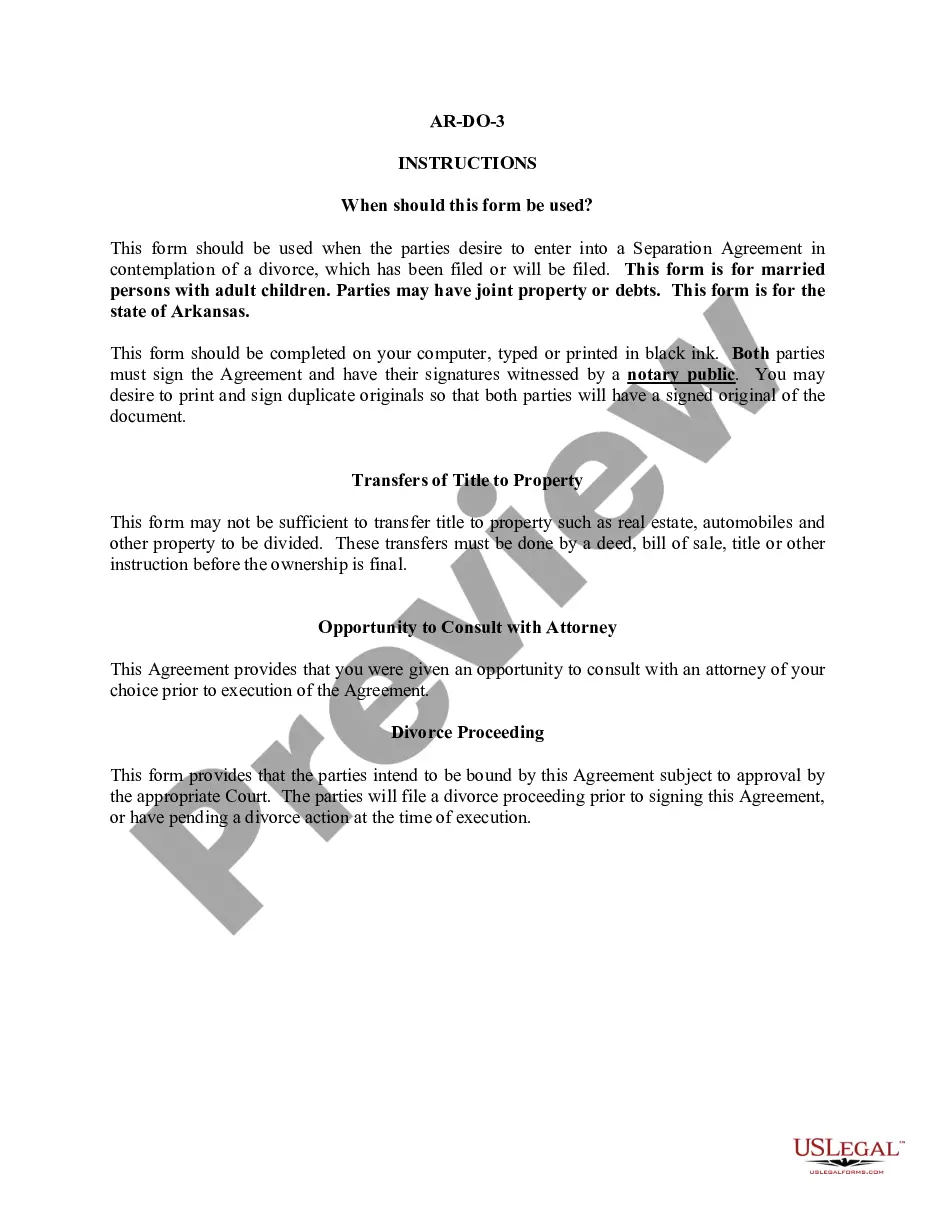
Promotion Agreement for the Purpose of Raising Money for a Business
Understanding this form
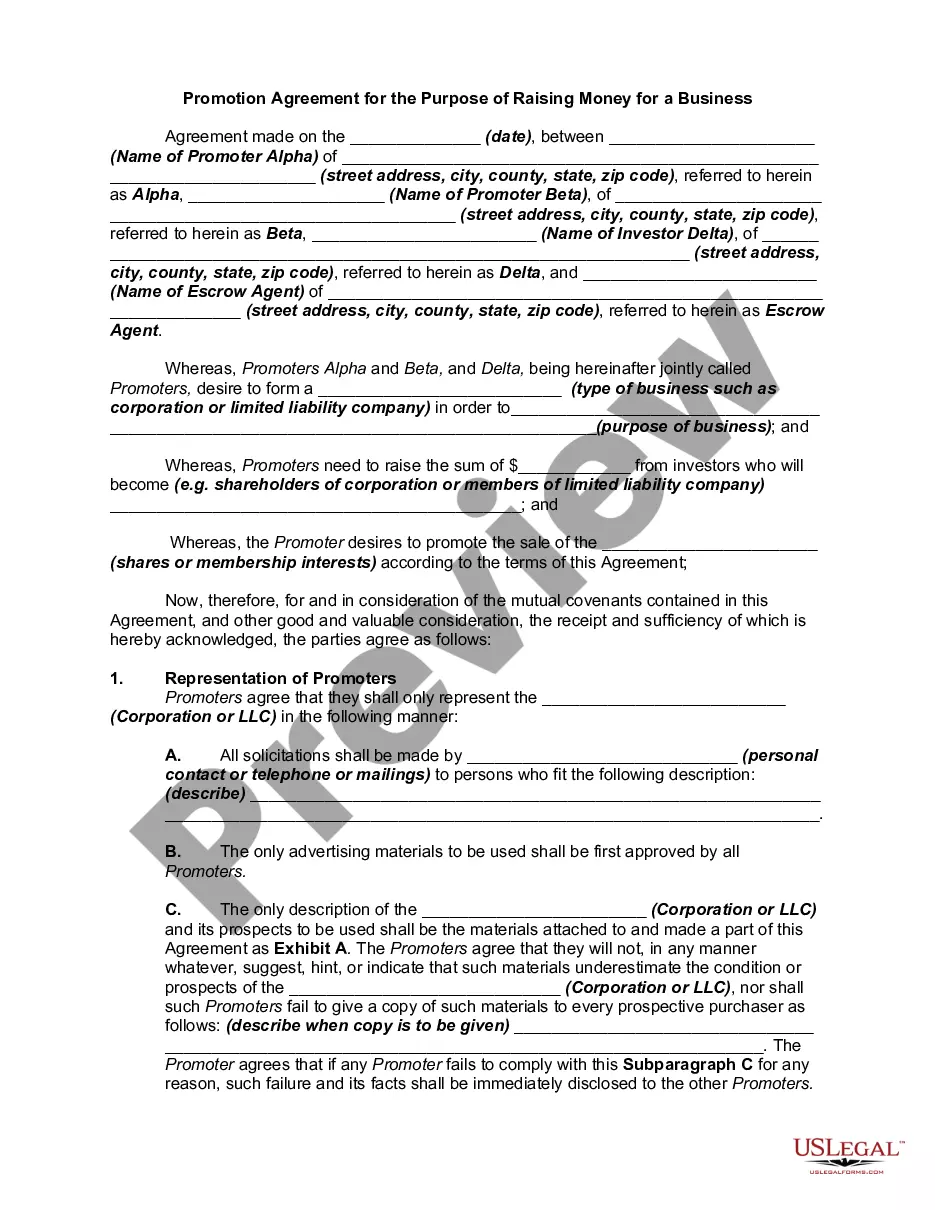
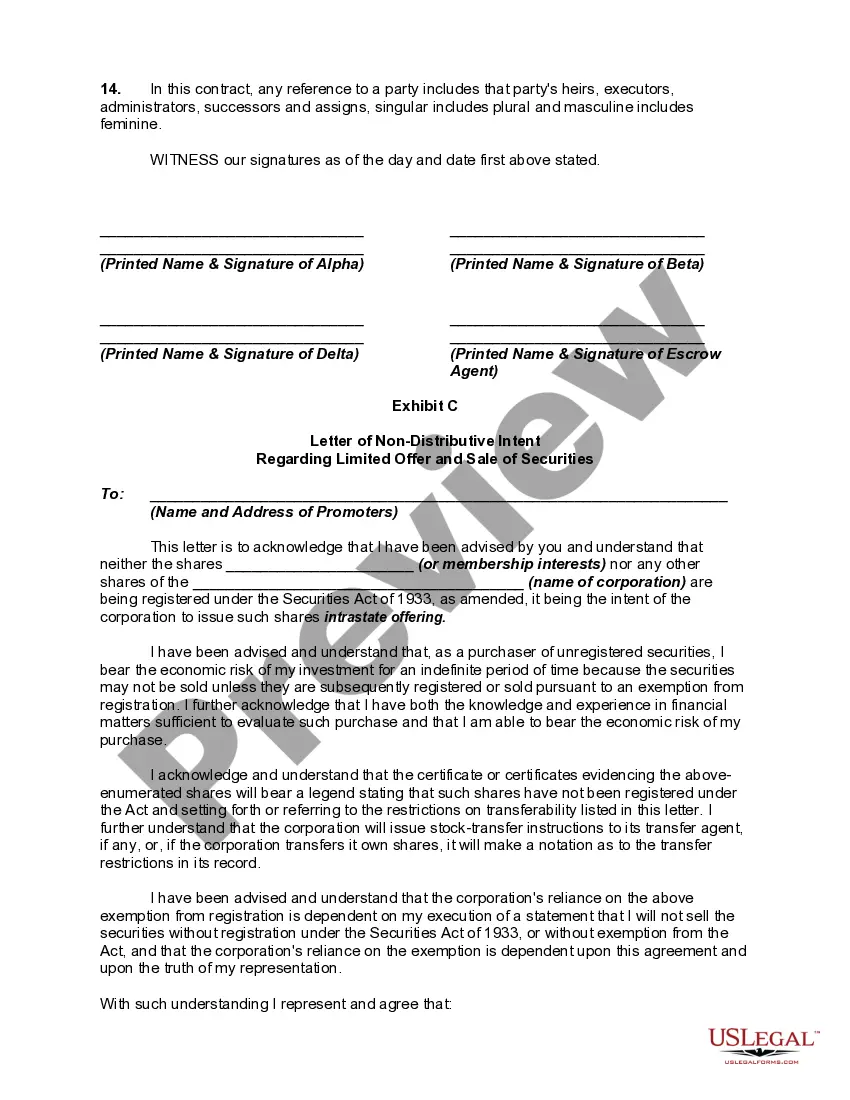
The Promotion Agreement for the Purpose of Raising Money for a Business is a legal document that outlines the terms between promoters and investors for the purpose of raising capital for a business venture. This agreement is essential for companies seeking investments while complying with federal regulations under the Securities Act of 1933. It differentiates itself from other forms by specifically detailing the roles of promoters, investors, and an escrow agent in the fundraising process.
Key parts of this document
- Identification of all parties involved, including promoters and investors.
- Details about the business purpose, structure, and financial goals.
- Representation and obligations of the promoters regarding fundraising activities.
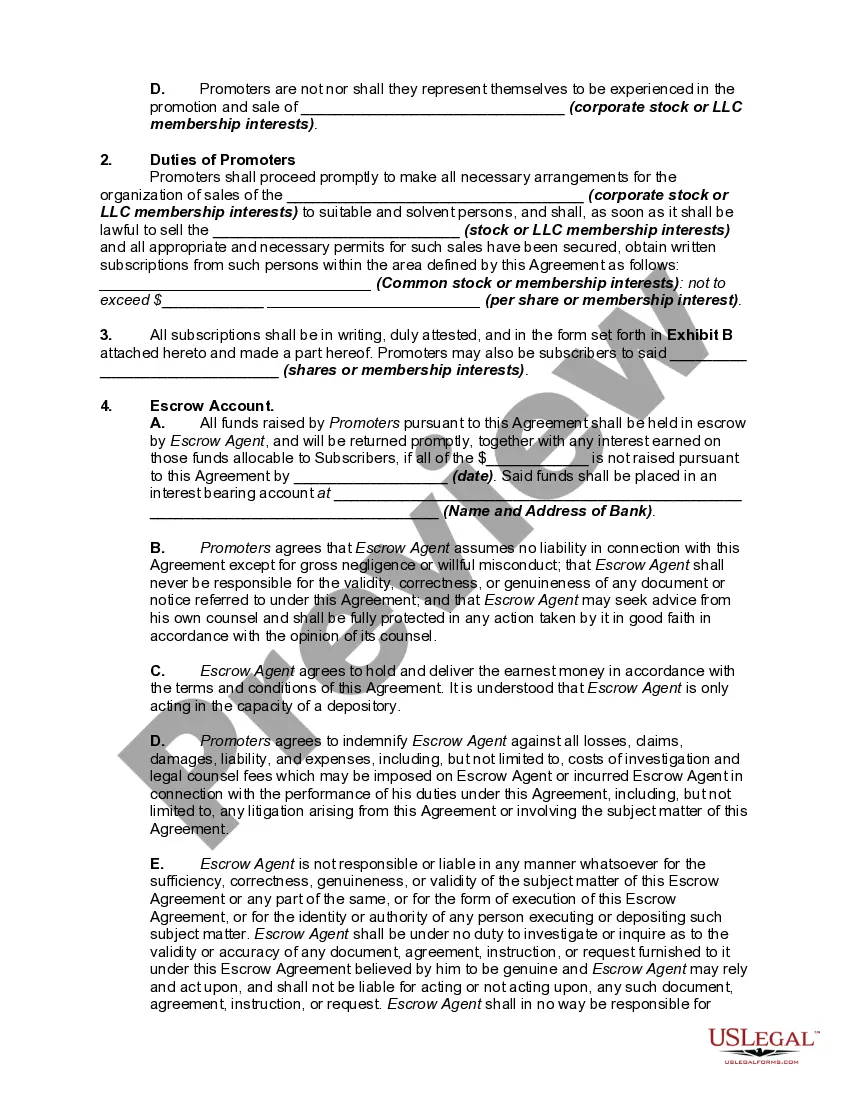
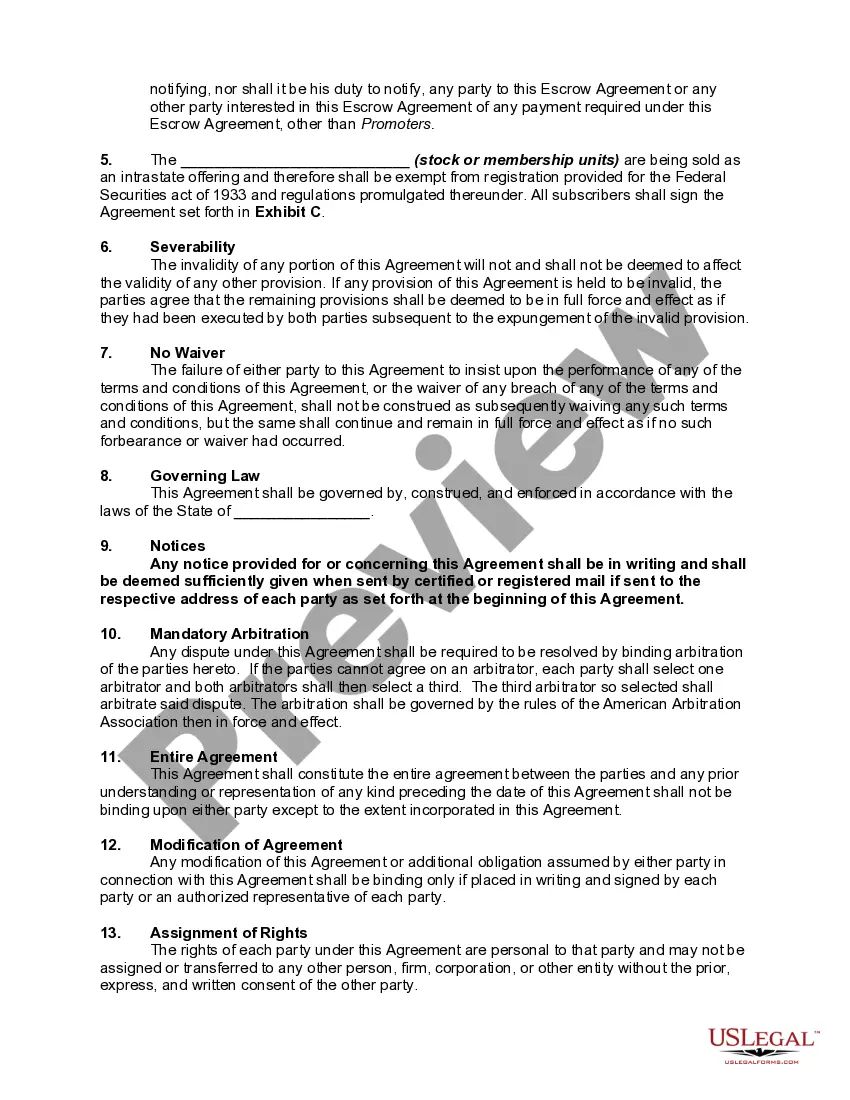
- Establishment of an escrow account for securing raised funds.
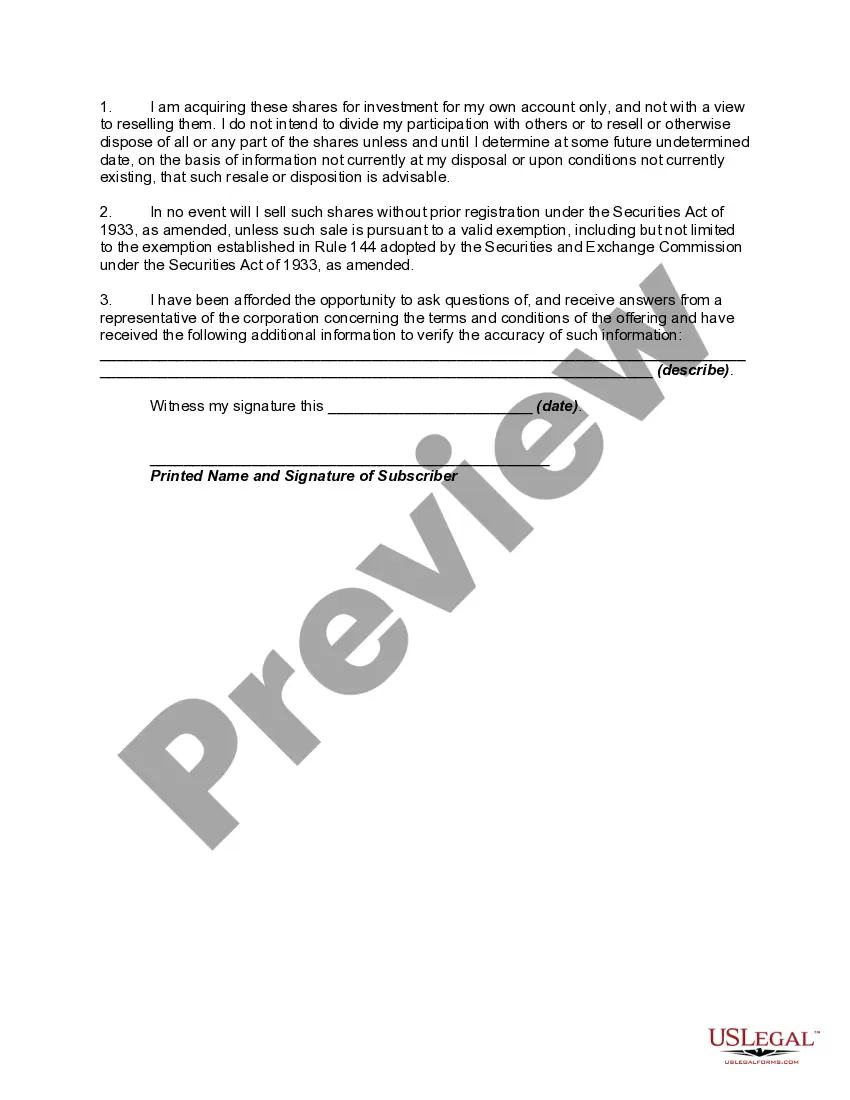
- Conditions under which the securities are exempt from federal registration.
- Arbitration clauses for resolving disputes between parties.
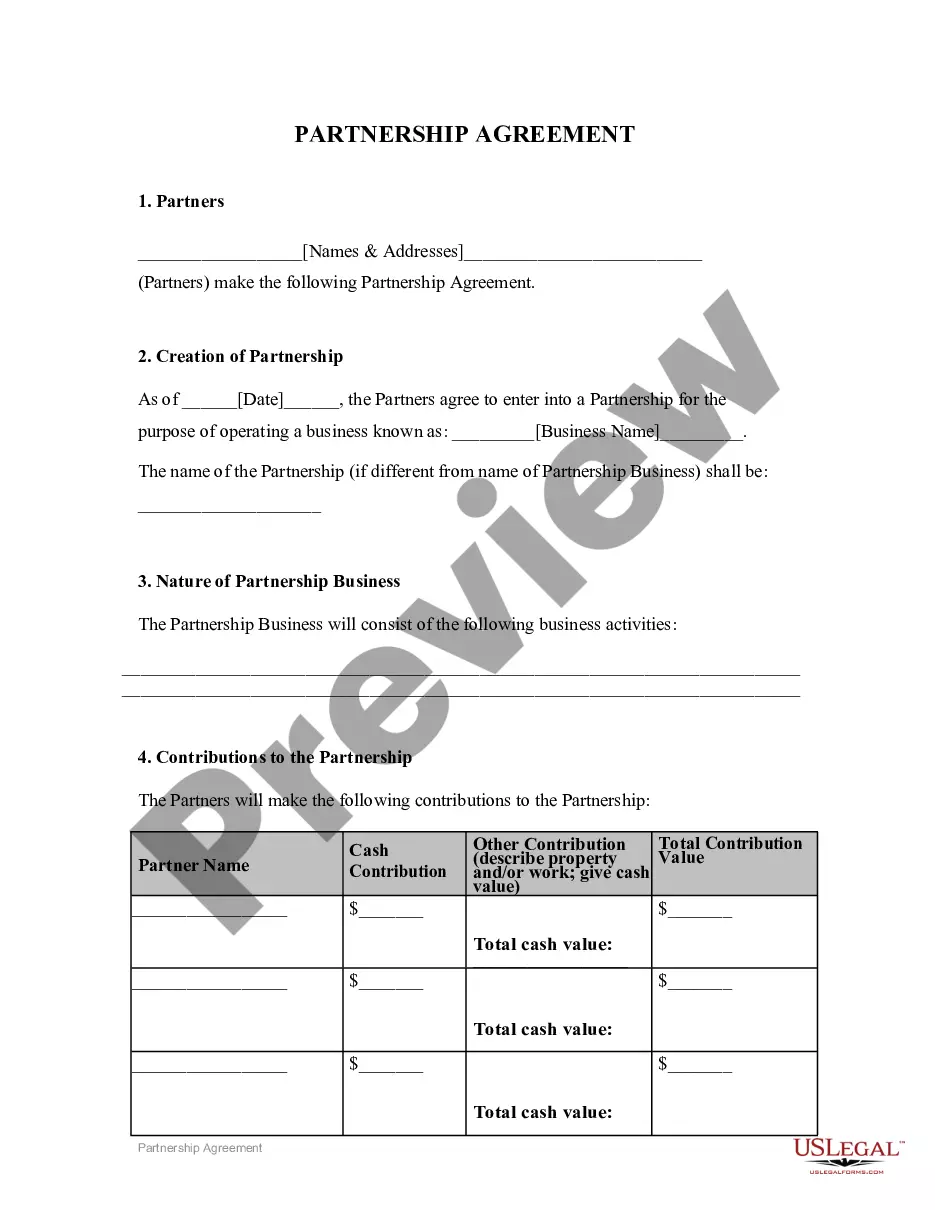
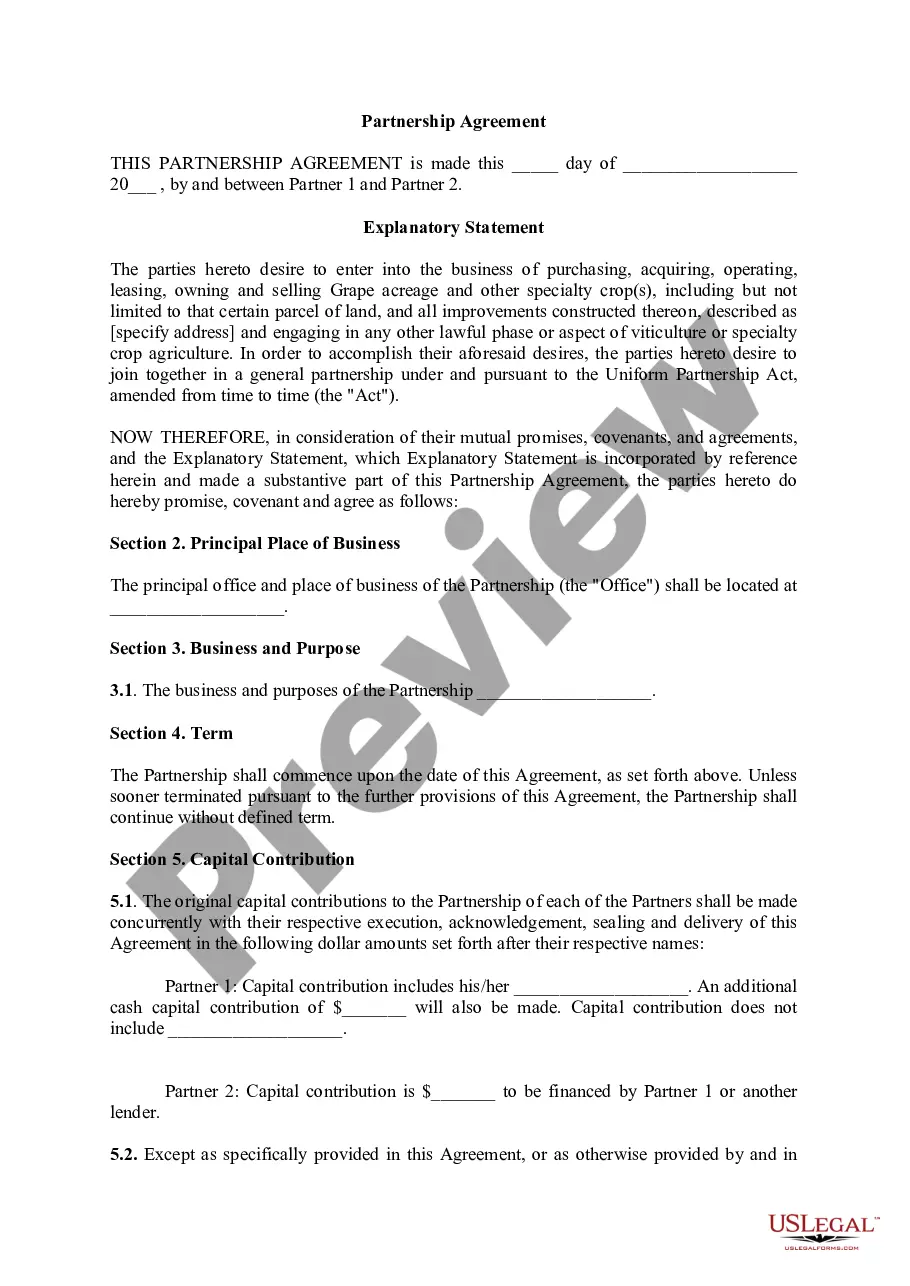
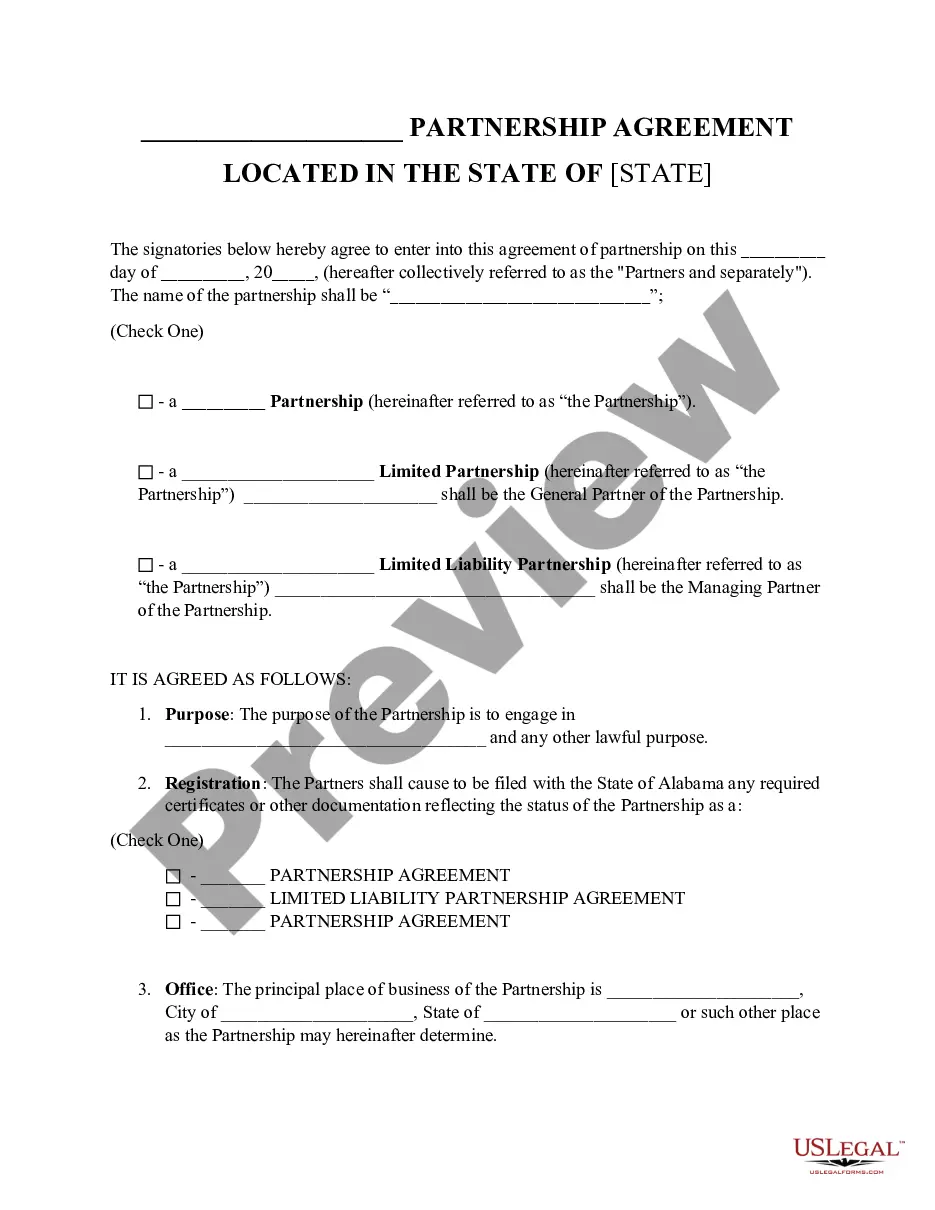
Situations where this form applies
This form should be used when a business intends to raise funds from investors under the provisions of the intrastate exemption. It is particularly necessary for close corporations wishing to solicit investments from state residents, ensuring compliance with both state and federal laws.
Who needs this form
- Business owners or promoters seeking to raise capital for a new venture.
- Investors interested in participating in a business requiring funding.
- Escrow agents tasked with managing and safeguarding investors' funds.
- Legal professionals who assist clients in drafting or reviewing investment agreements.
How to complete this form
- Enter the date and full names of all parties involved in the agreement.
- Provide the street addresses and relevant details for each party.
- Specify the type of business entity and its purpose for formation.
- State the total amount of money needed for fundraising.
- Detail how the promoters will solicit investments, including approval of advertising materials.
- Ensure all parties sign and date the agreement to validate it.
Notarization requirements for this form
This form does not typically require notarization unless specified by local law. It is advisable to check with a legal professional to ensure compliance with state-specific requirements.
Get your form ready online
Our built-in tools help you complete, sign, share, and store your documents in one place.
Make edits, fill in missing information, and update formatting in US Legal Forms—just like you would in MS Word.
Download a copy, print it, send it by email, or mail it via USPS—whatever works best for your next step.
Sign and collect signatures with our SignNow integration. Send to multiple recipients, set reminders, and more. Go Premium to unlock E-Sign.
If this form requires notarization, complete it online through a secure video call—no need to meet a notary in person or wait for an appointment.
We protect your documents and personal data by following strict security and privacy standards.

Make edits, fill in missing information, and update formatting in US Legal Forms—just like you would in MS Word.

Download a copy, print it, send it by email, or mail it via USPS—whatever works best for your next step.

Sign and collect signatures with our SignNow integration. Send to multiple recipients, set reminders, and more. Go Premium to unlock E-Sign.

If this form requires notarization, complete it online through a secure video call—no need to meet a notary in person or wait for an appointment.

We protect your documents and personal data by following strict security and privacy standards.
Common mistakes to avoid
- Failing to include all party names and details, which can invalidate the agreement.
- Not specifying the intended business purpose clearly.
- Ignoring the residency requirements, which may lead to non-compliance with state laws.
- Not properly defining the roles and responsibilities of each promoter.
Why use this form online
- Easy access to the form anytime, from any location.
- Customizable fields to fit specific business and investment needs.
- Instant download ensures quick turnaround for urgent fundraising efforts.
- Access to attorney-drafted content, increasing trust and reliability.
Legal use & context
- This promotion agreement is subject to federal and state securities laws, particularly regarding exemptions.
- Investors may face limitations on transferring their stock or interests due to state regulations.
- Any disputes arising from the agreement should be resolved through binding arbitration, as stipulated.
Key takeaways
- The Promotion Agreement is vital for fundraising while complying with legal requirements.
- Proper documentation ensures clarity and legality in business investments.
- Understanding the roles of all parties protects against potential disputes.
Looking for another form?




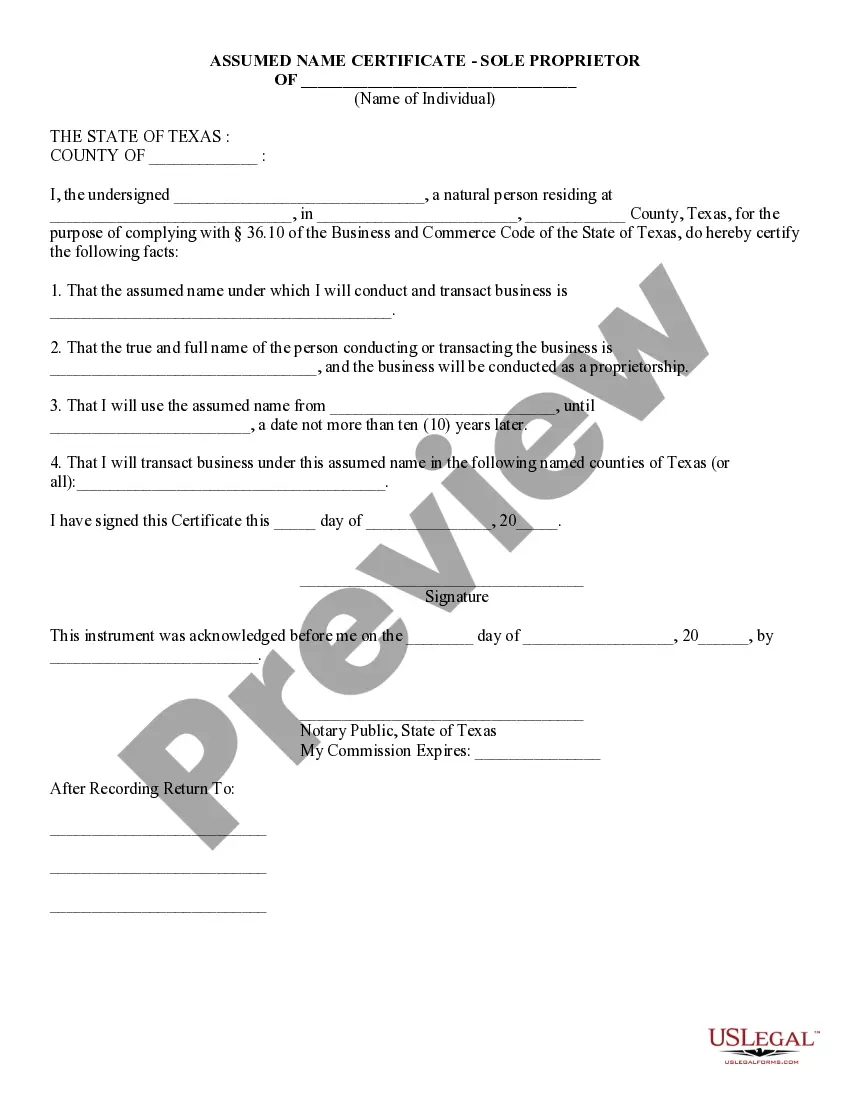



Form popularity
FAQ
The option agreement prevents the landowner selling the property whilst the developer is exploring the viability of the project thereby reducing the risk and potential cost to the developer.A developer may be able to agree the purchase price with the landowner at the outset of the option agreement.
An option- to-purchase agreement is an arrangement in which, for a fee, a tenant or investor acquires the right to purchase real property sometime in the future.In the residential context, an option to purchase is usually a part of a rent-to-own agreement, also called a lease-option.
The option agreement prevents the landowner selling the property whilst the developer is exploring the viability of the project thereby reducing the risk and potential cost to the developer.A developer may be able to agree the purchase price with the landowner at the outset of the option agreement.
An option is a device that allows a buyer to buy an "opportunity" to buy the land itself later.An option gives its holder the right but not an obligation to buy or sell an asset at a price that is calculated according to a pre-arranged formula or at a fixed price in advance.
The primary difference is that an option contract entitles the buyer to the option to purchase the items at a later time, whereas a firm offer gives the buyer the right to buy the items outright at any time.
Options expire at 4 p.m. on the third Friday of the month in the sense that they no longer trade. But the stocks themselves keep trading after hours, so, as this reader notes, what's in-the-money (ITM) at 4 p.m. on Friday can be out-of-the-money (OTM) by 5 p.m., or vice versa.
LEAPS have expiration dates that are a year away or longer, typically up to three years. The expiry date is on the third Friday of the expiry month. 5feff The contracts are ideal for investors looking for prolonged exposure.
You buy call options to make money when the stock price rises. If your call options expire in the money, you end up paying a higher price to purchase the stock than what you would have paid if you had bought the stock outright. You are also out the commission you paid to buy the option and the option's premium cost.
An option agreement on property typically lasts between three to five years. But the period of the option agreement can be shorter or longer by mutual agreement from both parties. Also, many property option agreements include a right to extend, should this be needed towards the end of the option agreement period.