Defendant's Motion to Suppress Pictures of R.W.
Understanding this form
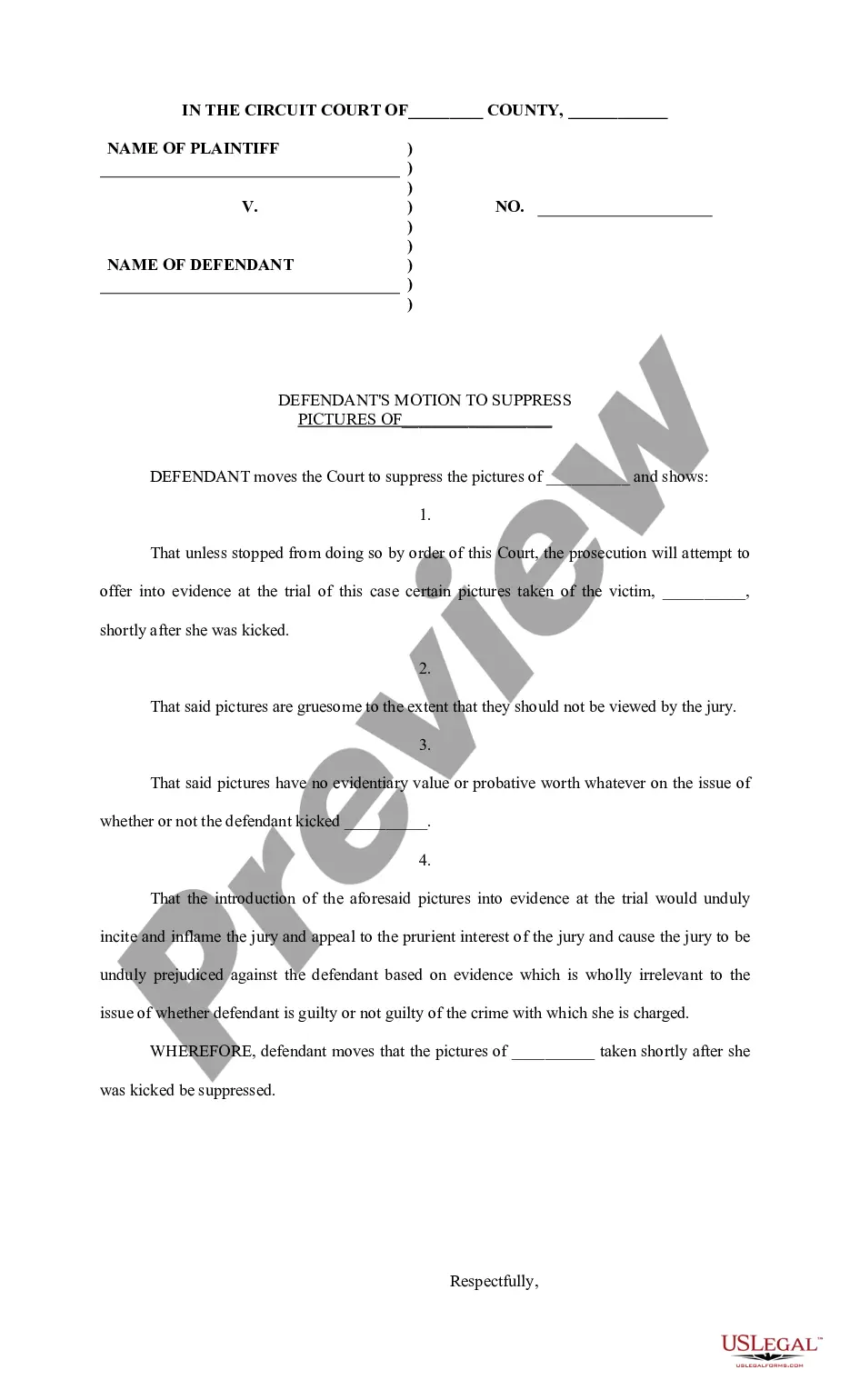
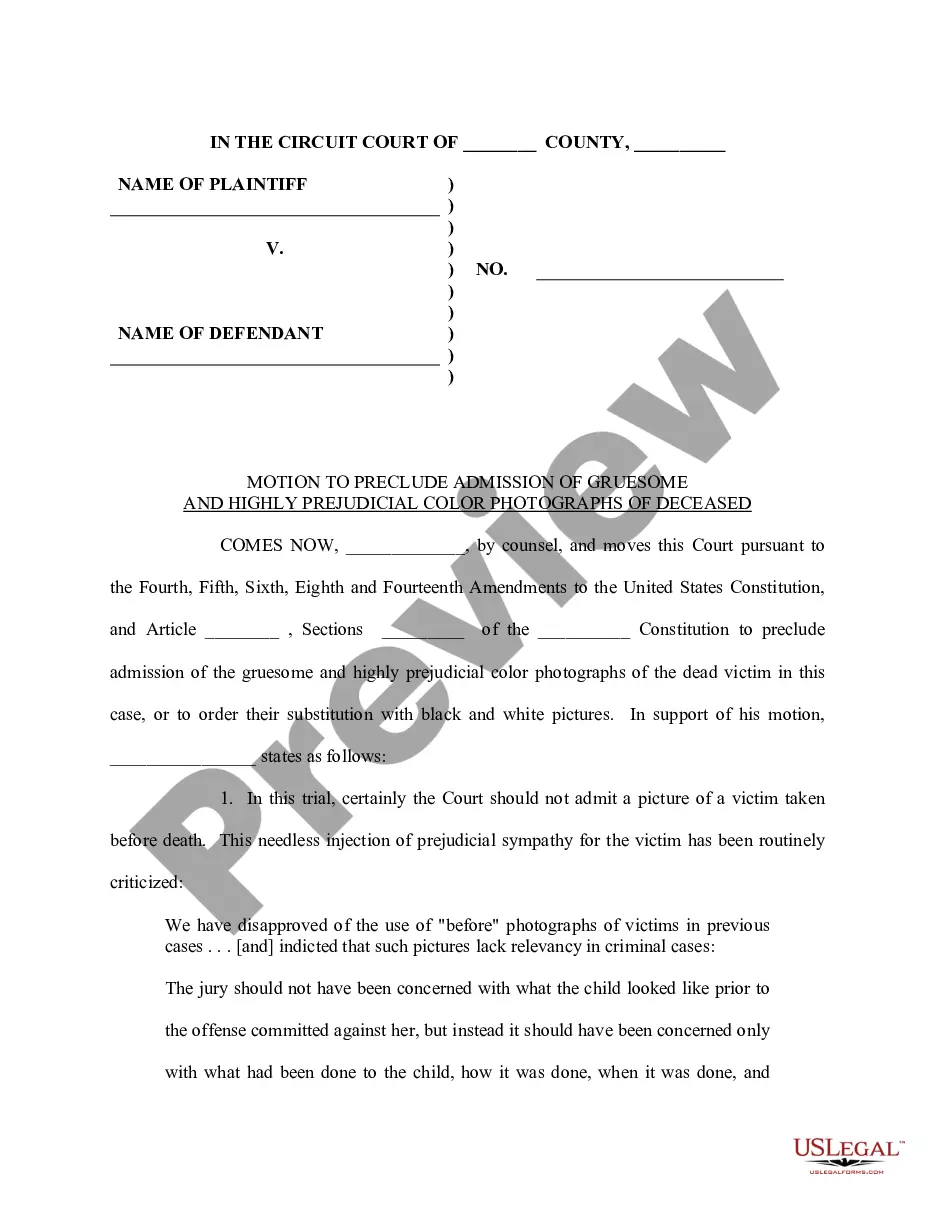
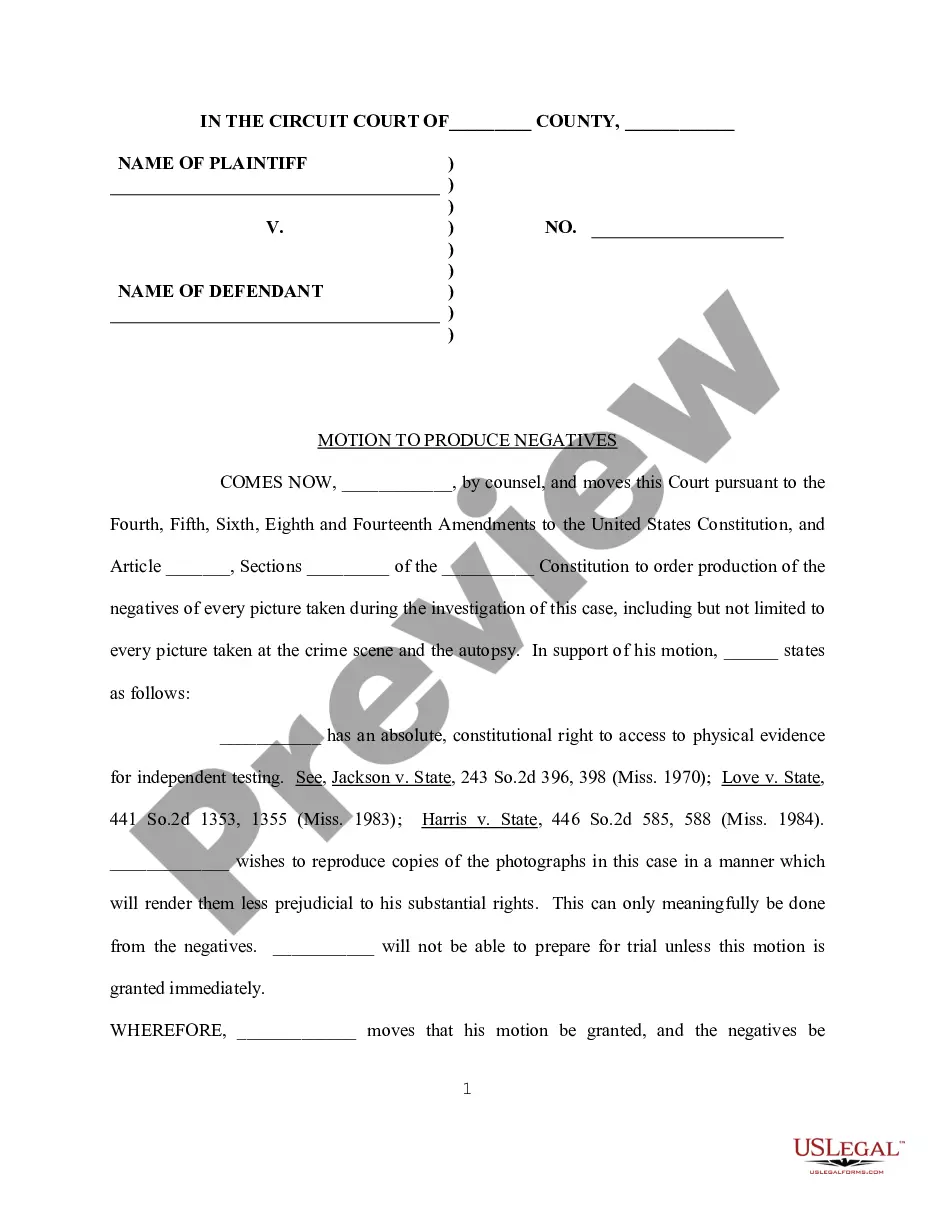
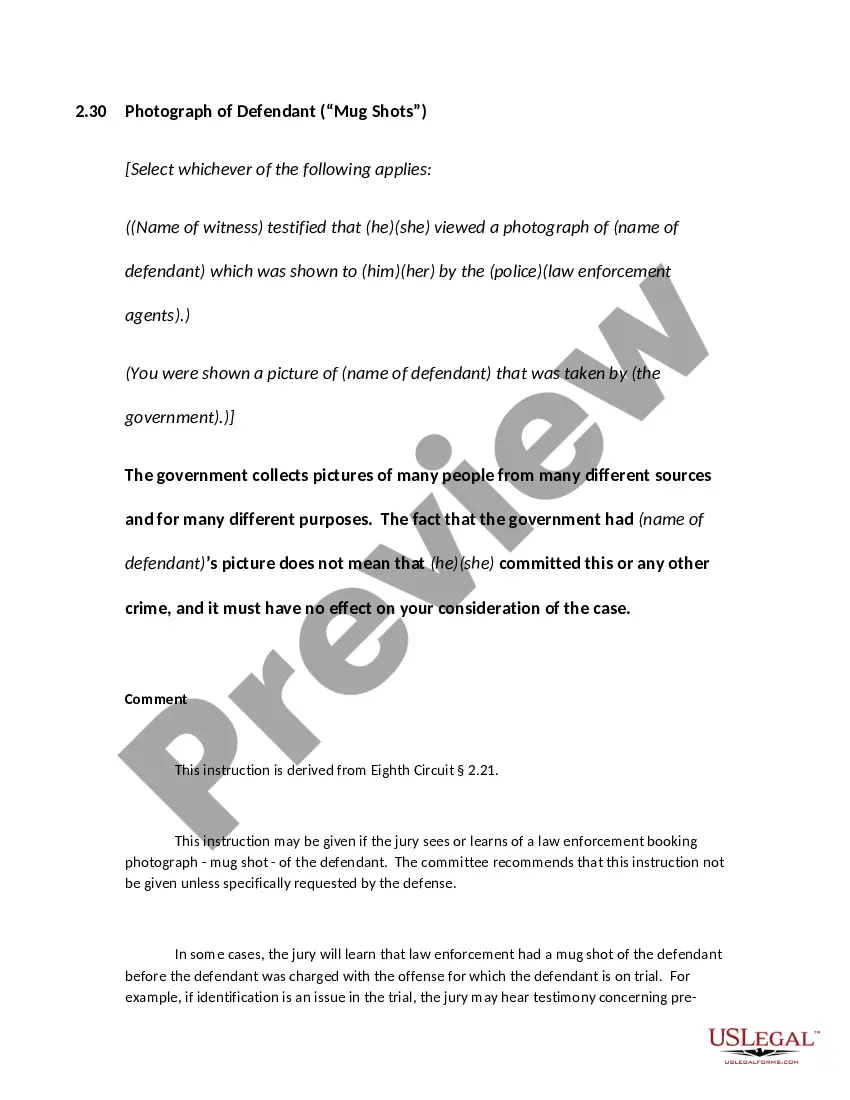
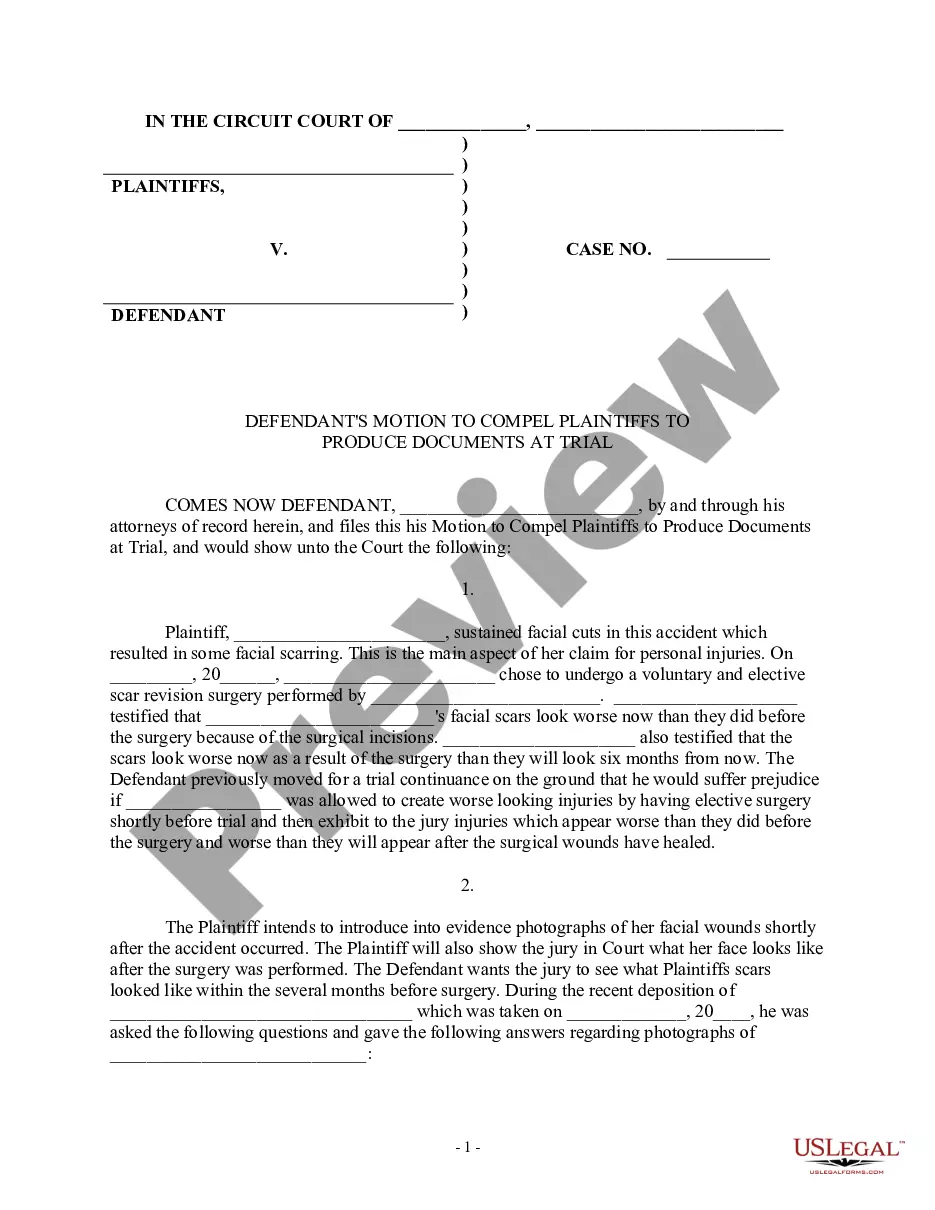
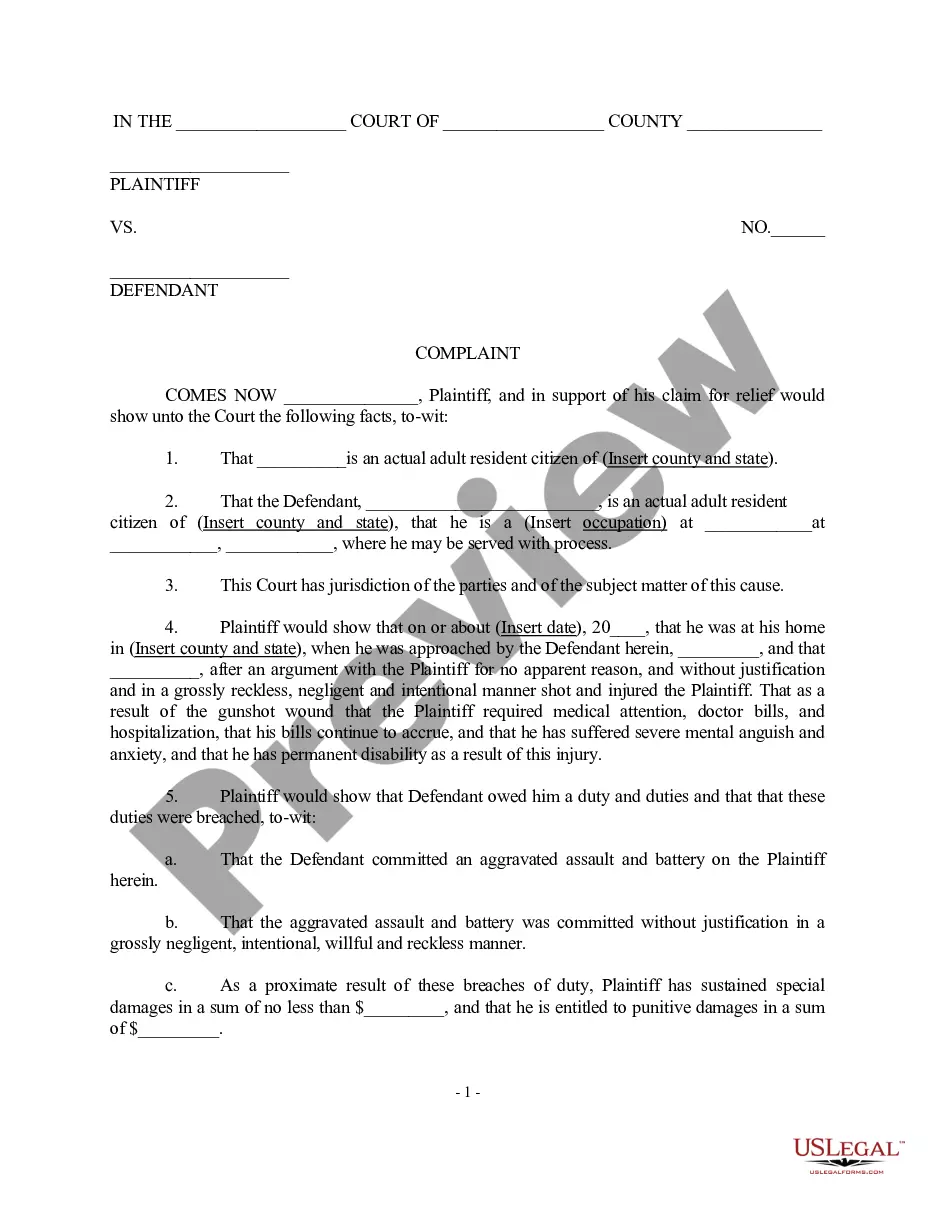
This form is known as the Defendant's Motion to Suppress Pictures of R.W. It is a legal motion used in court to request that certain pictures, deemed prejudicial due to their gruesome nature, be excluded from evidence in a trial. The goal of this motion is to argue that these photographs lack probative value and could unfairly influence the jury's perception, which is critical when establishing a fair trial.
Key parts of this document
- Introduction section detailing the intent to suppress specific photographs.
- Argument highlighting the gruesome nature of the pictures.
- Assertion that the pictures hold no evidentiary value regarding the defendant's actions.
- Conclusion stating the request for the pictures to be suppressed.
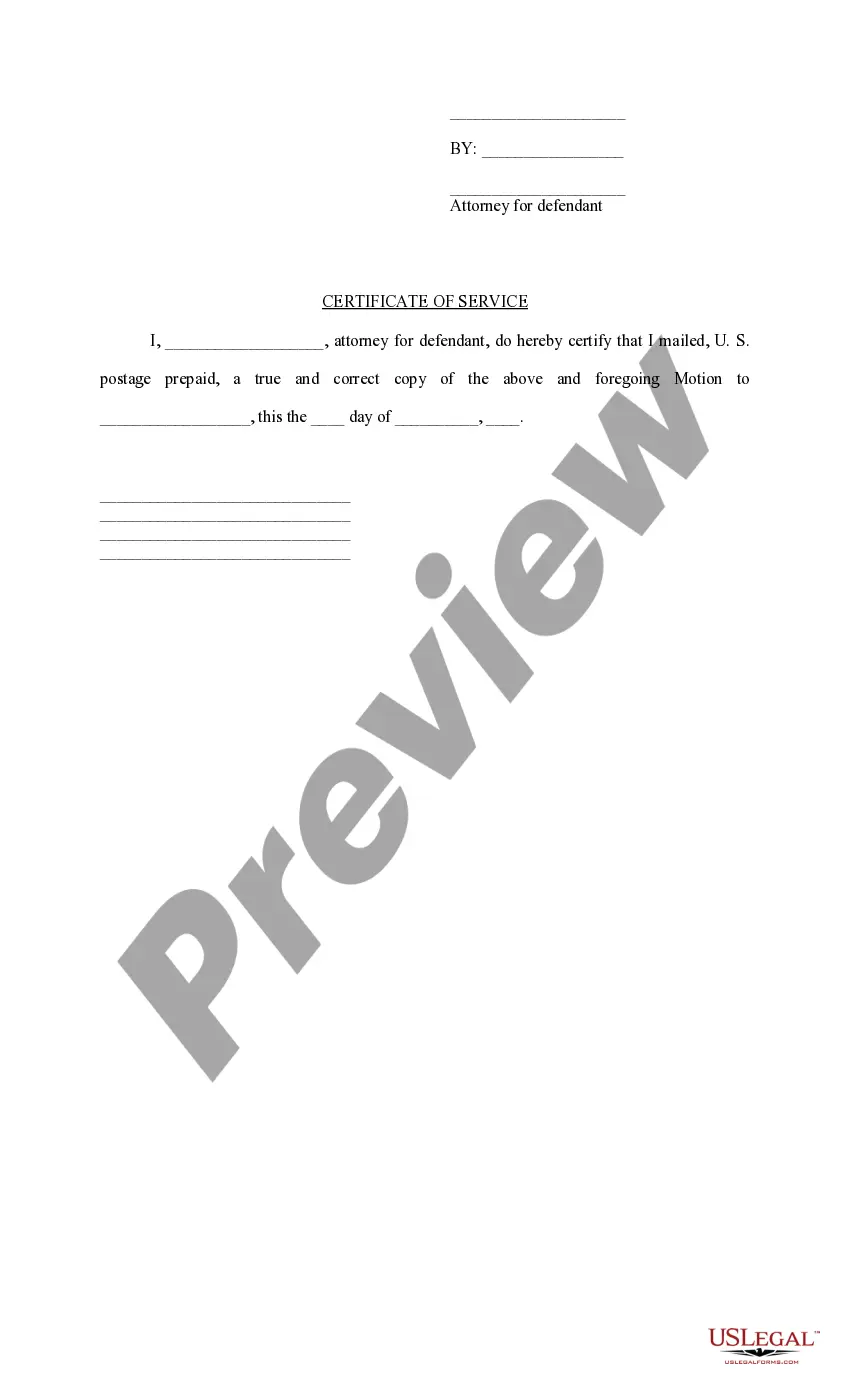
- Signature line for the defendant's attorney.
- Certificate of service to confirm that the motion has been shared with relevant parties.
Situations where this form applies
This form should be used when a defendant believes that certain photographic evidence is unfairly prejudicial and does not contribute relevant information to the case at hand. Typically, this motion is filed ahead of a trial to prevent possibly inflammatory images from being presented to the jury, which could influence their judgment unjustly.
Who can use this document
- Defendants facing charges that involve potentially prejudicial visual evidence.
- Attorneys representing defendants in criminal cases.
- Legal professionals seeking to protect their clients' rights during a trial.
How to complete this form
- Identify the parties involved, including the defendant and the prosecution.
- Clearly state the pictures you are requesting to suppress.
- Provide arguments as to why the photos are considered gruesome and prejudicial.
- Include a statement on the lack of evidentiary value for the photos against the defendant's actions.
- Sign the motion as the attorney for the defendant.
- Complete the certificate of service to confirm copies were sent to relevant parties.
Does this document require notarization?
This form usually doesn’t need to be notarized. However, local laws or specific transactions may require it. Our online notarization service, powered by Notarize, lets you complete it remotely through a secure video session, available 24/7.
Get your form ready online
Our built-in tools help you complete, sign, share, and store your documents in one place.
Make edits, fill in missing information, and update formatting in US Legal Forms—just like you would in MS Word.
Download a copy, print it, send it by email, or mail it via USPS—whatever works best for your next step.
Sign and collect signatures with our SignNow integration. Send to multiple recipients, set reminders, and more. Go Premium to unlock E-Sign.
If this form requires notarization, complete it online through a secure video call—no need to meet a notary in person or wait for an appointment.
We protect your documents and personal data by following strict security and privacy standards.

Make edits, fill in missing information, and update formatting in US Legal Forms—just like you would in MS Word.

Download a copy, print it, send it by email, or mail it via USPS—whatever works best for your next step.

Sign and collect signatures with our SignNow integration. Send to multiple recipients, set reminders, and more. Go Premium to unlock E-Sign.

If this form requires notarization, complete it online through a secure video call—no need to meet a notary in person or wait for an appointment.

We protect your documents and personal data by following strict security and privacy standards.
Typical mistakes to avoid
- Failing to provide a strong rationale for why the photographs are prejudicial.
- Neglecting to tailor the language of the form to comply with jurisdiction-specific rules.
- Omitting the certificate of service or incorrectly addressing it.
- Not adhering to the proper timeline for filing the motion.
Advantages of online completion
- Convenient access to legal templates drafted by licensed attorneys.
- Save time with a ready-to-use format that can be easily edited to fit individual circumstances.
- Reliable source of legal documentation that meets professional standards.
- Ability to download and print forms immediately, facilitating timely submissions.
Legal use & context
- This motion serves to protect a defendant's right to a fair trial by ensuring prejudicial evidence is not presented.
- Suppression motions must be grounded in legal arguments and supported by appropriate evidence.
- Judges have the discretion to grant or deny suppression motions based on the merits presented.
Key takeaways
- The Defendant's Motion to Suppress Pictures of R.W. aims to exclude harmful evidence from trial.
- Properly articulating the reasons for suppression is essential for the motion's success.
- Adhering to state-specific rules will increase the chances of the motion being granted.
Looking for another form?

Form popularity
FAQ
Use general discovery motions to your advantage. Always cite Tex. File a motion in limine along with your motion to suppress. Request a jury charge. Don't reveal specific grounds for the motion until the hearing. Consider Tex. Attack the probable cause affidavit.
A motion to suppress is a motion that revolves around the exclusion of evidence from trial. In the United States, a motion to suppress is a request made by a criminal defendant in advance of a criminal trial asking the court to exclude certain evidence from the trial.
If the court grants the motion to suppress evidence (that is, rules in favor of the defendant), then the prosecutor is barred from introducing the evidence in question at trial. This often results in the case being dismissed, or a plea bargain agreement more favorable to the defense.
Penal Code 1538.5 PC Motion to suppress evidence. ((o) Within 30 days after a defendant's motion is granted at a special hearing in a felony case, the people may file a petition for writ of mandate or prohibition in the court of appeal, seeking appellate review of the ruling regarding the search or seizure motion.
While in general, on a motion to suppress, the defendant has the burden of proving, by a preponderance of the evidence, that the material in question was seized in violation of his constitutional rights, there are several situations where the burden shifts to the government. United States v. De La Fuente, 548 F.
Filing a Motion to Suppress A motion to suppress is typically filed in the early stages of your criminal case. In fact, your attorney can file the motion as early as your pretrial arraignment hearing. The motion itself can be argued during a pretrial hearing or dedicated suppression hearing.