Tennessee Revocation of Statutory Living Will
Overview of this form
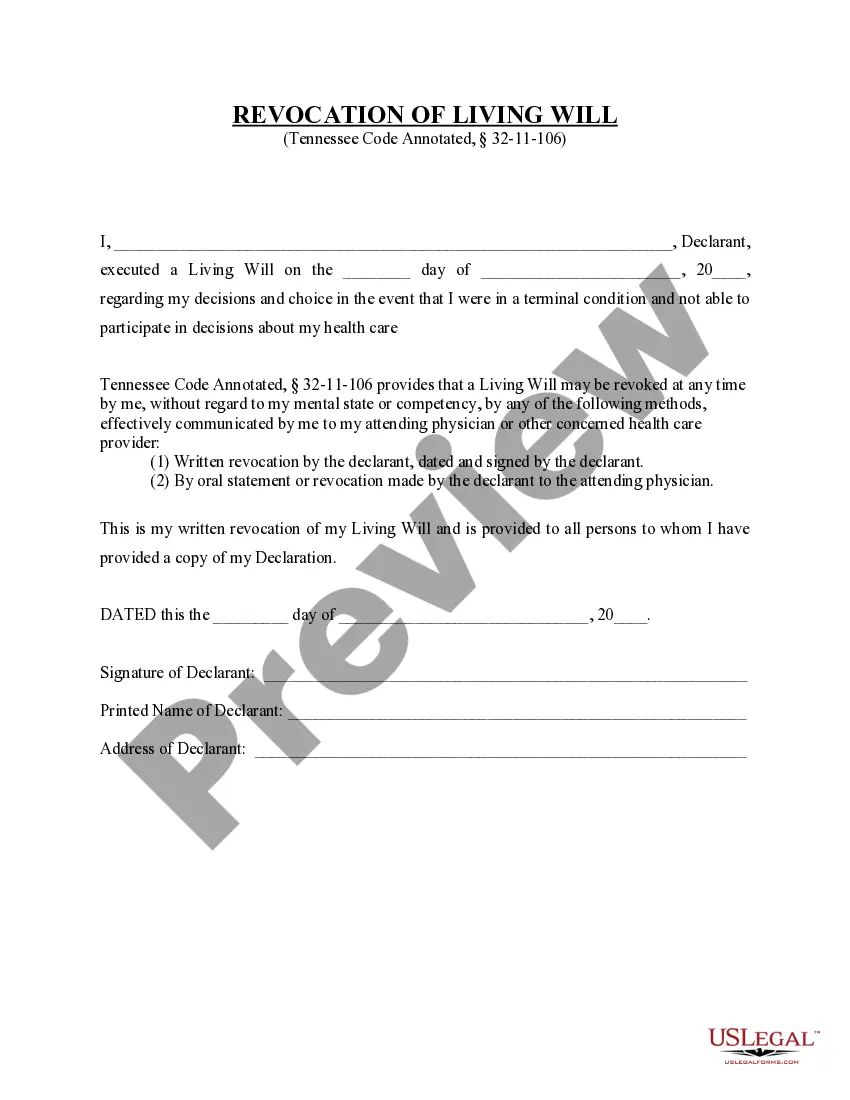
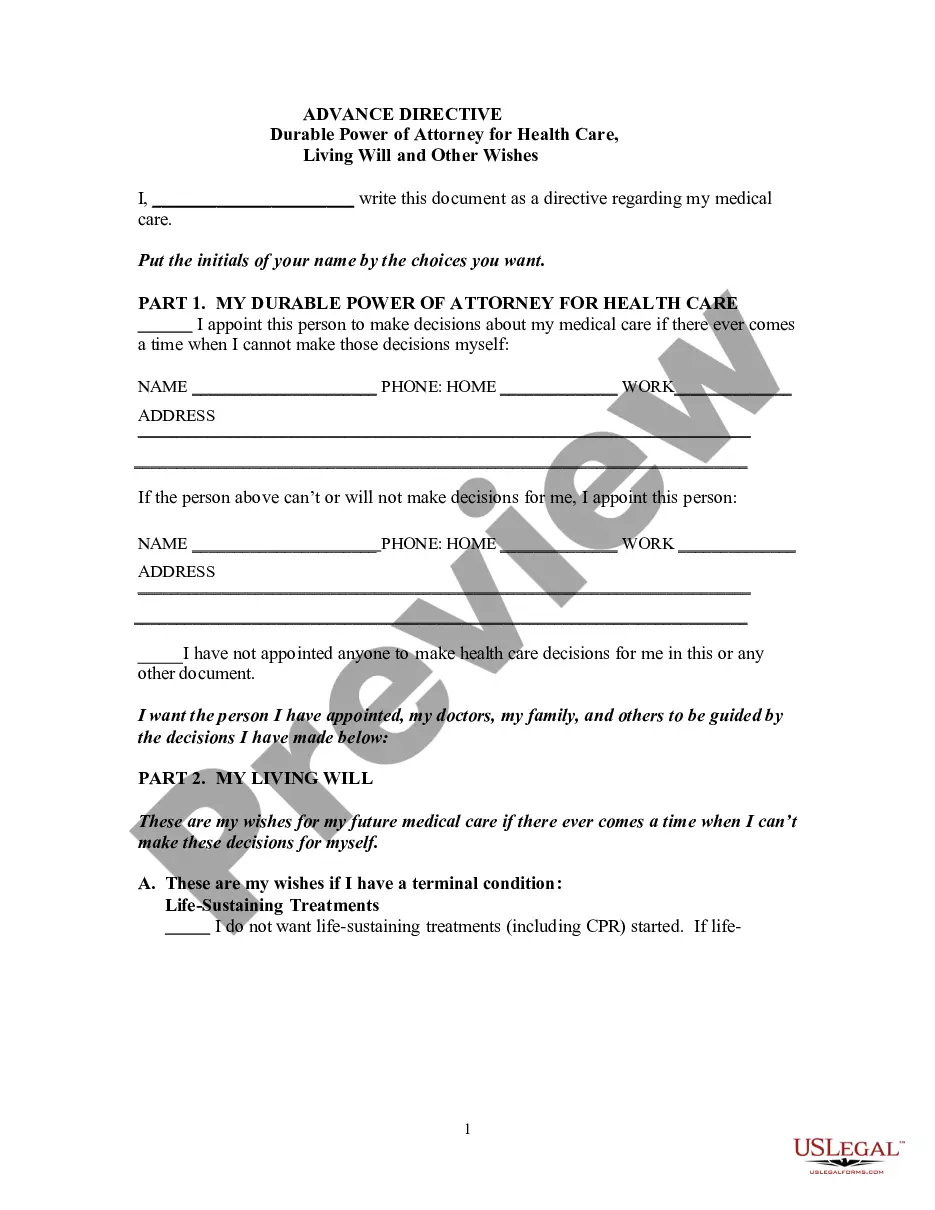
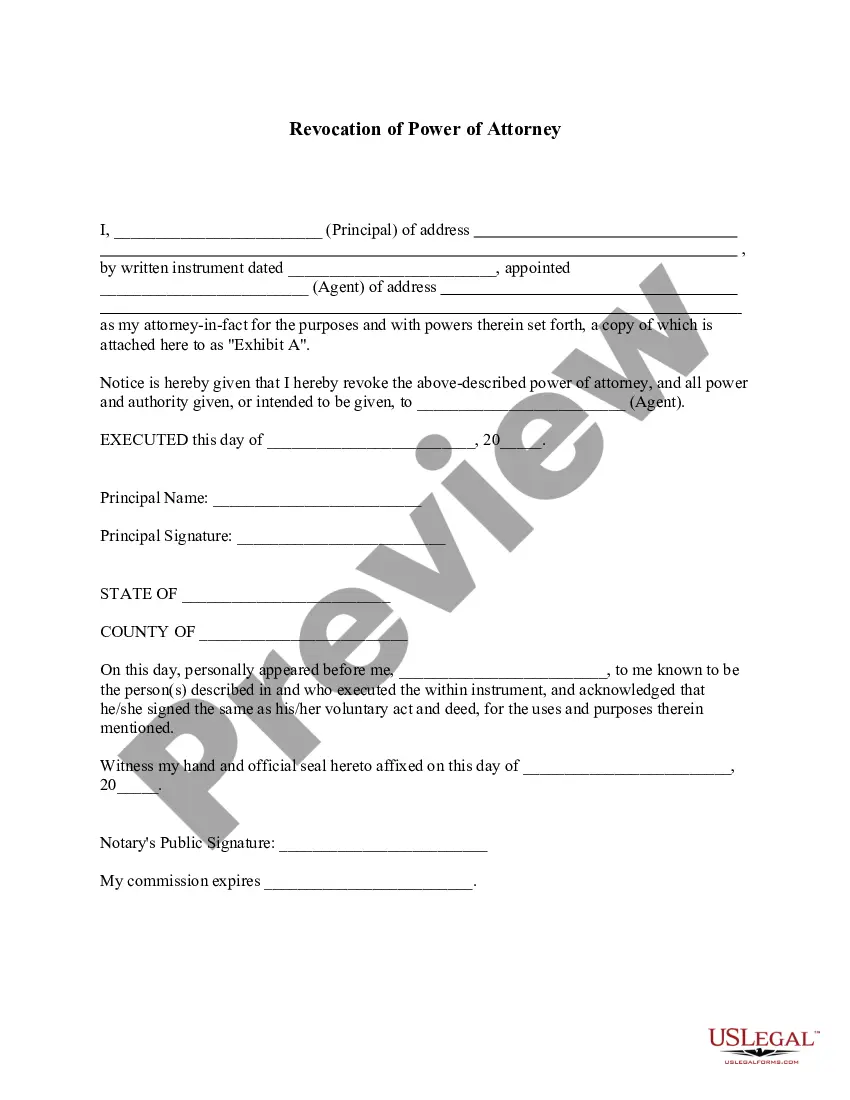
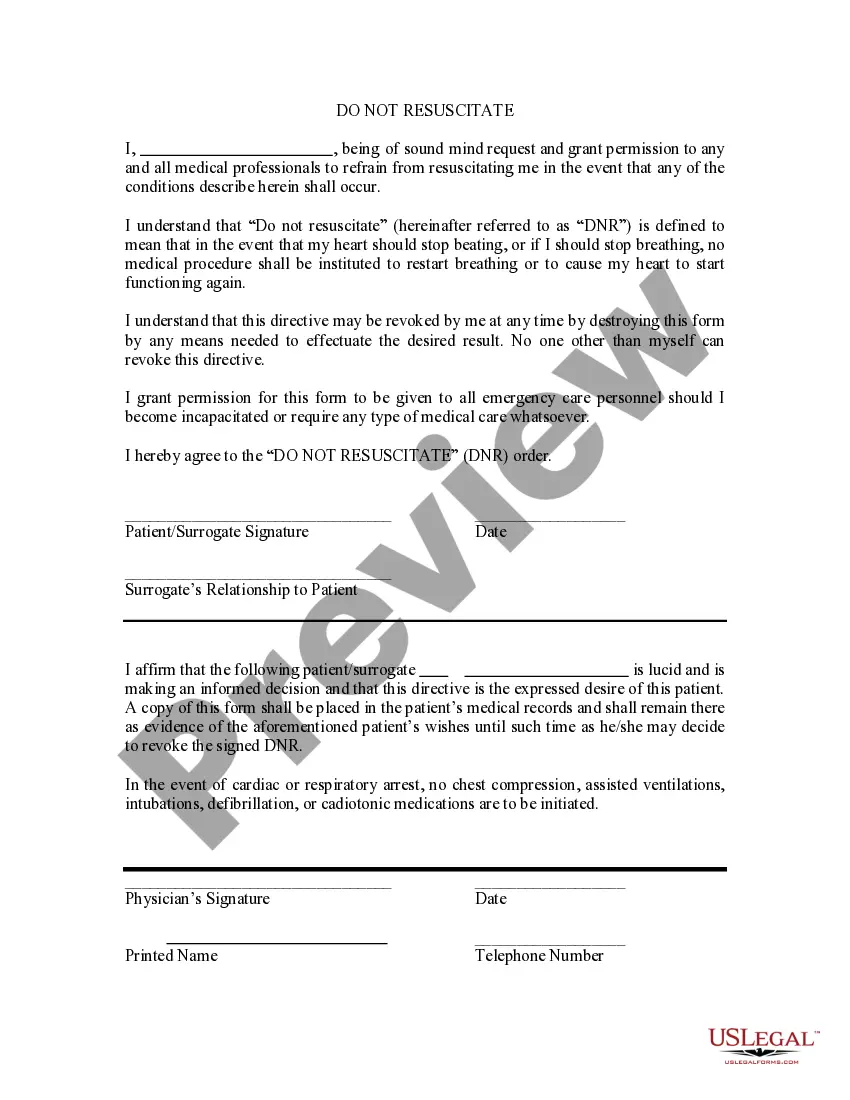
The Revocation of Statutory Living Will is a legal document that allows individuals to revoke their previously expressed wishes regarding life-sustaining medical procedures. It serves to cancel a Statutory Living Will previously executed by the declarant, ensuring that the individual's current preferences about medical treatment are clearly communicated. This form is crucial for those who have changed their minds about their end-of-life care directives and wish to ensure their latest wishes are respected.
Key parts of this document
- Declarant's full name and details.
- Date of the original Living Will revocation.
- Statement of revocation of the prior Living Will.
- Signature of the declarant, indicating intent and acknowledgment.
- Printed name and address of the declarant.
When to use this form
This form should be used when an individual decides to cancel their previously stated medical wishes in a Living Will. Common scenarios include changes in health status, shifts in personal beliefs, or simply a desire to express updated wishes regarding life-sustaining treatment. If you have executed a Living Will in the past but now prefer to alter or revoke those instructions, this form is essential.
Who should use this form
This form is intended for:
- Individuals who have previously executed a Statutory Living Will.
- Those who wish to change their medical treatment preferences regarding end-of-life care.
- Declarants who want to ensure their current health care decisions are legally recognized.
Completing this form step by step
- Enter your full name as the declarant at the top of the form.
- Provide the date of the original Living Will you are revoking.
- Clearly state your intention to revoke the Living Will.
- Sign and date the form to validate your revocation.
- Include your printed name and address for clarity.
Notarization requirements for this form
This form does not typically require notarization unless specified by local law. However, it is advisable to check state requirements to ensure compliance.
Get your form ready online
Our built-in tools help you complete, sign, share, and store your documents in one place.
Make edits, fill in missing information, and update formatting in US Legal Forms—just like you would in MS Word.
Download a copy, print it, send it by email, or mail it via USPS—whatever works best for your next step.
Sign and collect signatures with our SignNow integration. Send to multiple recipients, set reminders, and more. Go Premium to unlock E-Sign.
If this form requires notarization, complete it online through a secure video call—no need to meet a notary in person or wait for an appointment.
We protect your documents and personal data by following strict security and privacy standards.

Make edits, fill in missing information, and update formatting in US Legal Forms—just like you would in MS Word.

Download a copy, print it, send it by email, or mail it via USPS—whatever works best for your next step.

Sign and collect signatures with our SignNow integration. Send to multiple recipients, set reminders, and more. Go Premium to unlock E-Sign.

If this form requires notarization, complete it online through a secure video call—no need to meet a notary in person or wait for an appointment.

We protect your documents and personal data by following strict security and privacy standards.
Common mistakes to avoid
- Failing to date the revocation document properly.
- Not providing a clear statement of intent to revoke the Living Will.
- Skipping the signature or not including a printed name.
Benefits of using this form online
- Convenient access to forms anytime, without the need for travel.
- Editable templates that allow for easy customization to fit your needs.
- Reliability of documents drafted by licensed attorneys, ensuring compliance with state laws.
Legal use & context
- The Revocation of Statutory Living Will is legally recognized under Tennessee law.
- It serves to ensure that medical providers respect the declarant's current preferences regarding life-sustaining procedures.
Quick recap
- A Revocation of Statutory Living Will allows you to cancel previous end-of-life directives.
- Completing this form ensures that your latest wishes are clear and legally binding.
- Use this document if your preferences about life-sustaining treatment have changed.
Looking for another form?
Form popularity
FAQ
Living Wills are Binding Legal Documents You need to legally outline your wishes in compliance with state law. Your living will needs to cover what you wish to happen if you become terminally ill, permanently unconscious, or unable to convey your own wishes.
A living will can be canceled or revoked at any time. You can cancel your living will by indicating, in writing, that it has been cancelled. Destroying your original living will may cancel the will, but revoking the will in writing is more formal.
A living will can be revoked either orally or in writing. If you sign a new living will, it may revoke any prior living will you made. However, to revoke your appointment of a health care representative, you must do so in writing that is observed and signed by two witnesses in order for the revocation to be valid.
Tennessee law requires testators to be 18 and of sound mind, while two or more witnesses must sign the will to make it valid.Signature and material provisions must be in handwriting of testator and handwriting must be proved by two witnesses (no witnesses necessary to the will).
A living will is a vital part of the estate plan.But your family cannot override your living will. They cannot take away your authority to make your own treatment and care plans. In fact, you always retain the right to override your own decisions.
Signature. The party making a living will is required to sign the legal document. That signature must occur in front of two witnesses. The living will must also be signed in the presence of a notary public in many state jurisdictions.
Will my living will ever expire? Your living will remains effective for as long as you live, unless you intentionally revoke it or the courts get involved (e.g., someone challenges whether you had capacity to make the document, or a court questions whether your document meets the state's requirements).
No, in Tennessee, you do not need to notarize your will to make it legal. However, Tennessee allows you to make your will "self-proving" and you'll need to go to a notary if you want to do that. A self-proving will speeds up probate because the court can accept the will without contacting the witnesses who signed it.