Rhode Island Letter from Tenant to Landlord about Insufficient notice of rent increase
About this form
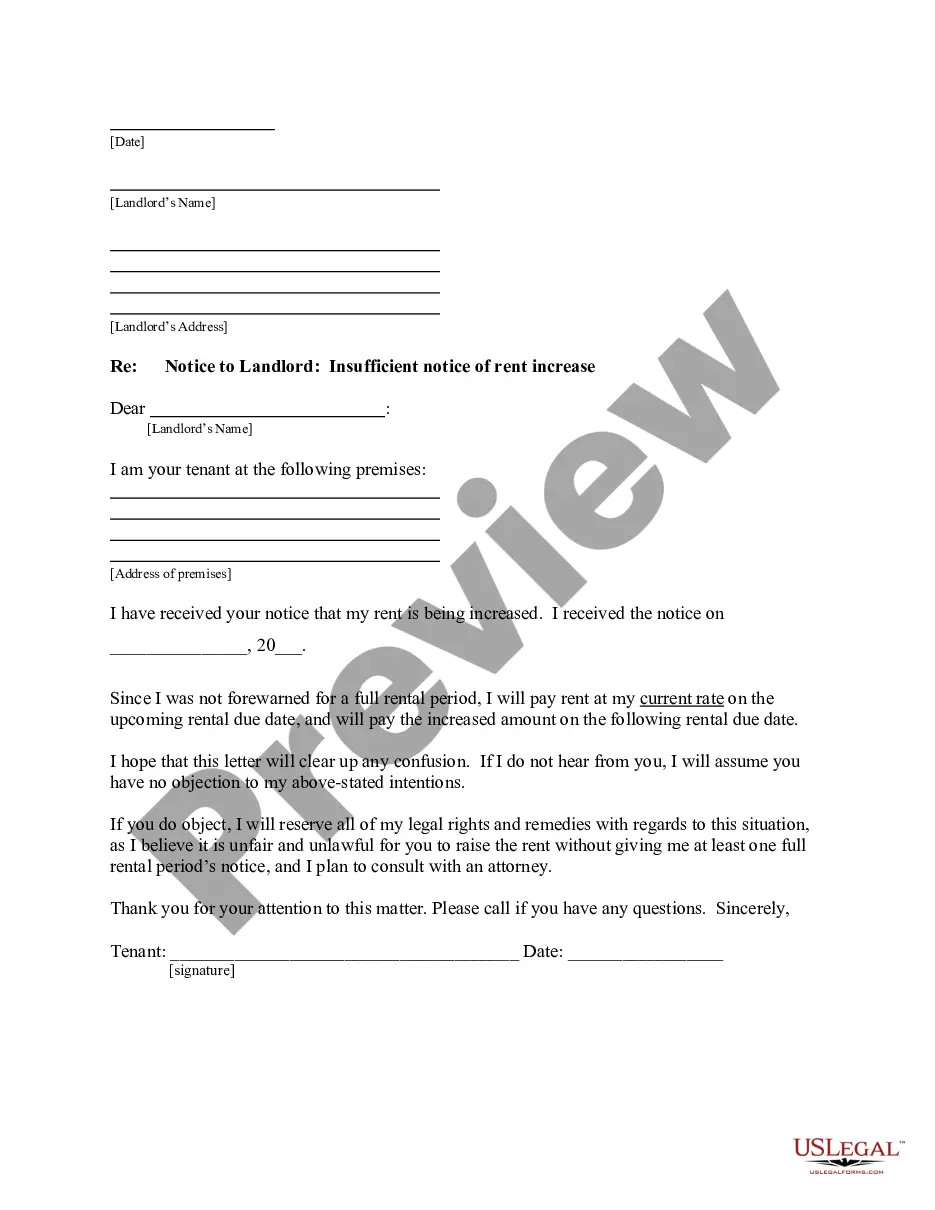
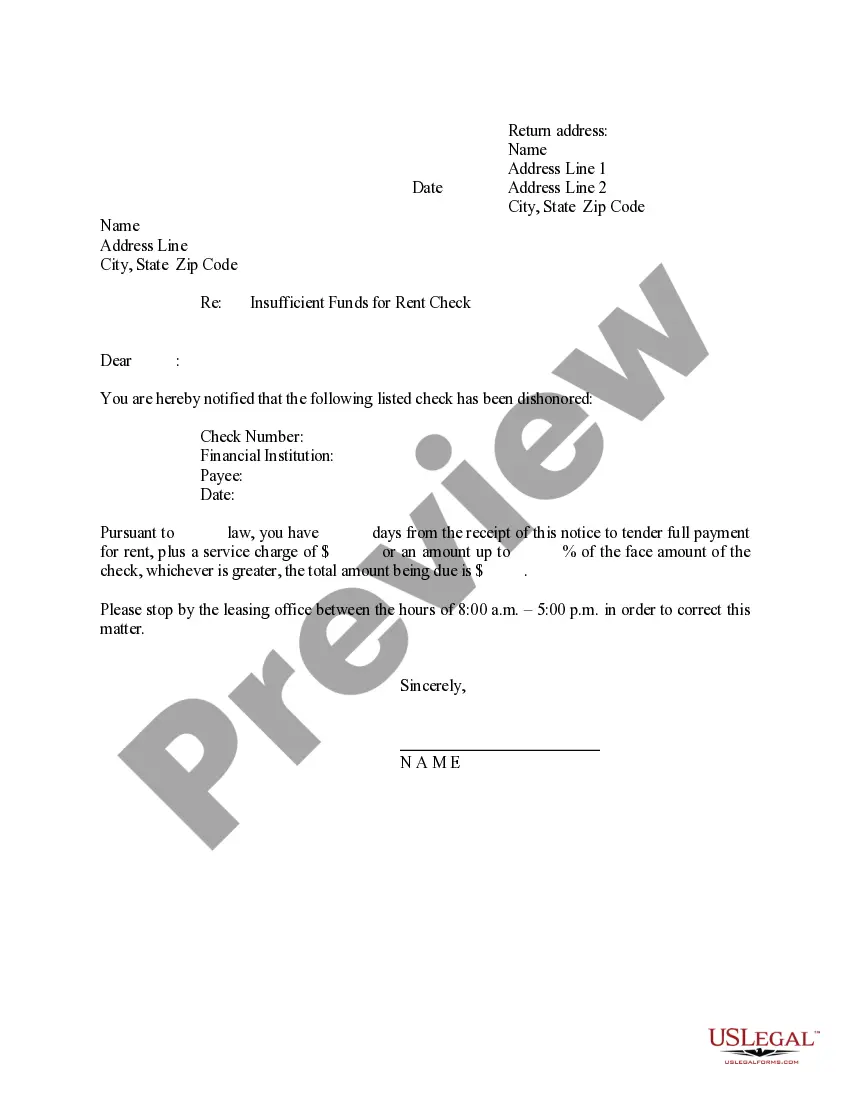
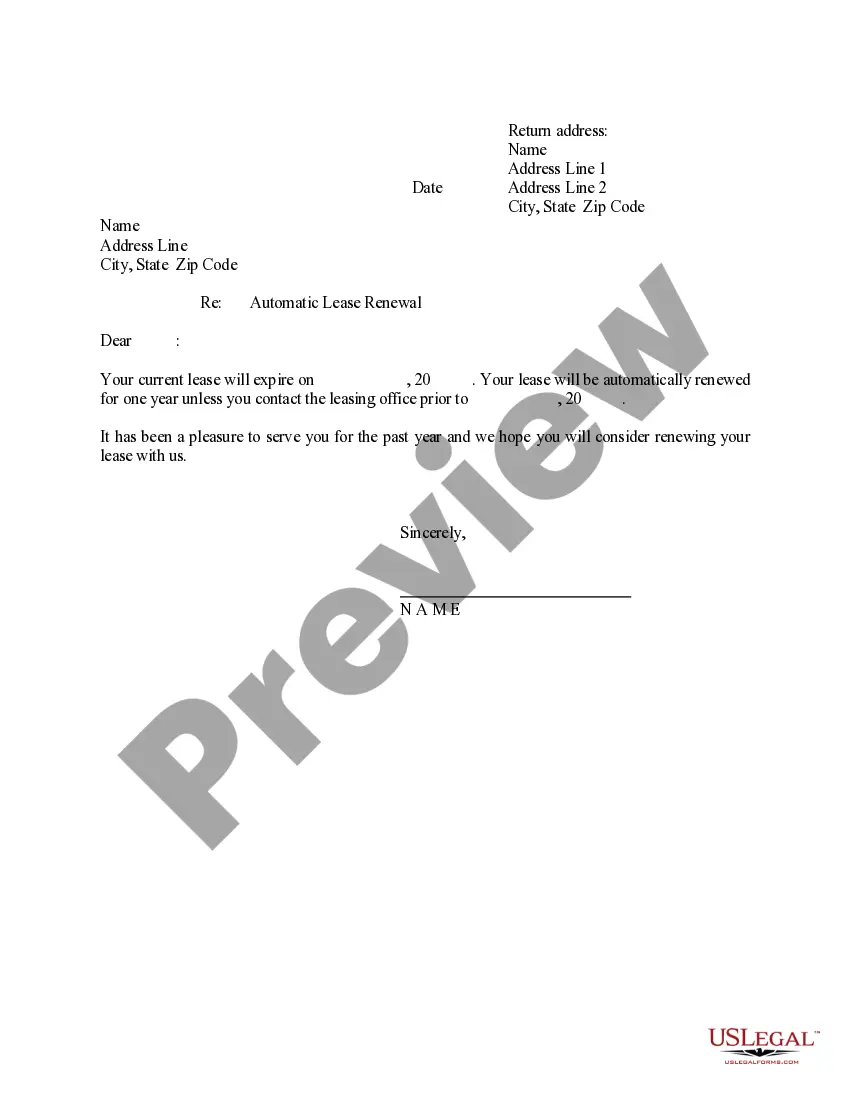
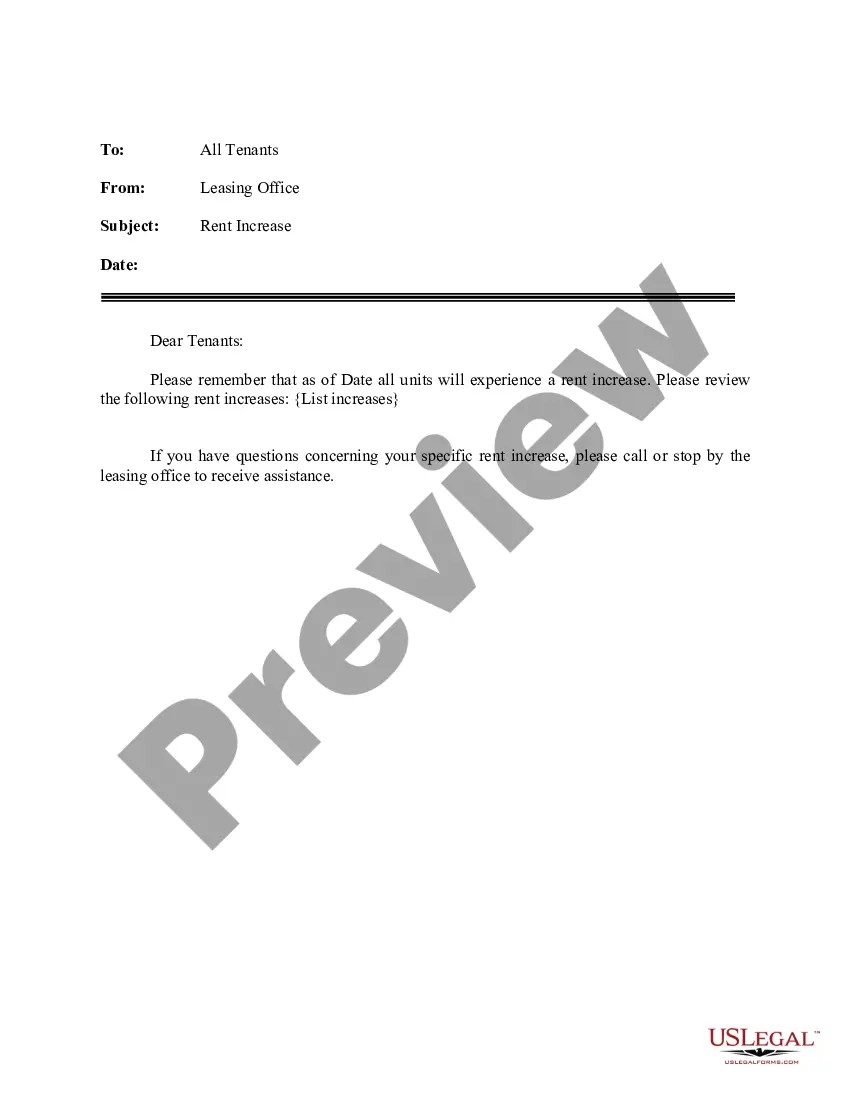
This form is a letter from a tenant to their landlord, addressing insufficient notice of a rent increase for a month-to-month lease. It serves to formally notify the landlord that the tenant believes the notice regarding the rent increase does not comply with legal requirements. The tenant asserts their intention to continue paying the current rent until proper notice has been given, distinguishing this form from other rental communication templates by its specific focus on rent increases and notice requirements.
Key parts of this document
- Tenant's name and contact information
- Landlord's name and contact information
- Date of notification
- Statement regarding the insufficient notice of rent increase
- Tenant's intention to pay the current rent until the proper notice period has elapsed
- Signature line for the tenant
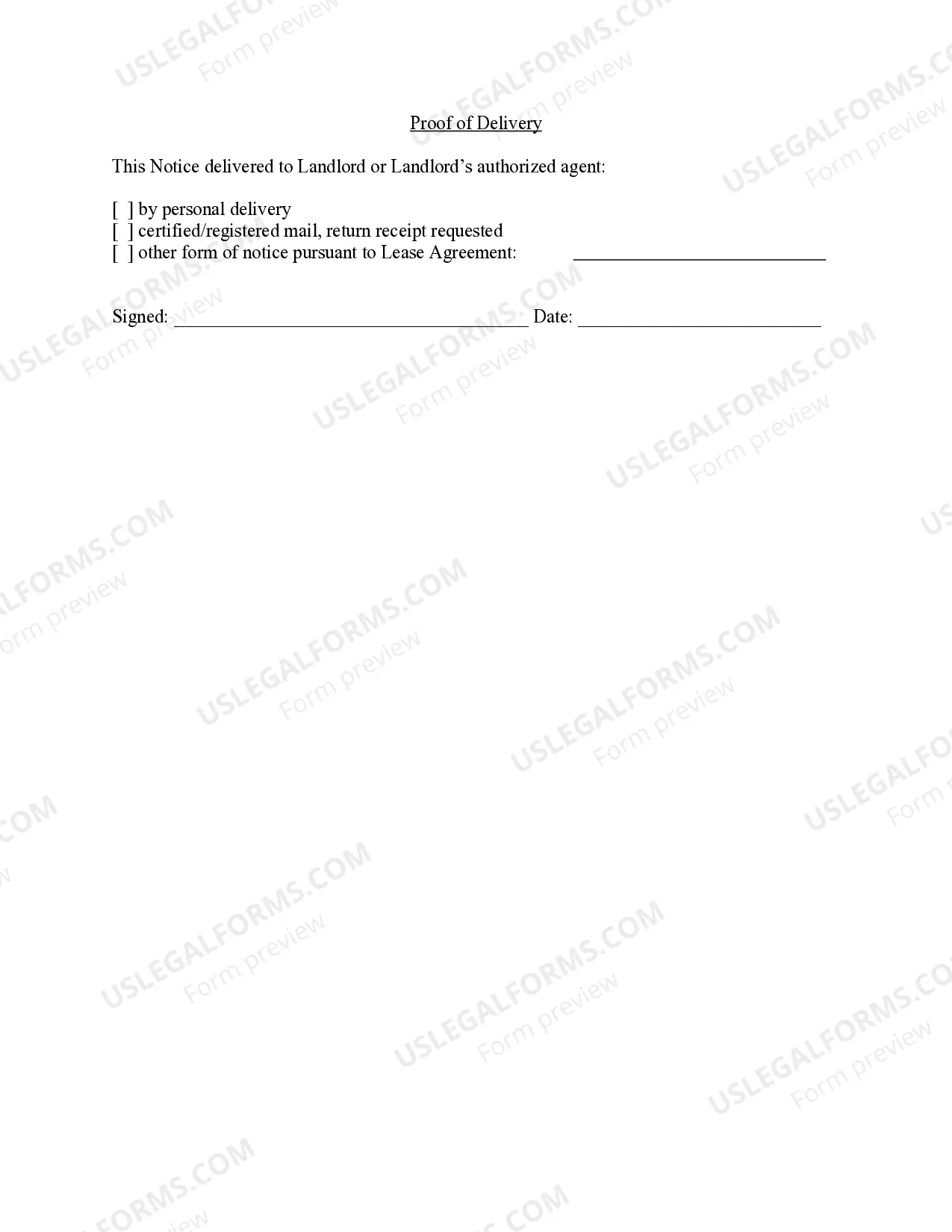
- Proof of delivery section

When to use this form
This letter should be used when a tenant receives a rent increase notice that does not provide sufficient legal notice as required by landlord-tenant laws. It is applicable in cases where the landlord has given less than the required amount of notice for a rent increase on a month-to-month lease, allowing the tenant to formally address the issue and maintain their current rental rate until the proper notice is provided.
Who can use this document
- Tenants living in a month-to-month lease agreement
- Individuals who have received a rent increase notice with insufficient time to adjust
- Tenants seeking to assert their rights under local landlord-tenant laws
Instructions for completing this form
- Identify the tenant's name and contact information at the top of the letter.
- Fill in the landlord's name and address to ensure proper communication.
- Enter the date of the letter before sending it to the landlord.
- Clearly outline the issue of insufficient notice regarding the rent increase in the letter body.
- State your intention to pay the current rent until the proper notice period has passed.
- Sign the letter and include a method of proof of delivery, such as personal delivery or certified mail.
Notarization requirements for this form
This form does not typically require notarization unless specified by local law. It is advisable to check your jurisdiction's regulations to confirm.
Get your form ready online
Our built-in tools help you complete, sign, share, and store your documents in one place.
Make edits, fill in missing information, and update formatting in US Legal Forms—just like you would in MS Word.
Download a copy, print it, send it by email, or mail it via USPS—whatever works best for your next step.
Sign and collect signatures with our SignNow integration. Send to multiple recipients, set reminders, and more. Go Premium to unlock E-Sign.
If this form requires notarization, complete it online through a secure video call—no need to meet a notary in person or wait for an appointment.
We protect your documents and personal data by following strict security and privacy standards.

Make edits, fill in missing information, and update formatting in US Legal Forms—just like you would in MS Word.

Download a copy, print it, send it by email, or mail it via USPS—whatever works best for your next step.

Sign and collect signatures with our SignNow integration. Send to multiple recipients, set reminders, and more. Go Premium to unlock E-Sign.

If this form requires notarization, complete it online through a secure video call—no need to meet a notary in person or wait for an appointment.

We protect your documents and personal data by following strict security and privacy standards.
Typical mistakes to avoid
- Failing to provide specific details about the rent increase notice.
- Not including a signature or date on the letter.
- Inadequately documenting proof of delivery to the landlord.
Why complete this form online
- Convenient access to the letter template that can be downloaded instantly.
- Edit and customize the form easily to fit individual circumstances.
- Access to forms created by licensed attorneys, ensuring legal validity.
Legal use & context
- The form is legally recognized and can be used as evidence of a tenant's notice to the landlord.
- Understanding local laws about rent increases and notice can enhance its effectiveness.
- This letter serves to protect tenant rights and establish a clear record of communication regarding rent disputes.
Main things to remember
- Use this letter to formally address insufficient rent increase notices.
- Documenting your intentions can prevent misunderstandings with your landlord.
- Always review state-specific requirements for compliance.
Looking for another form?



Form popularity
FAQ
In Rhode Island, a tenant is not required to provide notice for fixed end date leases. Rhode Island tenants have to provide written notice for the following lease terms: Notice to terminate a week-to-week lease. 10-day written notice before the termination date specified in the notice (§ 34-18-37(a))
State law regulates several rent-related issues, including the amount of notice (at least 30 days in Rhode Island) landlords must give tenants to raise the rent and how much time (five days in Rhode Island) a tenant has to pay rent or move before a landlord can file for eviction.
Evicting a tenant in Rhode Island can take around 1-4 months, depending on the reason for the eviction. If tenants file an appeal, the process can take longer (read more).
But rent control was not widely adopted outside of coastal areas, and today only four states (New York, New Jersey, California, and Maryland) and Washington, DC, have local governments with active rent-control laws.
In some circumstances, a tenant can break a fixed-term agreement early without penalty. A tenant can give 14 days' written notice to end an agreement early without penalty if: they have accepted an offer of social housing (e.g. from DCJ Housing)
There is no rent control in Rhode Island, so a landlord is free to set the rent at whatever s/he decides. You and the landlord can agree on the date that rent will be paid. If your rent is more than 15 days late, you can be evicted for non-payment and the landlord can use a quick court proceeding.
Rhode Island is a partially landlord-friendly state. There are no rent control policies and landlords are not limited in the kinds of fees they charge. However, tenants normally require a substantial amount of notice before eviction.
Under Rhode Island law, the rental agreement between a tenant and a landlord is a contract. A landlord is permitted to attempt to increase a tenant's rent by any amount for any reason, as long as the increase was not done for an illegal reason, and as long as the increase was done by proper procedures.