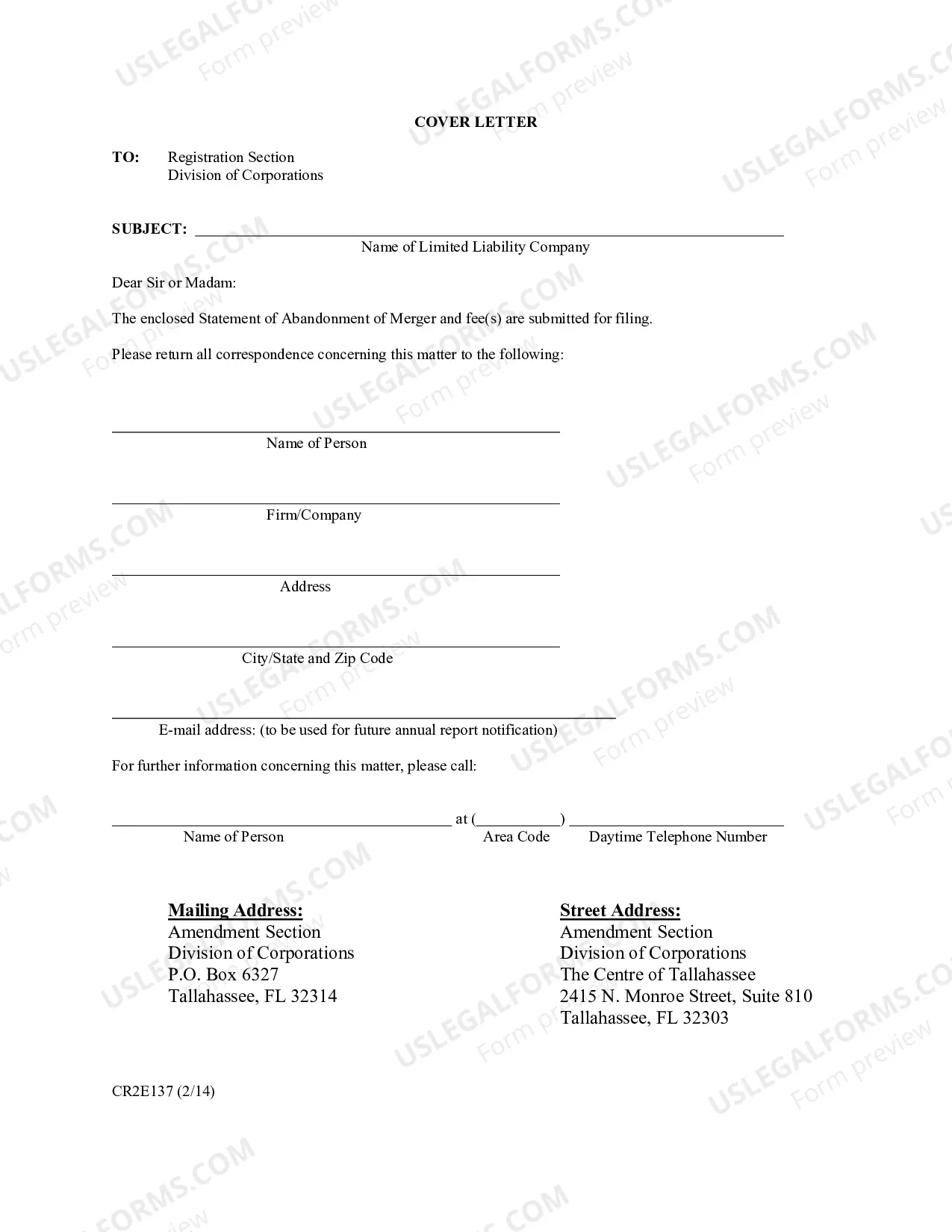
Oregon Letter from Tenant to Landlord about Insufficient Notice of Change in Rental Agreement for other than rent increase
What is this form?
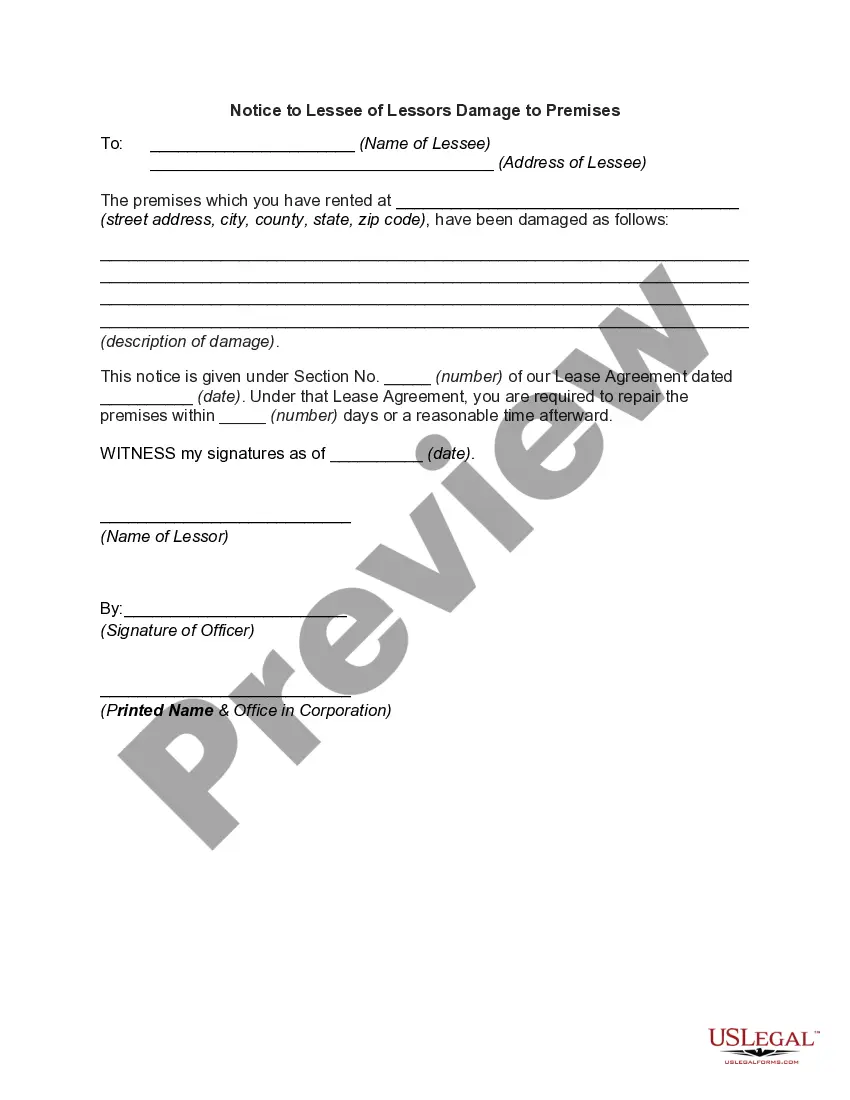
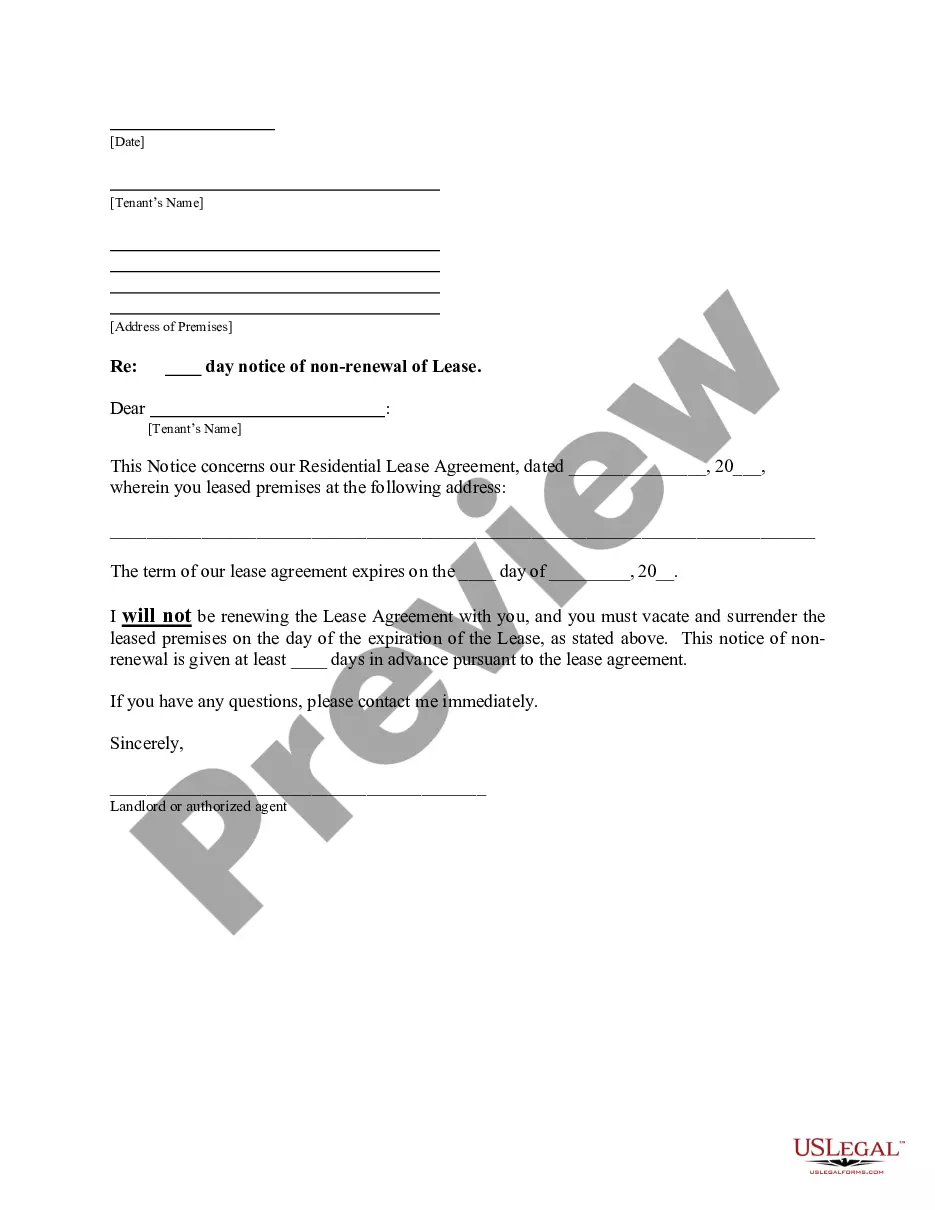
This form is a Letter from Tenant to Landlord regarding insufficient notice of a change in the rental agreement, excluding rent increases. It provides legal notice to the landlord that the tenant will not comply with any changes made to the lease until a specified date, clarifying the landlord's failure to provide proper notification. This distinct legal notification is essential to protect tenant rights in rental agreements.
Main sections of this form
- Identification of the tenant and landlord.
- Details regarding the insufficient notice period.
- Reference to the applicable legal requirement for notice.
- Specification of the action the tenant will take (or not take) in response to the change.
- Signature and date field for the tenant.
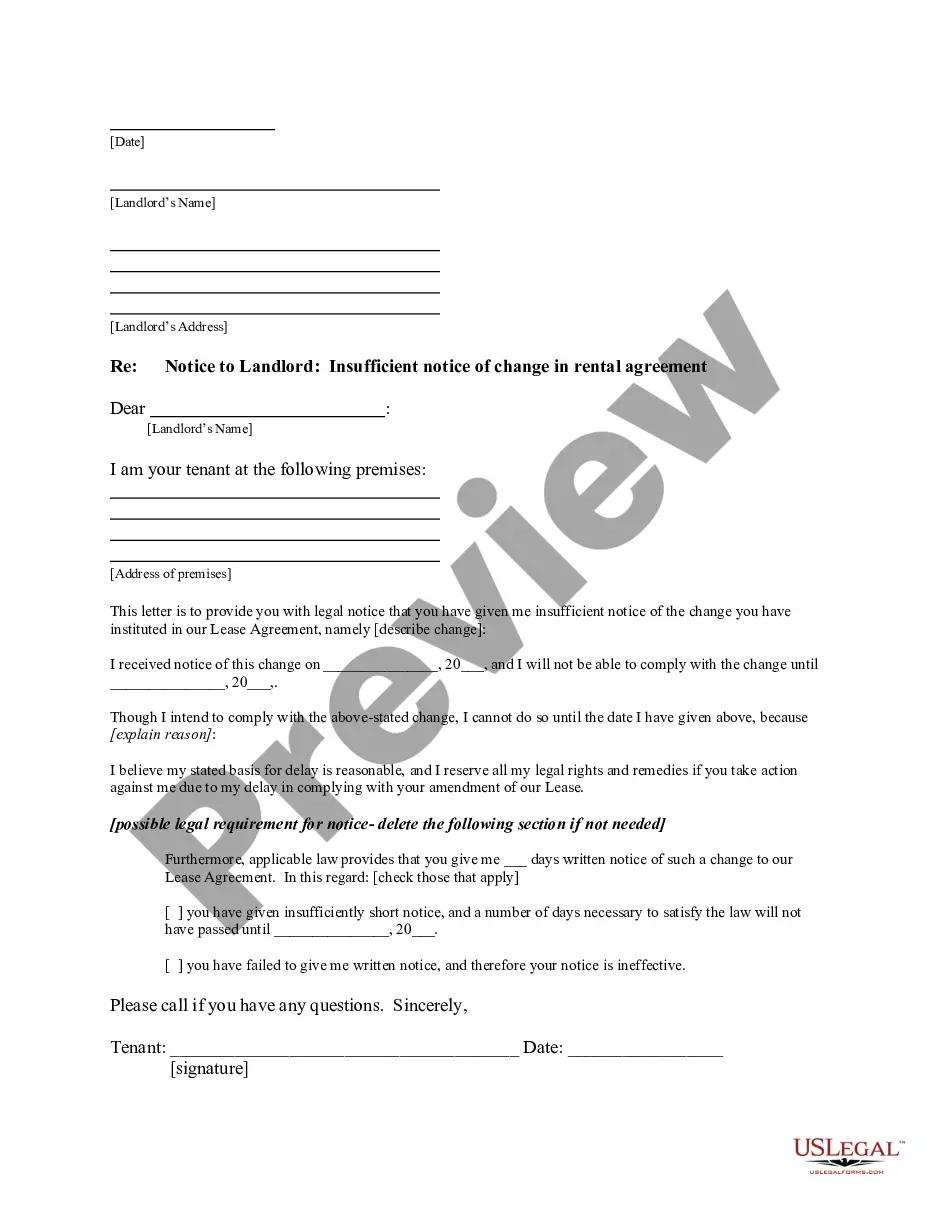
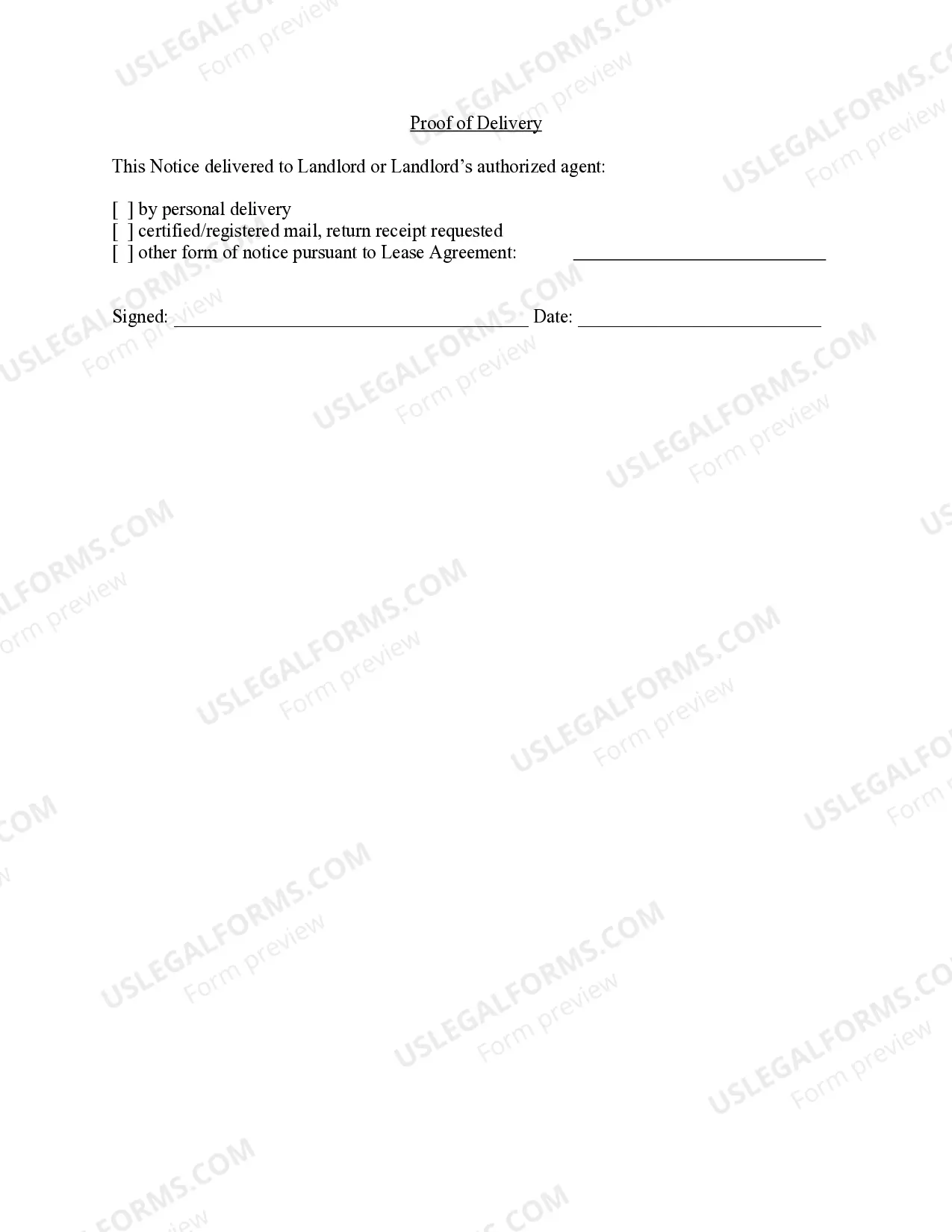
- Proof of delivery options for the notice.


When to use this form
This form should be used when a tenant receives notice from their landlord about a change to the rental agreement, such as changes in terms, conditions, or policies, and believes that the notice period provided is insufficient. It is particularly useful in situations where the tenant does not wish to comply with the changes due to these legal concerns.
Who needs this form
- Tenants who have received insufficient notice from their landlord regarding changes to the rental agreement.
- Individuals who want to formally communicate their non-compliance to the change.
- Renters who seek to ensure their rights are protected according to local laws.
Instructions for completing this form
- Identify the parties involved by entering the names of the tenant and landlord.
- Specify the change to the rental agreement that is in question.
- Indicate the reasons why the notice received is considered insufficient.
- Provide a clear deadline by which the tenant will not comply with the change.
- Sign and date the letter to make it official.
- Deliver the notice using the specified proof of delivery method.
Is notarization required?
This form does not typically require notarization unless specified by local law. It is wise to check your jurisdictionâs regulations regarding tenant and landlord notifications.
Get your form ready online
Our built-in tools help you complete, sign, share, and store your documents in one place.
Make edits, fill in missing information, and update formatting in US Legal Forms—just like you would in MS Word.
Download a copy, print it, send it by email, or mail it via USPS—whatever works best for your next step.
Sign and collect signatures with our SignNow integration. Send to multiple recipients, set reminders, and more. Go Premium to unlock E-Sign.
If this form requires notarization, complete it online through a secure video call—no need to meet a notary in person or wait for an appointment.
We protect your documents and personal data by following strict security and privacy standards.

Make edits, fill in missing information, and update formatting in US Legal Forms—just like you would in MS Word.

Download a copy, print it, send it by email, or mail it via USPS—whatever works best for your next step.

Sign and collect signatures with our SignNow integration. Send to multiple recipients, set reminders, and more. Go Premium to unlock E-Sign.

If this form requires notarization, complete it online through a secure video call—no need to meet a notary in person or wait for an appointment.

We protect your documents and personal data by following strict security and privacy standards.
Typical mistakes to avoid
- Failing to accurately identify the date of the notice received.
- Not specifying the exact changes in the rental agreement.
- Overlooking the delivery method, which could make the notice ineffective.
- Neglecting to sign and date the letter before sending.
Advantages of online completion
- Convenience of completing the form from any location at your own pace.
- Editability allows you to customize the letter to your specific situation.
- Reliability of a professionally drafted legal document, ensuring it meets legal standards.
Legal use & context
This form serves as a protective measure for tenants against premature enforcement of lease changes. By notifying the landlord formally, tenants maintain a documented record, reinforcing the legal validity of their position should disputes arise.
Main things to remember
- Use this form when the landlord provides insufficient notice of changes to the lease.
- Clearly specify the duration of insufficient notice and your compliance timeline.
- Ensure all sections of the form are completed accurately and timely.
Looking for another form?






Form popularity
FAQ
The tenant must give the landlord notice of their intention to move out within 90 days of the event causing the need to move. The notice must be given to the landlord at least 14 days before the tenant intends to move out.
If you think your landlord is violating the Fair Housing Act, you can get that landlord in trouble by filing a complaint at HUD.gov. Your remedy for breach of quiet enjoyment is to terminate the lease and move or sue in small claims court.
The state-wide moratorium for termination notices for no cause expires on June 30, 2021.Tenants must pay back any deferred rent or other charges by March 31, 2021. Tenants in the City of Portland or Multnomah County must begin paying monthly rent under the terms of their rental agreement on February 1, 2021.
The tenant will have fourteen days after receiving the thirty-day notice to fix the violation, and if the tenant fixes it, then the landlord must not proceed with the eviction. If the tenant does not fix the violation, then the landlord can proceed with the eviction after the thirty days has expired (see Ore.
Oregon Rent RulesOregon has a statewide rent control law that limits the amount of rent increases, bars landlords from raising rent more than once in any 12-month period, and requires landlords to give tenants proper notice before raising rent.
Rent control in Oregon The act has two parts: a rental increase cap and a tightening of rules for evictions. All of these protections apply only to multi-unit buildings constructed more than 15 years ago, whose rent is not subsidised by the government.
In most states, a landlord must give tenants notice at least 30 days before they'll enforce a rent increase. However, in other states like California, the notice can increase to 60 days' notice if the increase is more than 10% of the current rent rate.
Statewide, landlords cannot raise the rent more than 7% plus inflation annually. Inflation is calculated using the Consumer Price Index published by the U.S. Bureau of Labor Statistics. For 2020, the maximum rent increase is 9.9%.