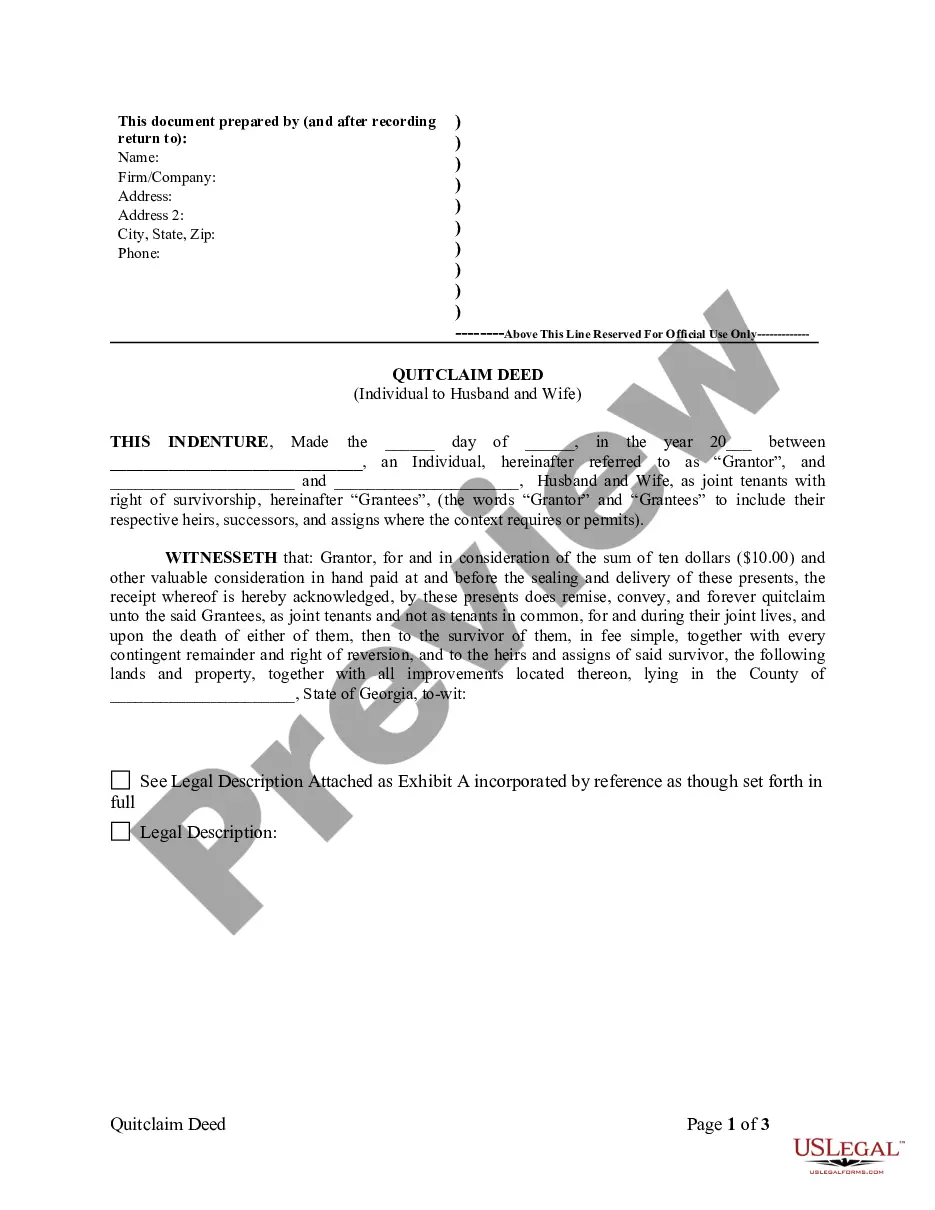
Oregon Letter from Tenant to Landlord containing Notice to landlord to cease retaliatory decrease in services
Understanding this form
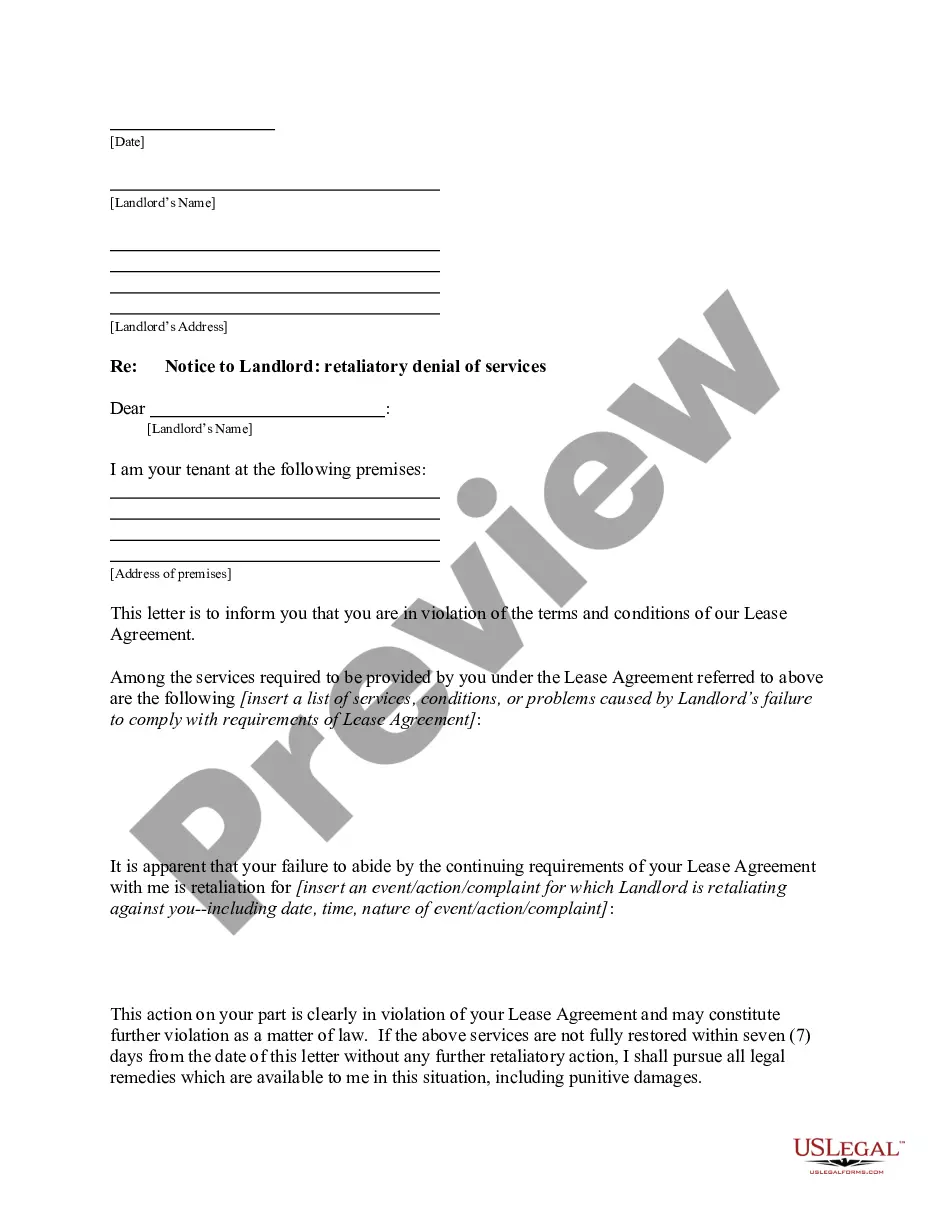
This form is a letter from a tenant to a landlord that addresses the landlord's retaliatory actions by decreasing services required under the lease agreement. It serves as formal notice to the landlord that such actions may violate the lease terms and applicable laws. This letter specifically differs from general complaint letters by focusing on retaliatory decreases in services and the legal obligations of the landlord.
Key components of this form
- Identification of the tenant and landlord involved.
- A detailed list of services that the landlord is obligated to provide.
- Statement of the landlord's failure to fulfill those obligations.
- Notice informing the landlord that their actions may be retaliatory and a breach of the lease agreement.
- Request for the landlord to cease such retaliatory actions.
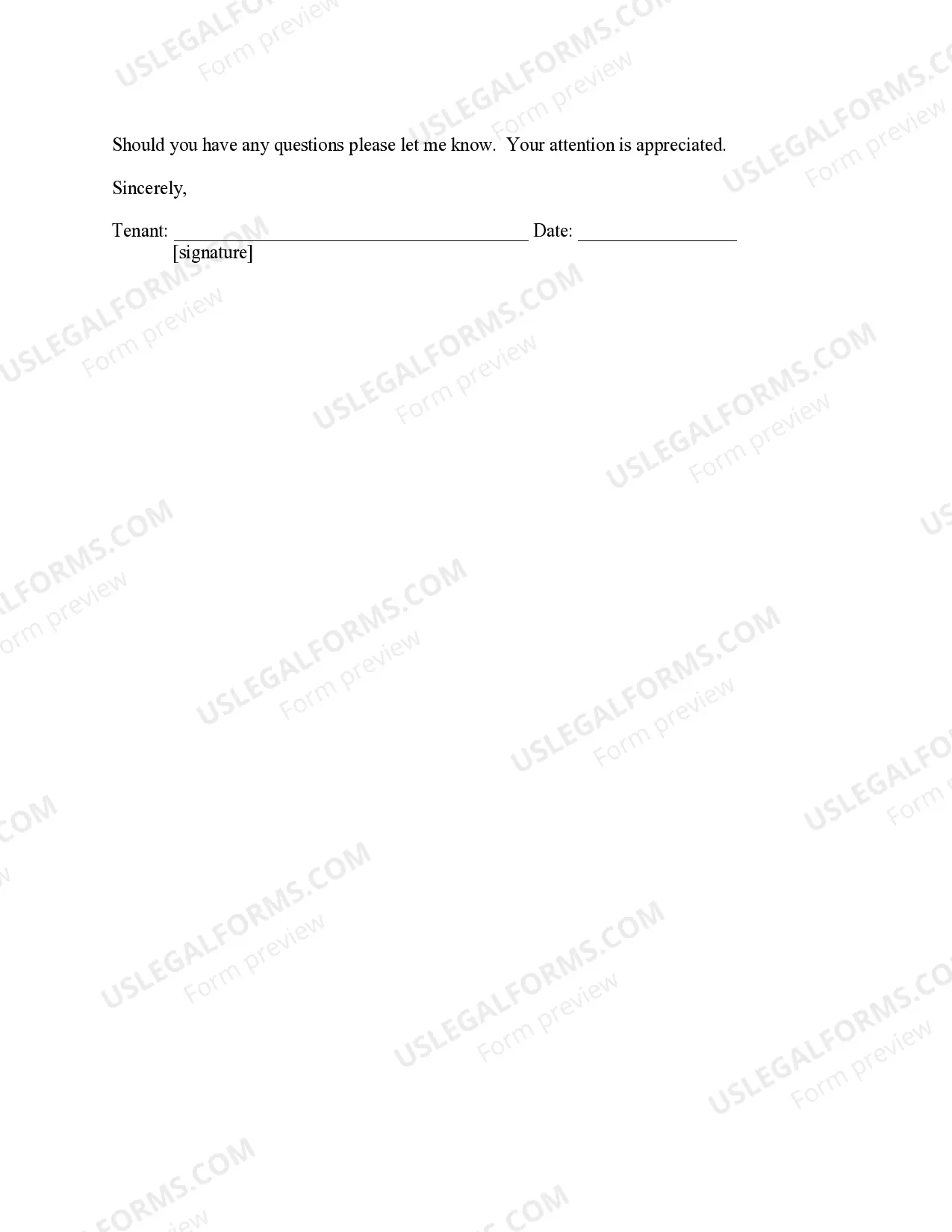
- Signature and date of the tenant for authentication.

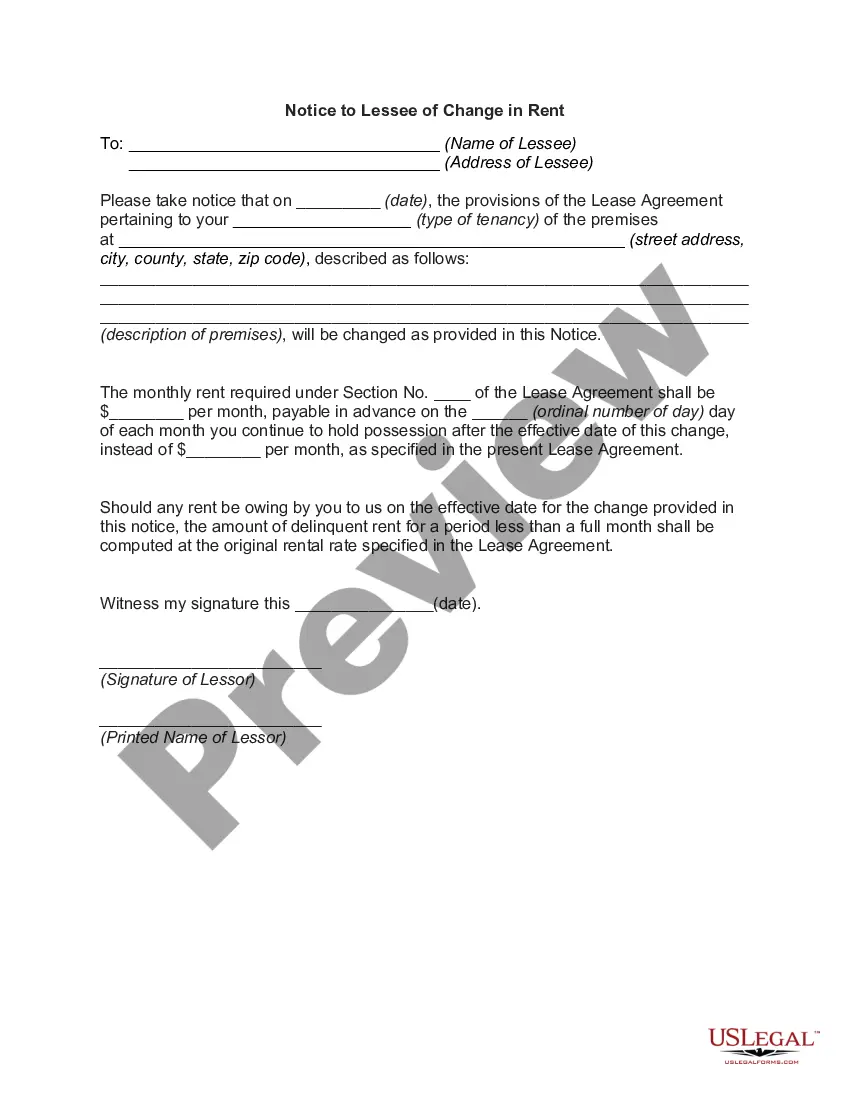
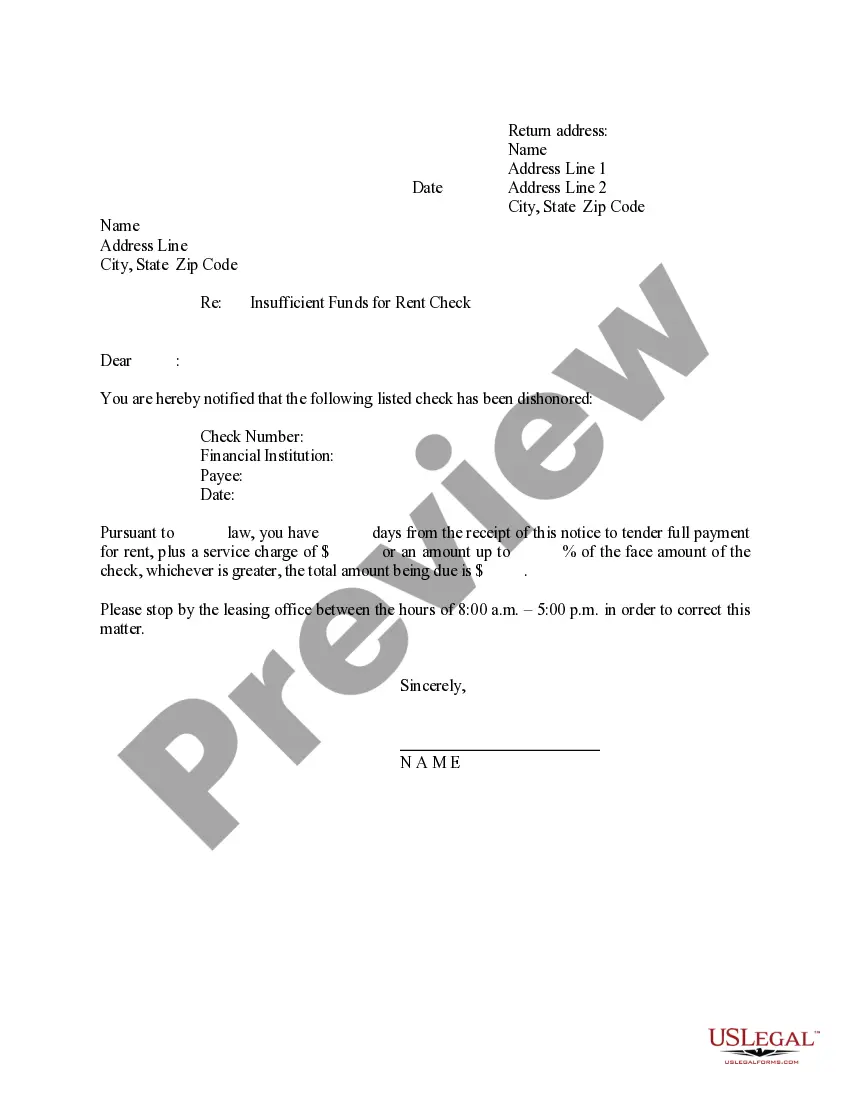
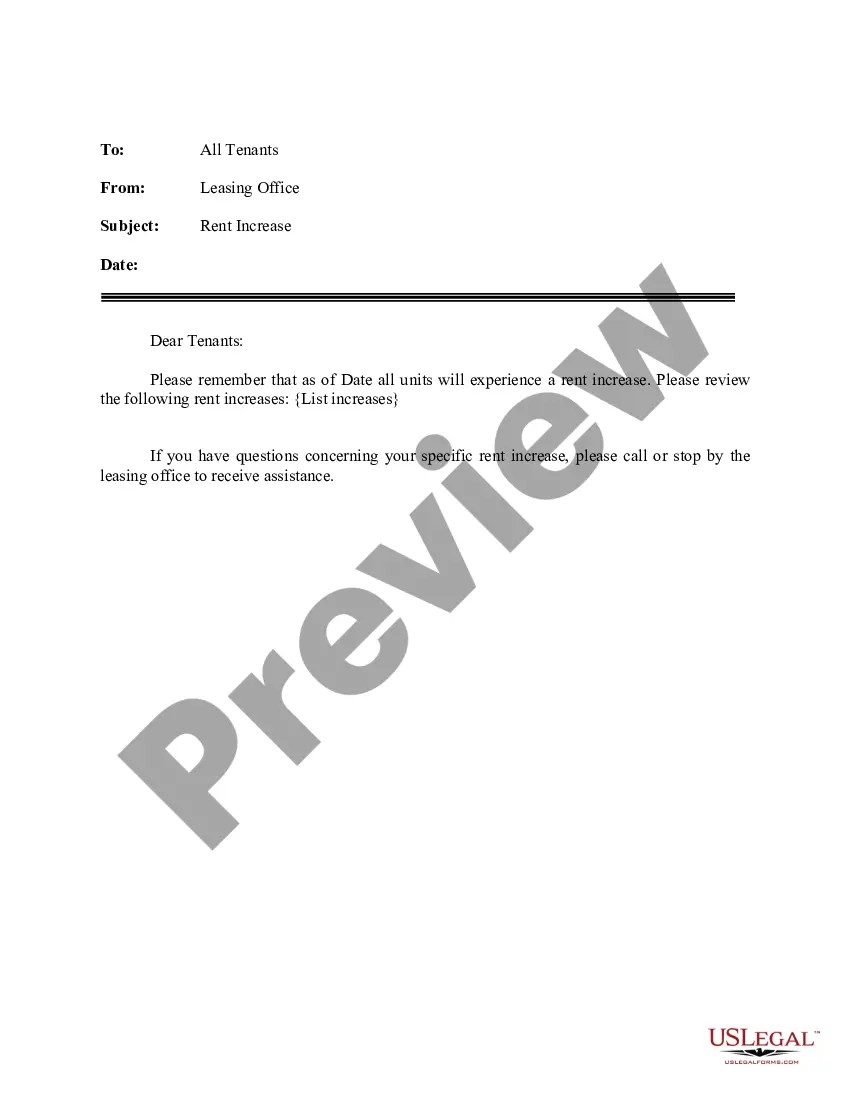

When to use this document
This letter should be used when a tenant believes that their landlord is retaliating against them by reducing or eliminating services as a response to tenant actions, such as filing a complaint or asserting their rights. It is an important step to formally document grievances and notify the landlord of their legal obligations.
Who this form is for
- Tenants who have experienced a decrease in services from their landlord.
- Individuals who believe that the decrease in services is retaliatory.
- Tenants seeking to formally notify their landlord of potential lease violations.
How to complete this form
- Identify the parties involved by filling in the names of the tenant and landlord.
- List all services that the landlord is required to provide as per the lease agreement.
- Clearly state the issues or conditions resulting from the landlord's failure to provide these services.
- Sign and date the letter to confirm it is from you, the tenant.
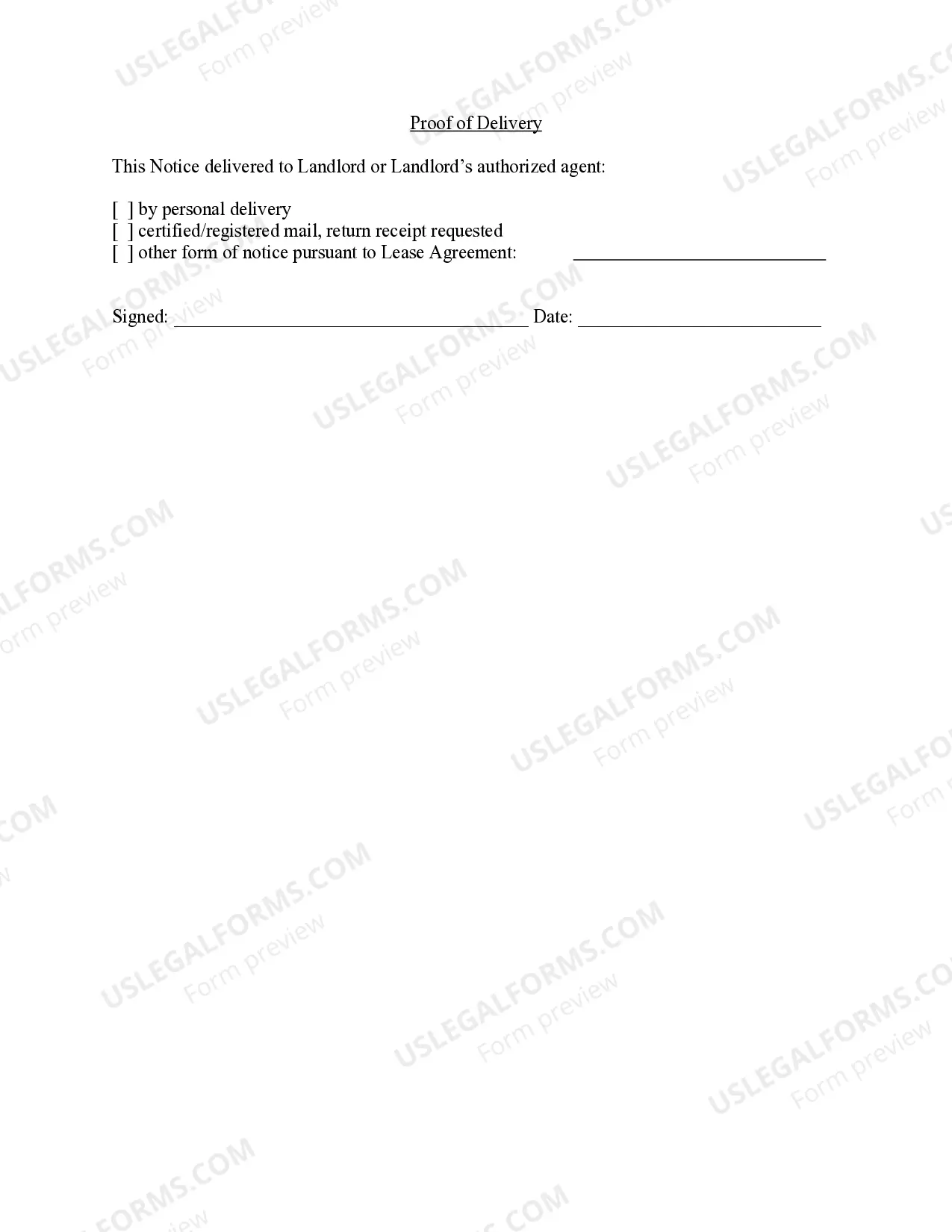
- Deliver the letter to the landlord or their authorized agent, keeping proof of delivery.
Does this form need to be notarized?
This form does not typically require notarization unless specified by local law. It is important to ensure the letter is sent and delivered correctly to maintain documentation of your notice to the landlord.
Get your form ready online
Our built-in tools help you complete, sign, share, and store your documents in one place.
Make edits, fill in missing information, and update formatting in US Legal Forms—just like you would in MS Word.
Download a copy, print it, send it by email, or mail it via USPS—whatever works best for your next step.
Sign and collect signatures with our SignNow integration. Send to multiple recipients, set reminders, and more. Go Premium to unlock E-Sign.
If this form requires notarization, complete it online through a secure video call—no need to meet a notary in person or wait for an appointment.
We protect your documents and personal data by following strict security and privacy standards.

Make edits, fill in missing information, and update formatting in US Legal Forms—just like you would in MS Word.

Download a copy, print it, send it by email, or mail it via USPS—whatever works best for your next step.

Sign and collect signatures with our SignNow integration. Send to multiple recipients, set reminders, and more. Go Premium to unlock E-Sign.

If this form requires notarization, complete it online through a secure video call—no need to meet a notary in person or wait for an appointment.

We protect your documents and personal data by following strict security and privacy standards.
Typical mistakes to avoid
- Failing to clearly list the specific services that are being withheld.
- Not including a date on the letter.
- Neglecting to send the letter via a method that provides proof of delivery.
- Using vague language instead of clearly stating the retaliatory actions observed.
Benefits of using this form online
- Convenient access to legally reviewed templates that save time.
- Easy to edit and customize to reflect your individual situation.
- Reliable content drafted by licensed attorneys to ensure legal compliance.
Main things to remember
- This form is essential for tenants facing retaliation in service provision from landlords.
- It formally communicates your grievances, which may help in future legal proceedings.
- Properly filling out and delivering the notice can protect your rights as a tenant.
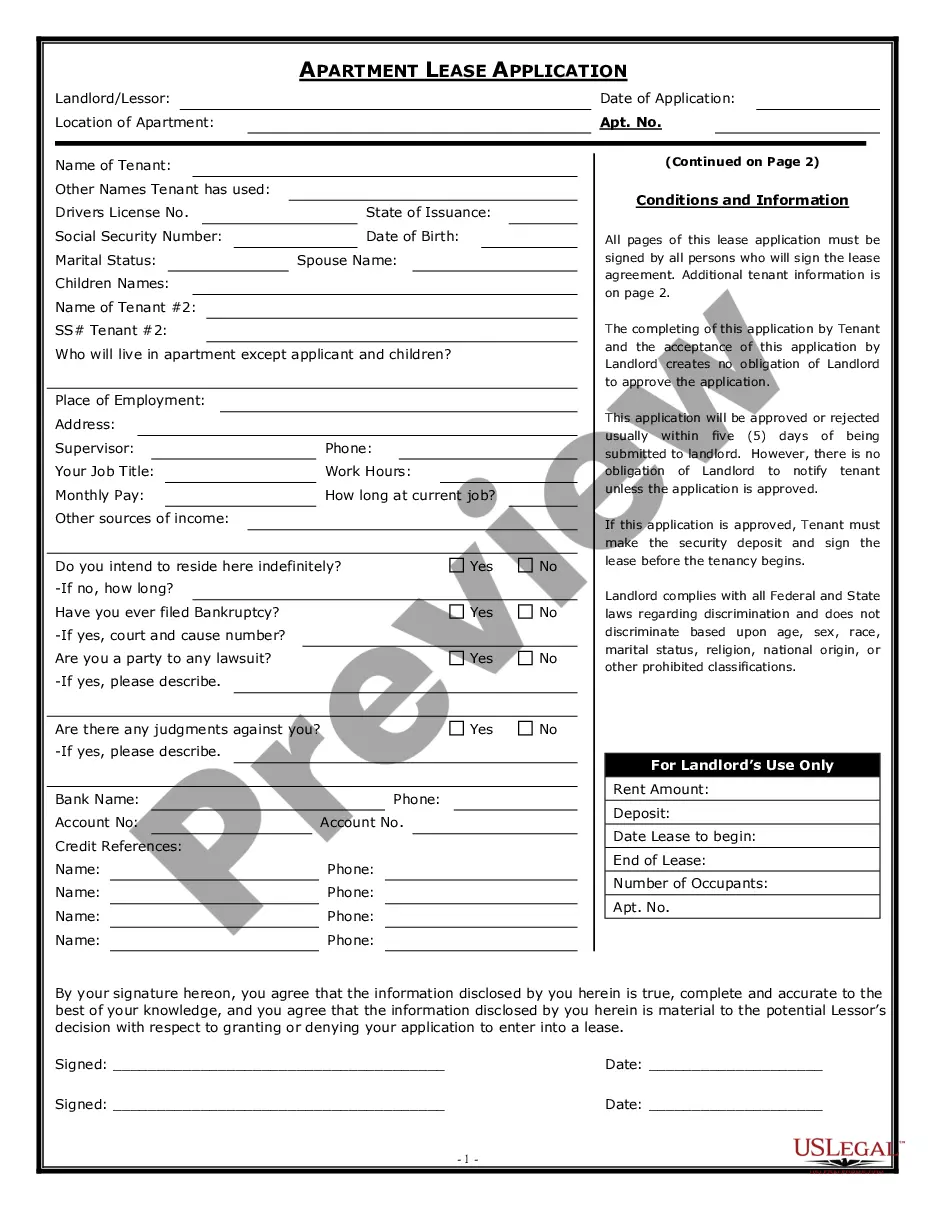
Looking for another form?

Form popularity
FAQ
Dear (Name of landlord or manager), This letter constitutes my written (number of days' notice that you need to give based on your lease agreement)-day notice that I will be moving out of my apartment on (date), the end of my current lease. I am leaving because (new job, rent increase, etc.)
Dear Recipients Name, I just wanted to express my sincere gratitude to you for the pleasant stay I've had in the house I rented from you. It has been a great ten years, and it is so sad to have to leave. You have been the best landlord from the way you fondly treated my family and I.
Dear (property manager's name), I wanted to contact you today to ask if we could discuss lowering my rent. I love living here but lately, finances have been difficult and a slight reduction in rent would go a long way in helping. It's important to me to be a good and responsible tenant.
Today's Date. Landlord's Name. Property Address and Unit Number. State Your Desire to Move Out of the Apartment. Include Desired Move-Out Date. That You Expect the Return of Your Security Deposit Under State Law. A Forwarding Address Where Your Security Deposit Can Be Sent.
Write a letter to your landlord stating that you are aware of your rights as a tenant, that s/he is in clear violation of the law, and that you want the situation remedied with no further harassment. Keep a copy of the letter; it will be good evidence if you have to take the landlord to court later.
Offer An Alternative Payment Method. Set Up A New Collection Date (And Stick To It) Sit-Down Conversation. Set Up Rental Payment Reminders. Offer A Prompt Payment Discount.
I am writing to make you a request to reduce my rental obligation each month until the economy improves. Honestly, it would be very difficult for me to continue doing business with the current rent and would be highly grateful if you could consider my request.
If you're seeking damages for emotional distress caused by a landlord's discrimination, or punitive damages for especially blatant and intentional discrimination, a lawsuit may well be your best bet. Understand what's involved in suing your landlord. You may file a lawsuit in either federal or state court.
Ask the landlord if rent price is open to discussion. Highlight your strengths as a tenant. Inquire about extending the lease. Offer to end the lease in the summer. Research the property's value. Be open to compromise. Negotiate directly, follow up in writing.