Ohio Landlord Tenant Closing Statement to Reconcile Security Deposit
What is this form?
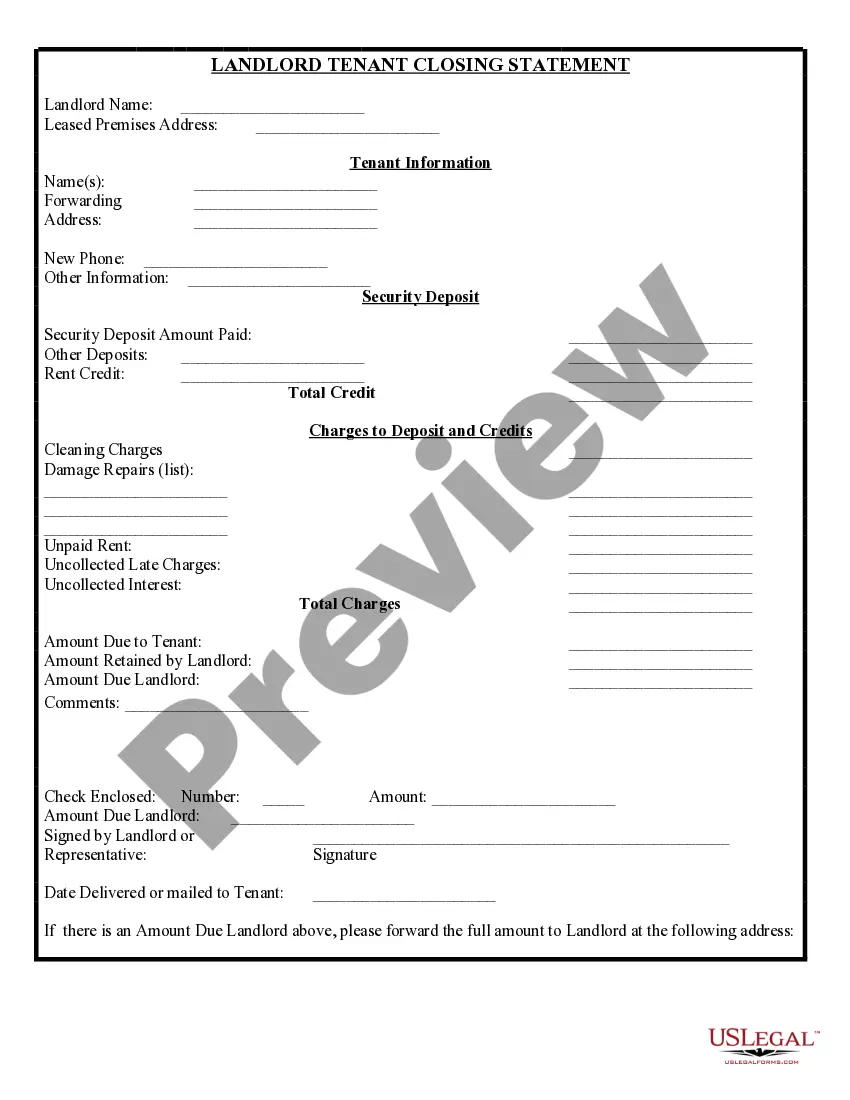
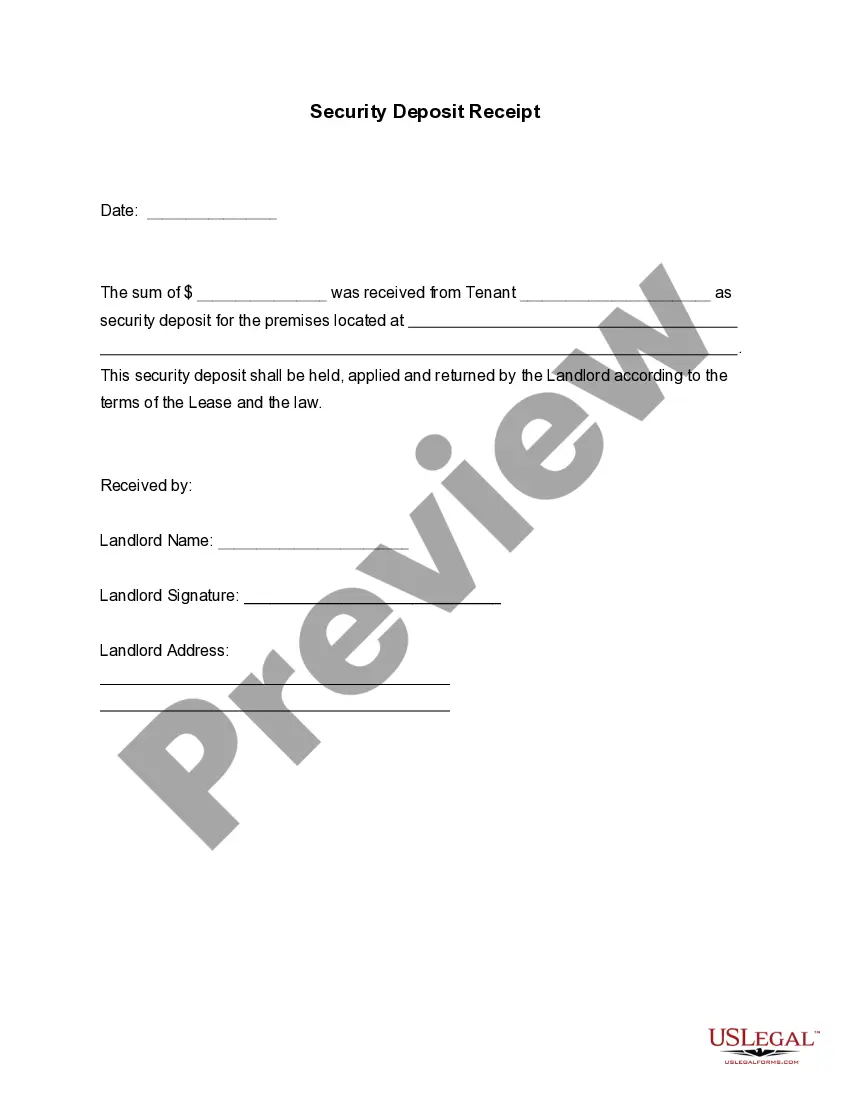
The Landlord Tenant Closing Statement to Reconcile Security Deposit is a legal document used to outline the financial aspects of a security deposit between a landlord and tenant. This form helps document the amounts held by the landlord, including deposits and any credits, while deducting applicable expenses. Unlike a lease agreement, this closing statement serves specifically to clarify the financial reconciliation of the security deposit at the end of a tenancy, ensuring transparency for both parties.
Key parts of this document
- Identification of the landlord and tenant details.
- Record of the original security deposit amount.
- List of deductions made from the security deposit, if any.
- Total amount to be refunded to the tenant.
- Signatures of both parties confirming the agreement.
Situations where this form applies
This form is typically used at the end of a rental agreement when a tenant vacates a property. It is necessary to assess the condition of the property, calculate any deductions due to damage beyond normal wear and tear, and determine the amount to refund the tenant from their security deposit. Using this statement helps clarify the financial obligations and rights of both the landlord and the tenant.
Who can use this document
- Landlords who need to reconcile the security deposit with their tenants.
- Tenants who want a clear record of deductions from their security deposit.
- Property managers handling tenant relations and financial documentation.
How to complete this form
- Identify all parties involved by entering the landlord's and tenant's names.
- Specify the property address where the rental occurred.
- Record the total amount of the security deposit initially paid.
- List any deductions, such as repair costs or unpaid rent.
- Calculate and state the final amount to be returned to the tenant.
- Have both parties sign the statement to confirm agreement and understanding.
Notarization guidance
This form does not typically require notarization unless specified by local law. However, it is recommended to verify your state's regulations to ensure compliance and enforceability.
Get your form ready online
Our built-in tools help you complete, sign, share, and store your documents in one place.
Make edits, fill in missing information, and update formatting in US Legal Forms—just like you would in MS Word.
Download a copy, print it, send it by email, or mail it via USPS—whatever works best for your next step.
Sign and collect signatures with our SignNow integration. Send to multiple recipients, set reminders, and more. Go Premium to unlock E-Sign.
If this form requires notarization, complete it online through a secure video call—no need to meet a notary in person or wait for an appointment.
We protect your documents and personal data by following strict security and privacy standards.

Make edits, fill in missing information, and update formatting in US Legal Forms—just like you would in MS Word.

Download a copy, print it, send it by email, or mail it via USPS—whatever works best for your next step.

Sign and collect signatures with our SignNow integration. Send to multiple recipients, set reminders, and more. Go Premium to unlock E-Sign.

If this form requires notarization, complete it online through a secure video call—no need to meet a notary in person or wait for an appointment.

We protect your documents and personal data by following strict security and privacy standards.
Typical mistakes to avoid
- Failing to provide detailed breakdowns of deductions, leading to disputes.
- Omitting key information, such as tenant or property details.
- Not obtaining signatures from both parties, making the document less enforceable.
Benefits of completing this form online
- Convenient access to the form at any time without the need for in-person visits.
- Editability allows customization for specific needs and circumstances.
- Reliability of the form ensures compliance with legal standards and practices.
Legal use & context
- This form is a legally recognized document that provides clarity on security deposit transactions.
- Proper completion and use of this form can help prevent potential disputes regarding the return of security deposits.
- In some states, using this form may be required to comply with local rental laws.
Summary of main points
- The form reconciles a tenant's security deposit with documented deductions.
- It ensures transparency in financial dealings between landlords and tenants.
- Completion of the form is essential to avoid disputes over security deposits.
Looking for another form?
Form popularity
FAQ
Security Deposit Received: $1,000. Interest on Deposit (if required by lease or law): $N/A. TOTAL CREDIT (sum of lines 1 and 2): $1,000. Itemized Repairs and Related Losses: Necessary Cleaning: Total Cleaning & Repair (sum of lines 4 and 5) $400. Amount Owed (line 3 minus the sum of line 6)
Ask for a refund in a polite and formal language. Include details about the productwhat was purchased, when, and what the price was. Explain why you want to return the item. Mention relevant aspects of the transaction such as dates and place of delivery.
When a tenant moves into a rental property, he or she will pay the landlord a security deposit in addition to first month's rent. This deposit will typically be returned to the tenant at the end of the lease term, as long as the tenant follows all the terms of the lease agreement.
Deduction From Security DepositDeductions (which must be itemized in a written notice to the tenant) from the security deposit may include: Past due rent; Cleaning fees; and. Damages (including any monetary losses resulting from noncompliance with the rental agreement or certain statutory requirements).
Mail your landlord a letter requesting that she return your deposit. Be polite and simply inform the landlord that you have vacated the property and would appreciate the return of your deposit once she has had a chance to complete any checks and paperwork.
The date of the letter and the landlord's full name and address. The address of the residence you rented and the date you moved in. A statement that you've been paying your rent timely and that you are current with your payments.
You should usually get your deposit back within 10 days of agreeing on the amount with your landlord. It can take a lot longer if you and your landlord disagree on the amount that's being taken off.
Under Ohio law, a landlord must return the tenant's security deposit within 30 days after the tenant has moved out.