New Jersey Revocation of Uniform Anatomical Gift Act
Understanding this form
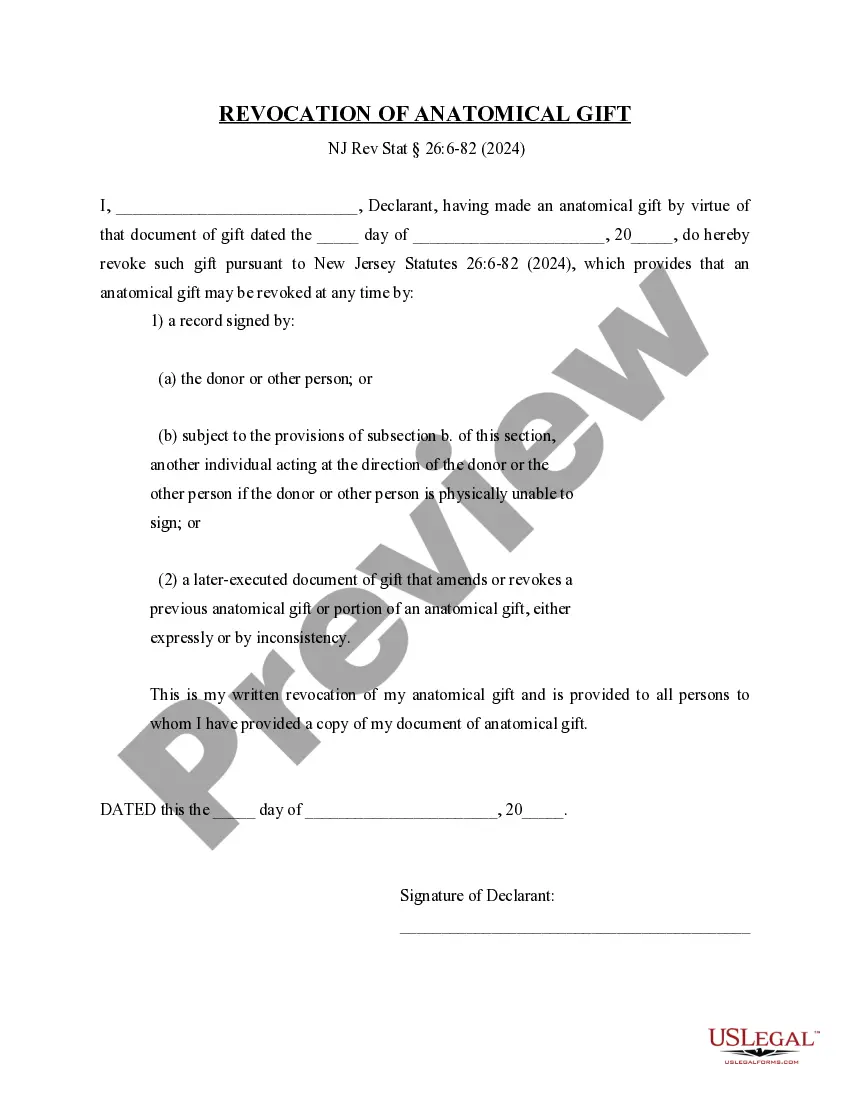
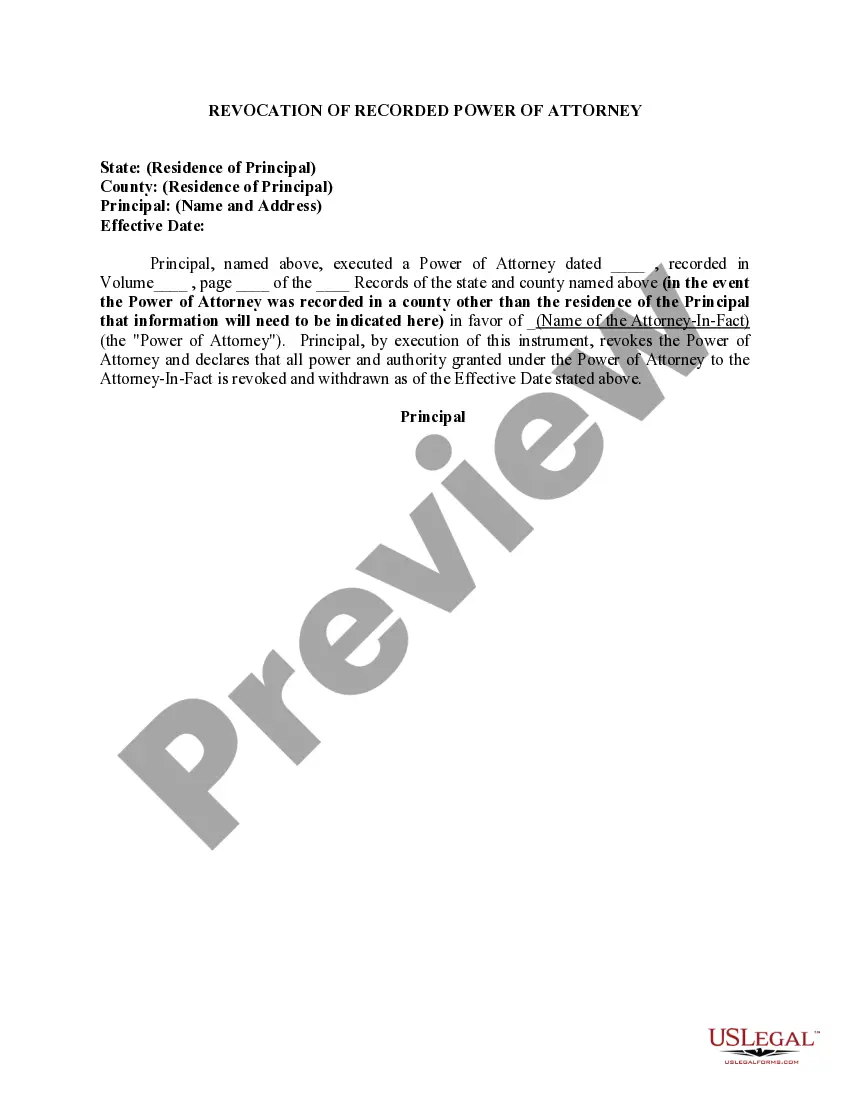
The Revocation of Uniform Anatomical Gift Act form allows an individual to officially revoke a previous decision to donate their organs or body parts upon death. This form clarifies the circumstances under which a donor can change their mind, ensuring their wishes are respected. It differs from the initial anatomical gift document by focusing solely on revocation rather than donation itself.
What’s included in this form
- Declarant's full name and declaration statement confirming the revocation.
- Date of the original anatomical gift and the date of revocation.
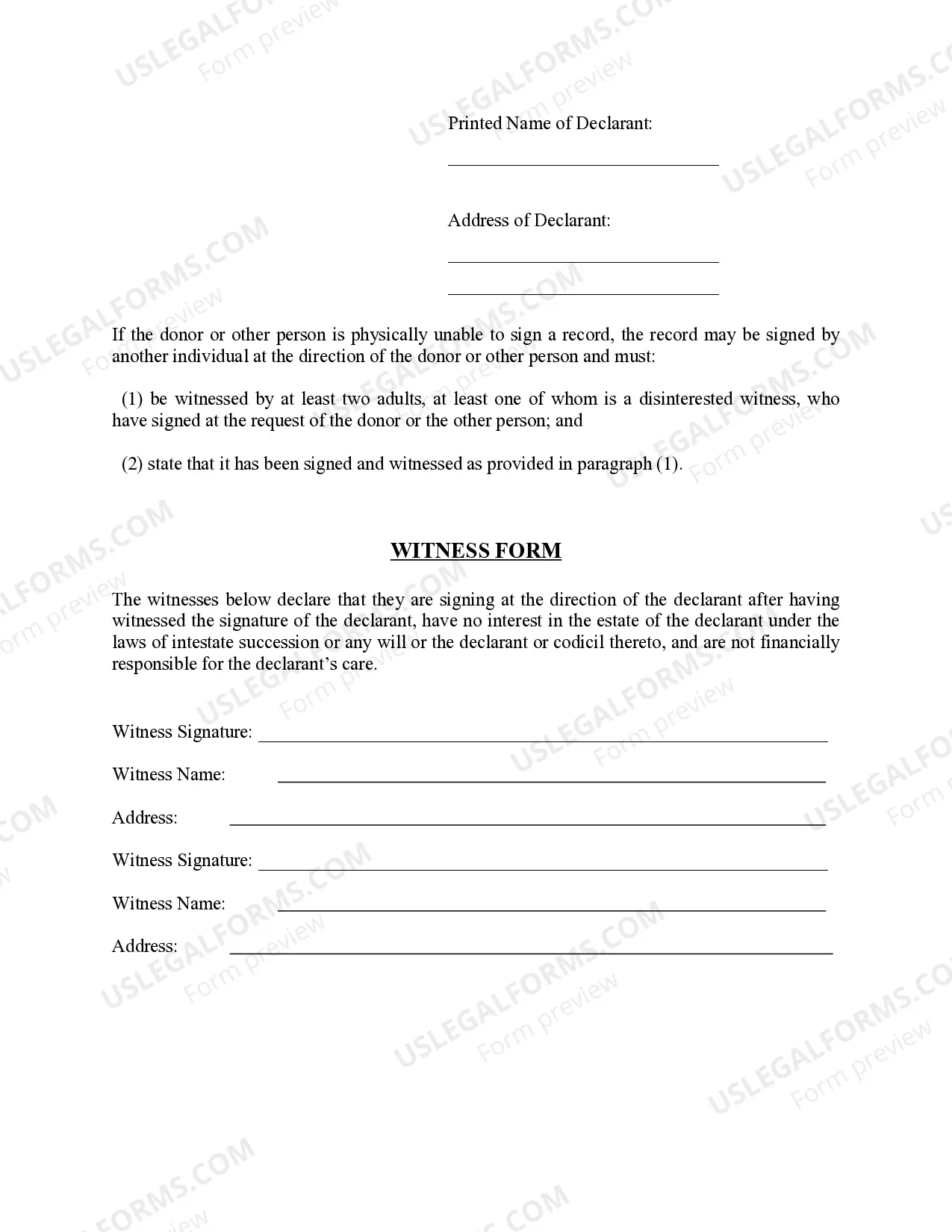
- Signature lines for the Declarant and any needed witnesses.
- Instructions for the circumstances under which revocation is valid and witnessed.
Common use cases
This form should be used when an individual changes their mind about donating their body parts or organs after previously making a gift. Situations might include a change in personal beliefs, medical conditions, or other relevant life circumstances that affect the decision to donate.
Intended users of this form
- Individuals who have previously executed an anatomical gift and wish to revoke it.
- Anyone who needs to ensure their current wishes regarding organ donation are legally documented.
- Individuals who may have experienced a change in health or personal circumstances influencing their donation decision.
How to complete this form
- Fill in your full name as the Declarant.
- Indicate the date of your original anatomical gift.
- Provide the current date when the revocation is being made.
- Sign the form in the designated area.
- Ensure the form is witnessed by at least two adults, one of whom must be disinterested.
Notarization guidance
Notarization is generally not required for this form. However, certain states or situations might demand it. You can complete notarization online through US Legal Forms, powered by Notarize, using a verified video call available anytime.
Get your form ready online
Our built-in tools help you complete, sign, share, and store your documents in one place.
Make edits, fill in missing information, and update formatting in US Legal Forms—just like you would in MS Word.
Download a copy, print it, send it by email, or mail it via USPS—whatever works best for your next step.
Sign and collect signatures with our SignNow integration. Send to multiple recipients, set reminders, and more. Go Premium to unlock E-Sign.
If this form requires notarization, complete it online through a secure video call—no need to meet a notary in person or wait for an appointment.
We protect your documents and personal data by following strict security and privacy standards.

Make edits, fill in missing information, and update formatting in US Legal Forms—just like you would in MS Word.

Download a copy, print it, send it by email, or mail it via USPS—whatever works best for your next step.

Sign and collect signatures with our SignNow integration. Send to multiple recipients, set reminders, and more. Go Premium to unlock E-Sign.

If this form requires notarization, complete it online through a secure video call—no need to meet a notary in person or wait for an appointment.

We protect your documents and personal data by following strict security and privacy standards.
Avoid these common issues
- Failing to date the revocation form, which may cause confusion about the effective date.
- Not having the form properly signed and witnessed, risking its validity.
- Leaving out personal identification details that should be included.
Advantages of online completion
- Immediate access to a legally compliant document tailored to New Jersey regulations.
- Convenient downloading and printing options suitable for personal or legal use.
- Editability to ensure that all information is accurate and up to date before signing.
Legal use & context
- This form serves to protect the rights and intentions of the donors, ensuring their directives are honored posthumously.
- Revoking an anatomical gift can prevent unintended donations that do not align with the individual's current wishes.
- The process complies with New Jersey's legal framework for anatomical gifts, promoting clarity and enforceability.
What to keep in mind
- The Revocation of Uniform Anatomical Gift Act form is essential for anyone wishing to withdraw their prior consent for organ donation.
- Following proper procedures for signing and witnessing is critical for the form's acceptance.
- This form should be updated whenever there are changes in personal circumstances or beliefs regarding organ donation.
Looking for another form?


Form popularity
FAQ
2610 I wish to remove the organ donor designation from my driver record. If you would like to have the change in your Organ Donor Status reflected on your New Jersey driver license, permit, or New Jersey non-driver identification card, you must visit a Motor Vehicle Agency and request this change in person.
That was a major first step. The Uniform Anatomical Gift Act was subsequently adopted by all 50 states and the District of Columbia.
Legal framework for the donation of organs, tissues and other human anatomy parts in the US. Passed in 1968, revised in 1987 and 2006. Ensures/regulates health and safety of American workers through regulations, laws and their enforcement.Formed to regulate food safety in the US.
The Uniform Anatomical Gift Act (UAGA) has been revised in 2006 to permit the use of life support systems at or near death for the purpose of maximizing procurement opportunities of organs medically suitable for transplantation.
The Uniform Anatomical Gift Act of 1987 The provisions of the UAGA of 1968 would ban the purchase and sale of body parts, facilitate the simplified process of obtaining authorization to retrieve organs, and ensure that medical staff establish procedures and guidelines to identify organ donors while under hospital care.
The Act sets a regulatory framework for the donation of organs, tissues, and other human body parts in the US. The UAGA helps regulate body donations to science, medicine, and education. The Act has been consulted in discussions about abortion, fetal tissue transplants, and Body Worlds, an anatomy exhibition.
The Uniform Anatomical Gift Act allows individuals older than 18 years of age to donate bodies and body parts for transplantation after death.