New Hampshire Revocation of Anatomical Gift
What is this form?
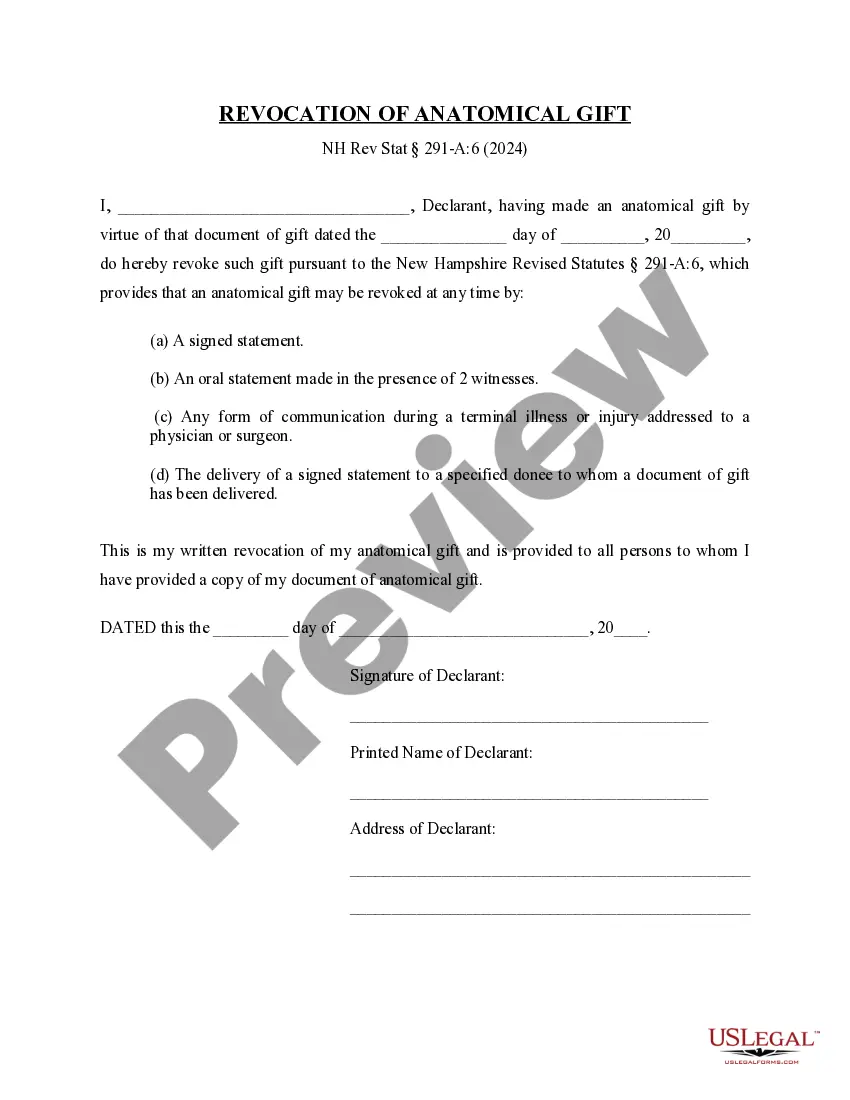
The Revocation of Anatomical Gift form is a legal document that allows an individual to officially revoke a previously made anatomical gift, such as the donation of organs or body parts. This form serves as a crucial notice to revoke the prior designation of anatomical gifts and ensures that the individual's current wishes are honored. Unlike other estate planning documents, this form specifically addresses anatomical gifts and provides clarity regarding the process of revocation in accordance with New Hampshire law.
Key components of this form
- Declarant's information: Includes the name of the individual revoking the anatomical gift.
- Date of the original anatomical gift: Specifies when the initial donation agreement was made.
- Revocation statement: Outlines the legal basis for revoking the anatomical gift.
- Signature of declarant: Required to validate the revocation.
- Date of revocation: Must indicate when the revocation takes place.
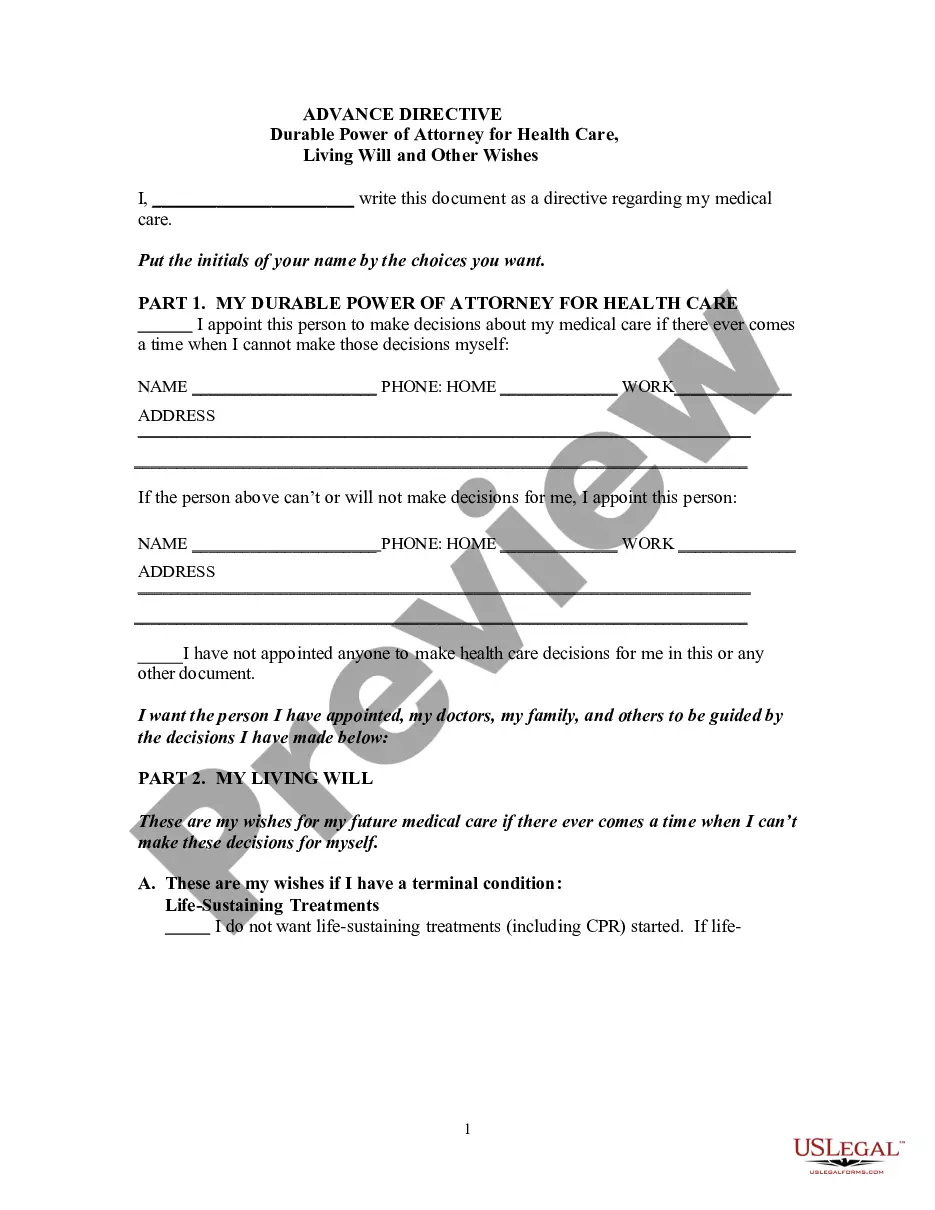
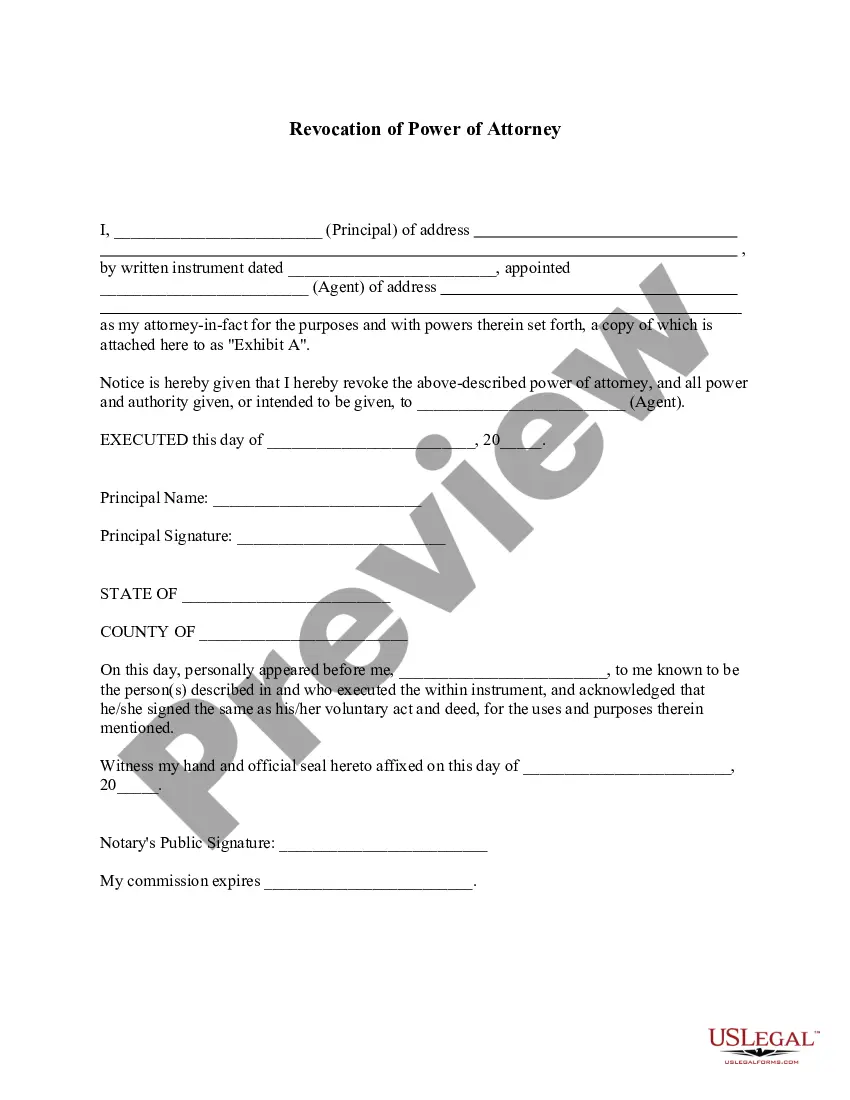
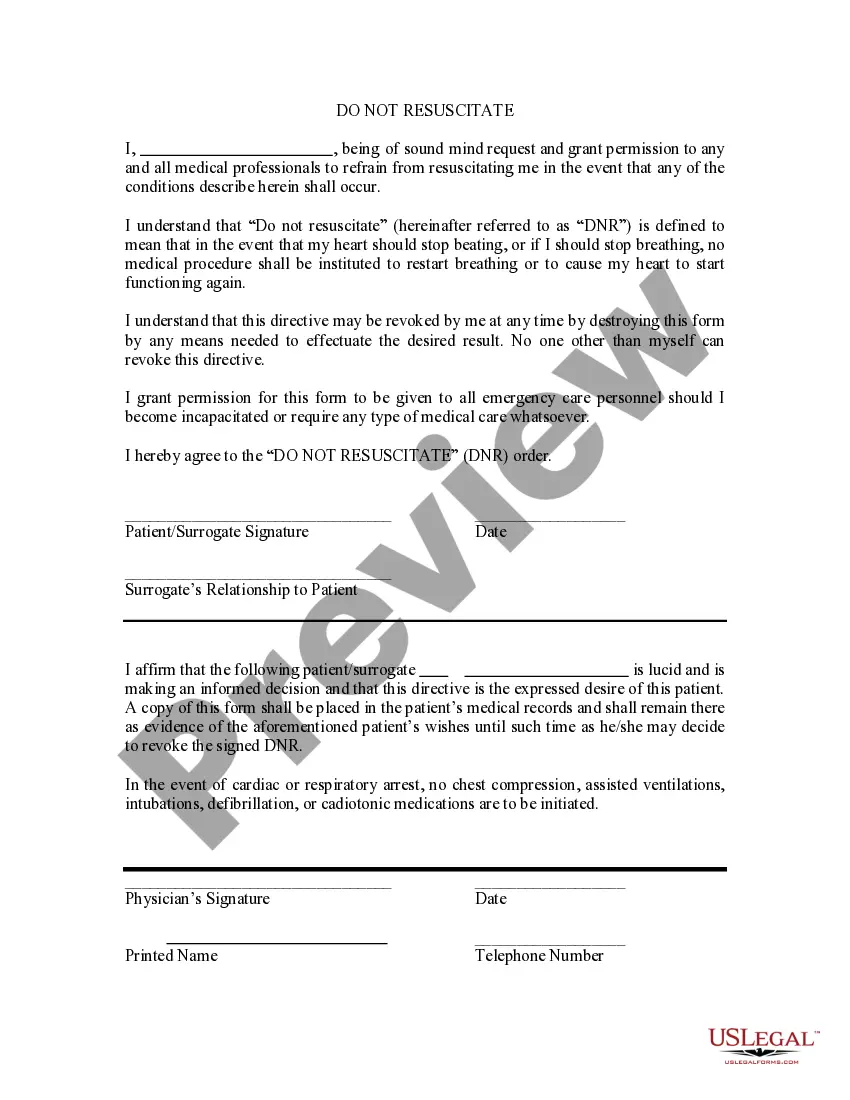
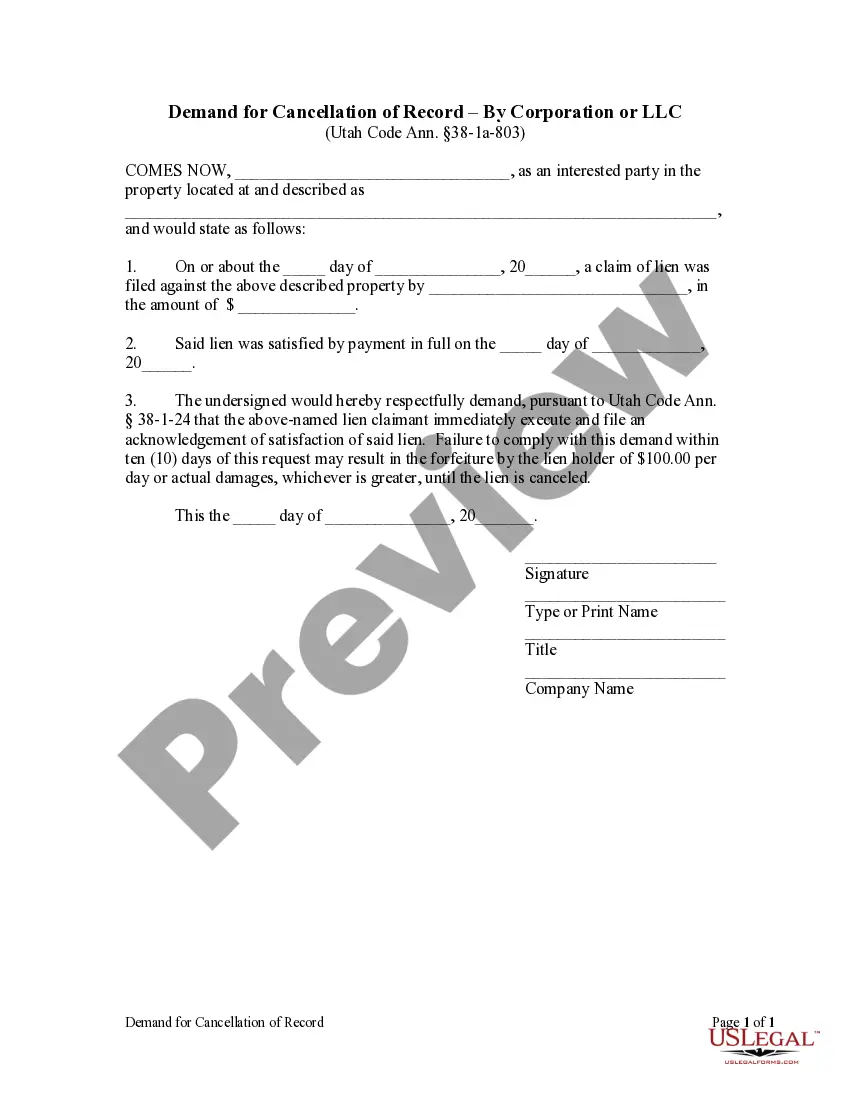
Situations where this form applies
This form is necessary when an individual who has previously made an anatomical gift wishes to change their mind. Scenarios include a change in personal beliefs, a change in health status, a desire for privacy regarding donation, or simply a reconsideration of the decision to donate their body parts or organs after death.
Who can use this document
- Any individual who has made an anatomical gift and wishes to revoke it.
- Individuals who have experienced a change in health status that affects their willingness to donate.
- Those who want to ensure their current wishes are accurately reflected and legally recognized.
Completing this form step by step
- Identify yourself as the declarant by filling in your full name.
- Provide the date when the initial anatomical gift was made.
- Clearly state your intention to revoke the anatomical gift.
- Sign the document to affirm your revocation of the gift.
- Enter the date of signing the revocation form.
Notarization guidance
Notarization is generally not required for this form. However, certain states or situations might demand it. You can complete notarization online through US Legal Forms, powered by Notarize, using a verified video call available anytime.
Get your form ready online
Our built-in tools help you complete, sign, share, and store your documents in one place.
Make edits, fill in missing information, and update formatting in US Legal Forms—just like you would in MS Word.
Download a copy, print it, send it by email, or mail it via USPS—whatever works best for your next step.
Sign and collect signatures with our SignNow integration. Send to multiple recipients, set reminders, and more. Go Premium to unlock E-Sign.
If this form requires notarization, complete it online through a secure video call—no need to meet a notary in person or wait for an appointment.
We protect your documents and personal data by following strict security and privacy standards.

Make edits, fill in missing information, and update formatting in US Legal Forms—just like you would in MS Word.

Download a copy, print it, send it by email, or mail it via USPS—whatever works best for your next step.

Sign and collect signatures with our SignNow integration. Send to multiple recipients, set reminders, and more. Go Premium to unlock E-Sign.

If this form requires notarization, complete it online through a secure video call—no need to meet a notary in person or wait for an appointment.

We protect your documents and personal data by following strict security and privacy standards.
Avoid these common issues
- Failing to sign the form, which renders it invalid.
- Not providing the original date of the anatomical gift.
- Omitting witness signatures if required by specific local laws.
Benefits of using this form online
- Convenient access: Download and complete the form from the comfort of your home.
- Editability: Make necessary changes easily before finalizing the document.
- Legal reliability: Trusted templates drafted by licensed attorneys ensure compliance with legal standards.
Quick recap
- The Revocation of Anatomical Gift form allows individuals to revoke a previously made decision about organ and body part donations.
- Completing this form ensures that your most current wishes regarding anatomical gifts are legally recognized.
- It is essential to follow the specific instructions and legal requirements when completing and submitting this form.
Looking for another form?
Form popularity
FAQ
New Hampshire 401(k)s and IRAs: With no income tax, your 401(k) and IRA distributions are tax-free, too.
New Hampshire does not tax individuals' earned income, so you are not required to file an individual New Hampshire tax return.If you have investment income from interest and dividends. (described in detail in the "NH Income Tax" section), you may have to file a New Hampshire tax return for that income.
It is a 5% tax on interest and dividends income. Who pays it? All New Hampshire residents and fiduciaries whose gross interest and dividends income, from all sources, exceeds $2,400 annually ($4800 for joint filers).
PA-33 STATEMENT OF QUALIFICATION FOR PROPERTY TAX CREDIT, EXEMPTION OR. TAX DEFERRAL UNDER RSA , V. (to be submitted with Form PA-29 or Form PA-30) USE THIS FORM IF YOUR PROPERTY IS HELD IN A TRUST, HAS EQUITABLE TITLE OR HAS A LIFE ESTATE. TYPE OR PRINT.
The Interest and Dividends Tax Instructions, page 3, Line 2 states: These distributions are subject to tax in New Hampshire as a "dividend".Taxable annuities are those annuities not invested in a tax-deferred investment plan pursuant to RSA 77:4-b.
For individual and joint filers, the amount to be reported on Line 1(a) is from Line 2(b) of IRS Form 1040. For all other filers, the amount to be reported on Line 1(a) is the total of all interest income reported on your federal return.
Delaware, Maine, Massachusetts, Missouri, New Hampshire, New York, Vermont: Internal Revenue Service, P.O. Box 37910, Hartford, CT 06176-7008.
New Hampshire uses Form DP-10 for full or part-year residents. The DP-10 only has to be filed if the taxpayer received more than $2400 (single) or $4800 (joint) of interest and/or dividends. The taxpayer can enter the date of residency during the New Hampshire Q&A.