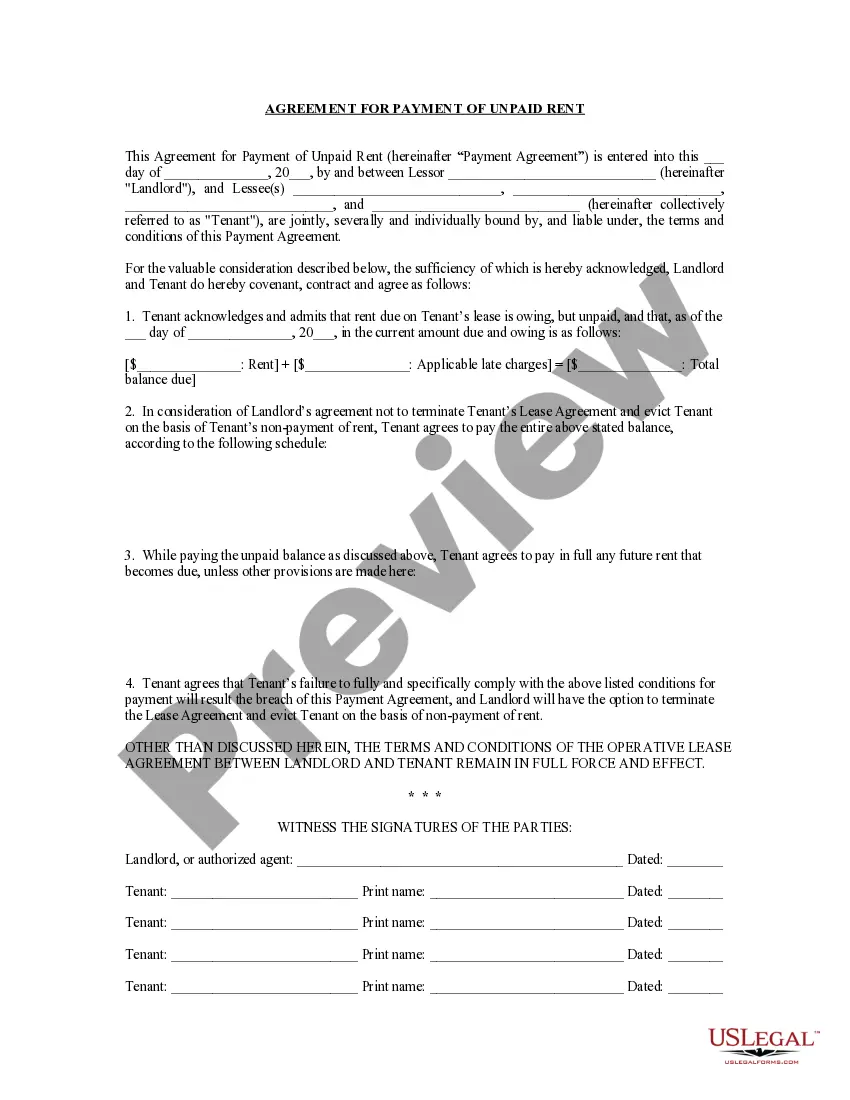
Nebraska Agreement for Payment of Unpaid Rent
Overview of this form
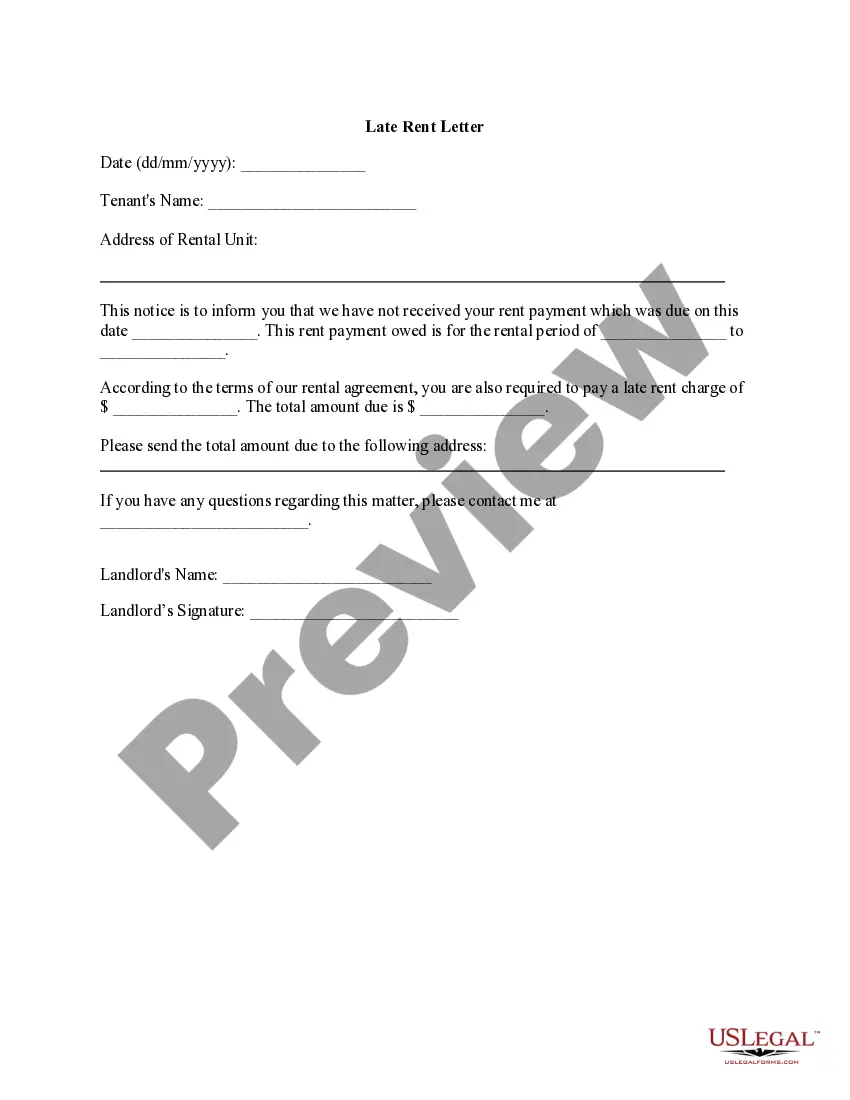
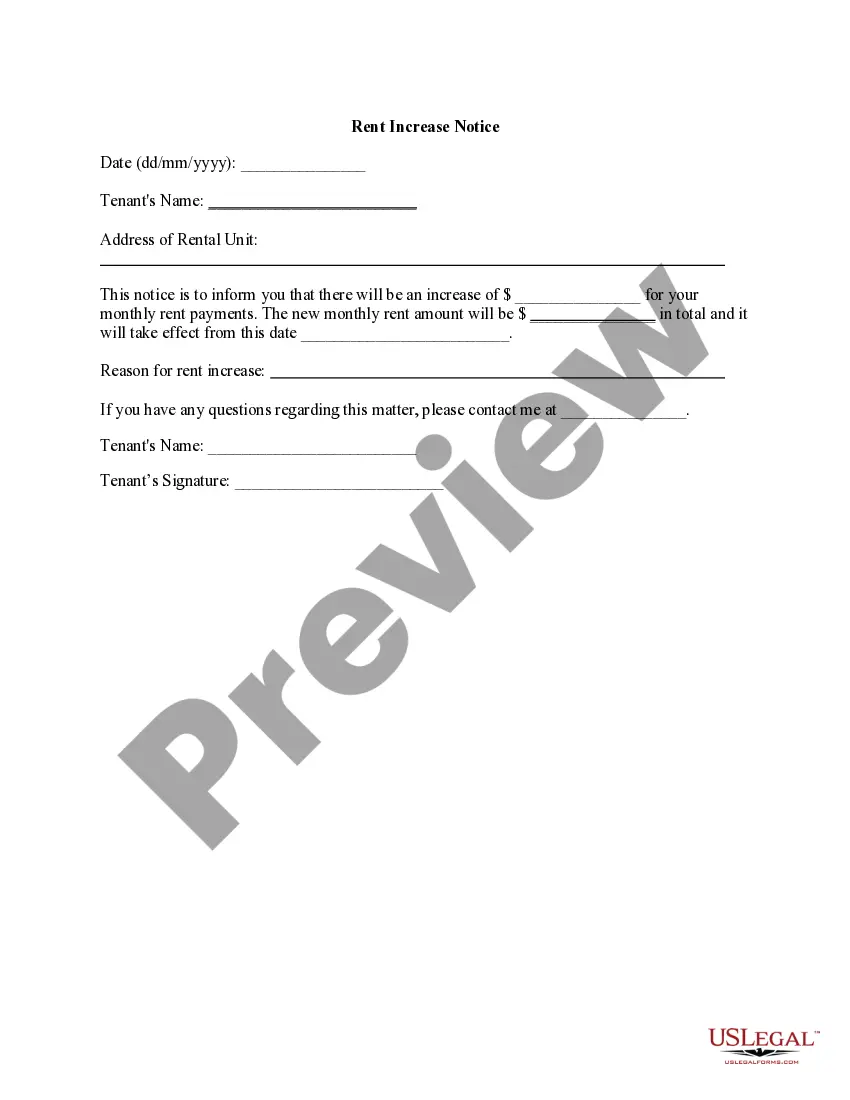
The Agreement for Payment of Unpaid Rent is a legal document that outlines a payment arrangement between a landlord and tenant for overdue rent. This agreement enables the tenant to pay off the owed rent while the landlord agrees to postpone eviction proceedings. The form is designed to meet all applicable state law specifications, providing a structured approach to managing unpaid rent situations.
Key components of this form
- Identification of parties: names of the landlord and tenant(s).
- Acknowledgment of unpaid rent, including total amount owed.
- Specific payment terms, including amounts and deadlines.
- Confirmation that the original lease agreement remains in effect.
- Signatures of all parties involved to validate the agreement.
Situations where this form applies
This form is useful in situations where a tenant has fallen behind on rent payments but the landlord wishes to avoid the eviction process. It allows for a temporary solution, ensuring that the tenant has a clear repayment schedule while maintaining their right to occupy the property. This agreement can help foster communication and resolve disputes between landlords and tenants related to unpaid rent.
Who should use this form
- Landlords who need to collect overdue rent from tenants.
- Tenants who want to formalize a payment plan to avoid eviction.
- Property managers acting on behalf of landlords in managing rental agreements.
Steps to complete this form
- Identify the parties involved by entering the names of the landlord and tenant(s).
- Specify the date of the agreement.
- List the amount of unpaid rent, including applicable late charges.
- Outline the payment terms, including amounts and deadlines.
- Ensure all parties sign and date the agreement to validate it.
Does this form need to be notarized?
In most cases, this form does not require notarization. However, some jurisdictions or signing circumstances might. US Legal Forms offers online notarization powered by Notarize, accessible 24/7 for a quick, remote process.
Get your form ready online
Our built-in tools help you complete, sign, share, and store your documents in one place.
Make edits, fill in missing information, and update formatting in US Legal Forms—just like you would in MS Word.
Download a copy, print it, send it by email, or mail it via USPS—whatever works best for your next step.
Sign and collect signatures with our SignNow integration. Send to multiple recipients, set reminders, and more. Go Premium to unlock E-Sign.
If this form requires notarization, complete it online through a secure video call—no need to meet a notary in person or wait for an appointment.
We protect your documents and personal data by following strict security and privacy standards.

Make edits, fill in missing information, and update formatting in US Legal Forms—just like you would in MS Word.

Download a copy, print it, send it by email, or mail it via USPS—whatever works best for your next step.

Sign and collect signatures with our SignNow integration. Send to multiple recipients, set reminders, and more. Go Premium to unlock E-Sign.

If this form requires notarization, complete it online through a secure video call—no need to meet a notary in person or wait for an appointment.

We protect your documents and personal data by following strict security and privacy standards.
Typical mistakes to avoid
- Failing to specify the total amount of unpaid rent.
- Not including all tenant names in the agreement.
- Leaving out signatures from one or more parties involved.
- Neglecting to include clear payment deadlines.
Advantages of online completion
- Convenient access to a professionally drafted legal form tailored for your needs.
- The ability to easily edit and fill out the form online.
- Quick download and printing options for immediate use.
- Compliance with state law ensures the form's legal validity.
Legal use & context
- This agreement serves as a formal record of the arrangement between landlord and tenant.
- It helps protect the tenant from immediate eviction while outlining a clear path to remedy unpaid rent.
- Compliance with state law is crucial for the enforceability of this agreement.
What to keep in mind
- The Agreement for Payment of Unpaid Rent is essential for managing overdue rental payments.
- It protects both landlords and tenants by formalizing payment arrangements.
- Ensure all parties understand and agree to the terms outlined in the document.
Looking for another form?
Form popularity
FAQ
When a lease ends, a tenant may choose to move, continue to pay rent as a month-to-month tenant, or sign a new lease. If a tenant continues to pay rent after a lease ends, in most states the terms of the expired lease carry over into a month-to-month tenancy.
Using a Section 8 notice By failing to pay their rent, your tenant has broken the terms of their tenancy agreement, meaning you can serve them a Section 8 notice at any point in the tenancy. Your tenant may dispute the eviction, so you need to be ready with evidence of unpaid rent and your efforts to resolve the issue.
Kansas Eviction Process Timeline Issuance/Service of Summons and Complaint at least 3 days prior to the eviction hearing. Court Hearing and Ruling on the Eviction 3-28 days, depending on whether a follow-up hearing is held. Issuance of Writ of Restitution A few hours to a few days.
1) Stay calm and respectful. While dealing with these cases can be extremely stressful, it's important to approach the situation as calmly as possible. 2) Have an in-person meeting with your tenant. 3) Act quickly. 4) Keep proper documentation. 5) Do not accept partial payments if you plan to evict.
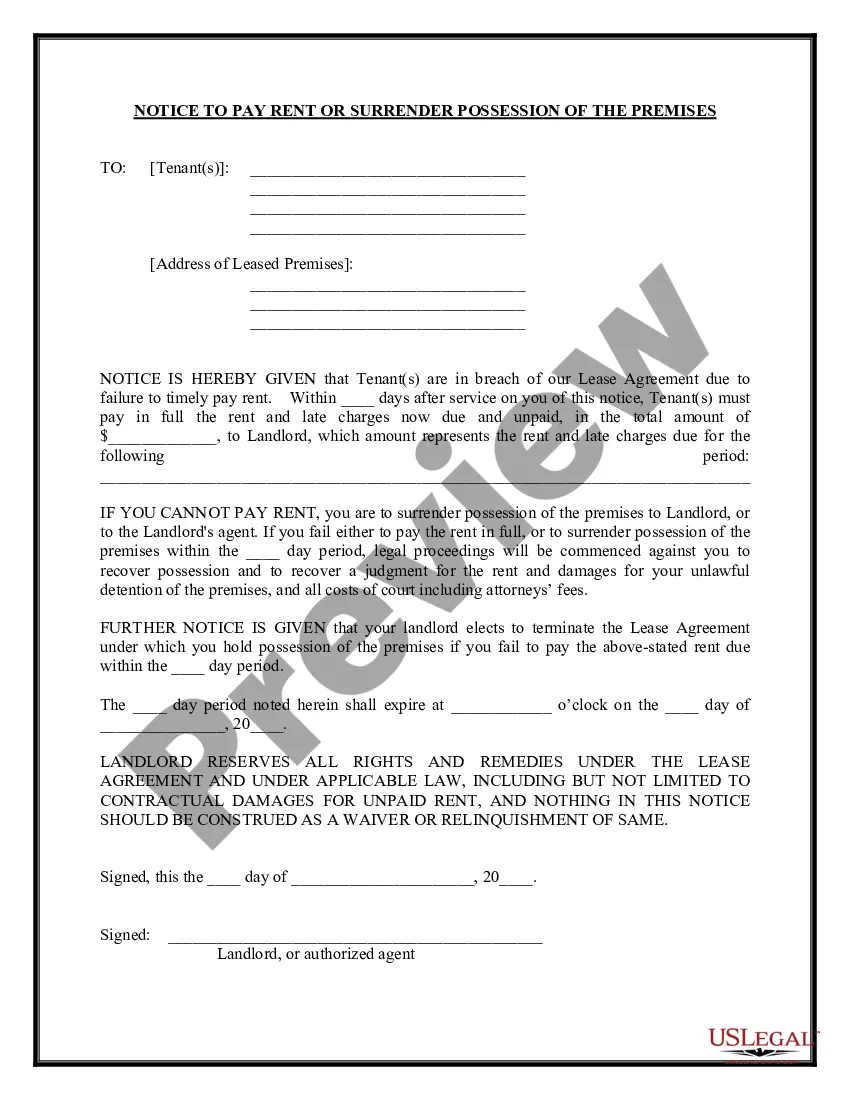
Nebraska Eviction is 3 Days or 30 Days And it must state that the tenant may halt the eviction process by paying the rent or curing the violation within the notice period.
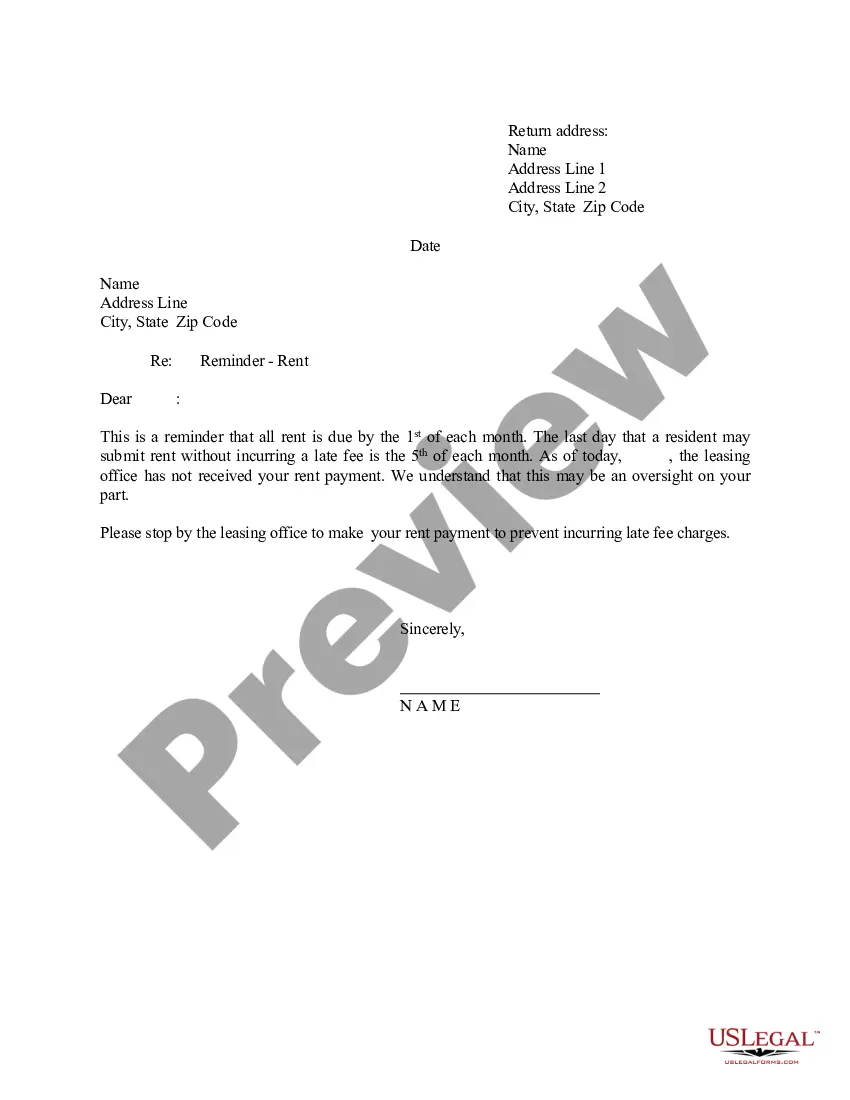
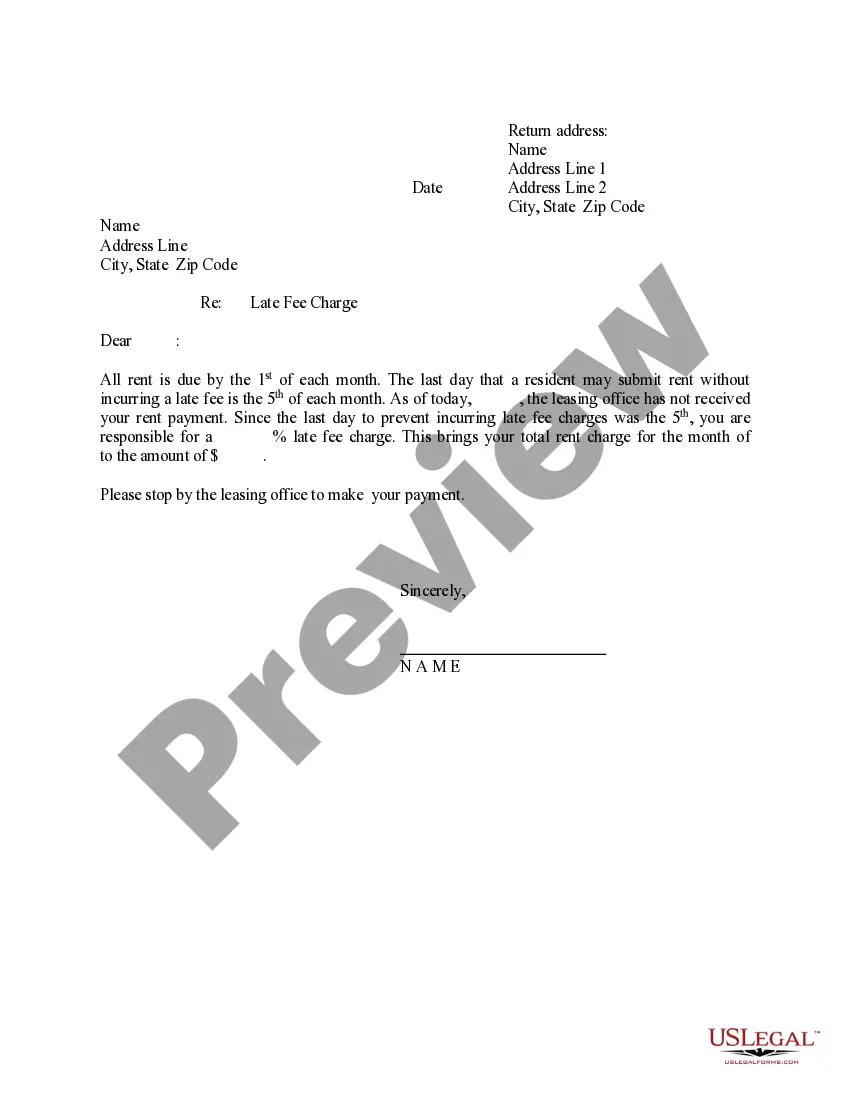
Step 1: Check Your Lease Documents and Payment Records. Step 2: Send a Late Rent Notice. Step 3: Make a Phone Call. Step 4: Send a Pay or Quit Notice. Step 5: Take Legal Action.
Include the date at the top of the letter. Acknowledge that you you are behind in paying your rent and apologize for your actions. Explain the situation that has led to your current financial hardship. Stick to the facts, and resist the urge to write emotional appeals or project a negative attitude.
Unfortunately that is not the case. Once a break notice has been served is cannot be unilaterally withdrawn. Even if both parties agree that the notice is withdrawn, service of the notice terminates the existing lease and creates a new tenancy by implication. There are a number of consequences that flow from this.
The 14-day/30-day notice must say how the tenant is breaching the lease and that the lease will automatically terminate 30 days (or more) from the date of the notice unless the tenant fixes the problem within 14 days of the date of the notice.