North Carolina Letter from Tenant to Landlord with Demand that landlord repair plumbing problem
What this document covers
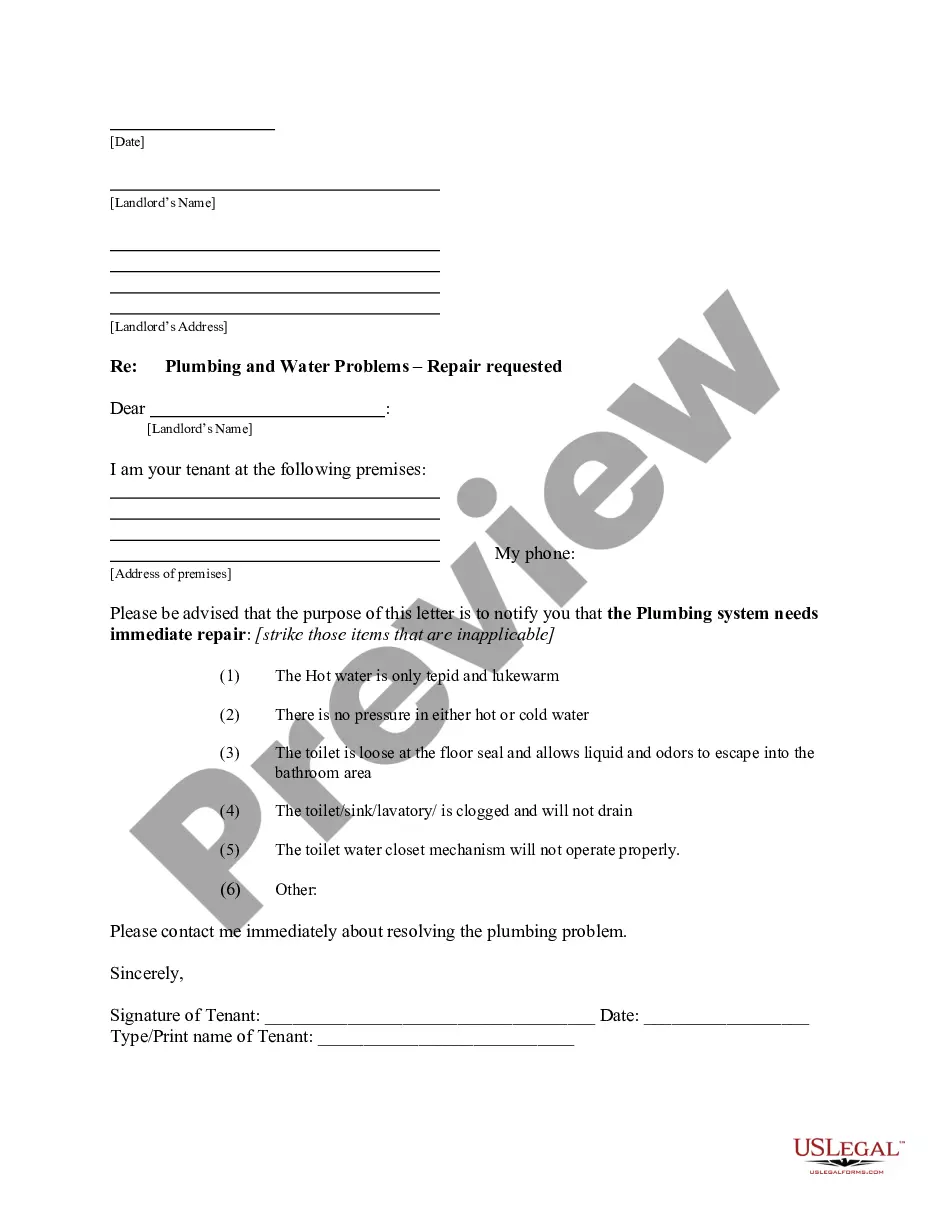
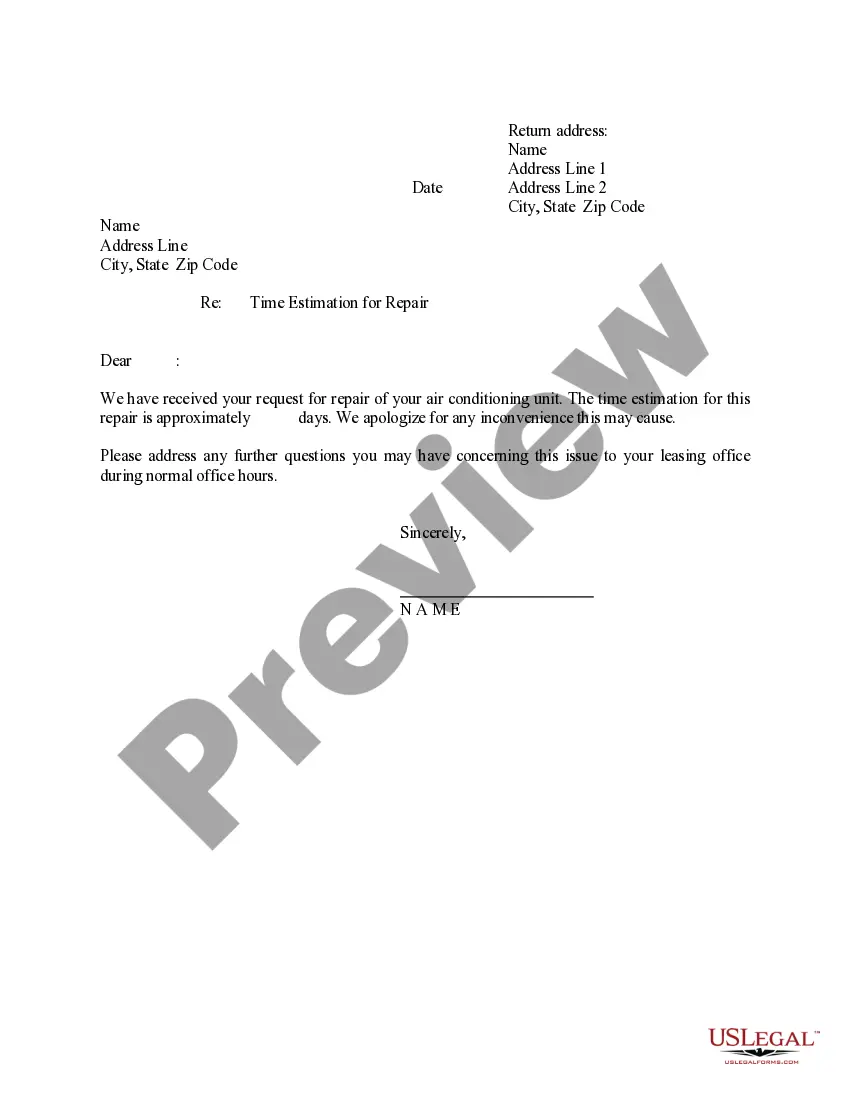
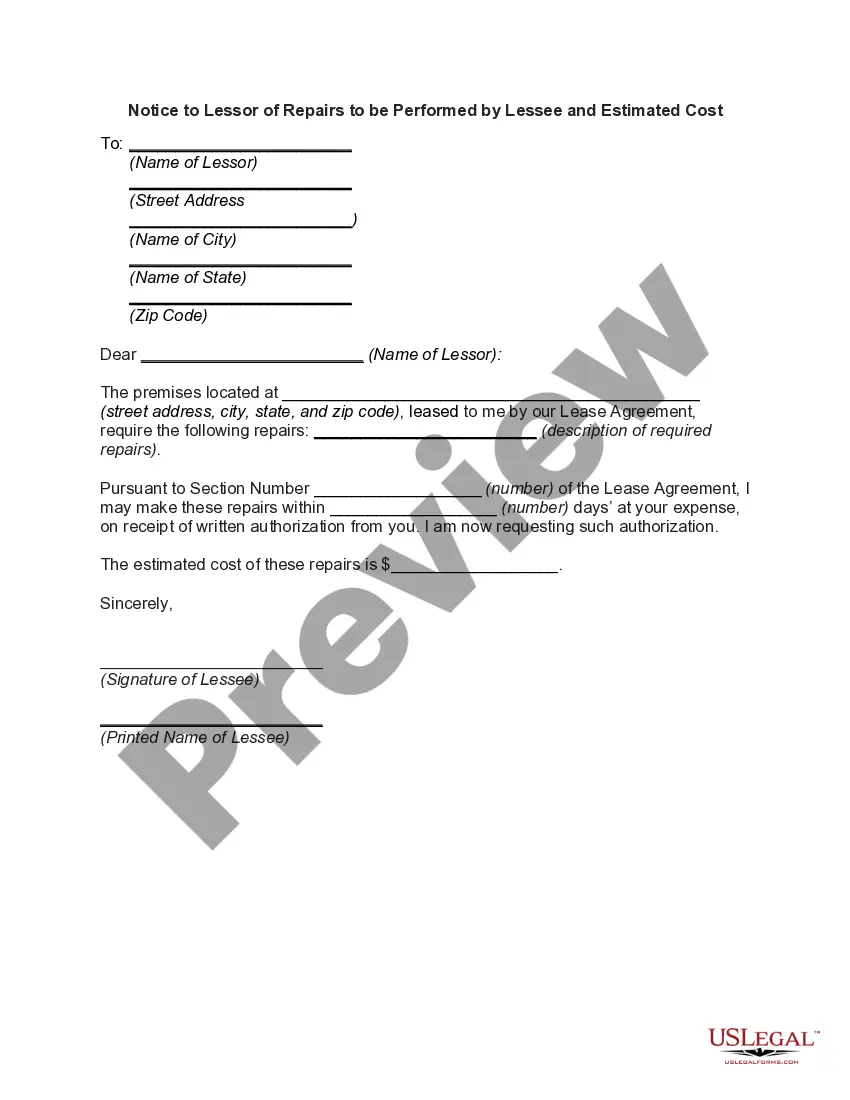
This form, titled Letter from Tenant to Landlord with Demand that landlord repair plumbing problem, is a written notification from a tenant to their landlord regarding plumbing issues in a rental property. The purpose of this form is to formally inform the landlord of their duty to maintain the property and to demand immediate repairs. It differs from similar forms by specifically outlining plumbing-related problems, ensuring clarity and urgency in communication.
Key components of this form
- A description of the plumbing issues, such as insufficient hot water and clogged drains.
- A statement indicating the landlord's breach of their duty to keep the property in tenantable condition.
- A demand for repairs within a specified timeframe, typically ten days.
- Space to include details about the property and tenant information.


Situations where this form applies
This form should be used when a tenant experiences plumbing problems that affect their ability to use the rental property comfortably and safely. Common scenarios include insufficient hot water, clogged toilets, or leaking pipes. This letter serves as an official request for the landlord to address these issues promptly to avoid further complications or damages.
Who needs this form
- Tenants experiencing plumbing issues in their rental unit.
- Individuals who have already verbally communicated these problems but need a formal written request.
- Tenants who wish to document their request for repairs to establish a record for potential legal proceedings.
How to complete this form
- Clearly identify the parties involved, including the tenant's and landlord's names and addresses.
- Describe the plumbing issues in detail, including any relevant dates when the problems were first noticed.
- State the specific legal obligation of the landlord to maintain the premises.
- Set a clear deadline for when repairs should be completed, typically within ten days.
- Sign and date the document to validate your request.
Is notarization required?
Notarization is generally not required for this form. However, certain states or situations might demand it. You can complete notarization online through US Legal Forms, powered by Notarize, using a verified video call available anytime.
Get your form ready online
Our built-in tools help you complete, sign, share, and store your documents in one place.
Make edits, fill in missing information, and update formatting in US Legal Forms—just like you would in MS Word.
Download a copy, print it, send it by email, or mail it via USPS—whatever works best for your next step.
Sign and collect signatures with our SignNow integration. Send to multiple recipients, set reminders, and more. Go Premium to unlock E-Sign.
If this form requires notarization, complete it online through a secure video call—no need to meet a notary in person or wait for an appointment.
We protect your documents and personal data by following strict security and privacy standards.

Make edits, fill in missing information, and update formatting in US Legal Forms—just like you would in MS Word.

Download a copy, print it, send it by email, or mail it via USPS—whatever works best for your next step.

Sign and collect signatures with our SignNow integration. Send to multiple recipients, set reminders, and more. Go Premium to unlock E-Sign.

If this form requires notarization, complete it online through a secure video call—no need to meet a notary in person or wait for an appointment.

We protect your documents and personal data by following strict security and privacy standards.
Common mistakes to avoid
- Failing to provide specific details about the plumbing issue.
- Not including a deadline for repairs.
- Forgetting to sign or date the letter.
- Not keeping a copy of the letter for personal records.
Why use this form online
- Convenient access: Download and complete the form from the comfort of your home.
- Editability: Customize the form to fit your specific situation easily.
- Reliability: Ensure you are using a legally drafted document that meets statutory requirements.
Key takeaways
- This form is essential for tenants facing plumbing issues requiring urgent attention.
- Clear documentation helps ensure that your requests are taken seriously and addressed promptly.
- Understanding your rights as a tenant can facilitate effective communication with your landlord.
Looking for another form?

Form popularity
FAQ
There are three elements in the tort of negligence; duty of care, breach of the duty and damages.
To make a claim of negligence in NSW, you must prove three elements: A duty of care existed between you and the person you are claiming was negligent; The other person breached their duty of care owed to you; and. Damage or injury suffered by you was caused by the breach of the duty.
Uninhabitable conditions can include dangerous ones, such as holes in the floor, unsafe or exposed wiring, or non-working air conditioning in dangerously hot summer months. Gross infestations of roaches, fleas or other pests are also uninhabitable conditions.
Doing so means you and your lawyer must prove the five elements of negligence: duty, breach of duty, cause, in fact, proximate cause, and harm.
1The landlord had a duty to reasonably maintain the property;2The landlord knew or should have known of the dangerous condition;3The landlord breached their duty by failing to repair/fix the dangerous condition;Holding A Landlord Liable For Personal Injury Tobener\nwww.tobenerlaw.com > personal-injury
Tenants can all agree to withhold rent until the landlord makes repairs. A group of tenants can ask a judge to order the landlord to make repairs. If the landlord absolutely refuses to fix the bad conditions, tenants can ask a court to appoint a temporary landlord called a receiver in order to make repairs.
1calling state or local building or health inspectors.2withholding the rent.3repairing the problem, or having it repaired by a professional, and deducting the cost from your rent (called repair-and-deduct)4moving out, or.Tenant Options if Your Landlord Won't Make Major Repairs Nolo\nwww.nolo.com > free-books > renters-rights-book > chapter7-5
Calling state or local building or health inspectors. withholding the rent. repairing the problem, or having it repaired by a professional, and deducting the cost from your rent (called repair-and-deduct) moving out, or.
The elements of negligence are (1) an act or omission, (2) a duty, (3) breach of that duty, (4) actual cause, and (5) legal or proximate cause. An actor acts or fails to act when there is a duty to do so. You just studied 8 terms!