Minnesota Agreement for Payment of Unpaid Rent
What is this form?
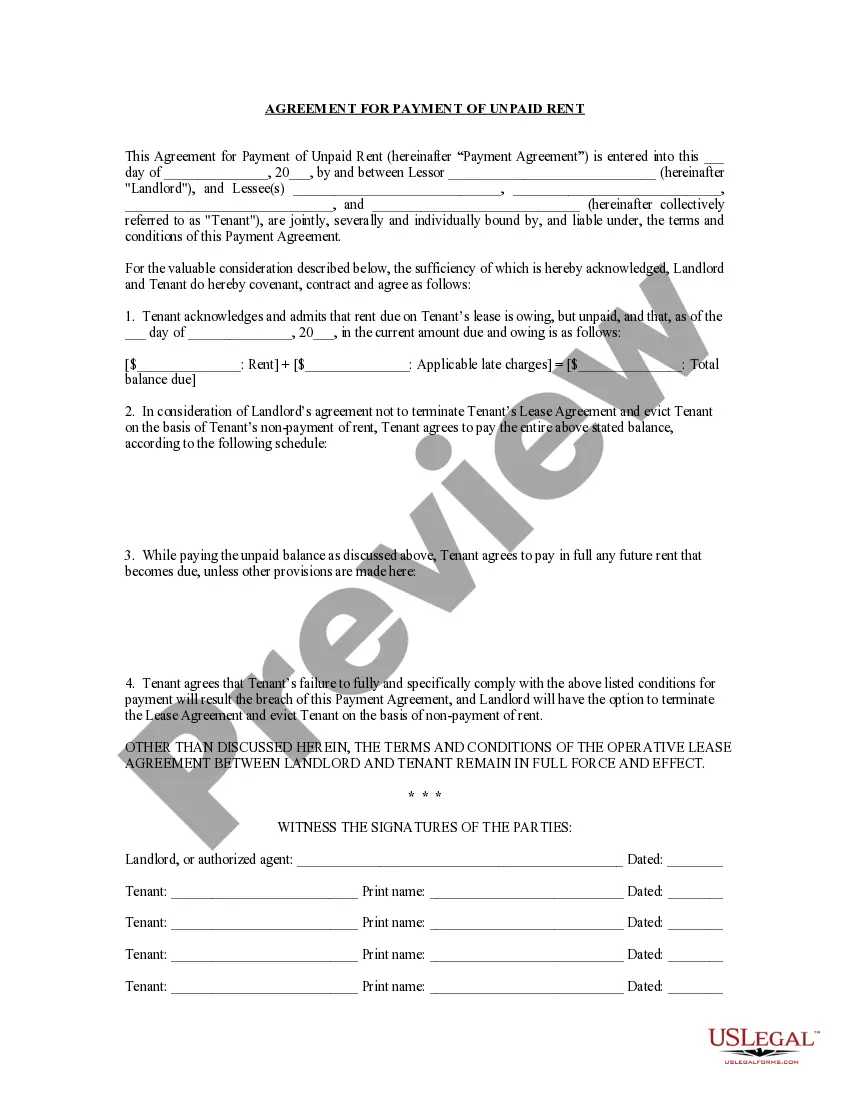
This Agreement for Payment of Unpaid Rent is a legal document used between a landlord and tenant to outline the terms of repayment for overdue rent. Unlike a standard lease agreement, this form specifically addresses situations where rent has not been paid and establishes a structured payment plan. It helps prevent eviction by detailing the obligations of the tenant and reassuring the landlord that the overdue rent will be repaid in a timely manner.
Main sections of this form
- Identification of parties: Names of the landlord (lessor) and tenant (lessee).
- Details of unpaid rent: Acknowledgment of the amount of overdue rent, including any applicable late charges.
- Payment structure: Defined terms for how and when the tenant will repay the unpaid rent.
- Signature section: Space for both landlord and tenant signatures, ensuring all parties agree to the terms.
- Continuity of lease terms: An affirmation that existing lease agreement terms remain in effect except as modified by this agreement.

When to use this form
This form is useful in situations where a tenant has fallen behind on rent payments but both parties wish to avoid eviction. It can be used when a landlord wants to work with the tenant to create a manageable repayment plan, providing the tenant time to settle their debt while still maintaining their residence.
Who should use this form
This Agreement should be used by:
- Landlords who need a formal arrangement to receive overdue rent from tenants.
- Tenants who are struggling to pay rent and want to negotiate a payment plan to avoid eviction.
- Property managers overseeing rental properties that are experiencing tenant payment issues.
How to complete this form
- Identify the parties: Fill in the names of the landlord and tenant(s) at the top of the agreement.
- State the date: Enter the effective date of the agreement.
- Detail the unpaid rent: Specify the amount of overdue rent and any late charges incurred.
- Outline the payment plan: Clearly define how the tenant will repay the overdue rent, including payment deadlines.
- Obtain signatures: Have both the landlord and tenant(s) sign and date the agreement to make it legally binding.
Does this form need to be notarized?
This form does not typically require notarization unless specified by local law. It is important to check the regulations in your jurisdiction to ensure everything is completed correctly.
Get your form ready online
Our built-in tools help you complete, sign, share, and store your documents in one place.
Make edits, fill in missing information, and update formatting in US Legal Forms—just like you would in MS Word.
Download a copy, print it, send it by email, or mail it via USPS—whatever works best for your next step.
Sign and collect signatures with our SignNow integration. Send to multiple recipients, set reminders, and more. Go Premium to unlock E-Sign.
If this form requires notarization, complete it online through a secure video call—no need to meet a notary in person or wait for an appointment.
We protect your documents and personal data by following strict security and privacy standards.

Make edits, fill in missing information, and update formatting in US Legal Forms—just like you would in MS Word.

Download a copy, print it, send it by email, or mail it via USPS—whatever works best for your next step.

Sign and collect signatures with our SignNow integration. Send to multiple recipients, set reminders, and more. Go Premium to unlock E-Sign.

If this form requires notarization, complete it online through a secure video call—no need to meet a notary in person or wait for an appointment.

We protect your documents and personal data by following strict security and privacy standards.
Common mistakes to avoid
- Failing to accurately detail the amount of unpaid rent and late charges.
- Not including all necessary parties in the agreement.
- Omitting signatures or dates, which can void the agreement.
- Neglecting to confirm that all terms of the existing lease are still applicable.
Why complete this form online
- Convenience of downloading and completing the form at your own pace.
- Editability allows you to tailor the payment terms to your specific situation.
- Reliability of templates drafted by licensed attorneys to ensure legal compliance.
Looking for another form?



Form popularity
FAQ
Filling out a rent agreement form can be straightforward when you have the right resources. Start by gathering all necessary information, such as the names of the parties involved, the rental property address, and the payment terms. Ensure you include details specific to the Minnesota Agreement for Payment of Unpaid Rent, outlining the payment schedule and consequences of late payments. For additional guidance, consider using the US Legal Forms platform, which offers templates and support to help you create a comprehensive and legally binding rent agreement.
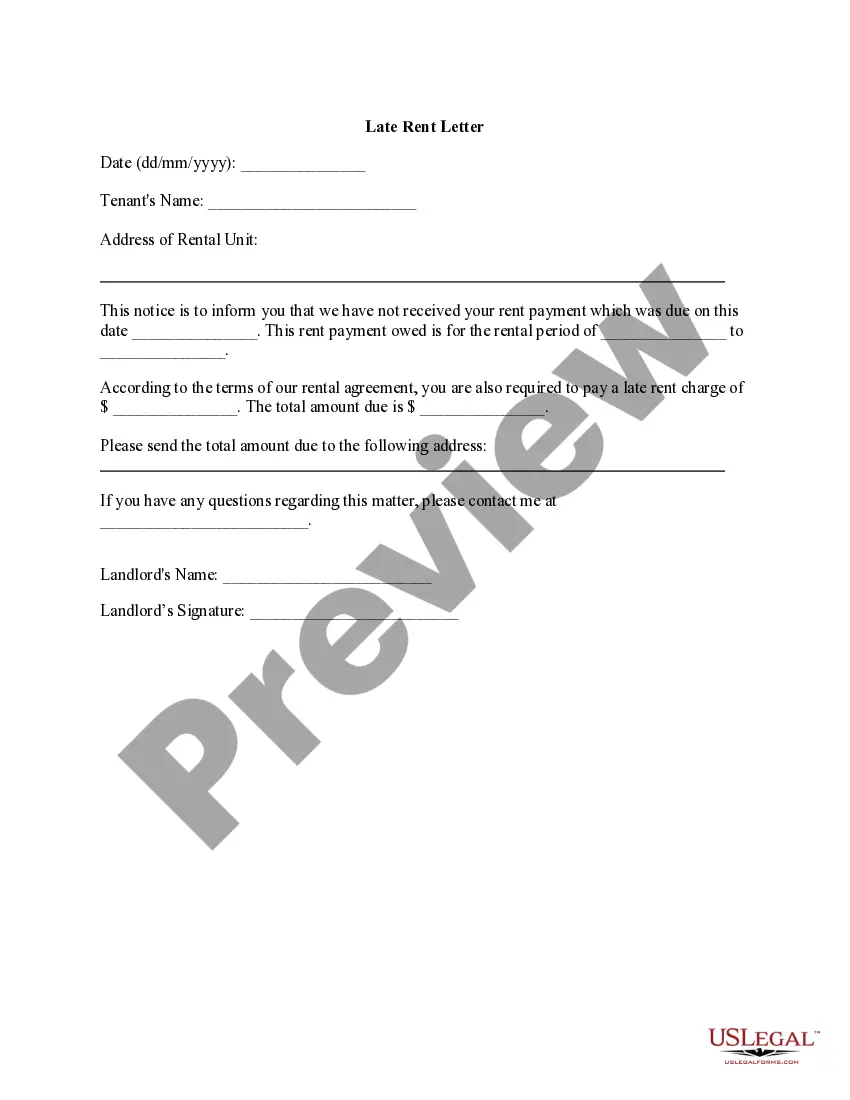
To write a letter to a tenant for nonpayment of rent, start by clearly stating the amount owed and any relevant dates. Mention the Minnesota Agreement for Payment of Unpaid Rent, as it serves as a reminder of the agreed terms. Maintain a professional tone and encourage open communication to resolve the issue. For additional resources, consider using US Legal Forms to access templates that can guide you in drafting your letter.
You can draw up your own tenancy agreement in Minnesota, but it must adhere to state laws. Including a Minnesota Agreement for Payment of Unpaid Rent ensures that both parties understand their financial obligations. Using a template from US Legal Forms can save you time and help you avoid common pitfalls in drafting your agreement. Always seek clarity in your terms to maintain a positive landlord-tenant relationship.
In Minnesota, a landlord can begin the eviction process if a tenant is more than three days behind on rent. The Minnesota Agreement for Payment of Unpaid Rent can help prevent such situations by outlining payment expectations. It's crucial to communicate with your tenant to resolve any issues before reaching the eviction stage. Always consult legal resources or platforms like US Legal Forms for guidance.
Yes, you can write your own rental agreement in Minnesota. However, it is important to ensure that your agreement complies with state laws. Including a Minnesota Agreement for Payment of Unpaid Rent can help clarify payment terms and responsibilities. If you prefer convenience and legal assurance, consider using platforms like US Legal Forms to create your rental agreement.
When addressing a tenant who is not paying rent, be direct yet respectful in your letter. Clearly state the amount owed, the original due date, and any consequences they may face if the payment is not made. Mention the Minnesota Agreement for Payment of Unpaid Rent as a structured way to address the situation. This approach shows you are willing to work with them to find a solution.
To claim unpaid rent, first review your lease agreement for any specific clauses regarding late payments or collections. You may want to send a formal notice to the tenant outlining the unpaid amount and referencing the Minnesota Agreement for Payment of Unpaid Rent as a potential solution. If communication does not lead to payment, consider seeking legal advice to explore your options for recovery.
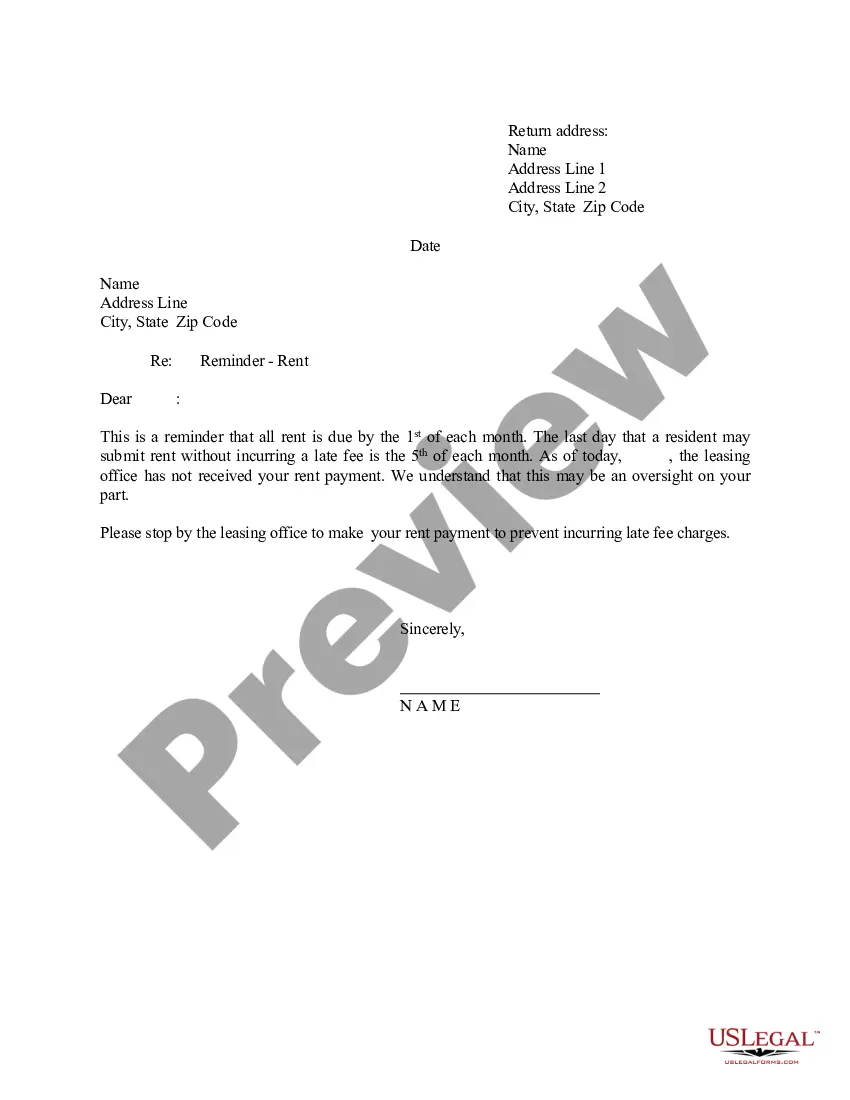
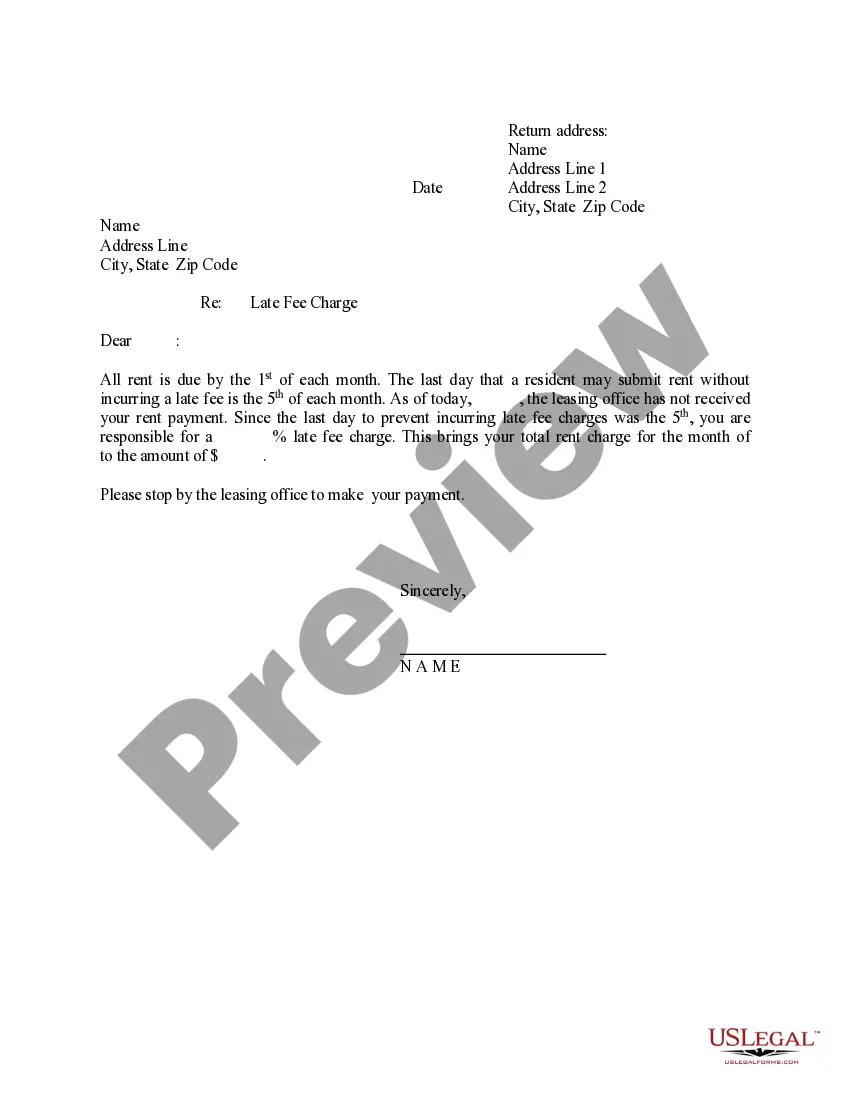
When writing a letter to a tenant about late rent, start with a clear and polite tone. Include the amount due, the due date, and any late fees that may apply. You can also mention the Minnesota Agreement for Payment of Unpaid Rent as a formal option to resolve the issue. Be sure to encourage communication, as this can lead to a better understanding and a smoother resolution.
The eviction process in Minnesota can vary, but it generally takes at least 7 to 21 days after filing an eviction notice. A landlord must provide a notice before initiating eviction proceedings, which gives tenants time to respond. Utilizing a Minnesota Agreement for Payment of Unpaid Rent may offer an alternative solution, allowing tenants to negotiate terms and avoid the stress of eviction. Being proactive can make a significant difference in this situation.
In Minnesota, rent is typically considered late the day after it is due. A landlord may start the eviction process if rent remains unpaid for a minimum of 14 days. During this time, tenants may consider a Minnesota Agreement for Payment of Unpaid Rent, which can help establish a payment plan and prevent eviction. It is crucial to communicate with your landlord to explore options before facing eviction.