Michigan Agreement for Payment of Unpaid Rent
About this form
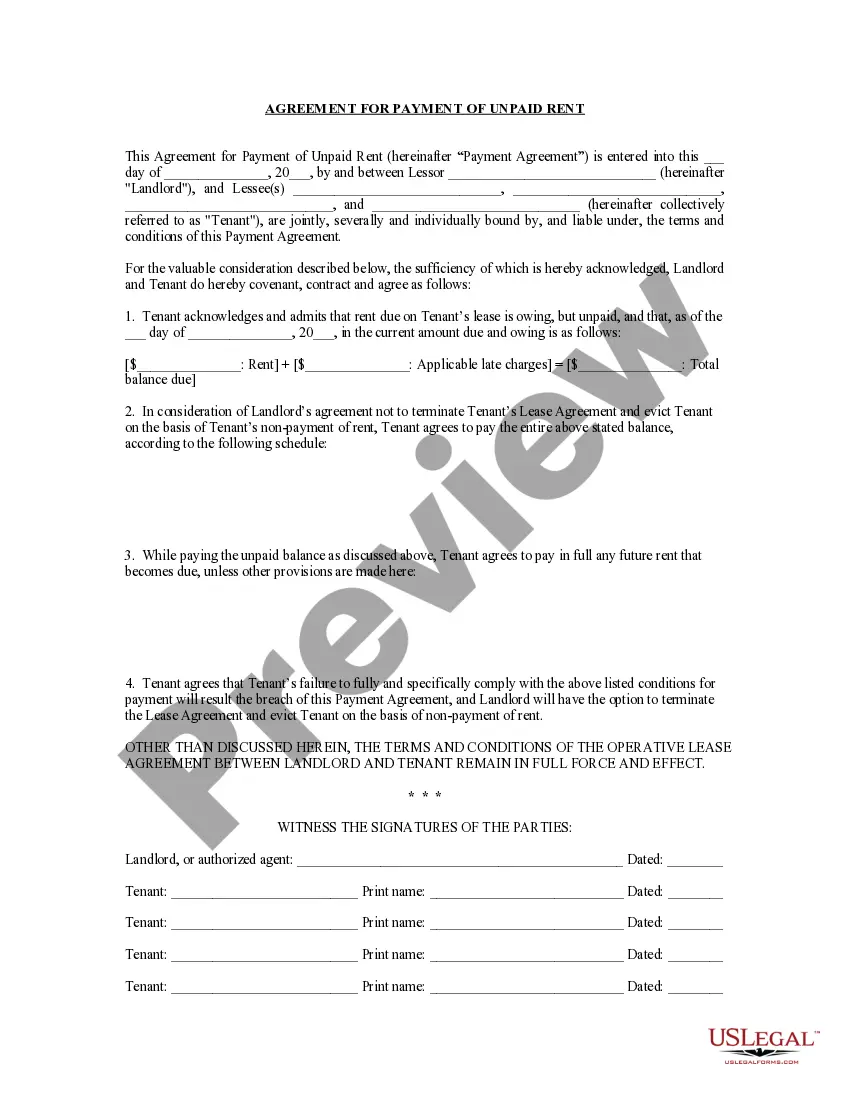
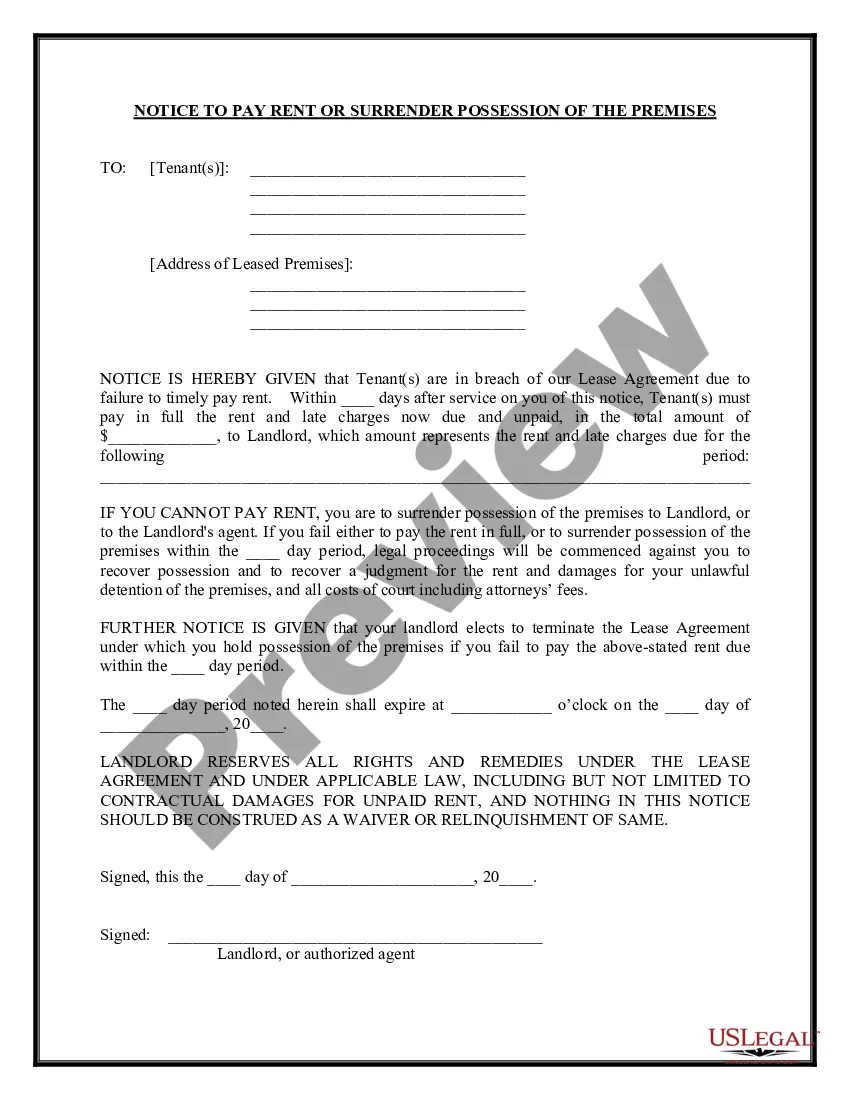
The Agreement for Payment of Unpaid Rent is a legal document created to facilitate an agreement between a landlord and tenant regarding overdue rent. This form outlines the structured payment plan for back rent while allowing the tenant to avoid eviction. Unlike a lease agreement, which is a broader contract defining the rental terms, this specific agreement focuses solely on the overdue rent situation and ensures that landlords and tenants comply with applicable state laws.
Main sections of this form
- Identification of the parties involved: Names of the landlord and tenants.
- Statement of the unpaid rent: Details of the amount owed, including rent and late fees.
- Agreement terms: Specific payment structure and deadlines to resolve the unpaid rent.
- Retention of the original lease terms: Clarifies that standard lease conditions remain effective.
- Signatures of all parties: Required to validate the agreement.
When this form is needed
This form is used when a tenant is behind on rent payments and both parties wish to avoid eviction. It is particularly useful in situations where the tenant can commit to a payment plan but needs to negotiate with the landlord to delay any legal eviction proceedings. This agreement helps ensure that both parties are on the same page regarding the repayment of overdue rent.
Intended users of this form
- Landlords seeking to formalize a repayment agreement with their tenant.
- Tenants who are unable to pay rent on time and want to negotiate terms with their landlord.
- Property managers who oversee tenant agreements on behalf of landlords.
Steps to complete this form
- Identify the parties: Fill in the names of the landlord and tenants involved in the agreement.
- Specify the property's address: Clearly indicate the rental property associated with the unpaid rent.
- Document the amount owed: Detail the overdue rent, any late fees, and the total balance due.
- Set payment terms: Establish the timeline for payments and any conditions attached to the agreement.
- Obtain signatures: All parties must sign and date the agreement to validate it.
Does this document require notarization?
Notarization is not commonly needed for this form. However, certain documents or local rules may make it necessary. Our notarization service, powered by Notarize, allows you to finalize it securely online anytime, day or night.
Get your form ready online
Our built-in tools help you complete, sign, share, and store your documents in one place.
Make edits, fill in missing information, and update formatting in US Legal Forms—just like you would in MS Word.
Download a copy, print it, send it by email, or mail it via USPS—whatever works best for your next step.
Sign and collect signatures with our SignNow integration. Send to multiple recipients, set reminders, and more. Go Premium to unlock E-Sign.
If this form requires notarization, complete it online through a secure video call—no need to meet a notary in person or wait for an appointment.
We protect your documents and personal data by following strict security and privacy standards.

Make edits, fill in missing information, and update formatting in US Legal Forms—just like you would in MS Word.

Download a copy, print it, send it by email, or mail it via USPS—whatever works best for your next step.

Sign and collect signatures with our SignNow integration. Send to multiple recipients, set reminders, and more. Go Premium to unlock E-Sign.

If this form requires notarization, complete it online through a secure video call—no need to meet a notary in person or wait for an appointment.

We protect your documents and personal data by following strict security and privacy standards.
Common mistakes
- Failing to include all tenant names if multiple individuals are on the lease.
- Not specifying the payment schedule clearly, leading to misunderstandings.
- Forgetting to sign the agreement, which invalidates it.
Benefits of completing this form online
- Convenience: Easily download and fill out the form at your own pace.
- Editability: Modify the agreement to tailor it to your specific situation.
- Reliability: Templates are drafted by licensed attorneys to ensure legal validity.
Main things to remember
- The Agreement for Payment of Unpaid Rent helps establish a clear repayment plan between landlords and tenants.
- It serves to formalize the commitments of both parties while preventing eviction during the payment period.
- Ensure all legal requirements are met and that both parties understand the terms outlined in the form.
Looking for another form?


Form popularity
FAQ
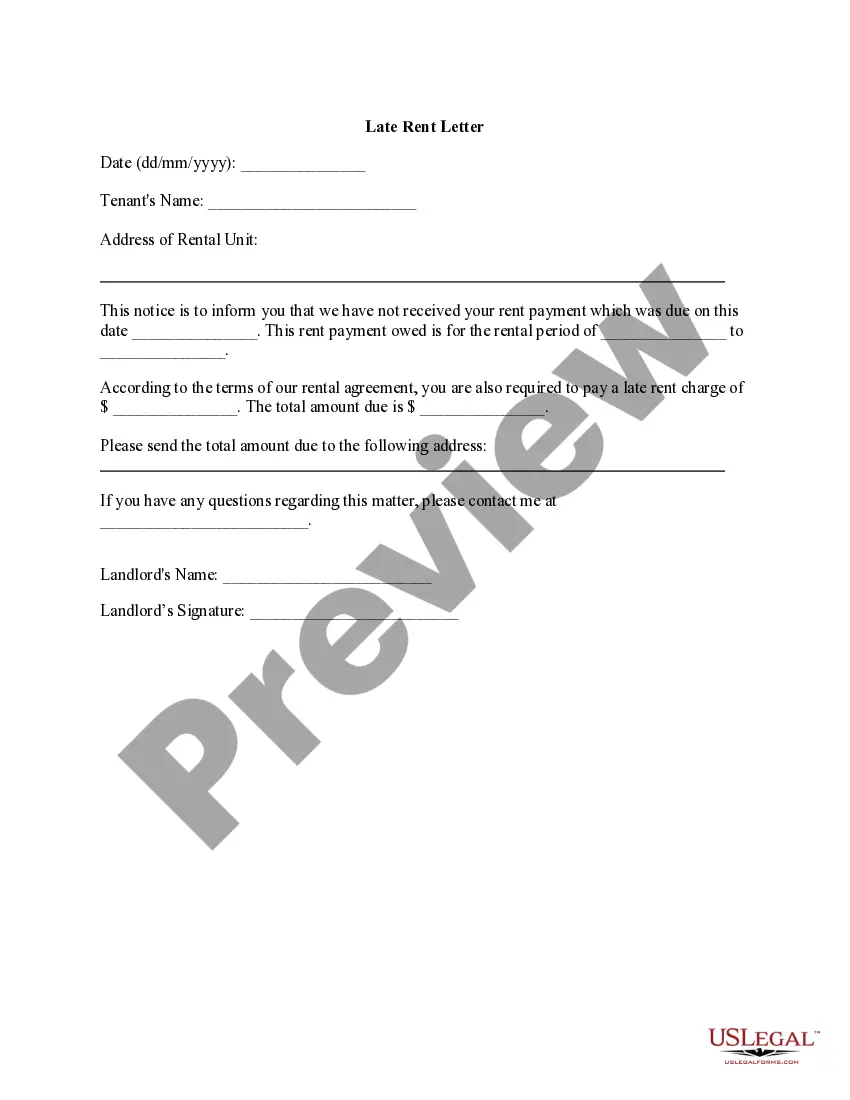
To write a late rent payment letter, start with a clear subject line and include the due date and amount owed. Reference the Michigan Agreement for Payment of Unpaid Rent to reinforce the terms of the lease. End the letter by inviting the tenant to communicate about their situation and any possible arrangements to settle the balance.
Yes, you can write your own rental agreement in Michigan. It is important to include all essential elements such as rental amount, duration, and terms regarding unpaid rent. Utilizing templates, such as a Michigan Agreement for Payment of Unpaid Rent, can simplify the process and ensure compliance with state laws.
Yes, a handwritten rental agreement can be legal in Michigan, provided it includes all necessary terms. However, it is advisable to ensure that the agreement clearly outlines the rights and responsibilities of both parties. Using a standardized form, such as a Michigan Agreement for Payment of Unpaid Rent, can also help avoid disputes and ensure that important details are not overlooked.
In Michigan, a rental agreement does not necessarily need to be notarized to be valid. However, some landlords prefer to have their agreements notarized to enhance legal enforceability and protect against disputes. If you choose to create a Michigan Agreement for Payment of Unpaid Rent, having it notarized can offer additional assurance for both parties. Using platforms like US Legal Forms can help you generate a compliant agreement that meets your needs while ensuring clarity in the lease terms.
Yes, you can create your own rental agreement in Michigan. However, it is essential to ensure the agreement includes all necessary terms, including the Michigan Agreement for Payment of Unpaid Rent. By using a template from US Legal Forms, you can simplify the creation process and ensure compliance with local laws. This helps protect both landlords and tenants from potential misunderstandings.
In Michigan, the statute of limitations to recover unpaid rent is typically six years. This timeframe starts from when the rent payment was due, making it critical for landlords to act promptly. Engaging in a Michigan Agreement for Payment of Unpaid Rent can help clarify expectations and timelines. For assistance with creating such agreements, consider exploring US Legal Forms for useful templates.
In Michigan, a rent-to-own agreement does not necessarily need to be notarized, but having it notarized can add an extra layer of authenticity. This step can be especially useful if disputes arise regarding the Michigan Agreement for Payment of Unpaid Rent. Notarization may help reinforce the document's validity in legal matters. Always consult resources like US Legal Forms for templates and further guidance.
To recover unpaid rent in Michigan, tenants should first review their rental agreement for payment terms. If payment is overdue, landlords might initiate the Michigan Agreement for Payment of Unpaid Rent to formalize the request for a tenant to settle their dues. If the issue persists, landlords can consider filing a claim in small claims court. Utilizing US Legal Forms can provide valuable templates and guidance throughout the recovery process.
In Michigan, anyone can draw up a rental agreement, including landlords and tenants. However, it is advisable to have a professional, such as a real estate lawyer, review the Michigan Agreement for Payment of Unpaid Rent. This ensures that the agreement complies with local laws and protects both parties' rights. By using a reputable platform like US Legal Forms, you can access templates that simplify this process.
Yes, a landlord can sue for unpaid rent in Michigan. When rent payments are overdue, landlords have the right to initiate legal action to recover the owed amount. The Michigan Agreement for Payment of Unpaid Rent allows landlords and tenants to negotiate a solution outside of court, which can often save time and reduce stress for both parties. It is advisable for landlords to understand their legal options and consider mediation before proceeding to court.