Michigan Residential Rental Lease Application
What this document covers
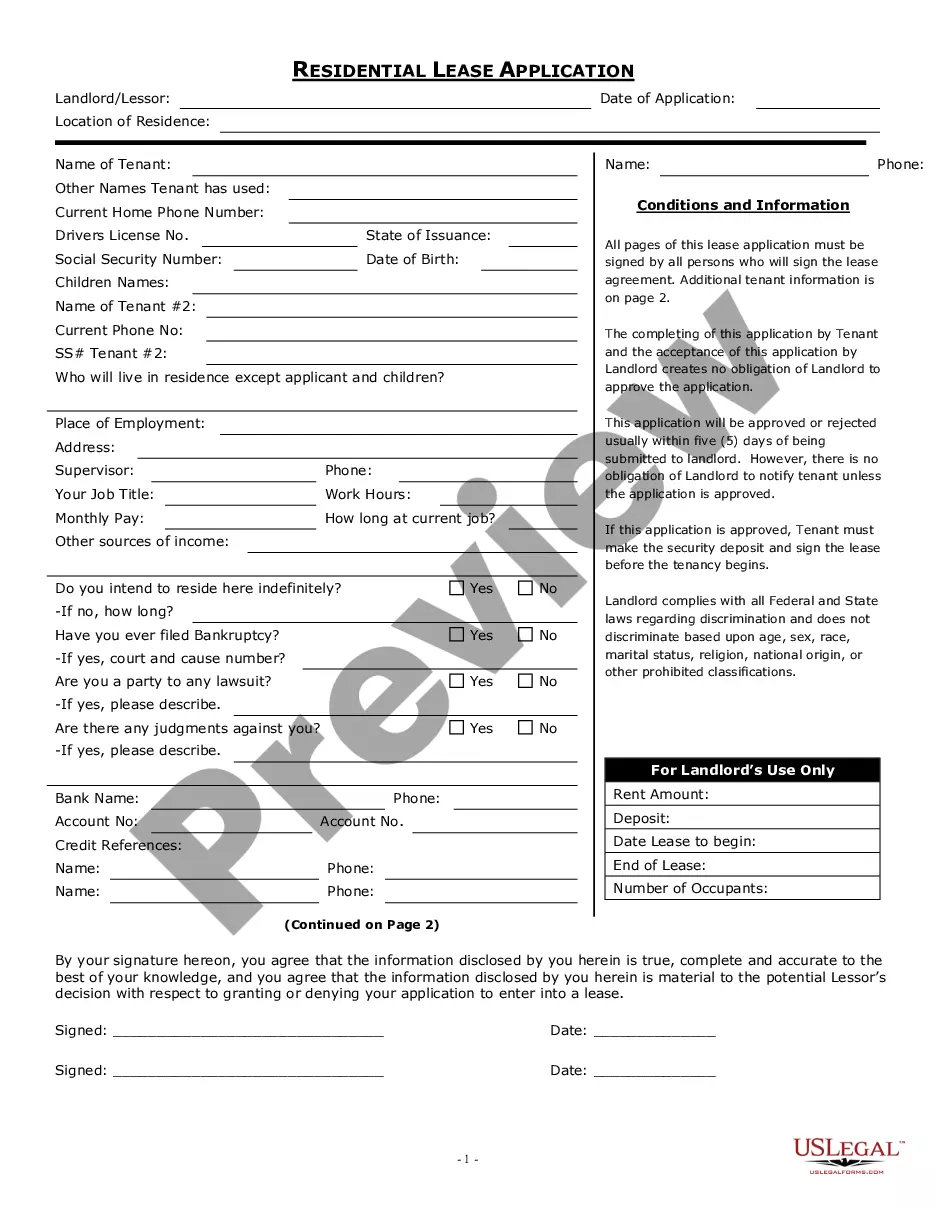
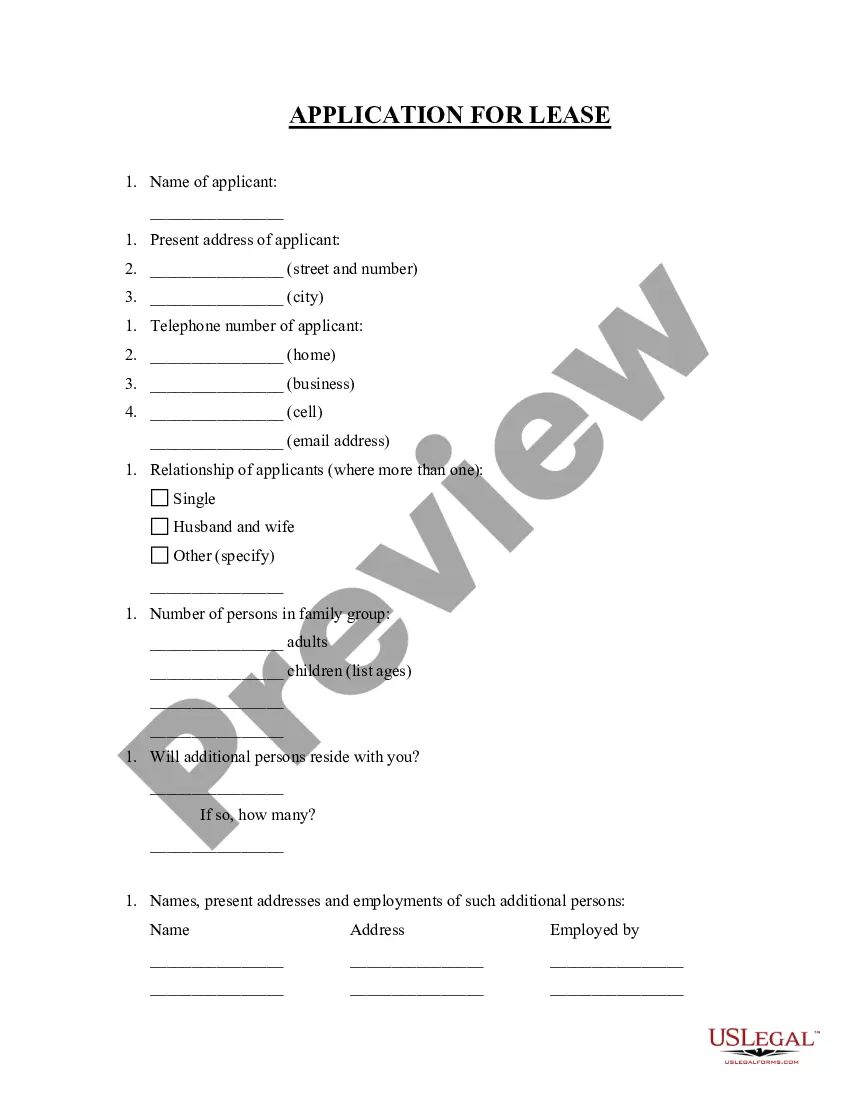
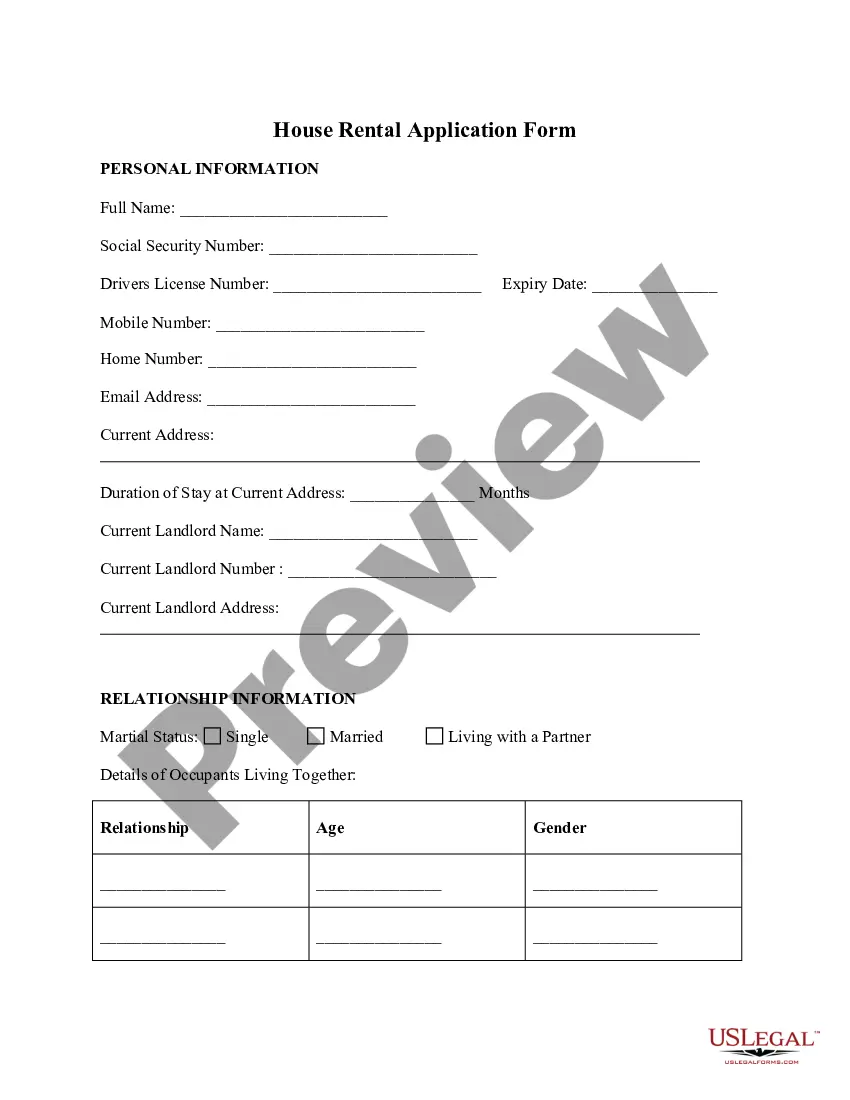
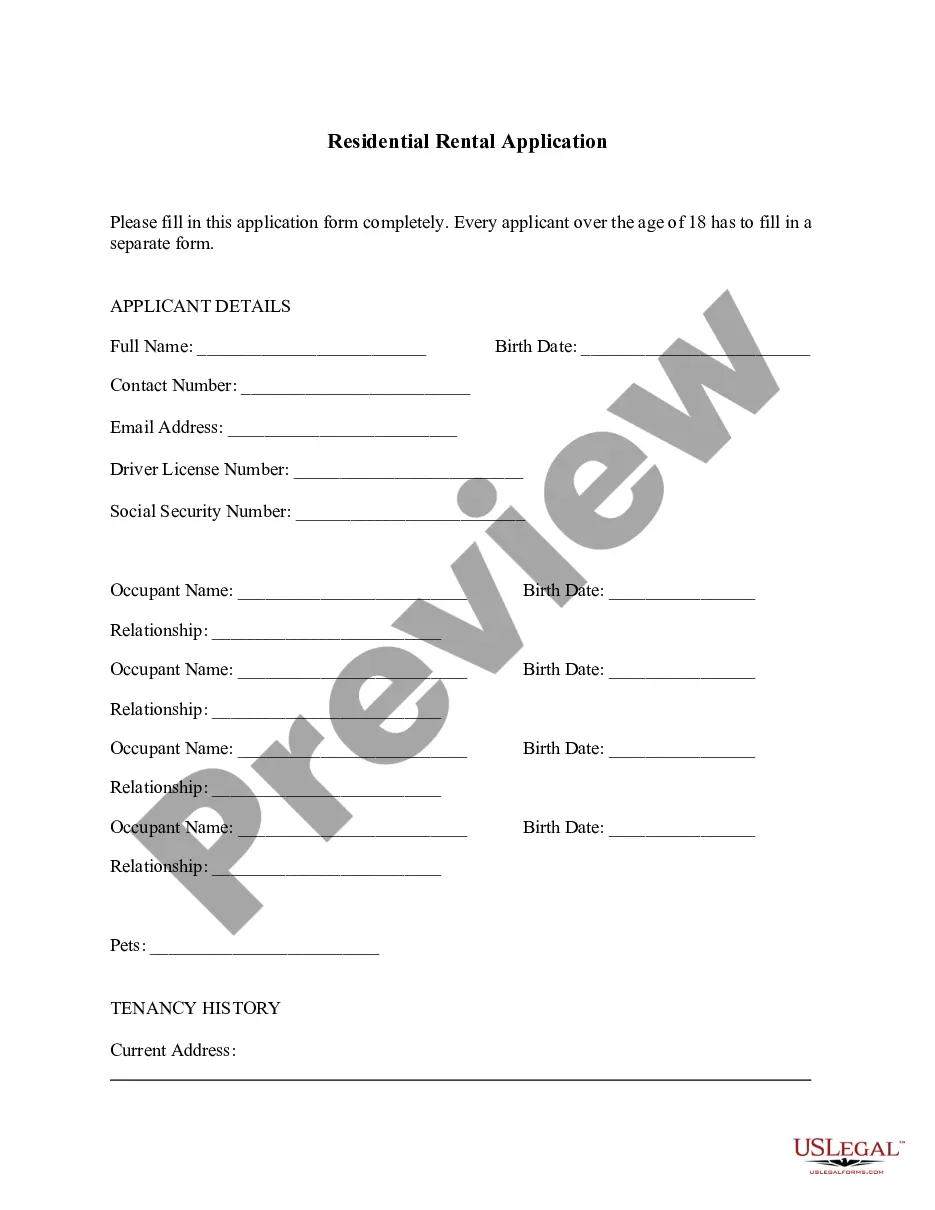
The Residential Rental Lease Application is a legal document used by landlords to evaluate prospective tenants. This form collects essential information about the tenant's rental history, background, and financial standing. Unlike other rental agreements, this application focuses specifically on tenant qualifications and does not commit the landlord to approve the application. It includes necessary disclosures and authorizations for the landlord to verify provided information.
Key components of this form
- Applicant information: Basic details such as name, address, and contact information.
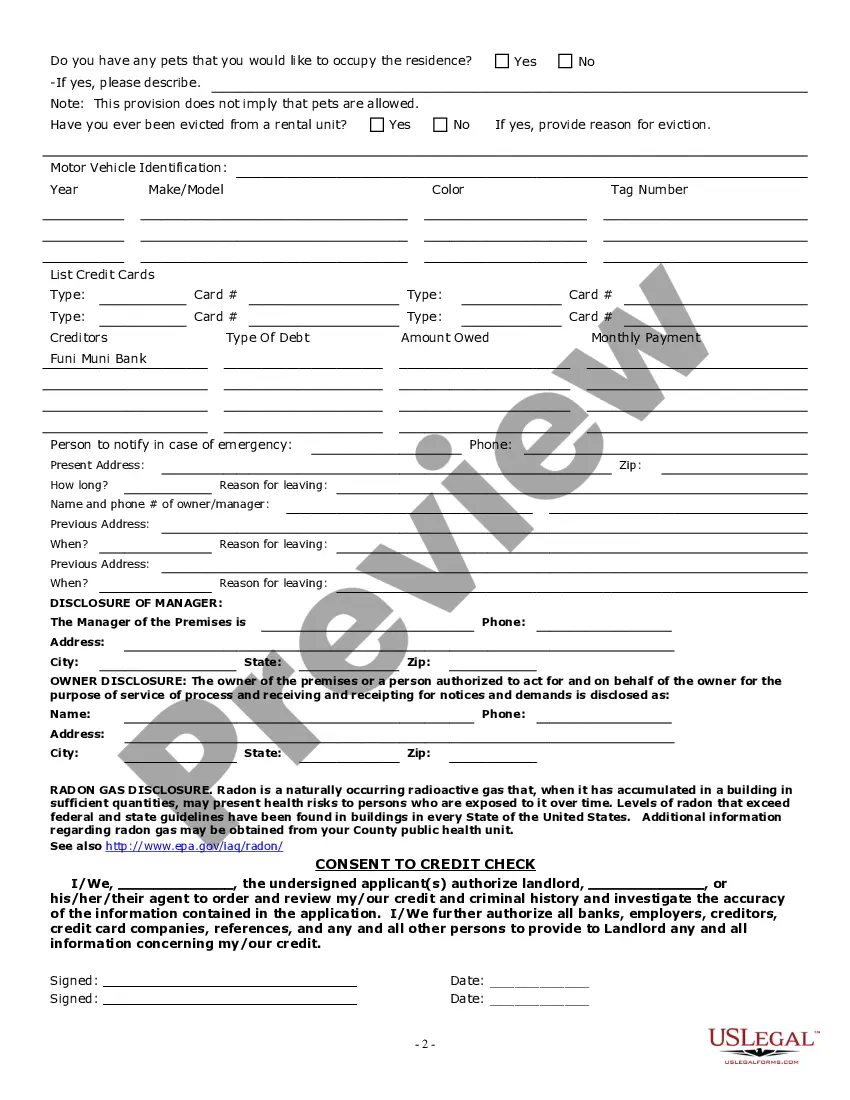
- Rental history: Details about previous rental agreements and landlord references.
- Employment and income verification: Information on current employment and income sources.
- Consent for credit and background checks: Tenant authorizes the landlord to review their credit history and conduct criminal background checks.
- Signature and date: Tenants must sign the application, confirming the accuracy of the information provided.

Common use cases
This form should be used during the application process when a prospective tenant expresses interest in renting a property. It is typically filled out after a potential tenant views a rental unit and decides to formally apply. Landlords may require this application to evaluate tenants before entering into a residential lease agreement.
Who can use this document
- Prospective tenants looking to rent a residential property.
- Landlords or property managers needing to screen applicants for rental properties.
- Real estate agents assisting clients in the rental application process.
Completing this form step by step
- Identify the parties involved, including the landlord and prospective tenant.
- Fill out applicant information, providing accurate and complete contact details.
- Provide rental history, including previous landlords' contact information.
- Enter employment details and verify income sources, if applicable.
- Sign the consent for credit and background checks to allow the landlord to verify information.
Notarization requirements for this form
This form does not typically require notarization unless specified by local law. However, it is essential to ensure that all information is accurate and signed to make the application valid.
Get your form ready online
Our built-in tools help you complete, sign, share, and store your documents in one place.
Make edits, fill in missing information, and update formatting in US Legal Forms—just like you would in MS Word.
Download a copy, print it, send it by email, or mail it via USPS—whatever works best for your next step.
Sign and collect signatures with our SignNow integration. Send to multiple recipients, set reminders, and more. Go Premium to unlock E-Sign.
If this form requires notarization, complete it online through a secure video call—no need to meet a notary in person or wait for an appointment.
We protect your documents and personal data by following strict security and privacy standards.

Make edits, fill in missing information, and update formatting in US Legal Forms—just like you would in MS Word.

Download a copy, print it, send it by email, or mail it via USPS—whatever works best for your next step.

Sign and collect signatures with our SignNow integration. Send to multiple recipients, set reminders, and more. Go Premium to unlock E-Sign.

If this form requires notarization, complete it online through a secure video call—no need to meet a notary in person or wait for an appointment.

We protect your documents and personal data by following strict security and privacy standards.
Mistakes to watch out for
- Leaving sections blank that require mandatory information.
- Providing inaccurate contact information for previous landlords.
- Not signing the application, which may render it invalid.
Benefits of completing this form online
- Convenient access: Download and complete the form from the comfort of your home.
- Editability: Easily modify the form to fit your specific information and circumstances.
- Reliability: Ensures all necessary legal language is included, drafted by licensed attorneys.
Legal use & context
- The application must comply with all state and federal housing laws.
- Homeless or supplementary conditions may not be included in this application.
- Proper record-keeping of applications is crucial for fair housing compliance.
Key takeaways
- The Residential Rental Lease Application is essential for landlords and prospective tenants.
- It helps assess tenant eligibility before signing a lease.
- Understanding the application process ensures informed decisions and adherence to fair housing laws.
Legal terms and meanings
- Landlord: The owner or the authorized agent of the rental property.
- Tenant: An individual applying to lease the property from the landlord.
- Discrimination: Unfair treatment of applicants based on protected characteristics under housing laws.
Looking for another form?



Form popularity
FAQ
Many landlords in Michigan require tenants to have a monthly income that is at least three times the rent. This guideline often appears during the Michigan Residential Rental Lease Application process. The requirement helps ensure tenants can afford their rent consistently, reducing the risk of missed payments. If you find this requirement challenging, consider discussing your financial situation with potential landlords for possible alternatives.
In Michigan, a lease does not have to be notarized to be legally binding. While a Michigan Residential Rental Lease Application can be accompanied by a notarized agreement, it is not a legal requirement. However, having a notarized lease can provide additional proof of authenticity and protect both parties. Always consider legal advice if you have specific concerns regarding your lease.
When reviewing a Michigan Residential Rental Lease Application, you may encounter several red flags. Common indicators include inconsistent employment history, low credit scores, and previous evictions. These factors can signal potential issues with reliability or financial responsibility. Identifying these concerns early can help landlords make informed decisions.
The 3x rent rule in Michigan typically states that a tenant's income should equate to at least three times the monthly rent when applying for a lease. This guideline helps landlords ensure that tenants can afford their rent payments reliably. When filling out your Michigan Residential Rental Lease Application, it’s beneficial to have proof of income that aligns with this rule. Being upfront about your financial situation can build trust with your landlord.
Creating a rental application form involves collecting key details from potential tenants, such as employment history, rental history, and personal references. You can easily design a compliant Michigan Residential Rental Lease Application using user-friendly tools available on platforms like uslegalforms. Ensure the form captures essential information, while also respecting privacy regulations. Once ready, you can distribute it to interested renters.
To rent a house in Michigan, applicants typically need to provide a completed Michigan Residential Rental Lease Application, proof of income, and a valid identification. Landlords often run background checks, so maintaining a good credit score can be essential. Additionally, some landlords may require references from previous landlords to gauge your rental history. Being prepared with all necessary documents can support your application process.
When reviewing a Michigan Residential Rental Lease Application, watch out for vague terms, unexpected fees, or clauses that limit your rights as a tenant. Red flags may include a retaliatory eviction clause, unclear policies on repairs, or a lack of specifics about the lease duration. Always read every detail carefully, as these issues can lead to bigger problems down the line. If uncertainties arise, consider consulting with a legal professional for guidance.