Maryland Buyer's Home Inspection Checklist
Understanding this form
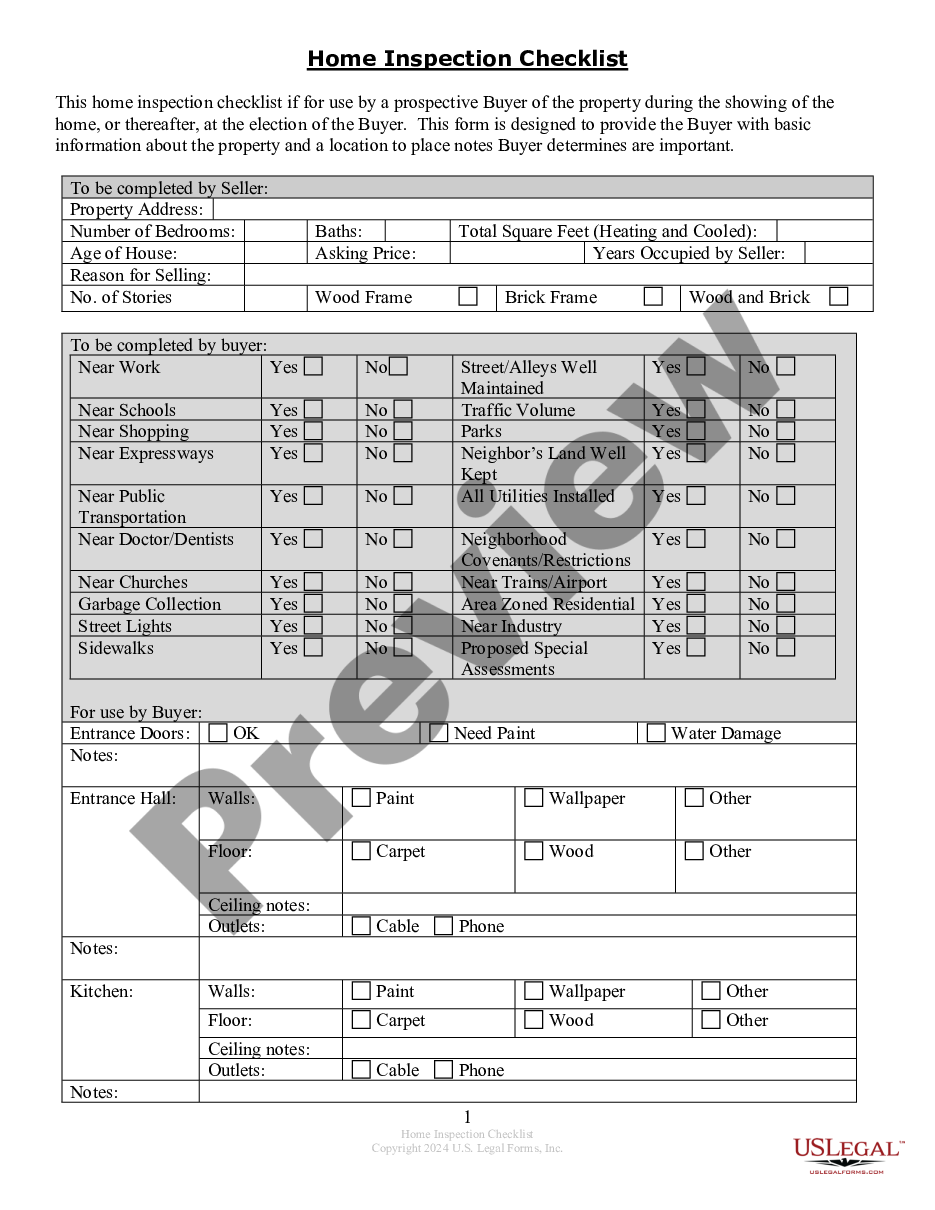
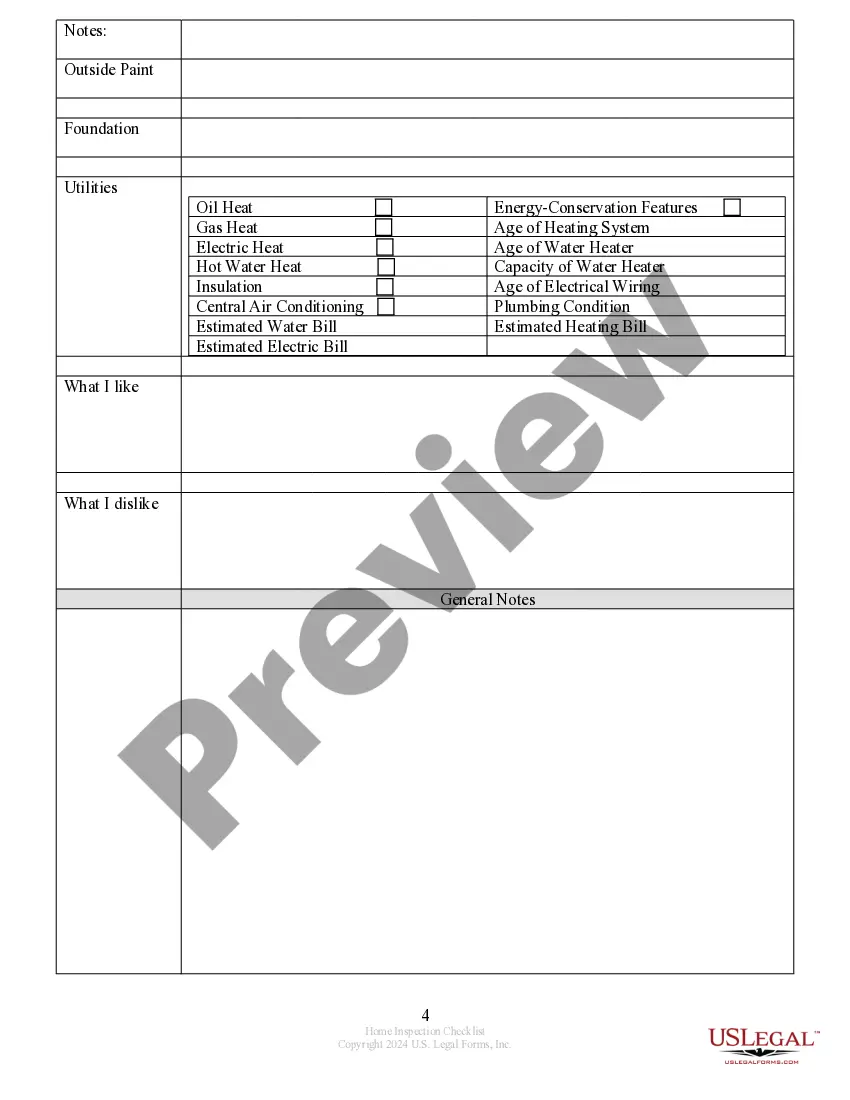
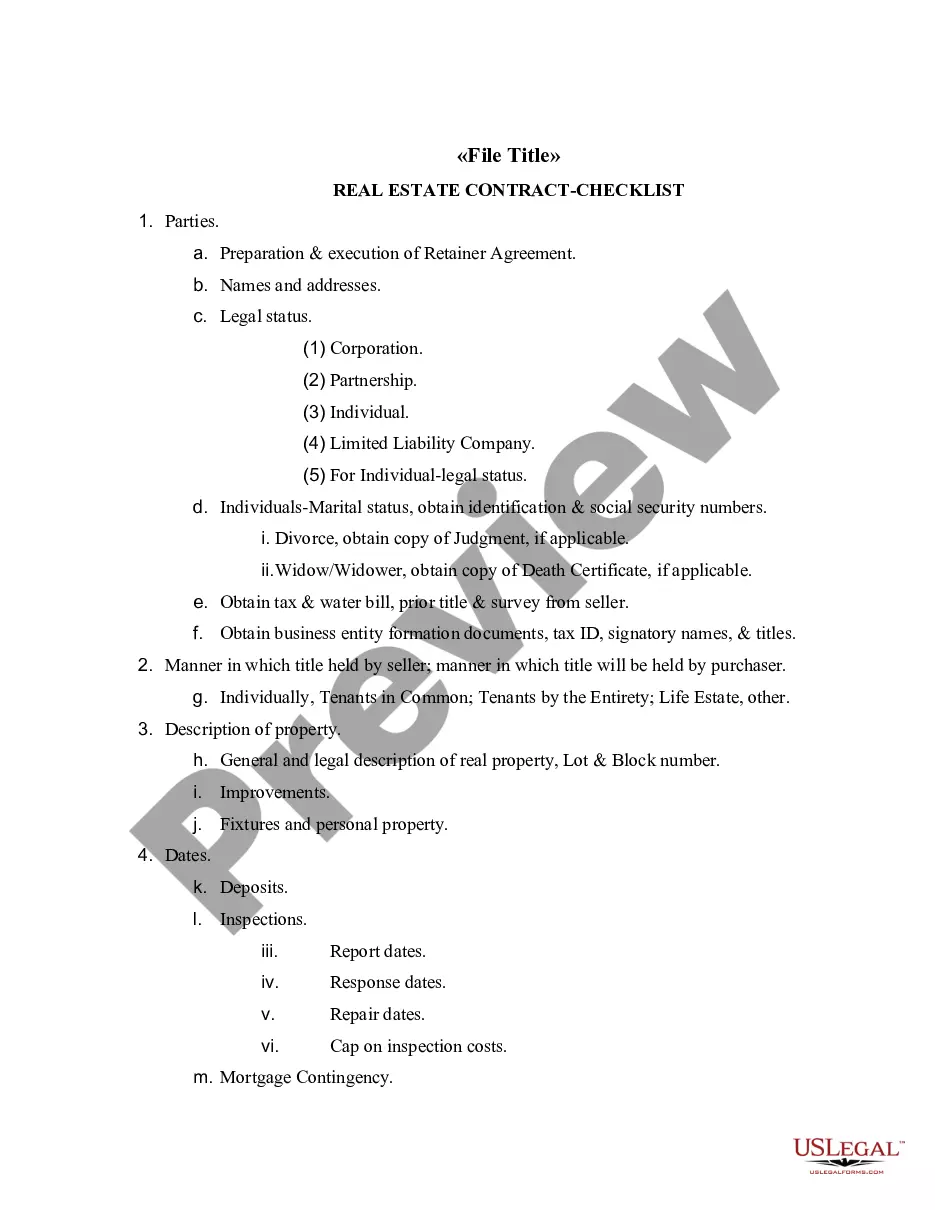
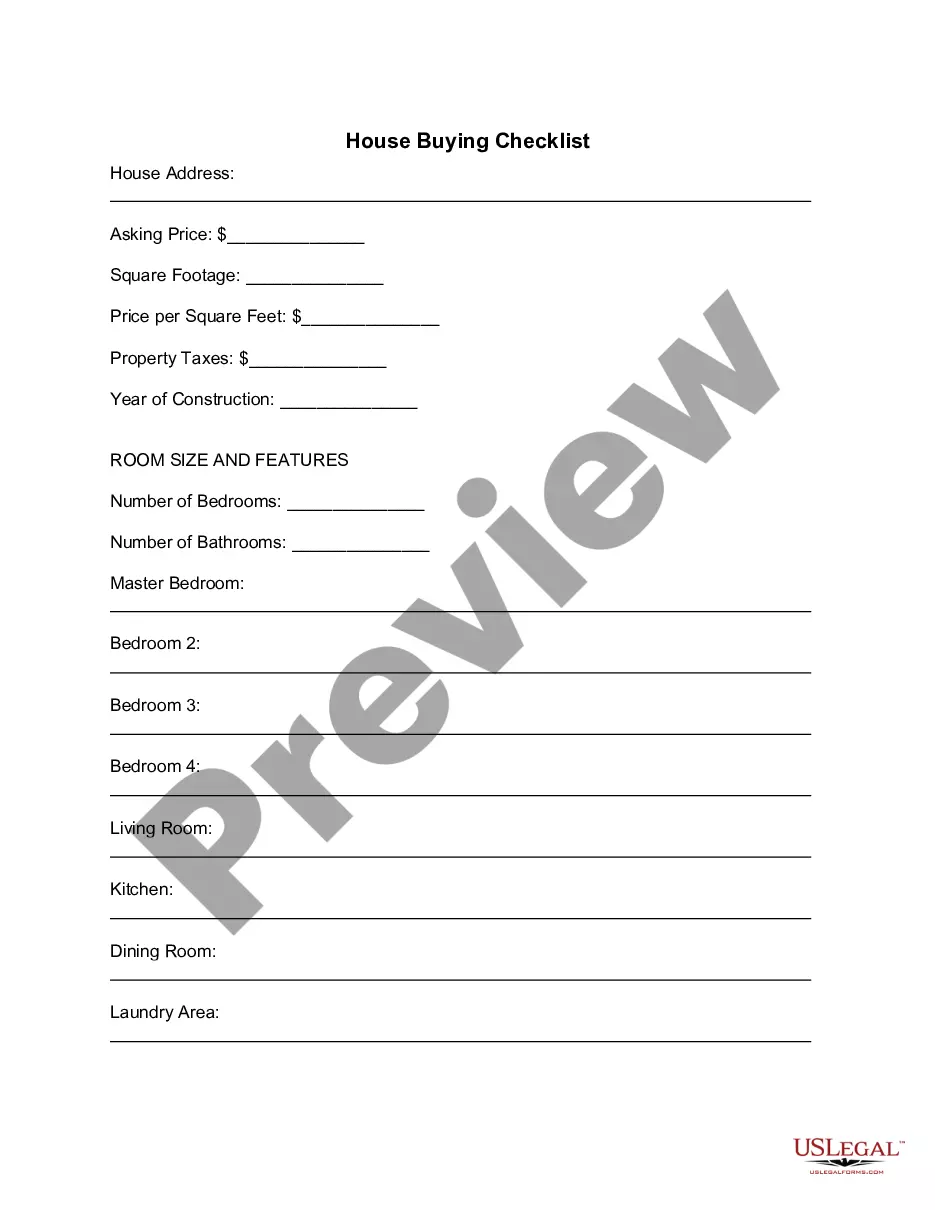
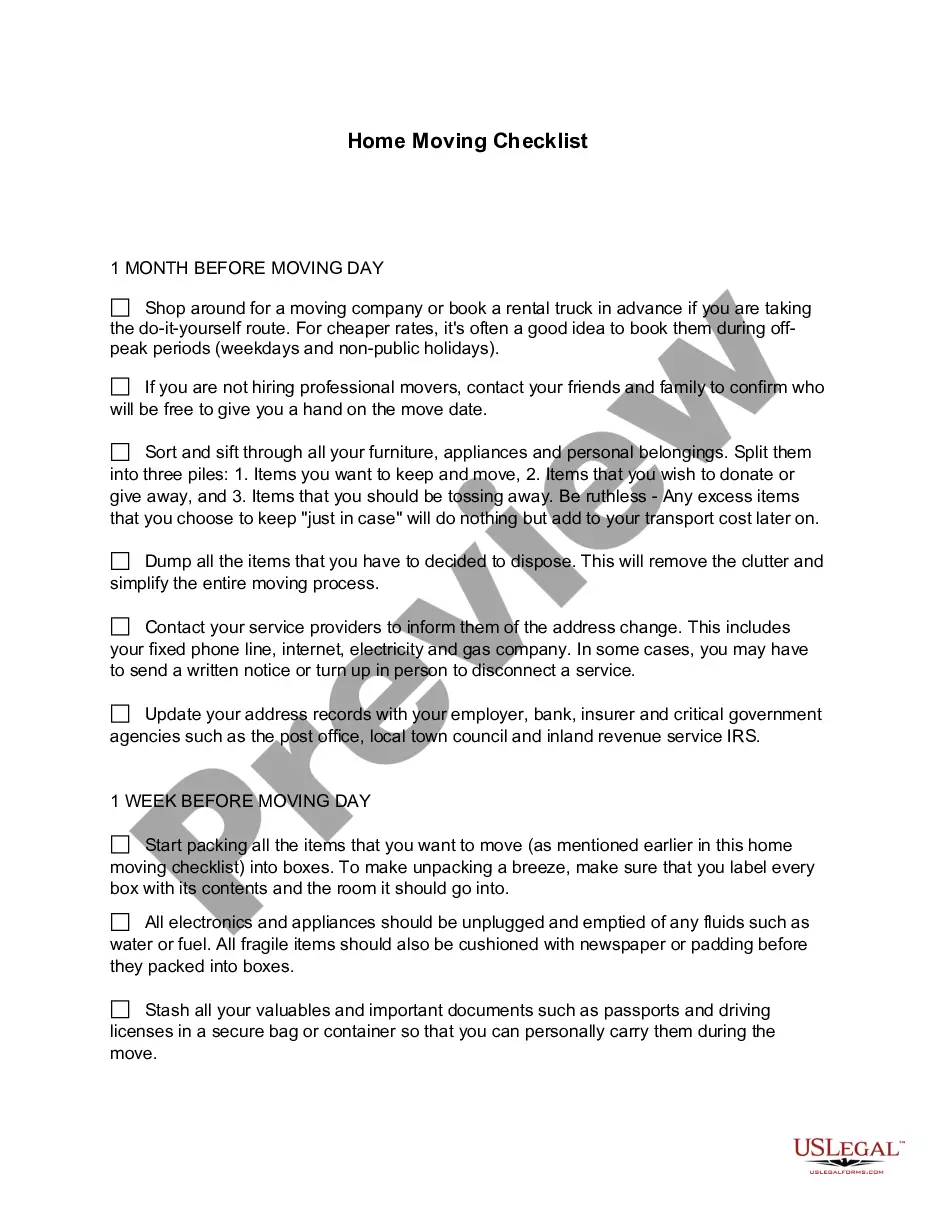
The Buyer's Home Inspection Checklist is a resource for potential home buyers in Maryland to assess properties during viewings. This checklist enables buyers to gather essential information and document observations regarding various aspects of the home and its surroundings. Unlike other forms, this checklist is tailored to help buyers make informed decisions before submitting an offer, ensuring that they cover critical areas of concern during their home inspections.
Main sections of this form
- Property location details, including street and area characteristics.
- Checklists for nearby amenities such as schools, transportation, and shopping.
- Indicators of neighborhood conditions, including well-maintained surroundings and zoning regulations.
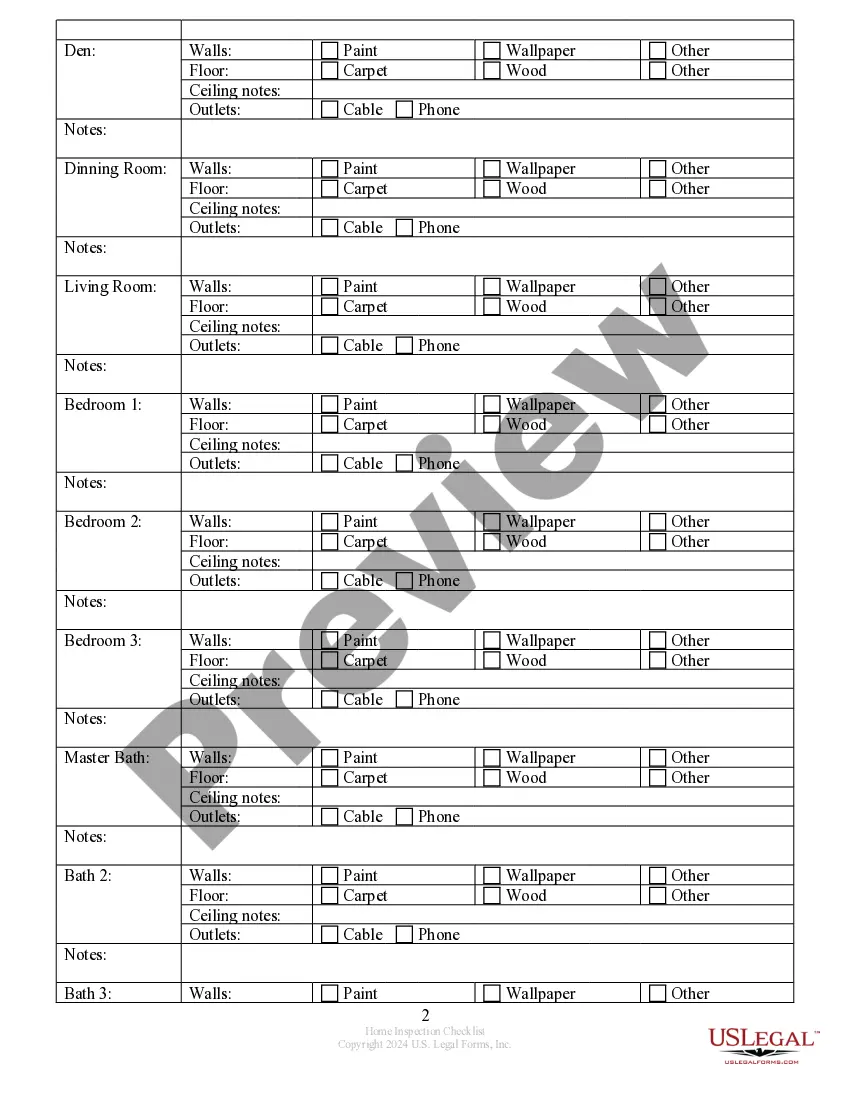
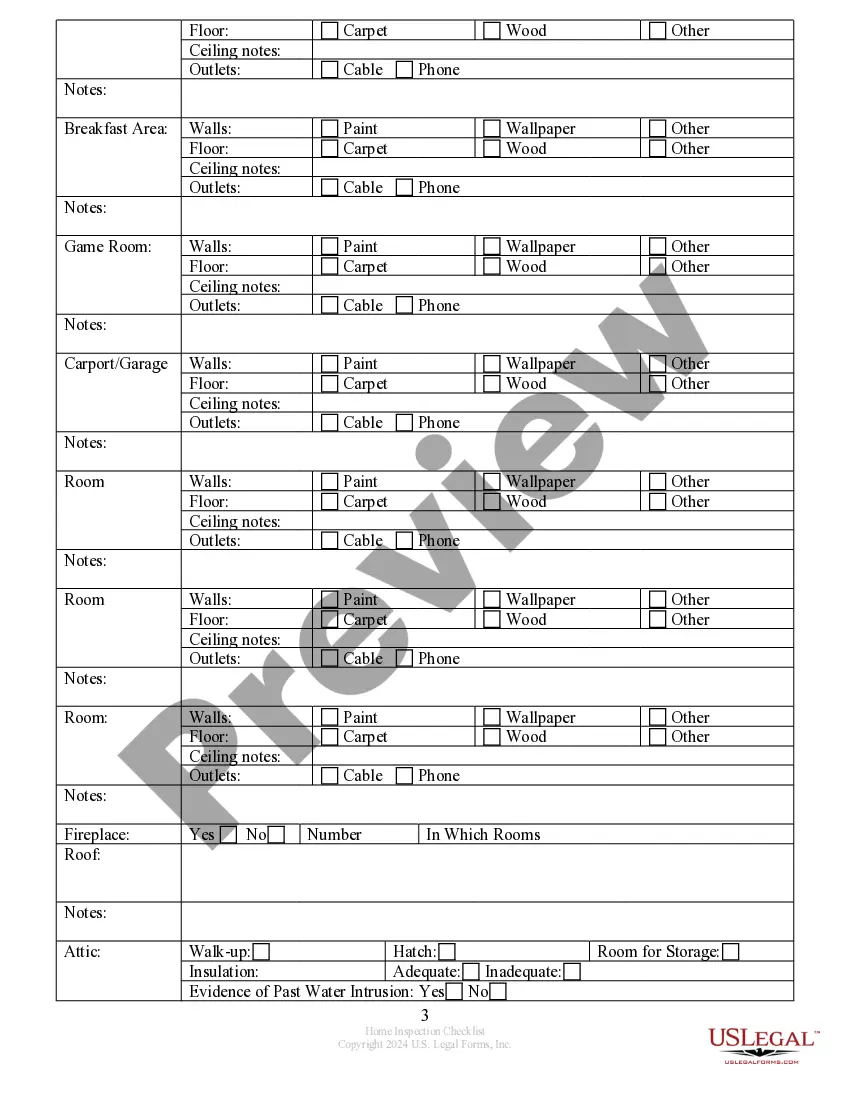
- Sections for notes allowing buyers to document impressions and concerns.
- Checklist items regarding utilities and neighborhood restrictions.
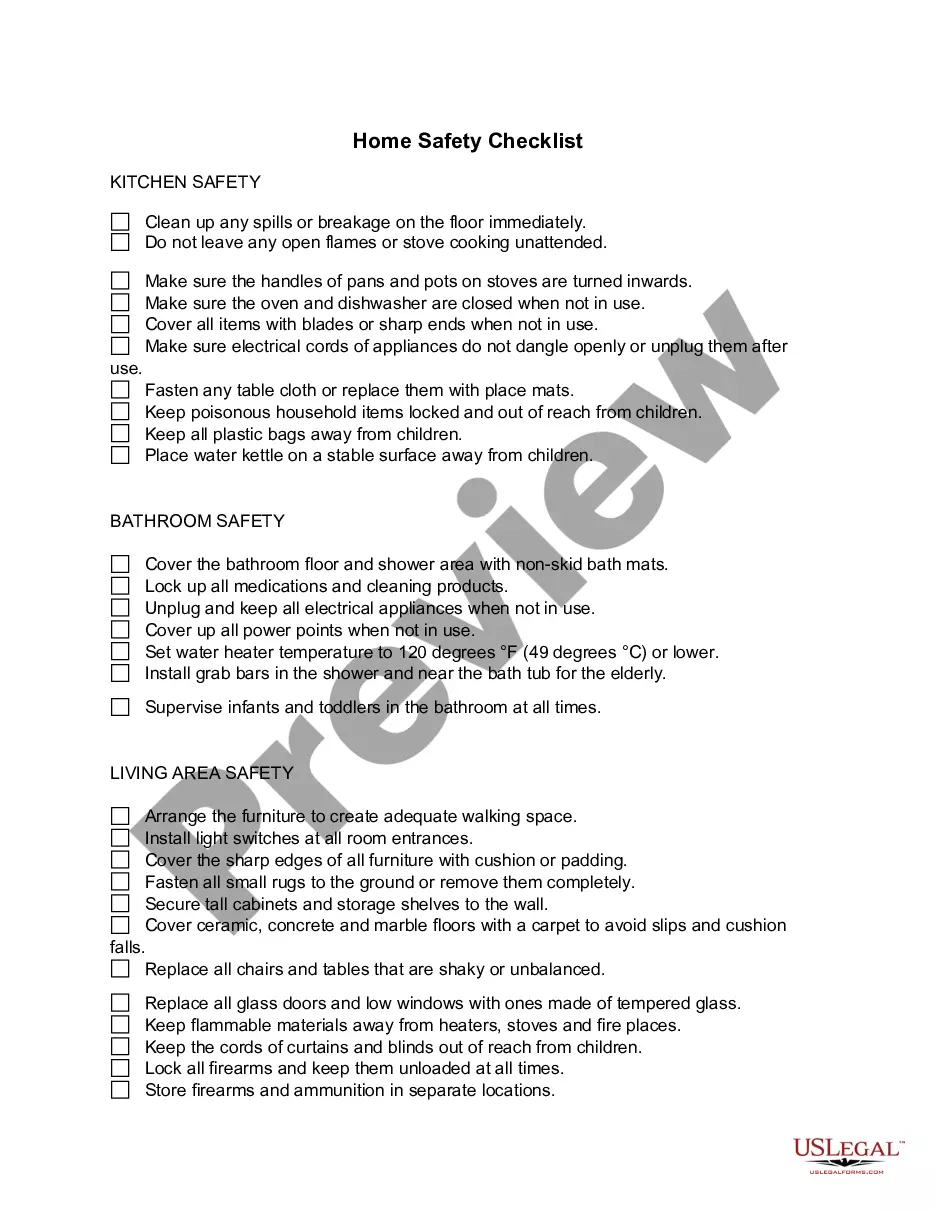
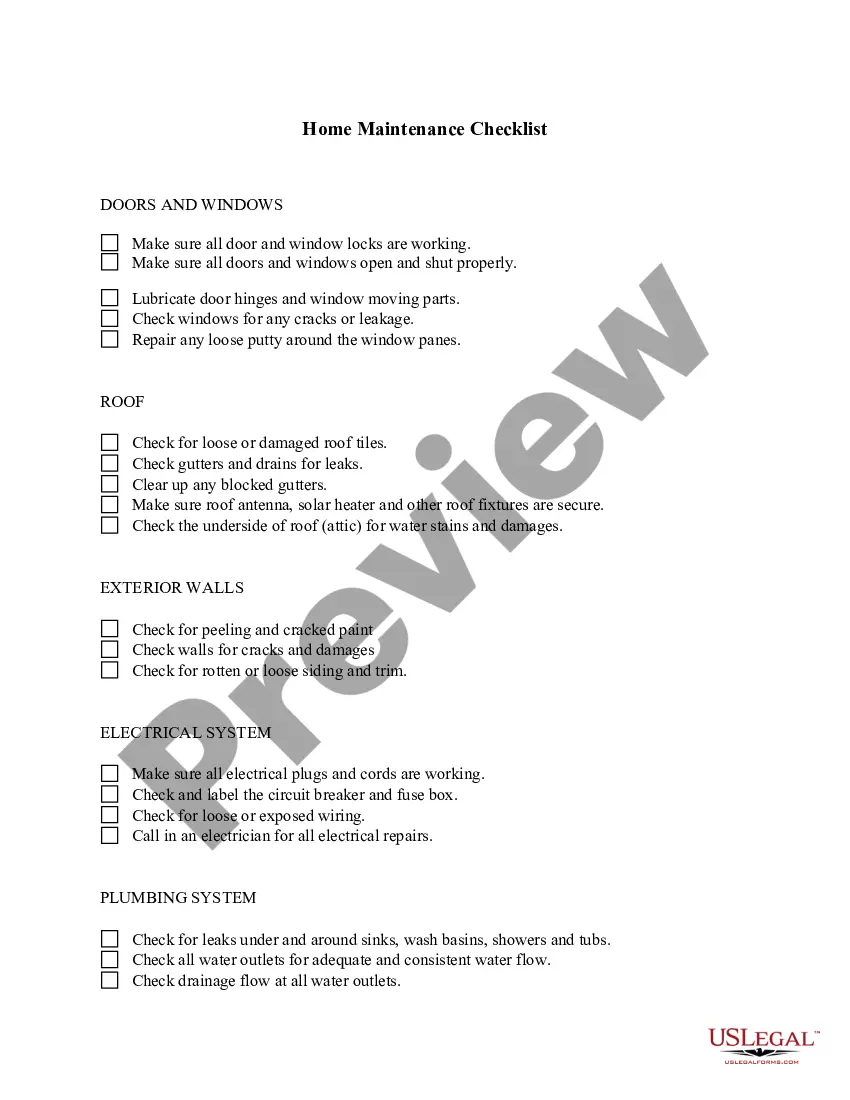
Common use cases
This form should be used during the home viewing process or immediately afterwards, allowing buyers to evaluate potential properties comprehensively. It is crucial when considering making an offer on a house, as it helps identify any concerns that need to be addressed with the seller before proceeding with negotiations.
Intended users of this form
- Prospective home buyers in Maryland looking to purchase residential property.
- Individuals conducting a home inspection during the viewing process.
- Buyers wanting to document their findings and communicate effectively with sellers.
How to prepare this document
- Start by entering the location details of the property at the top of the checklist.
- Review each item on the checklist and answer with "Yes" or "No" based on your observations.
- Make notes in the provided sections about any specific concerns or questions for the seller.
- Assess the neighborhood by checking items related to amenities and conditions surrounding the property.
- Use the completed checklist to guide discussions with your real estate agent or potential offer details.
Notarization requirements for this form
Notarization is generally not required for this form. However, certain states or situations might demand it. You can complete notarization online through US Legal Forms, powered by Notarize, using a verified video call available anytime.
Get your form ready online
Our built-in tools help you complete, sign, share, and store your documents in one place.
Make edits, fill in missing information, and update formatting in US Legal Forms—just like you would in MS Word.
Download a copy, print it, send it by email, or mail it via USPS—whatever works best for your next step.
Sign and collect signatures with our SignNow integration. Send to multiple recipients, set reminders, and more. Go Premium to unlock E-Sign.
If this form requires notarization, complete it online through a secure video call—no need to meet a notary in person or wait for an appointment.
We protect your documents and personal data by following strict security and privacy standards.

Make edits, fill in missing information, and update formatting in US Legal Forms—just like you would in MS Word.

Download a copy, print it, send it by email, or mail it via USPS—whatever works best for your next step.

Sign and collect signatures with our SignNow integration. Send to multiple recipients, set reminders, and more. Go Premium to unlock E-Sign.

If this form requires notarization, complete it online through a secure video call—no need to meet a notary in person or wait for an appointment.

We protect your documents and personal data by following strict security and privacy standards.
Common mistakes to avoid
- Failing to thoroughly review the checklist before viewing the property.
- Not taking detailed notes, which can lead to forgotten concerns later.
- Ignoring surrounding neighborhood factors that may impact the property value.
Benefits of using this form online
- Access to the checklist anytime and anywhere for convenience during viewings.
- Easy editing allows users to customize the checklist based on specific properties.
- Reliable source of information crafted by licensed attorneys ensures compliance with legal standards.
Quick recap
- The Buyer's Home Inspection Checklist aids buyers in evaluating properties effectively.
- Using the checklist can help prevent oversights before making an offer.
- It reflects Maryland's unique housing considerations, providing localized insights for buyers.
Looking for another form?







Form popularity
FAQ
The standard home inspector's report will cover the condition of the home's heating system; central air conditioning system (temperature permitting); interior plumbing system; electrical system; the roof, attic and visible insulation; walls, ceilings, floors, windows and doors; and the foundation, basement and
Problem #1: Rundown roofing. Problem #2: Drainage issues. Problem #3: Faulty foundation. Problem #4: Plumbing problems. Problem #5: Pest infestations. Problem #6: Hidden mold. Problem #7: Failing heating systems. Problem#8: Electrical wiring.
Plumbing. HVAC, system should heat and cool properly and timely. Roof. Electrical issues. Foundation issues. Properly functioning windows and doors. Water-related fungus damage. Reasonable health and/or safety concerns.
Ensure your place is clean and tidy. You'll be surprised by how much better your house looks after a thorough clean. Let in some light and air. Remove your pets from your property. Add a few personal touches. Eliminate nasty odours. Set the right temperature. Think about security. Have paperwork ready.
Problem #1: Rundown roofing. Problem #2: Drainage issues. Problem #3: Faulty foundation. Problem #4: Plumbing problems. Problem #5: Pest infestations. Problem #6: Hidden mold. Problem #7: Failing heating systems. Problem#8: Electrical wiring.
274f Oil tank. 274f HVAC system. 274f Roof. 274f Structural integrity of the chimney. 274f Water drainage and disbursement. 274f Electricity system. 274f Foundation. 274f Quality of the flooring.
Common repairs needed after a home inspection Plumbing issues like poor water pressure or leaks. Broken appliances. Roofing (if not categorized as a structural hazard) Drainage issues.
Water Damage. Most home inspectors agree that water damage to the structure is one of the most damaging and costly problems you can encounter. Faulty Wiring. Poor Drainage and Grade Sloping. Problematic Gutters. Roof Issues. Foundation Flaws. General Disrepair. Faulty Plumbing.