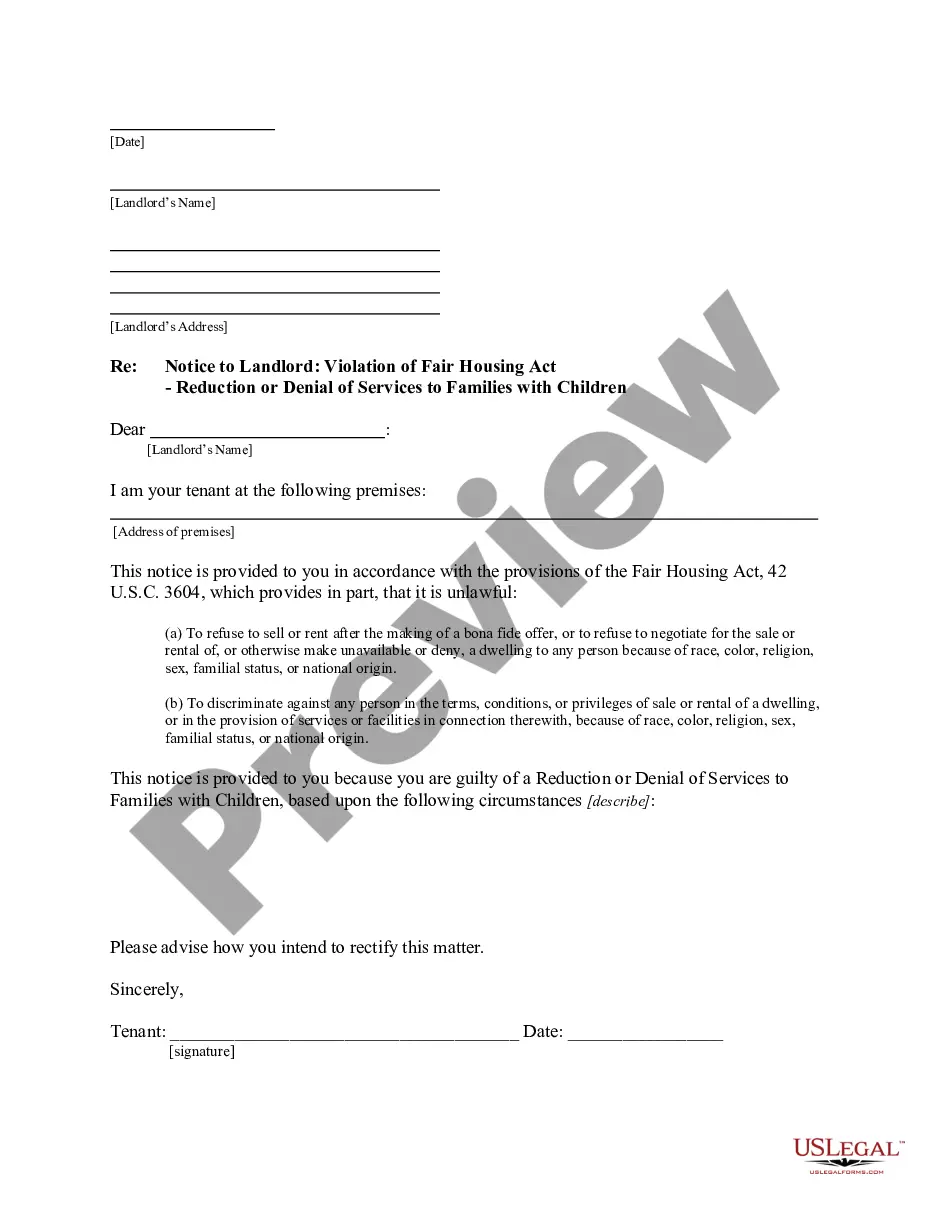
Massachusetts Letter from Tenant to Landlord about Fair Housing Reduction or Denial of services to Family with Children
About this form
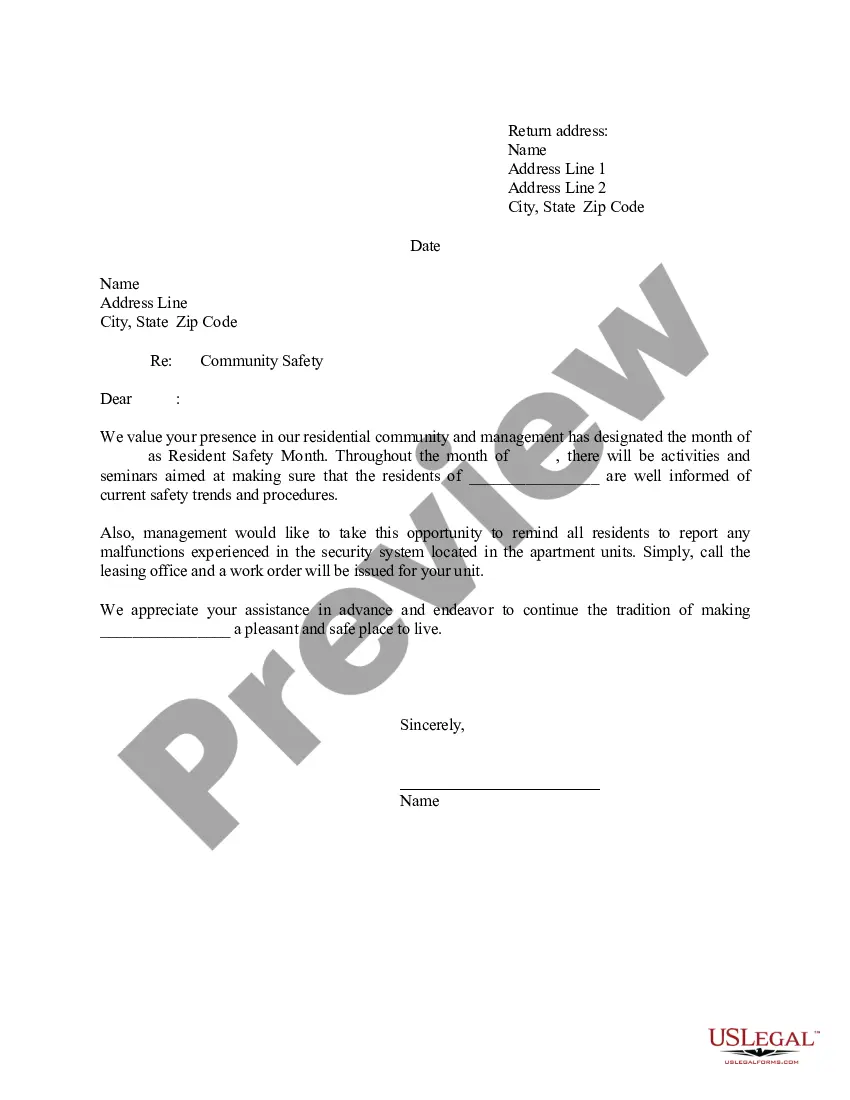
This document is a formal letter from a tenant to a landlord addressing a violation of the Fair Housing Act. Specifically, it concerns the unfair reduction or denial of services to families with children. This form is designed to help tenants assert their rights and inform their landlords of discriminatory practices, which is crucial for any tenant facing such issues.
Form components explained
- Identification of parties involved: names and addresses of the tenant and landlord.
- Statement of violation: clear express that the landlord is in breach of the Fair Housing Act.
- Description of the discriminatory practices: specific incidents or policies affecting families with children.
- Notification of tenant's rights: informing the landlord of potential consequences of further violations.
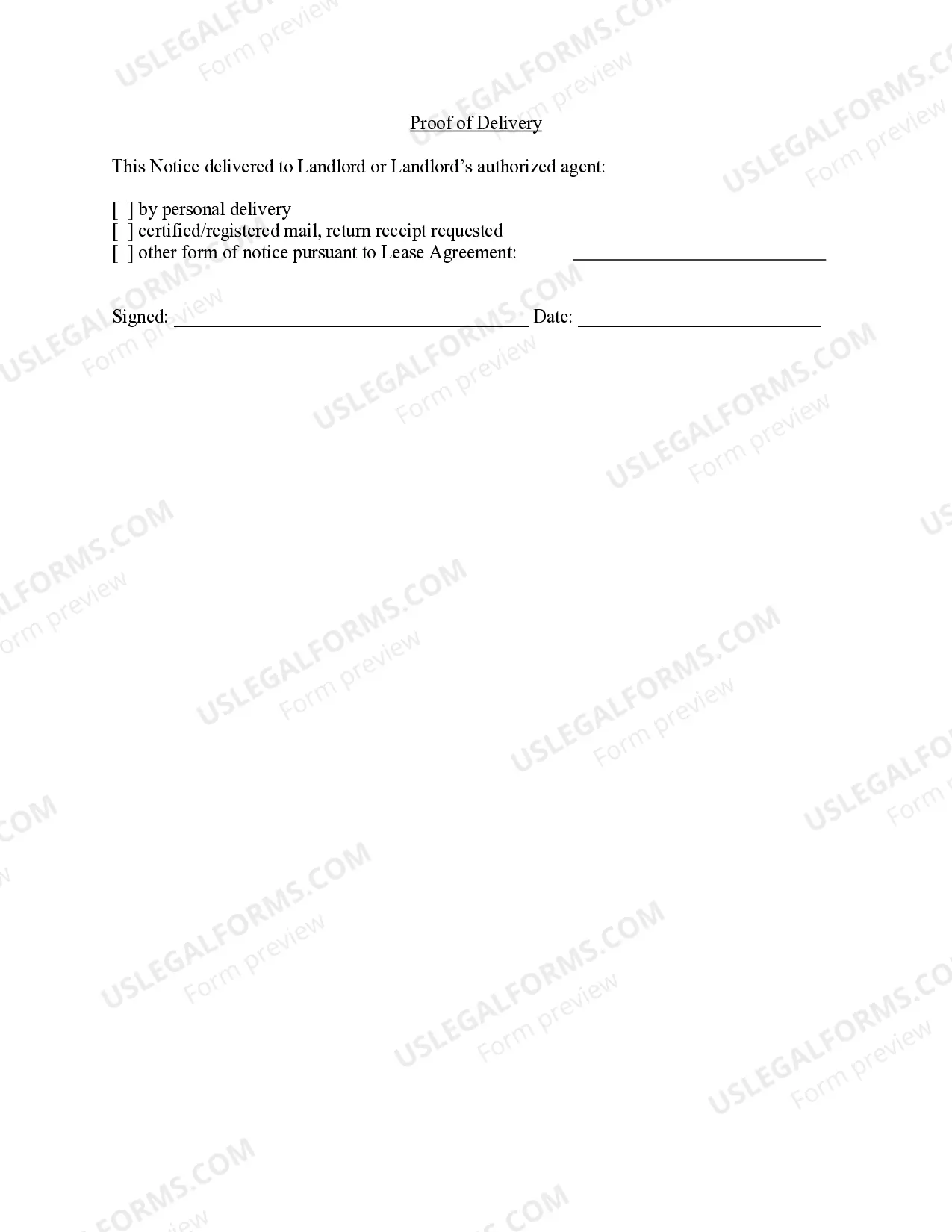

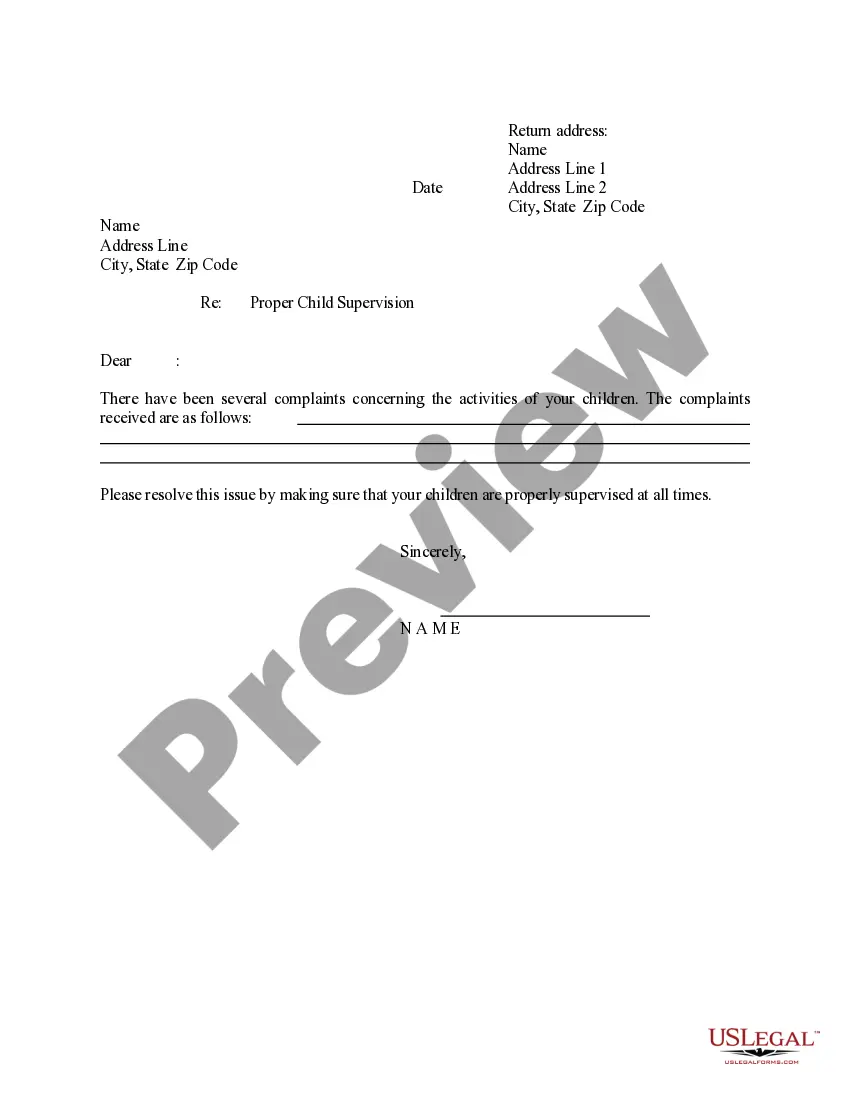
Situations where this form applies
This form should be used when a tenant believes their landlord is discriminating against families with children. Scenarios may include situations where the landlord has reduced services, denied specific amenities, or restricted access to communal areas based purely on familial status. It is an essential step for tenants to notify their landlord and document the issue before pursuing further legal action if necessary.
Who can use this document
- Tenants experiencing denial of services due to familial status.
- Individuals who have children and believe they are being discriminated against in their housing options.
- Residents wanting to ensure their rights under the Fair Housing Act are upheld.
Steps to complete this form
- Identify the parties by entering your name and address, followed by your landlord's contact information.
- Clearly state the violation by referencing the Fair Housing Act and outlining the discriminatory actions taken against families with children.
- Provide specific examples of how services were reduced or denied to illustrate your case effectively.
- Outline your rights as a tenant and the potential consequences if the landlord does not address the issue.
- Sign and date the letter to formalize your notice to the landlord.
Does this form need to be notarized?
Notarization is generally not required for this form. However, certain states or situations might demand it. You can complete notarization online through US Legal Forms, powered by Notarize, using a verified video call available anytime.
Get your form ready online
Our built-in tools help you complete, sign, share, and store your documents in one place.
Make edits, fill in missing information, and update formatting in US Legal Forms—just like you would in MS Word.
Download a copy, print it, send it by email, or mail it via USPS—whatever works best for your next step.
Sign and collect signatures with our SignNow integration. Send to multiple recipients, set reminders, and more. Go Premium to unlock E-Sign.
If this form requires notarization, complete it online through a secure video call—no need to meet a notary in person or wait for an appointment.
We protect your documents and personal data by following strict security and privacy standards.

Make edits, fill in missing information, and update formatting in US Legal Forms—just like you would in MS Word.

Download a copy, print it, send it by email, or mail it via USPS—whatever works best for your next step.

Sign and collect signatures with our SignNow integration. Send to multiple recipients, set reminders, and more. Go Premium to unlock E-Sign.

If this form requires notarization, complete it online through a secure video call—no need to meet a notary in person or wait for an appointment.

We protect your documents and personal data by following strict security and privacy standards.
Typical mistakes to avoid
- Failing to specify clear examples of the discrimination faced.
- Not including complete and accurate contact information for both parties.
- Neglecting to keep a copy of the letter for your records.
Why use this form online
- Convenient access to legal forms at any time without needing to visit a lawyer.
- Easily editable to customize your specific situation and needs.
- Ensures reliability with forms drafted by experienced attorneys, providing peace of mind.
Legal use & context
- This letter serves as a formal notice and may assist in legal proceedings should the need arise.
- It is important to document all communications regarding discriminatory practices to uphold your rights.
- Consulting an attorney can help clarify further legal actions if a landlord fails to respond appropriately.
Looking for another form?
Form popularity
FAQ
The most common type of fair housing complaint relates to discriminatory refusal to rent or sell properties. Many of these complaints involve families with children being denied housing. If you find yourself facing such a situation, a Massachusetts Letter from Tenant to Landlord about Fair Housing Reduction or Denial of services to Family with Children can articulate your concerns and demands clearly.
Yes, there are four important exceptions to the Fair Housing Act: Single family homes, as long as the home is also rented or sold by the owner, the owner does not own more than 3 such homes at a time, the advertising for the sale or rental was not discriminatory, and the owner did not use a real estate agent or broker.
Punitive damages are appropriate in a federal civil rights action "when the defendant's conduct is shown to be motivated by evil motive or intent, or when it involves reckless or callous indifference to the federally protected rights of others." Smith v.
Familial Status Housing Discrimination Under the FHA, familial status discrimination occurs when a landlord, property manager, real estate agent, or property owner treats someone differently because they have a family with one or more individuals who are under 18 years of age.
The maximum civil penalties are: $16,000, for a first violation of the Act; $37,500 if a previous violation has occurred within the preceding five-year period; and $65,000 if two or more previous violations have occurred within the preceding seven-year period.
The parties have entered into this Initial Decision and Consent Order ("'Consent Order") to avoid the risks. expenses. and burdens of litigation and to voluntarily resolve the claims in the Charge of the Respondents' alleged violations of federal fair housing laws.
1. What does the phrase familial status mean? o Familial status means having a child under age 18 in the household, whether living with a parent, a legal custodian, or their designee. It also covers a woman who is pregnant, and people in the process of adopting or gaining custody of child/children.
If the Federal Court decides in your favor, a Judge or jury may order the following relief: Compensation for actual damages, including out-of-pocket expenses and emotional distress damages. Permanent injunctive relief, such as an order not to discriminate.
The Fair Housing Act prohibits discrimination on the basis of disability in all types of housing transactions. The Act defines persons with a disability to mean those individuals with mental or physical impairments that substantially limit one or more major life activities.
HUD Settles Disability Discrimination Fair Housing Act Case For $80,000.