The judge typically decides whether to use a special verdict, often in consultation with the attorneys involved. They’ll weigh in on what’s best for the case at hand.
A special verdict can impact the outcome by providing precise answers that can shape the final judgment. It can turn the tide based on how the jury perceives the facts.
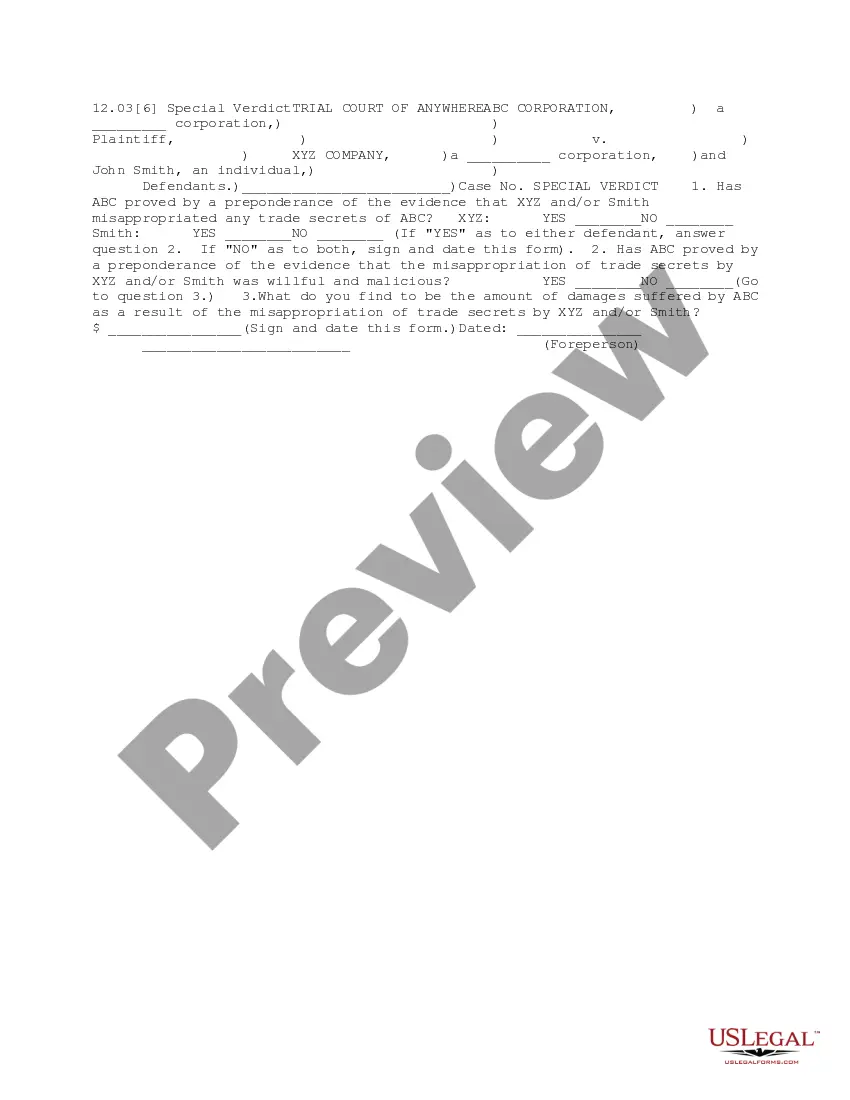
Common questions might include things like 'Did the defendant act negligently?' or 'Was the plaintiff harmed as a result?' It’s all about getting to the heart of the matter.
Yes, jurors can ask questions! If they're unclear about something, they might be able to seek clarification, ensuring they fully understand the facts before answering.
Unlike a regular verdict, which simply states who wins, a special verdict dives deeper. It requires jurors to answer questions about the facts, laying the groundwork for the final judgment.
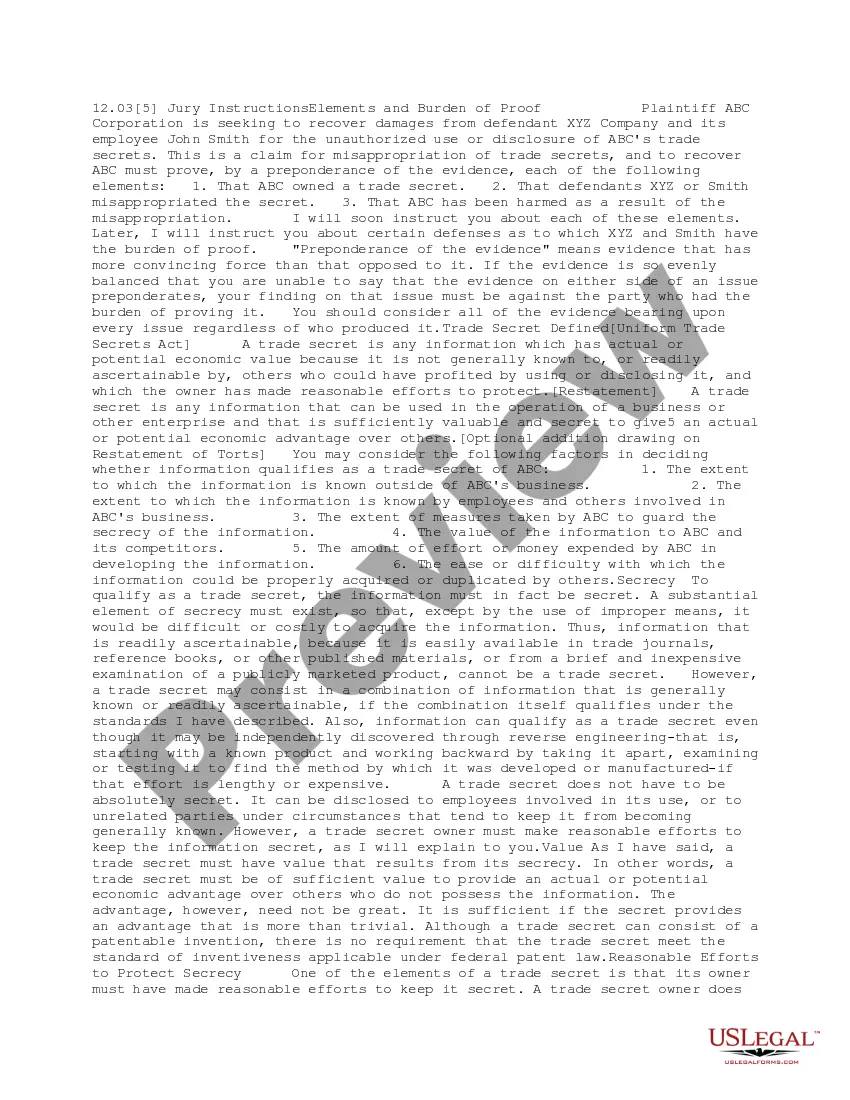
A special verdict is usually used when the judge and the parties want the jury to focus on particular questions that are crucial to the outcome of the case. It helps to hone in on the important details.
A special verdict is a type of jury decision where the jury answers specific questions about the facts of the case instead of giving a general verdict. It's like breaking down the verdict into pieces to get a clearer picture.