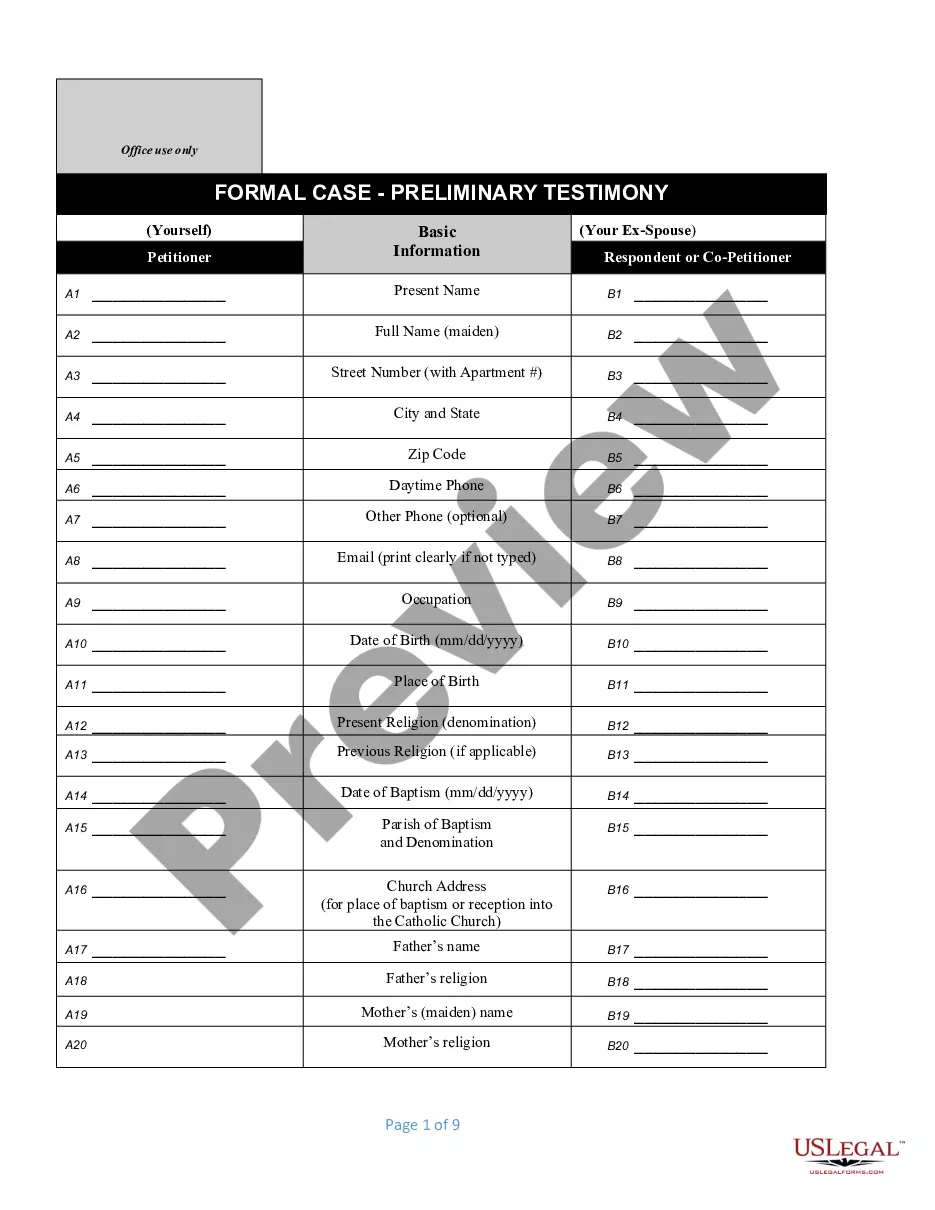
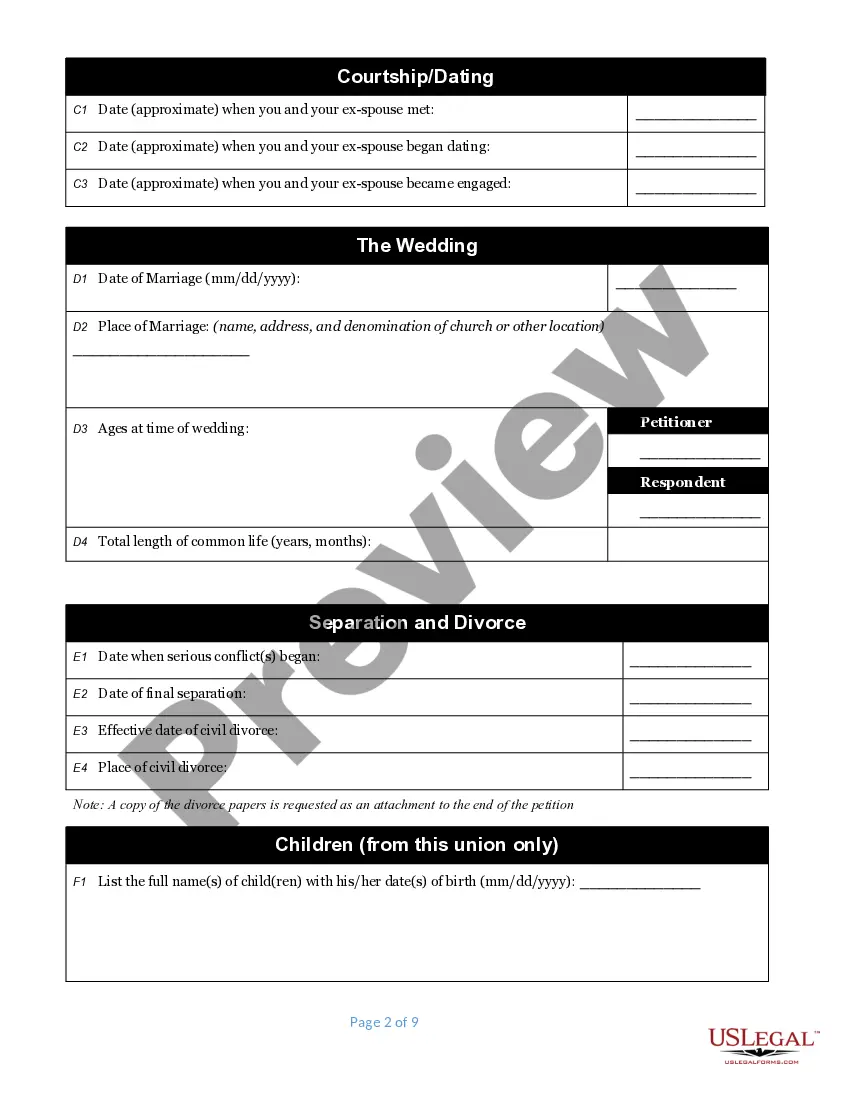
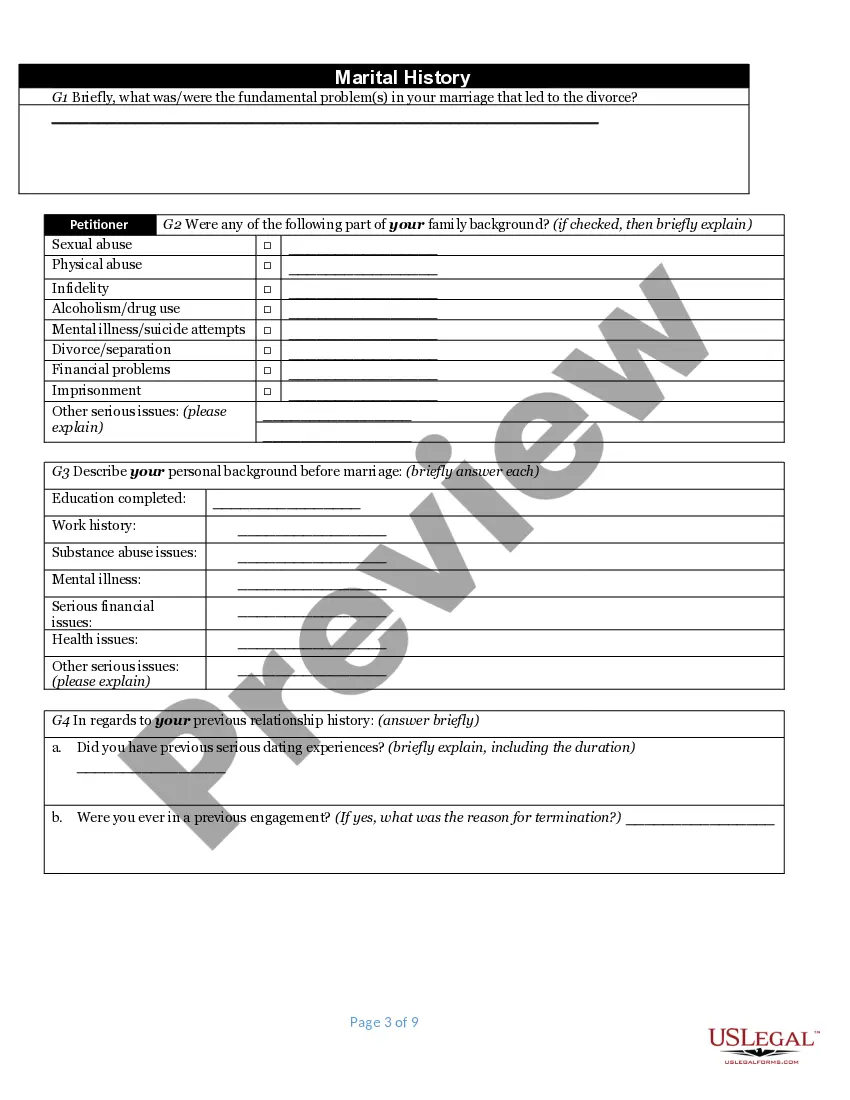
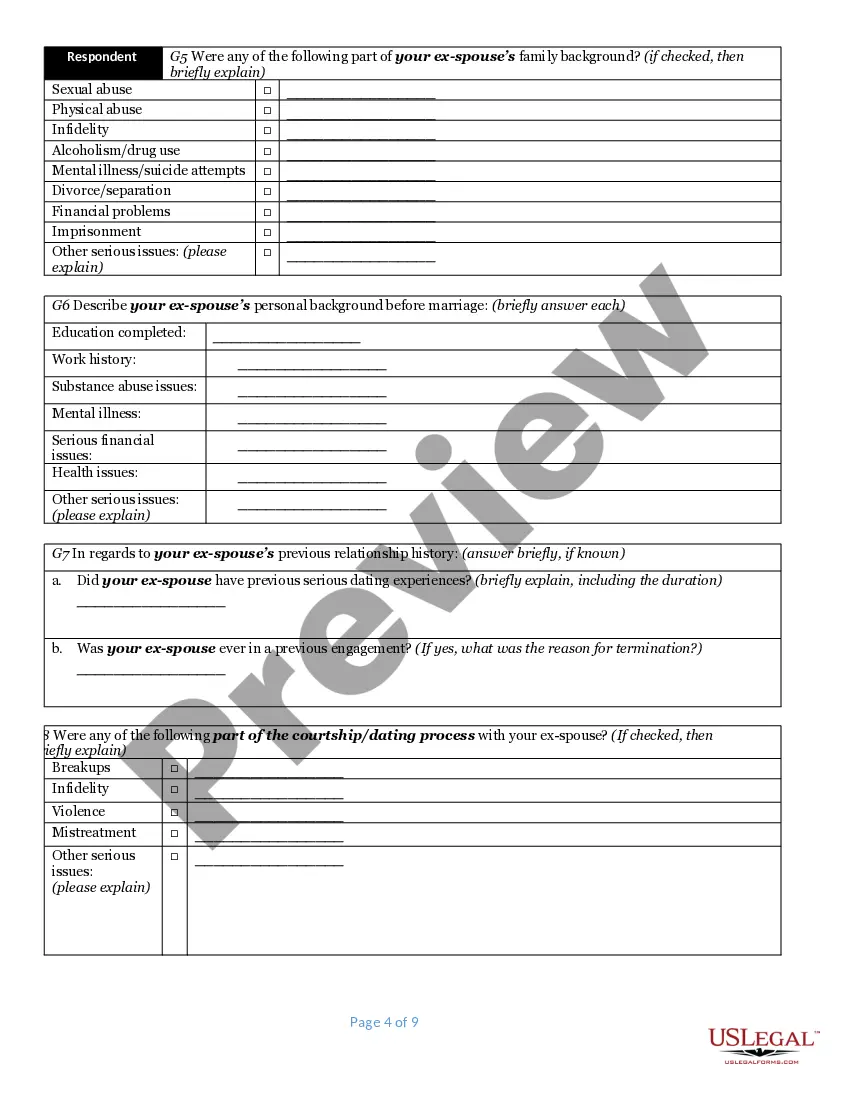
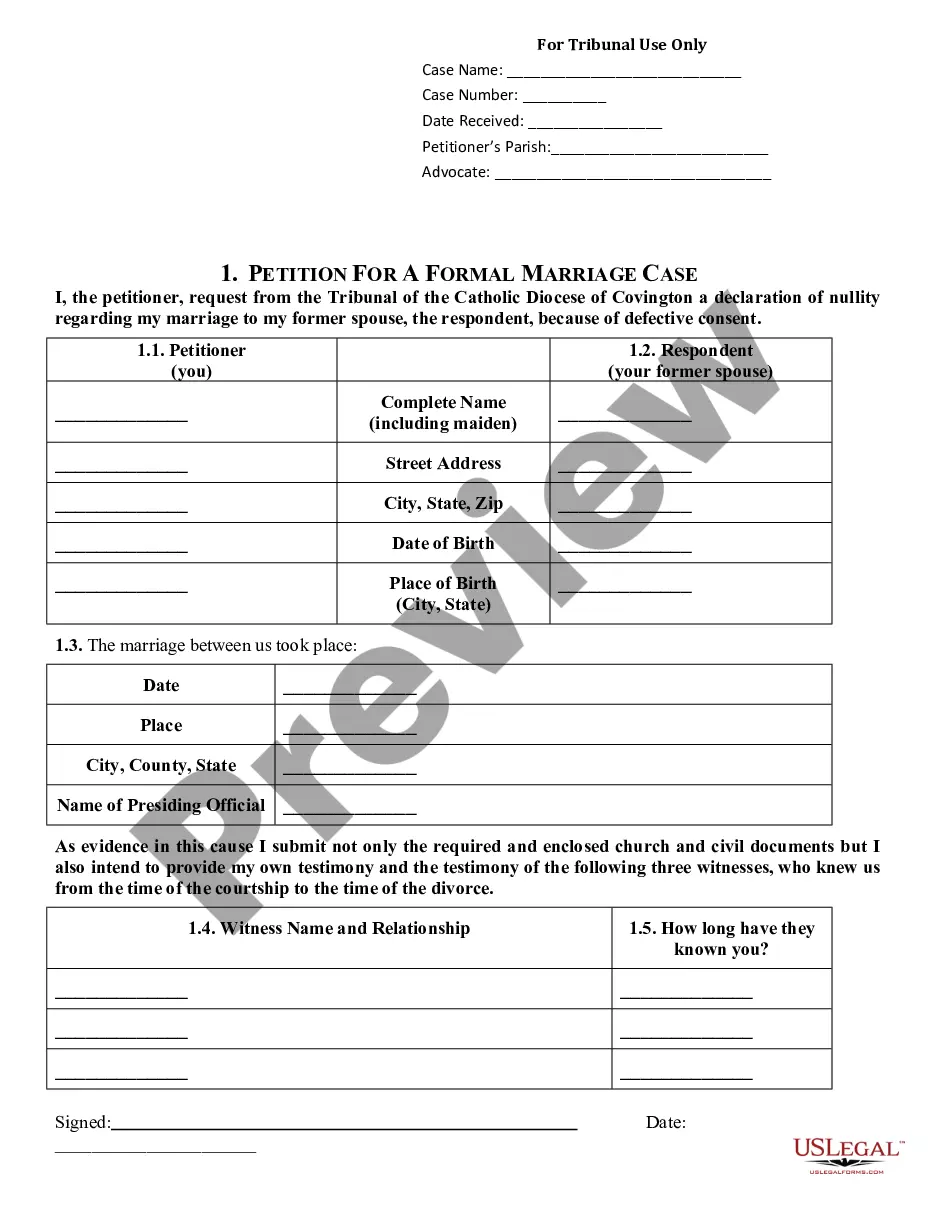
Either party in a marriage that has ended in divorce has the right to ask the Church to review a former marriage. The petitioner has the burden of providing proofs to demonstrate why a marriage may be considered invalid.The formal process is not adversarial and does not make a moral judgment on any person involved, it simply makes a statement of truth regarding the validity of the prior bond according to Church teaching.
After it's given, the case moves forward to the next steps, like formal hearings, where everything gets into the nitty-gritty. It's the next act in the play!
Once you've given it, you can't take it back. It's like sealing a deal, so make sure you're ready to roll before you step up to speak.
Yes, your lawyer will be there to guide you and make sure your side of the story comes across as it should. They've got your back!
It can vary, but usually it's not a long haul. Expect it to last anywhere from a few minutes to a couple of hours, depending on how much is on the table.
Typically, it's given by main witnesses or parties involved in the case. They're the ones who hold the cards to your story.
It's important because it sets the stage for what to expect in the case. Think of it as laying the groundwork for the bigger picture.
A preliminary testimony is like giving your first impression in court. It's where you share the key points of your case before formal proceedings start.