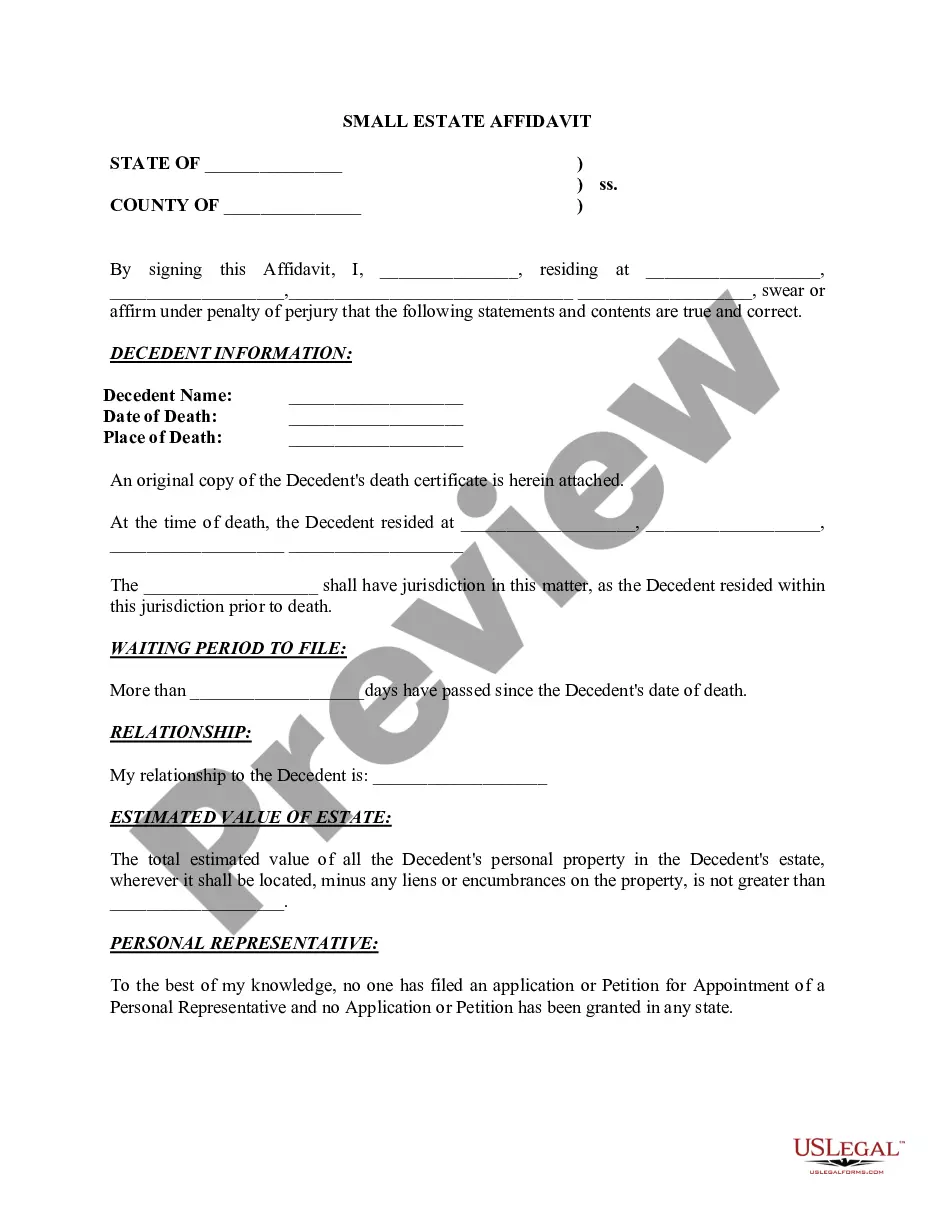
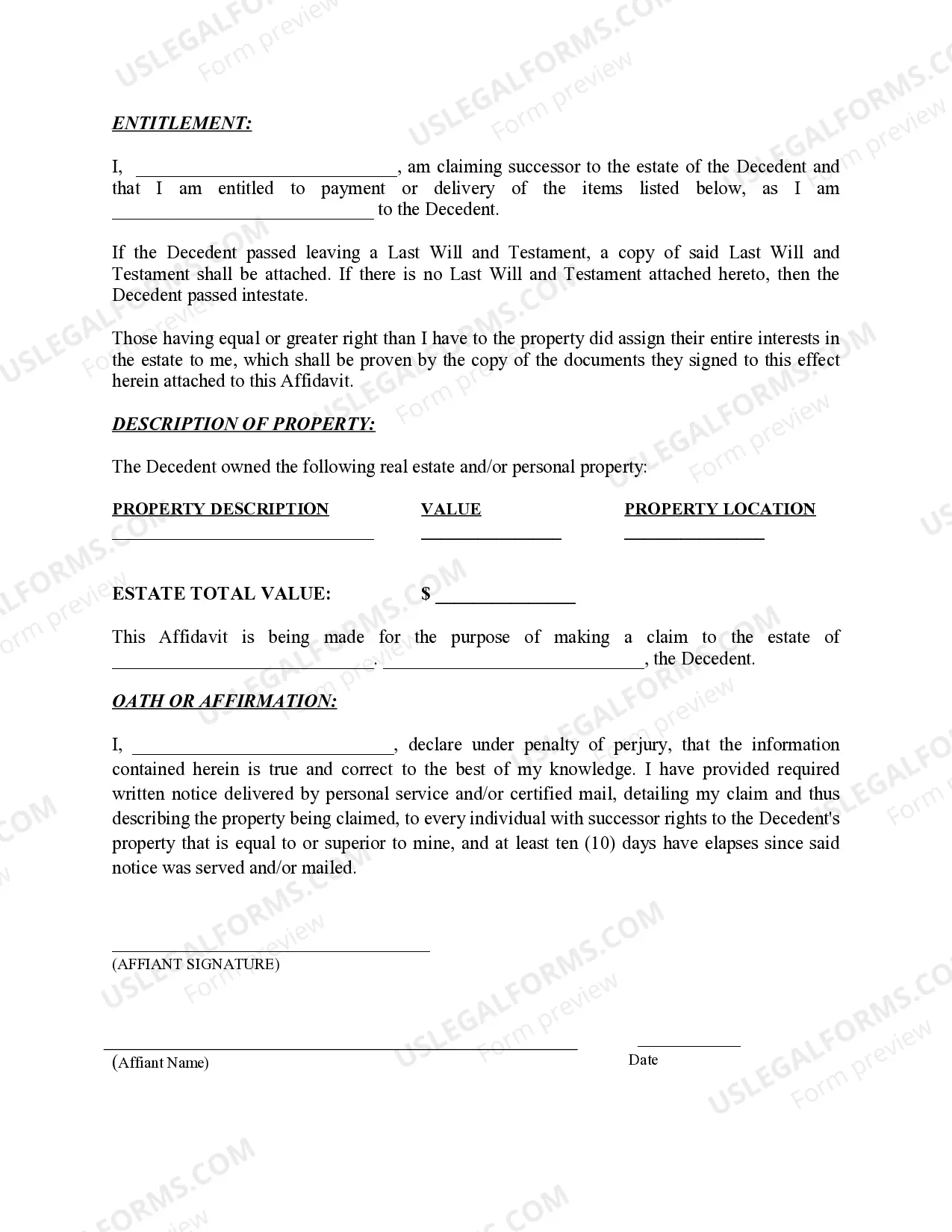
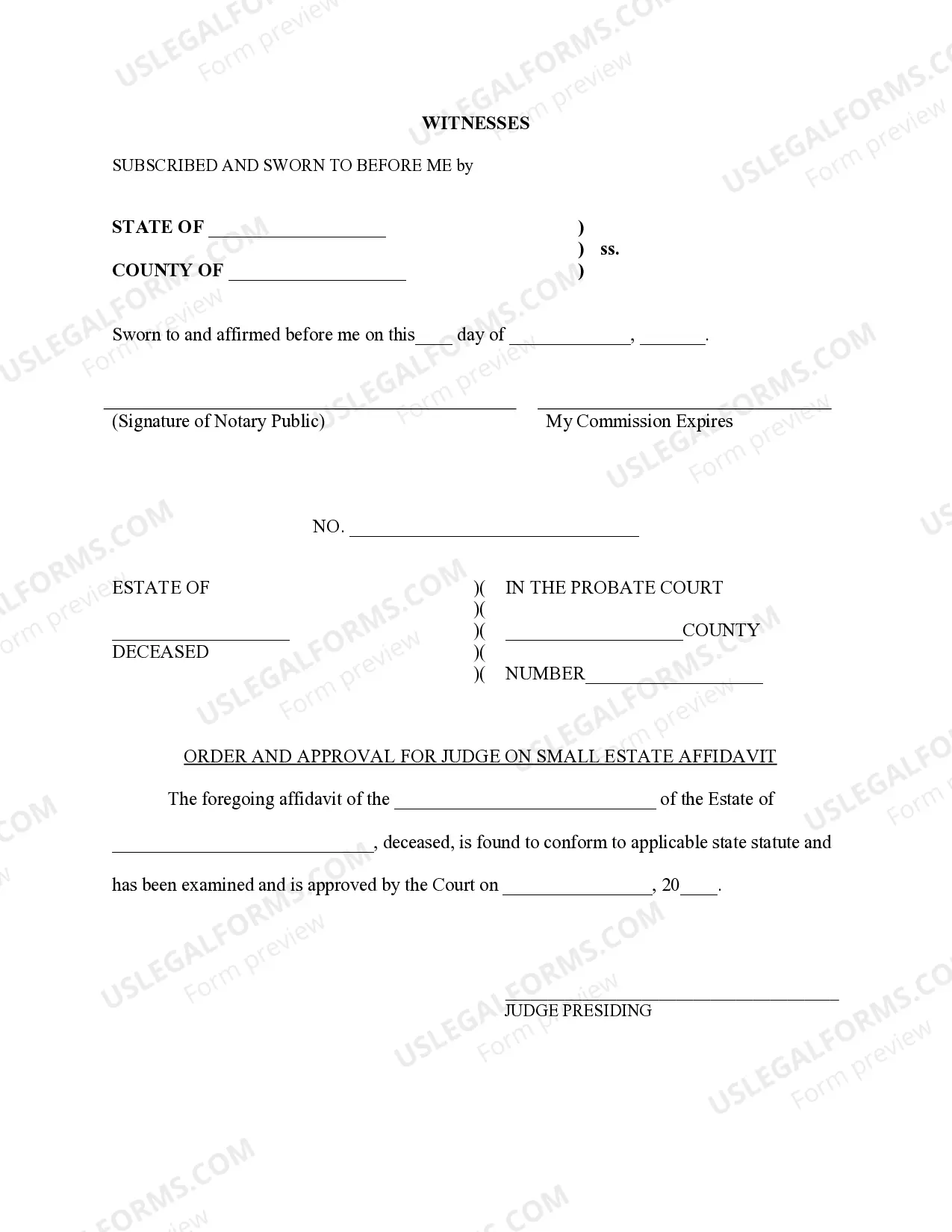
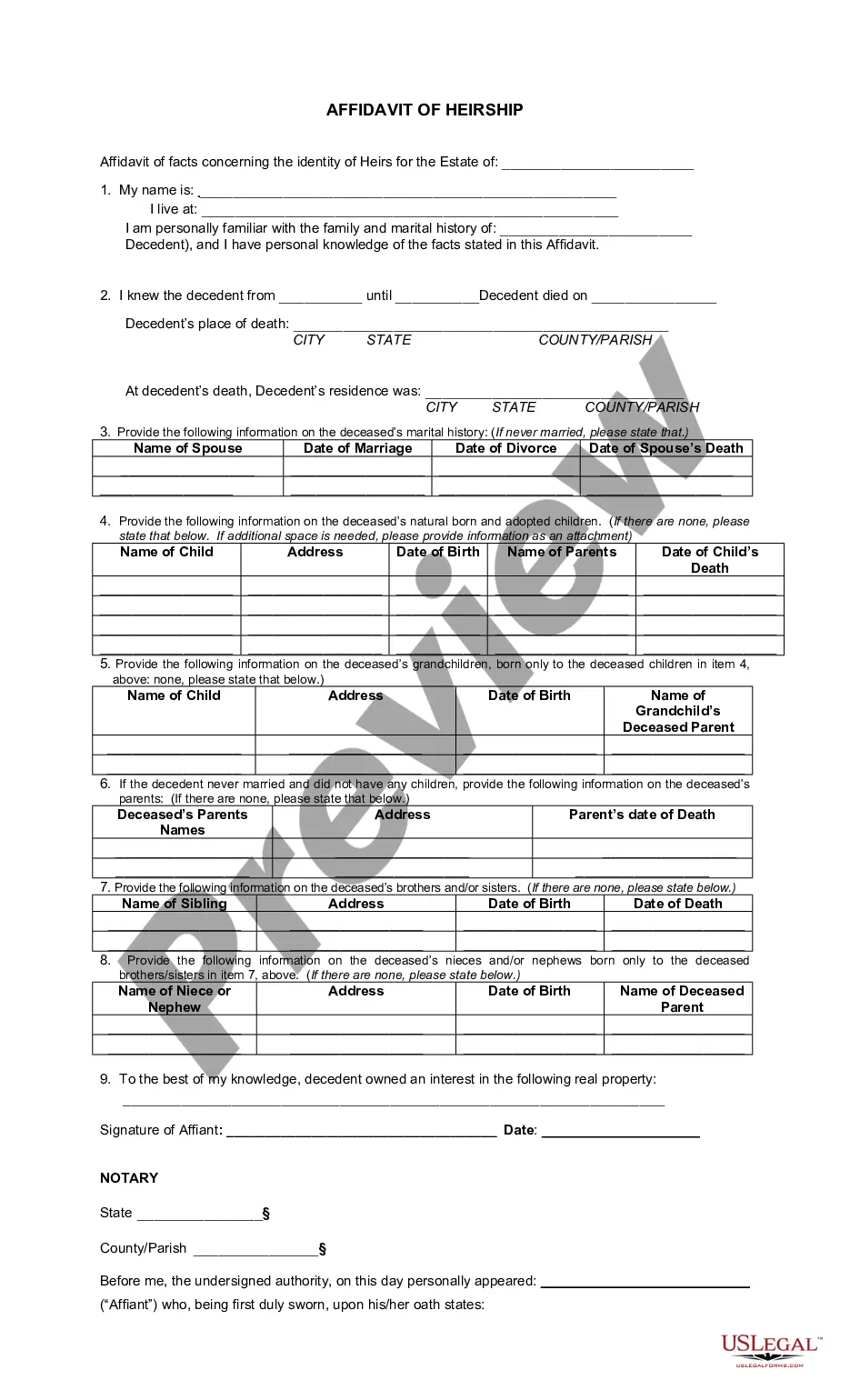
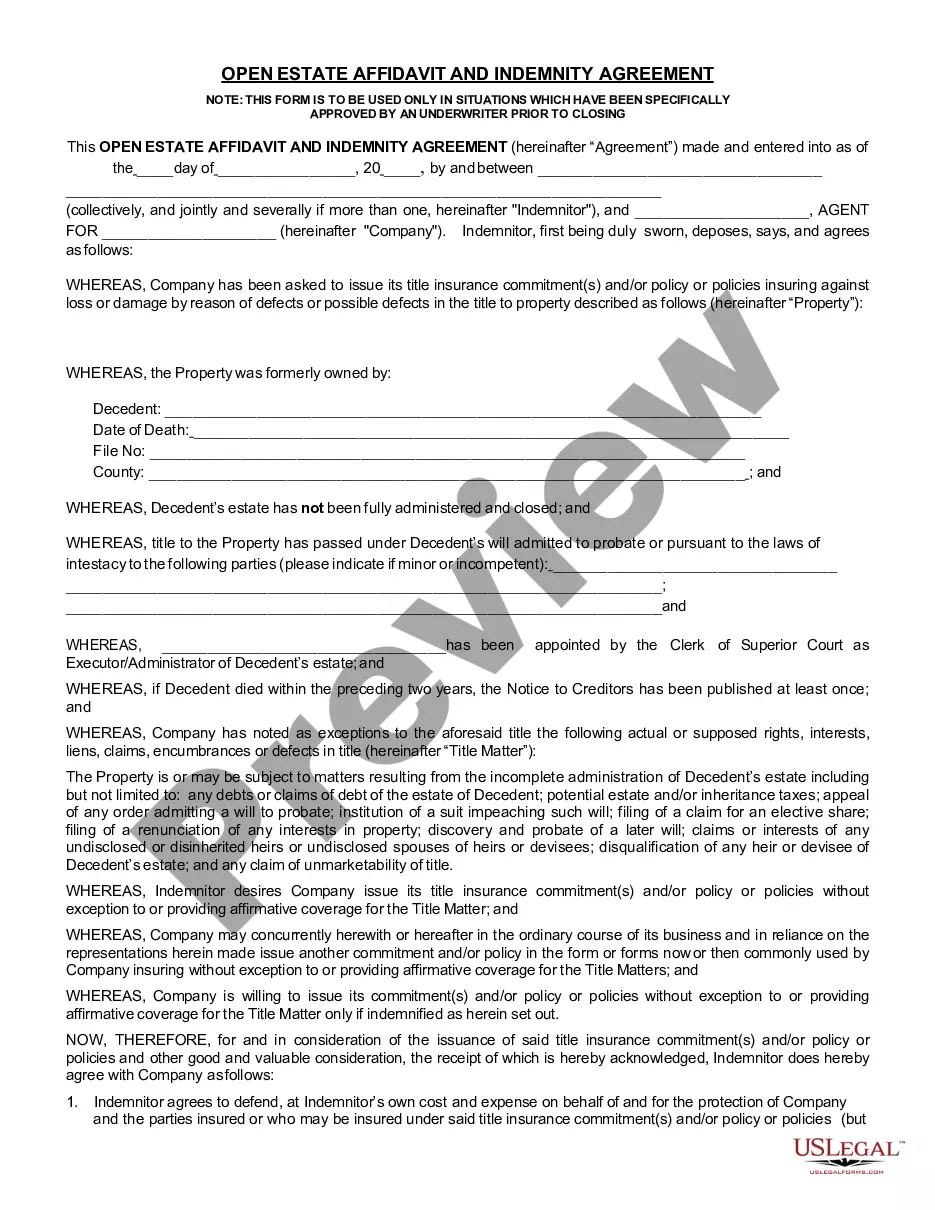
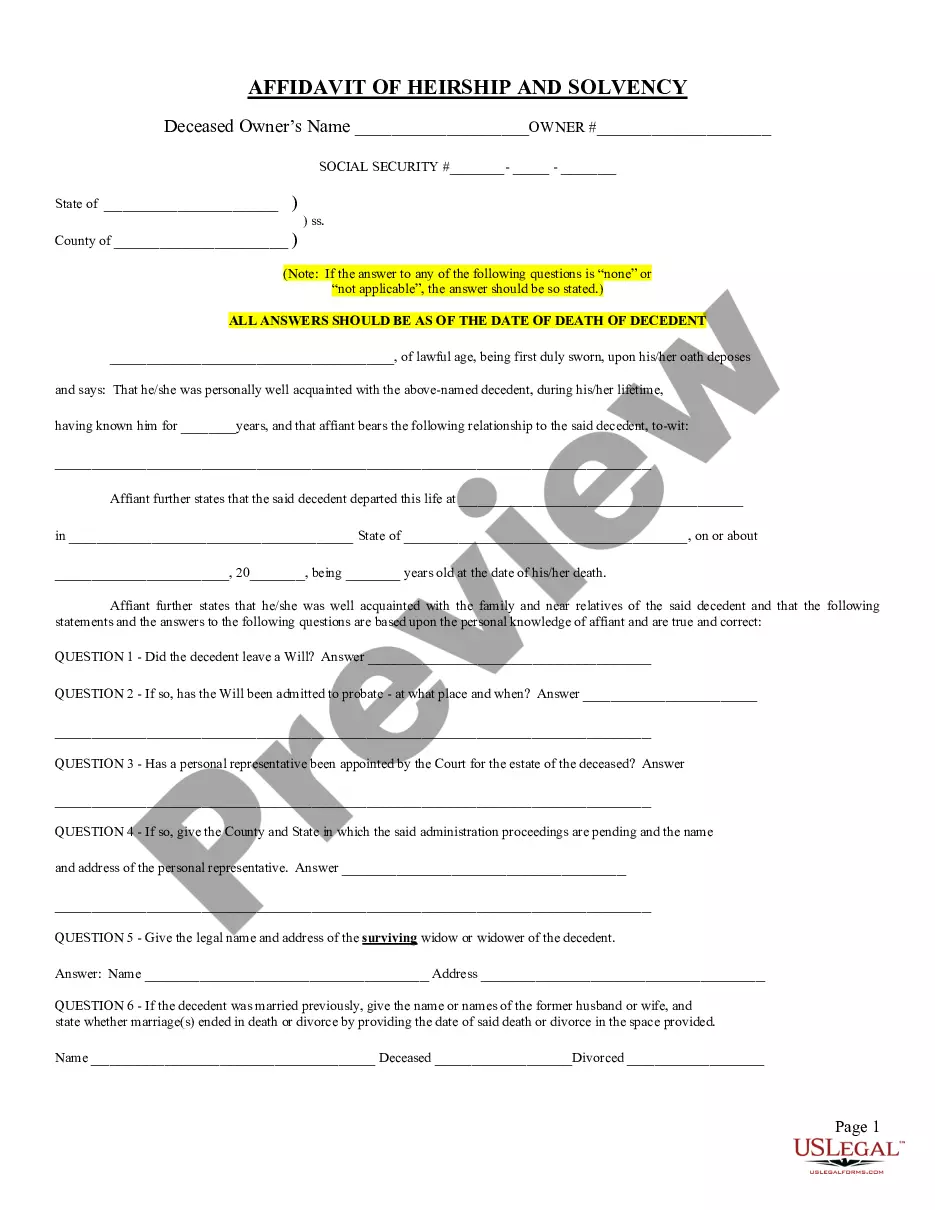
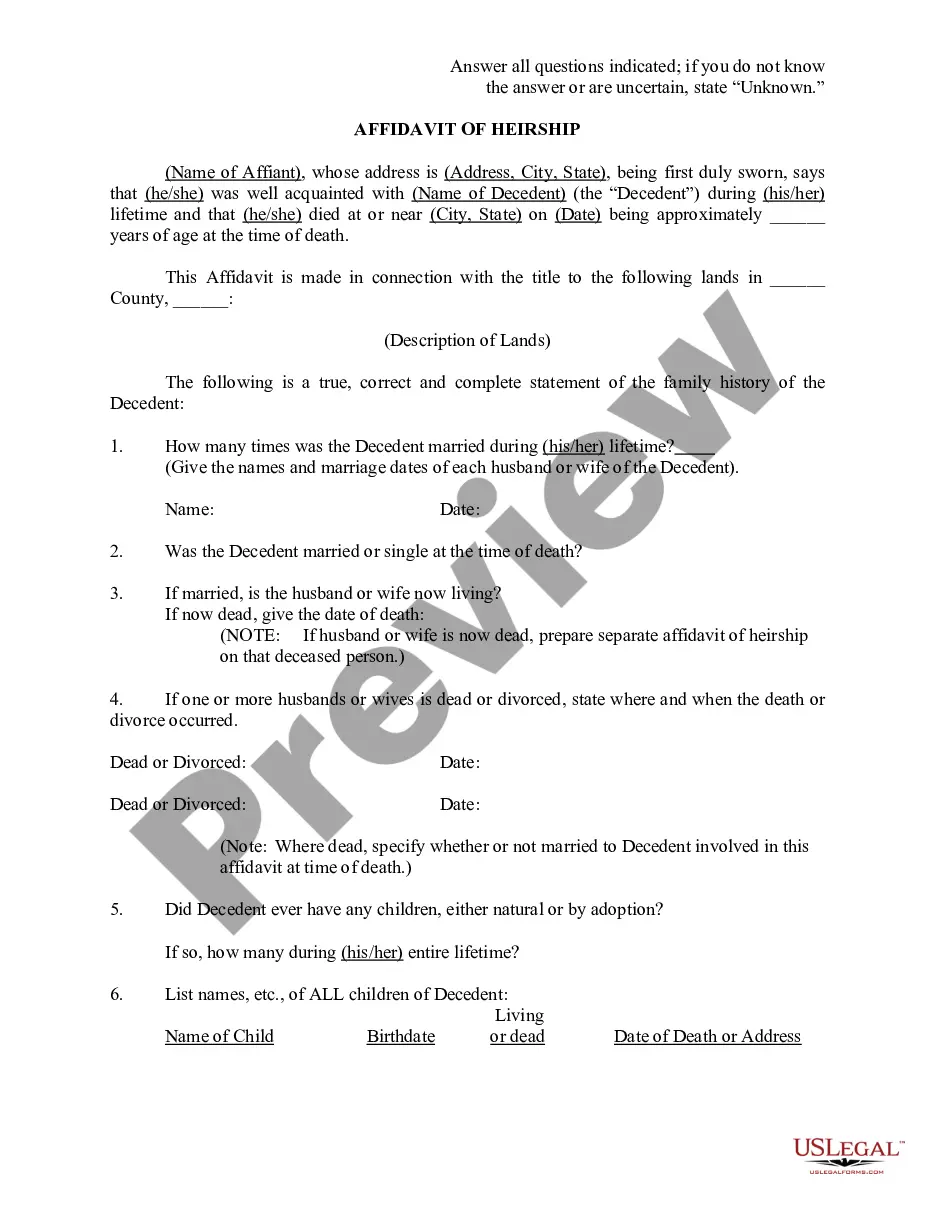
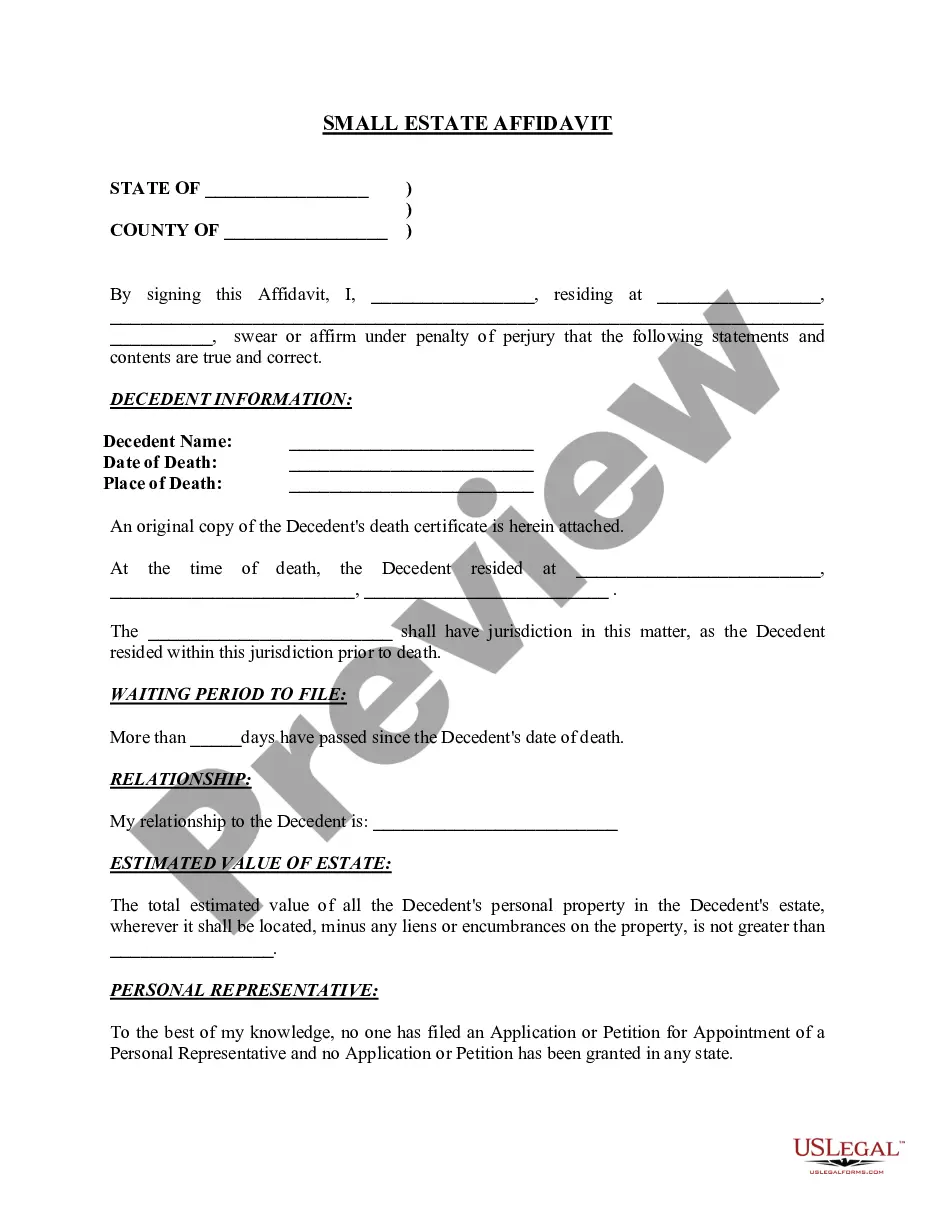
An Affidavit is a sworn, written statement of facts, signed by the 'affiant' (the person making the statement) before a notary public or other official witness. The affiant swears to the truth and accuracy of the statement contained in the affidavit. Where an estate is valued at less than $100,000, an interested party, as successor to the decedent, may, issue a small estate affidavit to collect or claim entitlement to the deceased property.
Yes, you can still use a small estate affidavit, but just remember that the will needs to be informal and shouldn't go against the instructions in it.
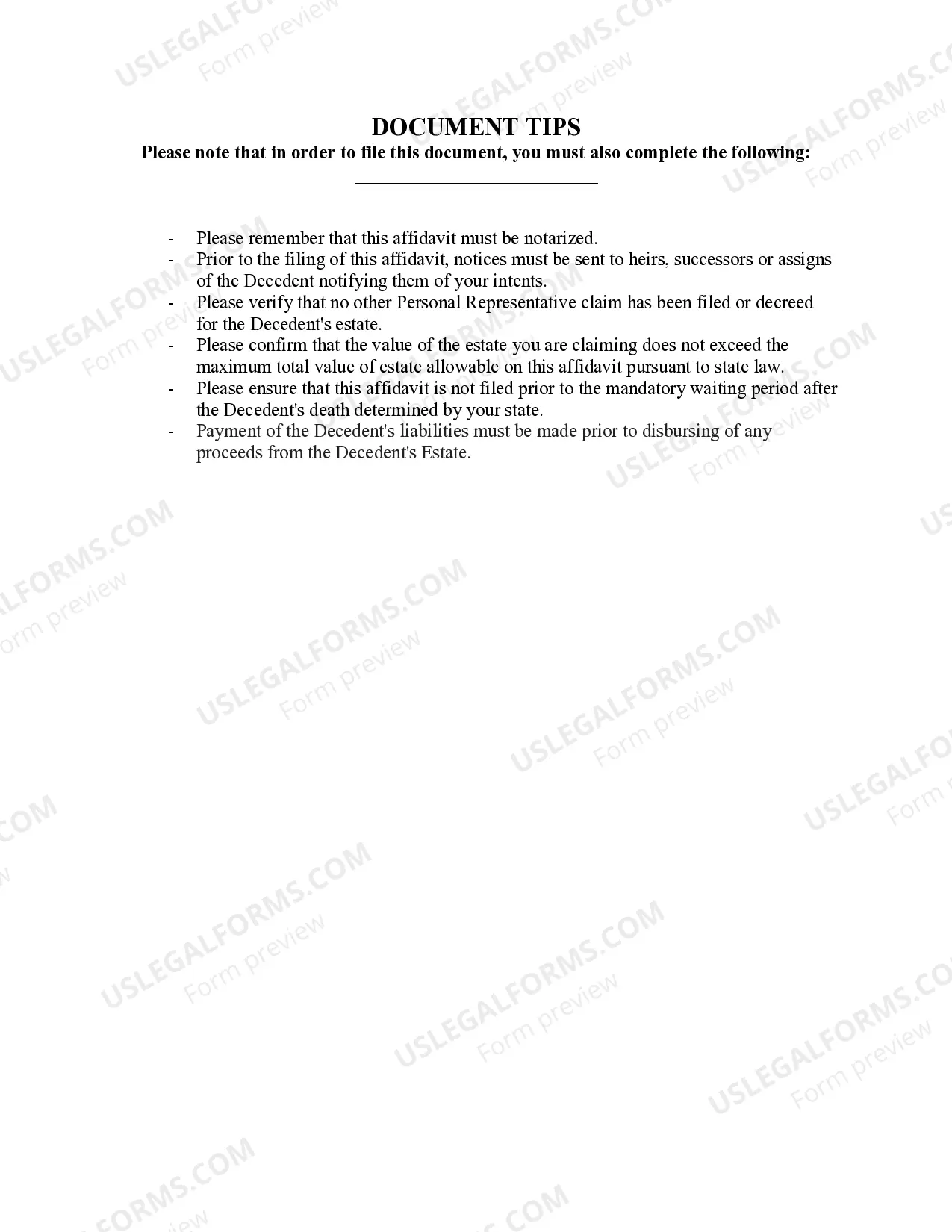
You simply fill out the affidavit, get it notarized, and then present it to the institutions holding the deceased's assets, like banks or the DMV, to claim what's yours.
Nope! One of the beauties of a small estate affidavit is that it usually allows you to avoid going to court, which can save you a lot of time and hassle.
You'll need some basic info about the deceased, details on the assets, and proof that you're entitled to inherit, so gather your ducks in a row before you start!
In Arizona, the limit for a small estate affidavit is $100,000 for personal property and $75,000 for real estate, so if it's below that, you're good to go!
Typically, any individual who is a beneficiary or heir to the estate can use a small estate affidavit, as long as the total value of the estate is within the state's limit.
A small estate affidavit is a legal document that helps simplify the process of distributing a deceased person's estate when it's not very big, making things easier for everyone.