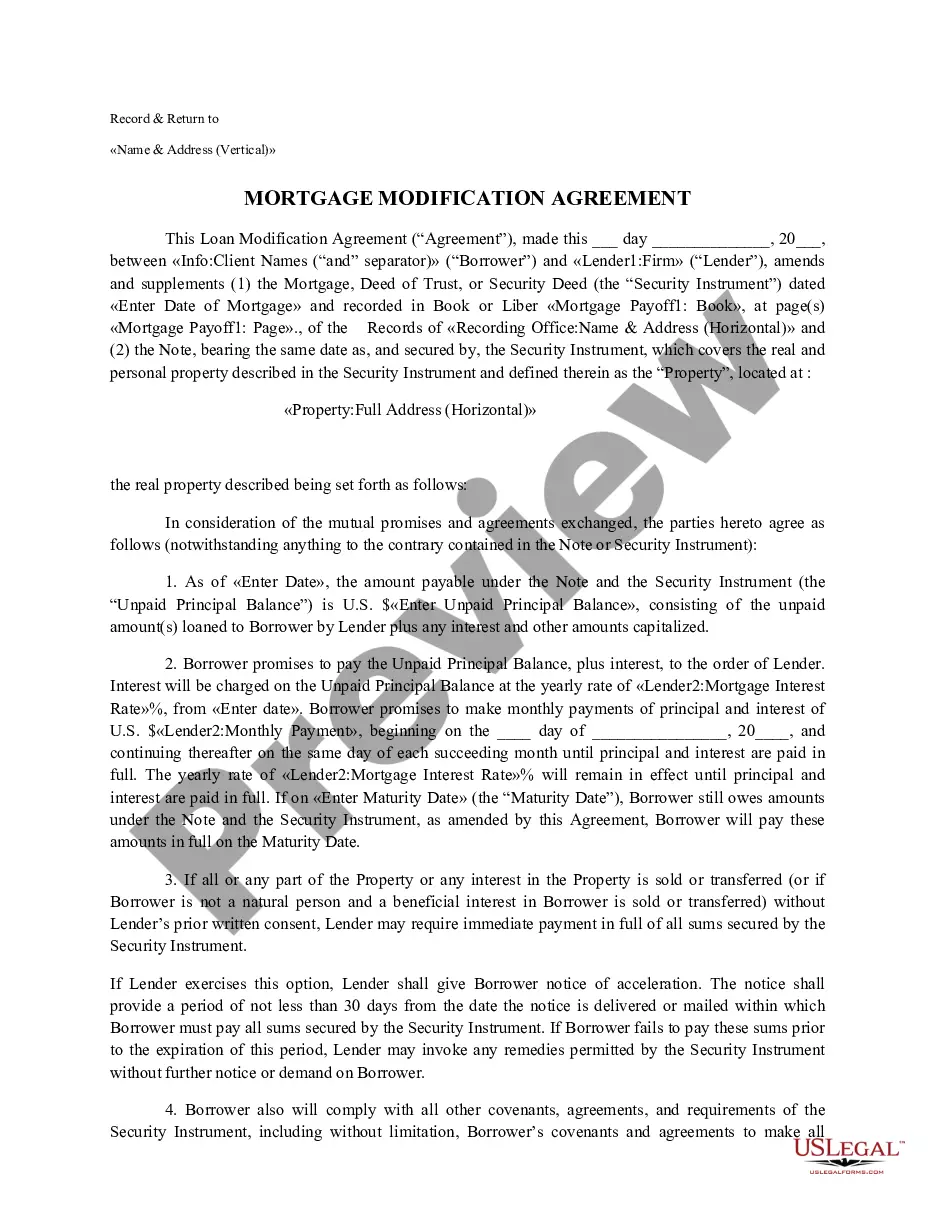
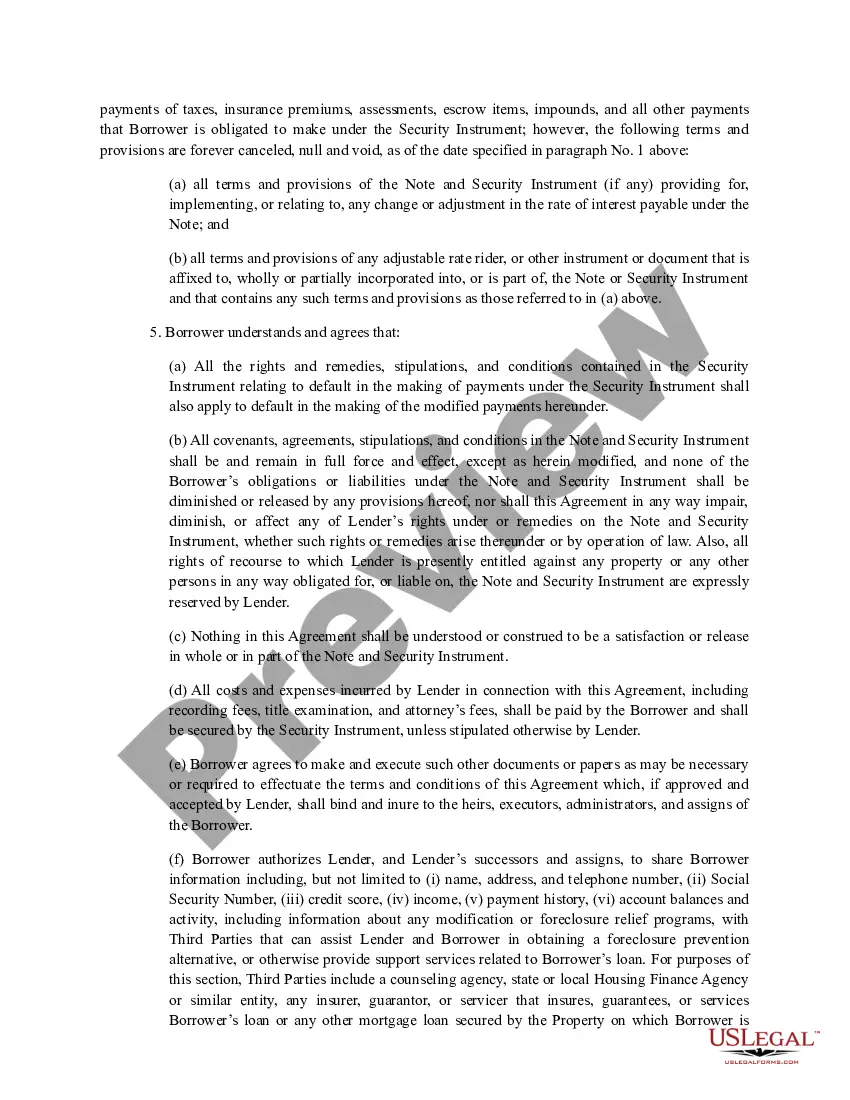
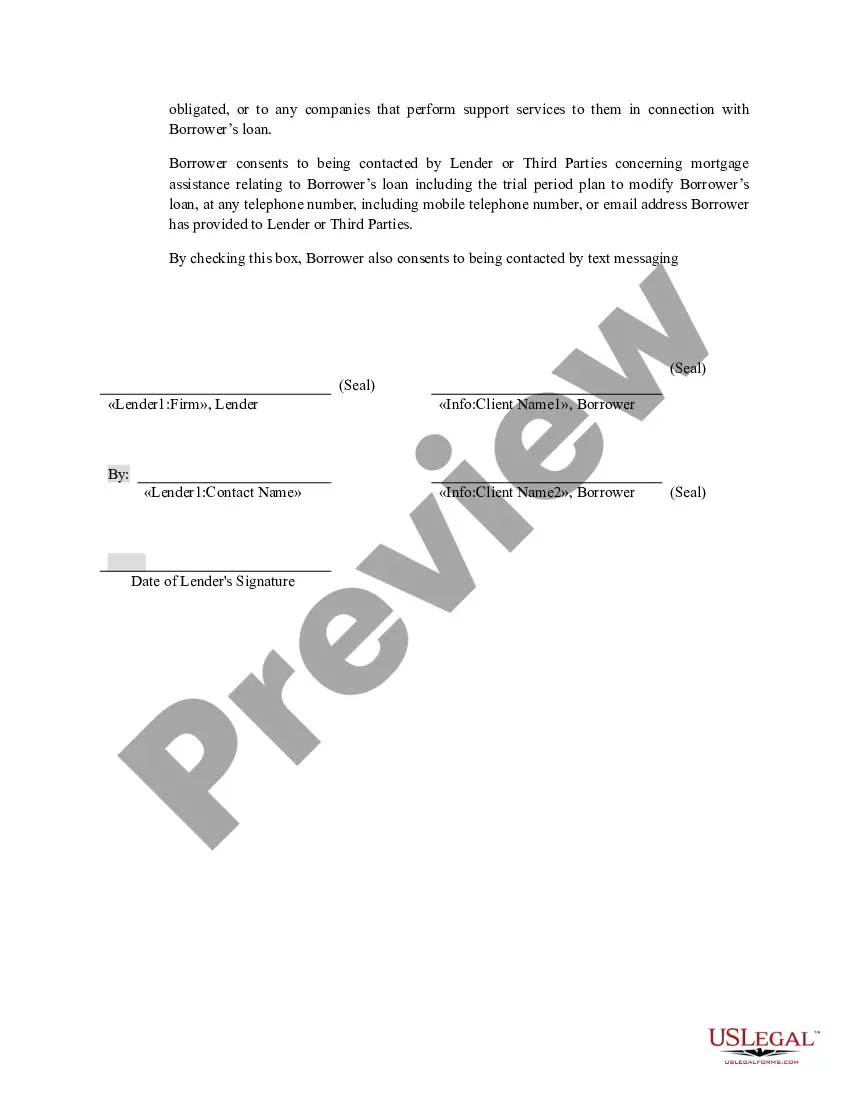
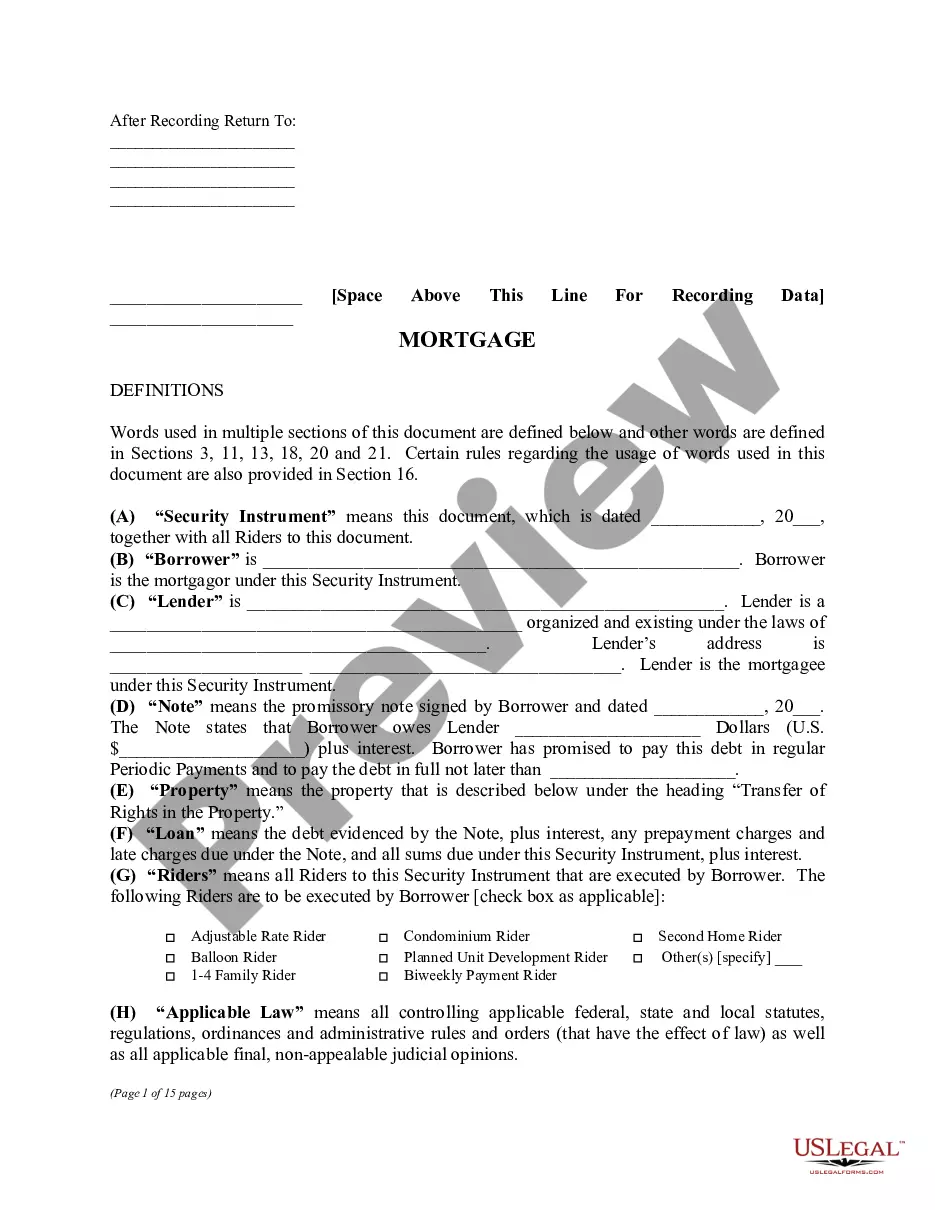
This document allows for the borrower and the lender to amend and supplement the mortgage, Deed of Trust or Deed to Secure Debt concerning the real and personal property described in the document.
Yes, there's a chance of denial if you don’t meet the lender’s requirements or if your financial situation doesn't line up. It's a bit like applying for a job—sometimes you hit the mark, and sometimes you don't.
While it's not mandatory to have a lawyer, having one can help you understand the ins and outs of the agreement. A good attorney can be the compass you need to navigate these waters.
It may have a small impact on your credit score at first, but it’s usually better than missing payments. It’s like trading a flat tire for a smoother ride in the long run.
The timeline can vary, but it typically takes a few weeks to a few months. Patience is key, as this process is often like watching paint dry.
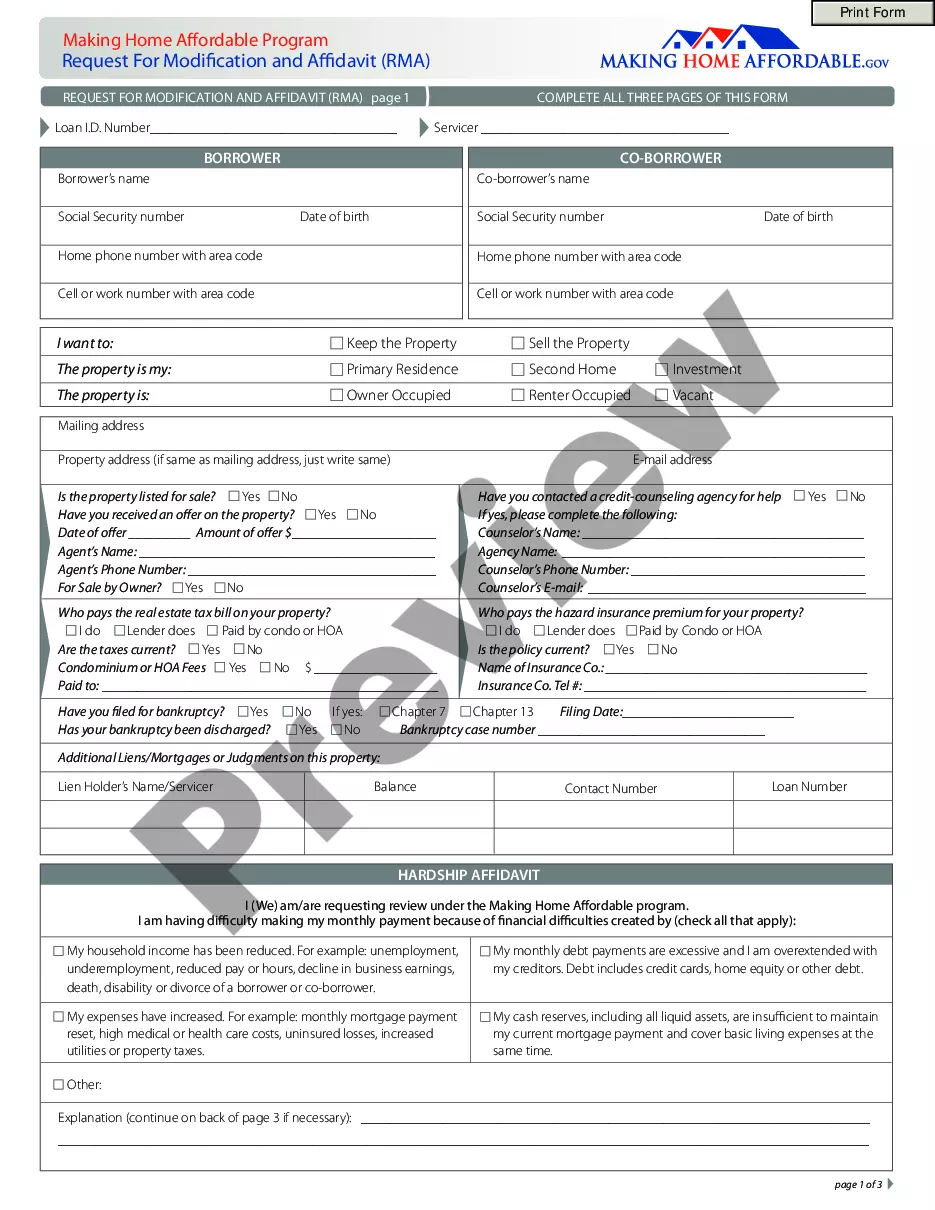
To kick things off, you’ll need to reach out to your lender. They usually require some paperwork and proof of your financial situation. Think of it as opening a door to a better arrangement!
Generally, homeowners who are having trouble paying their mortgage due to financial hardships, like job loss or medical expenses, may qualify. If you’re struggling to keep your head above water, you might want to look into this.