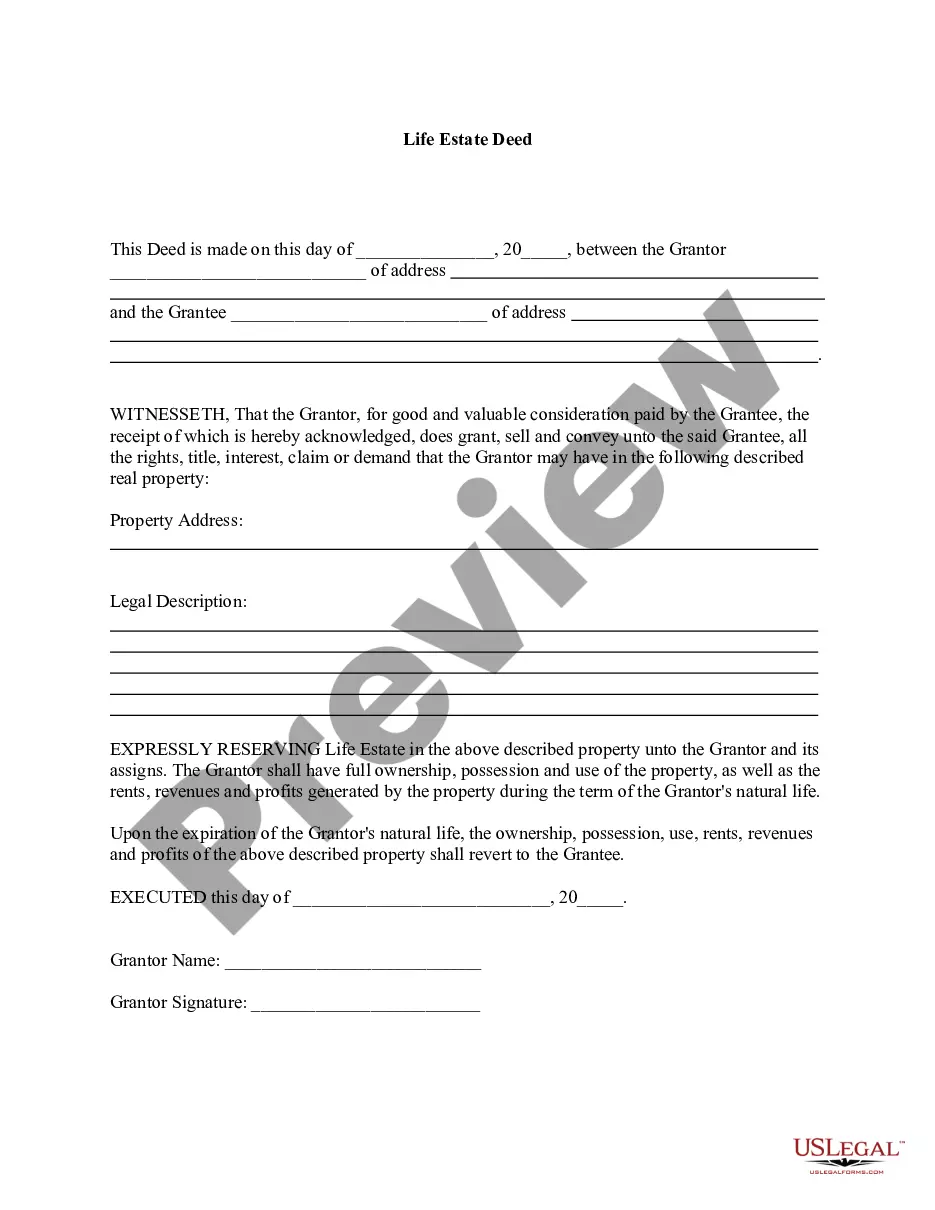
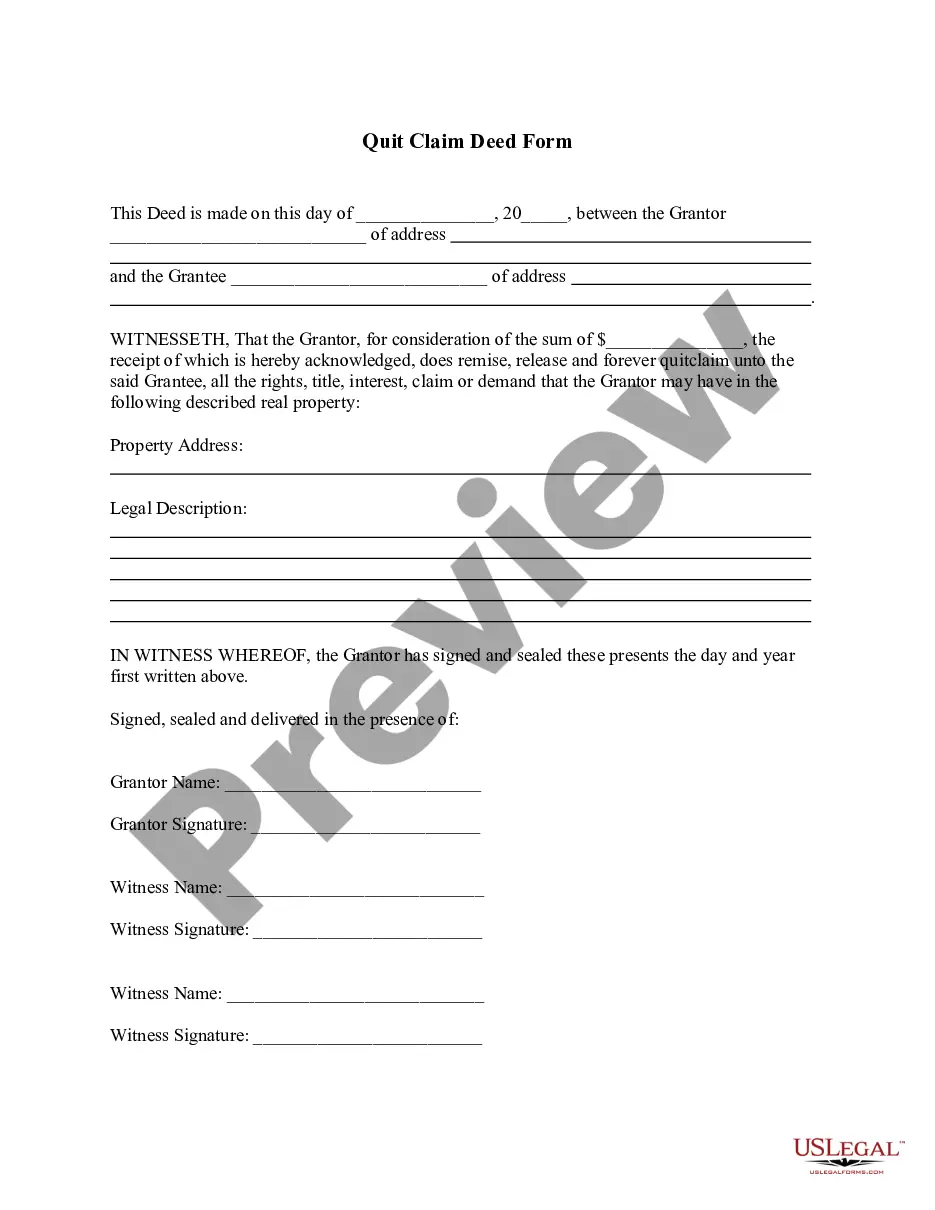
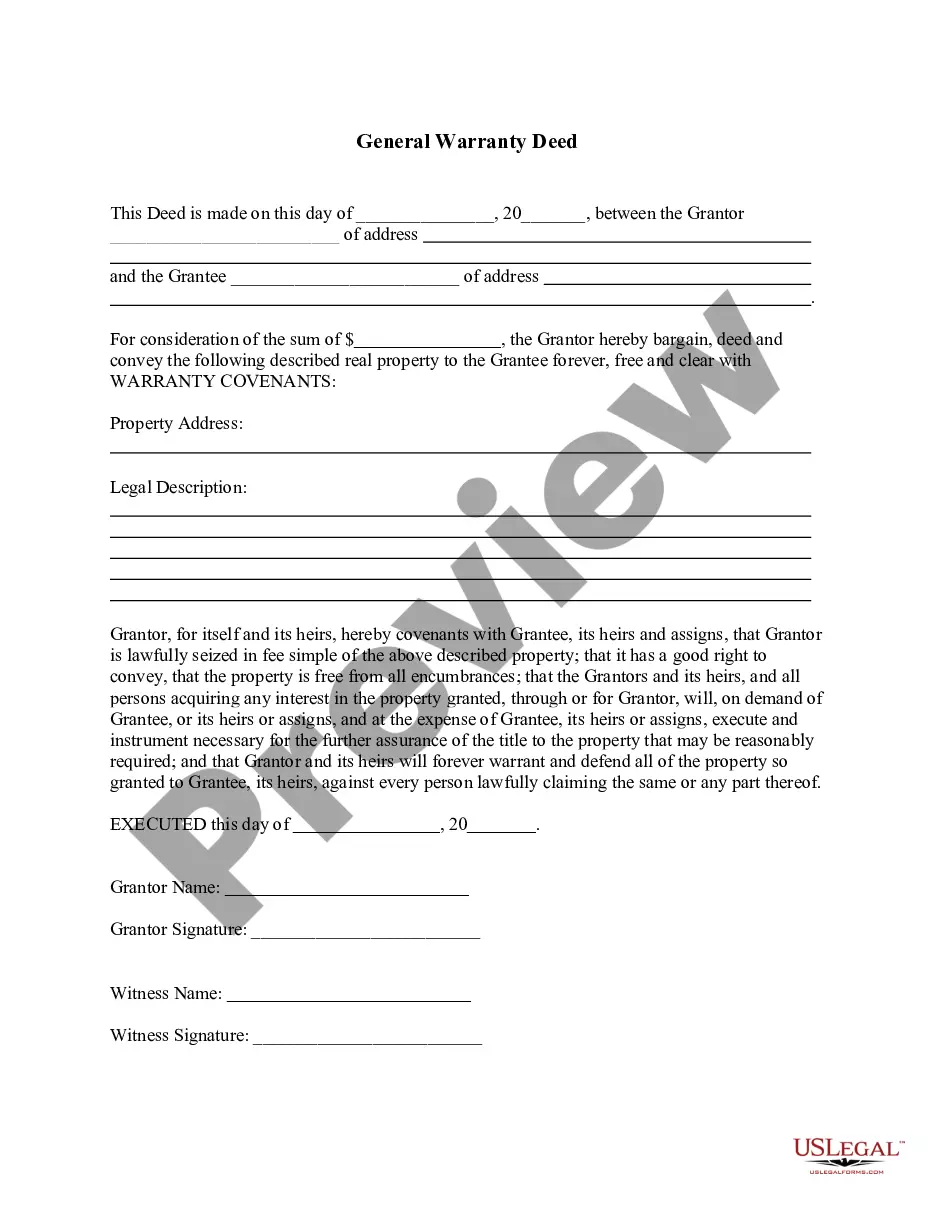
This is a Basic Life Estate Deed. A life estate has exclusive rights to the use and enjoyment of the land, including the right to live there, and all income rights from the property, as. long as the life estate owner has a pulse. The “remainder” interest of the. property is what remains at the death of the life tenant.
Well, changing a deed isn’t like flipping a light switch. It's possible to change it, but both the life tenant and the remainderman usually need to agree and follow the legal steps to do so.
If the life tenant moves to a nursing home, they can still retain their rights to the property unless they decide to give that up. The life estate doesn’t automatically end.
Not so fast! The life tenant can’t sell or rent without the consent of the remainderman, so it's important to keep communication open between parties.
In most cases, the property taxes remain the responsibility of the life tenant. However, it’s a good idea to check with local authorities to understand the specifics.
One of the big perks is that it allows the current owner to keep living in the property while also planning for what happens to it after they're gone. Plus, it can help avoid probate hassles!
Basically, anyone who owns property can create a Basic Life Estate Deed, as long as they want to set up the rights to live there for themselves and designate a future owner.
A Basic Life Estate Deed lets someone use a property during their lifetime, and after they pass on, the property goes to someone else, often called the remainderman.