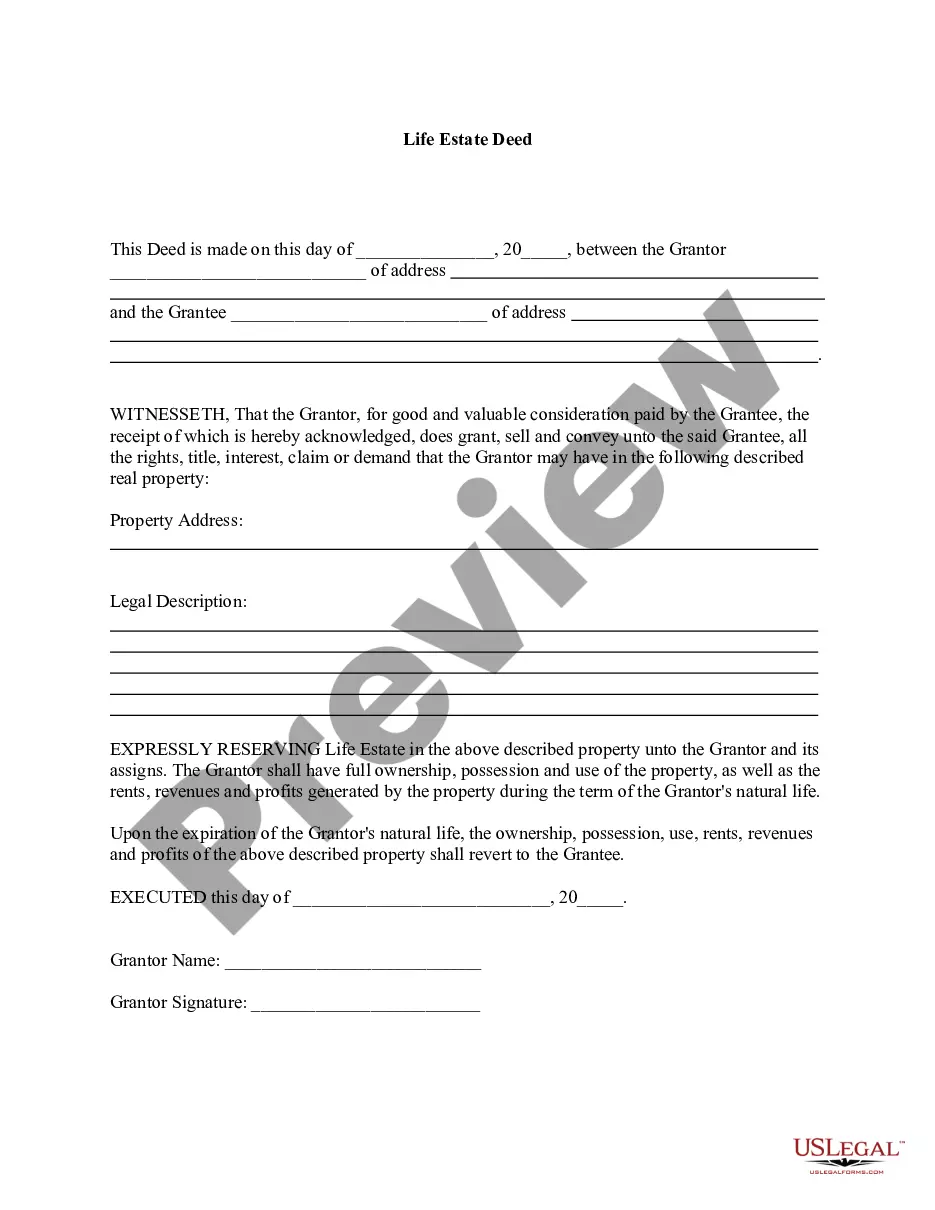
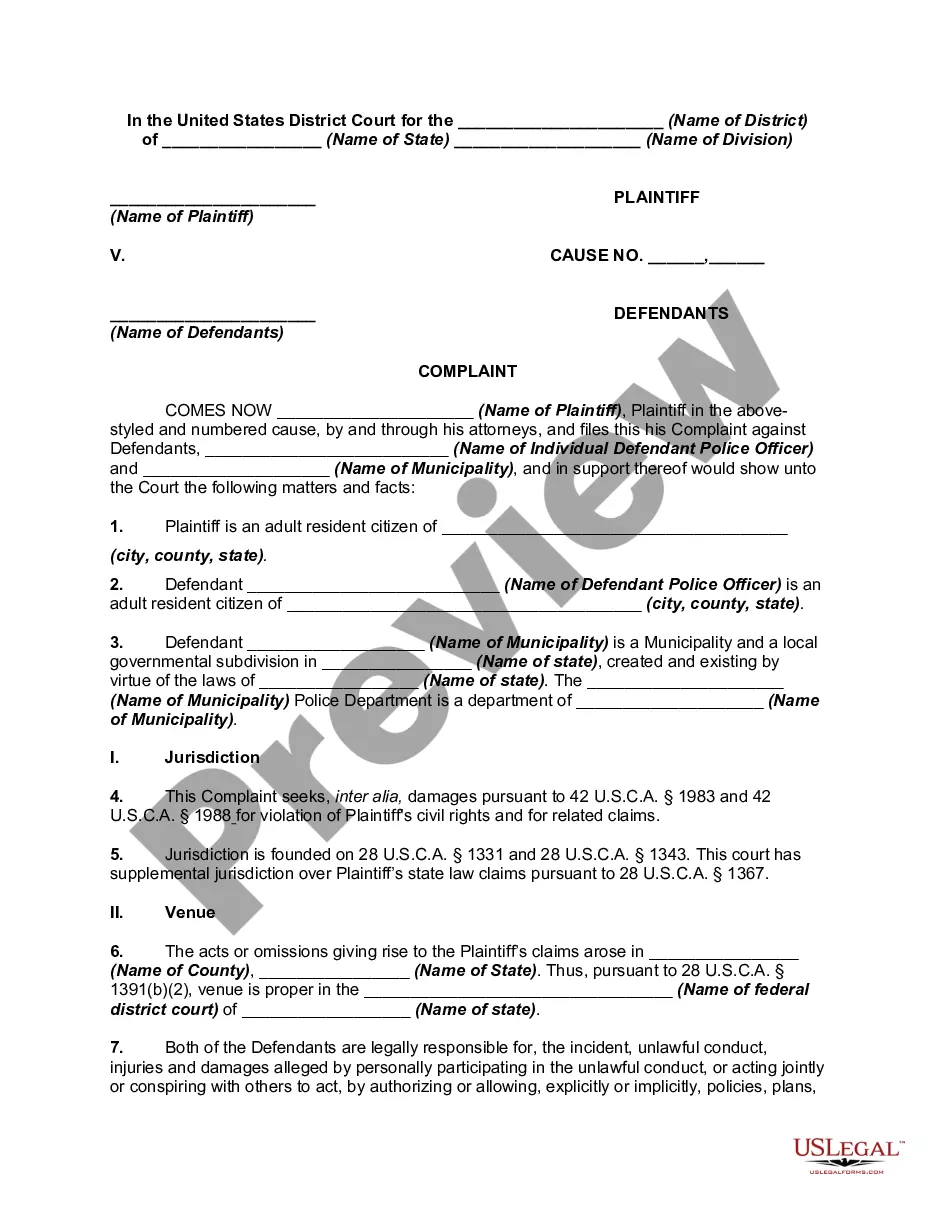
This is a Basic Life Estate Deed. A life estate has exclusive rights to the use and enjoyment of the land, including the right to live there, and all income rights from the property, as. long as the life estate owner has a pulse. The “remainder” interest of the. property is what remains at the death of the life tenant.
While you can fill out the deed yourself, having a lawyer is a wise move. They can help you dot the i's and cross the t's to make sure everything’s above board.
A basic life estate deed can be revocable if the grantor keeps the right to change it. It’s like being able to edit a document, as long as you hold the pencil!
Typically, the property won't have a change in tax status during the life tenant's time there. But when ownership changes hands, that could affect taxes like a change in the weather.
Not without some hoops to jump through! The life tenant can’t sell or mortgage the property without the consent of the remainderman, as they don’t own it outright.
Once the life tenant passes away, the property automatically transfers to the next person listed in the deed, known as the remainderman, like a relay race passing the baton.
Anyone who owns property can create a basic life estate deed. It’s usually set up by the current owner, also known as the grantor.
A basic life estate deed is like passing the keys to your home for a while. It allows someone to live in the property for their lifetime, but when they pass away, the property goes to another person.