After the inspection, the landlord will let you know if there are any deductions from your security deposit. They will provide an itemized list if applicable, and you’ll have a clearer picture of what’s expected moving forward.
Typically, a vacating inspection doesn’t take too long—usually around 30 minutes to an hour. It all depends on the size of the place and what the inspector finds during their walkthrough.
If you think something’s off with the inspection findings, don’t keep quiet about it! Contact your landlord or property manager to discuss your concerns. Honest communication can help clear the air.
Usually, normal wear and tear isn’t something you’ll get charged for. Things like faded paint or a carpet that has seen better days are to be expected. However, if it appears you’ve caused significant damage, that might be a different story.
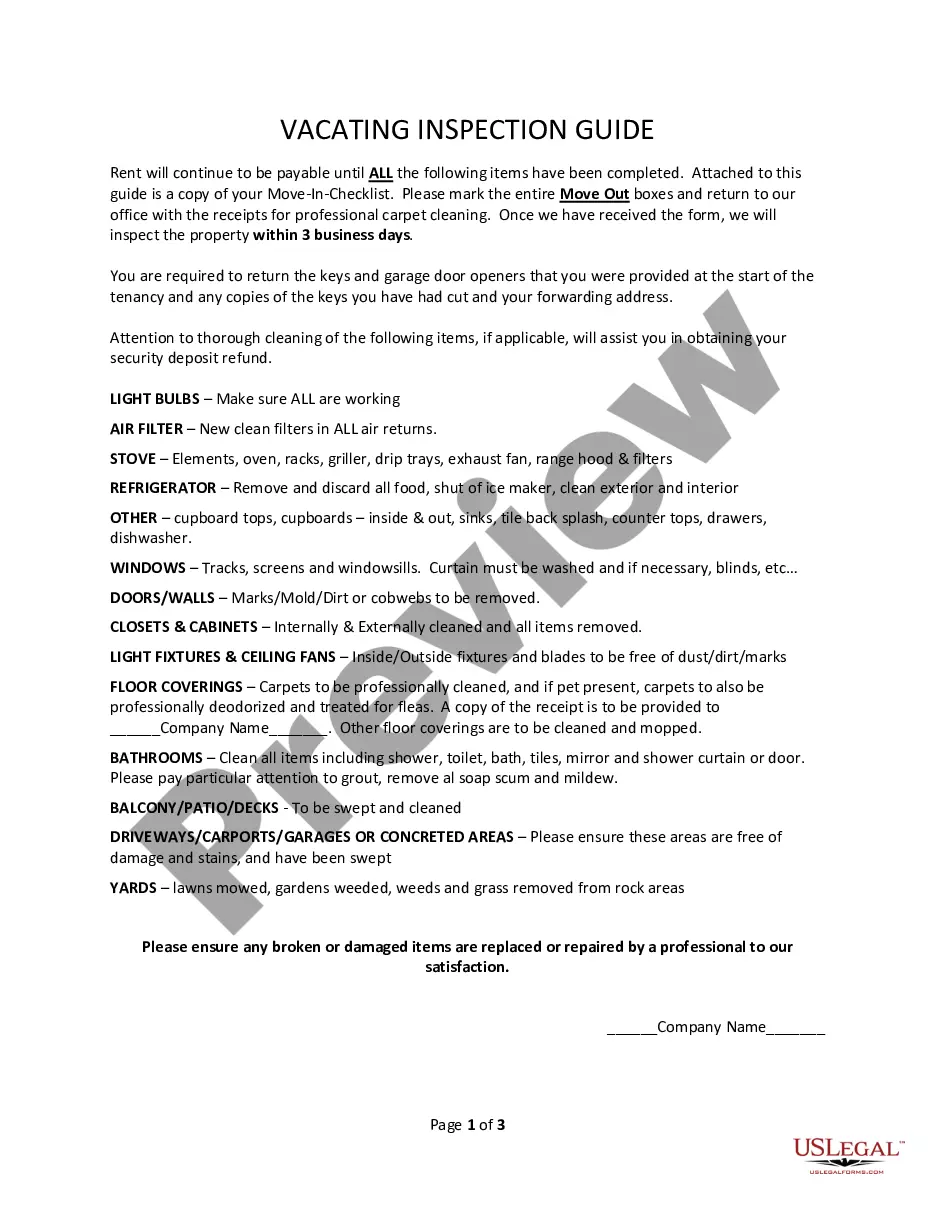
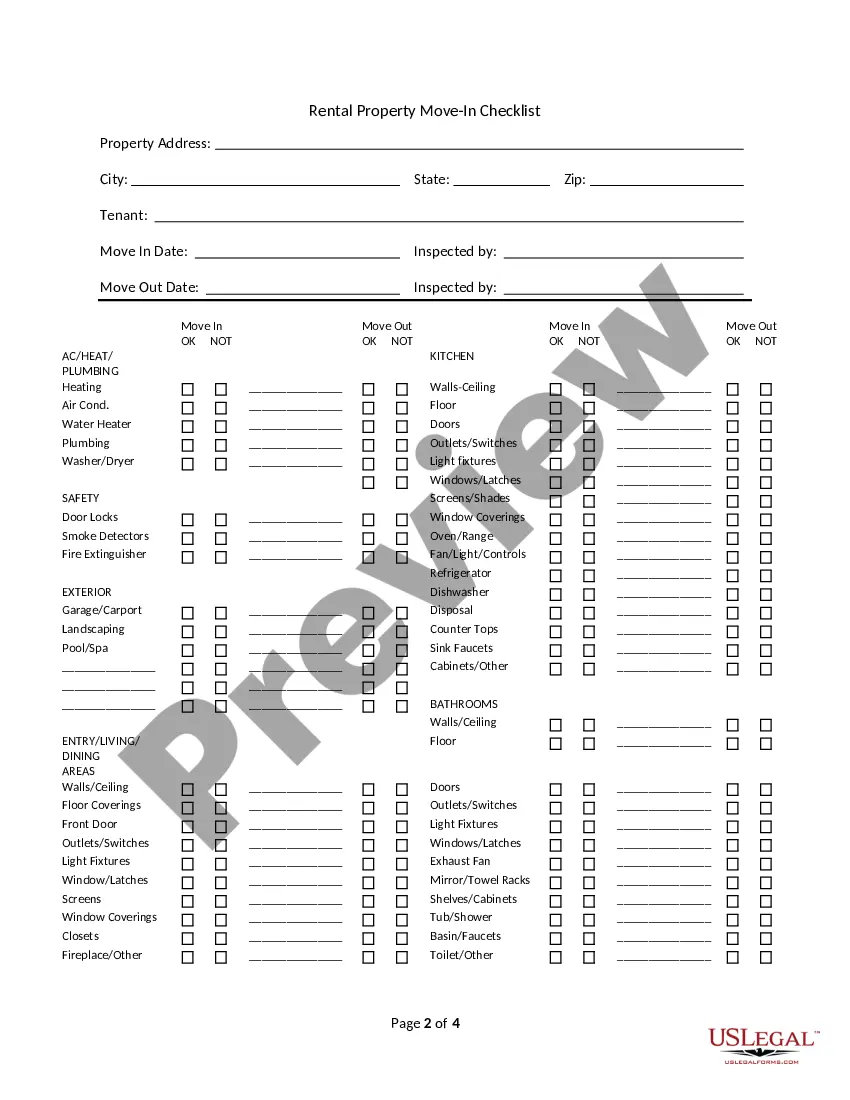
Landlords usually check for damages, cleanliness, missing items, and whether the place smells fresh. They’ll keep an eye out for things like leaky faucets or stains on the carpet, so it’s best to have those sorted out.
To get ready for the inspection, tidy up your space! Clean every nook and cranny, patch up any holes in the walls, and make sure the place looks the way it did when you moved in. A little elbow grease goes a long way!
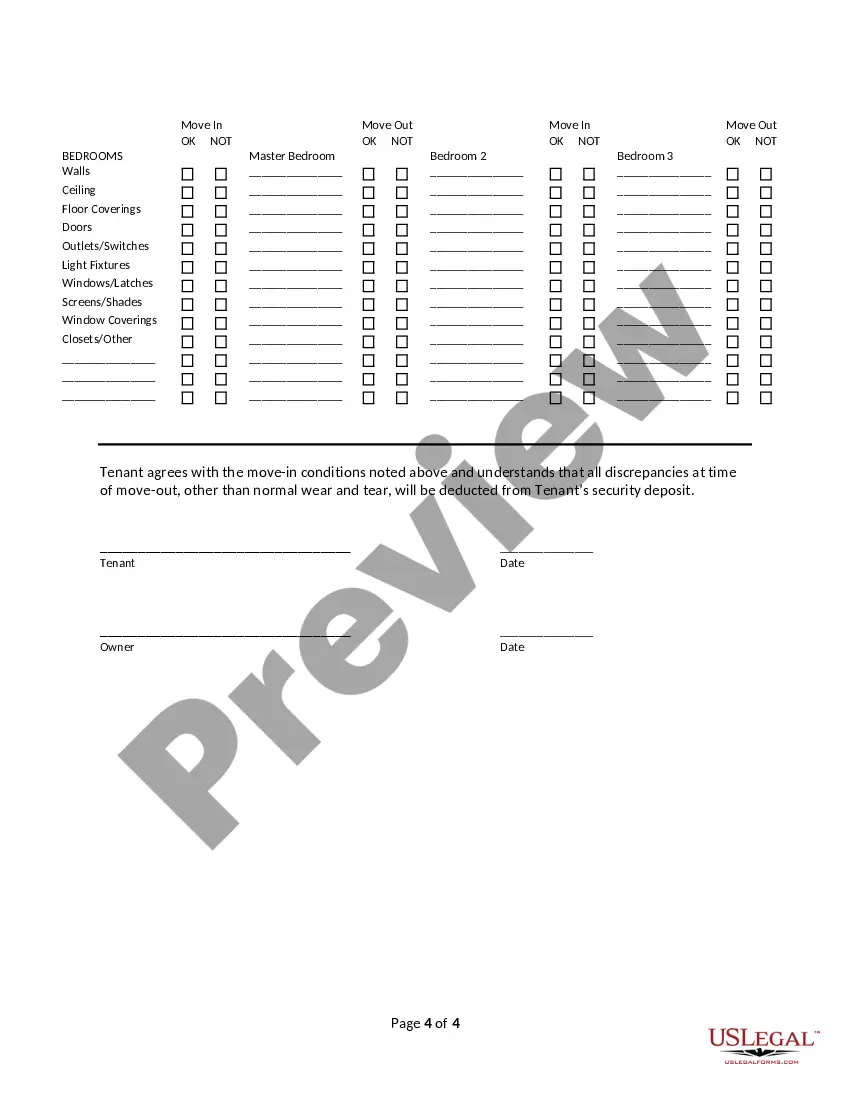
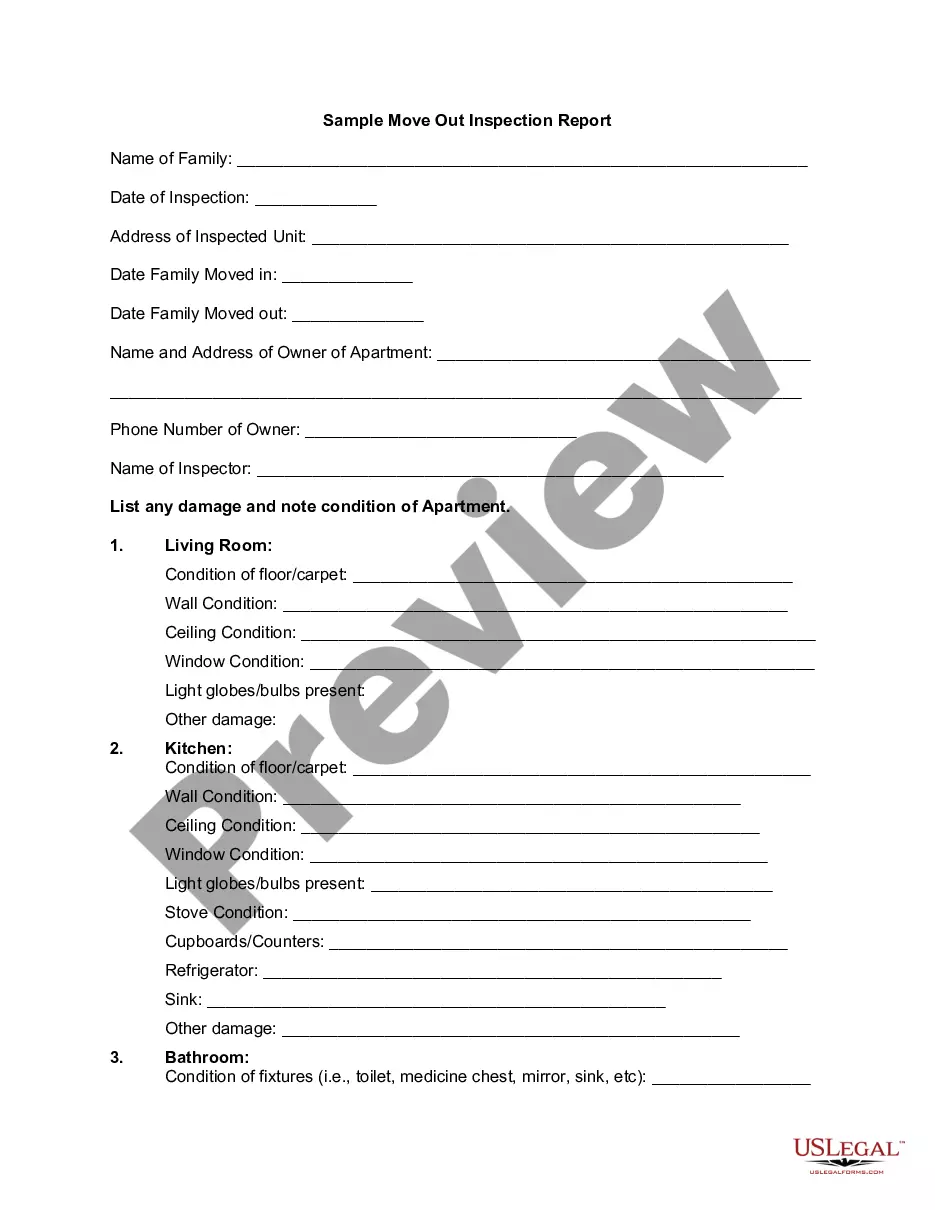
During a vacating inspection, the landlord or property manager will check for any damages and make sure everything is in tip-top shape. They’ll look at walls, floors, appliances, and more to see if anything needs fixing before you hand over the keys.