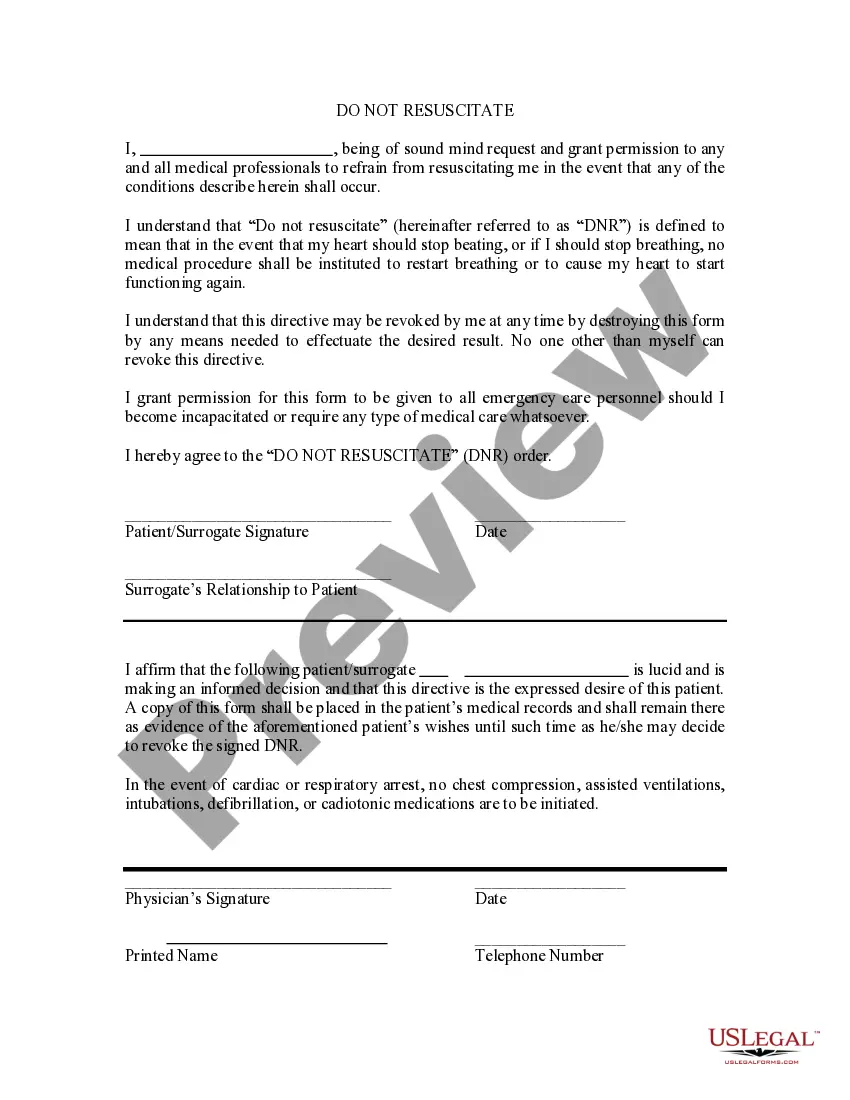
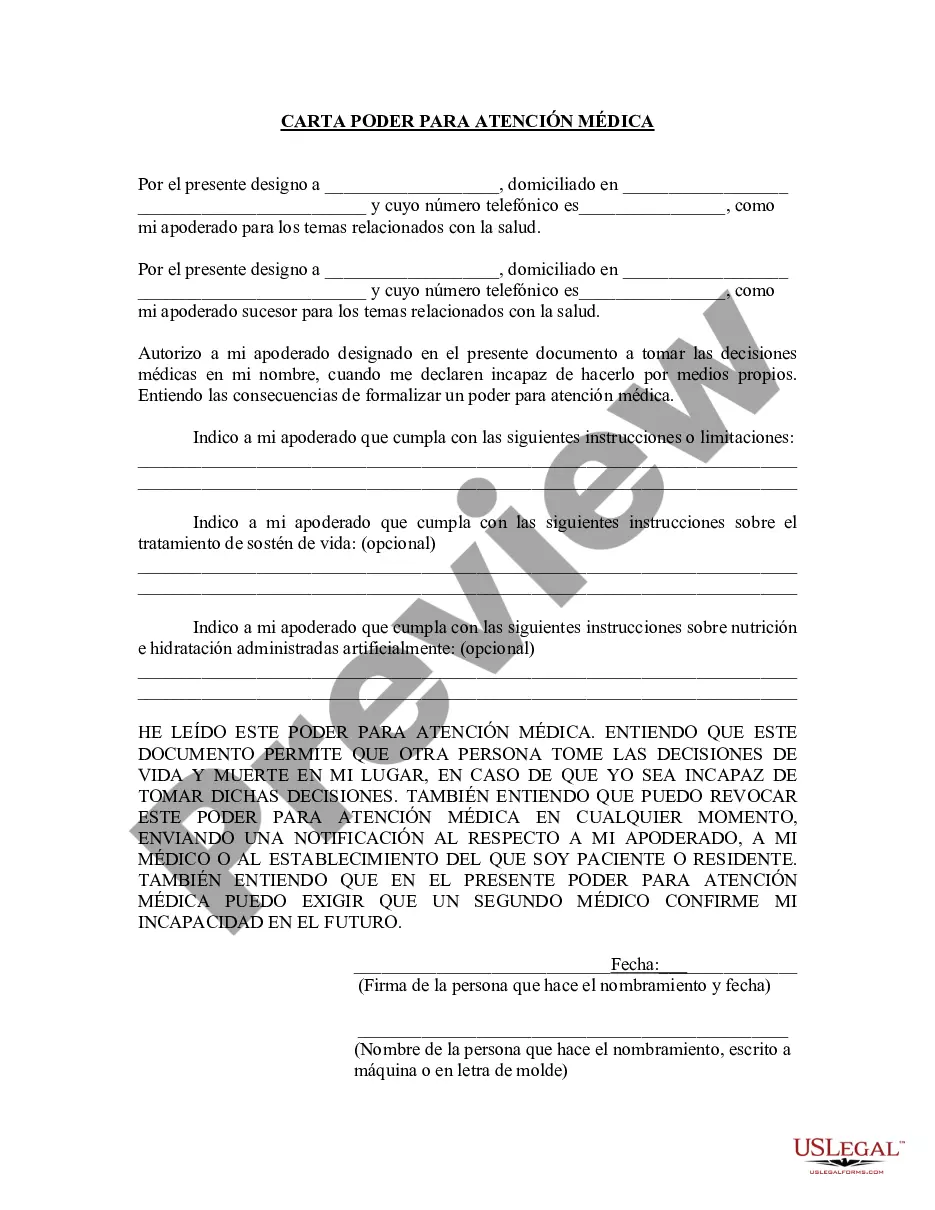
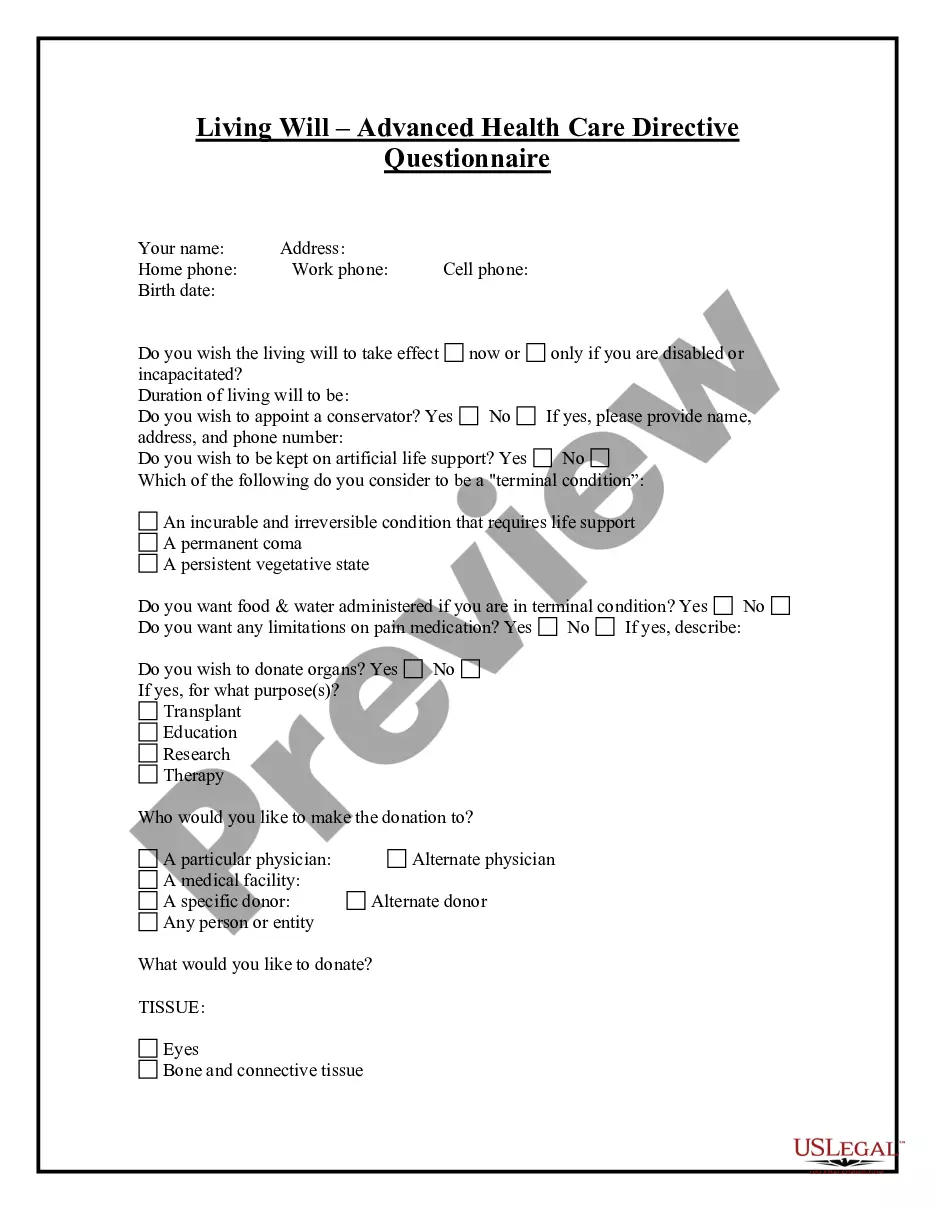
This is a form initiated by a patient requesting that he/she not be resuscitated should he/she stop breathing or should his/her heart stop beating. This form is also to be signed by a physician attesting to patient's wishes and to be placed in the patient's file.
It’s best to keep a copy of your DNR order in a place where your family and healthcare providers know to look, like on the fridge or in your wallet.
In general, if a valid DNR is in place, family members cannot override it unless they have been given legal authority to make such decisions.
If you decide you want to cancel or change your DNR, you can do so by letting your doctor know and updating your documentation accordingly.
Once your DNR order is in place, it should be clearly noted in your medical records, and healthcare providers are required to honor it.
Yes, a healthcare professional usually needs to be involved to ensure your wishes are documented properly and understood clearly.
Typically, a DNR request can be made by the patient themselves or by a legally authorized representative if the patient is unable to communicate their wishes.
A DNR order is a legal document stating that you do not want to receive CPR or other life-saving measures if your heart stops beating or you stop breathing.