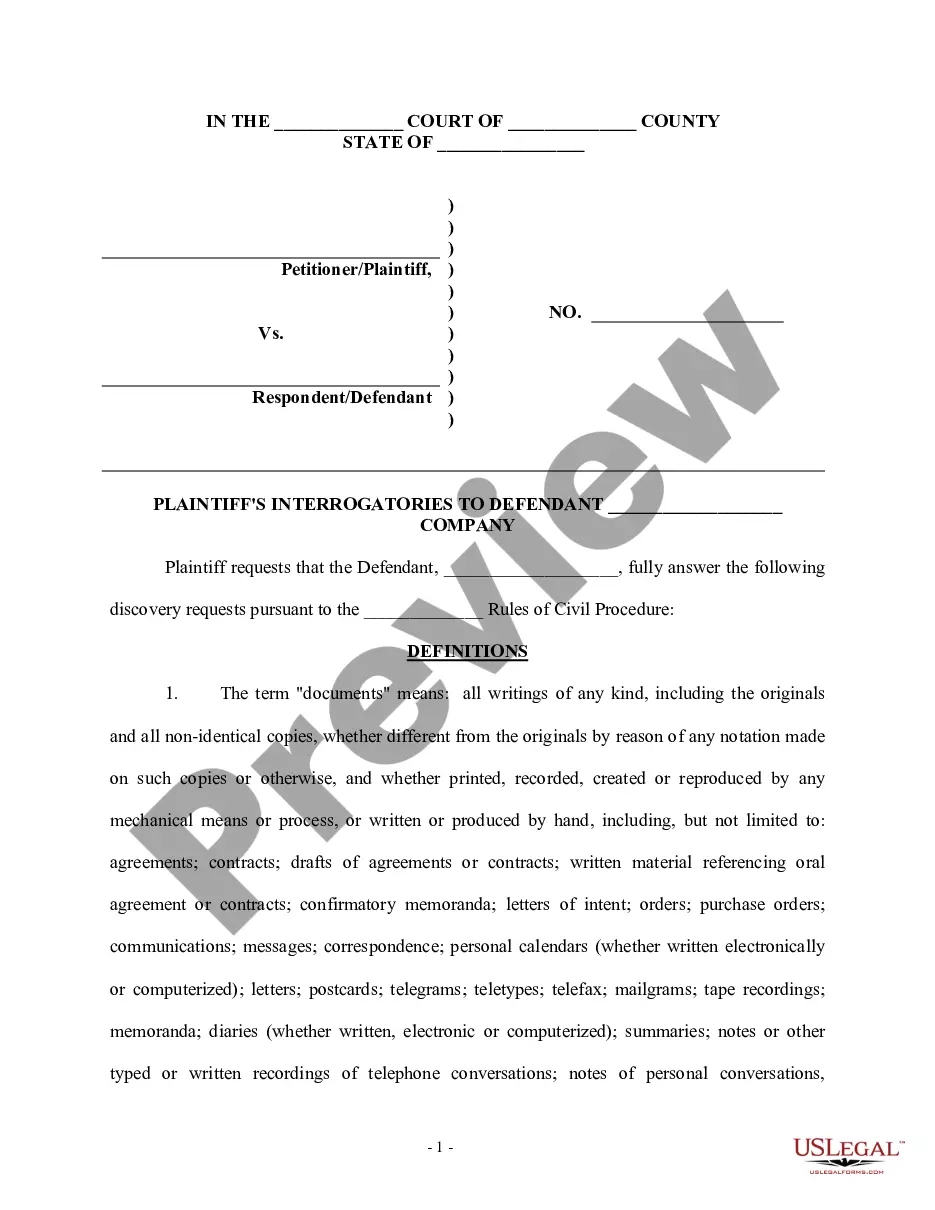
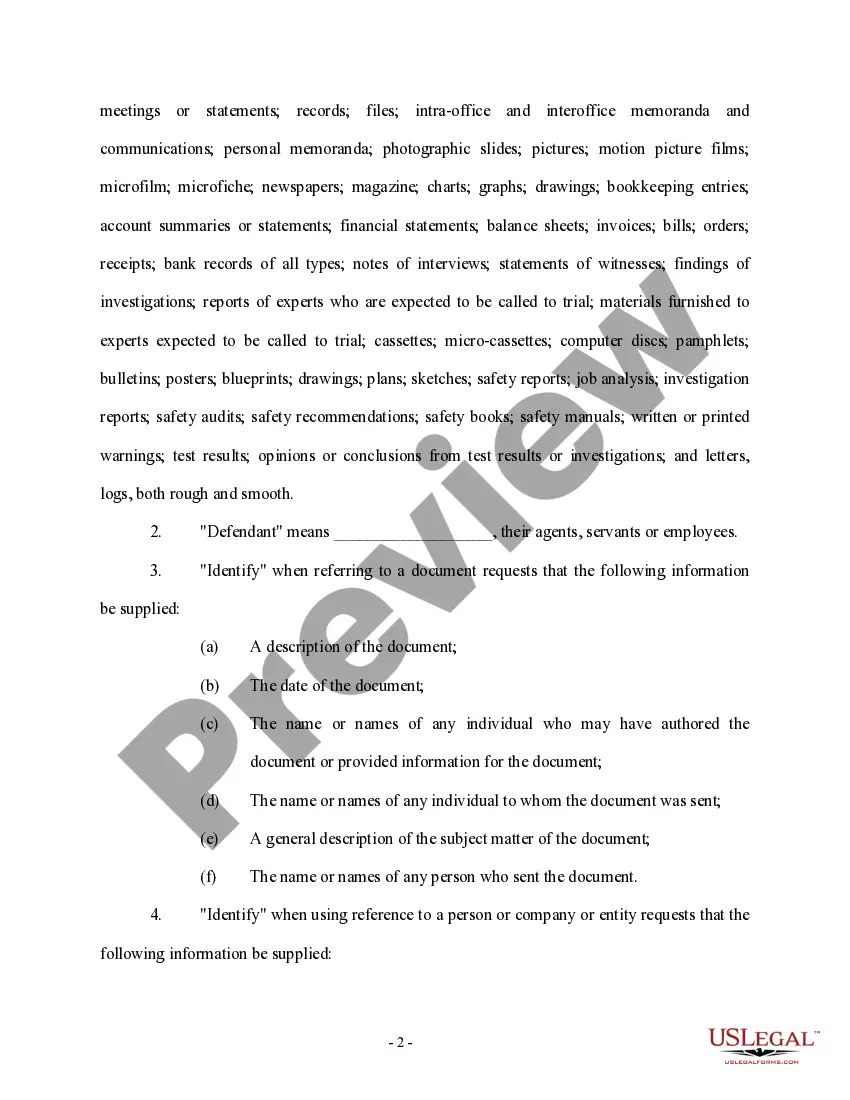
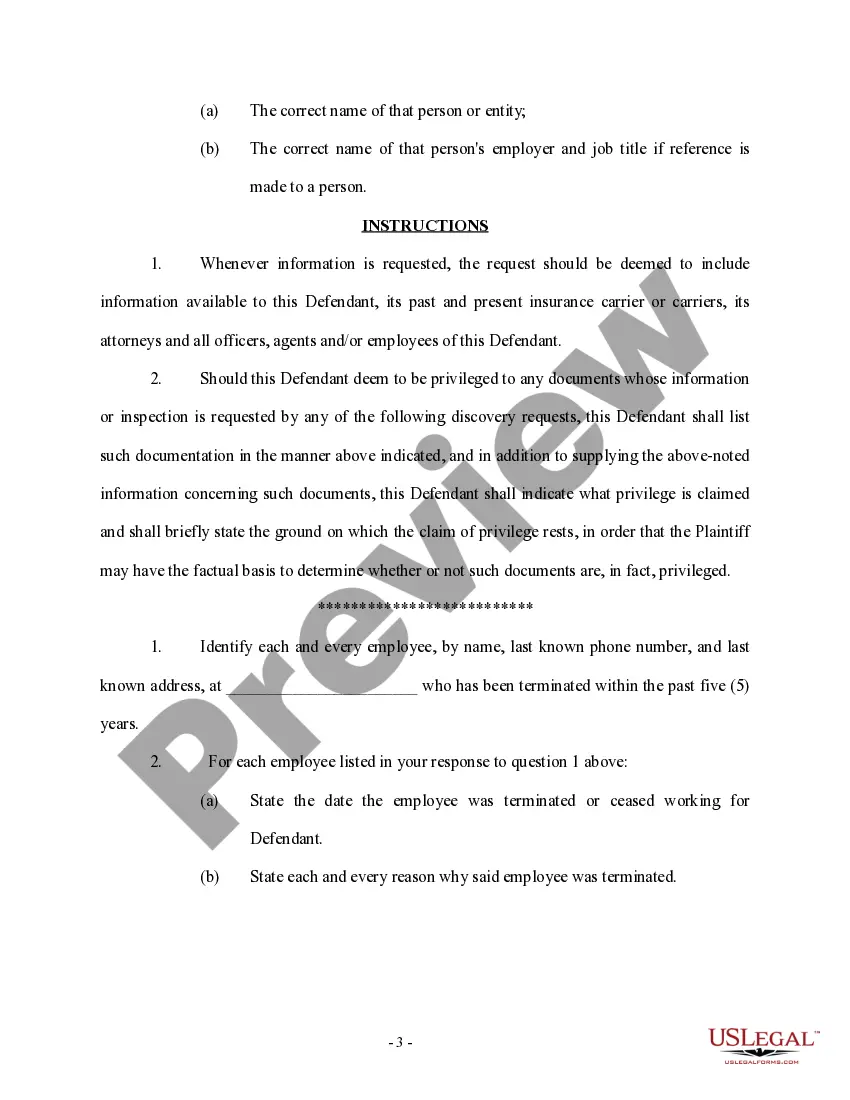
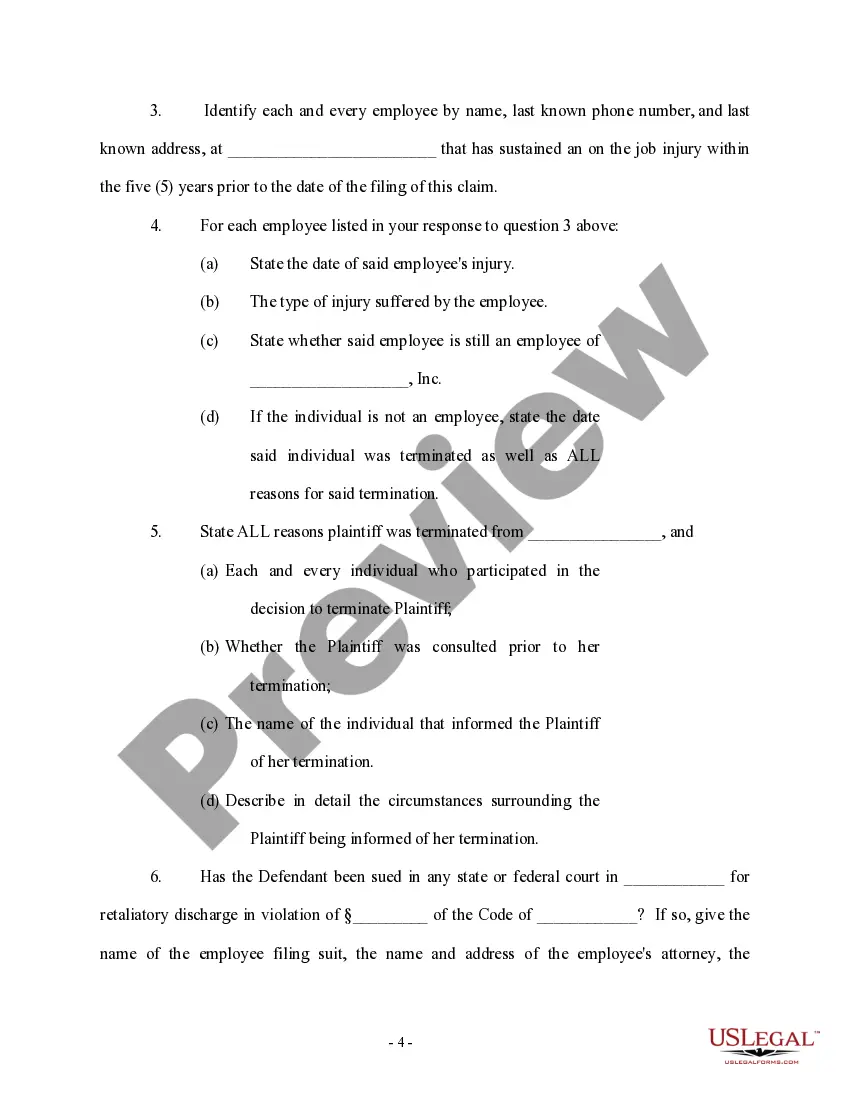
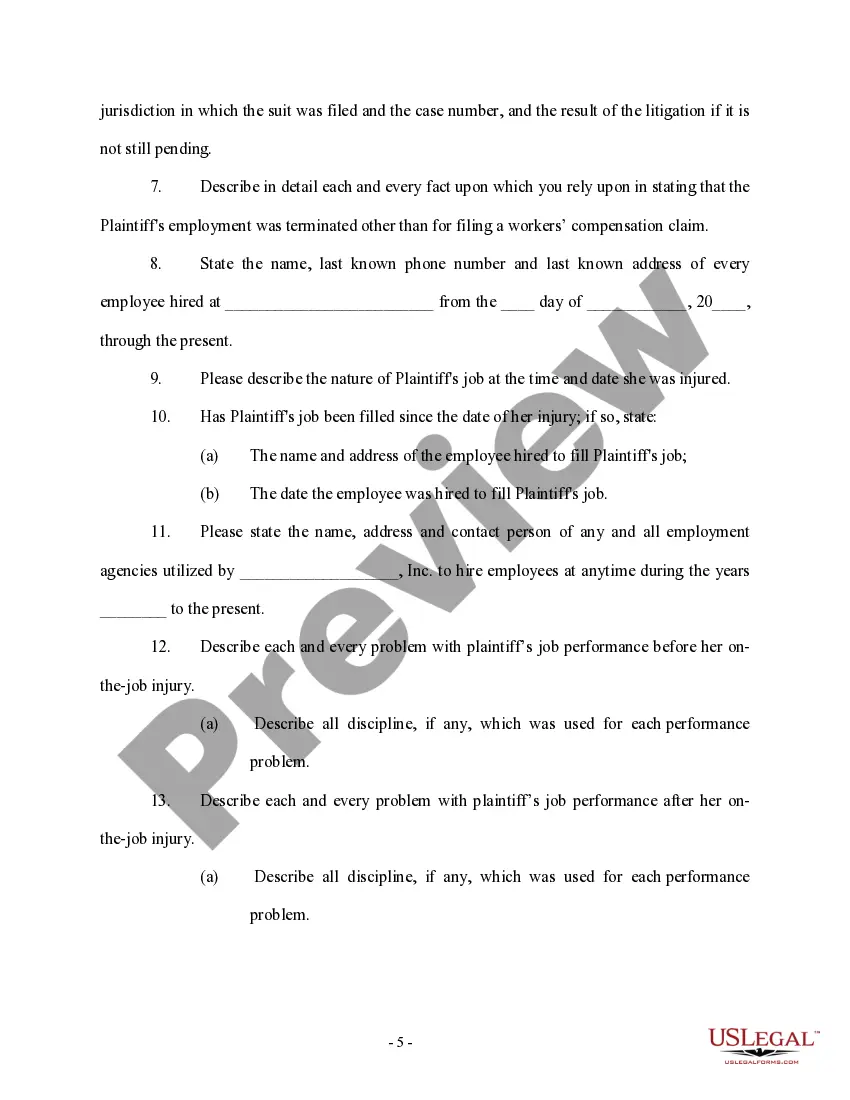
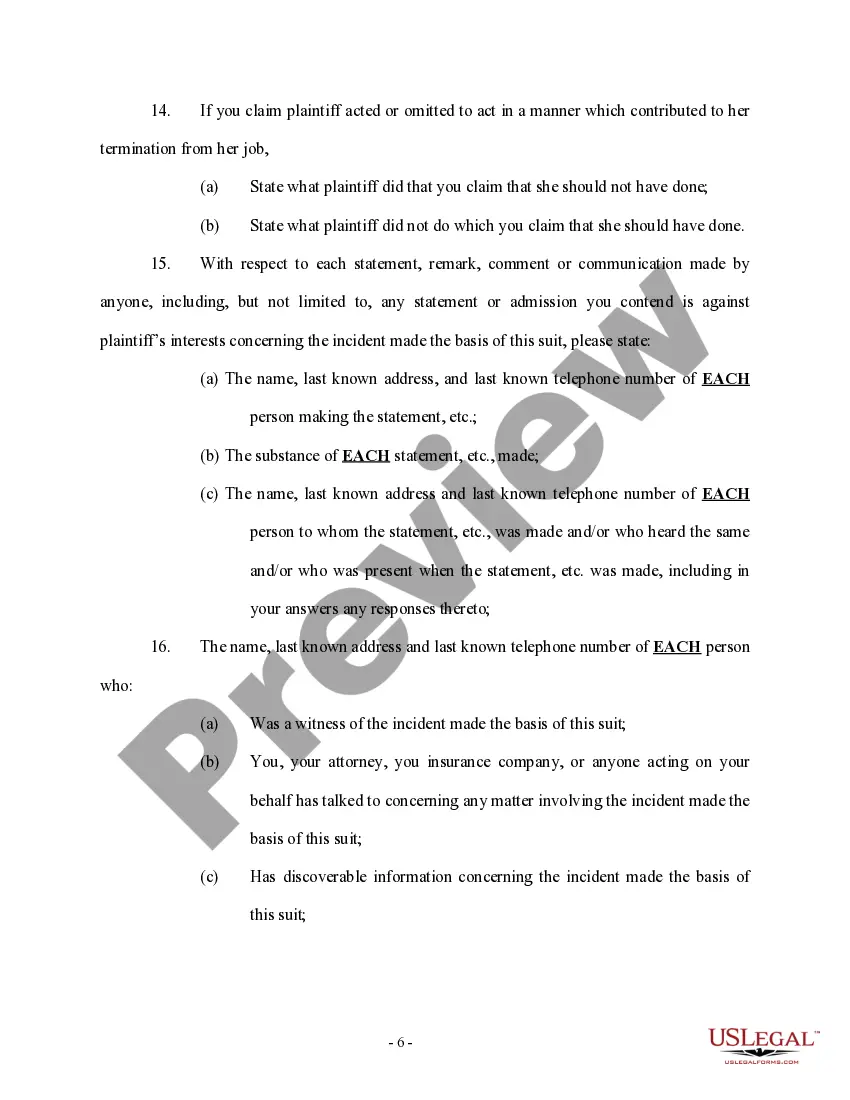
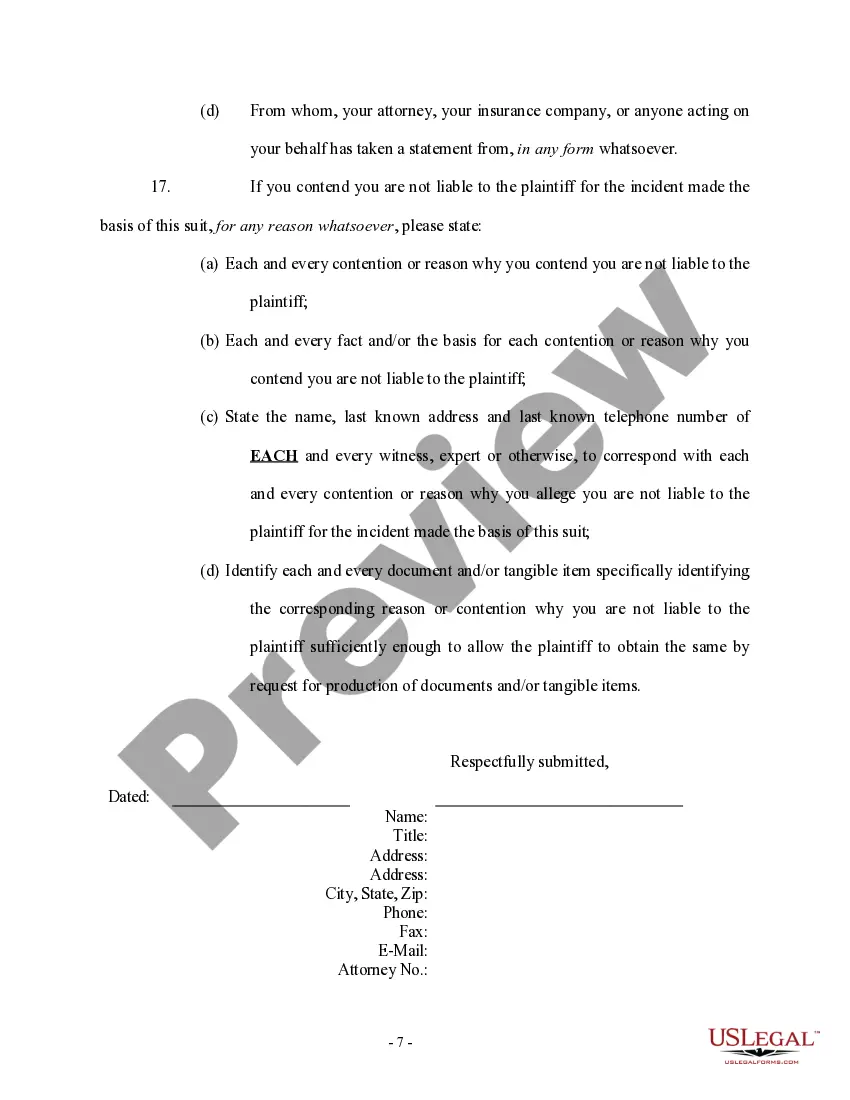
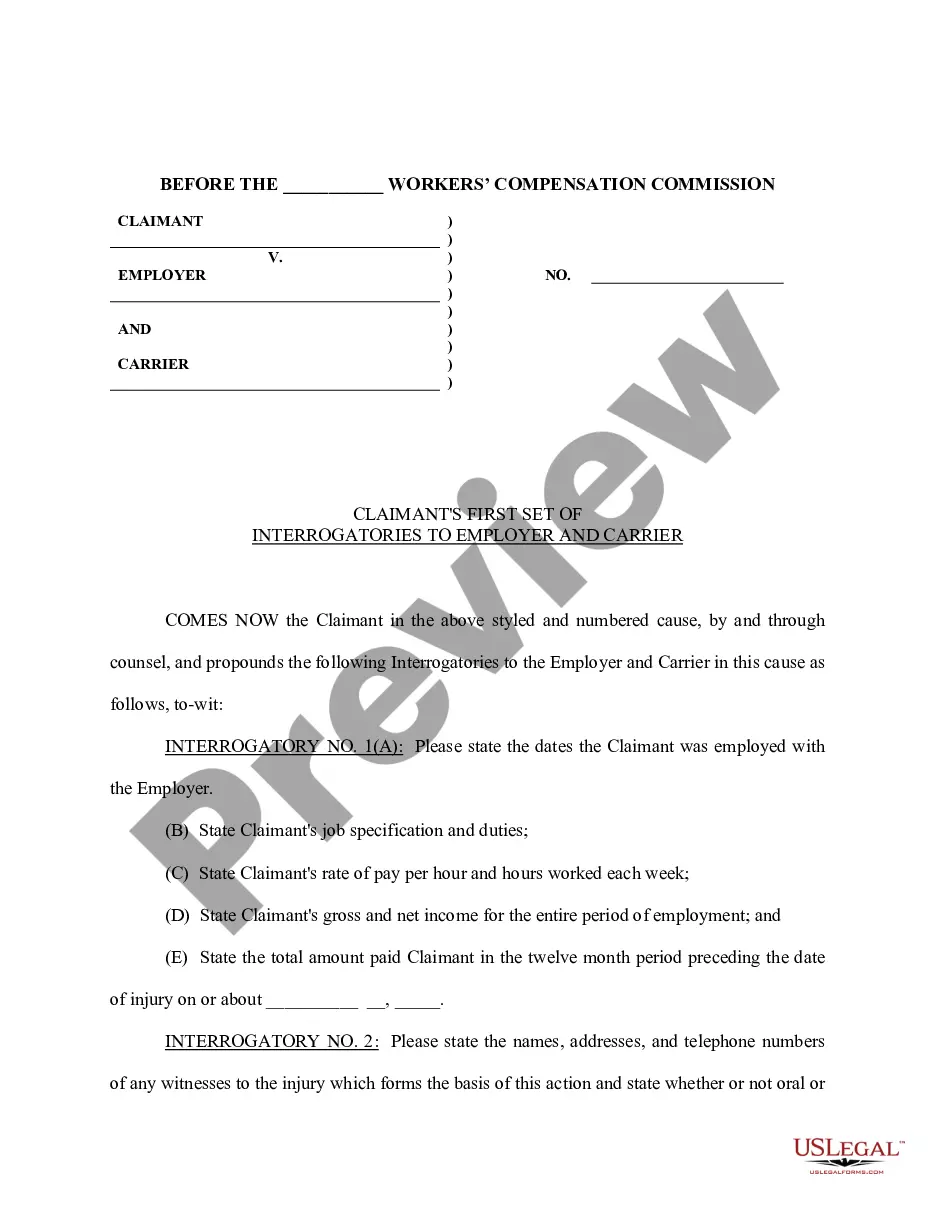
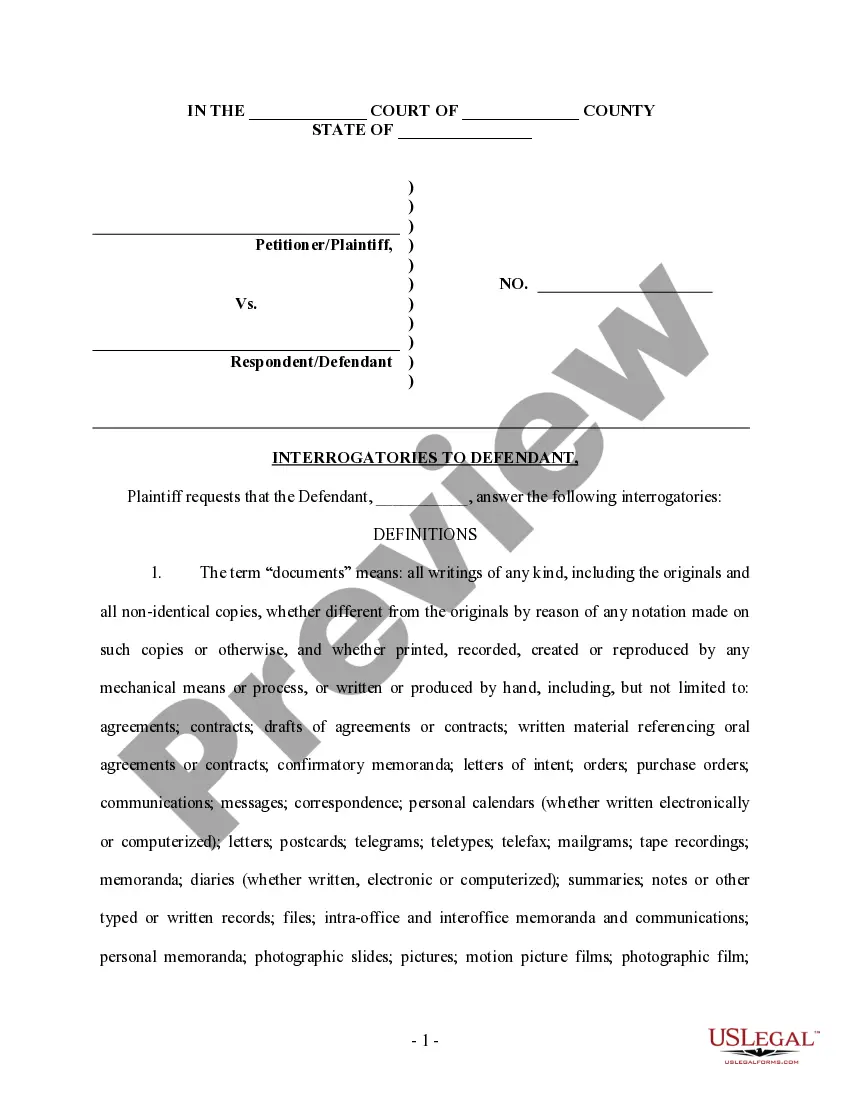
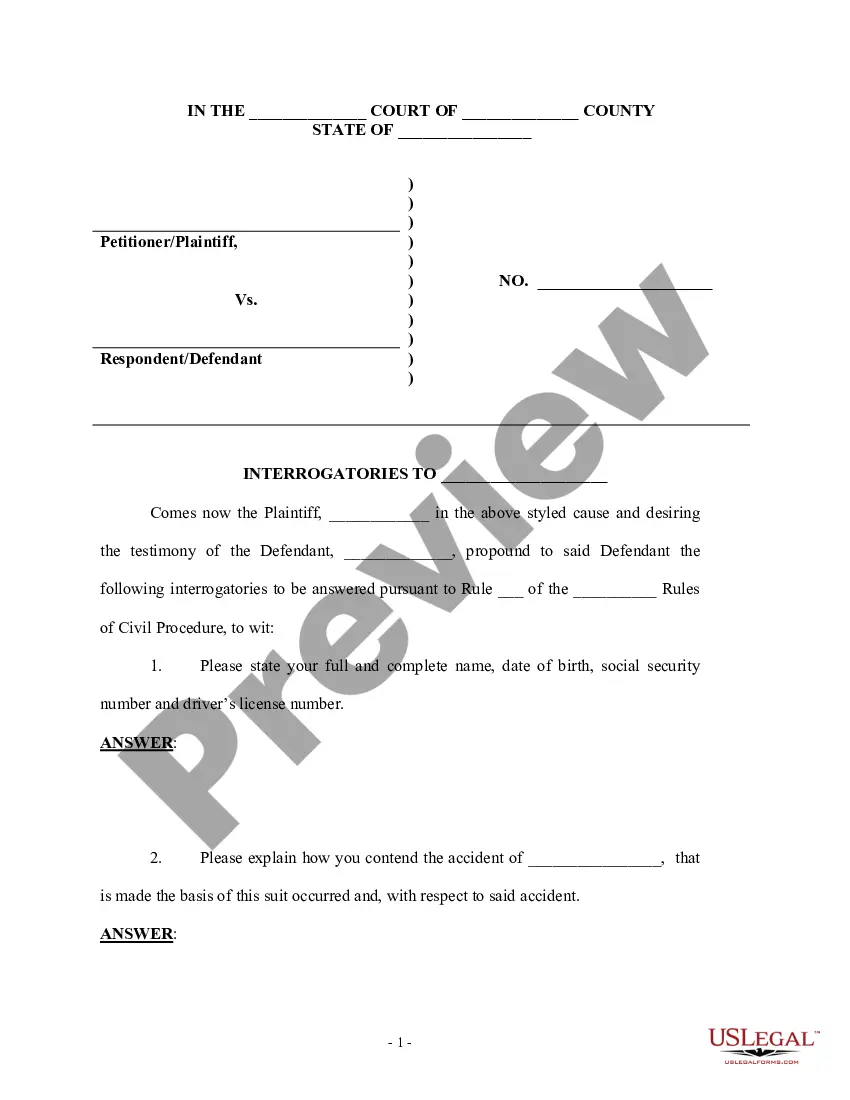
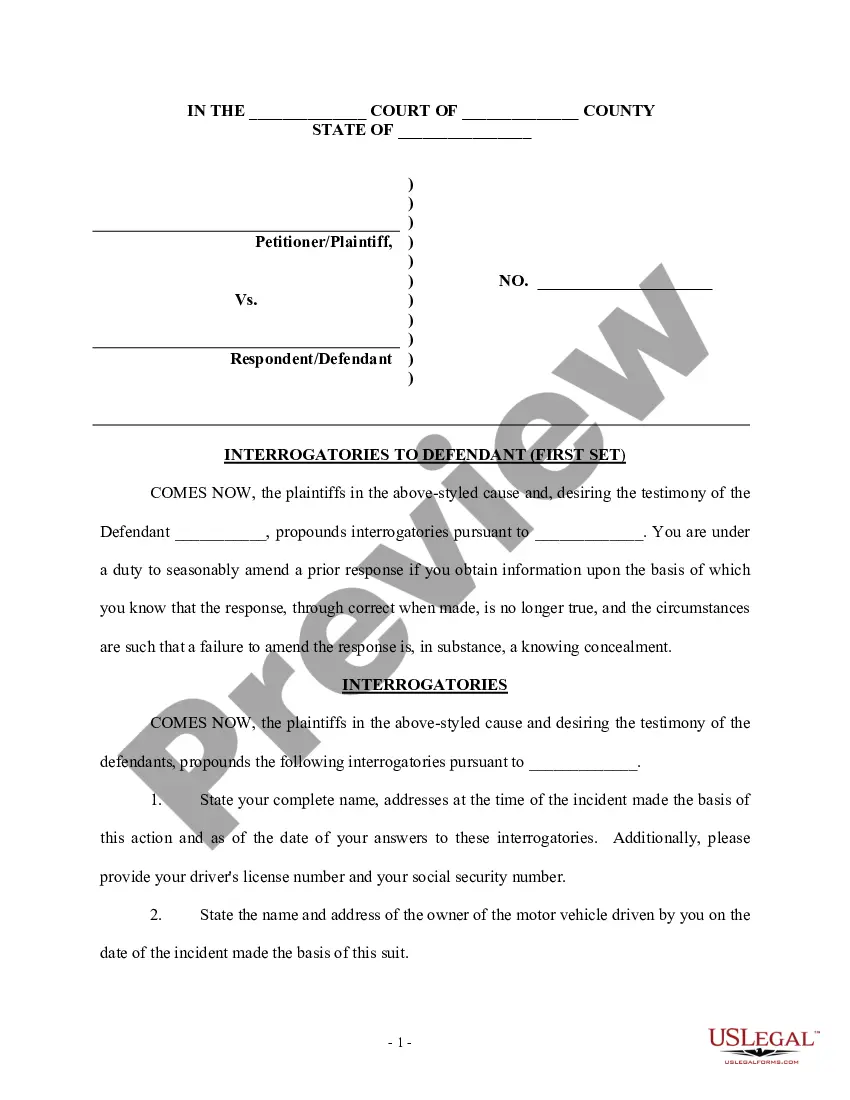
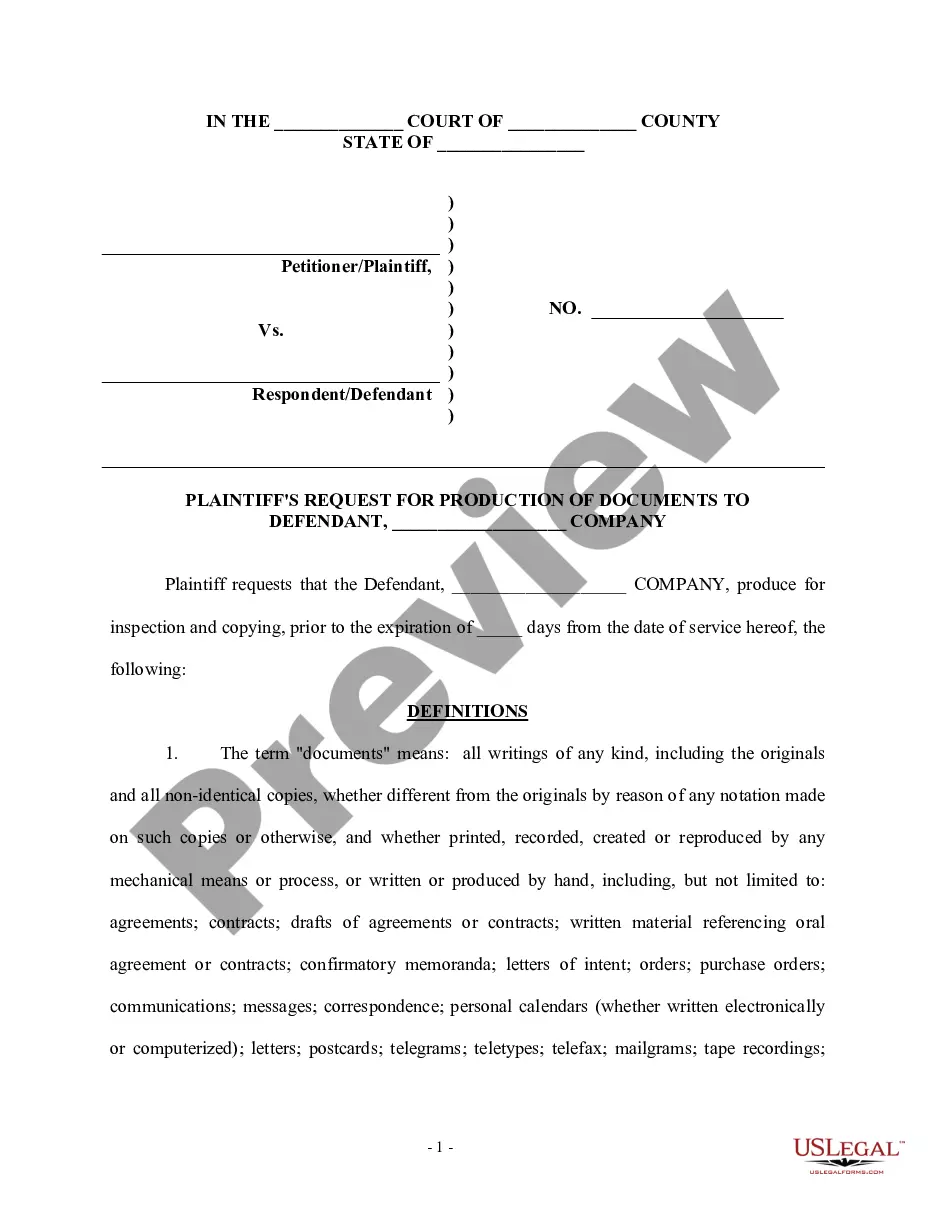
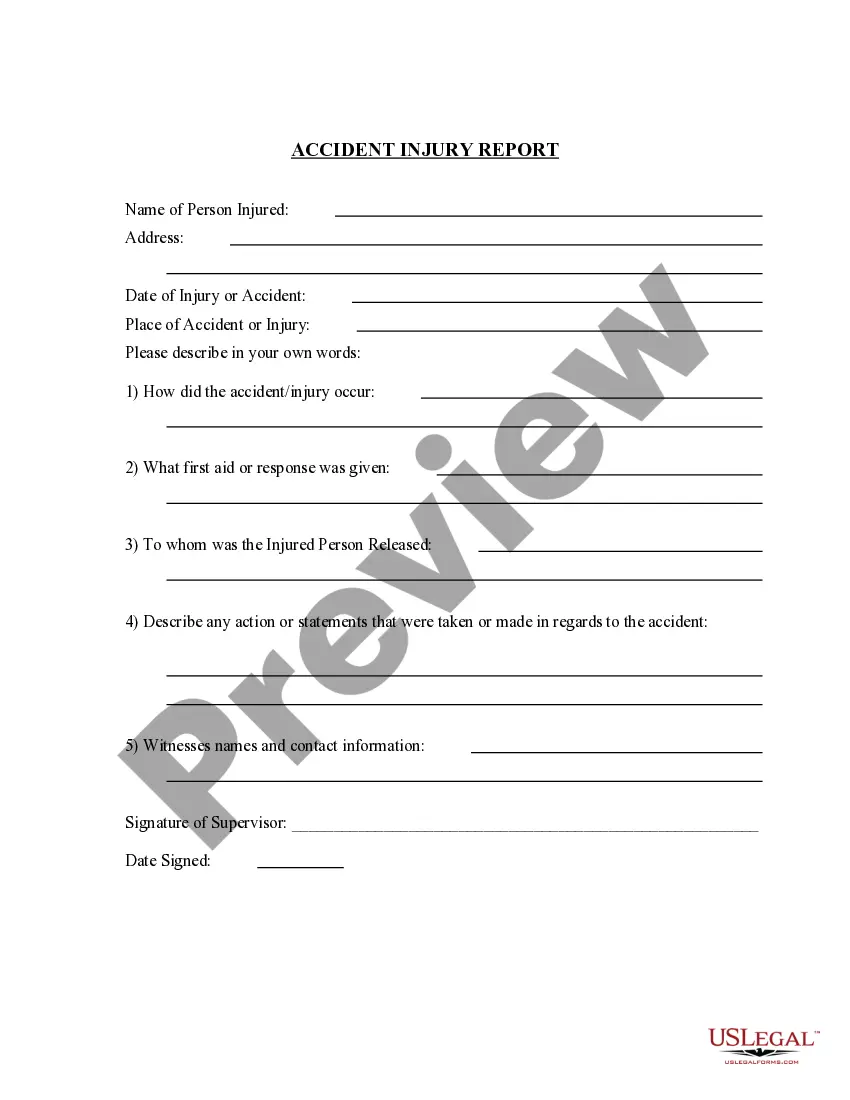
This form is a sample set of interrogatories submitted by the plaintiff to the defendant in a personal injury case involving claims of wrongful termination and failure to pay Workmen's Compensation benefits.
The clock usually starts ticking from the day of your firing, so it's best to get the ball rolling quickly and not wait too long.
When you respond, stick to the facts, be clear and concise, and make sure you provide any relevant information that supports your case.
Absolutely! You can still pursue a worker's compensation claim no matter your employment status, as long as the injury happened while you were on the job.
If your boss tries to get back at you for speaking up, document everything, as retaliation itself can be grounds for another legal claim.
Good evidence can include emails, recorded conversations, and any company policies that paint a picture of why your termination was unjust.
You can back up your claim by showing evidence like performance reviews, witness statements, and any written policies that were violated.
If you think your firing was unfair, it's a good idea to gather all your documentation, like emails and your employment contract, and talk to a worker's rights lawyer.