Typically, you have around 30 days to respond, but check the local rules or ask your attorney to be sure! Time flies when you're prepping those answers.
Not responding can cause serious trouble for your case. The other side might file a motion to compel you to respond, and you could face penalties or even dismissal of your case.
Generally, yes. You must answer the questions you're able to answer. However, if you feel a question is inappropriate, you should definitely talk to your lawyer about it.
Yes, but you need a solid reason. If a question is too broad or not relevant, you may raise an objection. Just be sure to explain your reasoning clearly.
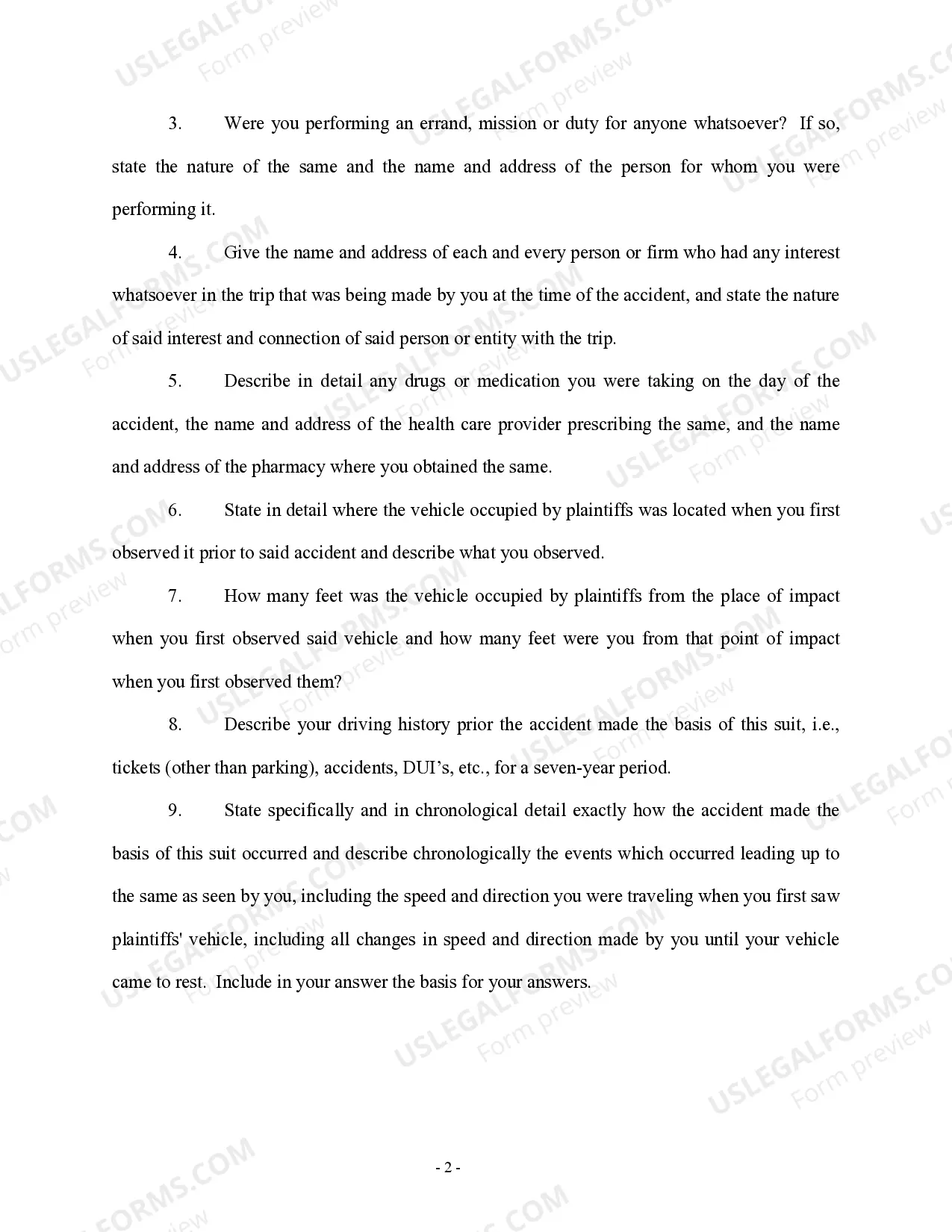
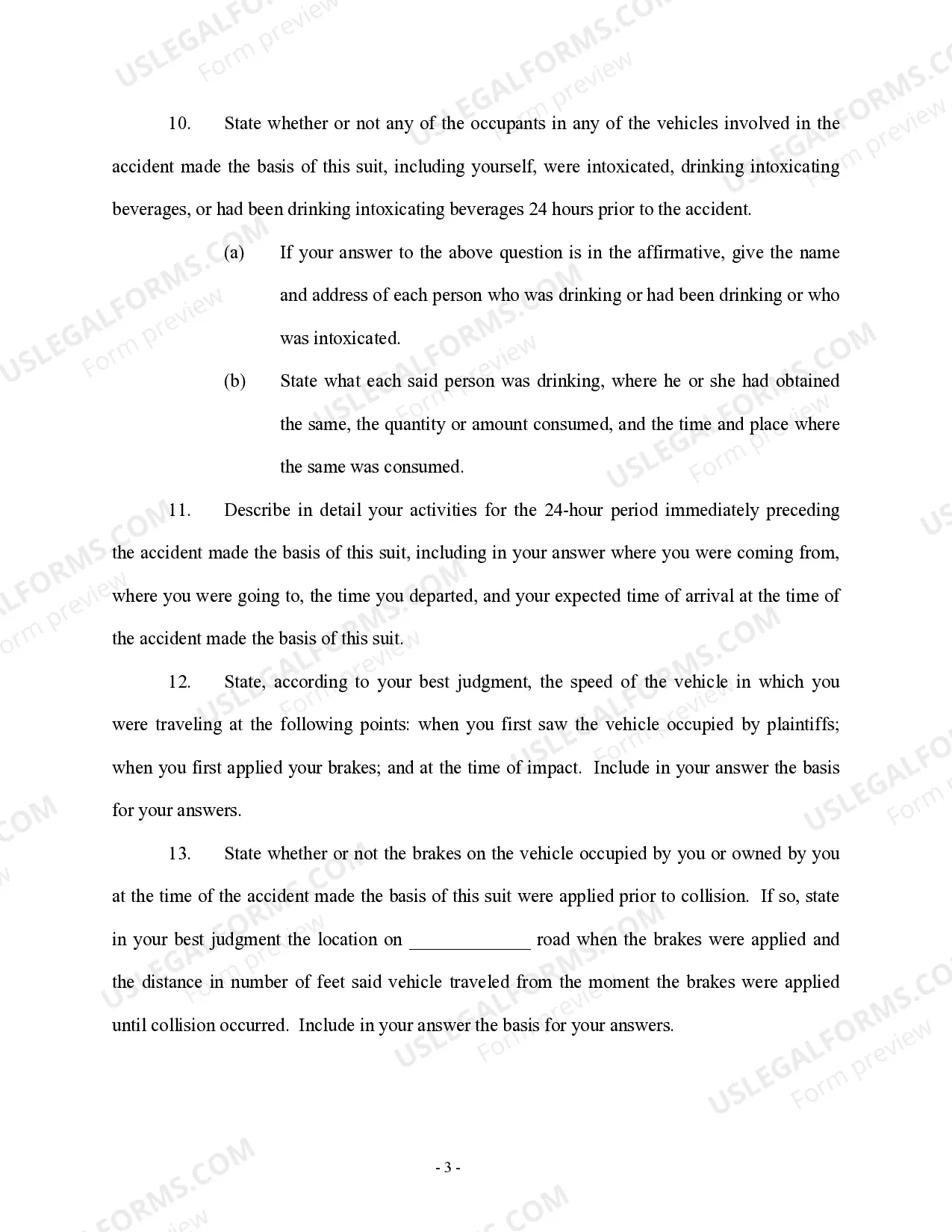
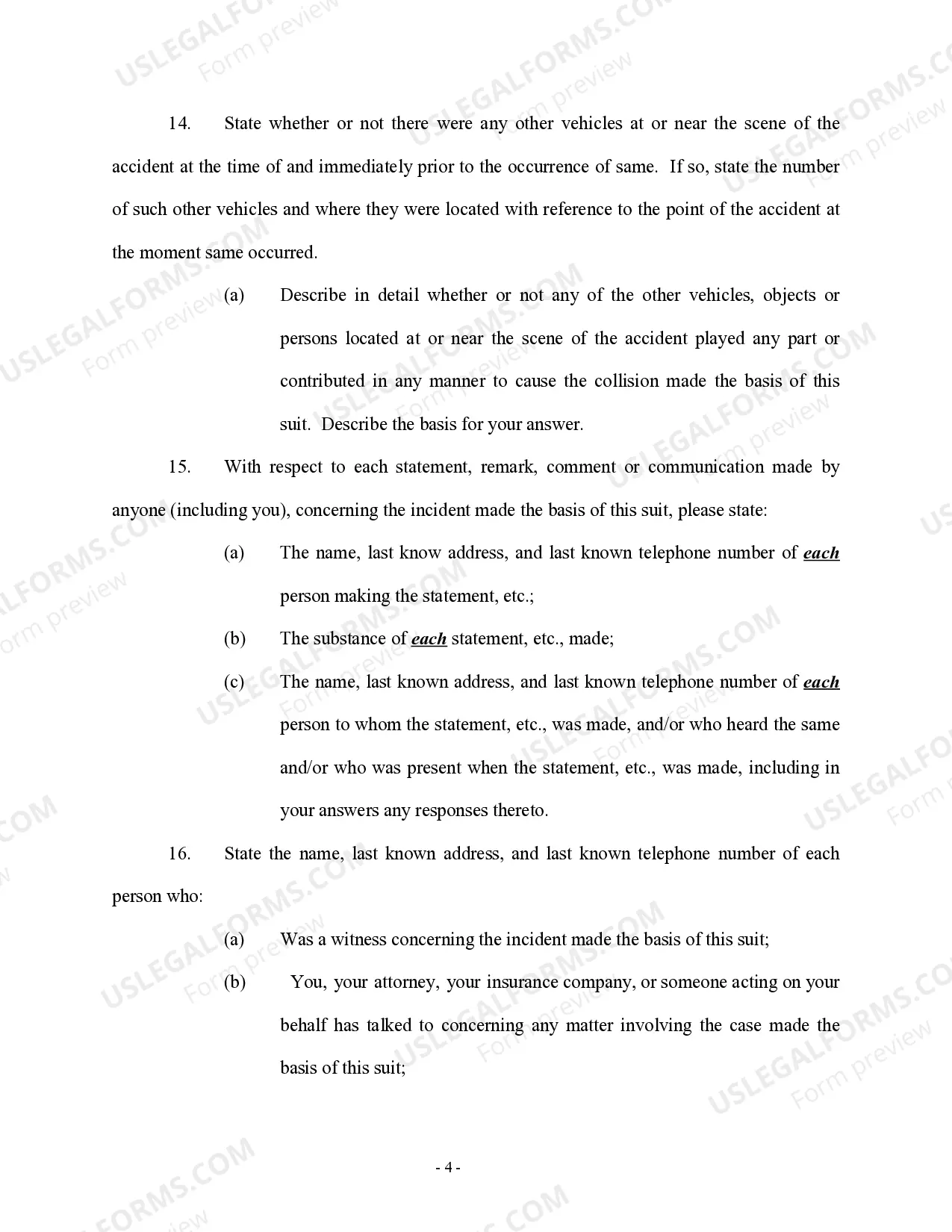
You can expect questions about your personal background, the incident in question, medical history, and any witnesses or evidence you may have. It's like opening a book about the case!
You need to answer each question honestly and completely. Take your time, and if you're unsure about something, it's alright to seek legal advice before submitting your answers.
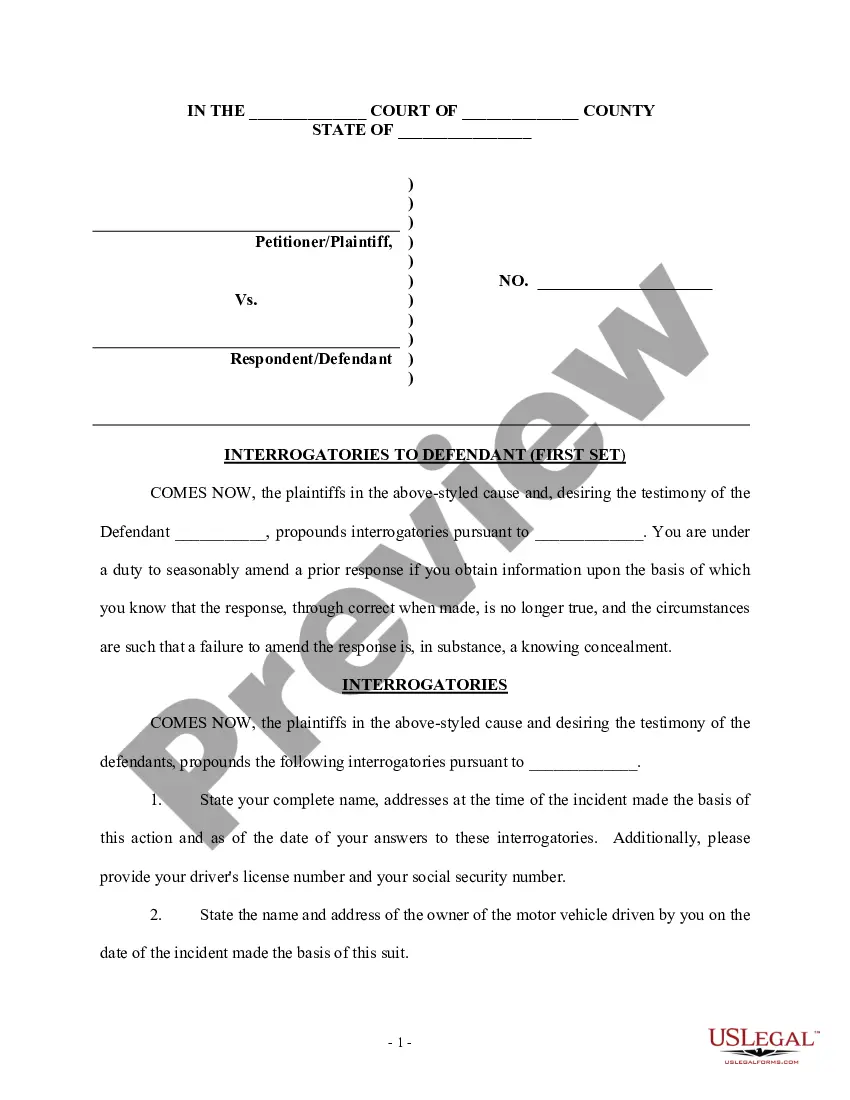
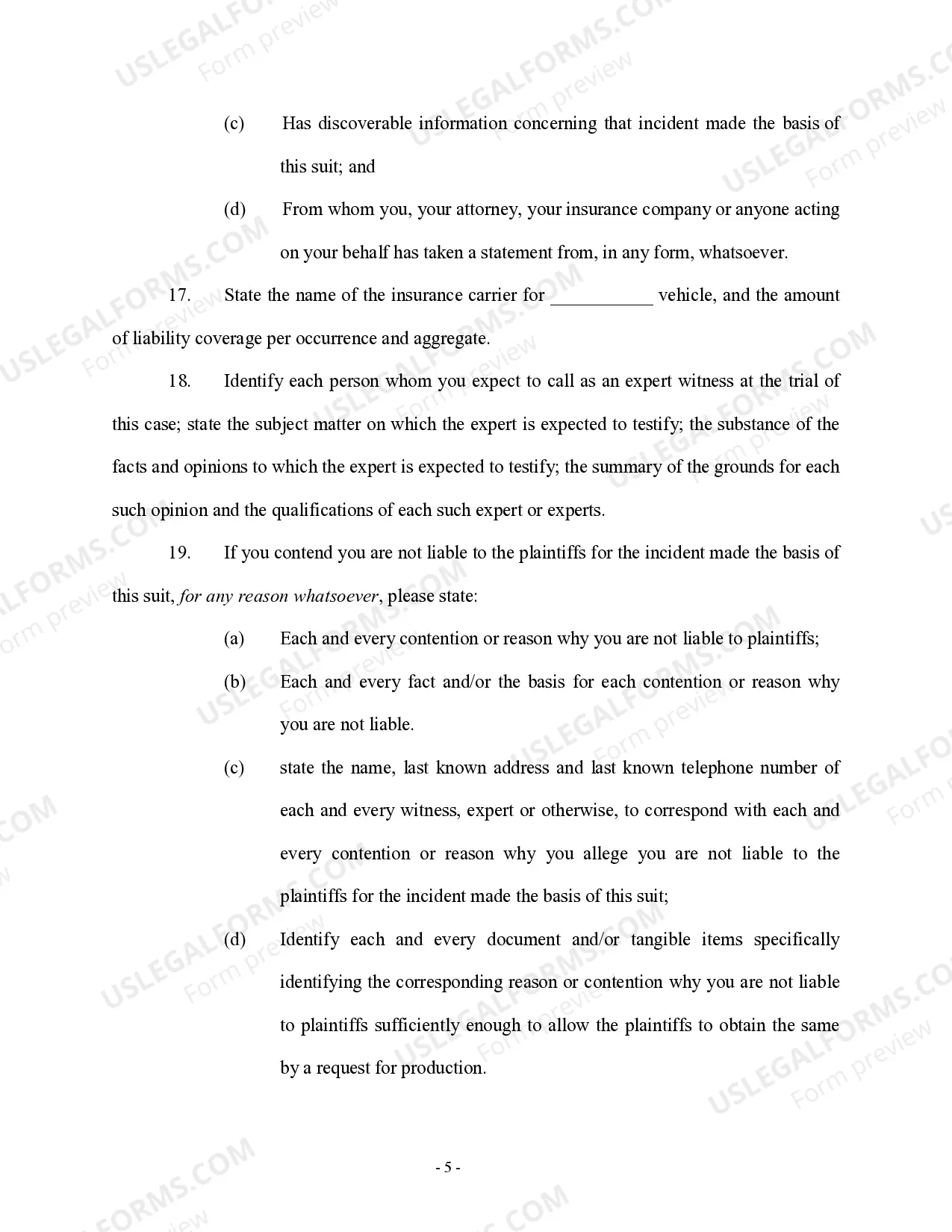
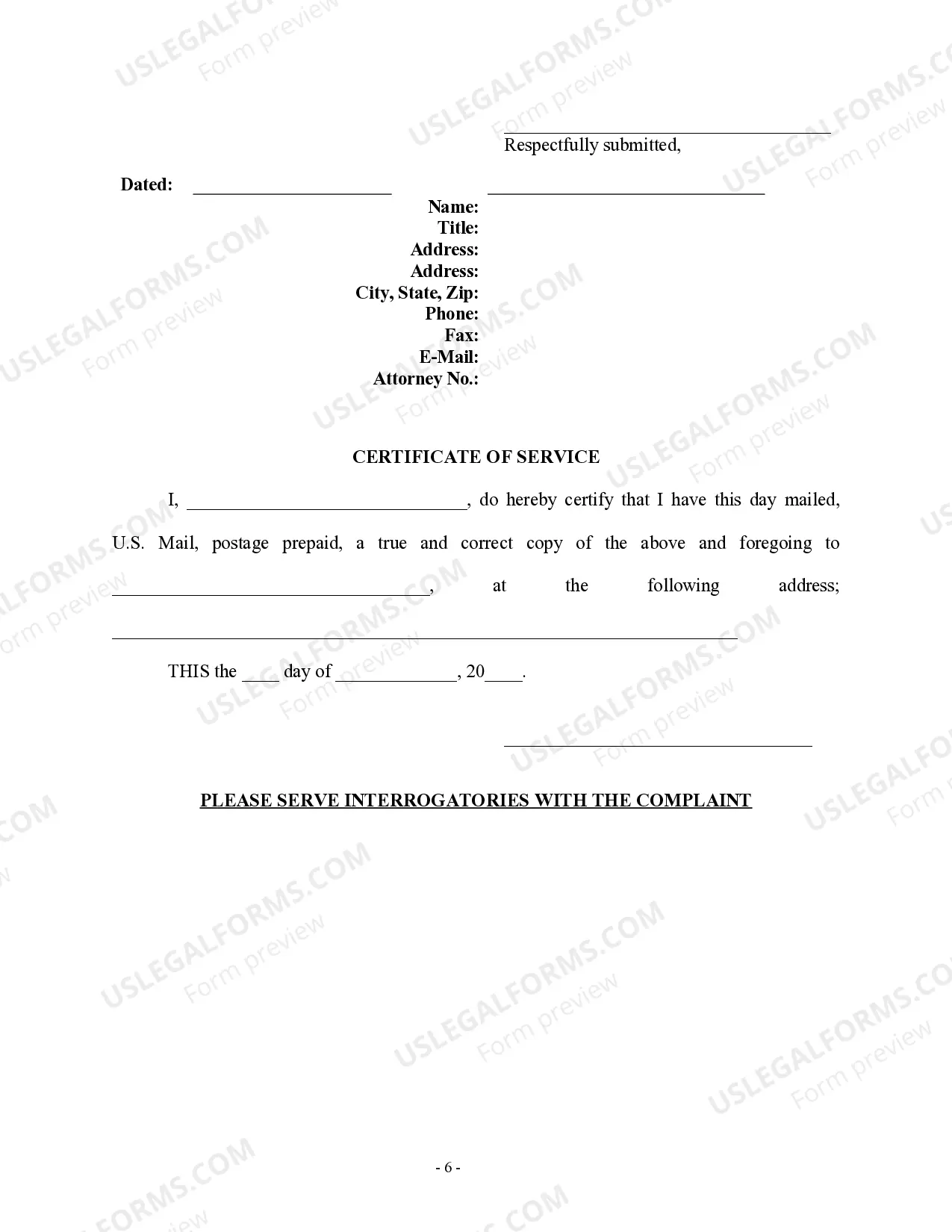
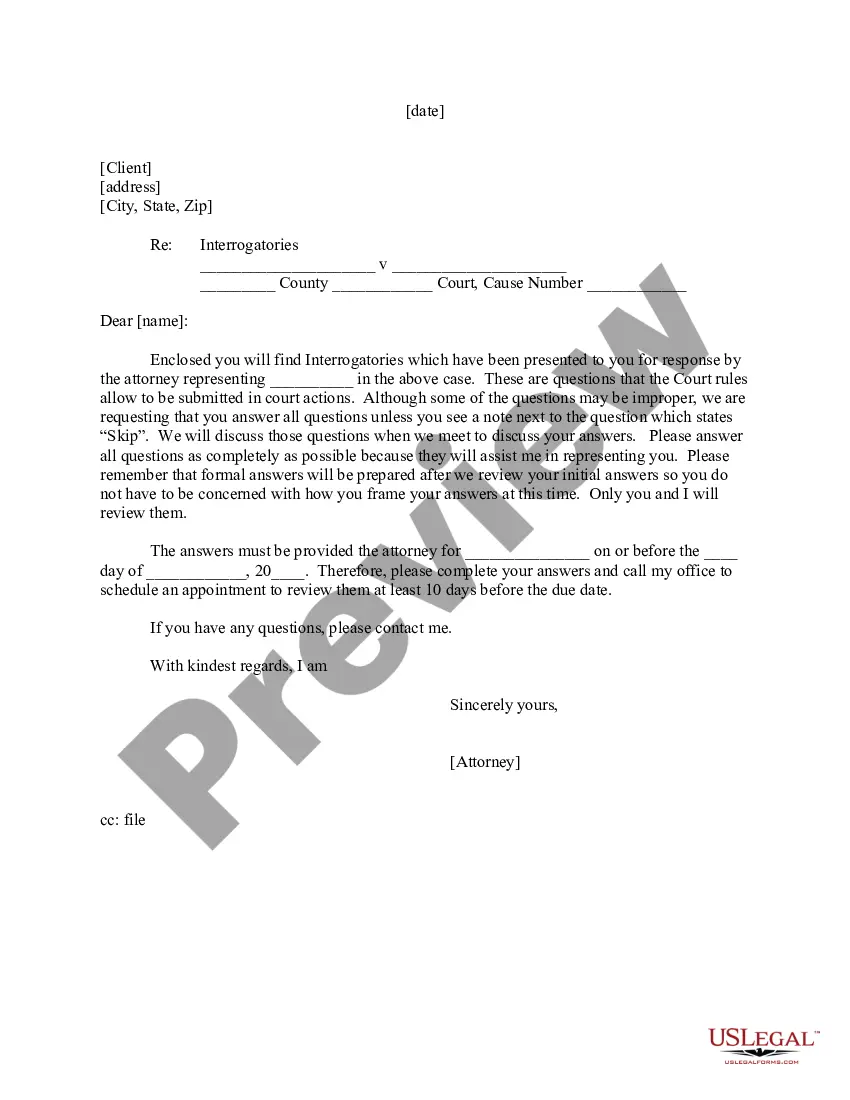
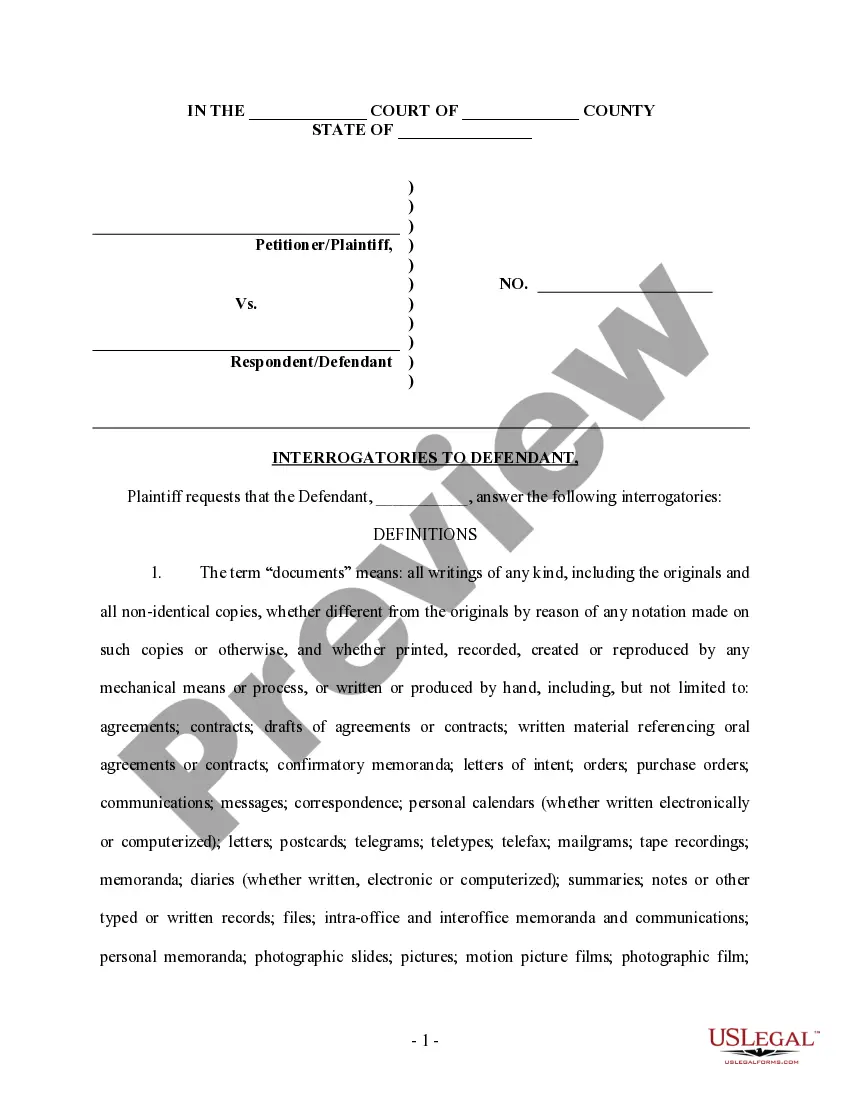
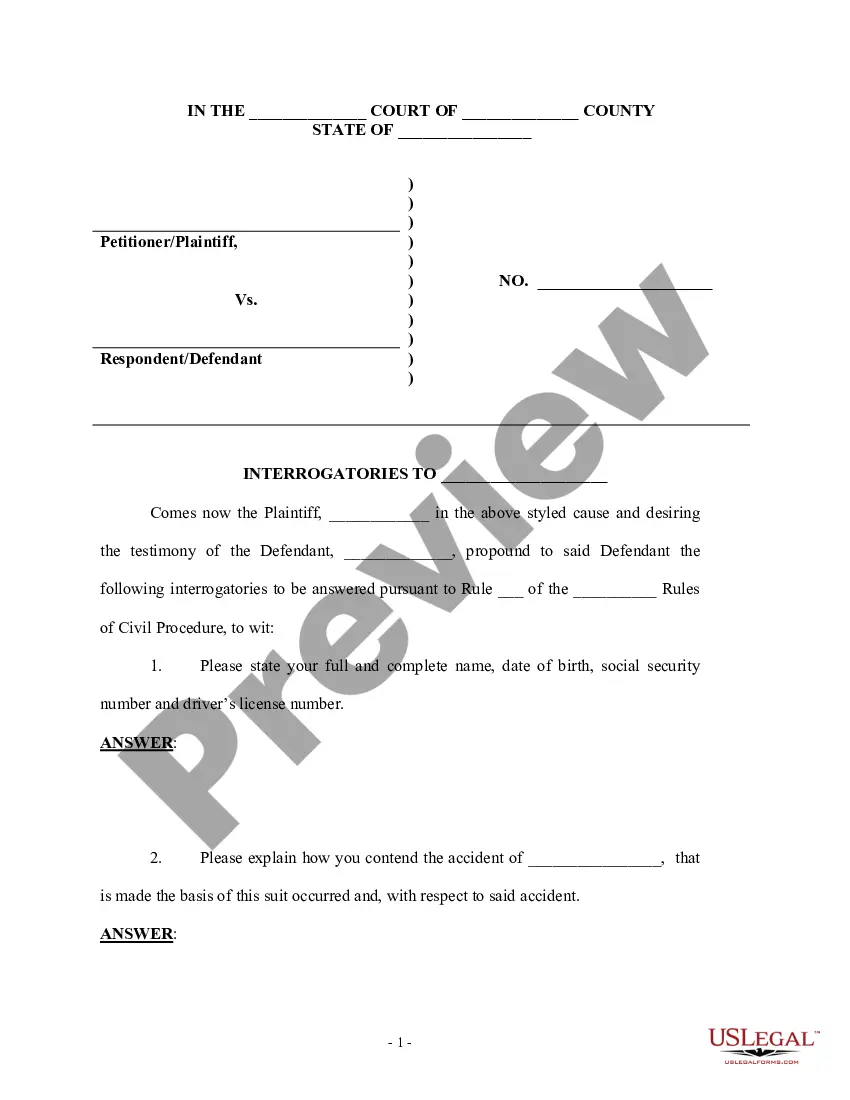
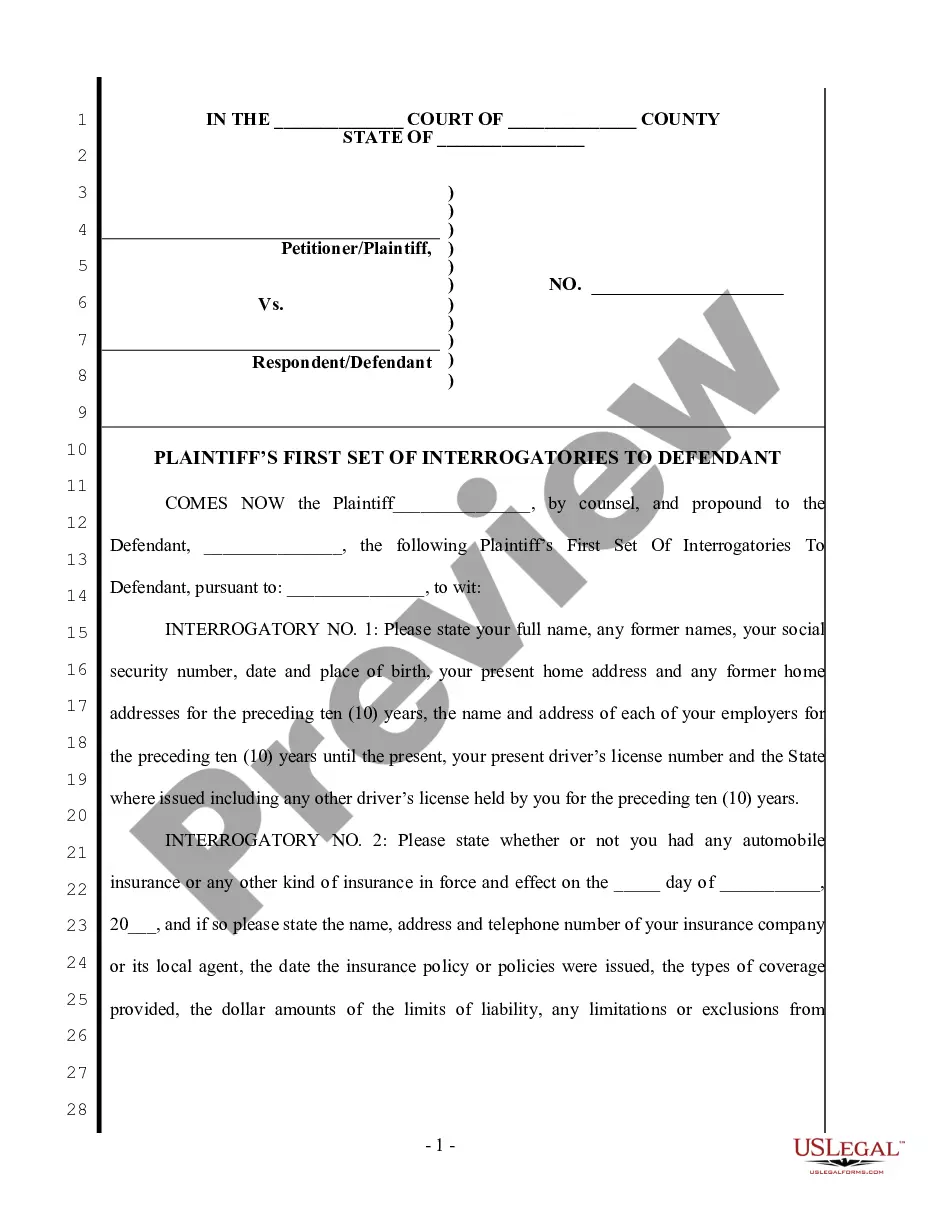
Interrogatories are written questions that one party sends to another party to gather information for the case. They're a way to dig deeper into the details of the case.