If you don’t respond, you could face legal consequences. The court might impose penalties, and it could hurt your case. So, it's best to take them seriously!
Yes, if you have a good reason, you can request an extension to respond. Just make sure to communicate with your attorney and the other party.
In Texas, you generally have 30 days to respond to the interrogatories after receiving them. It’s important to keep a close eye on those deadlines!
Yes, typically you need to answer them honestly and completely. However, if a question seems irrelevant or inappropriate, you can consult your attorney about how to respond.
You might see questions about the incident itself, your injuries, any medical treatments you’ve received, and even questions about your background. Basically, they want the full picture.
If you’re involved in a personal injury lawsuit, the defendant will send you interrogatories to understand your side of the story better. They want to clarify the details and any claims you have made.
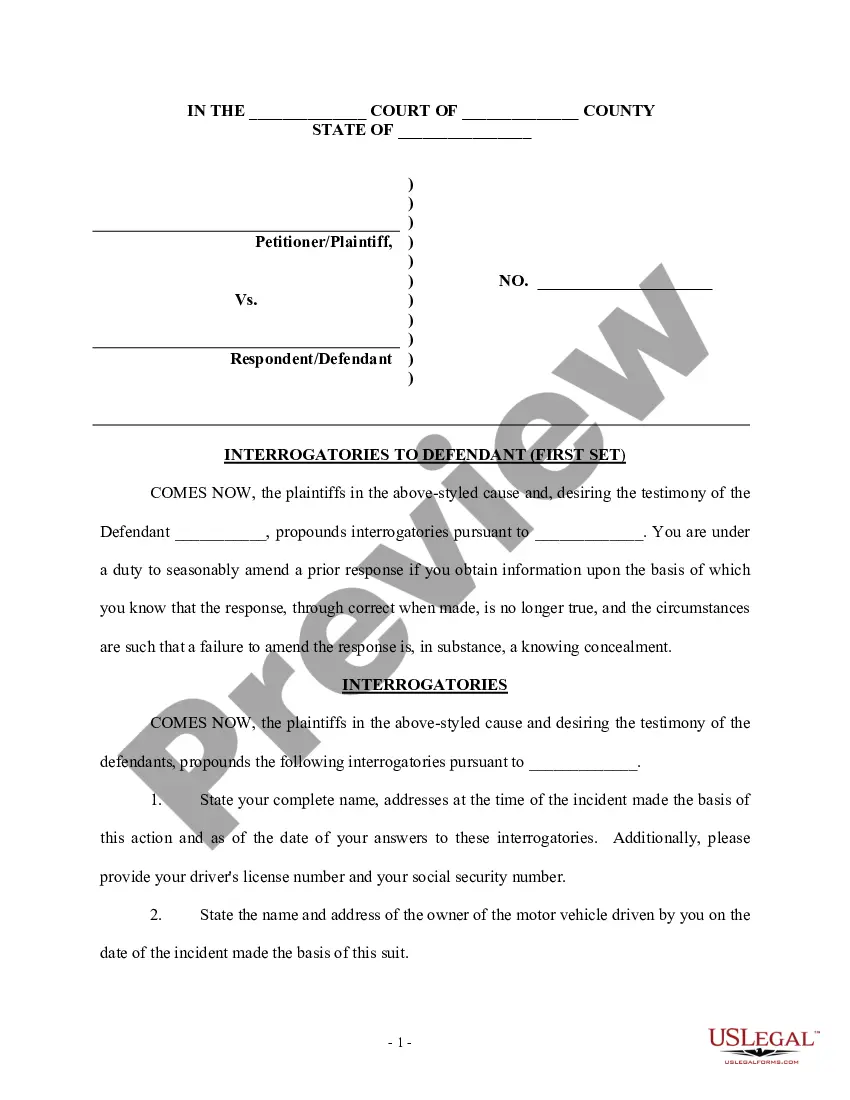
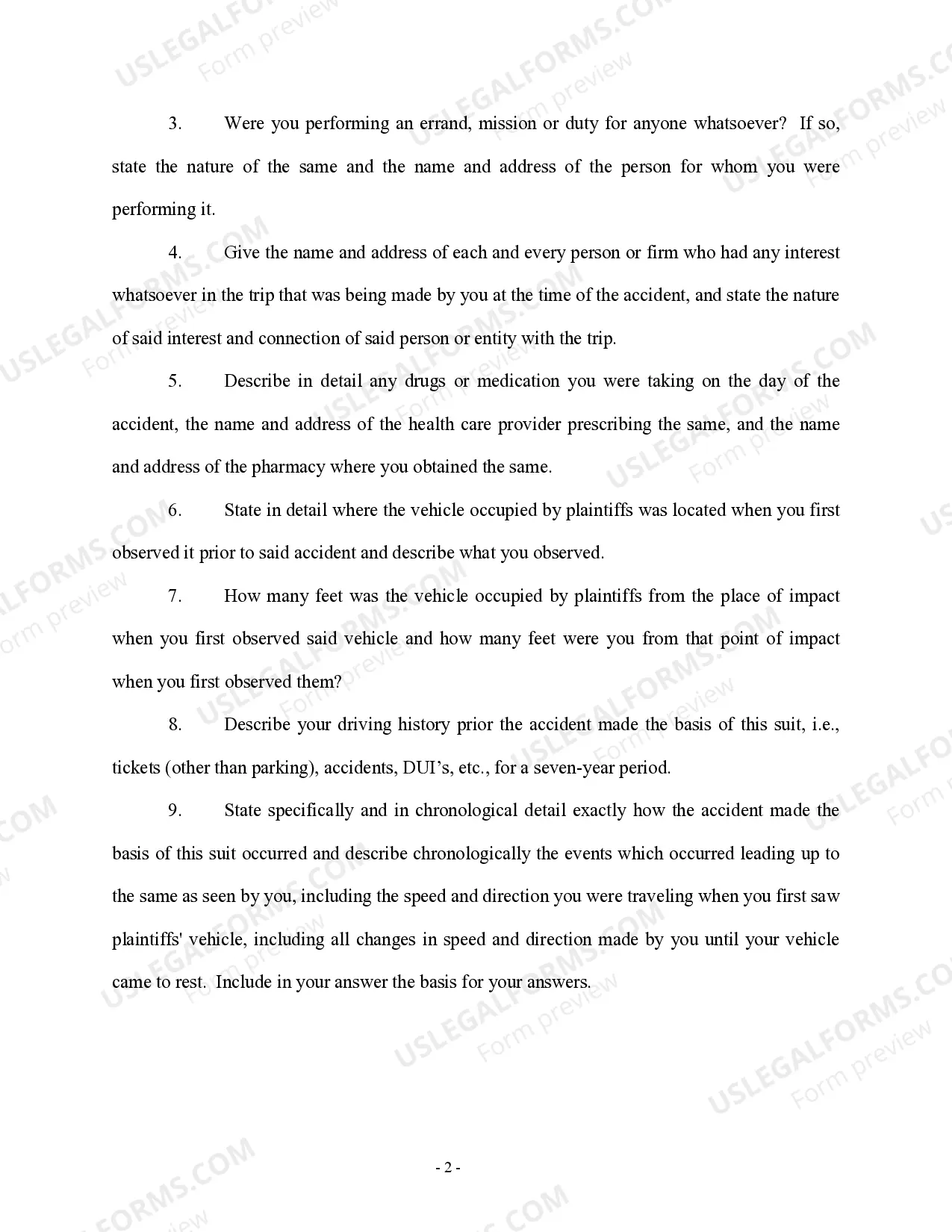
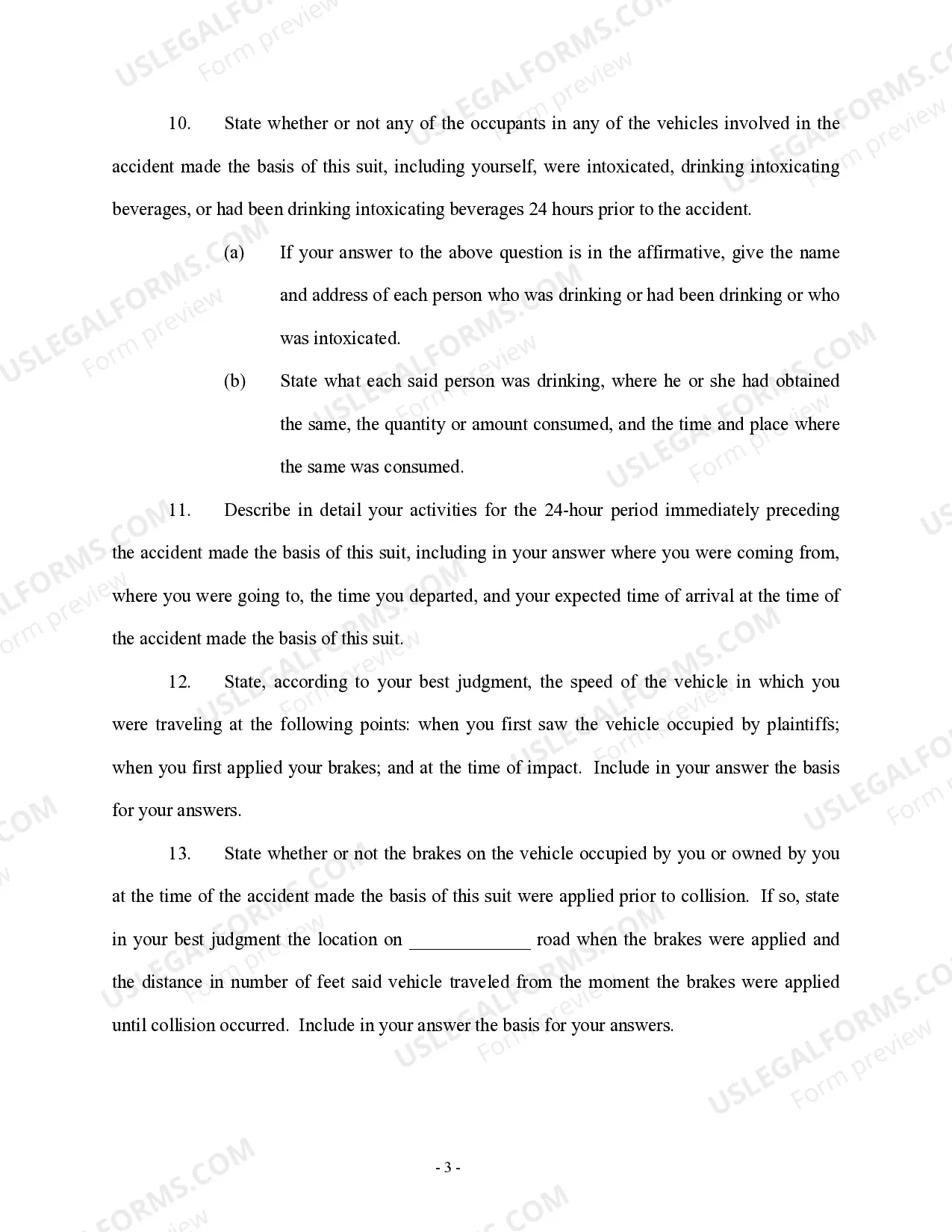
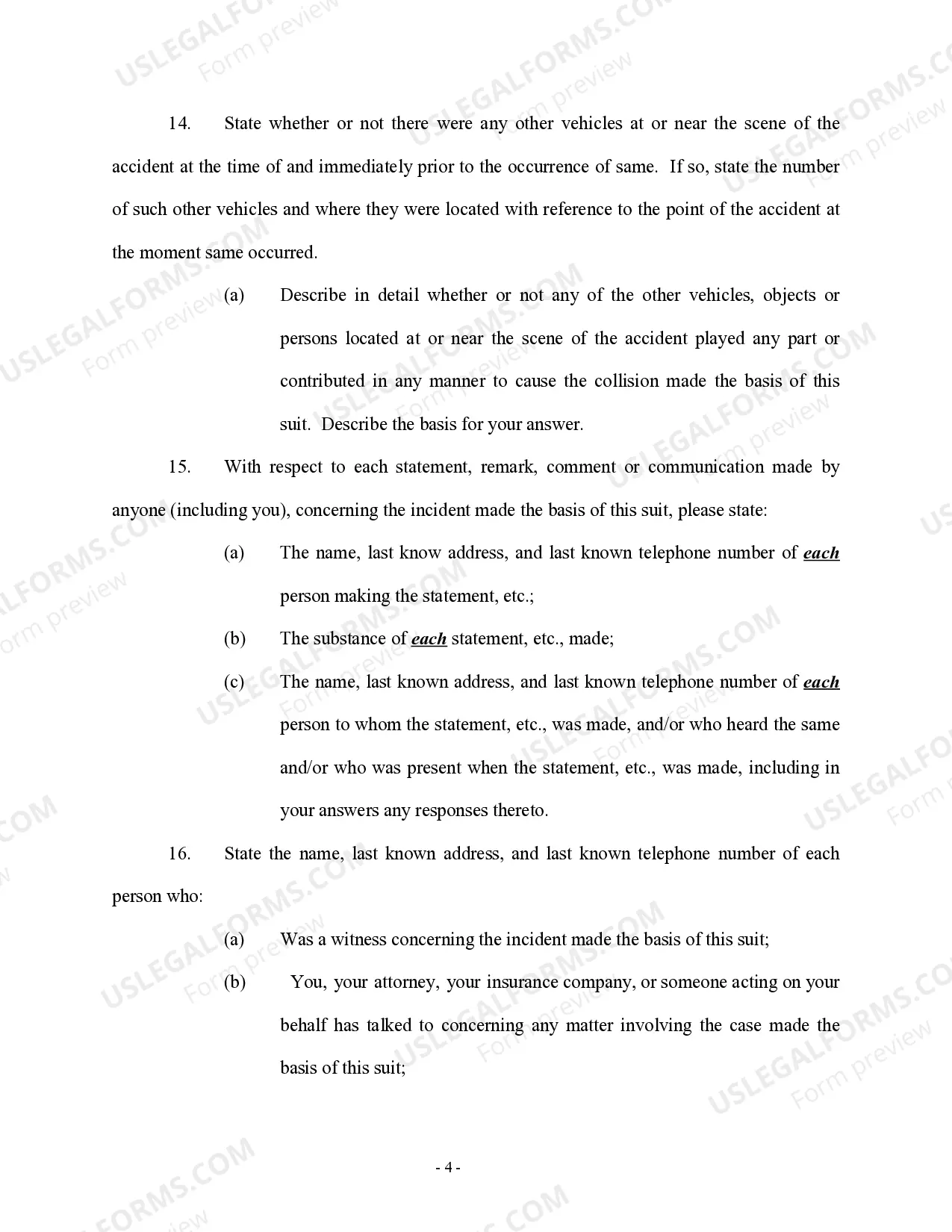
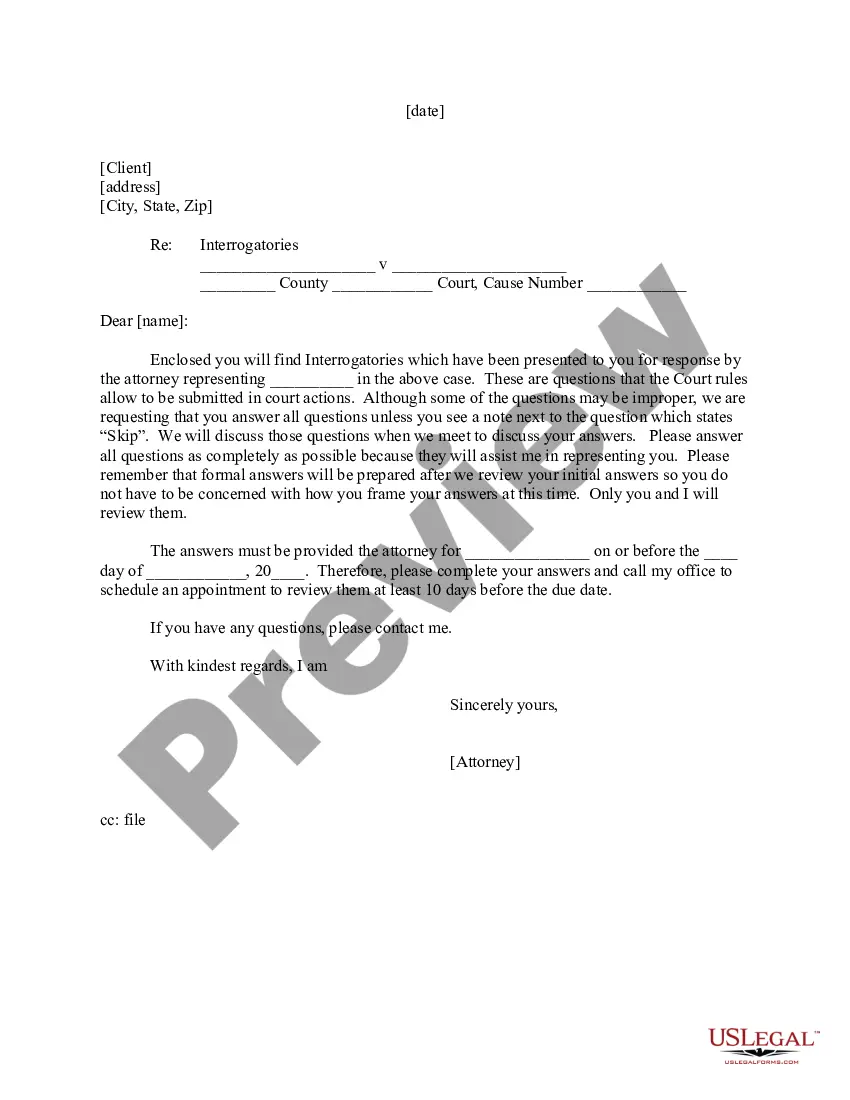
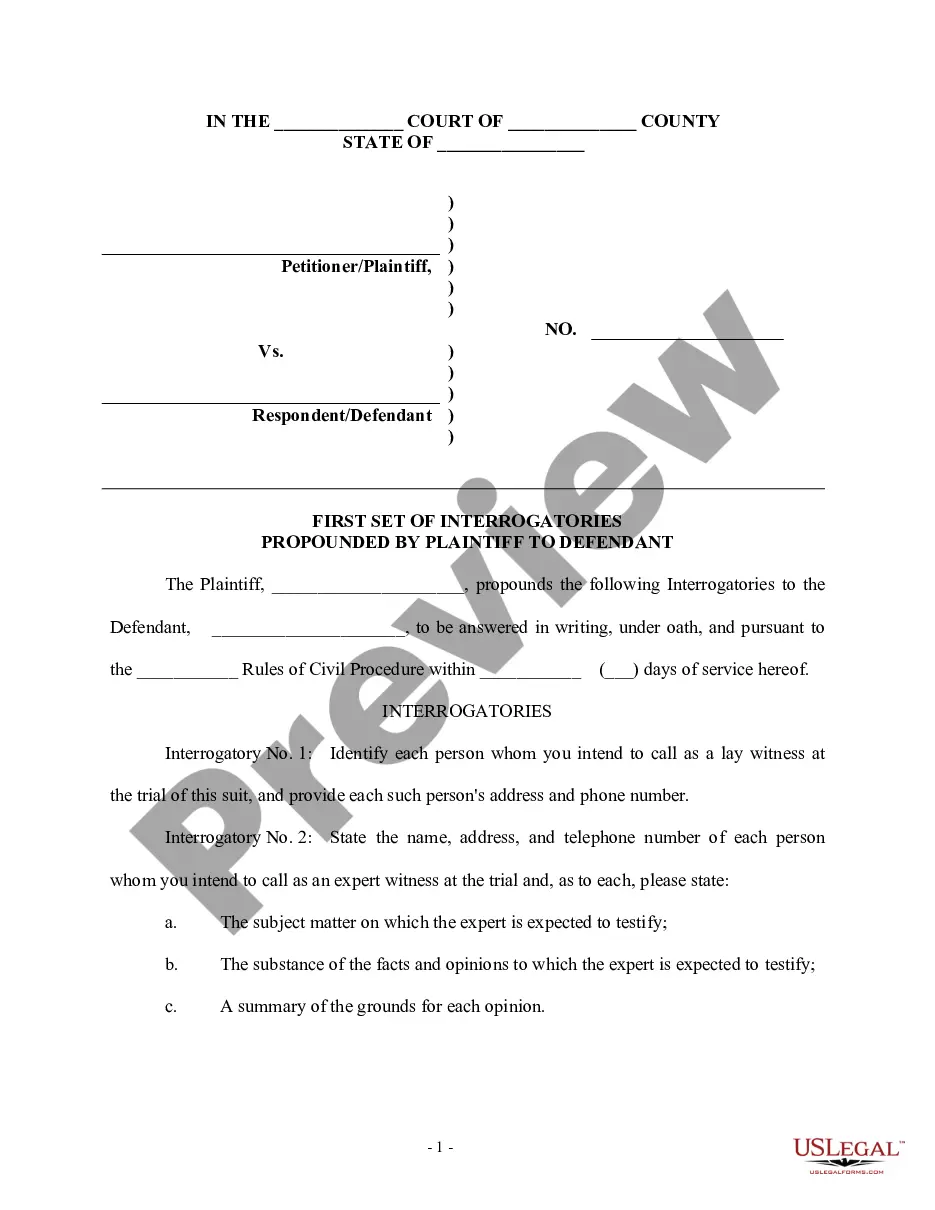
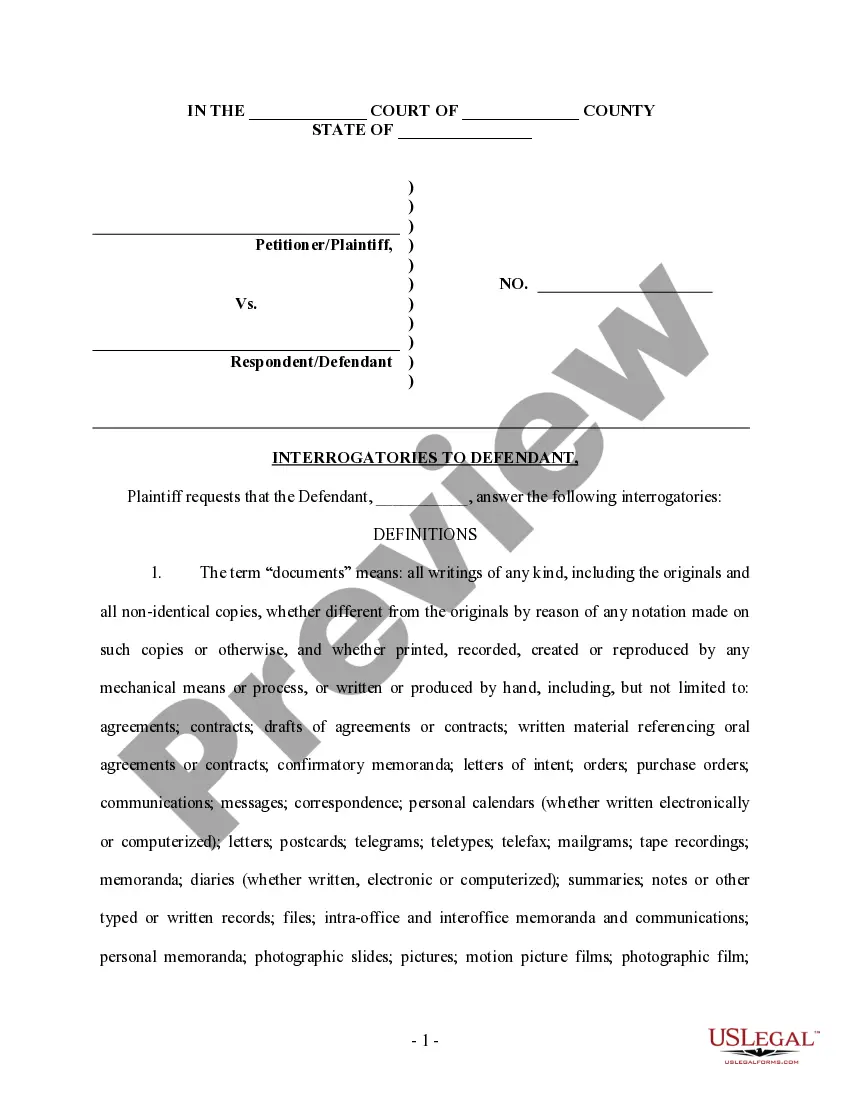
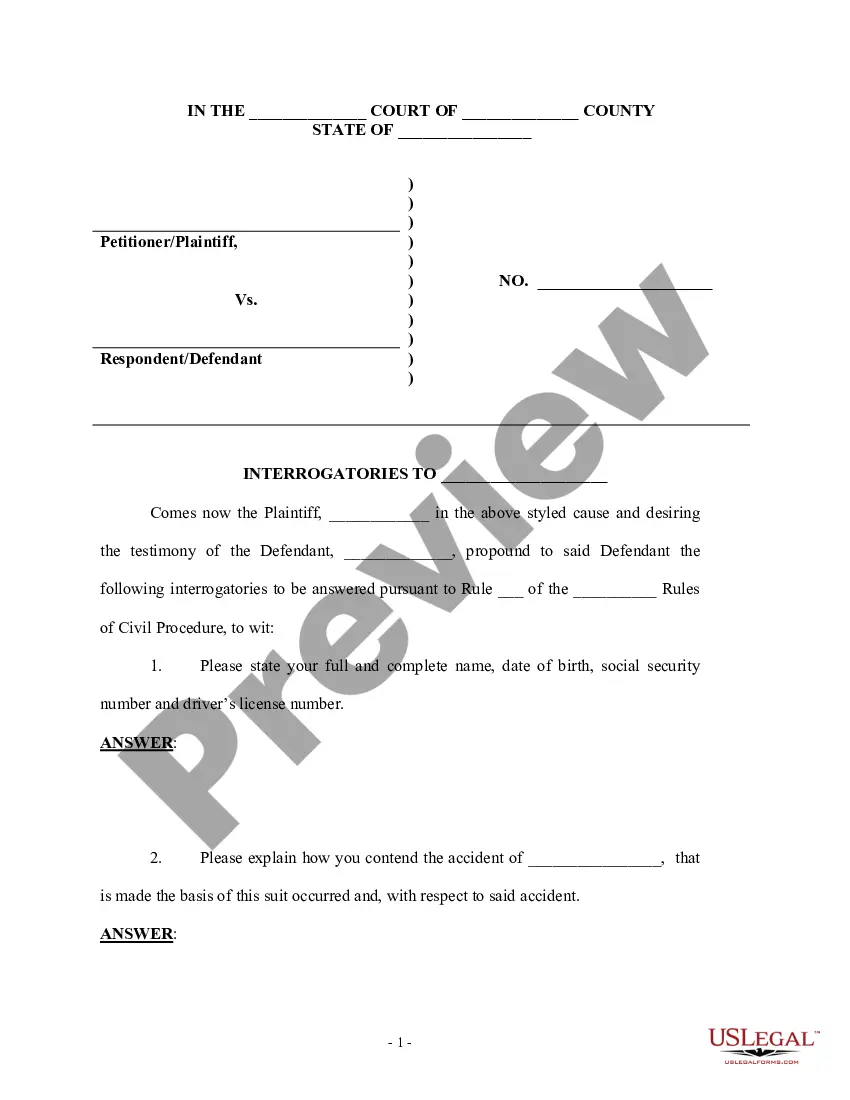
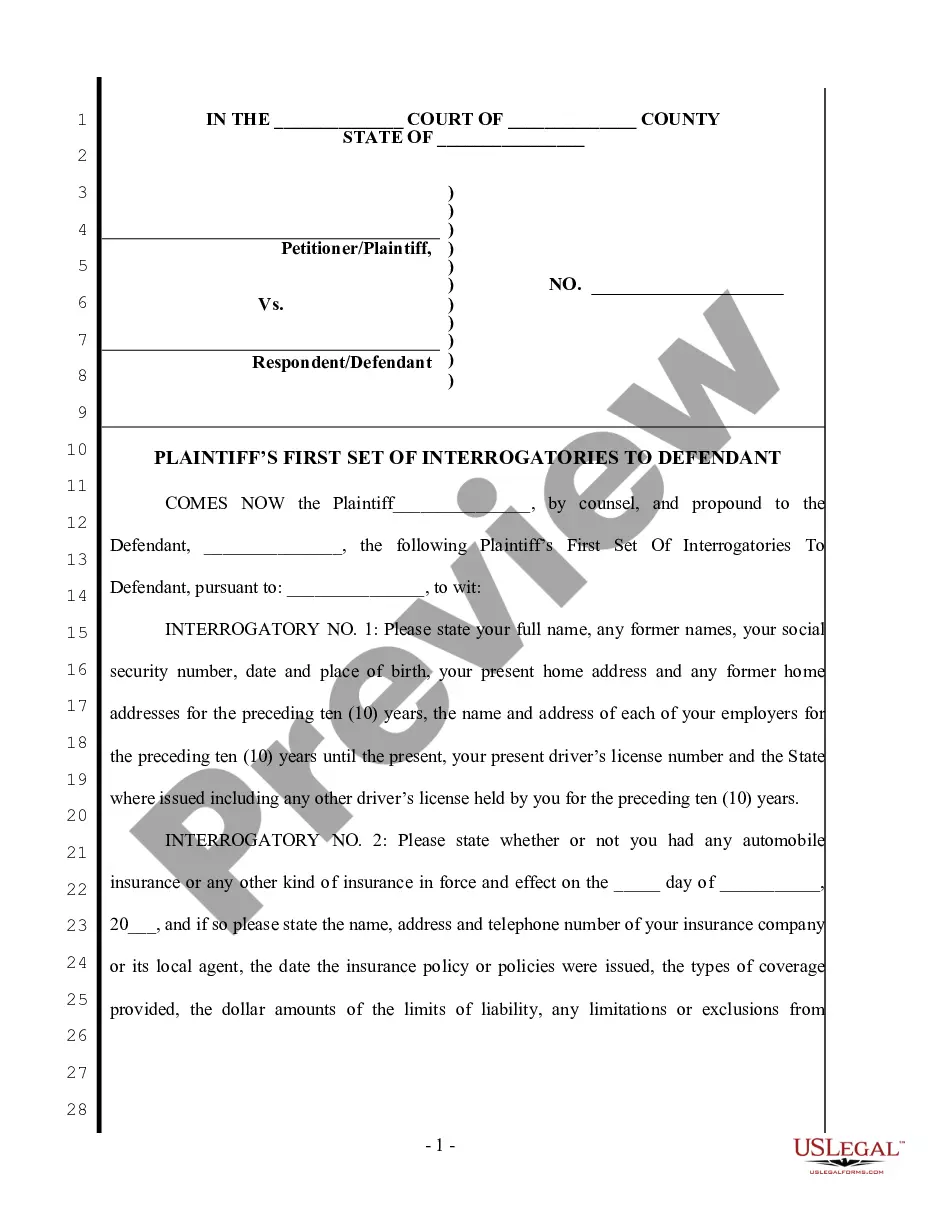
Interrogatories are written questions that one party sends to another party in a legal case. In a personal injury case, these questions help to gather information about the facts and details surrounding the incident.