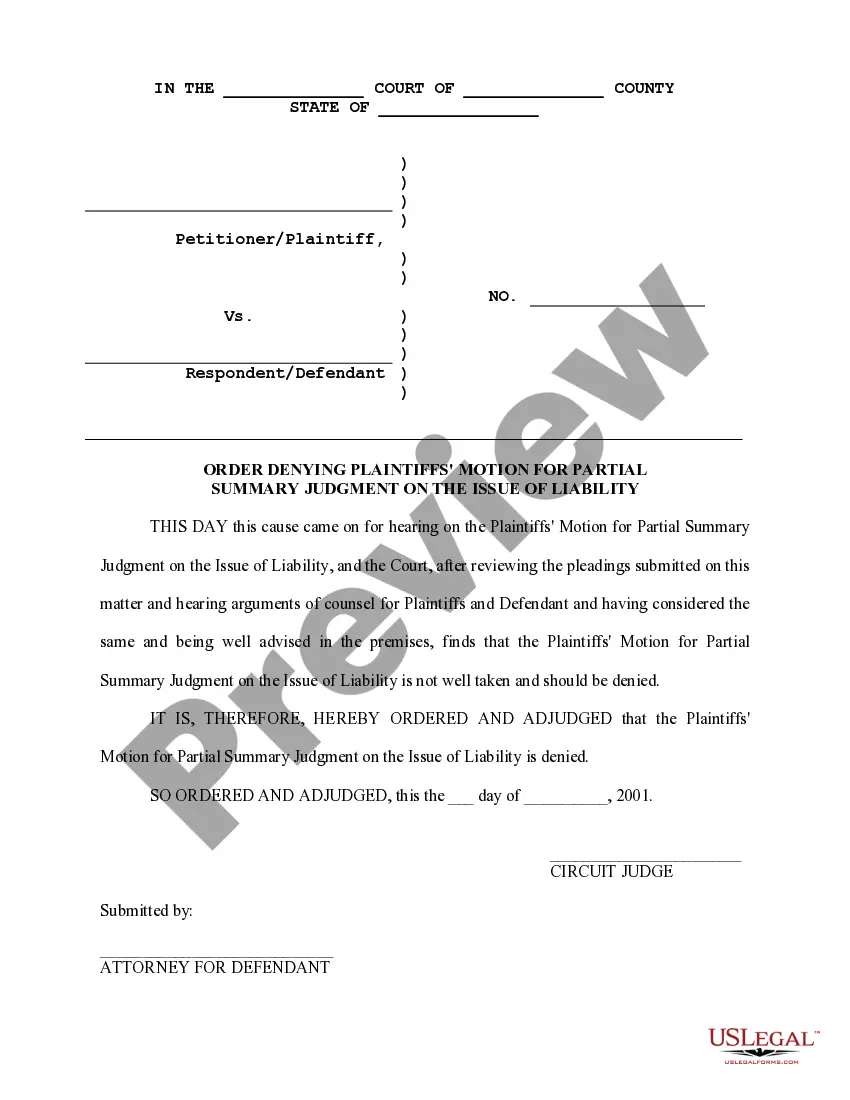
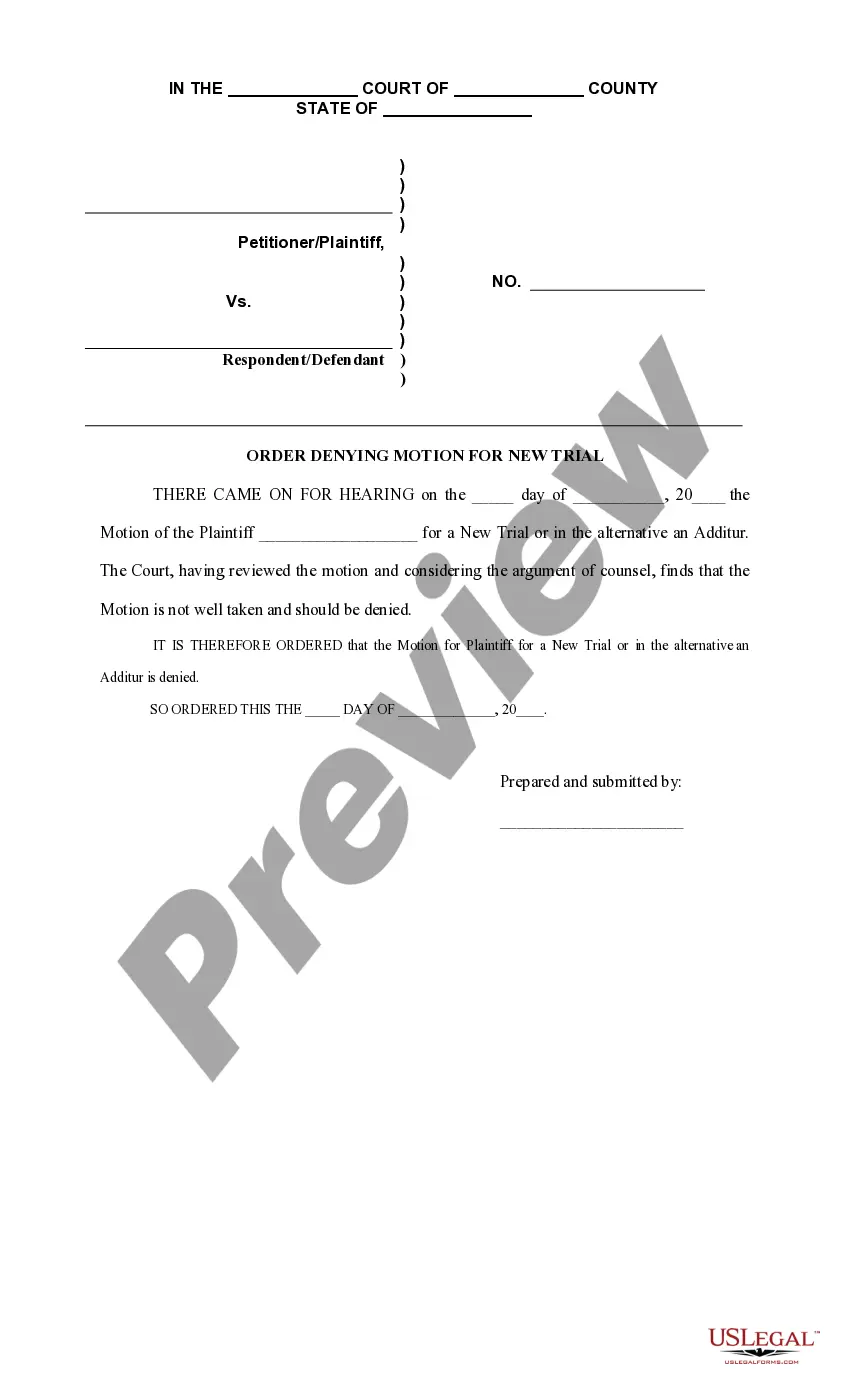
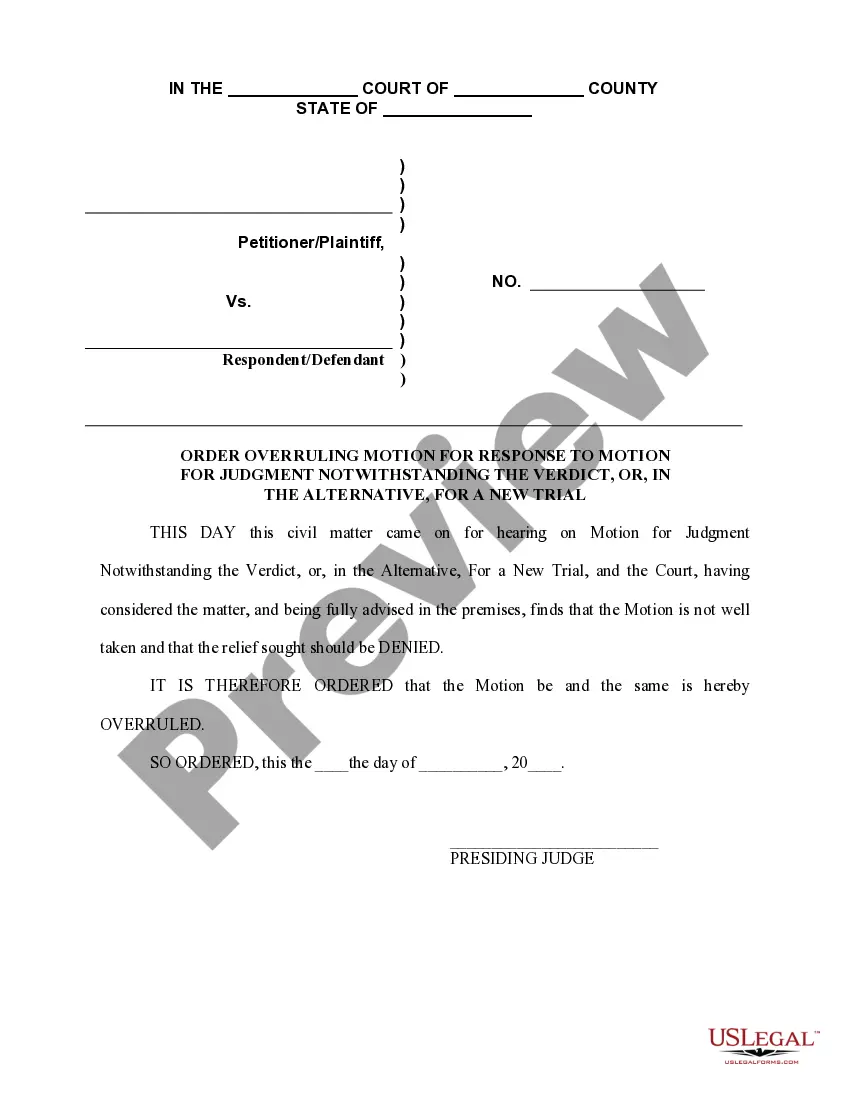
If the motion gets denied, the original jury verdict stands, and the case typically moves on to any appeals if the losing side wants to take it further.
If the court grants the motion, they may change the verdict, possibly ruling in favor of the party who filed the motion, meaning the other party might lose the case.
You've usually got around 10 days after the jury's verdict to file a Motion for JNOV, so it’s best to act quickly.
Not necessarily; it usually comes into play after jury trials in civil cases, so it’s not for every type of case.
Typically, the grounds include lack of evidence supporting the jury’s verdict or if the verdict goes against the laws of the state.
People file this motion when they think the jury made a mistake, and they want the judge to step in and fix it, like a referee in a game.
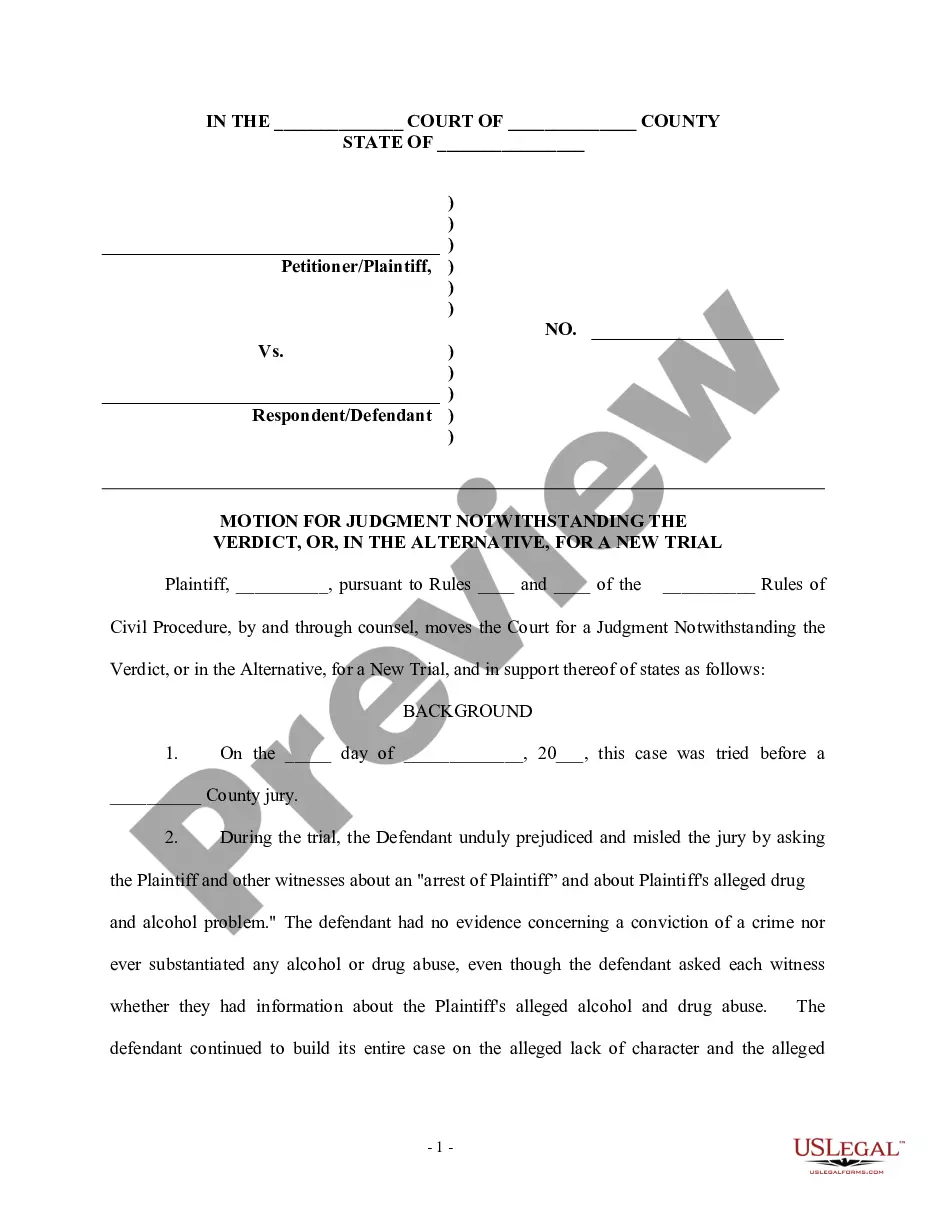
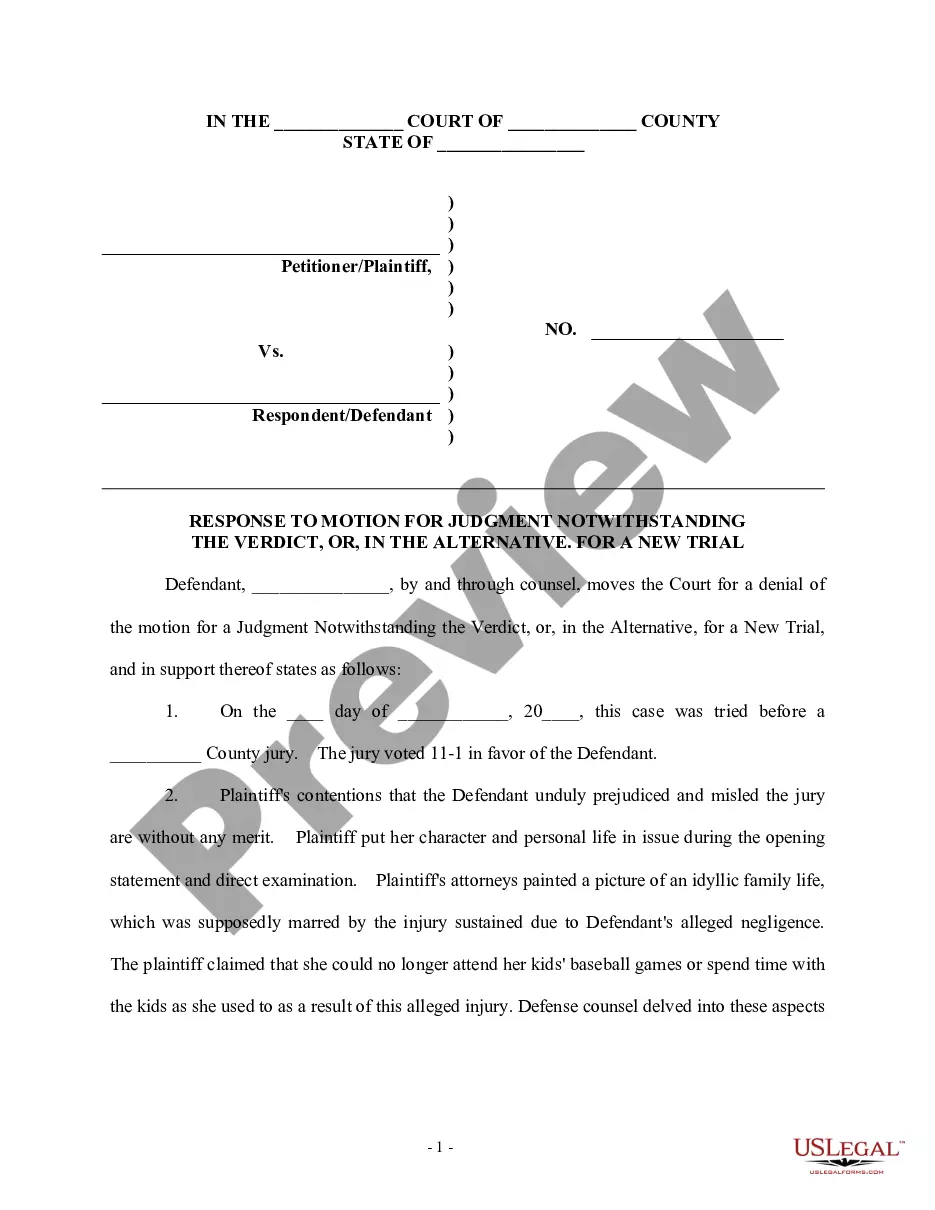
A Motion for JNOV, or Judgement Not Withstanding the Verdict, is when a party asks the court to overturn a jury's decision because they believe no reasonable jury could have come to that conclusion.