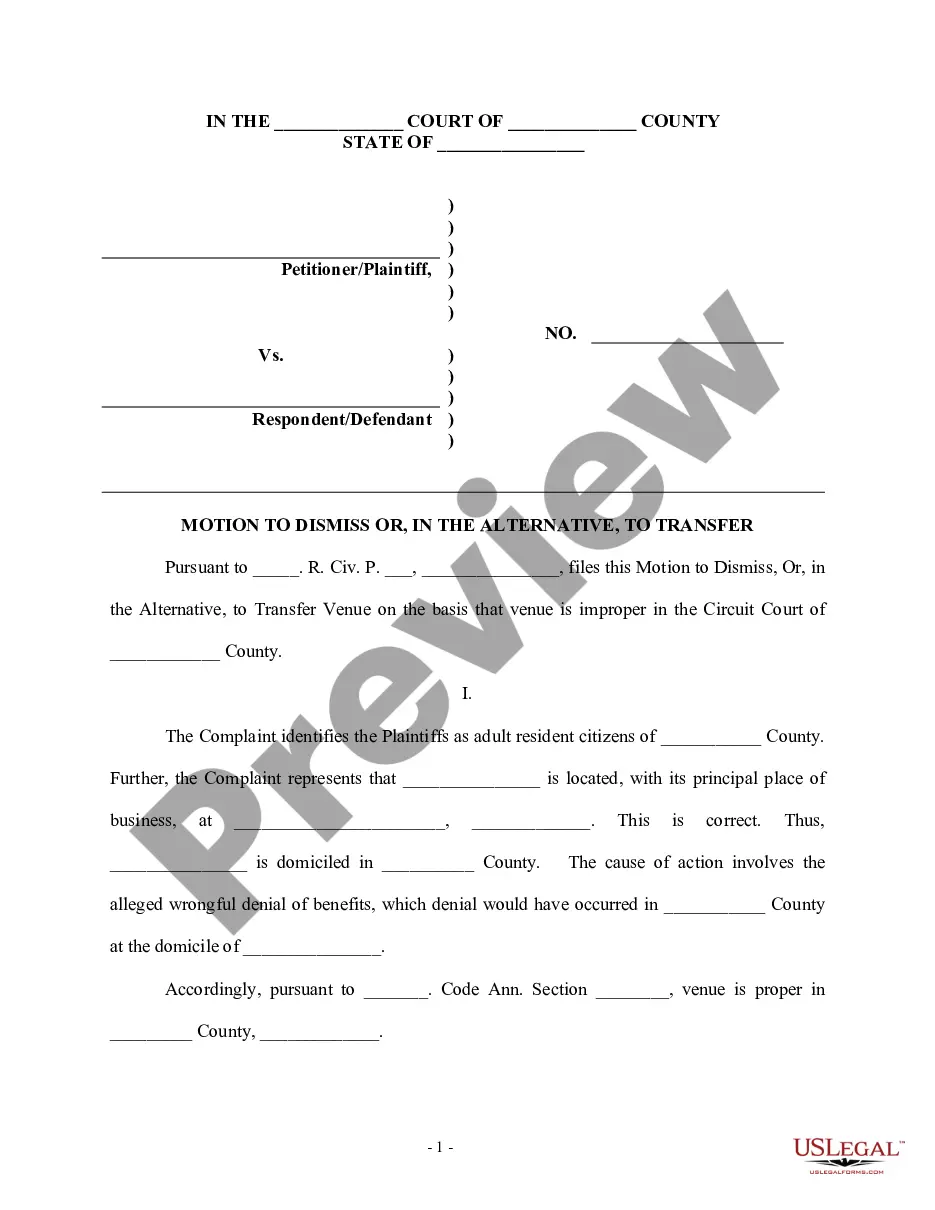
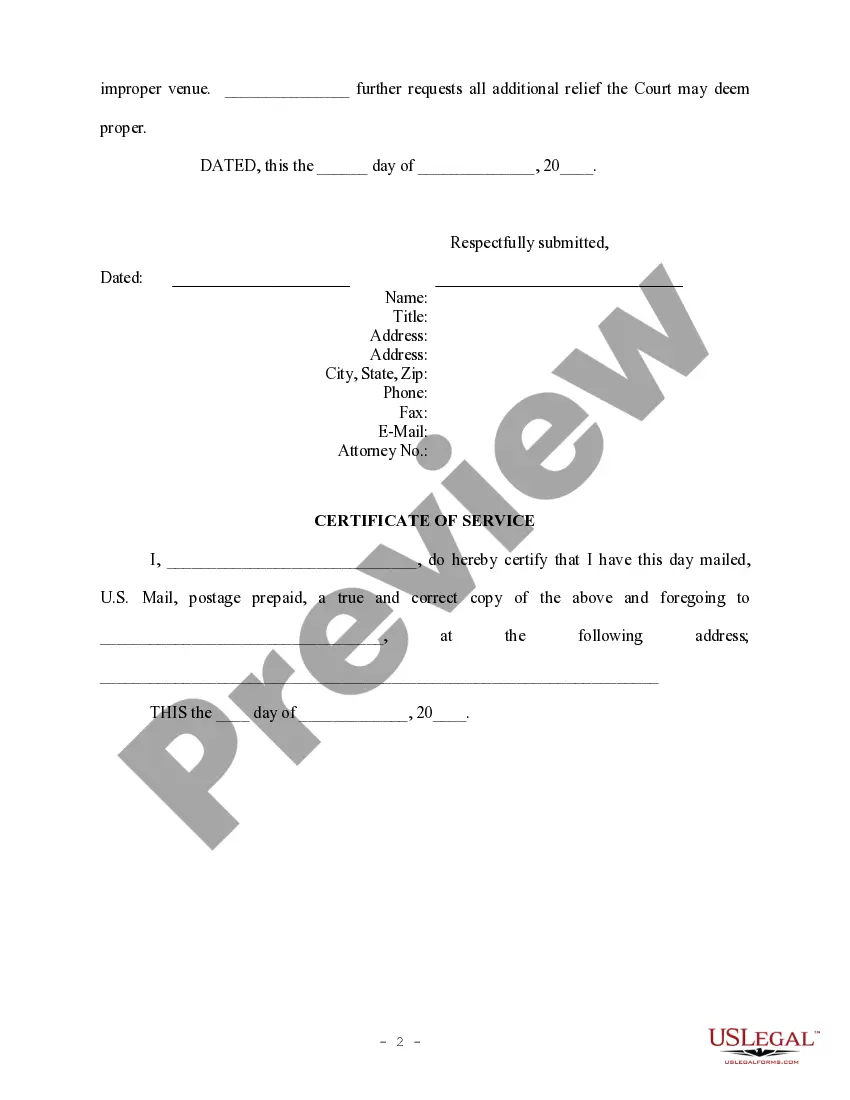
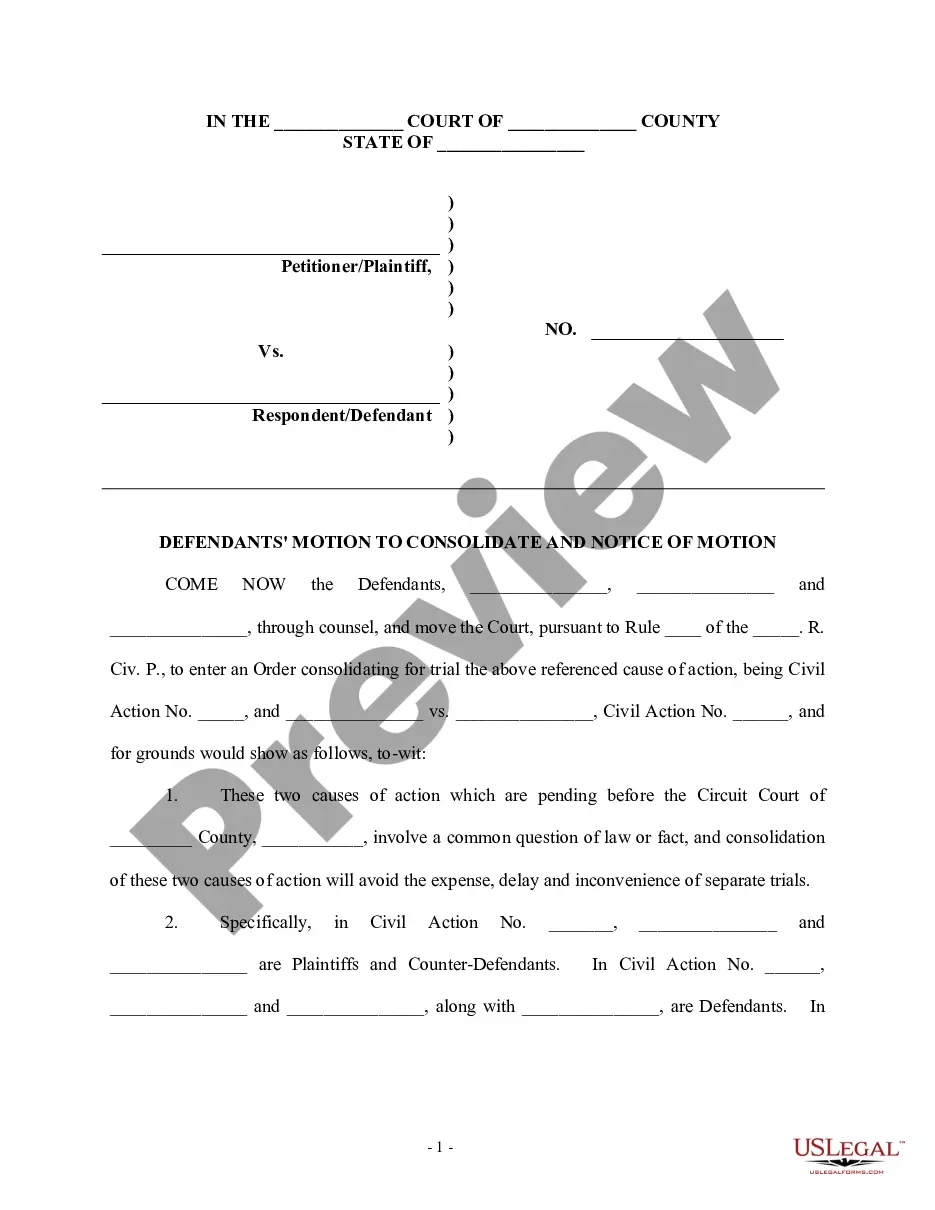
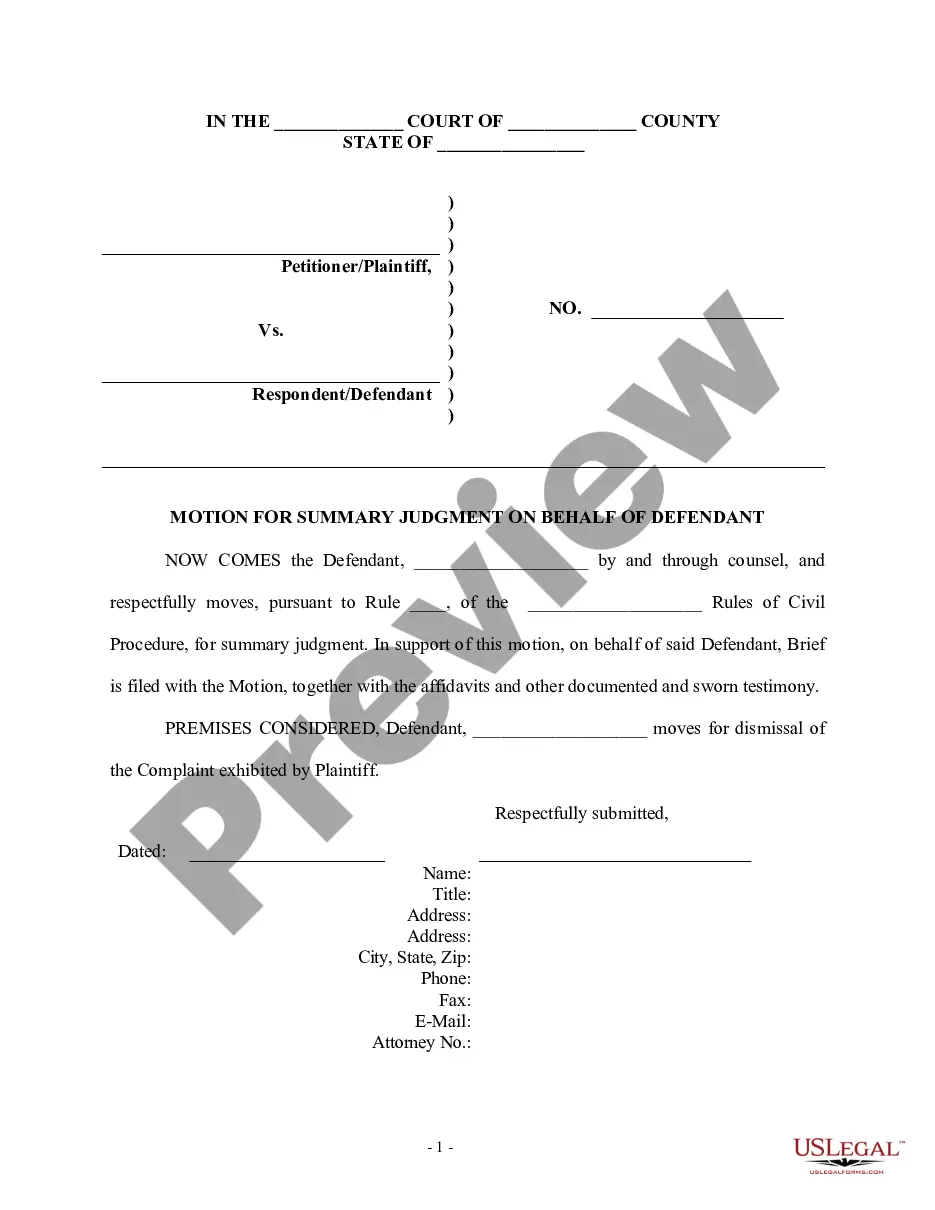
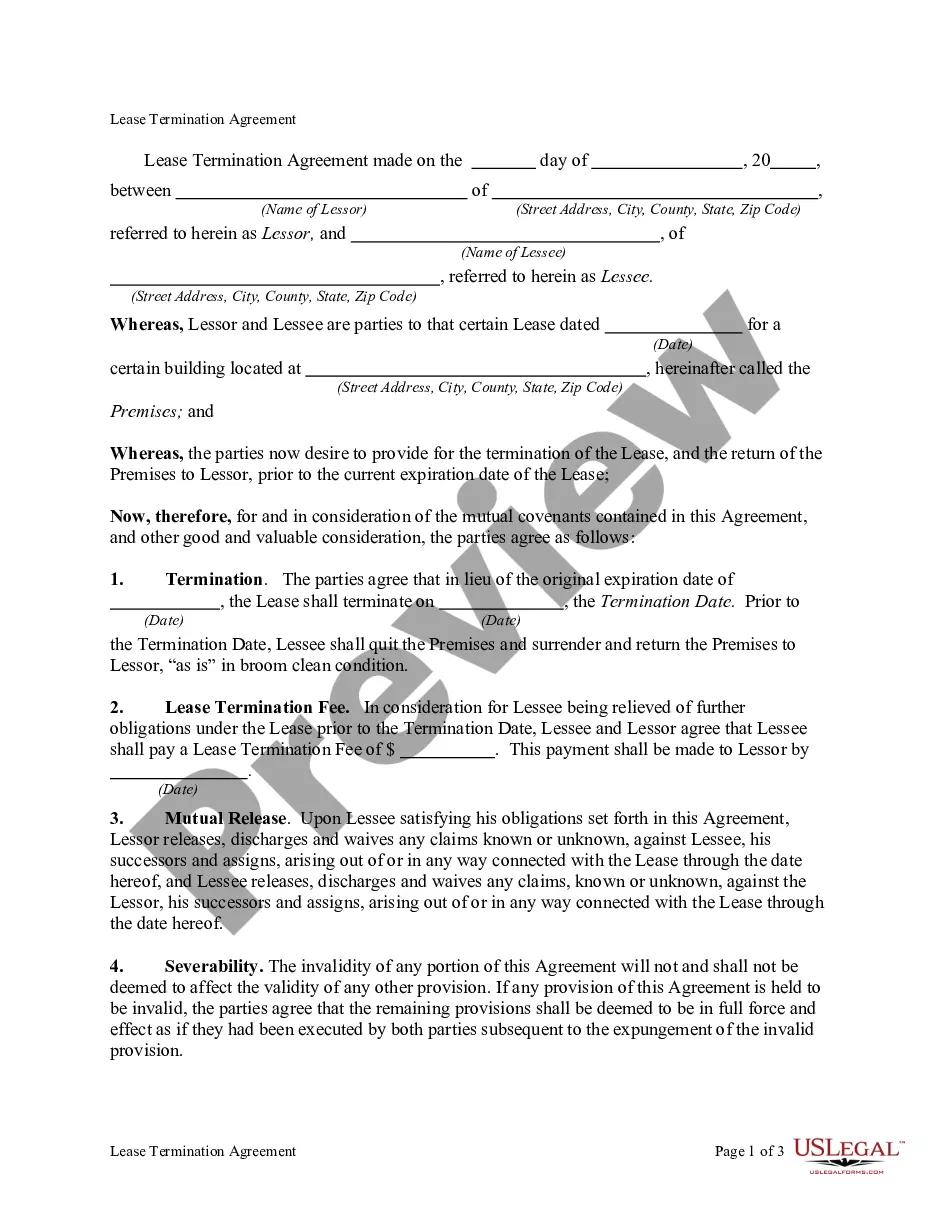
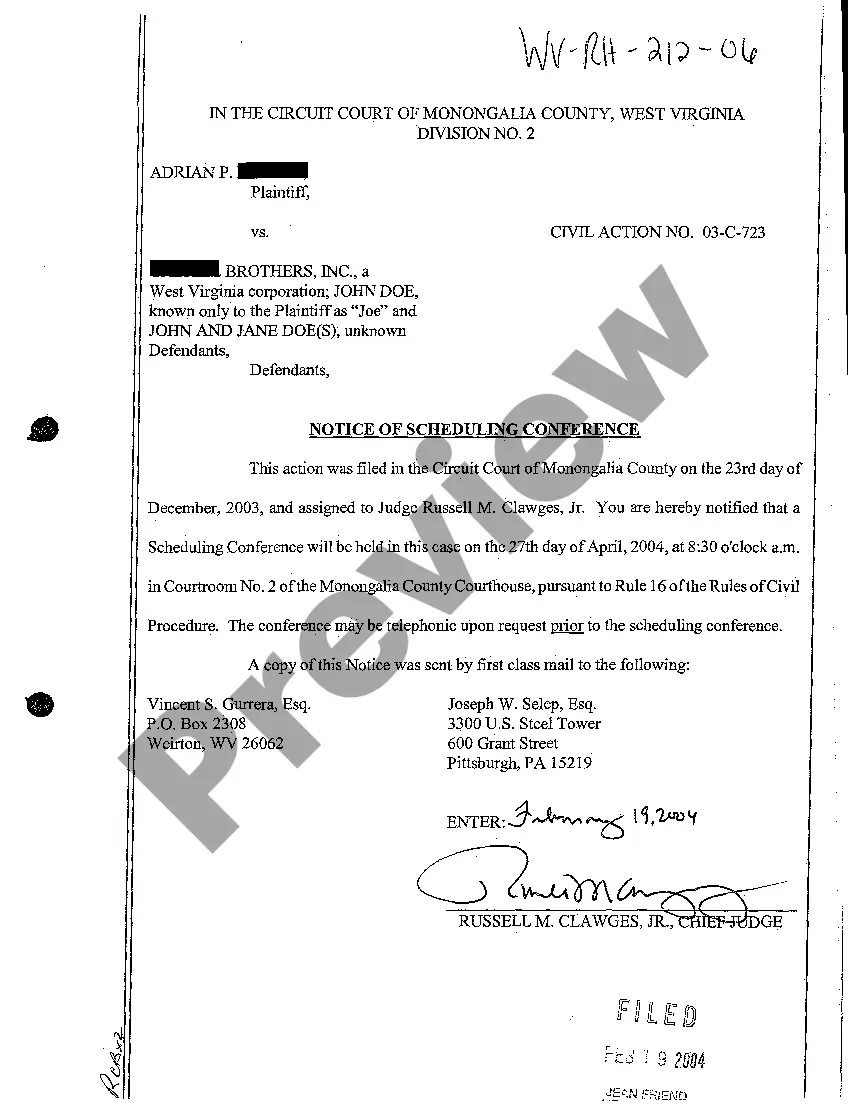
Cook Illinois Motion to Dismiss or Transfer - Civil Trial
Description
Get your form ready online
Our built-in tools help you complete, sign, share, and store your documents in one place.
Make edits, fill in missing information, and update formatting in US Legal Forms—just like you would in MS Word.
Download a copy, print it, send it by email, or mail it via USPS—whatever works best for your next step.
Sign and collect signatures with our SignNow integration. Send to multiple recipients, set reminders, and more. Go Premium to unlock E-Sign.
If this form requires notarization, complete it online through a secure video call—no need to meet a notary in person or wait for an appointment.
We protect your documents and personal data by following strict security and privacy standards.

Make edits, fill in missing information, and update formatting in US Legal Forms—just like you would in MS Word.

Download a copy, print it, send it by email, or mail it via USPS—whatever works best for your next step.

Sign and collect signatures with our SignNow integration. Send to multiple recipients, set reminders, and more. Go Premium to unlock E-Sign.

If this form requires notarization, complete it online through a secure video call—no need to meet a notary in person or wait for an appointment.

We protect your documents and personal data by following strict security and privacy standards.
Looking for another form?

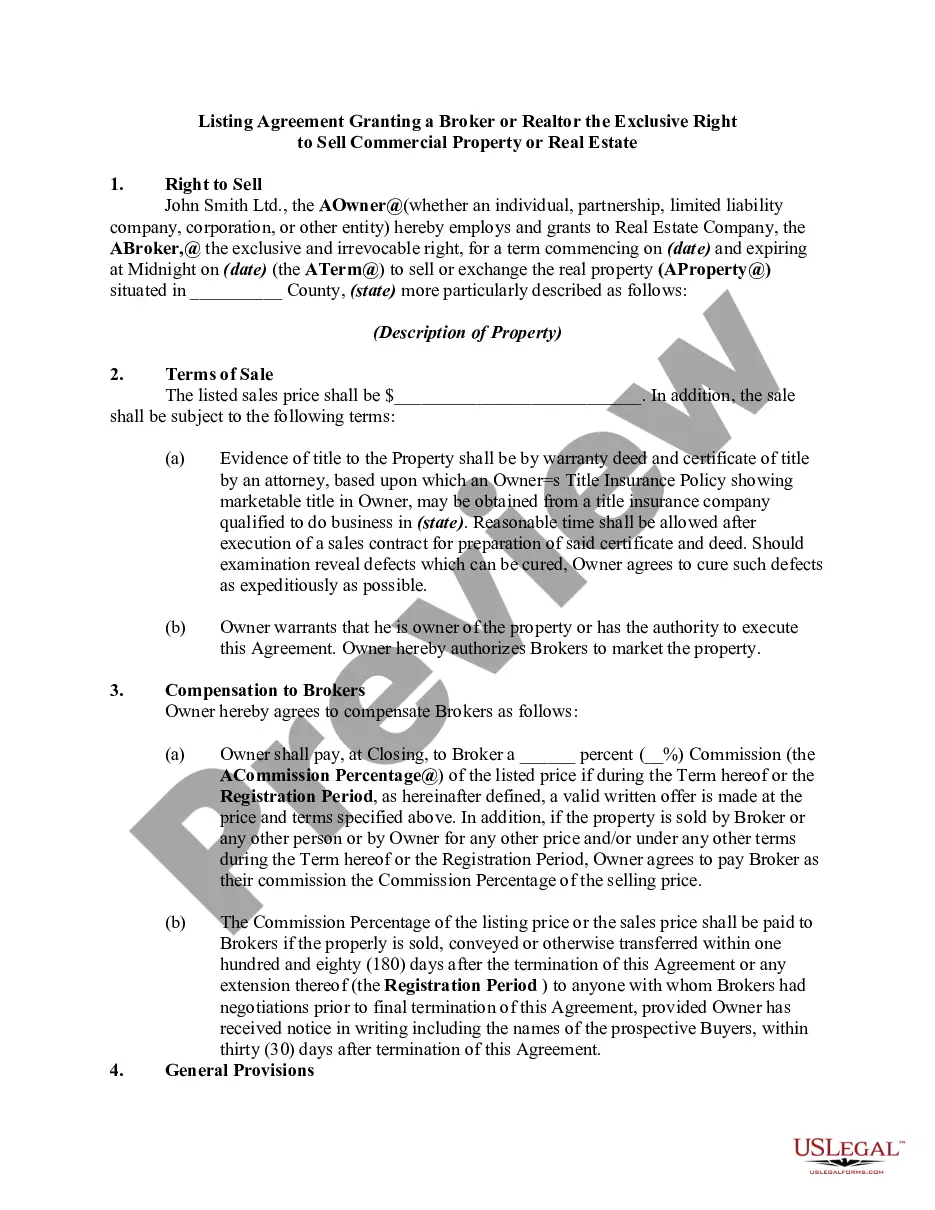
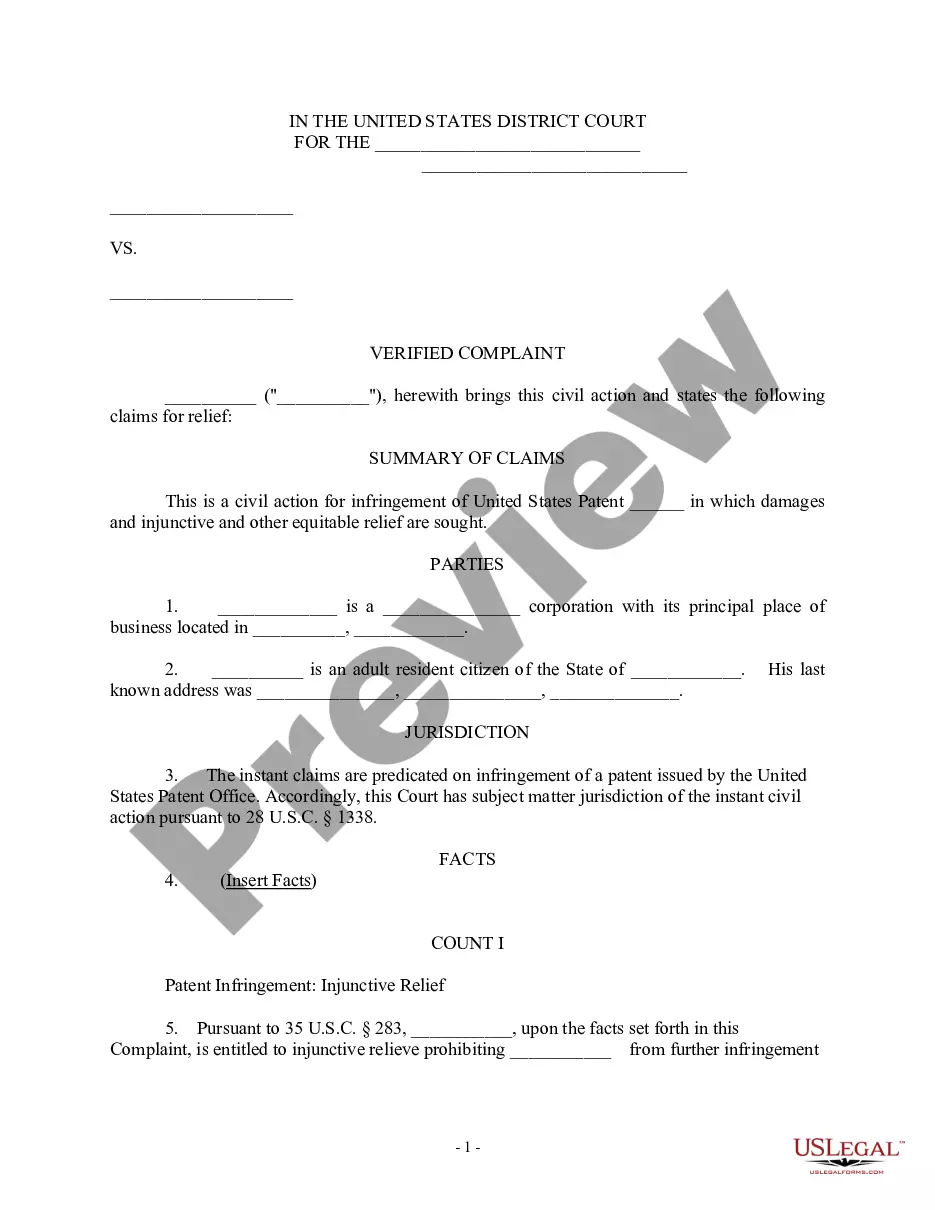

How to fill out Motion To Dismiss Or Transfer - Civil Trial?
Drafting legal documents can be burdensome.
Moreover, if you choose to engage a legal expert to create a business contract, documents for title transfer, prenuptial agreement, divorce documents, or the Cook Motion to Dismiss or Transfer - Civil Trial, it could be quite expensive.
Browse through the page and confirm there is a sample for your area.
- So what is the optimal method to conserve time and finances and produce authentic documents that fully comply with your state and local laws.
- US Legal Forms is an ideal answer, whether you are looking for templates for your personal or commercial requirements.
- US Legal Forms is the biggest online repository of state-specific legal papers, presenting users with the latest and professionally validated forms for any situation conveniently gathered in one location.
- Thus, if you need the latest version of the Cook Motion to Dismiss or Transfer - Civil Trial, you can effortlessly locate it on our site.
- Getting the documents takes minimal time.
- Those who possess an account should verify that their subscription is current, Log In, and select the template with the Download button.
- If you haven't registered yet, here's how to obtain the Cook Motion to Dismiss or Transfer - Civil Trial.
Form popularity
FAQ
Writing a motion for civil court requires a clear and systematic approach. For your Cook Illinois Motion to Dismiss or Transfer - Civil Trial, outline your arguments logically, starting with an introduction that identifies your motion. Clearly present your reasons followed by supporting facts and legal statutes, ensuring to conclude with a specific request for the relief you seek from the court.
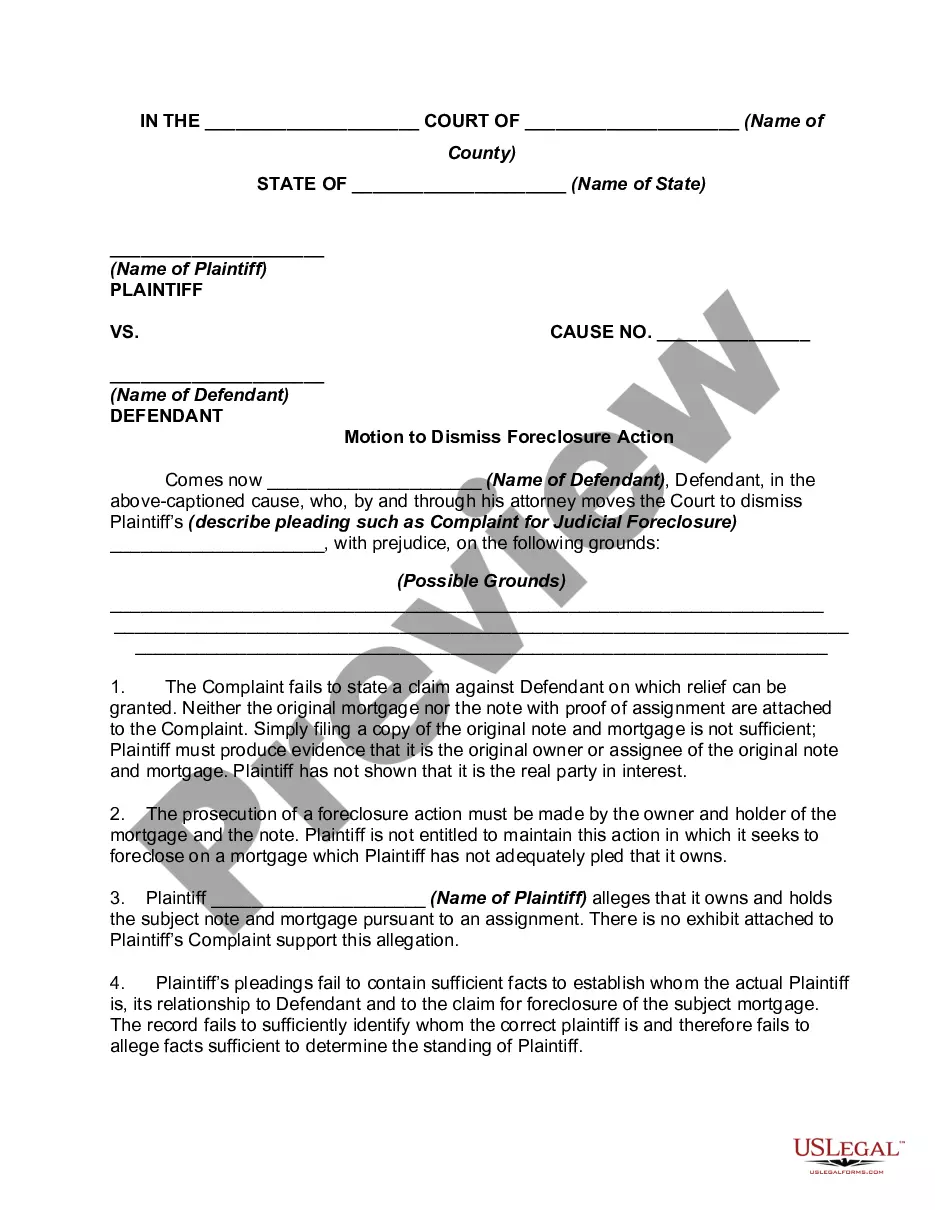
Filing a motion to dismiss can serve several purposes. Often, it allows a party to challenge the legal validity of the opposing party's claims before incurring the costs of a trial. For a Cook Illinois Motion to Dismiss or Transfer - Civil Trial, valid reasons might include lack of jurisdiction, failure to state a claim, or procedural issues that render the case inadmissible.
Yes, you can file your own Cook Illinois Motion to Dismiss. This process allows you to represent yourself, known as pro se representation. However, ensuring that your motion aligns with legal standards in Illinois is crucial, so consider seeking guidance from a legal platform like uslegalforms for comprehensive resources.
In Illinois, you can file a motion to dismiss even after submitting an answer. However, it's essential to do so while the case is still in its early stages, as certain deadlines apply. The Cook Illinois Motion to Dismiss or Transfer - Civil Trial is an opportunity to address any foundational issues with the case before proceeding further, so consider the timing carefully.
Filling out a motion to dismiss form requires careful attention. Start by entering the case details, including the title of the court and case number. Next, clearly articulate the reasons for the motion, focusing on legal grounds justifying dismissal. Use straightforward language to ensure your arguments are easily understood.
Writing out a motion involves structuring your document clearly. Begin with the title indicating it is a Cook Illinois Motion to Dismiss or Transfer - Civil Trial, followed by an introduction explaining your request. Clearly state the grounds for your motion, while supporting your arguments with relevant facts and legal precedents. Conclude with a clear request for the court's action.
To fill out a motion form for a Cook Illinois Motion to Dismiss or Transfer - Civil Trial, start by obtaining the correct form from your local court or an online legal resources platform. Ensure you provide complete details including the case number, parties involved, and specific relief you seek. Clarity is crucial, so take your time to articulate your points clearly and accurately.
In Illinois, the primary types of motions to dismiss include the 2-615 motion, which challenges the validity of the pleadings, and the 2-619 motion, which addresses specific issues like jurisdiction or lack of cause of action. Each type serves a unique purpose in the legal process of a Cook Illinois Motion to Dismiss or Transfer - Civil Trial. Familiarizing yourself with these motions can empower you to better navigate the legal landscape, and platforms like US Legal Forms offer valuable resources to assist you in filing or responding to these motions.
The Illinois rule 2-619 motion to dismiss allows a party to seek dismissal of a case for specific reasons, such as lack of jurisdiction or failure to join a necessary party. This motion aims to address fundamental issues that may prevent the case from proceeding effectively. Understanding this rule is essential for anyone involved in a Cook Illinois Motion to Dismiss or Transfer - Civil Trial, as it outlines the legal grounds under which a dismissal may occur, saving time and resources.
In a motion to dismiss, include a clear title, statement of facts, legal arguments, and applicable case law that supports your position. Be sure to conclude with a request for the court to dismiss the case and suggest any other appropriate orders. Leveraging the Cook Illinois Motion to Dismiss or Transfer - Civil Trial can provide a structured format to ensure all necessary elements are addressed.