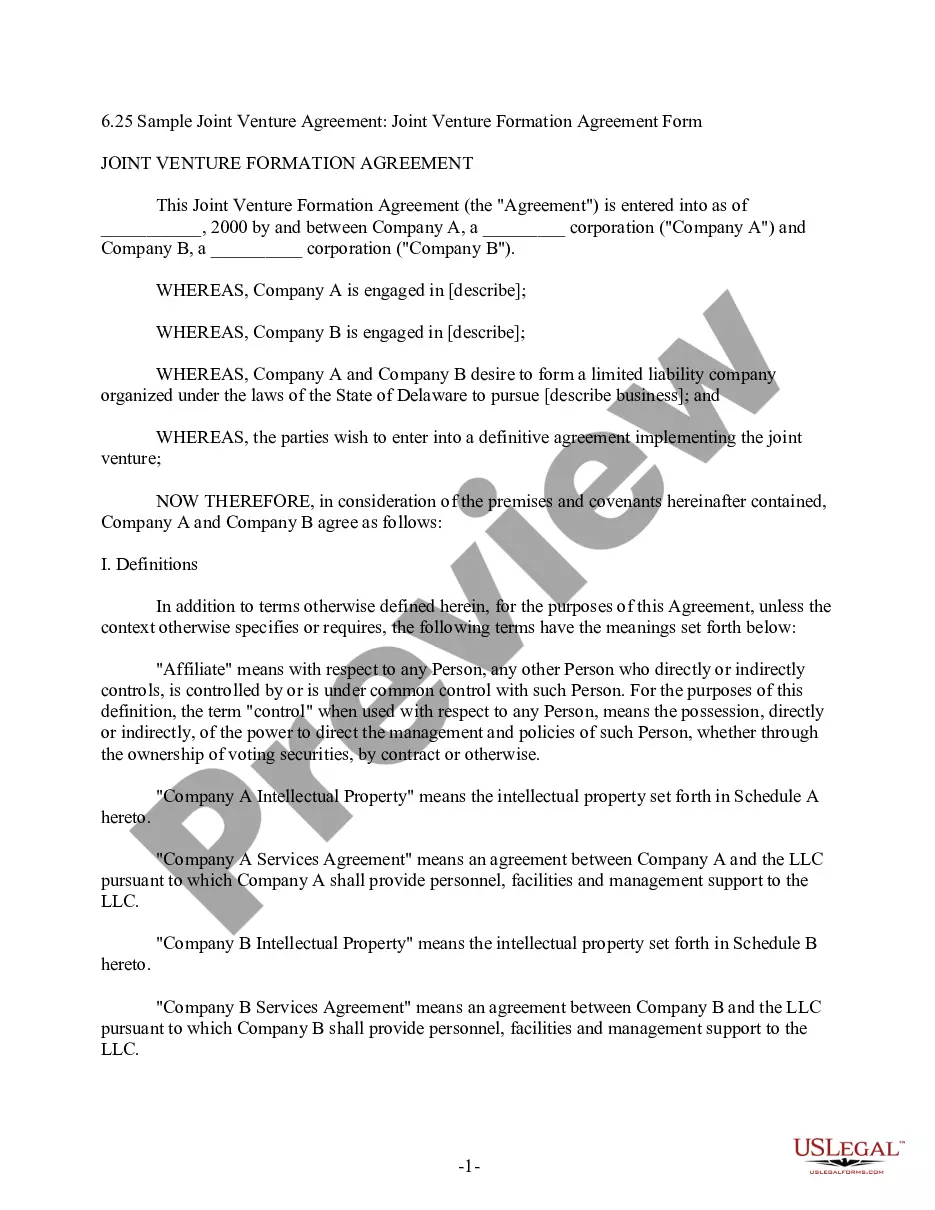
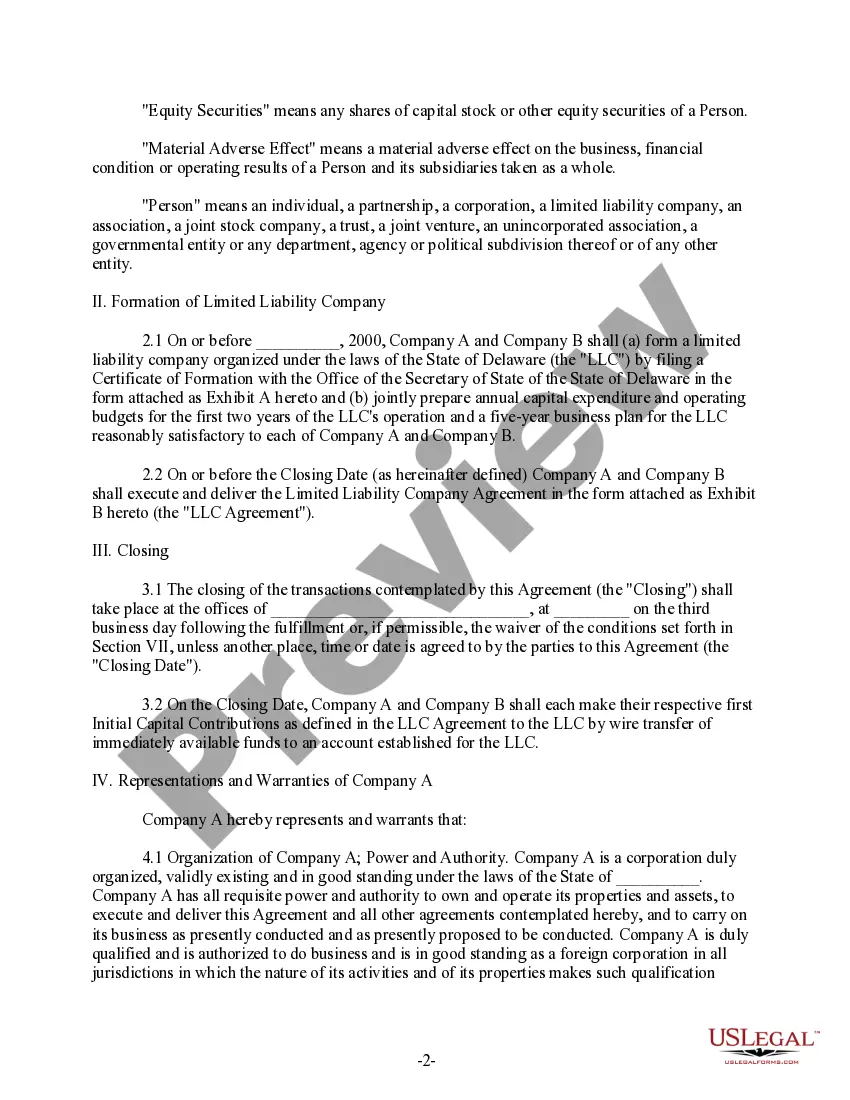
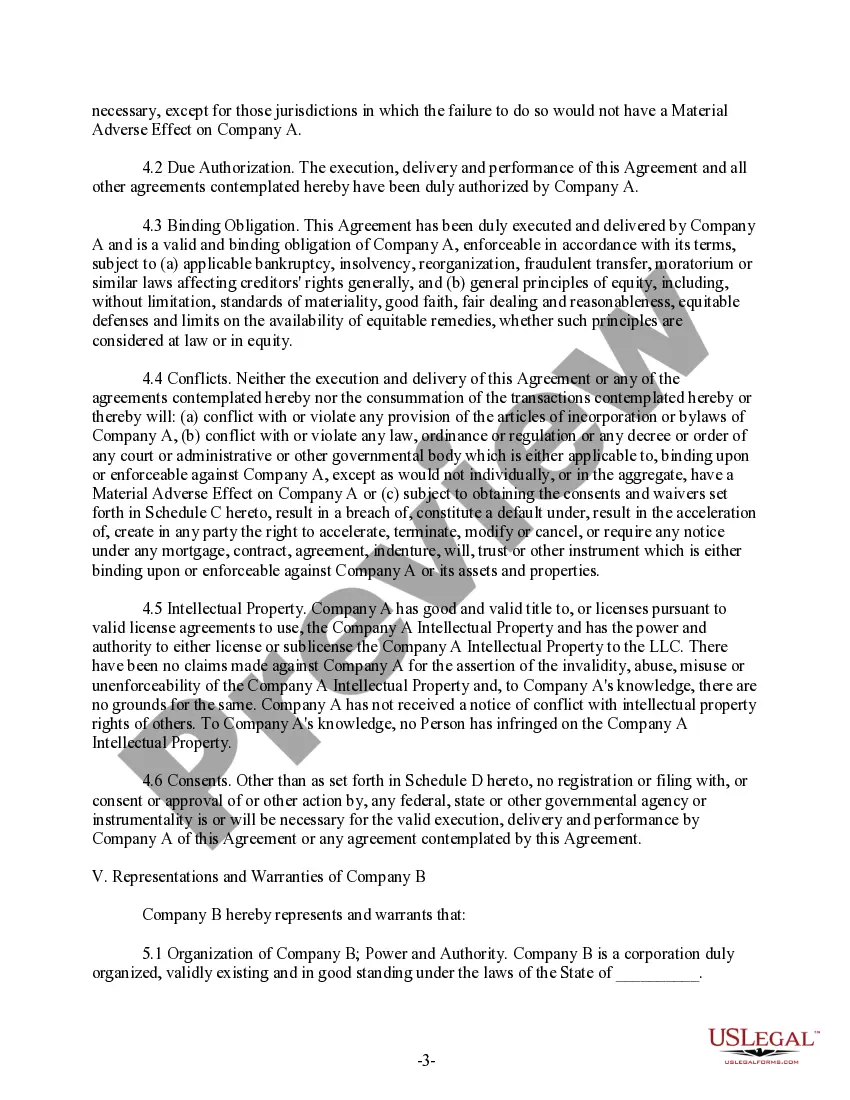
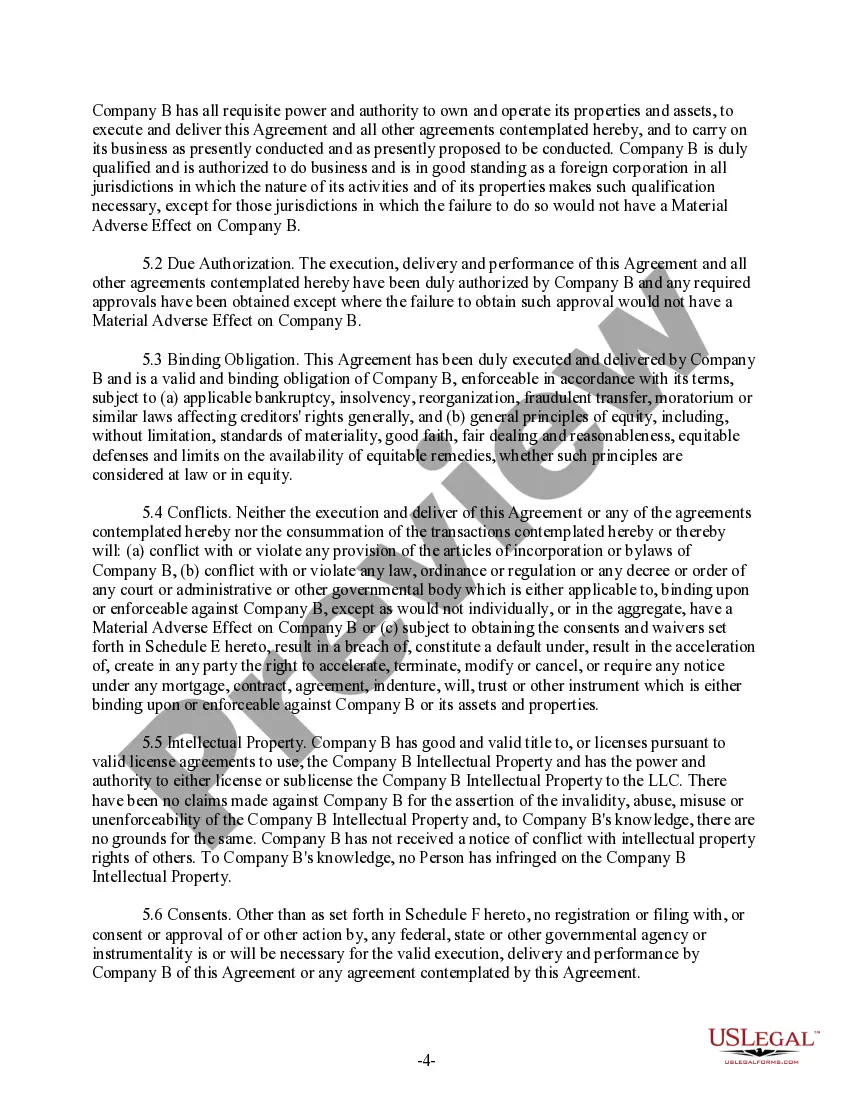
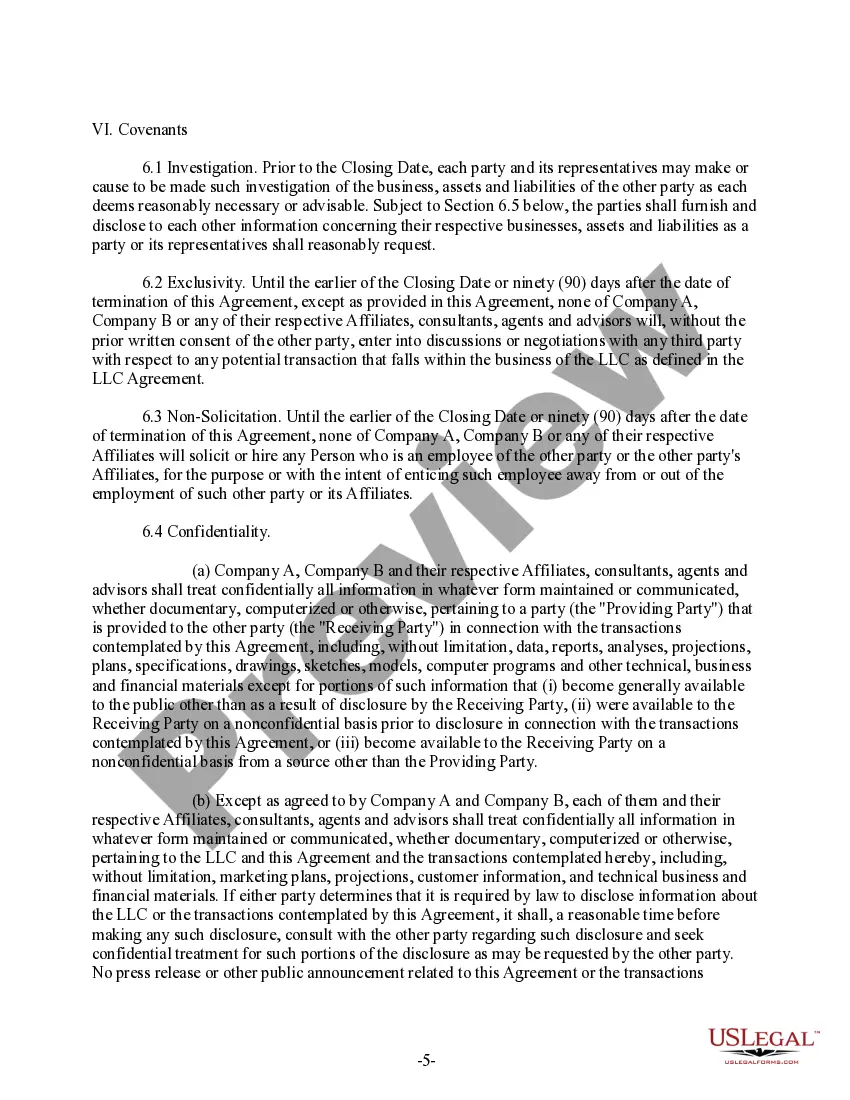
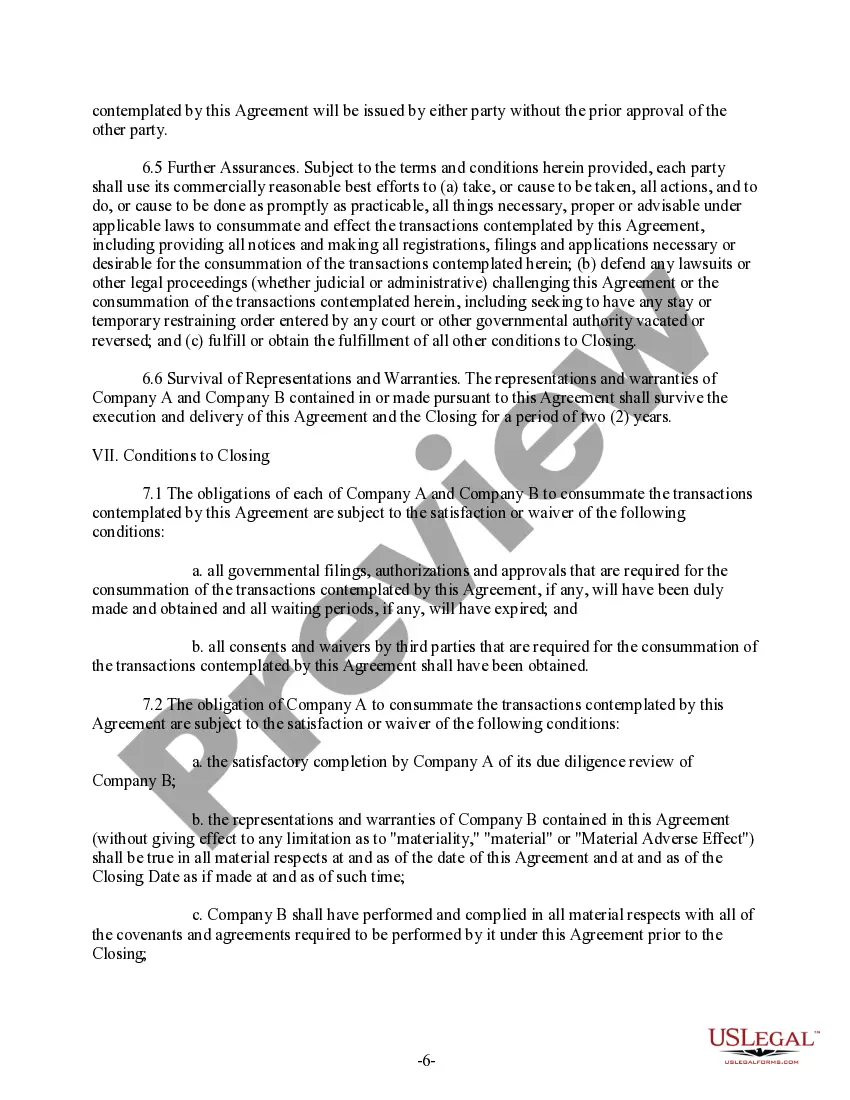
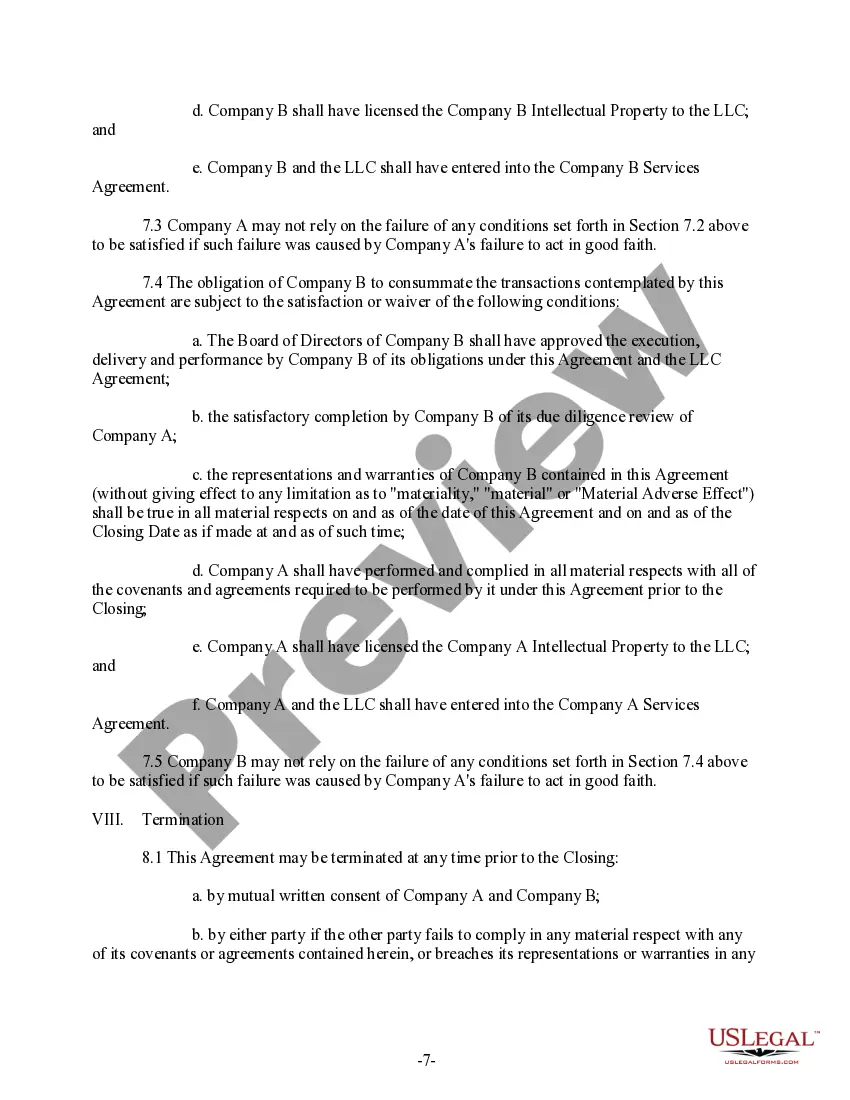
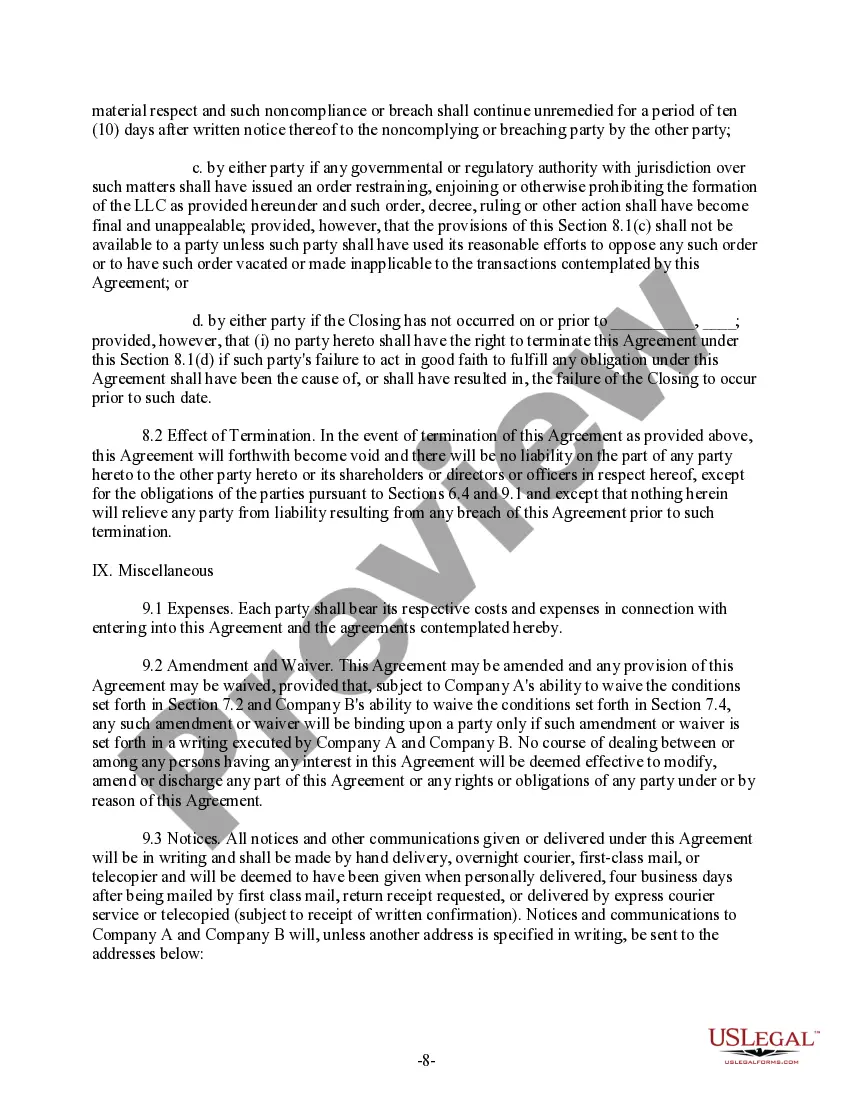
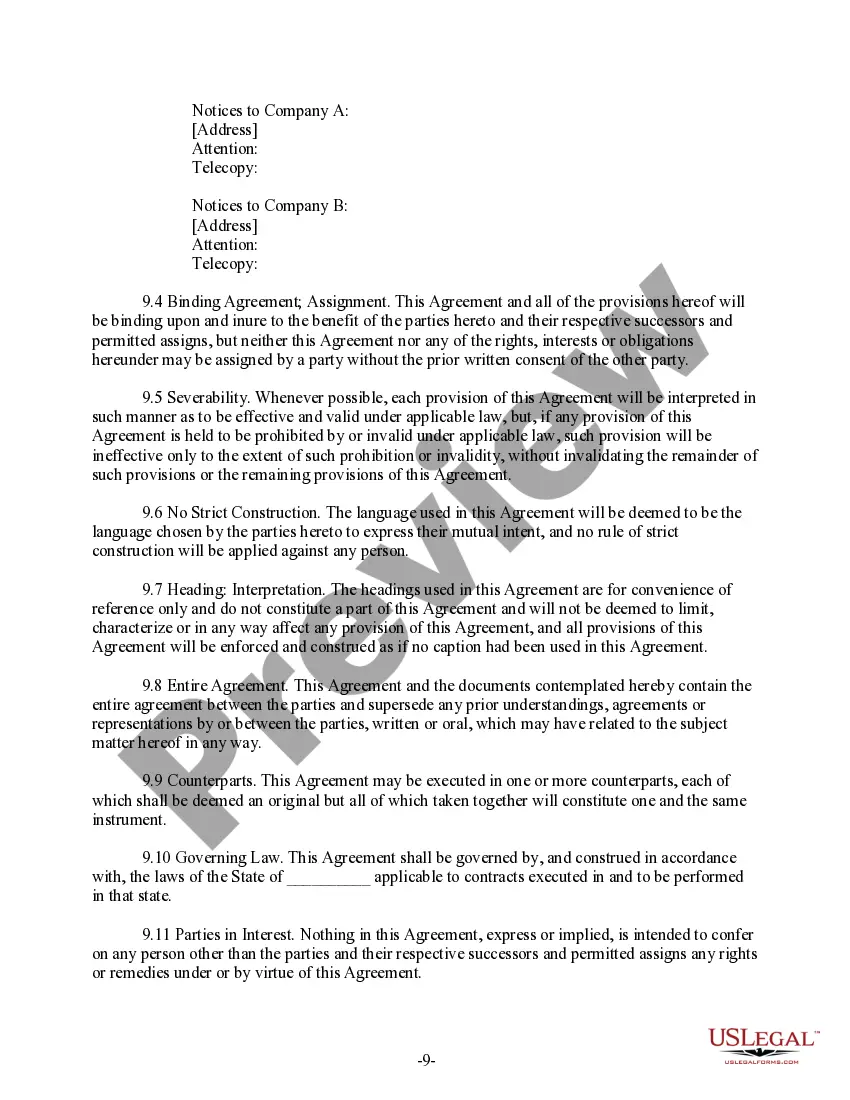
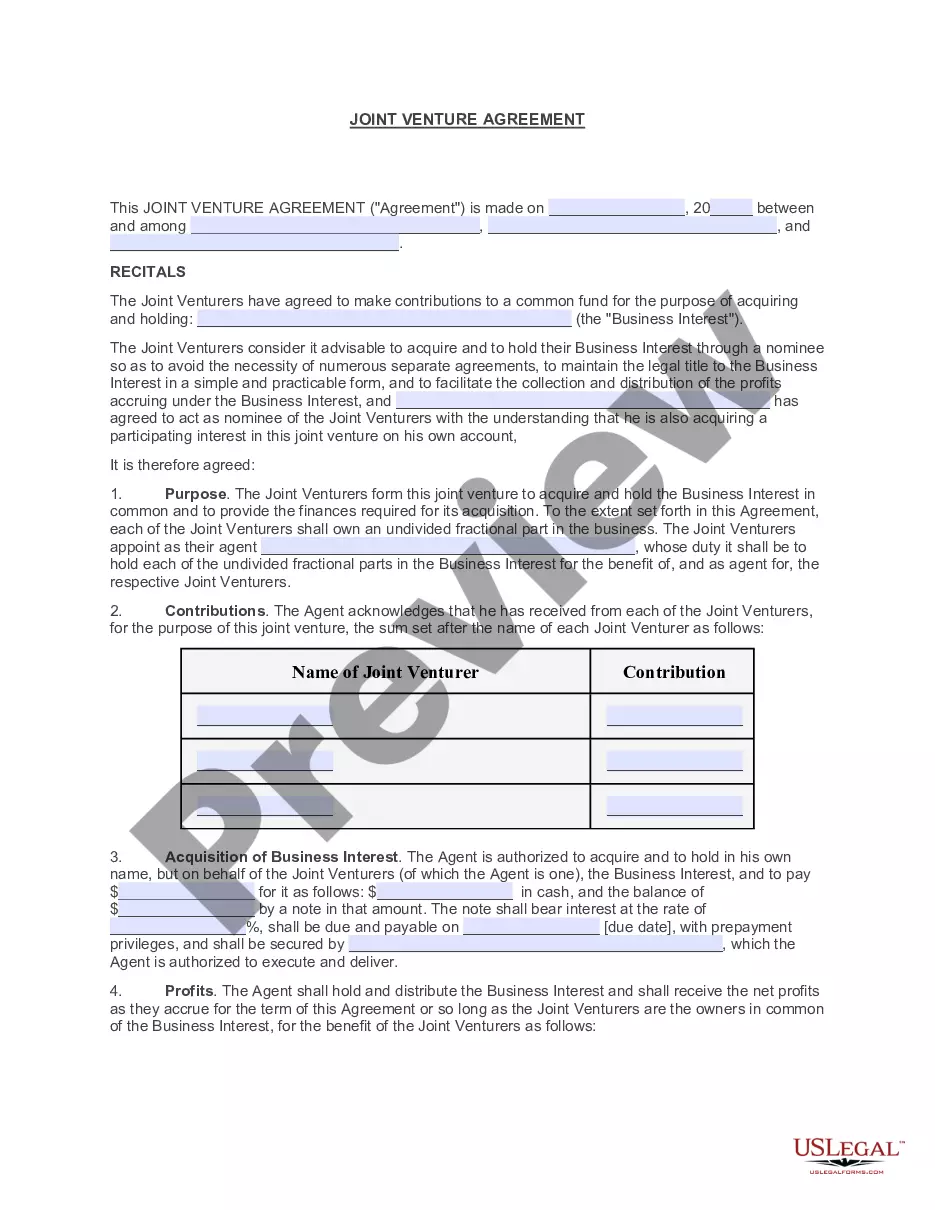
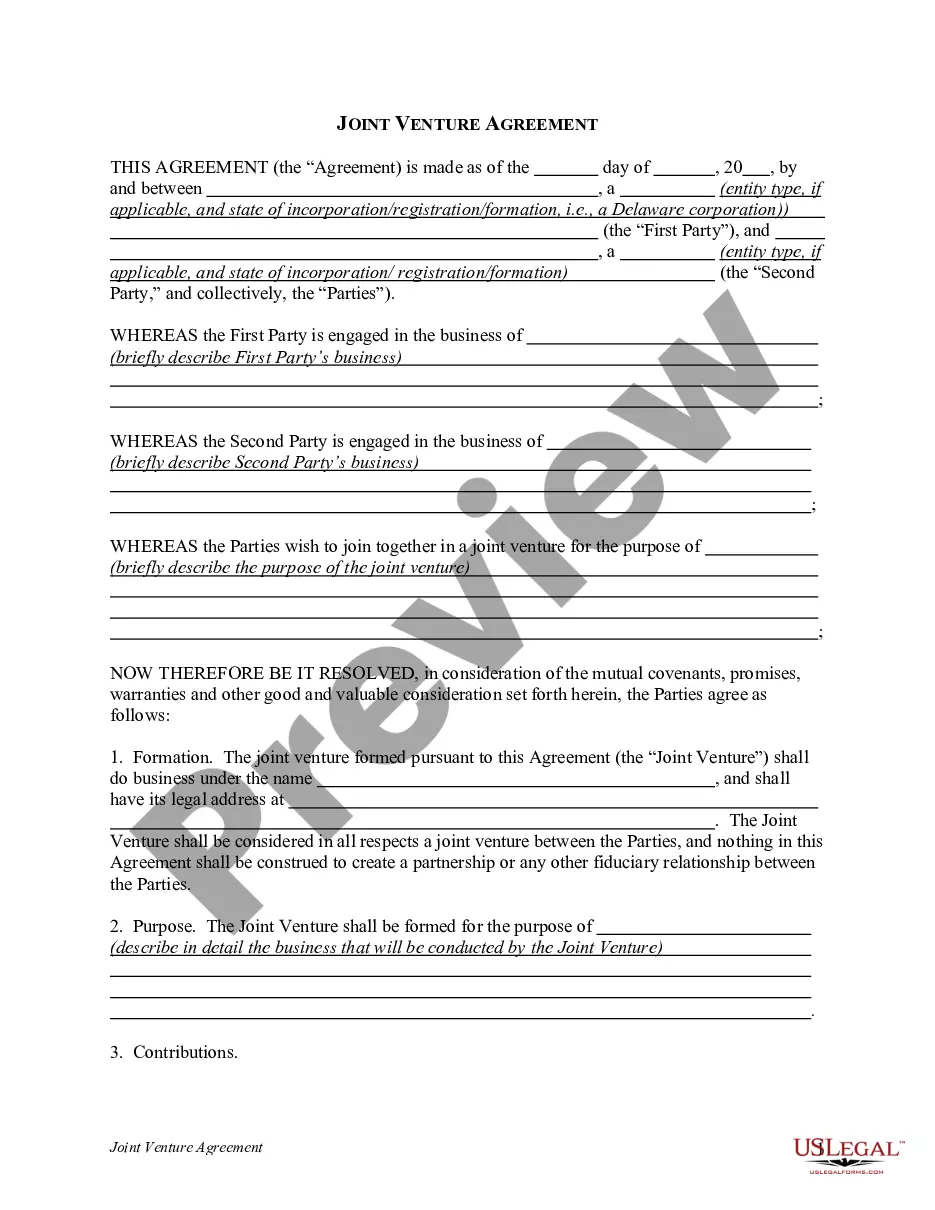
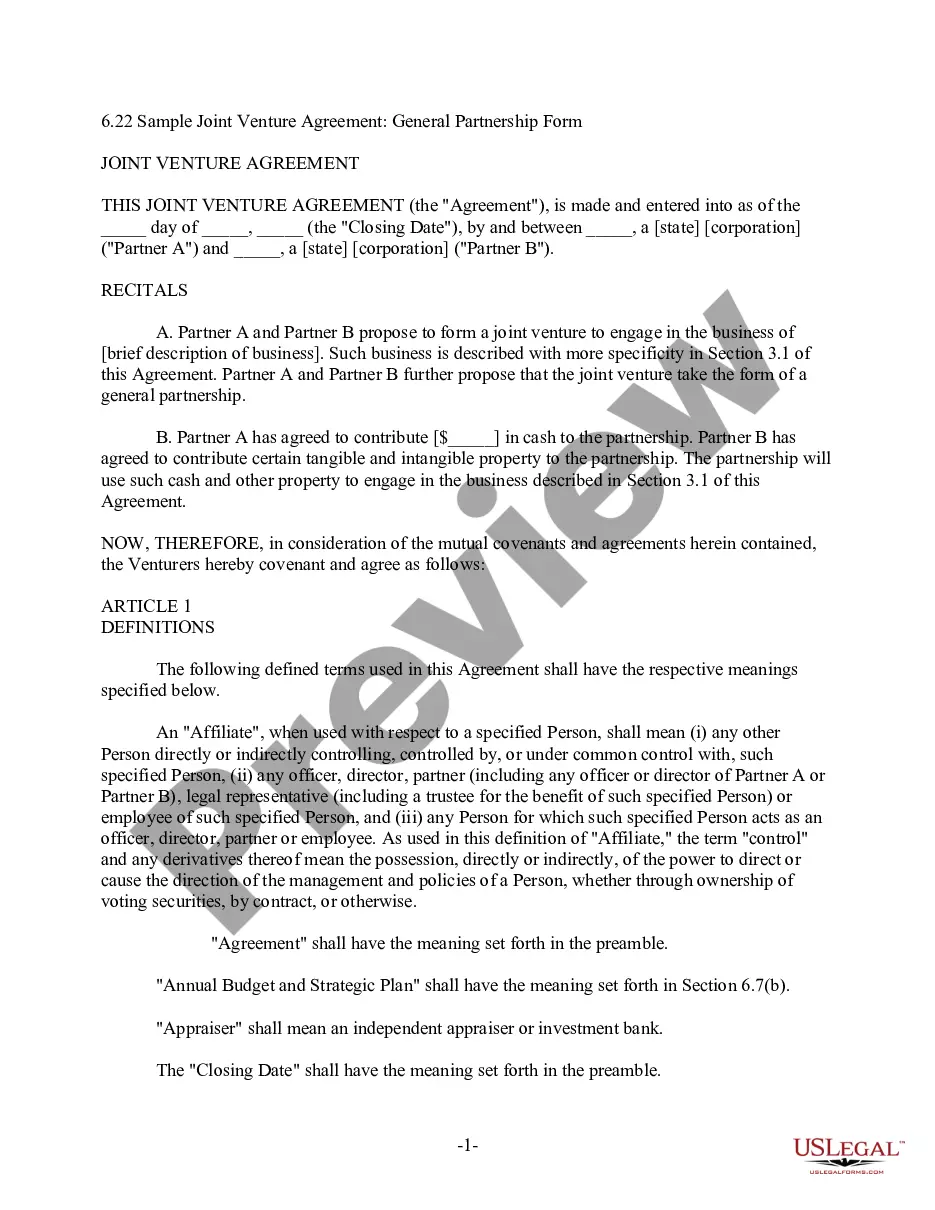
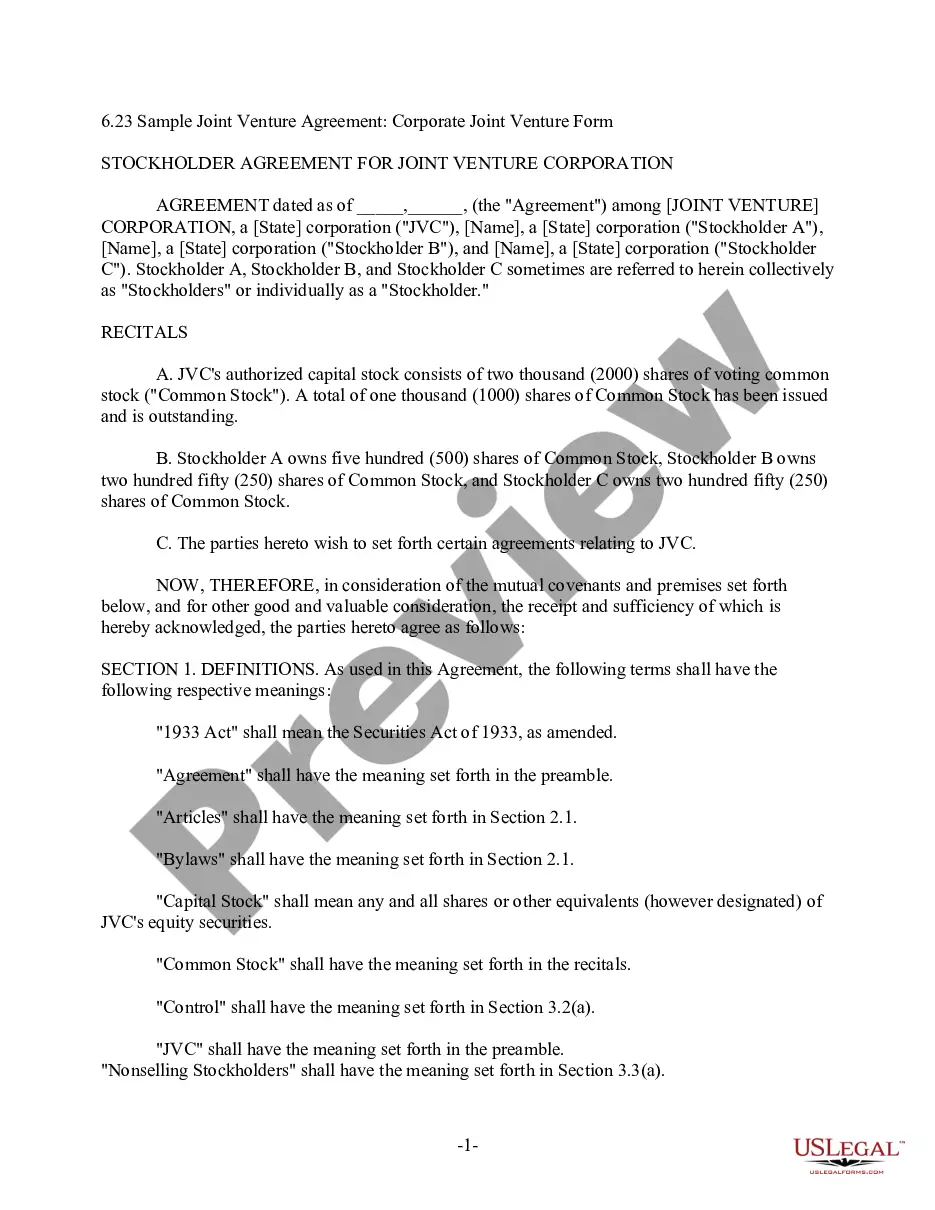
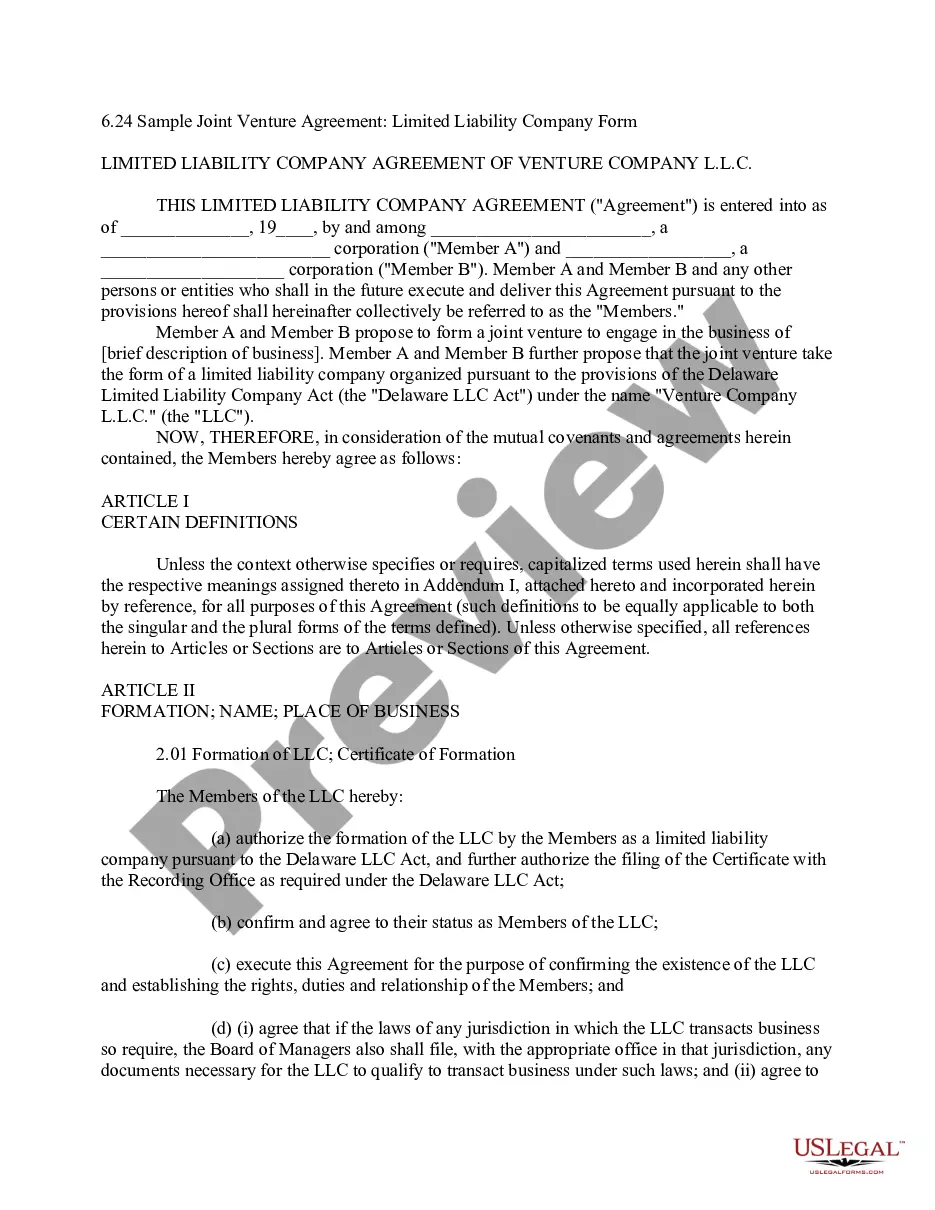
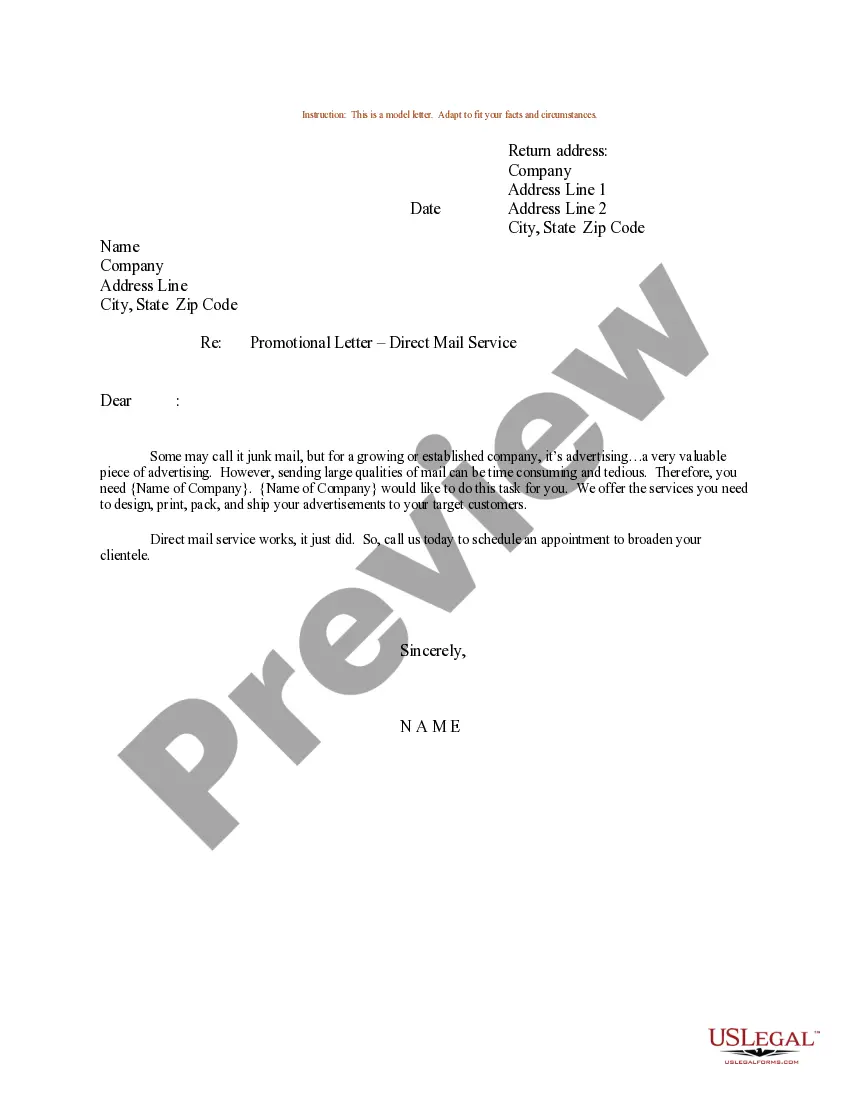
This form is a model adaptable for use in partnership matters. Adapt the form to your specific needs and fill in the information. Don't reinvent the wheel, save time and money.
A lawyer can be like a navigator, helping to chart the course for the joint venture by ensuring that the agreement is fair, legal, and covers all the bases, so everyone knows what to expect.
Yes, joint ventures can be dissolved if the goals are met, or if the parties decide to part ways. However, it's like splitting a cake—you'll need to figure out how to divide what's left fairly!
Potential risks include disagreements between partners, unequal contributions, or one party not pulling their weight, which can lead to tension and distrust. It's important to note these in the agreement to steer clear of trouble.
Clear communication and setting expectations right from the start are crucial. It's like building a house; a solid foundation makes for a sturdy structure. Regular check-ins can help, too!
A joint venture formation agreement typically includes details like the purpose of the joint venture, contributions from each party, profit sharing, management structure, and the duration of the partnership.
Businesses might choose to form a joint venture to leverage each other's strengths, combine resources, or enter new markets without going solo. Think of it as two heads being better than one!
A joint venture agreement is like a handshake that brings two or more parties together, allowing them to work as a team on a specific project while sharing risks and rewards.