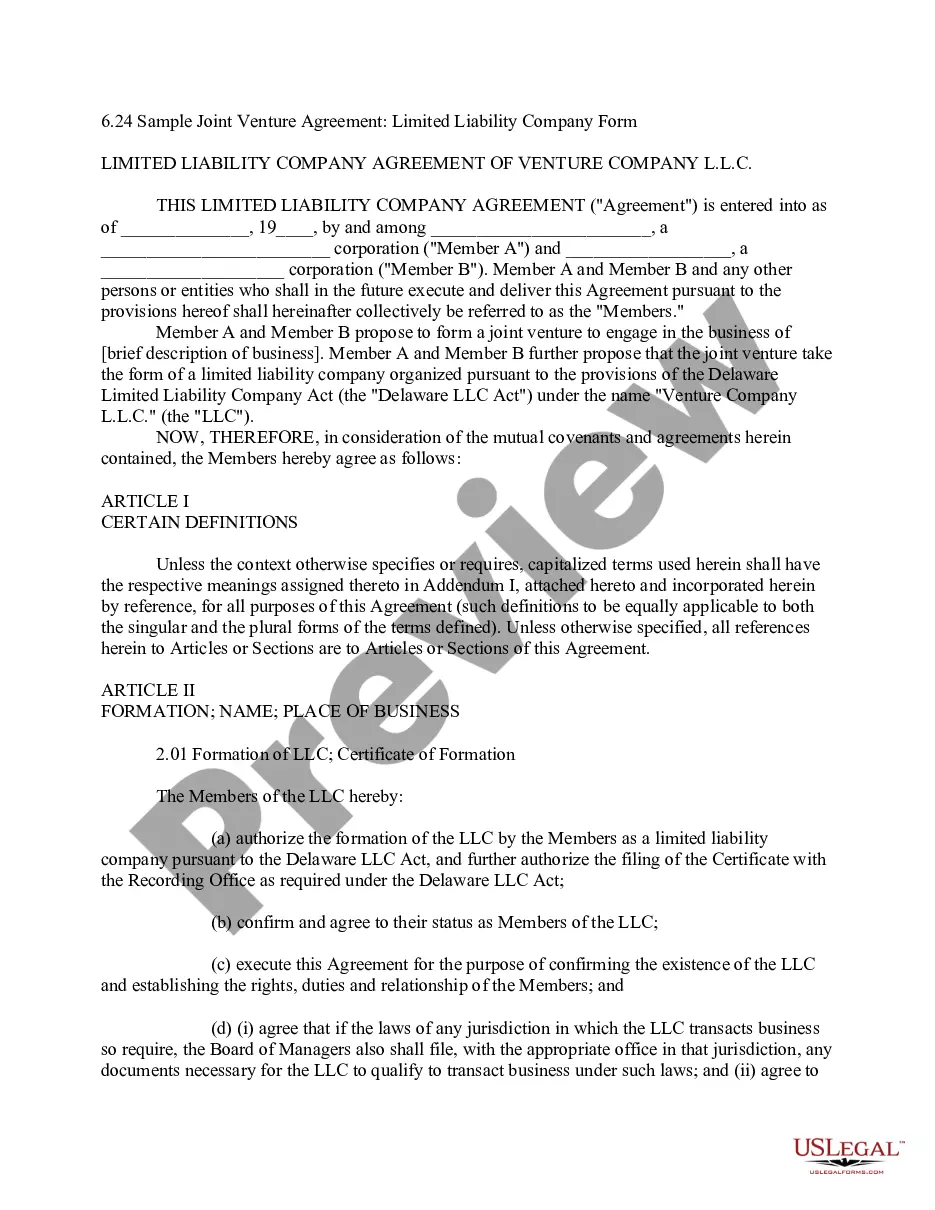
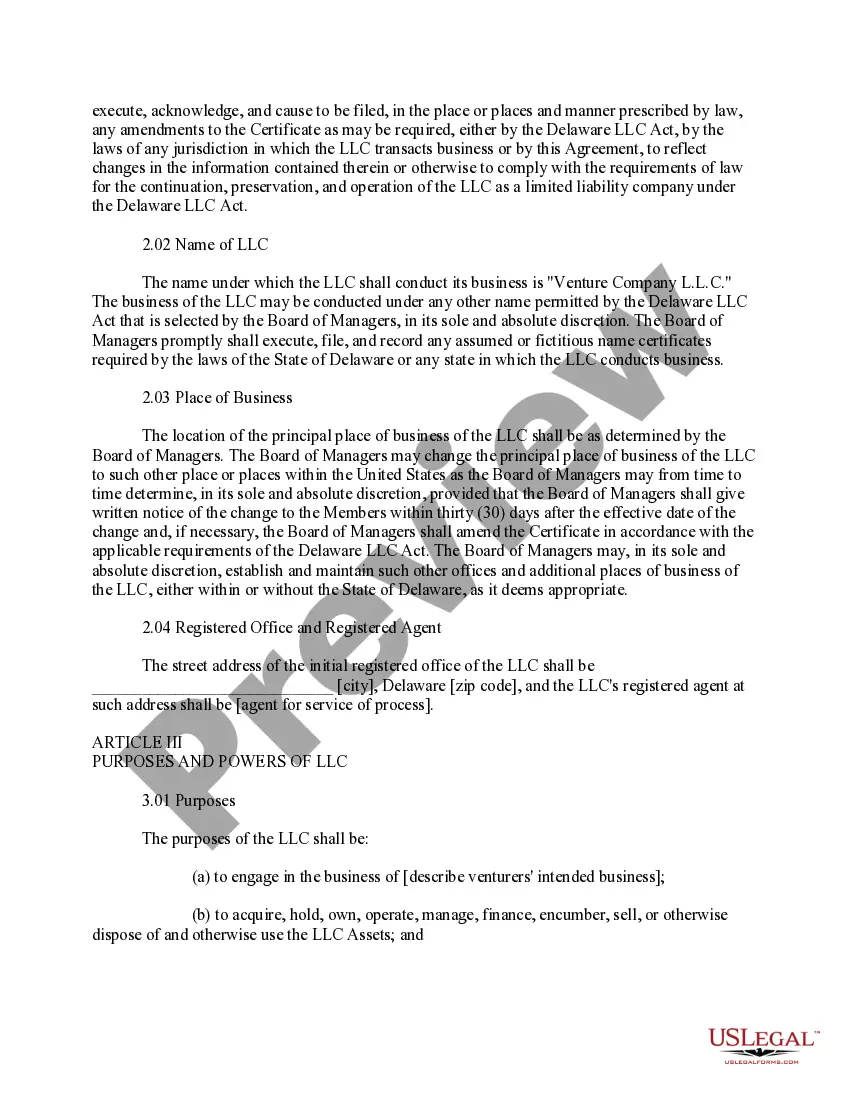
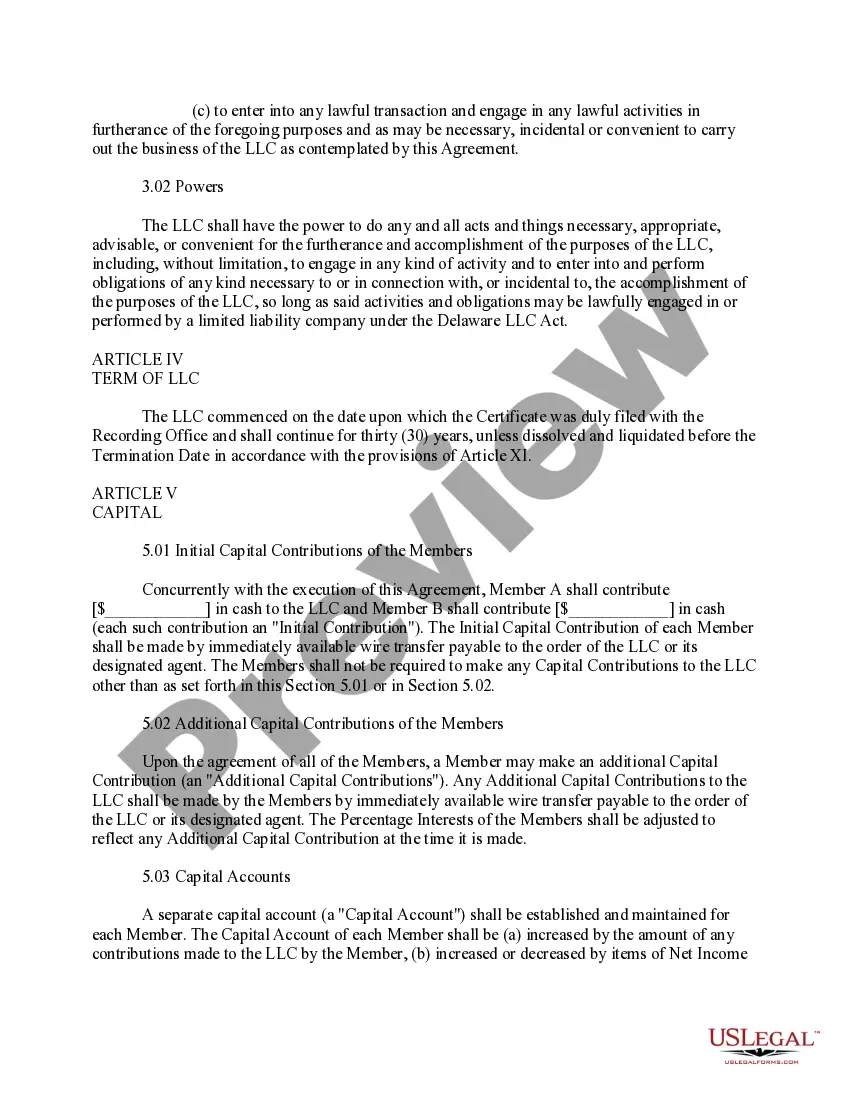
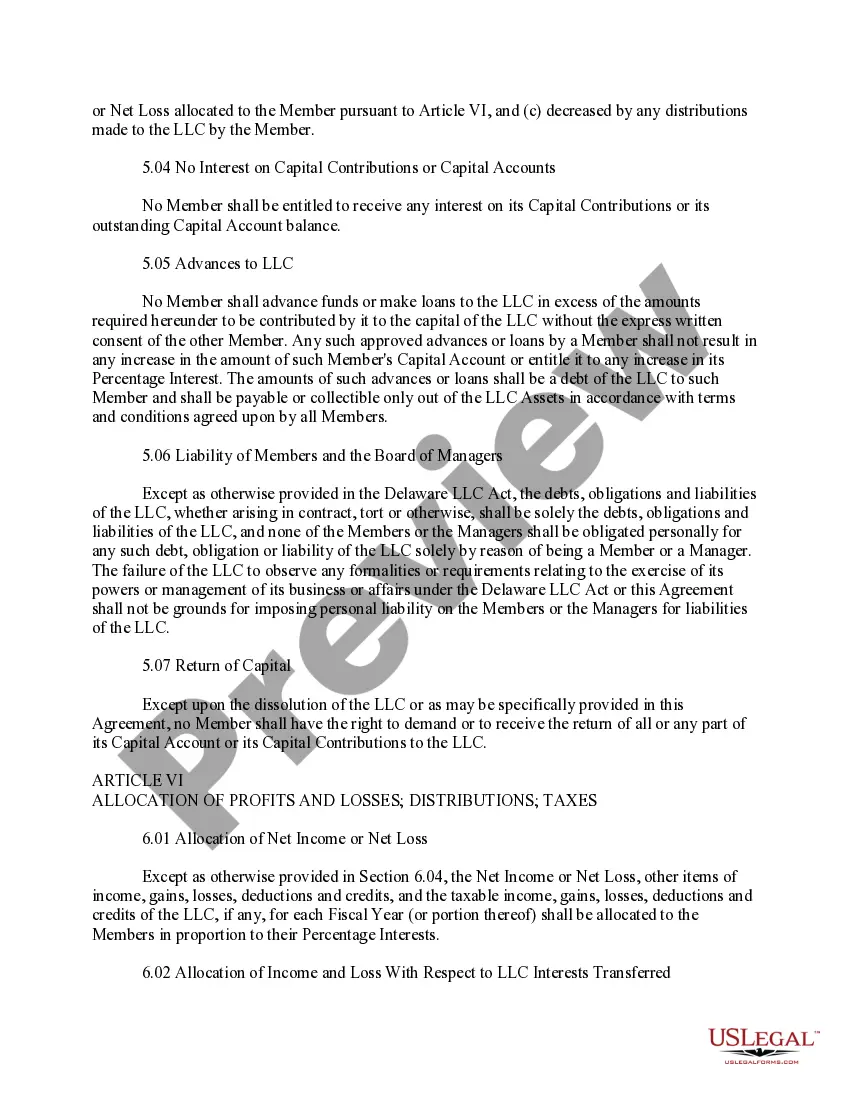
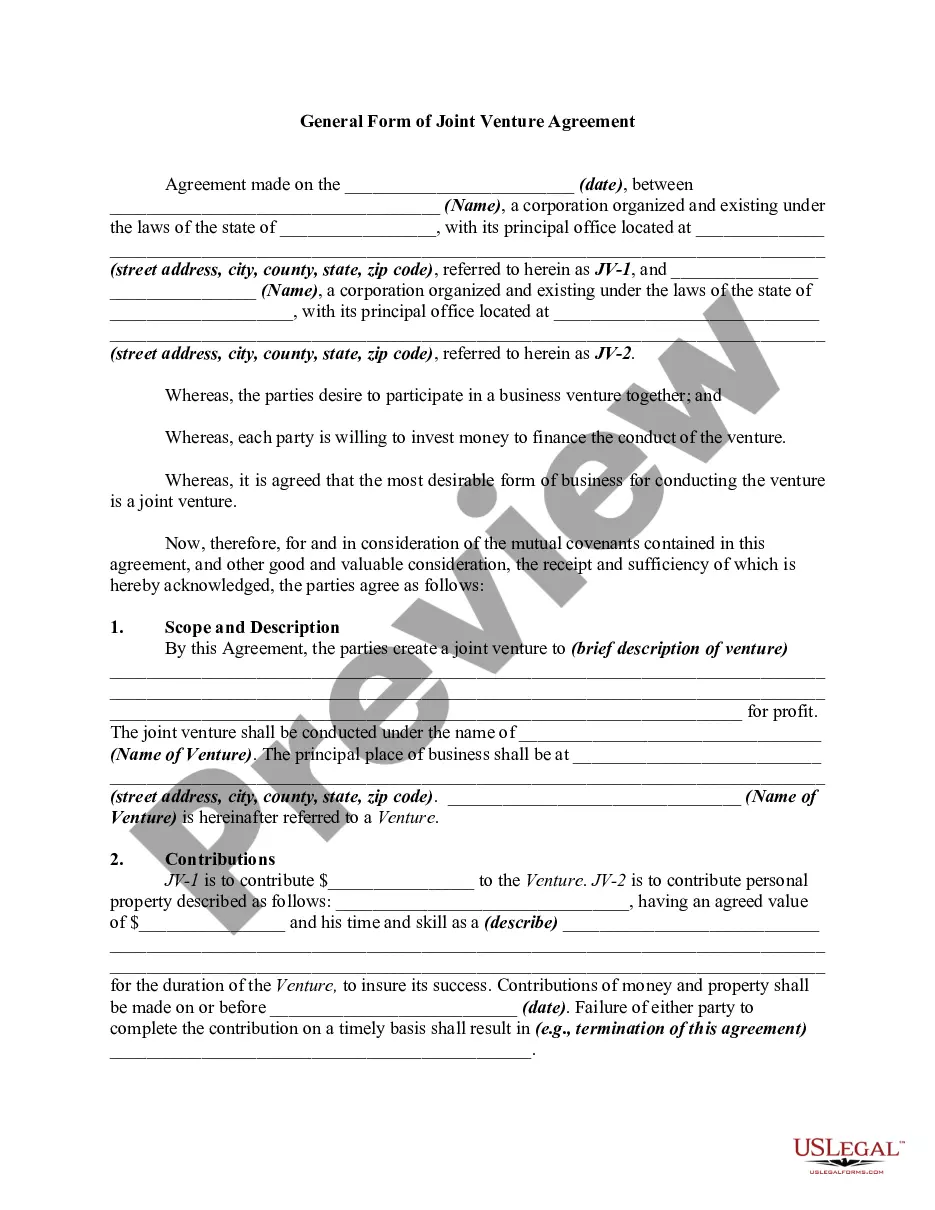
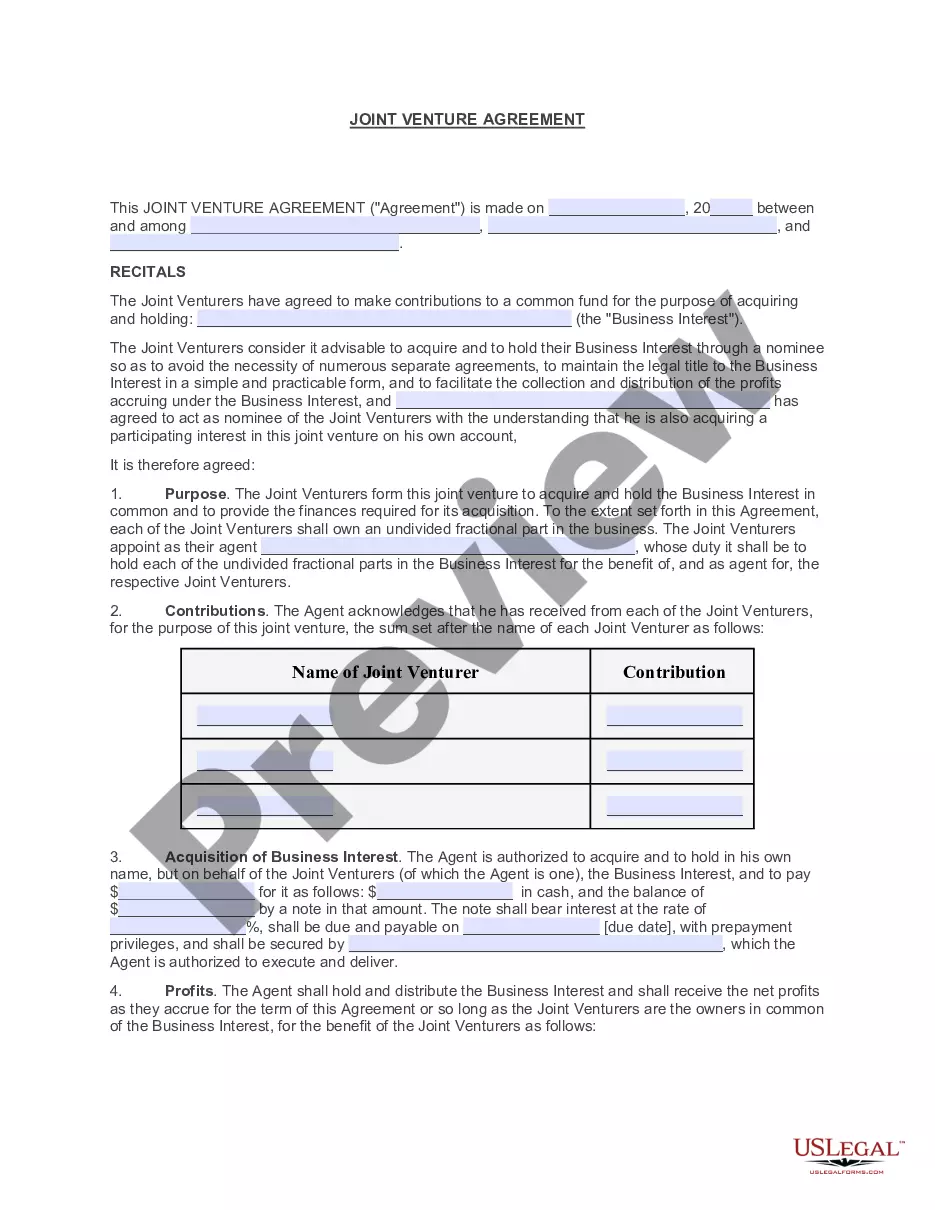
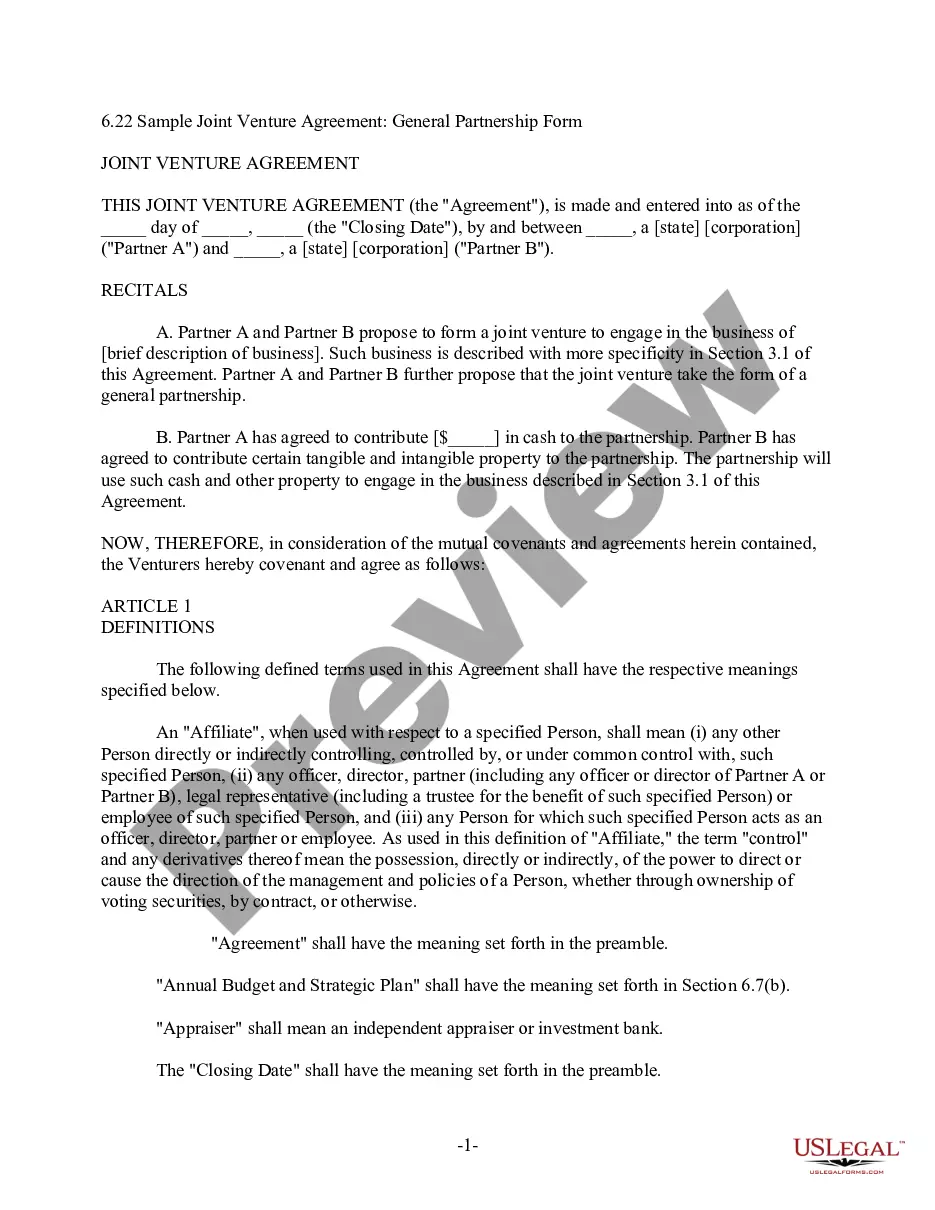
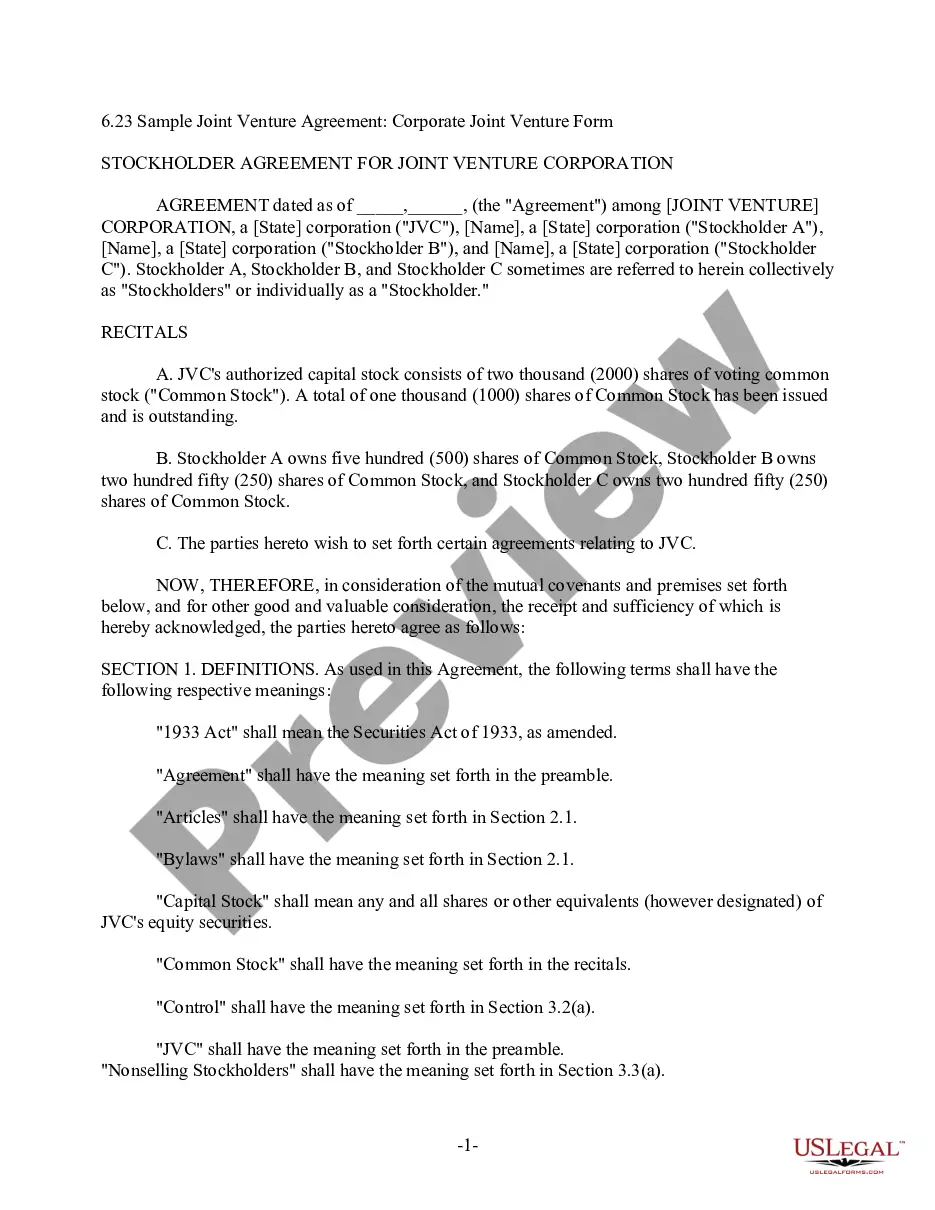
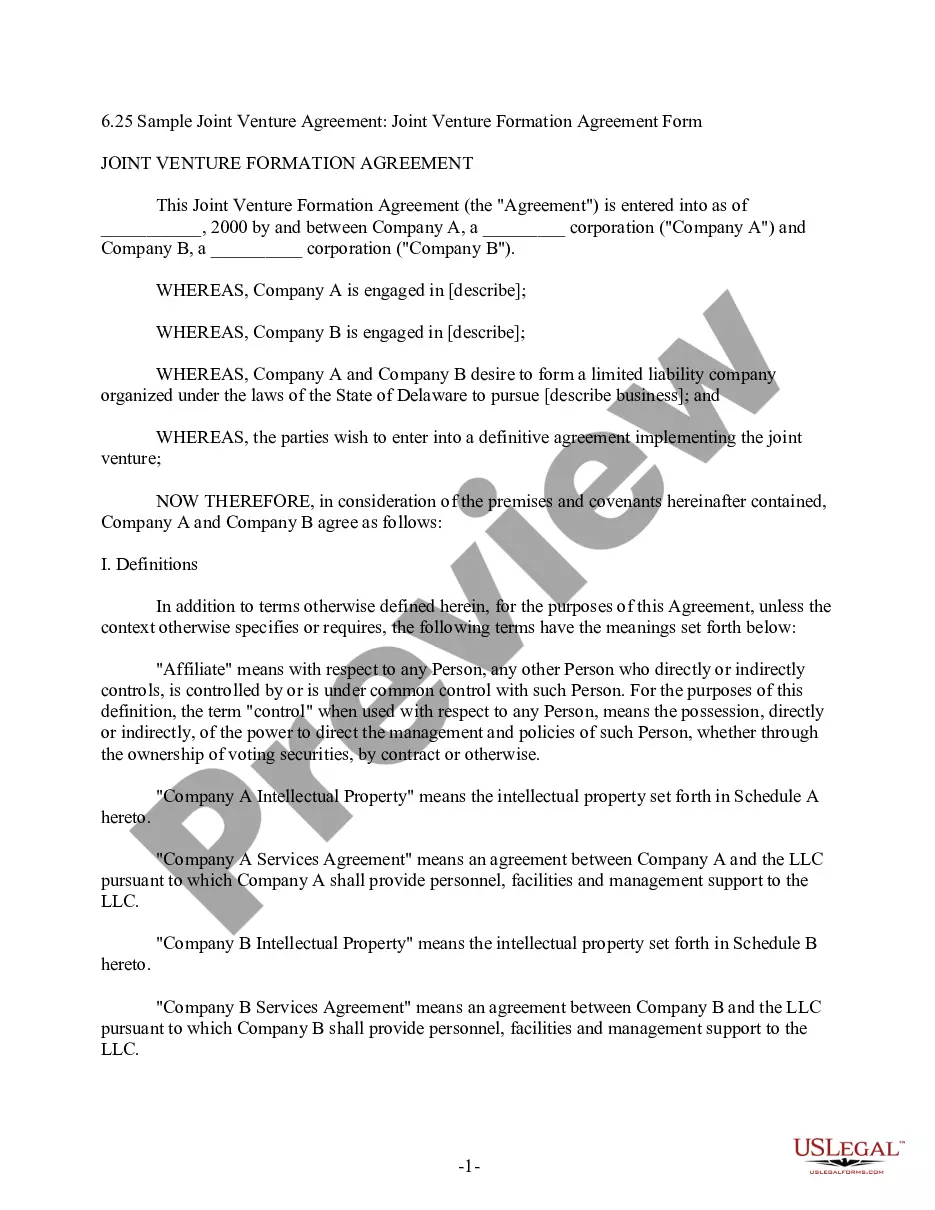
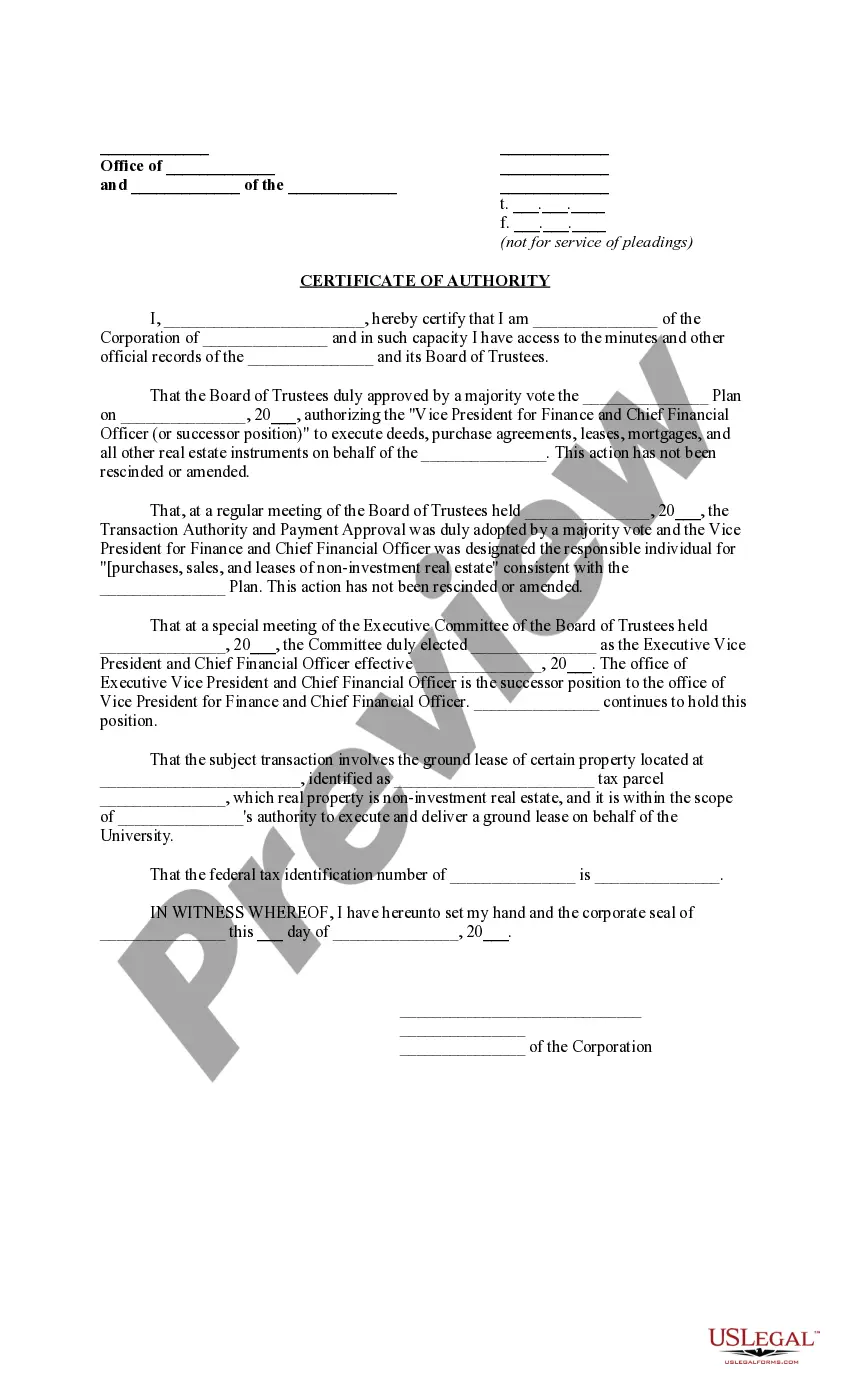
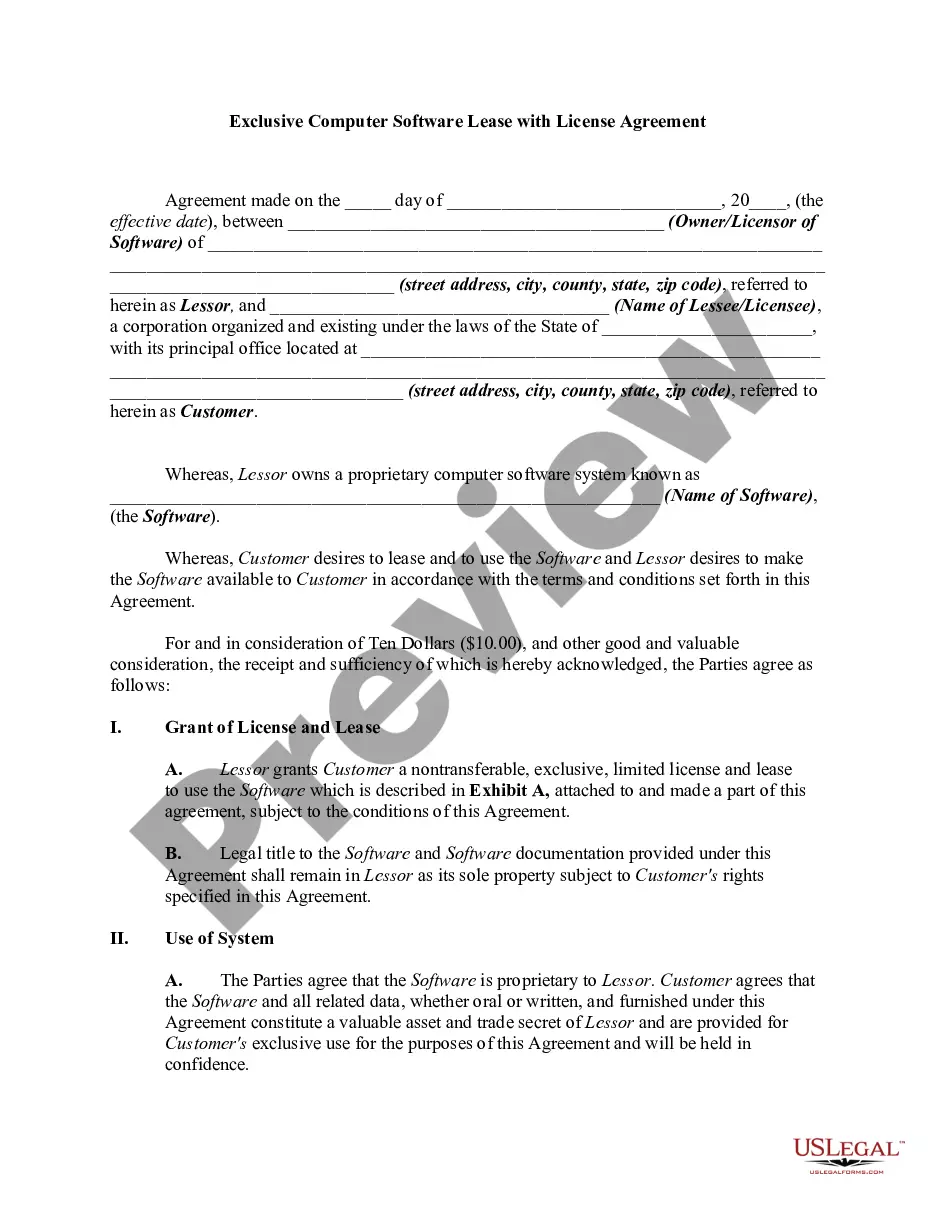
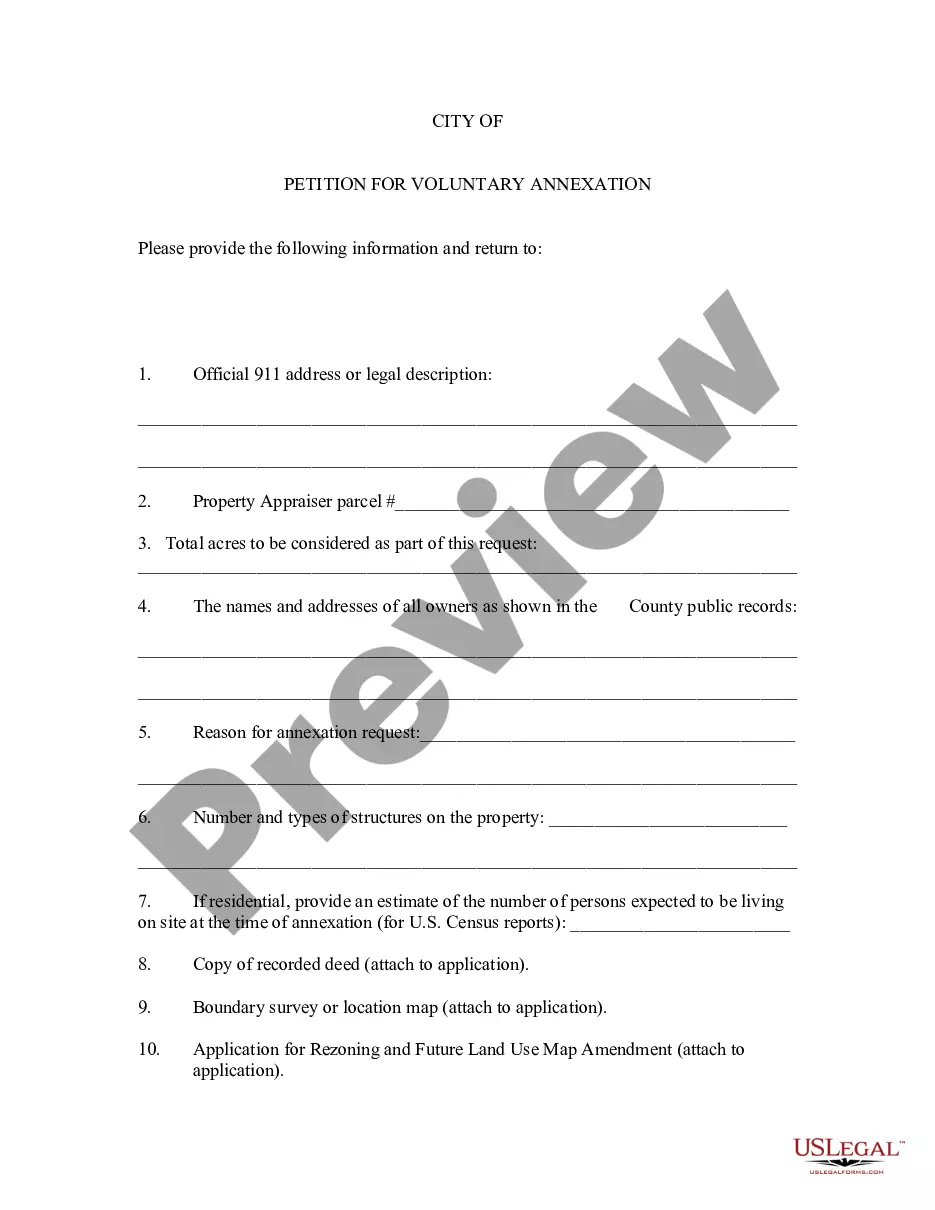
This form is a model adaptable for use in partnership matters. Adapt the form to your specific needs and fill in the information. Don't reinvent the wheel, save time and money.
While it's not a hard and fast rule, having a lawyer look over your Joint Venture Agreement can be a wise move. They can help you avoid pitfalls and ensure everything's above board.
If a partner wants to exit, the process should be spelled out in your agreement. This usually includes how to handle their share of the profits and any transitional responsibilities.
Absolutely! Just remember that any changes should be agreed upon by all parties involved and documented clearly to avoid any mix-ups later on.
Your agreement should cover the basics, like the purpose of the joint venture, each party's contributions, how profits will be divided, and a plan for what happens if things don't go as planned.
Crafting a joint venture agreement is all about clear communication. You can start by discussing goals with your partners, then write down all the terms, like profit sharing and roles, preferably with some legal help to make it solid.
You’d want a Joint Venture Agreement to avoid any misunderstandings down the road. It sets the ground rules, so everyone knows what's expected and can play nice together.
A Joint Venture Agreement is like a handshake deal between two or more parties who want to collaborate on a specific project while keeping their LLCs separate. It's a way to share resources and profits while clearly laying out everyone's responsibilities.