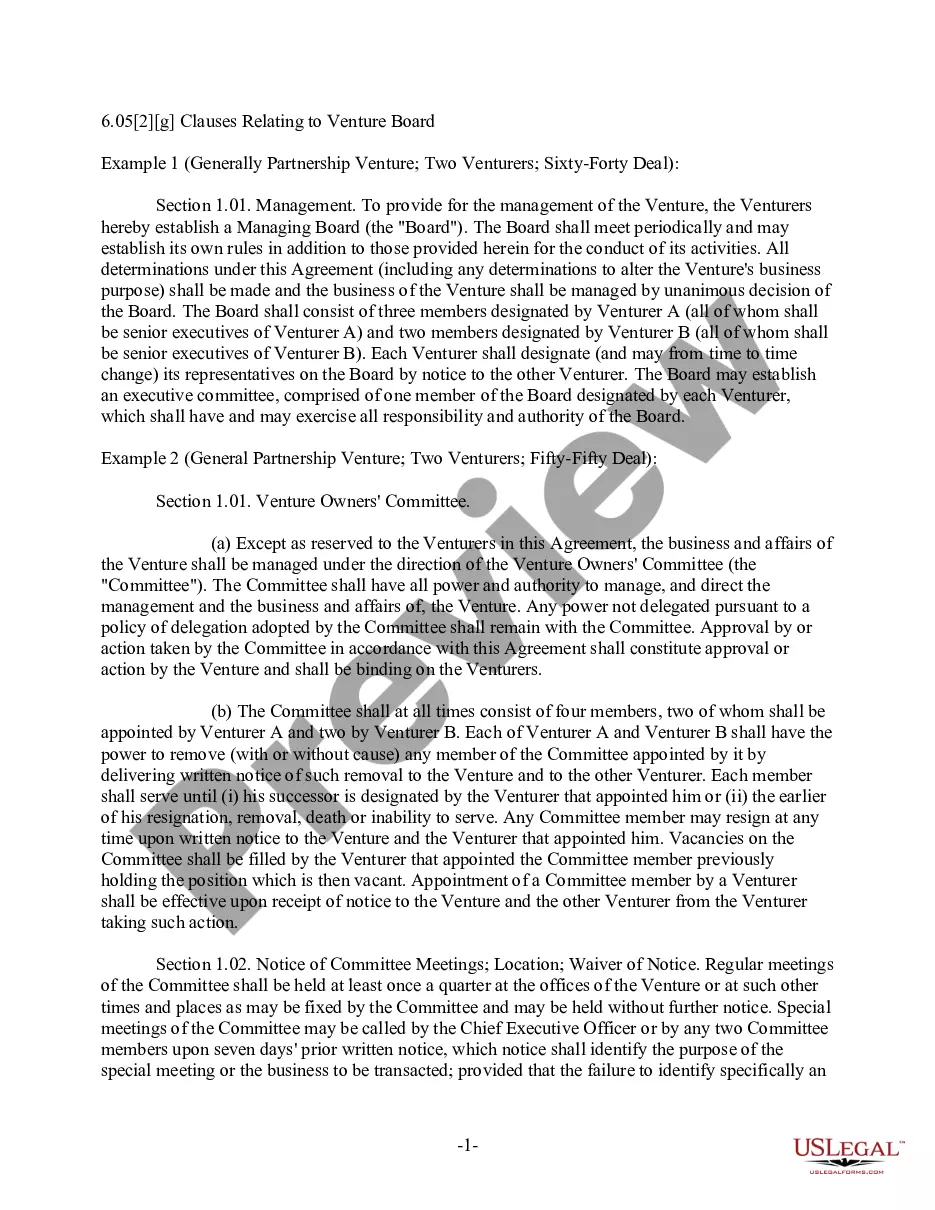
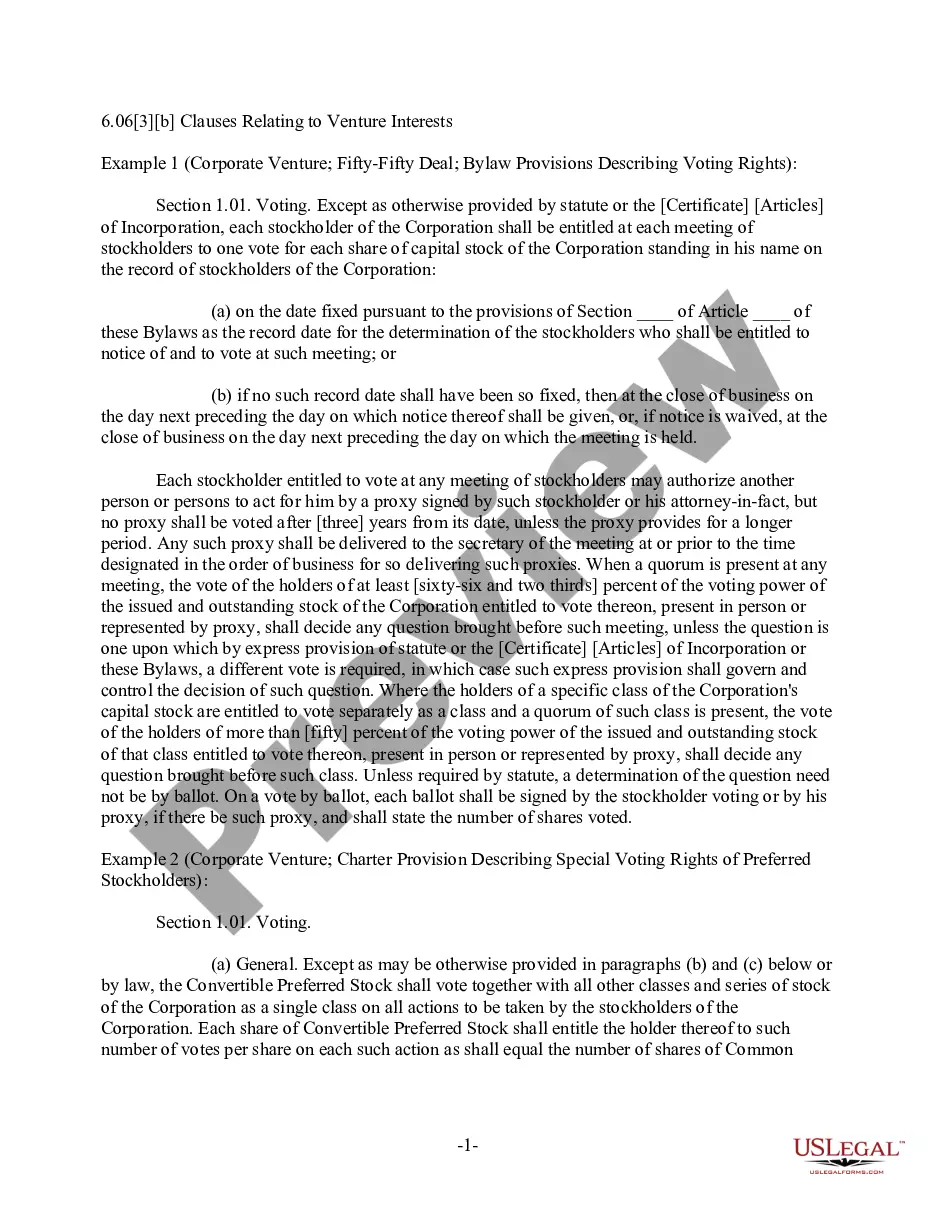
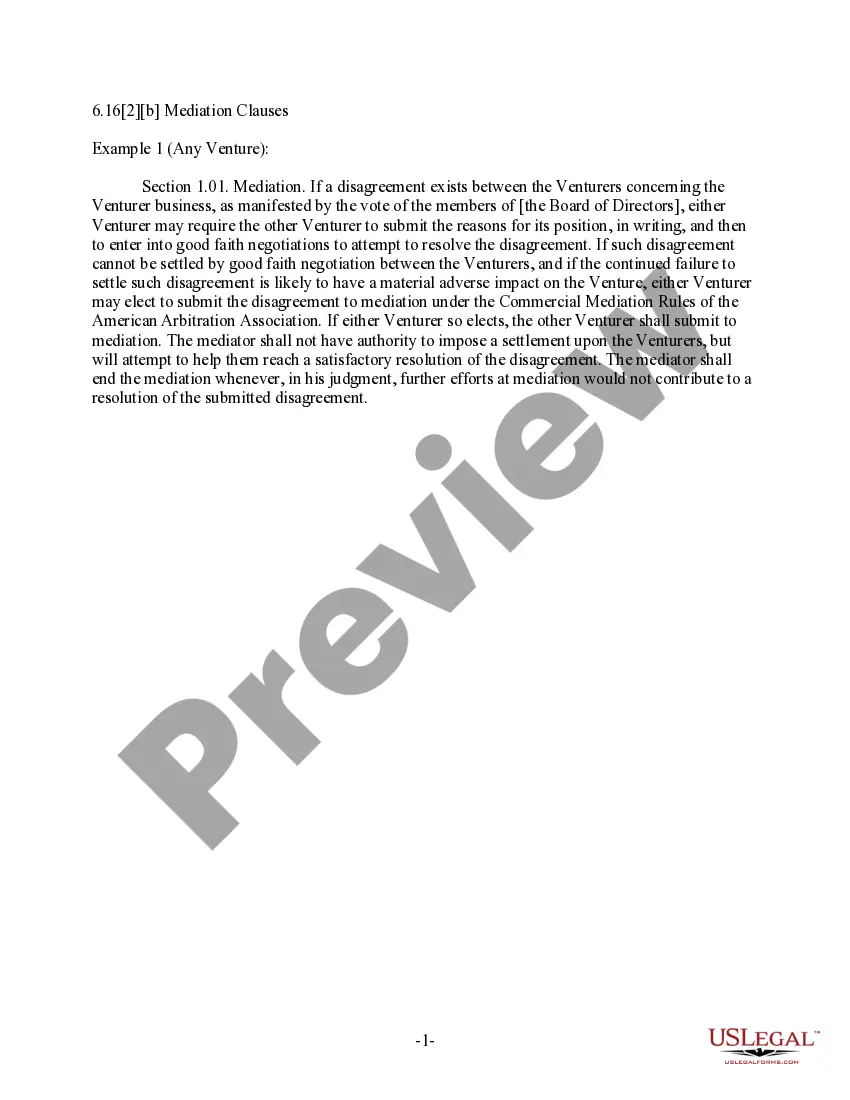
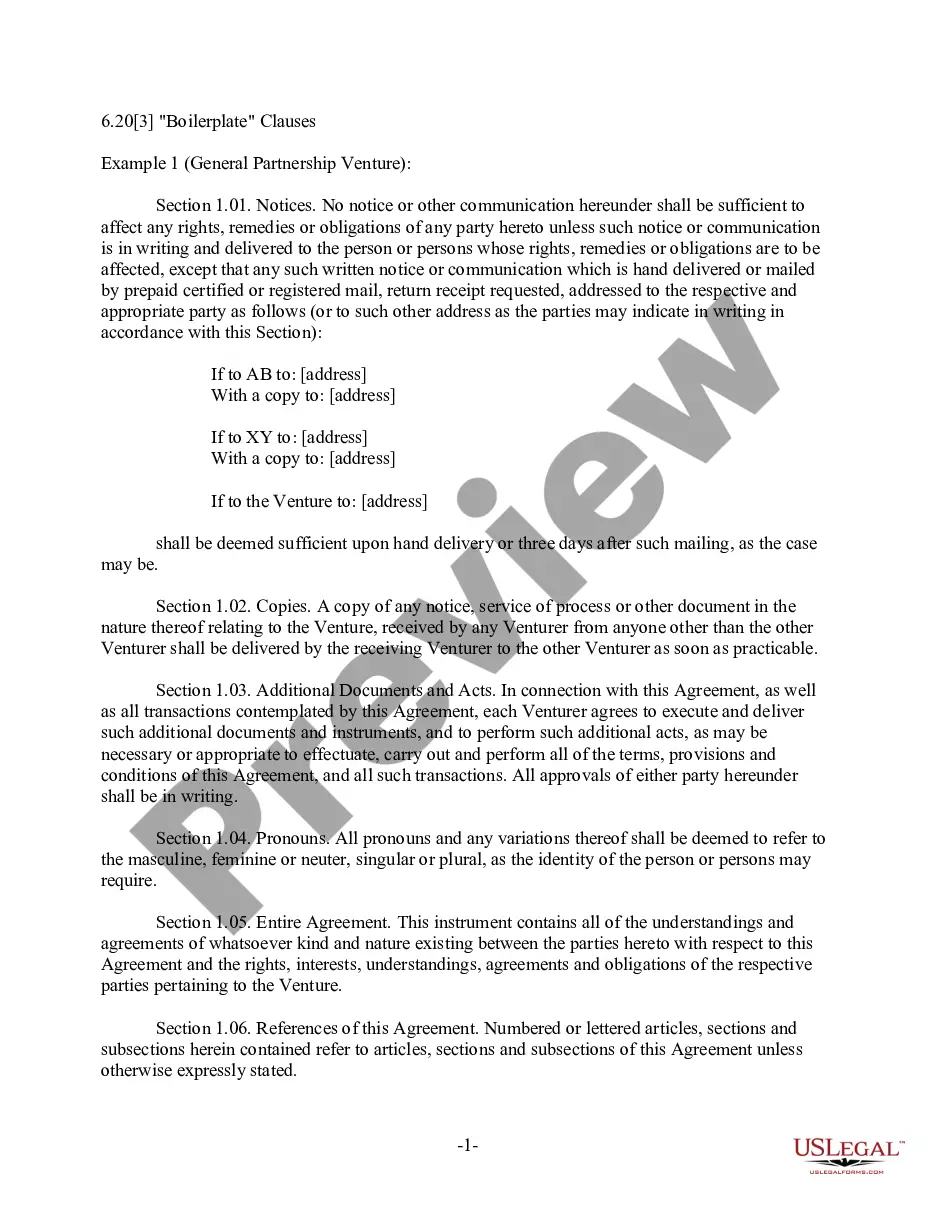
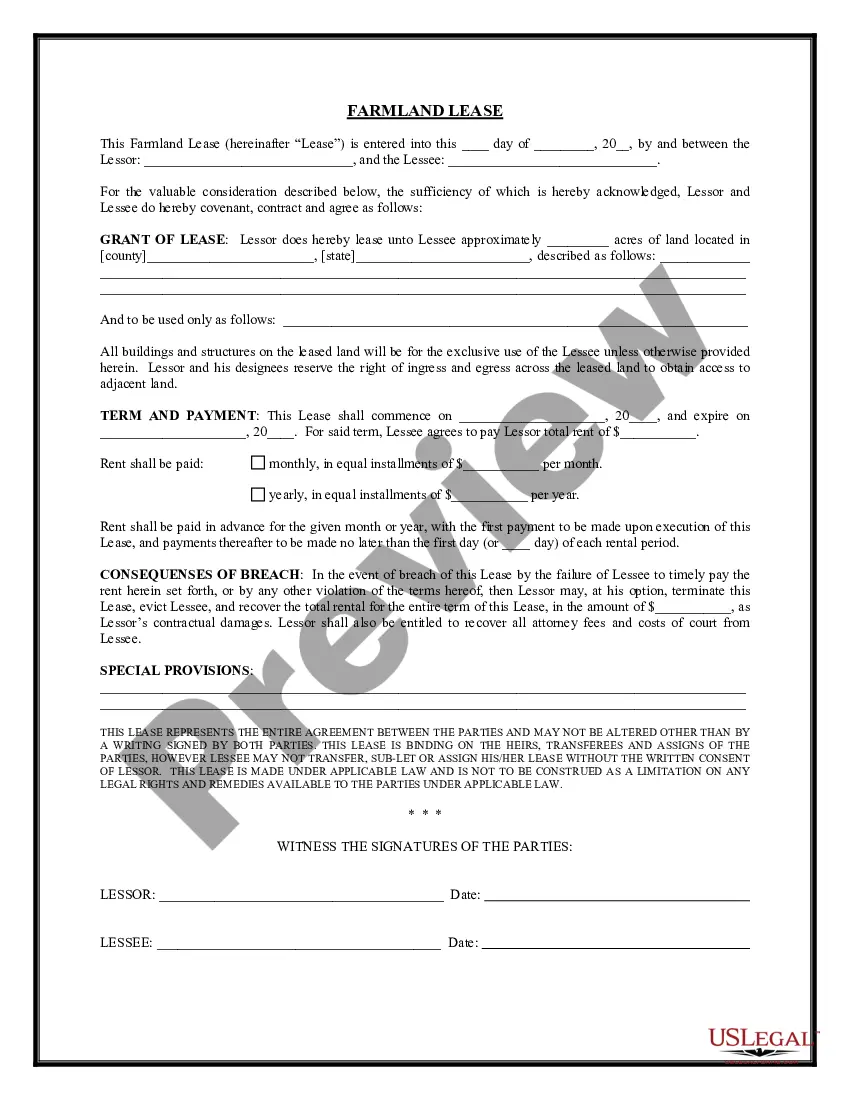
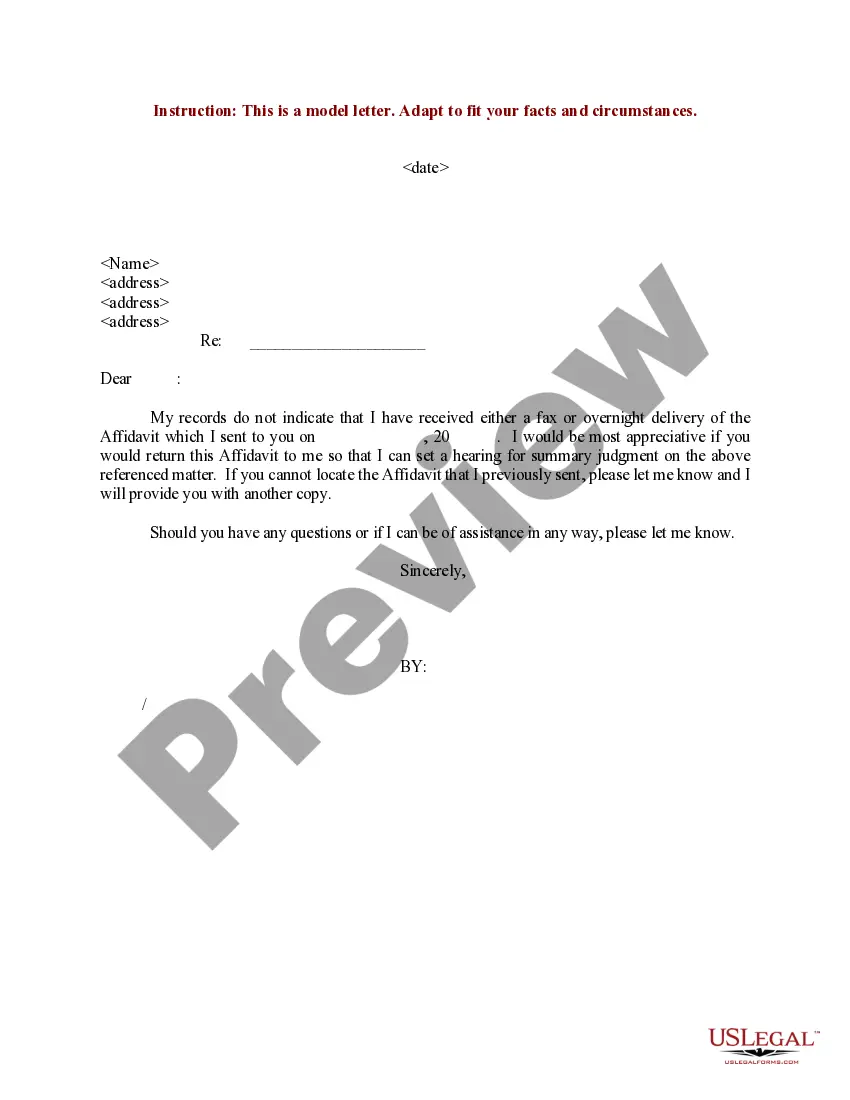
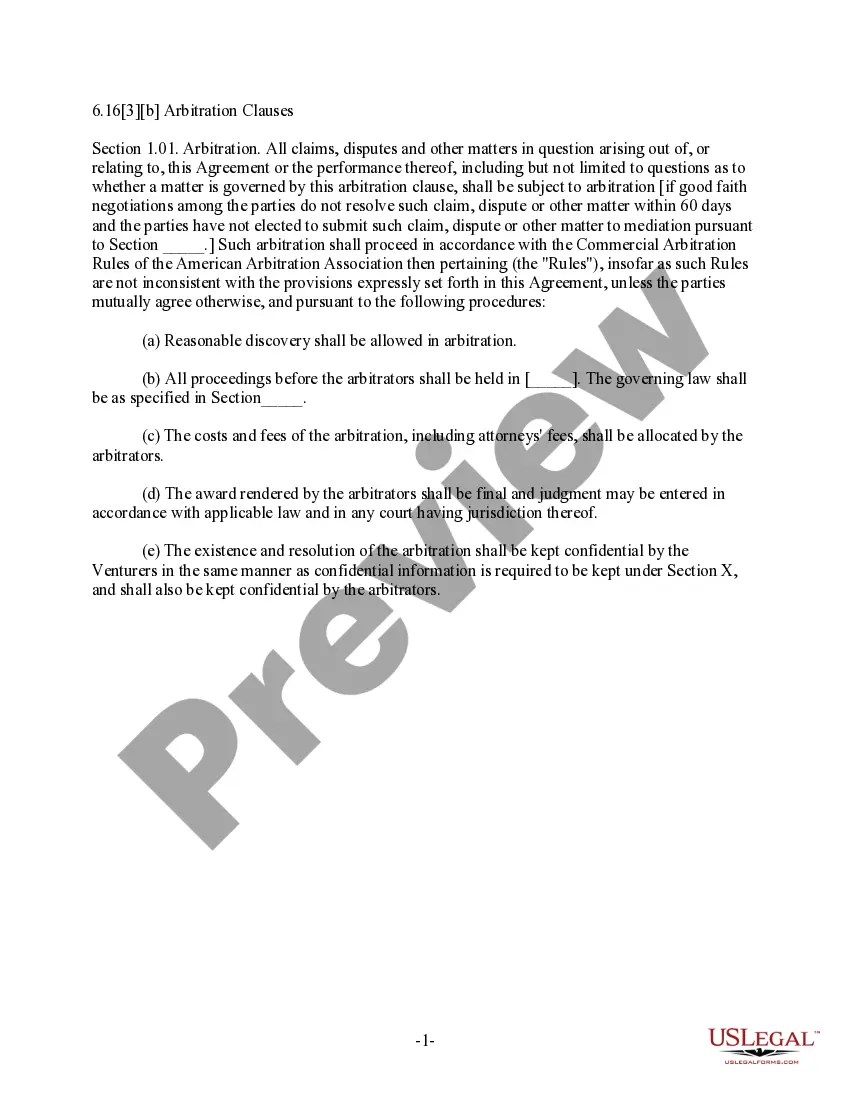
This form is a model adaptable for use in partnership matters. Adapt the form to your specific needs and fill in the information. Don't reinvent the wheel, save time and money.
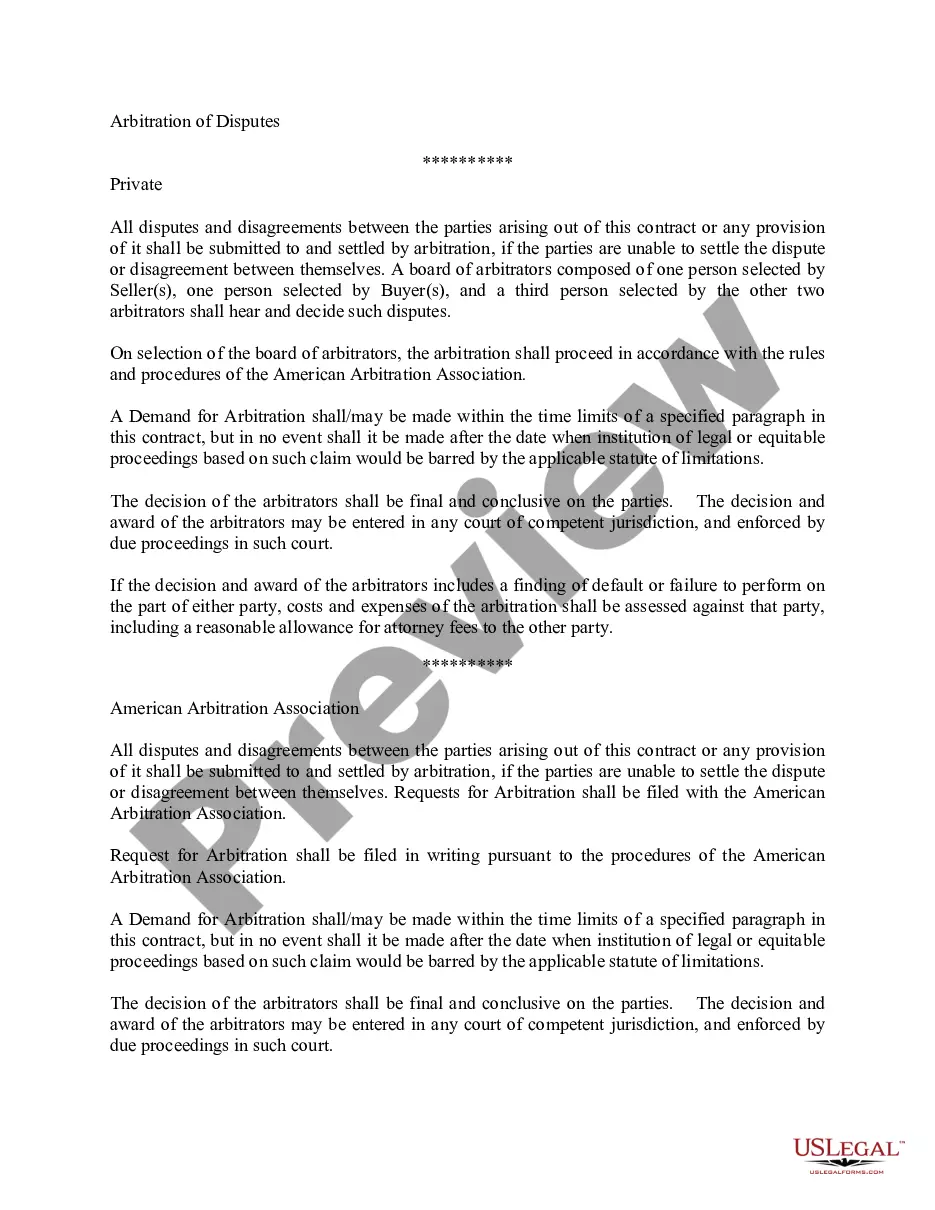
Yes, in most cases, the decision (or award) is final and binding, meaning you can’t appeal it easily. It’s like a final whistle in a game—you either win or lose, and that’s the end of the story.
Arbitration is often faster, less formal, and more private than a courtroom battle. It's like having a chat with a mediator rather than a shouting match in front of a judge.
The parties involved usually agree on an arbitrator, or some organizations can help pick one. Think of it as choosing a referee for a game, someone both teams trust to make fair calls.
Arbitration can handle a variety of disputes, like business disagreements, real estate issues, and even family matters. If it can cause a conflict, it can likely be settled through arbitration.
Generally, no. Once you have an arbitration clause, it usually means you agree to settle disputes through arbitration only. It's like locking the door to the courthouse and throwing away the key.
An arbitration clause is a part of a contract that says disputes will be settled outside of court, often by a neutral third party. It's like taking a shortcut instead of going through the long legal process.