Changing or removing easements can be a tough nut to crack, often requiring public hearings and approval from the city or county.
If your property floods, even with an easement in place, it’s a good idea to discuss the situation with local officials about how they manage flood risks.
You can find out about easements by checking with the local zoning office or looking at property records, where such information is usually filed.
Typically, the city or county takes care of flood control easements, but as a property owner, you may need to keep the area clear of debris.
Building on the part of your property designated by an easement can be a sticky situation, so it’s best to check with local authorities before making any plans.
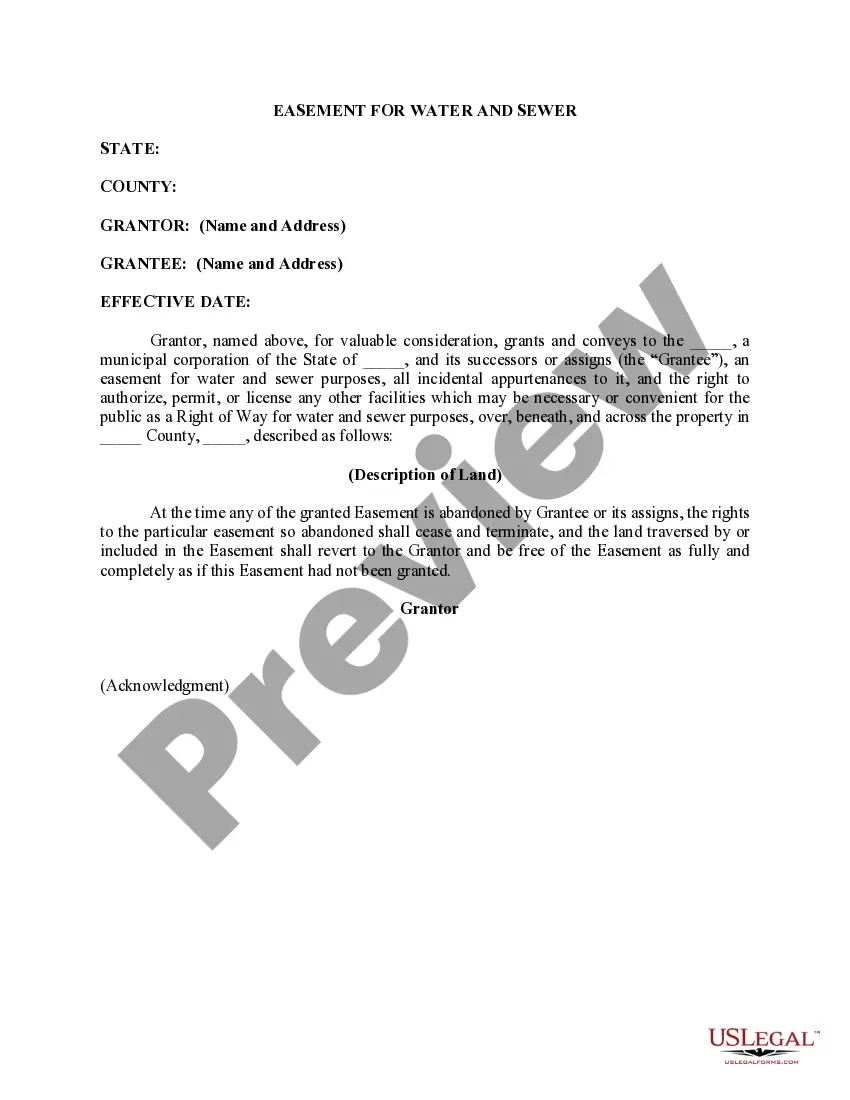
If your property is subject to an easement, it means public agencies have the right to access it for flood management, which might limit how you can use that land.
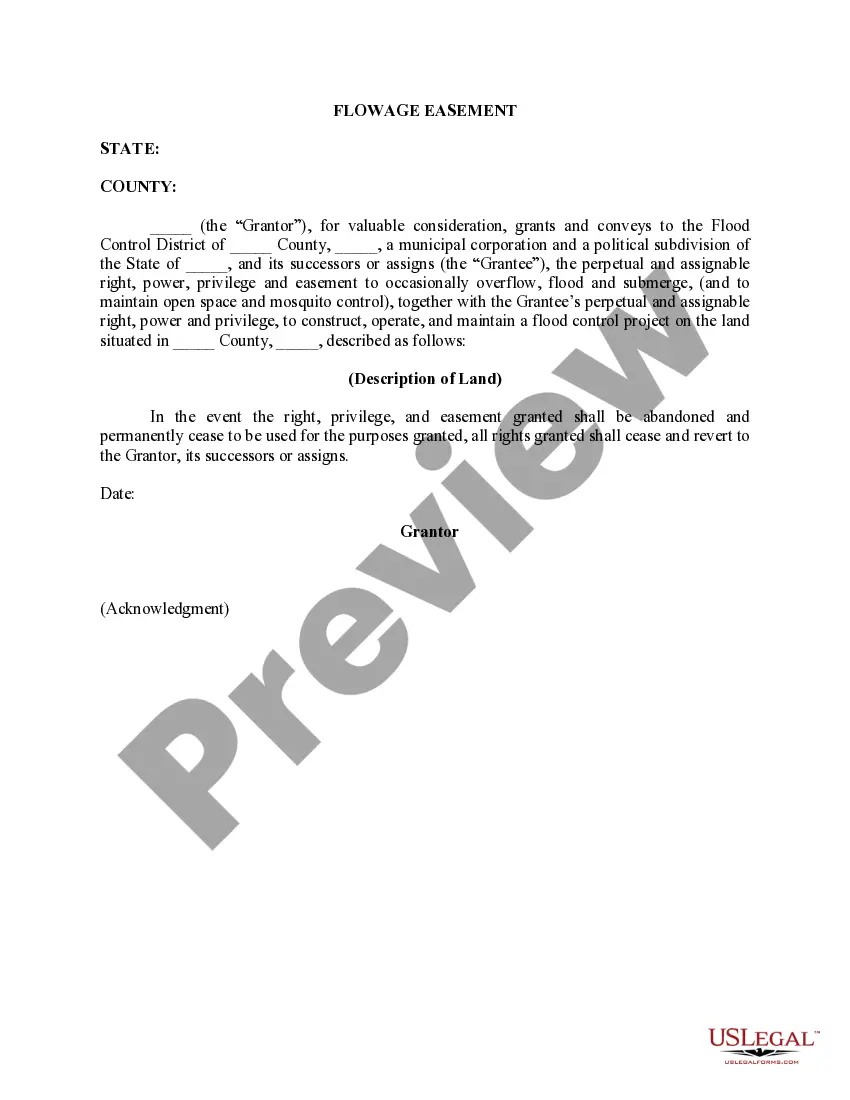
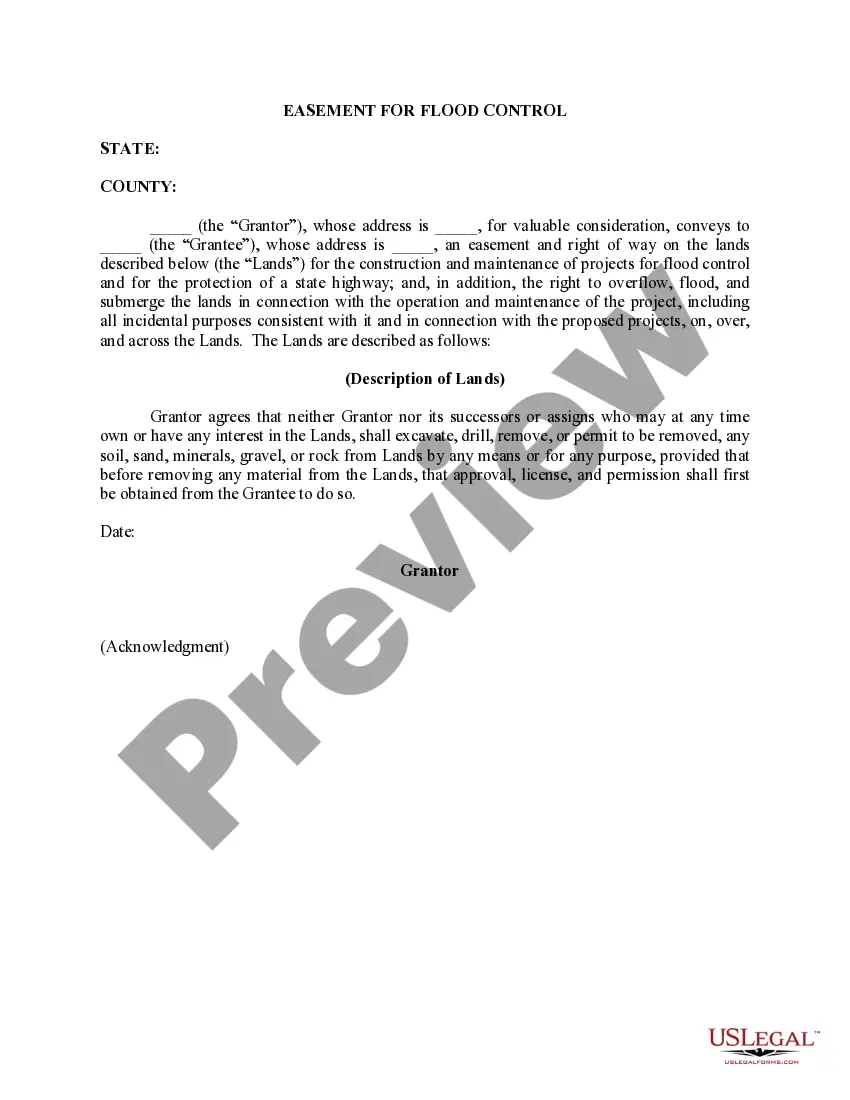
An easement for flood control is a legal agreement that allows officials to manage water flow in certain areas to protect properties from flooding.