You can check in with local government departments or visit their websites. They often have information that's as clear as a bell regarding regulations and requirements for pipelines.
The easement holder is responsible for maintaining the pipeline and keeping the area safe. They should be like a good neighbor, ensuring that their operations don’t cause any trouble.
In some cases, easements can be modified or even removed, but it's not as simple as flipping a switch. Generally, it depends on legal agreements and circumstances surrounding the easement.
If you're not on board with an easement, it’s wise to consult with a lawyer who knows property law. They can help you understand your options and rights.
Property owners can usually find out about pipeline easements through land records or by checking with local government offices. It's always good to do your homework!
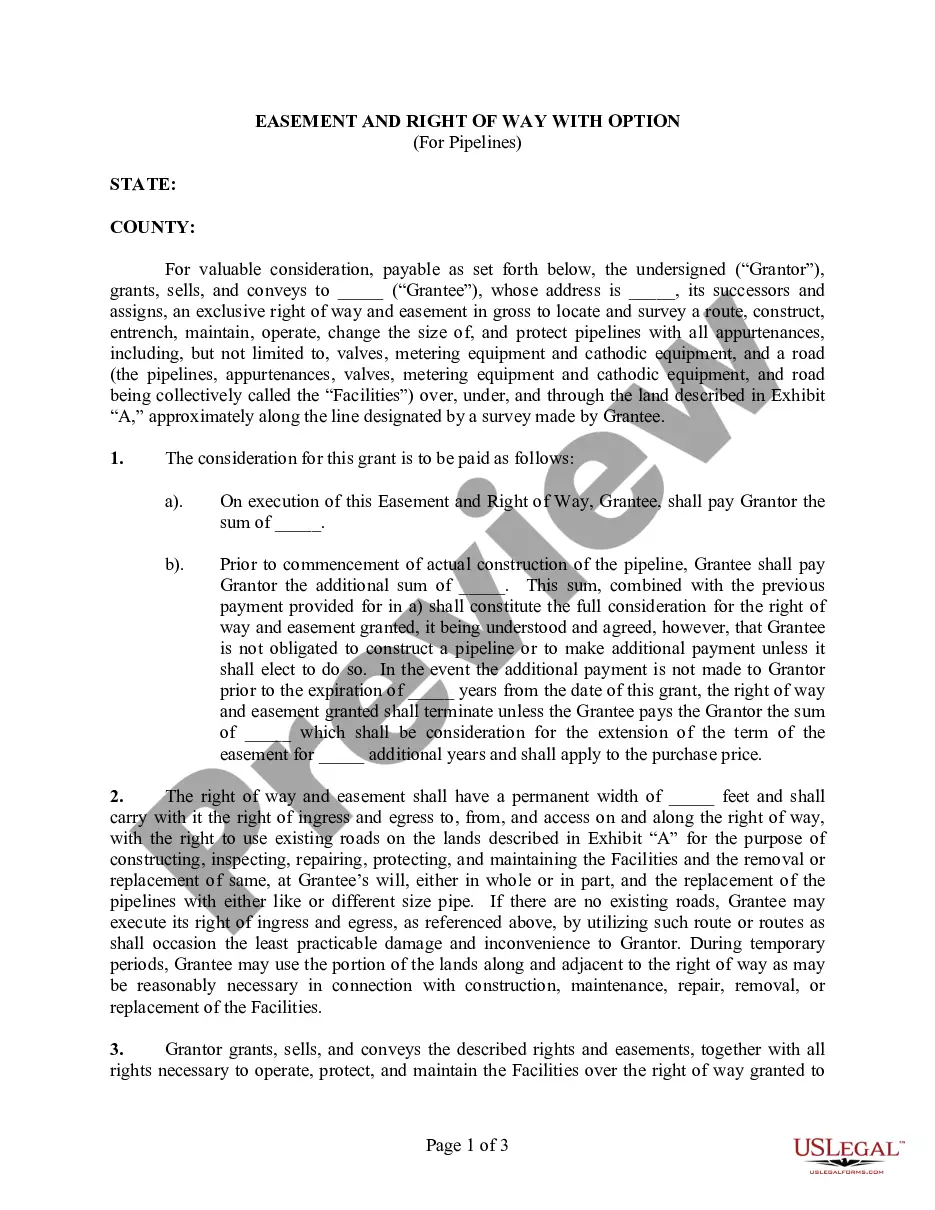
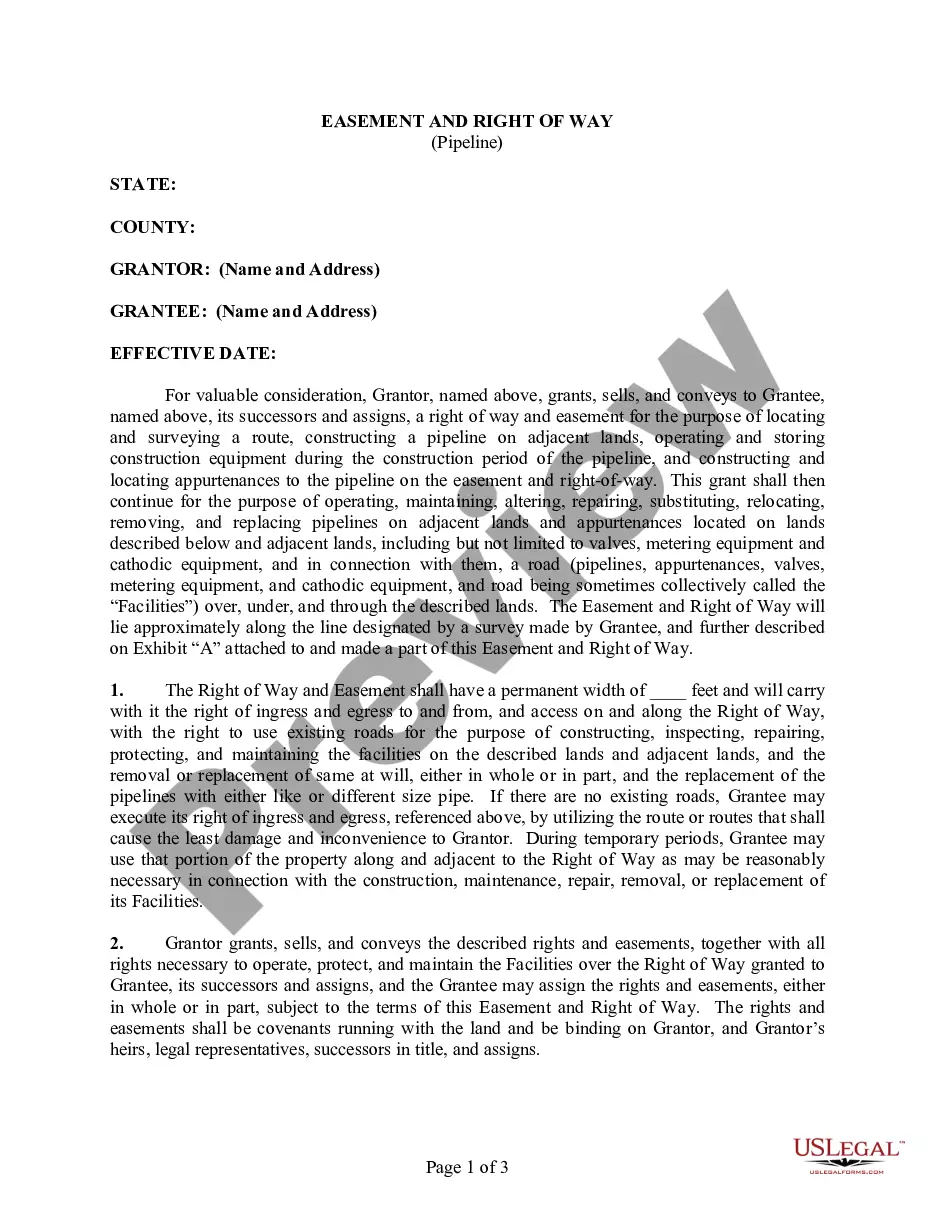
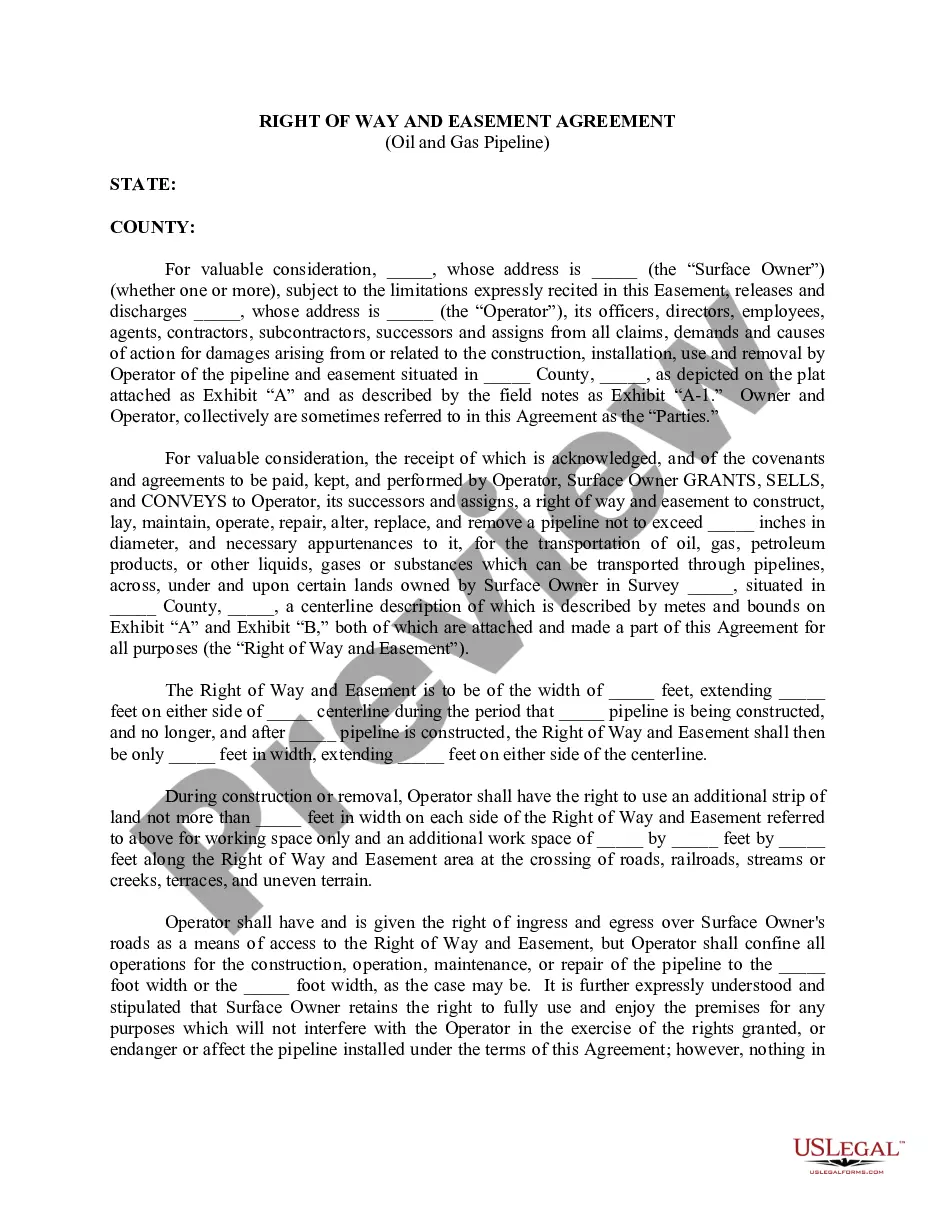
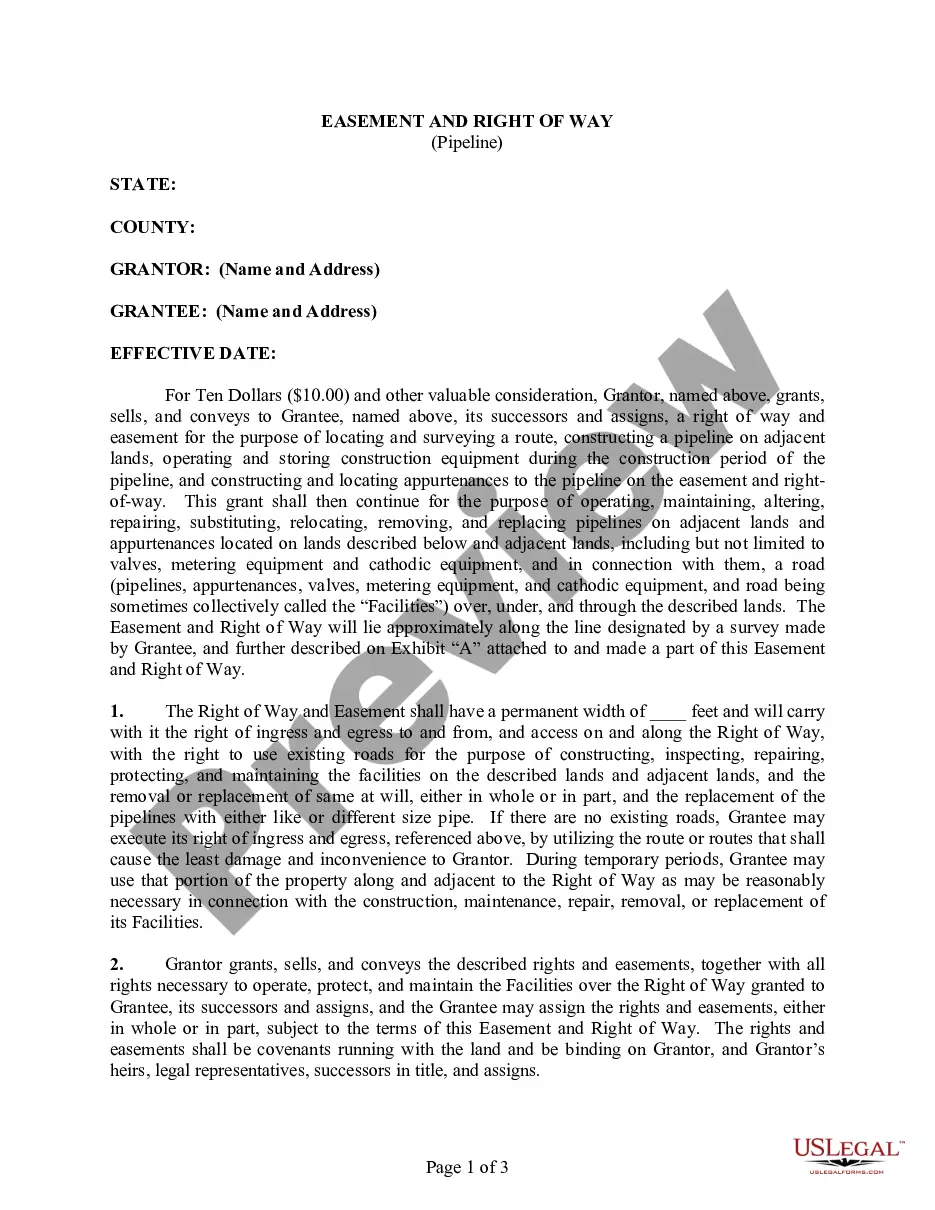
A right of way is the area of land where the pipeline is allowed to go. Think of it as a corridor that the pipeline travels through, ensuring it doesn't cross into private property without permission.
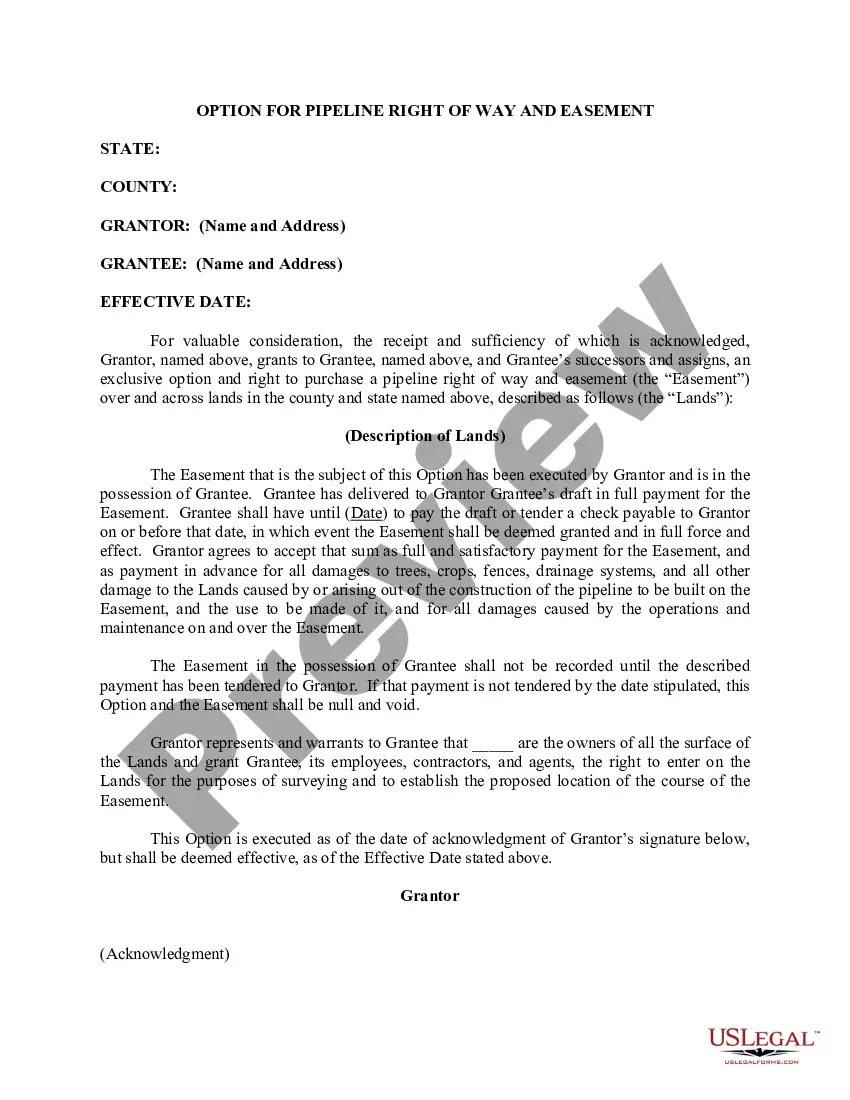
An easement is like a permit that lets someone use a piece of land for a specific purpose, such as laying down a pipeline. It's a legal way to give permission without owning the land.