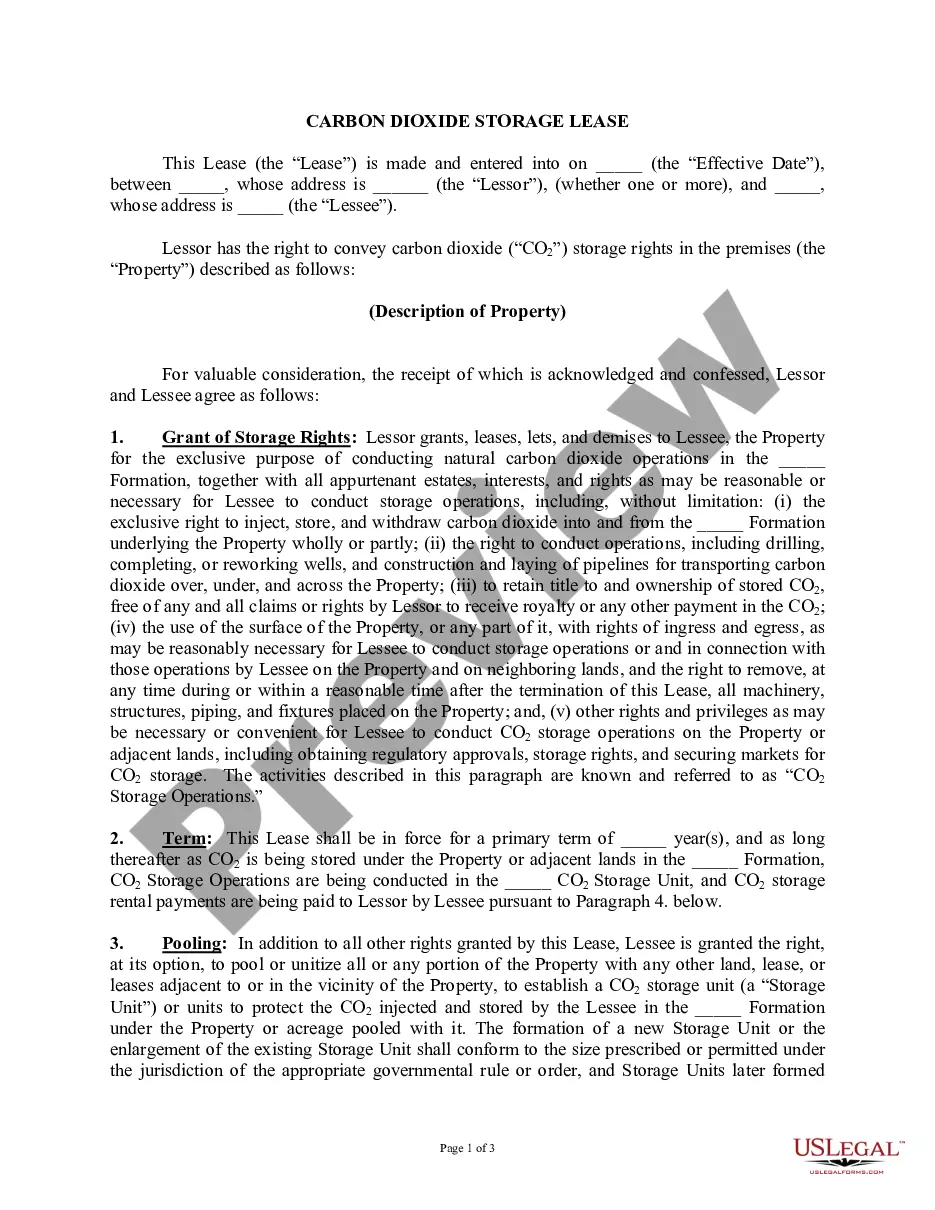
Wayne Michigan Carbon Dioxide Storage Lease (with Landowner)
Description
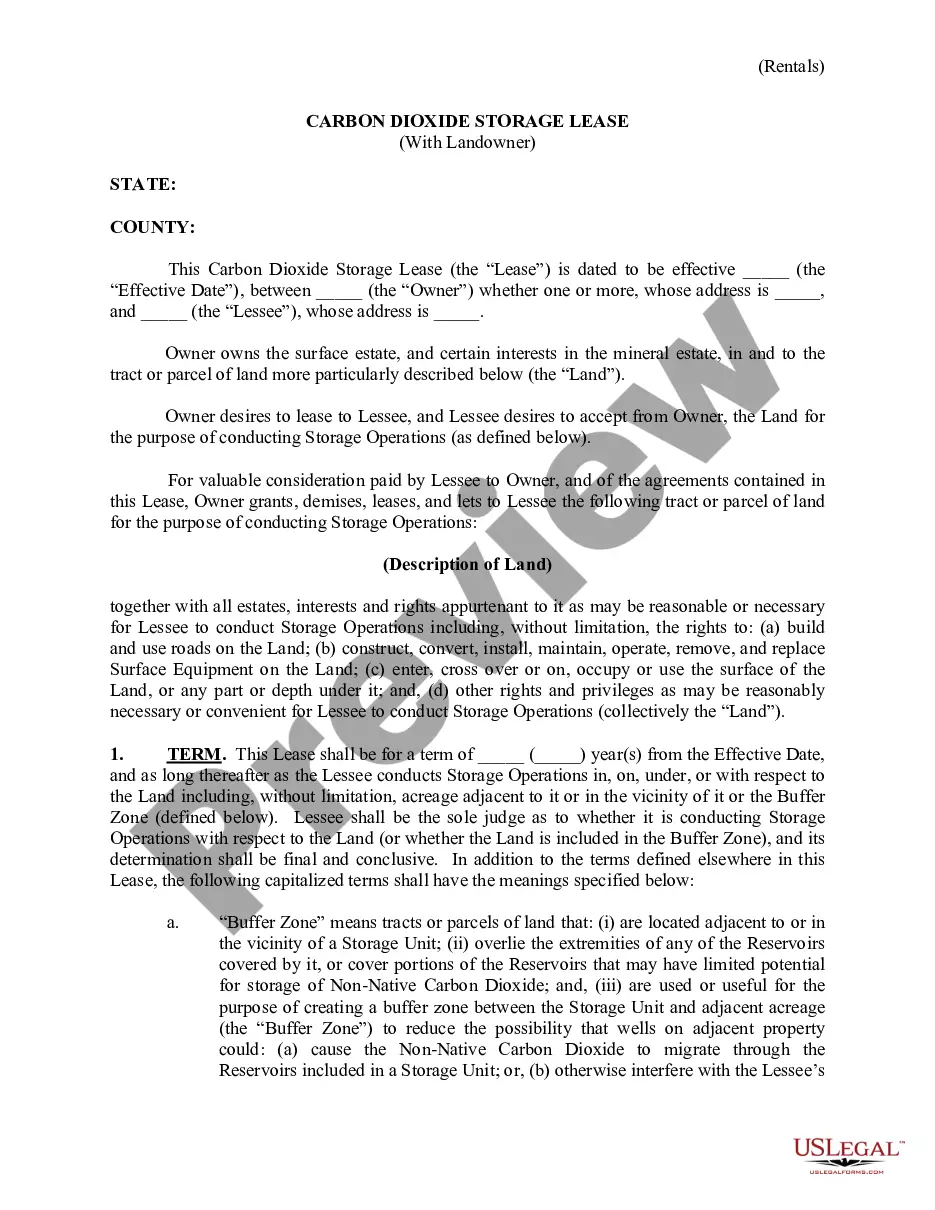
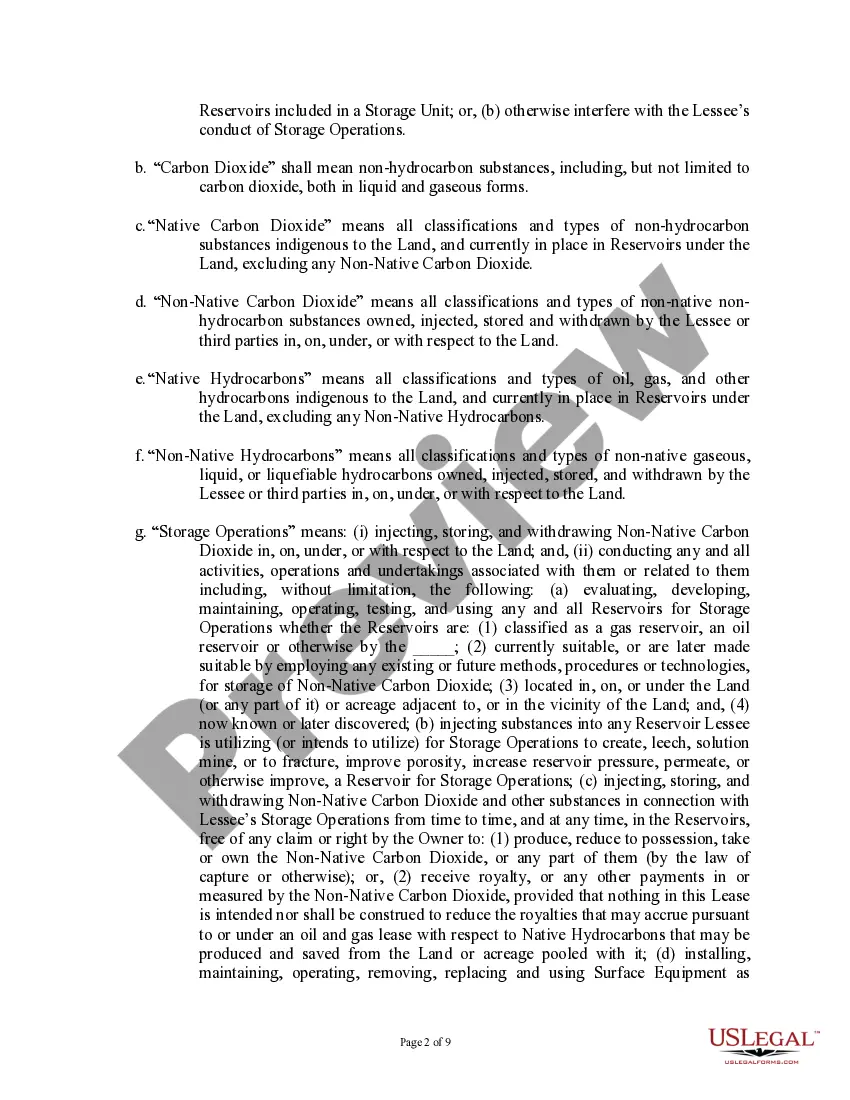
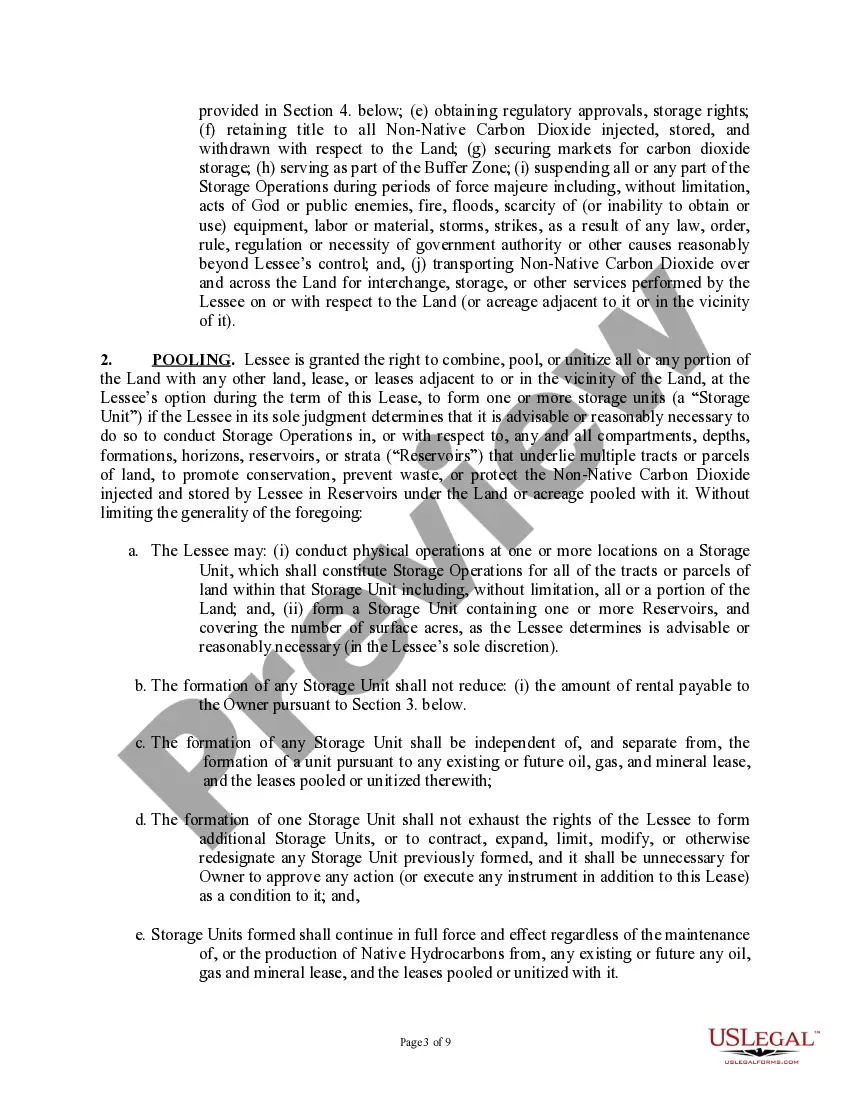
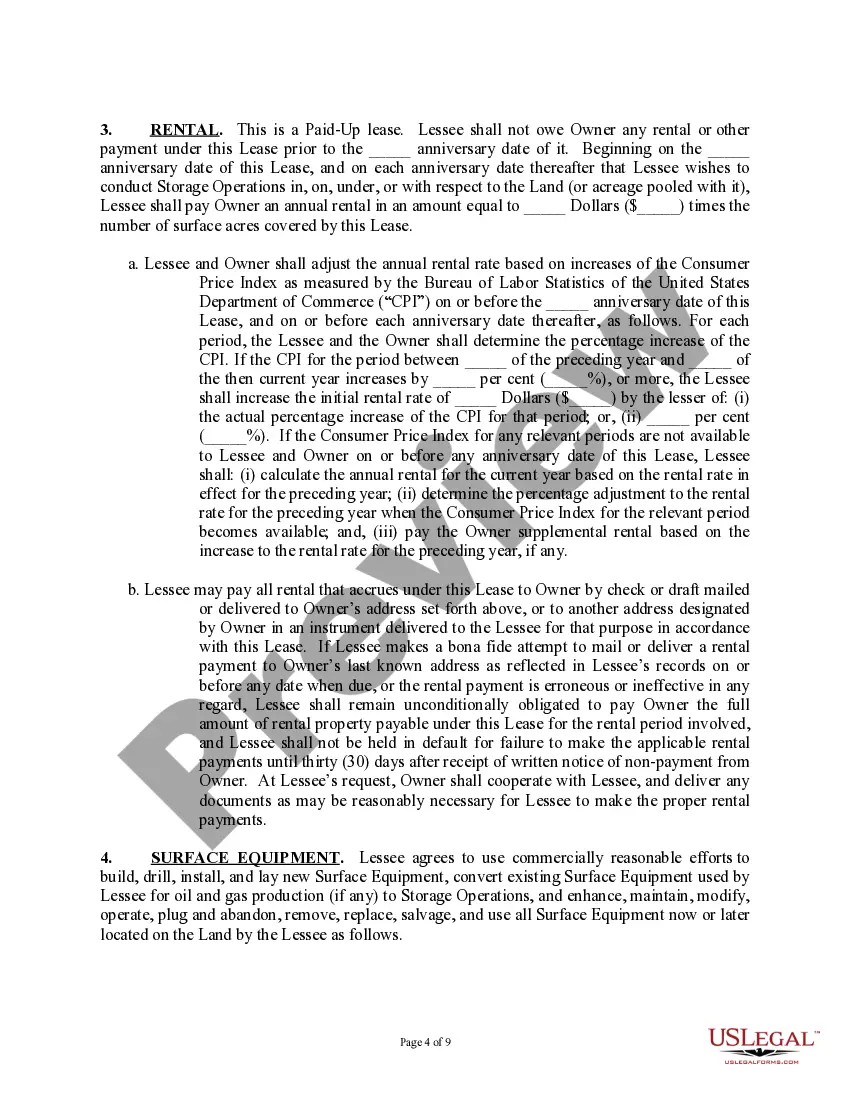
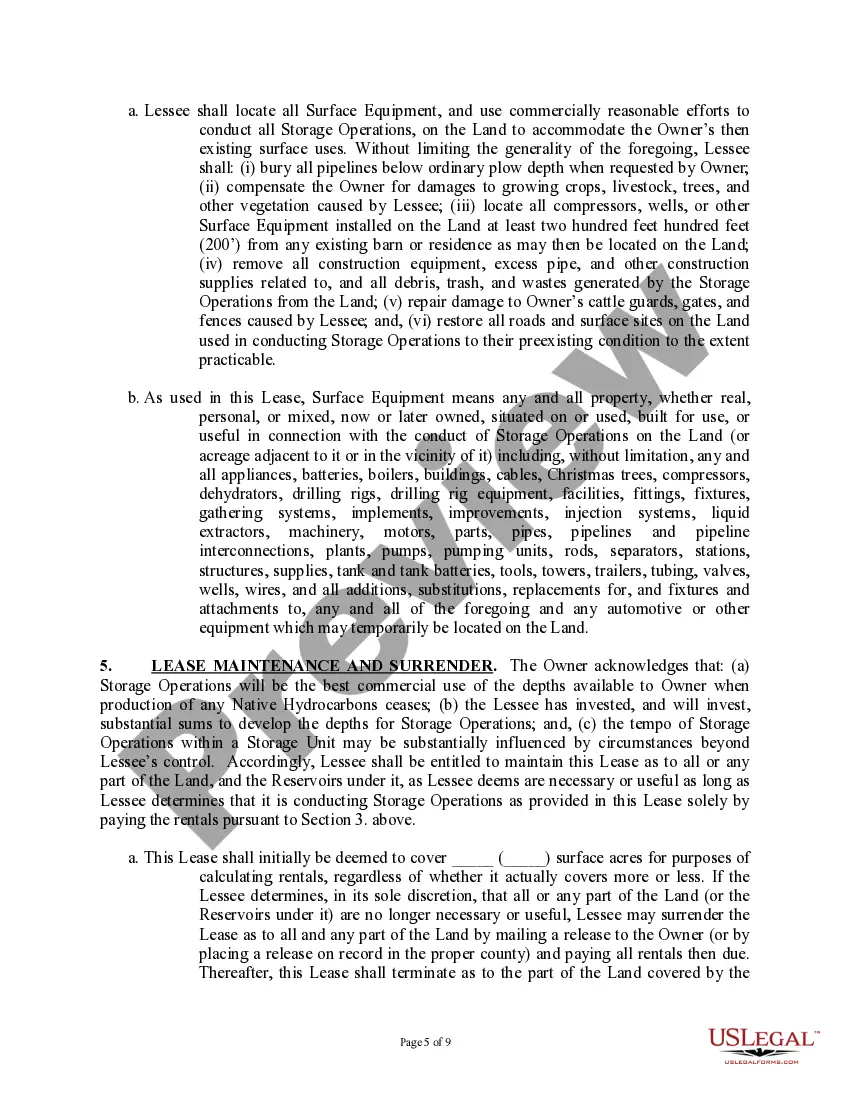
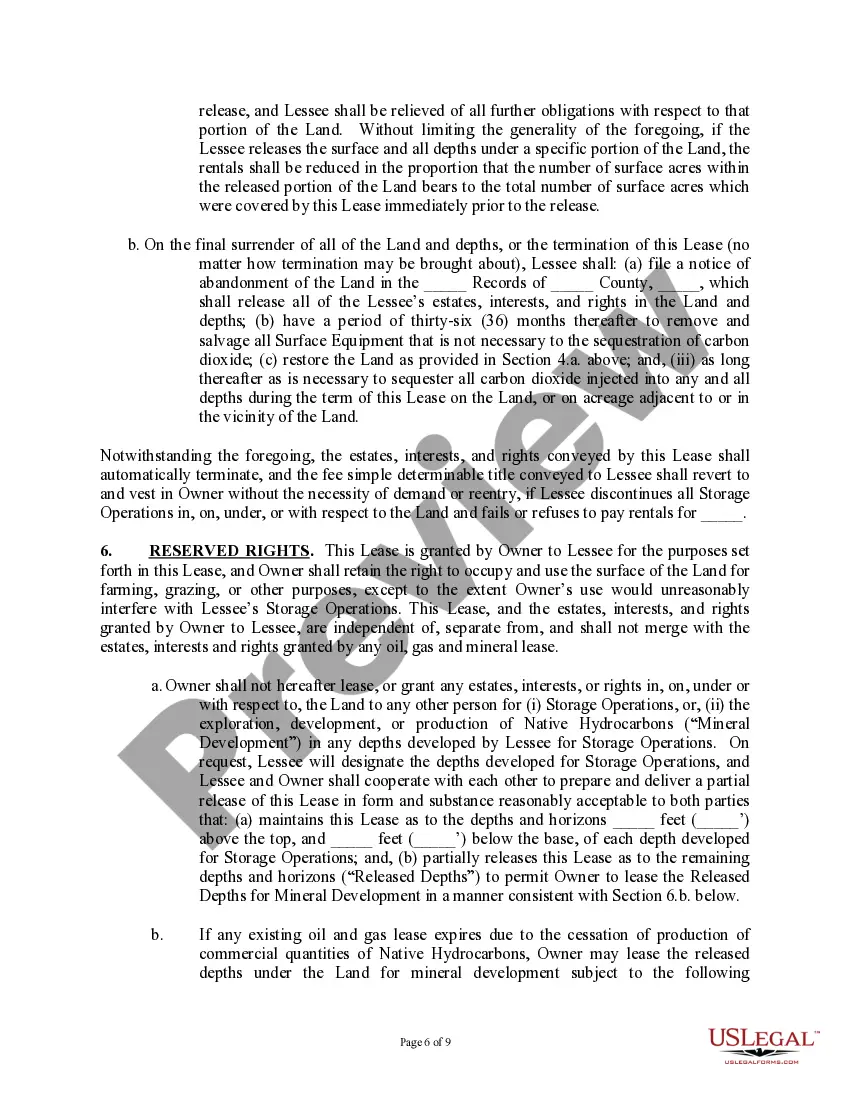
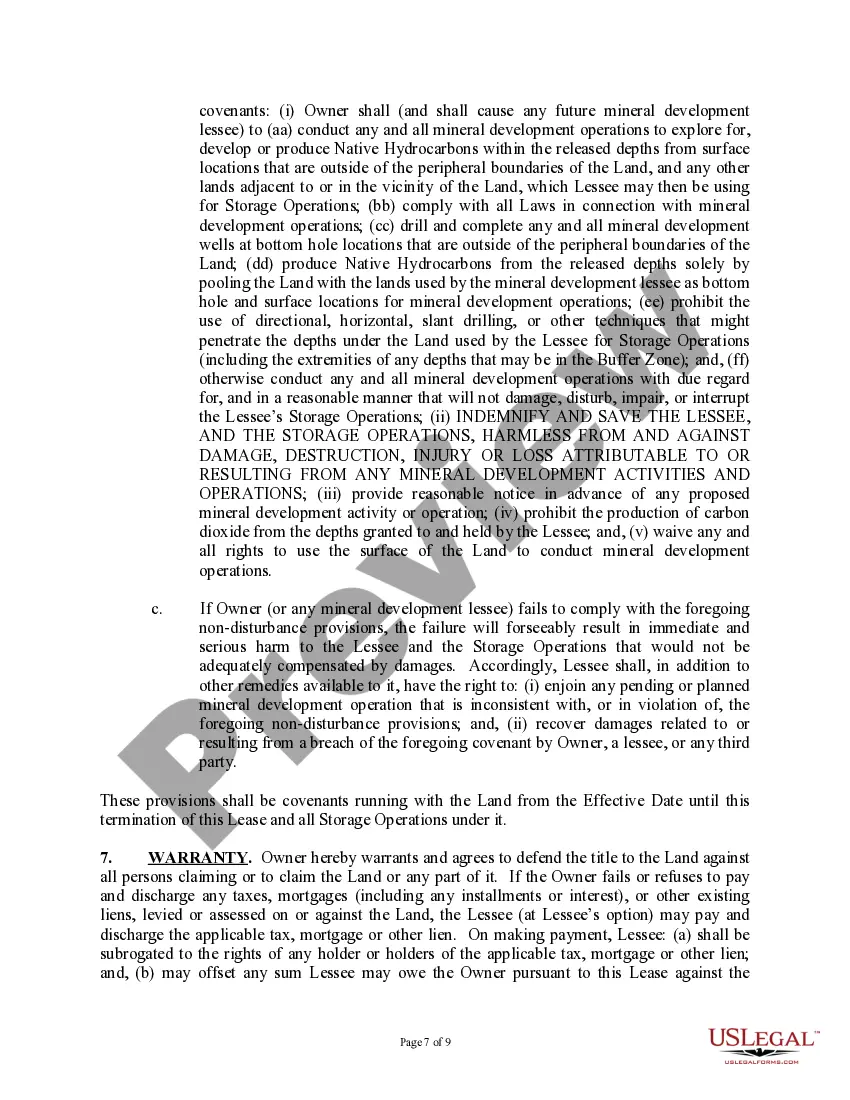
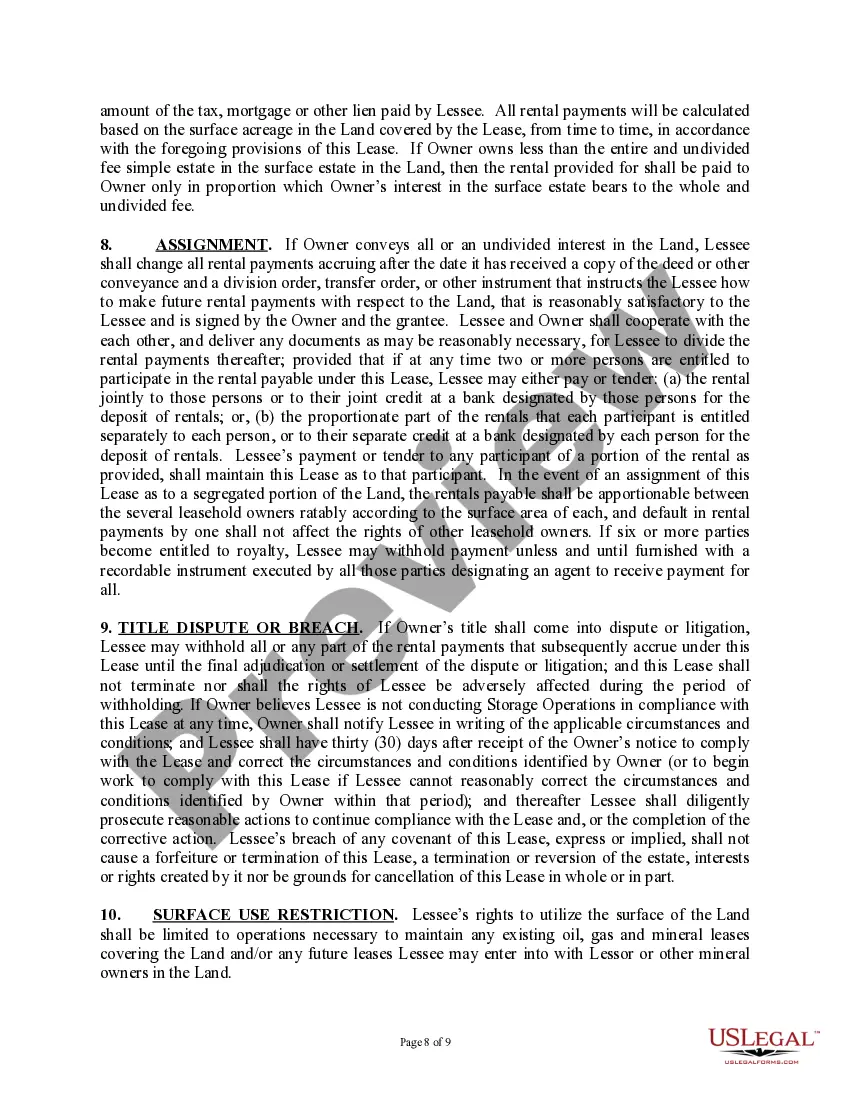
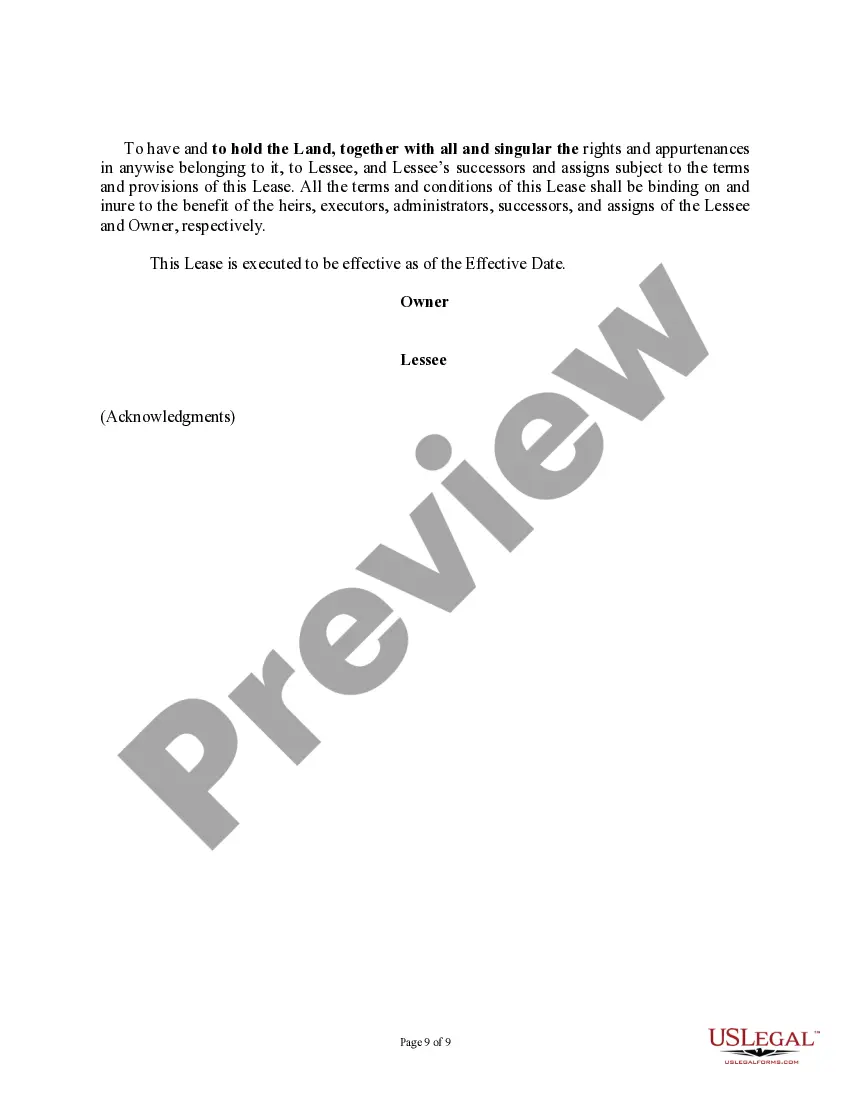
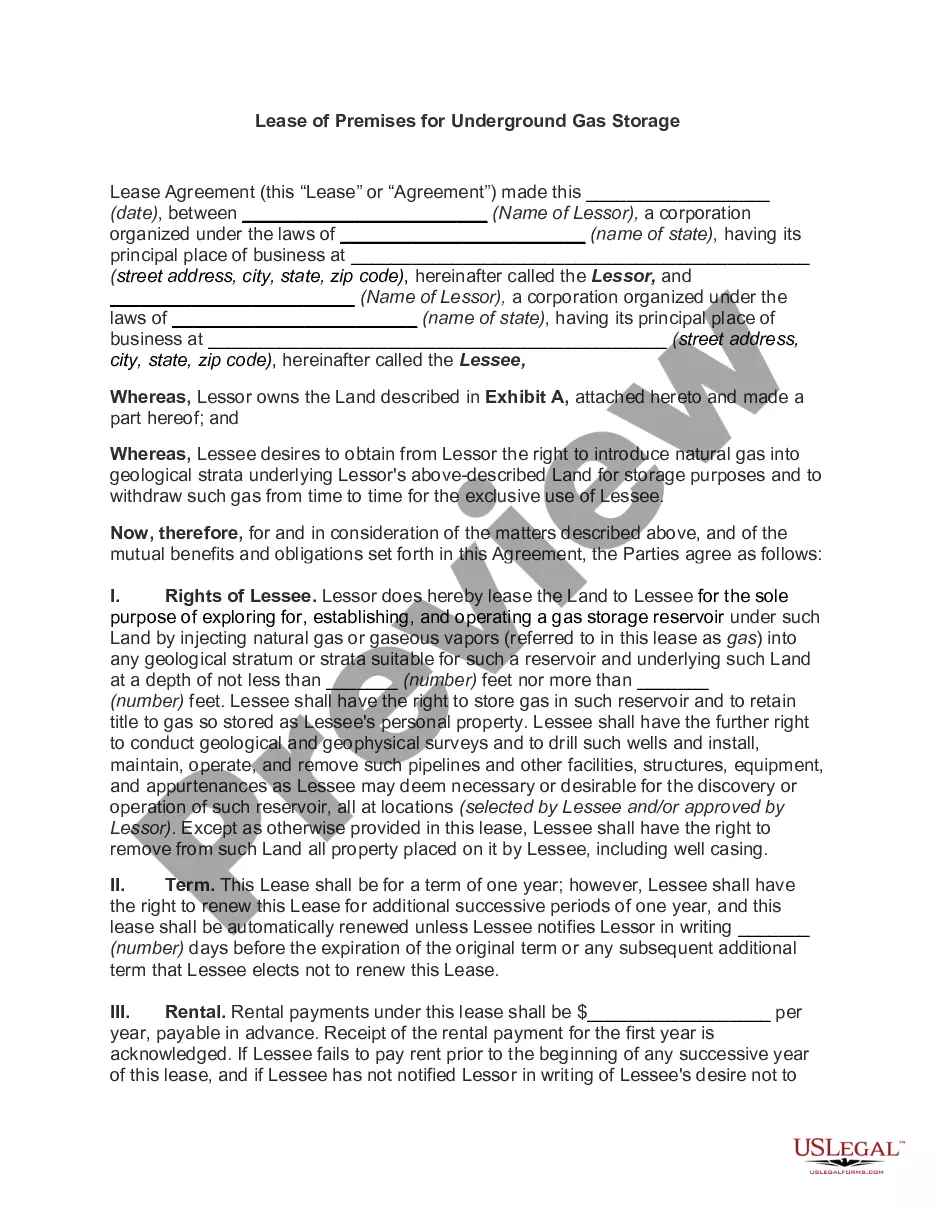
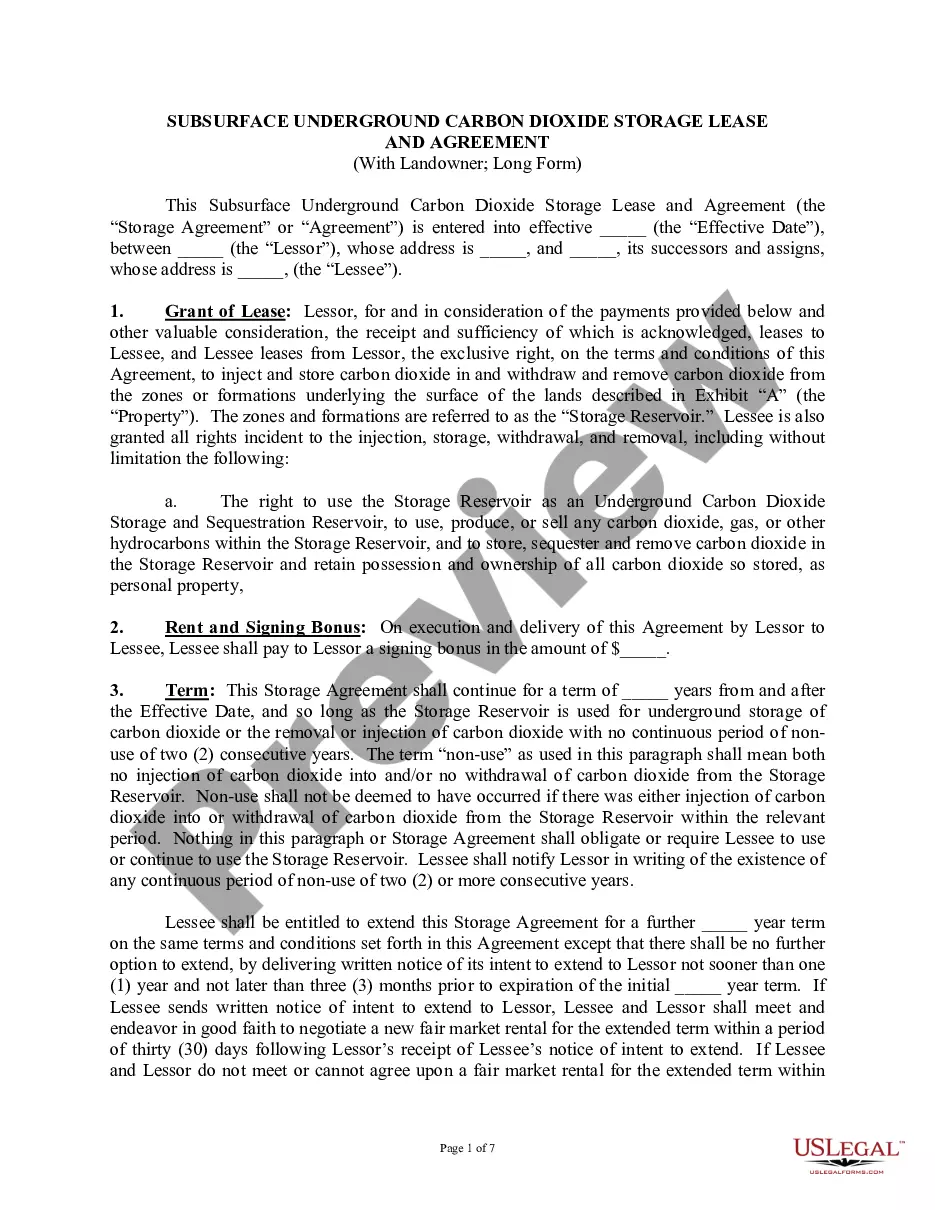




How to fill out Carbon Dioxide Storage Lease (with Landowner)?
Do you require a prompt creation of a legally-valid Wayne Carbon Dioxide Storage Lease (with Landowner) or perhaps another document to oversee your personal or business affairs.
You can choose between two options: engage a legal professional to prepare a legitimate document for you or draft it entirely by yourself. Fortunately, there’s an additional choice - US Legal Forms. It will assist you in obtaining well-crafted legal documents without incurring exorbitant fees for legal assistance.
If the form does not meet your expectations, restart the search using the search bar in the header.
Select the plan that aligns with your requirements and proceed to the payment. Choose the file format in which you wish to receive your form and download it. Print it, fill it out, and sign where required. If you have already created an account, you can easily Log In to it, find the Wayne Carbon Dioxide Storage Lease (with Landowner) template, and download it. To re-download the form, simply navigate to the My documents tab.
- US Legal Forms offers a vast array of over 85,000 state-specific document templates, including the Wayne Carbon Dioxide Storage Lease (with Landowner) and form packages.
- We provide documents for a variety of purposes: from divorce documentation to real estate document templates.
- Having been in the industry for over 25 years, we have established a strong reputation with our clientele.
- Here’s how you can join our satisfied customers and obtain the needed document without unnecessary hassle.
- First, ensure that the Wayne Carbon Dioxide Storage Lease (with Landowner) complies with your state’s or county’s regulations.
- If the form contains a description, verify its applicability.
Form popularity
FAQ
Absolutely! Farmers and any landowners can sell carbon credits because ALL land can store carbon. Landowners are eligible to receive carbon credits at the rate of one per every ton of CO2 their land sequesters.
The property must contain at least 40 acres of forested land. Forestland must support, or can support, at least ten percent tree canopy cover.
If a project can quantifiably and repeatedly produce less greenhouse gases than the current alternative, it will be eligible to earn Carbon Credits. For example, replacing a coal plant with a planned life of 30 years with a solar farm after year 5 would avoid 25 years of coal emissions.
As of July 2021, a carbon credit trades for around $16 per metric ton of carbon dioxide stored. Depending on your land's location, its soil type, and the tree canopy, it can absorb between 0.5 and >5 ton/ac/yr.
Credits that you as a rural landowner can receive in exchange for implementing perennial 2022 vegetations on your land which result in high levels of carbon sequestration. These credits are then sold on the CCX for cash payments.
Absolutely! Farmers and any landowners can sell carbon credits because ALL land can store carbon. Landowners are eligible to receive carbon credits at the rate of one per every ton of CO2 their land sequesters.
If you add up all the carbon dioxide released for each person in the country based on our use of fossil fuels and calculate the number of trees you need to take up the carbon dioxide released, the total is equivalent to about 730 trees per person, or roughly 7 acres of forested land.
In order to sell credits on the CCX, landowners need to work through an aggregator. An aggregator combines credits with several landowners to create a bundle of credits large enough to trade on the exchange.
A Forest Carbon Program for NCX enables every American landowner to sell carbon credits. No acre minimums for one-year contracts.
The market price for carbon credits has ranged from less than $1 per metric ton to over $7, Mathern explains. She says recent payments have been based on prices near $4 per metric ton. That translates to a per acre rate of $1 to $4, depending on the type of land.