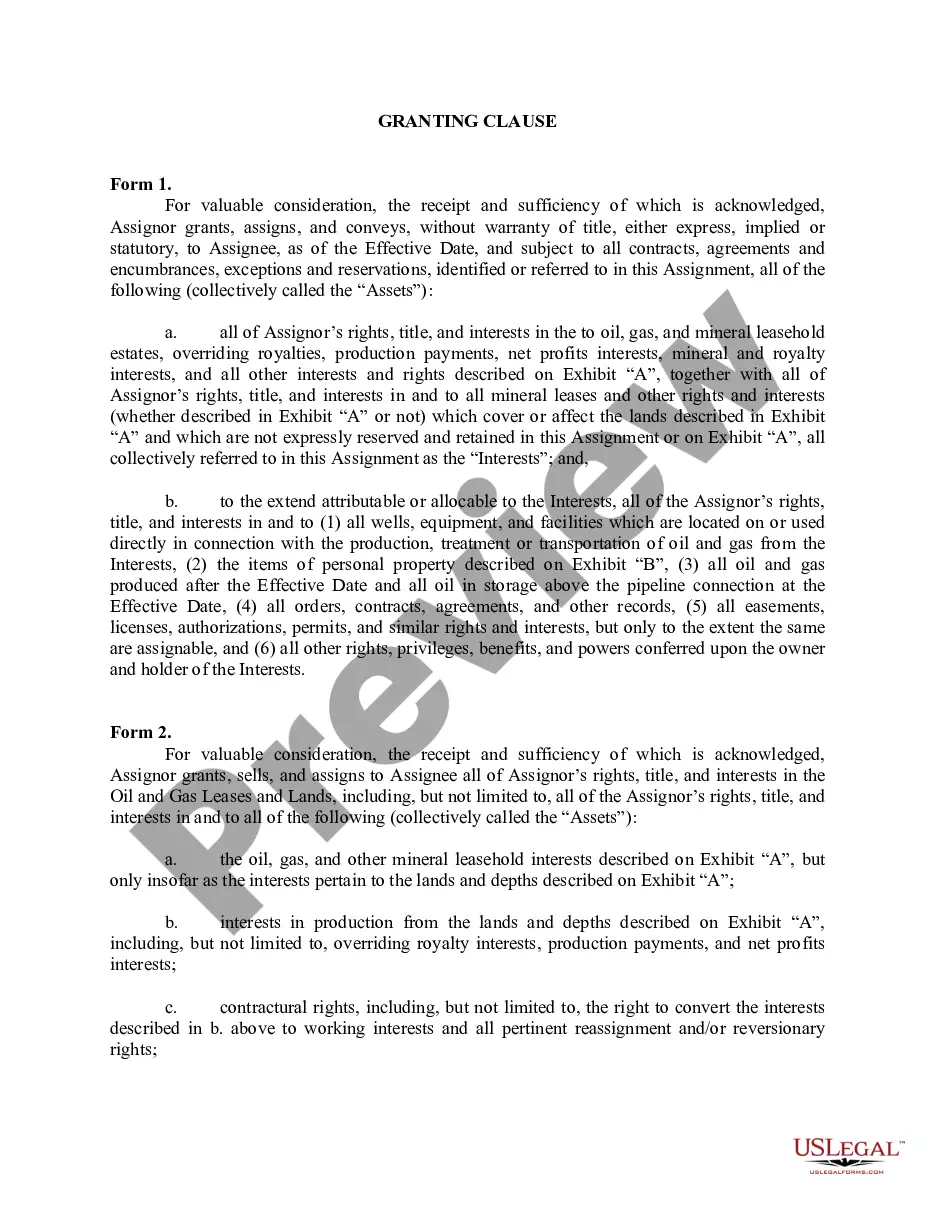
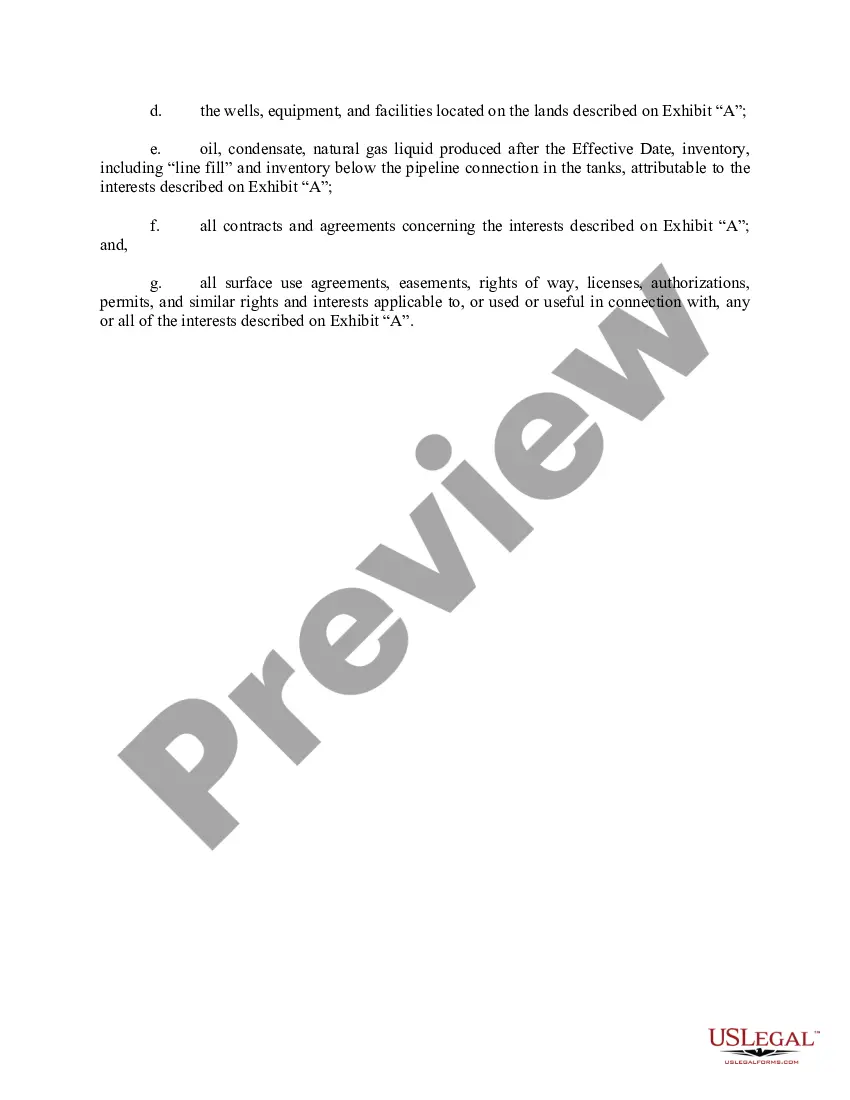
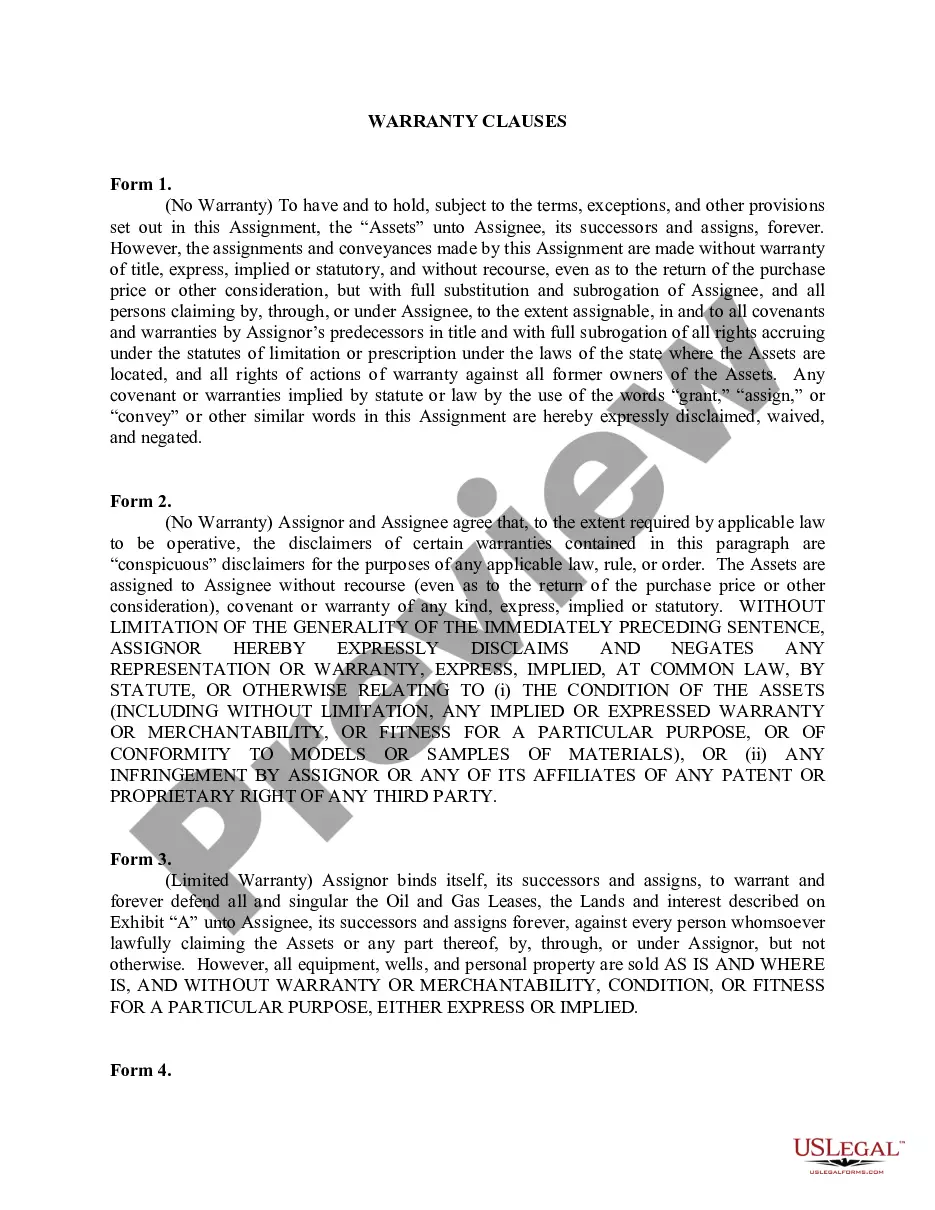
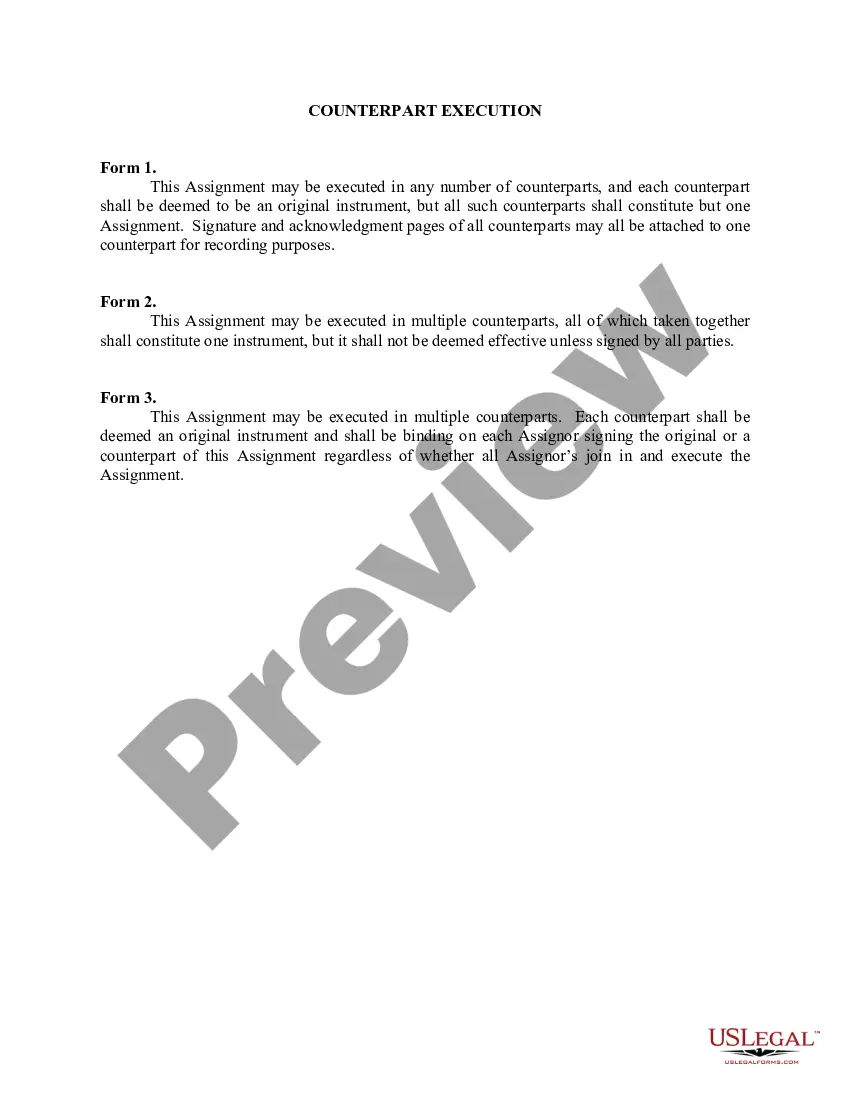
The Granting Clause form, the the receipt and sufficiency of which is acknowledged, assignor grants, assigns, and conveys, without warranty of title, either express, implied or statutory, to assignee.
If it’s missing, it could create a legal mess. It’s like trying to bake without a recipe—you might end up in hot water if there are property disputes.
Definitely! Avoid vague terms that leave too much to interpretation. It's best to steer clear of any confusing language that could lead to disputes down the line.
Look for clear language about ownership rights and any restrictions. You want the terms to be as clear as day without any hidden catches!
Yes, the granting clause can influence how property taxes are assessed. It’s like the bread and butter of tax evaluations—leading to potential increases or decreases.
You can usually find it in the property deed or title records. It's like digging up treasure in public records!
It’s crucial because it lays down the law on property rights. It helps you avoid stepping on anyone’s toes regarding ownership disputes.
The granting clause is a part of property deeds that clearly states who owns the property and what rights they have. It’s like the golden ticket showing rightful ownership.