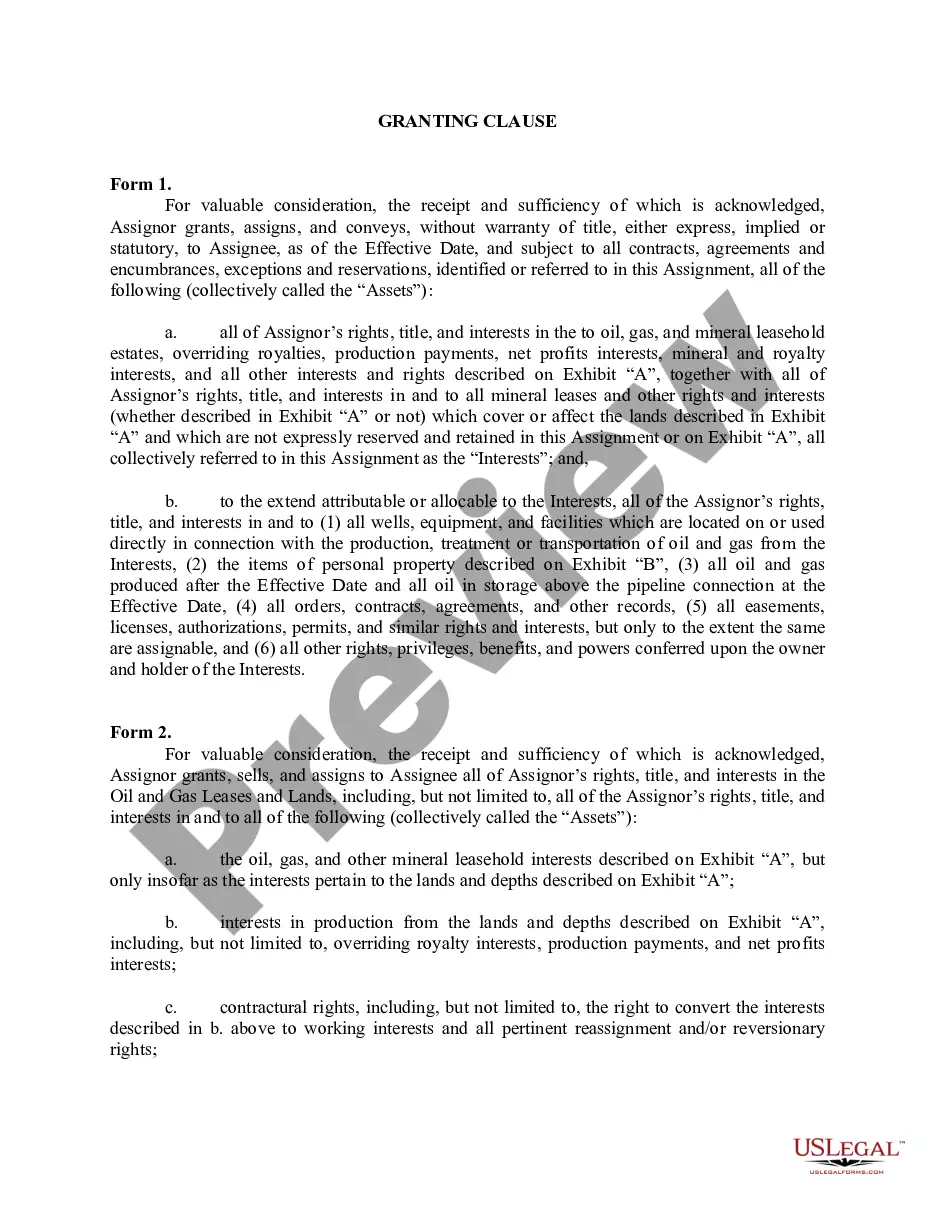
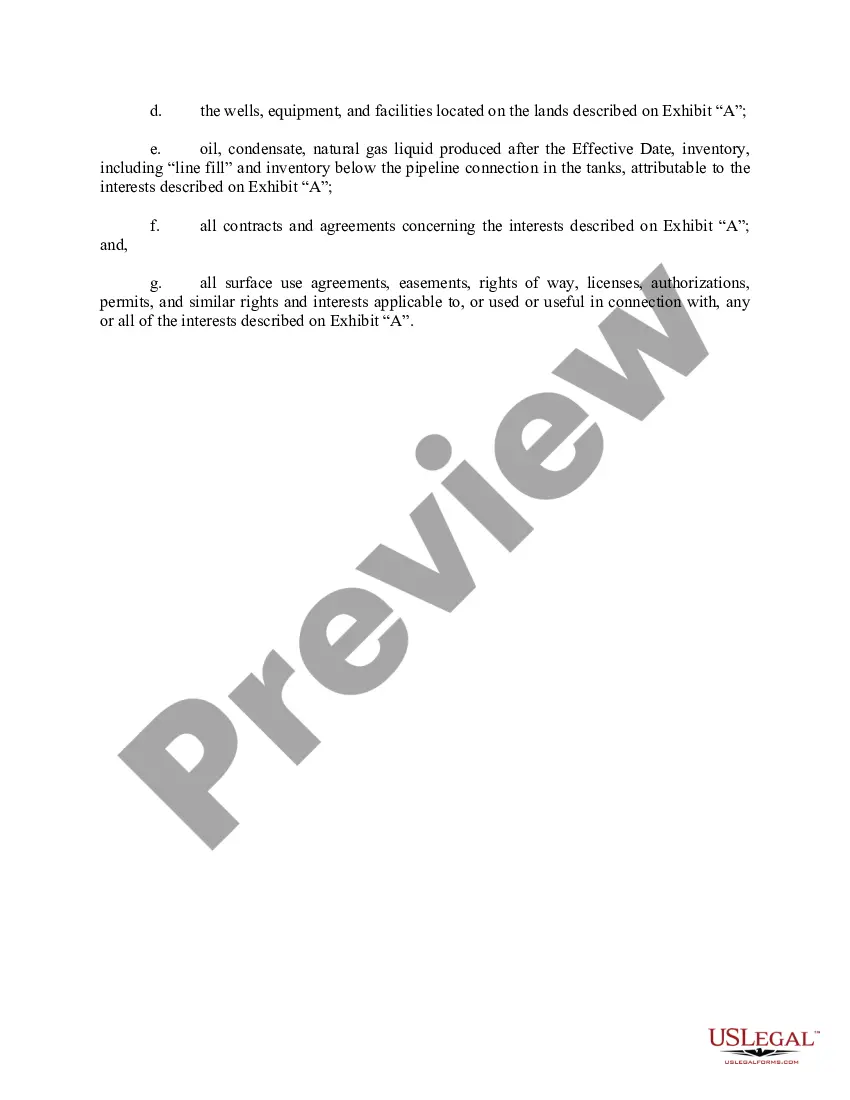
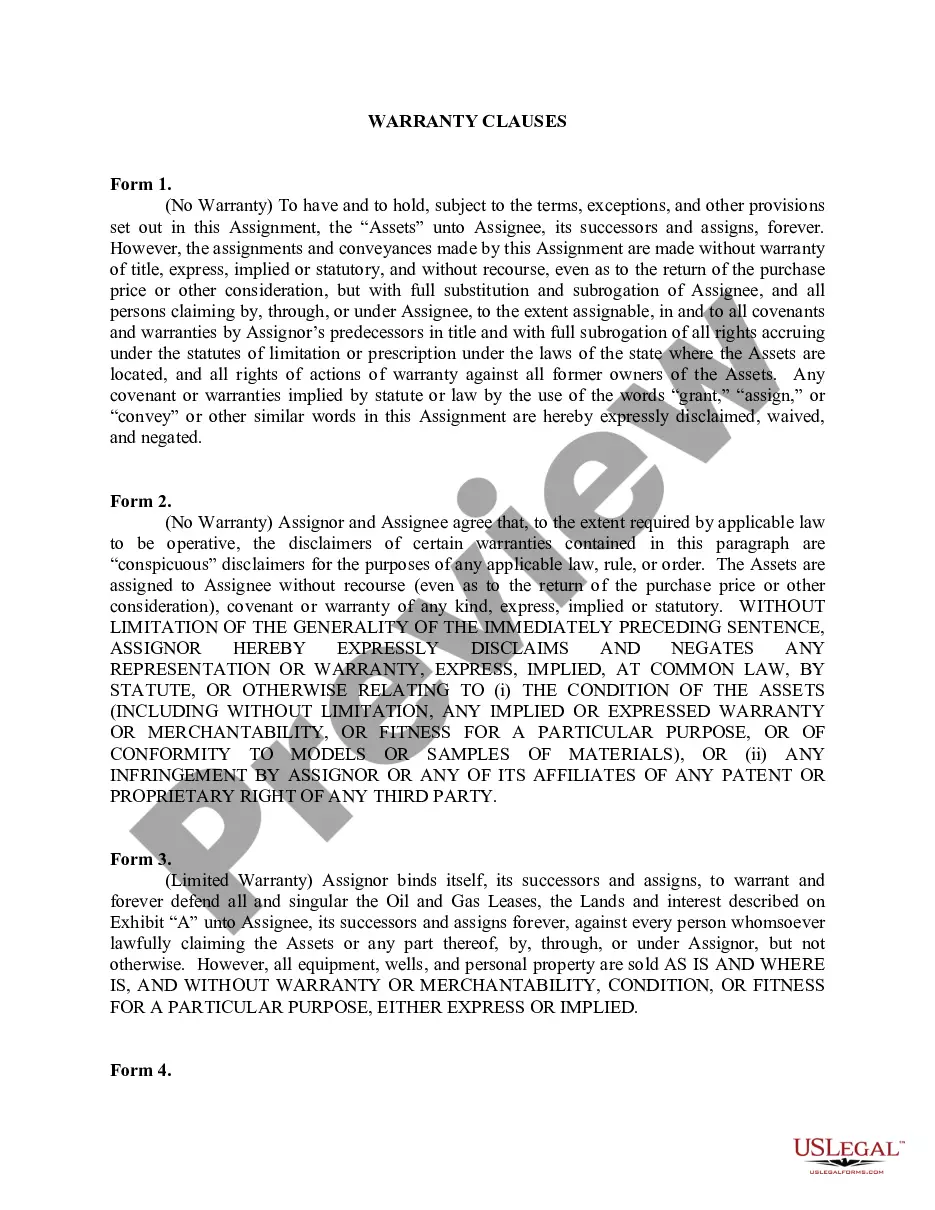
The Granting Clause form, the the receipt and sufficiency of which is acknowledged, assignor grants, assigns, and conveys, without warranty of title, either express, implied or statutory, to assignee.
If a granting clause isn't clear, it can lead to misunderstandings down the line. Missing it altogether could potentially cause legal headaches, so clarity is key!
Yes, there are different types! Common types include full granting clauses, which transfer all interests, and limited granting clauses, which might only provide certain rights.
Once everything is signed, changing a granting clause can be tricky and usually requires a new deed or legal work to amend it. It's better to get it right from the get-go!
Typically, a granting clause should include a clear description of the property and specify the interest being granted—like selling it outright or just leasing it.
Most of the time, yes! A granting clause helps legally solidify the transfer of ownership, so it's usually a must-have.
The granting clause is crucial because it clearly defines what rights and interests in the property are being transferred. It's like the roadmap for the deal!
A granting clause is a part of a deed that spells out what the seller is giving to the buyer, like the land or property involved. It's the 'meat and potatoes' of the deed.