You can check with local government offices, or review your property records to see if there's an easement listed.
You can say no, but it might lead to legal battles if the company believes they have a right to the land.
It's wise to read the fine print and consider seeking legal advice to understand your rights and options.
Not necessarily. Pipeline companies typically need to negotiate an easement with you or prove they’ve got the legal right to use your land.
Yes, if a pipeline runs through your property, it could affect how you use your land, but it doesn't mean you lose ownership.
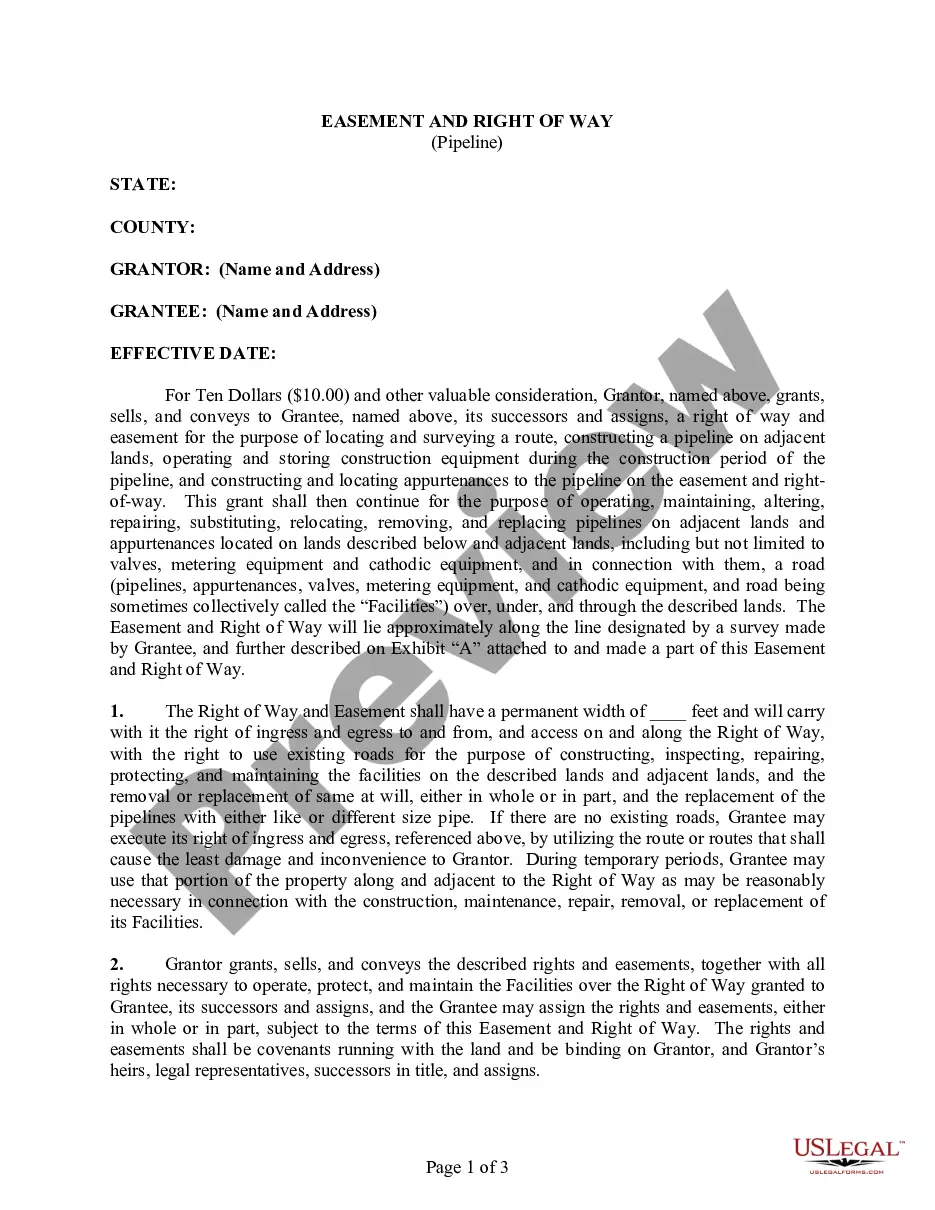
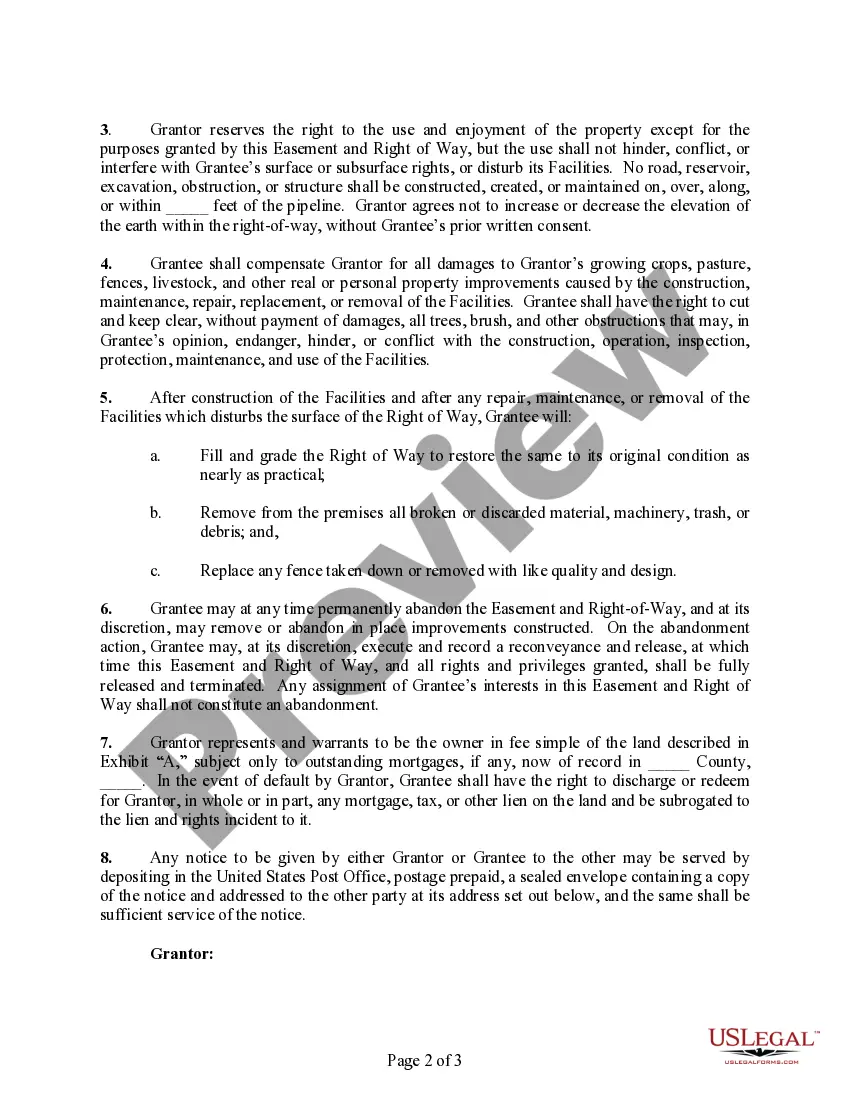
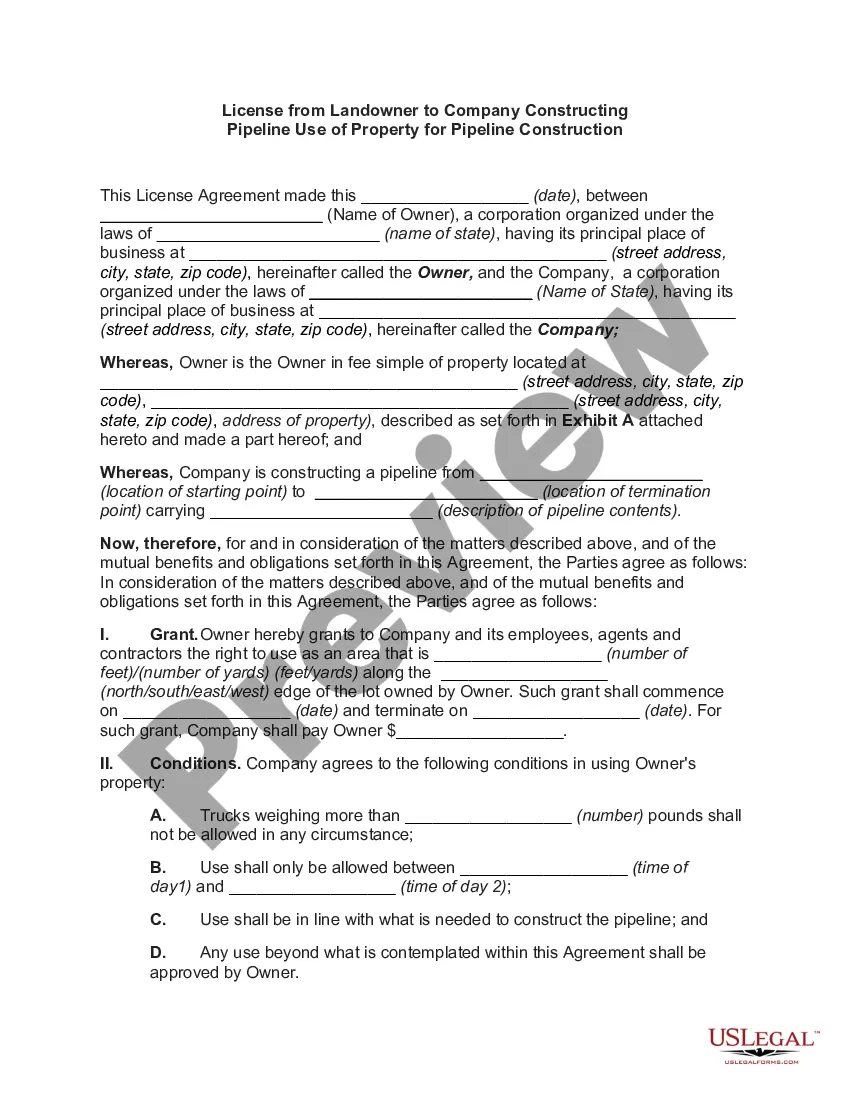
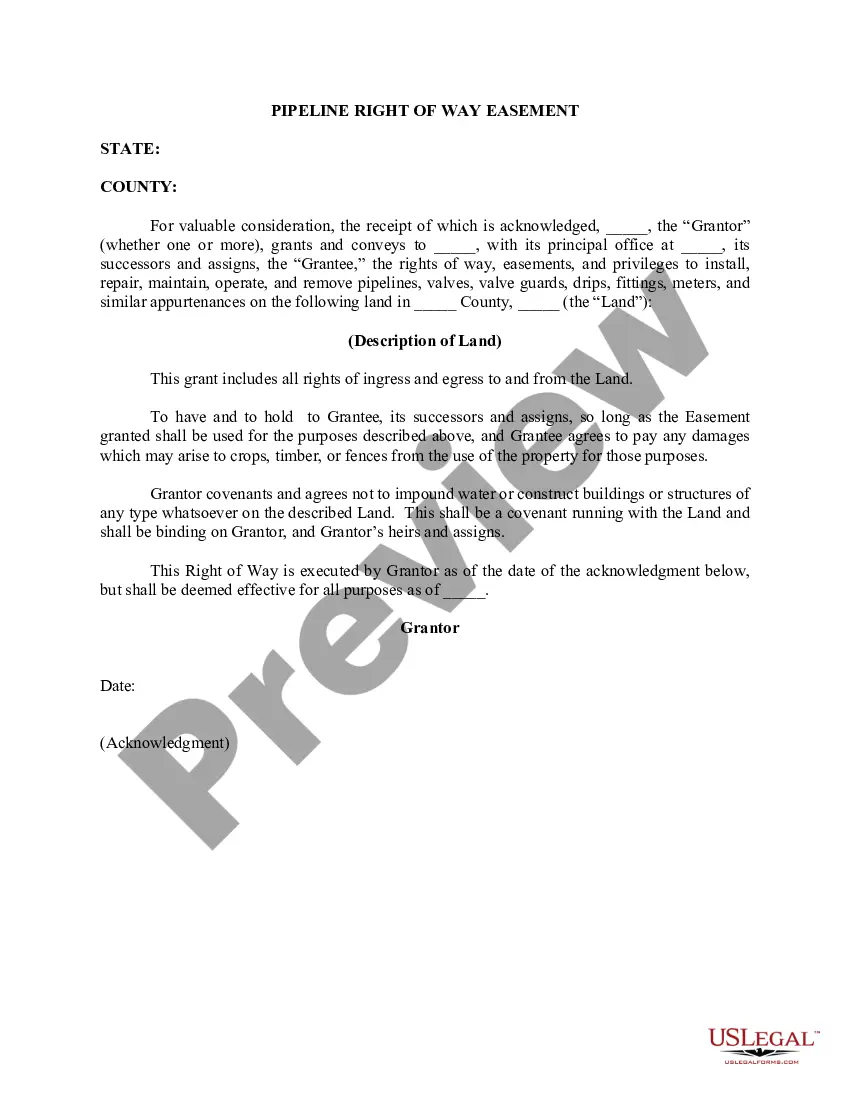
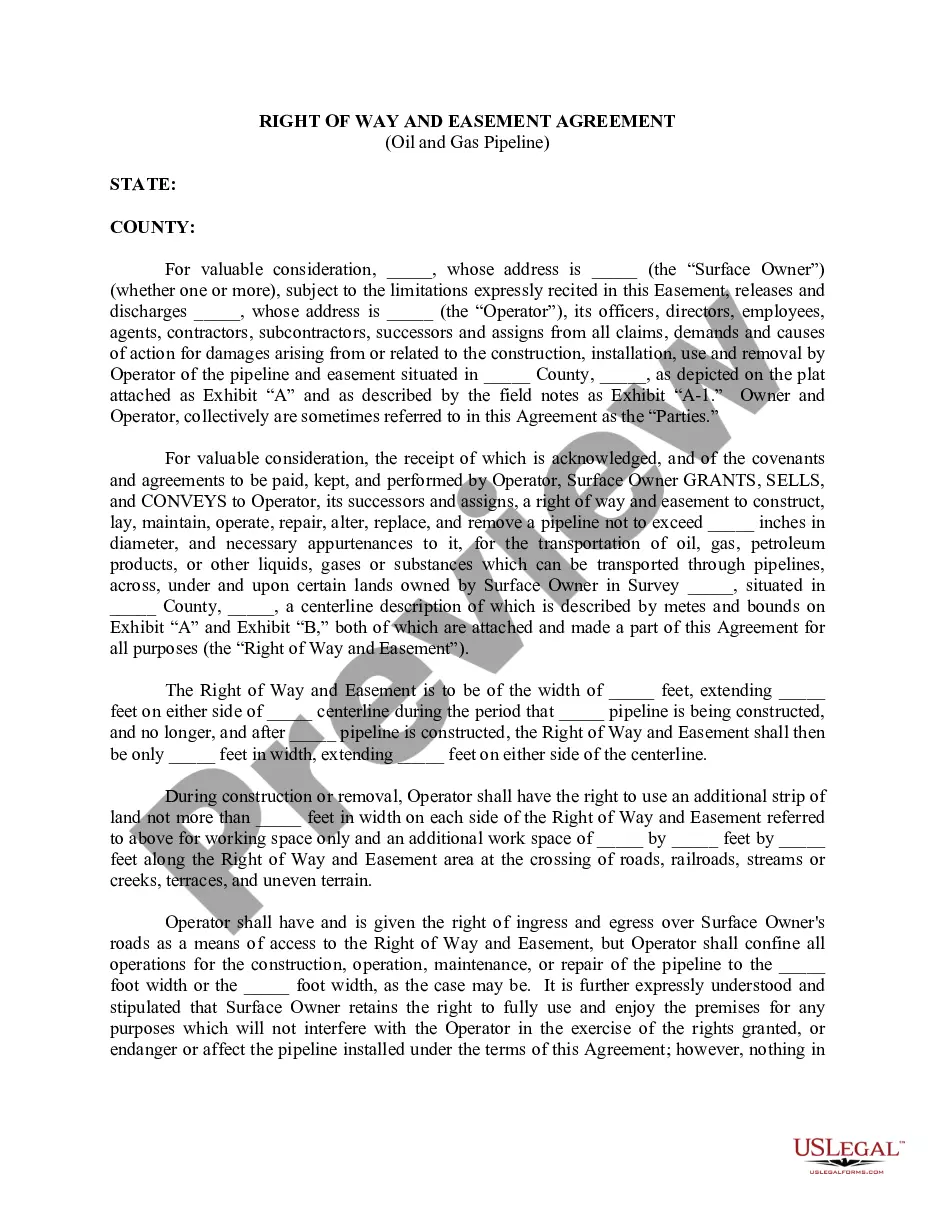
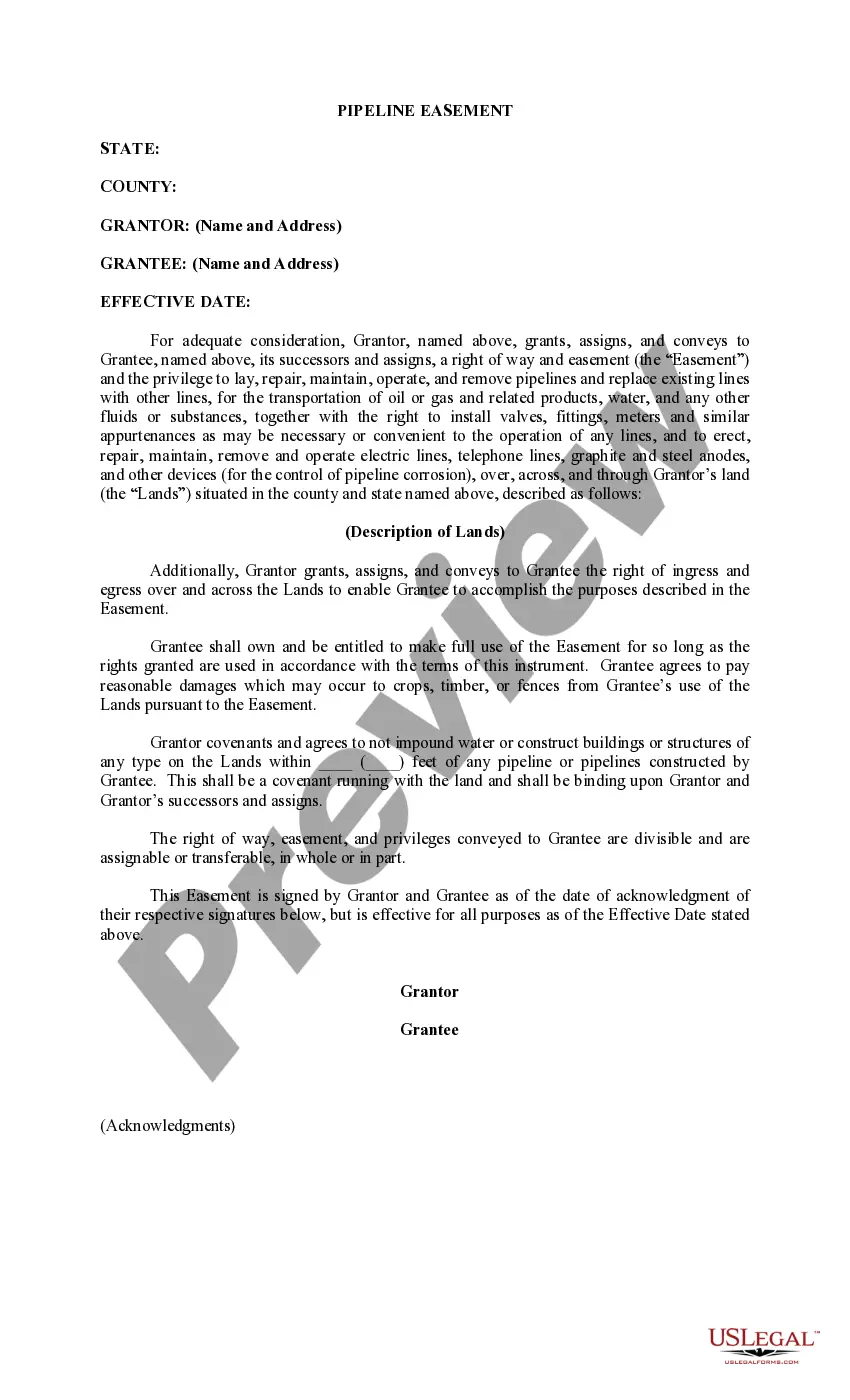
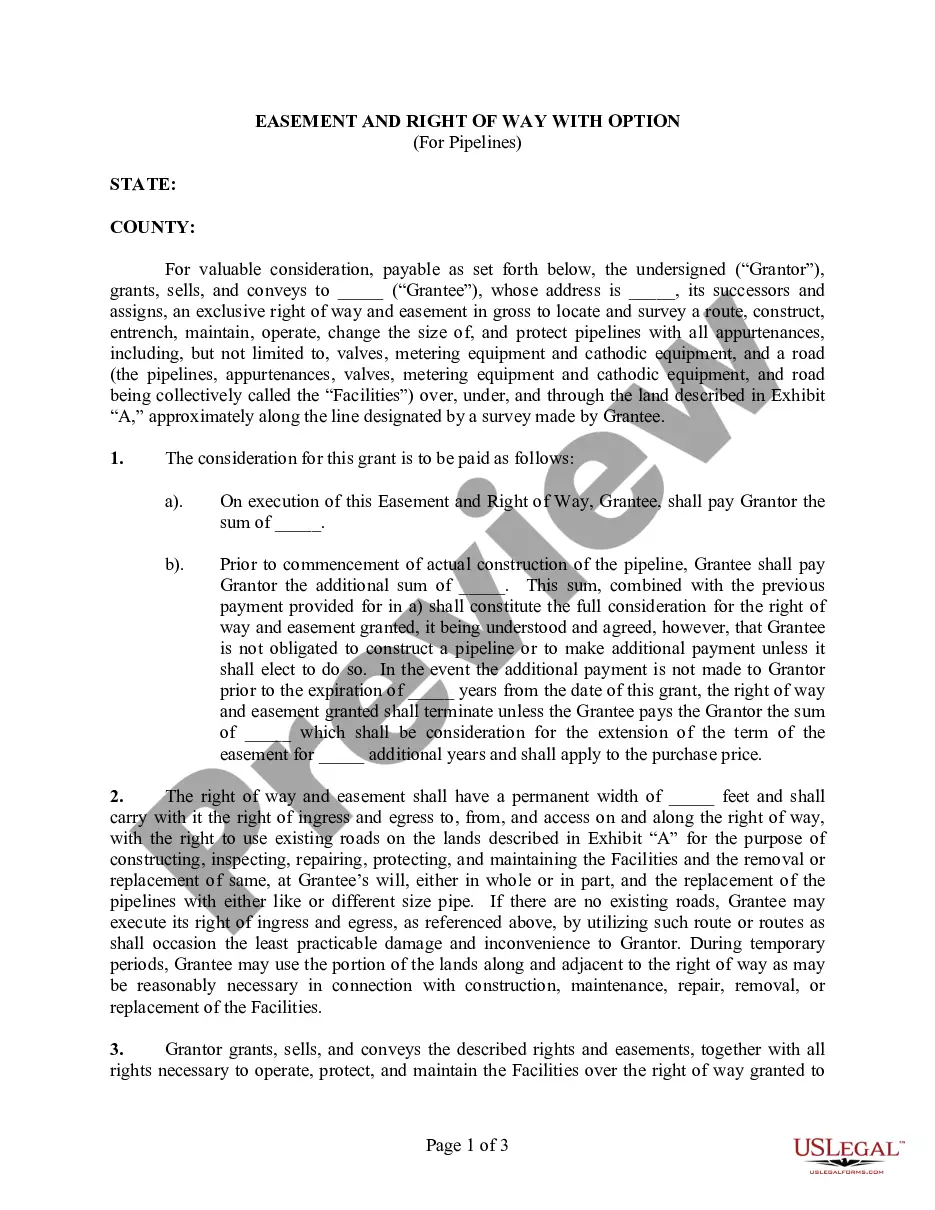
A right of way is the legal right to travel over someone else's land. For pipelines, it means the company can access and maintain their pipes on your property.
An easement is like a permission slip that lets someone use your property for a specific purpose, like running a pipeline.