If you have concerns, reaching out to the city or utility company can provide clarity and peace of mind, similar to asking a neighbor for advice when you’re in a pickle.
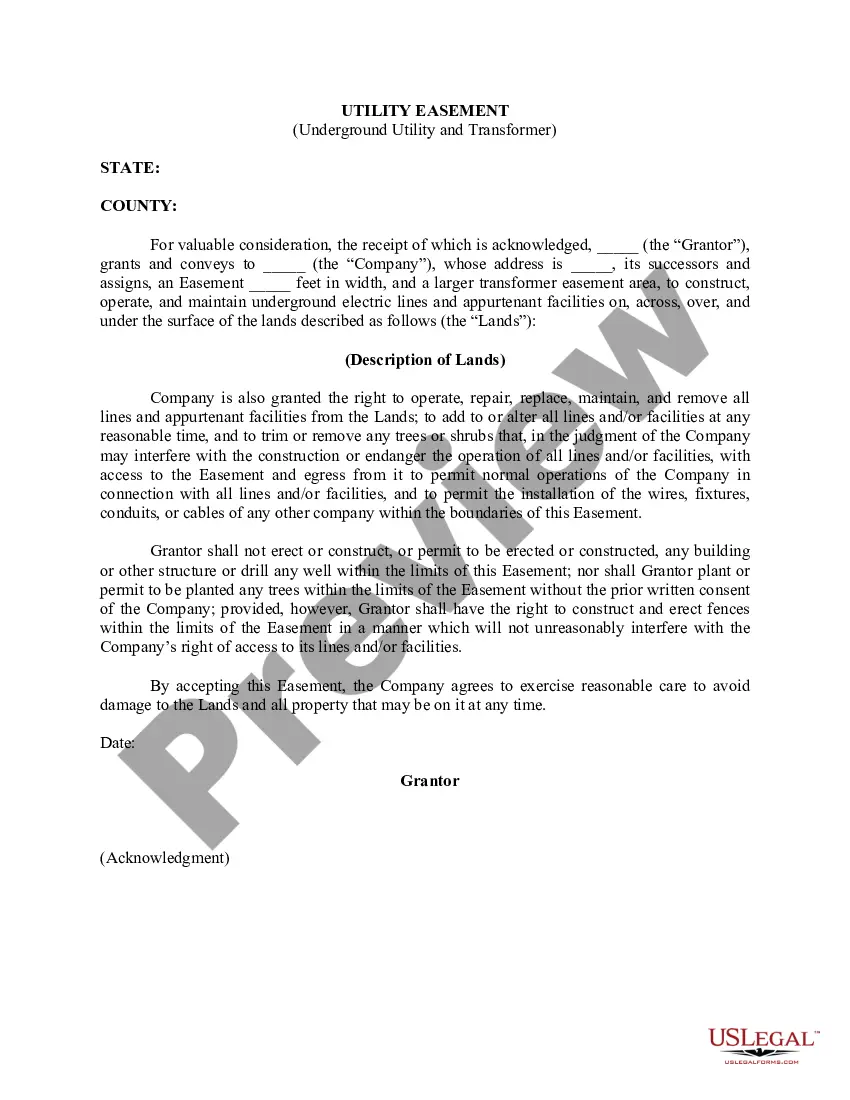
Building structures over an easement usually isn’t a good idea because it might block access for utility work. It's like putting up a gate where you promised to keep things open.
If they need to access the easement, they’ll usually give you a heads-up, and you’ll have to allow them to come in and do their work, kind of like letting a friend borrow your tools when they need them.
You can still plant gardens or put up fences, but you must stay clear of the utility company's access area. Think of it as decorating around a family member's special chair—you want to give them room to move.
You can find out if there's an easement by checking your property deed or maps available through the local government. It’s like checking your family tree to see what’s in your backyard.
You need it so utility companies can safely access and maintain their equipment without any hassle, like a shortcut through your yard that keeps the neighborhood running smoothly.
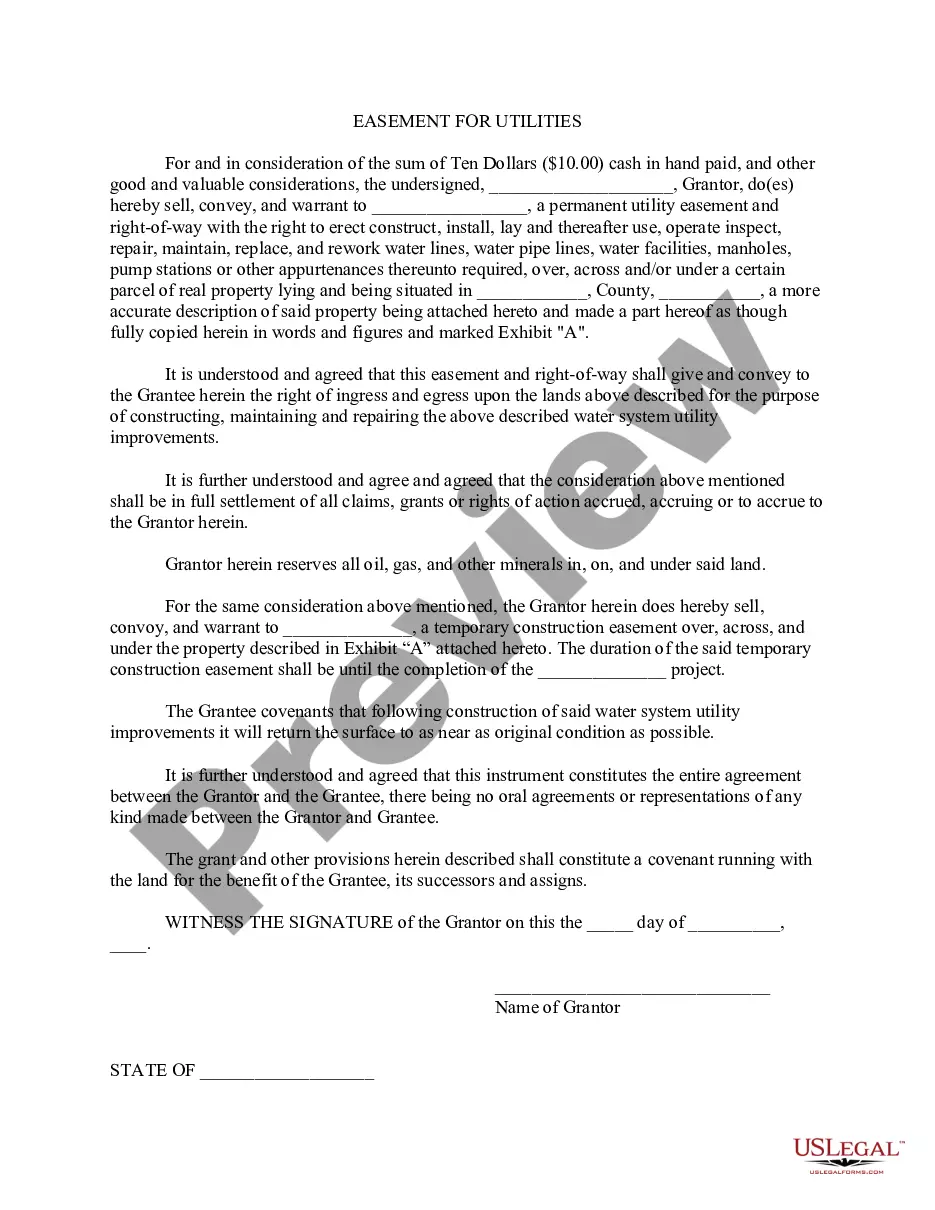
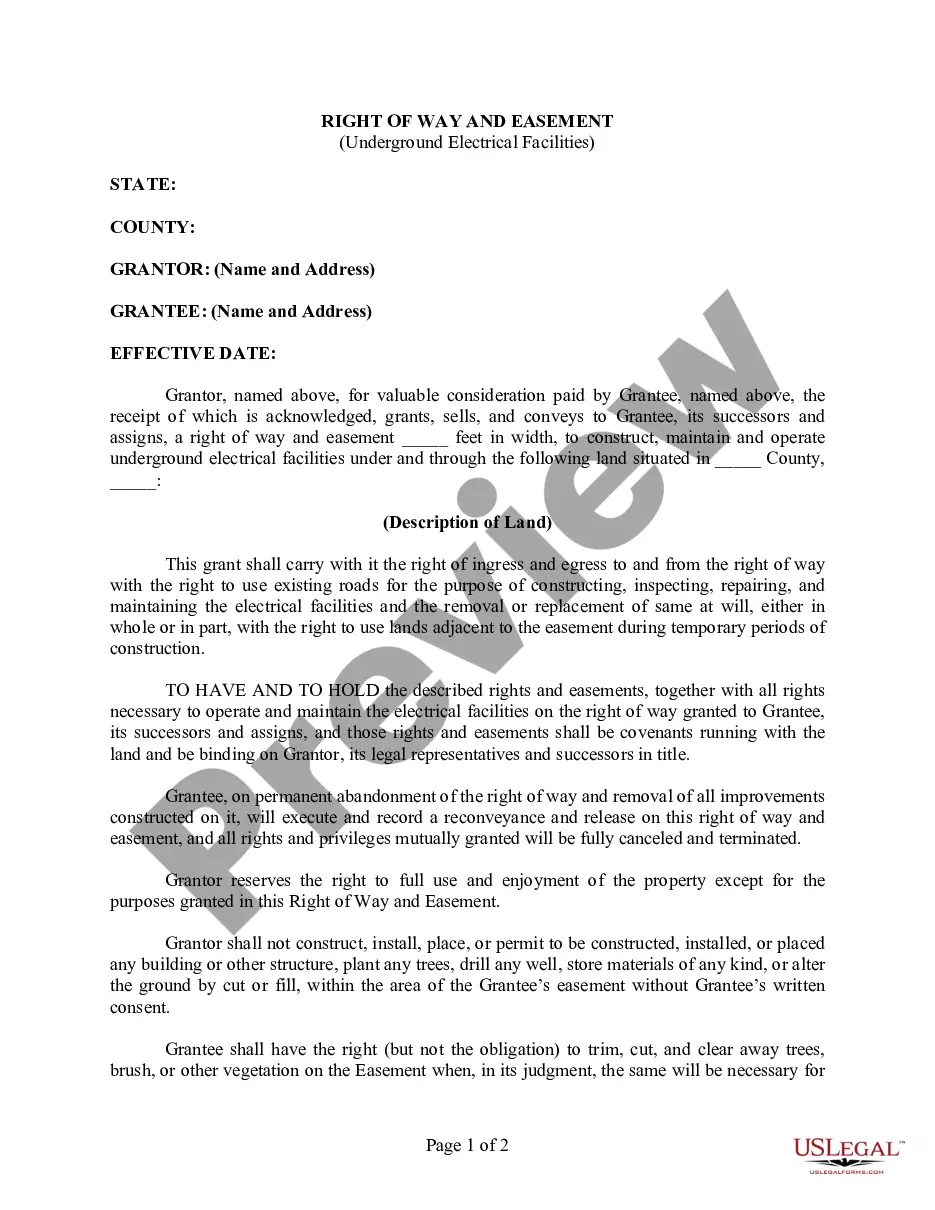
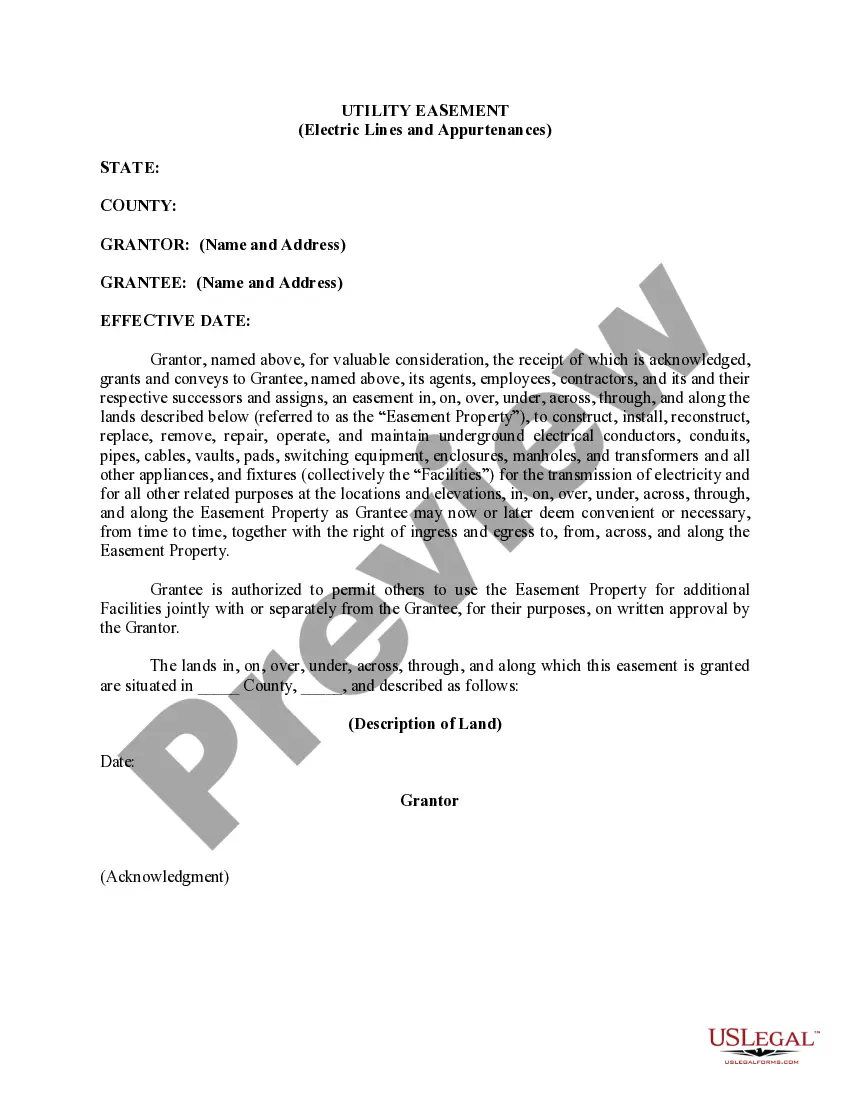
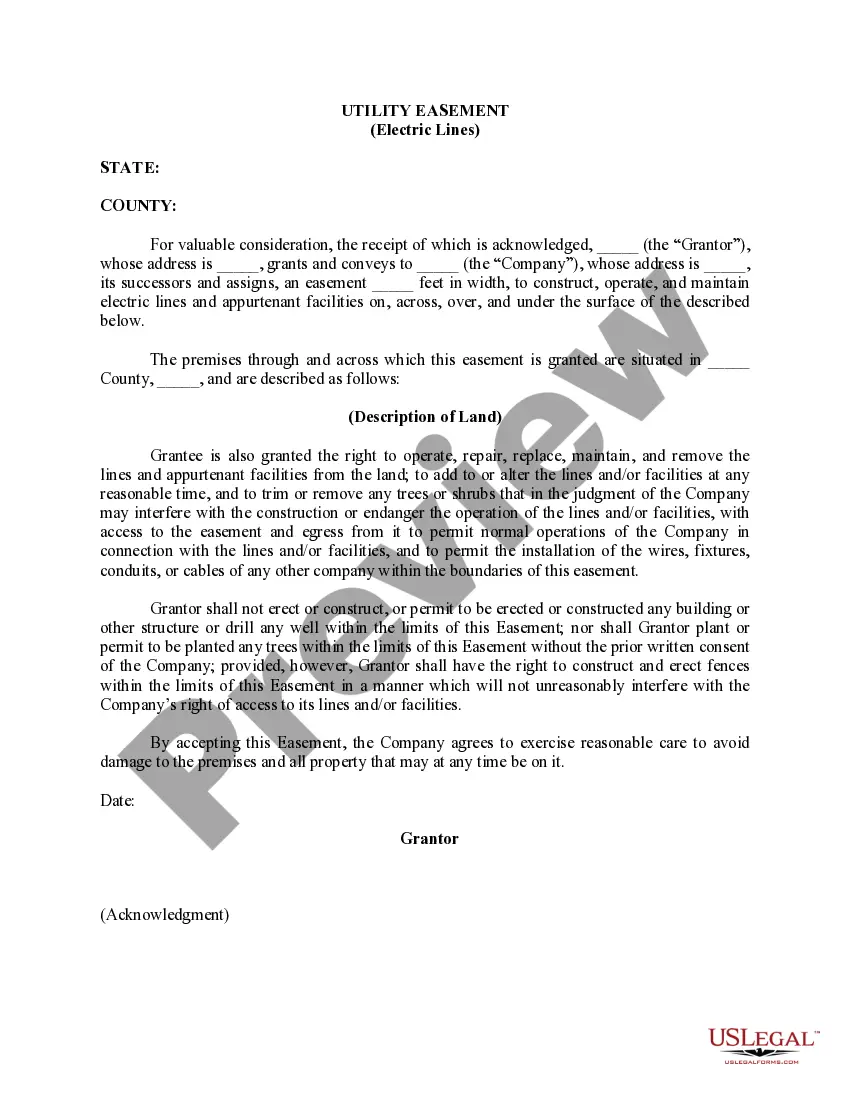
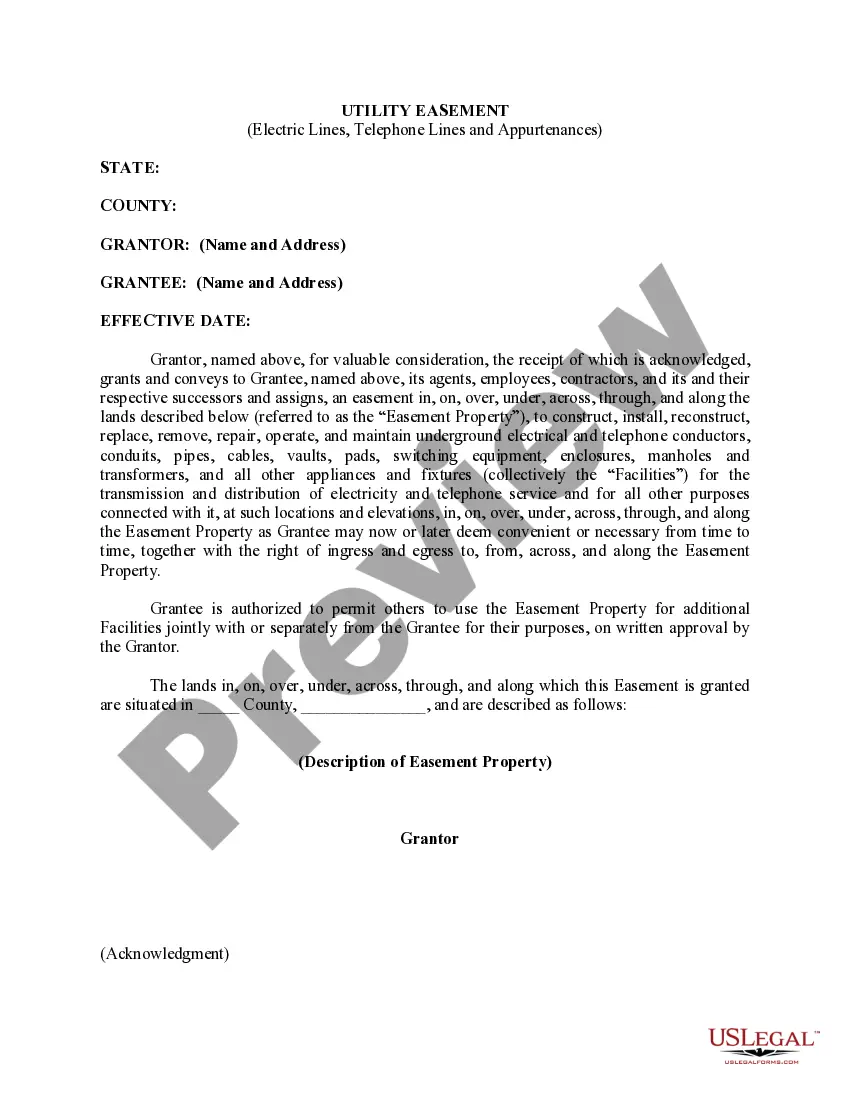
A utility easement is a special piece of land that allows utility companies to install and maintain underground services like wires and cables. Think of it as a reserved parking spot, but for utilities.