Yes, most leases come with restrictions to ensure sustainable usage. You might be limited in how much water you can extract or how you can use it, so be sure to understand these details.
Groundwater leases can vary in duration, but they often last several years. Be sure to check the specific terms when you sign the agreement.
Yes, but transferring a groundwater lease usually requires some paperwork and permission from the relevant authorities. It’s always good to read the fine print.
Having a groundwater lease gives you legal access to the water you need for your operations, helps avoid legal troubles, and can even enhance the value of your property.
Check with your local water authority or the Texas Commission on Environmental Quality. They can give you a heads-up on whether you need a lease to access groundwater in your area.
If you're planning to tap into the underground water for your projects, such as growing crops or supplying water to your home, a lease ensures you're doing it the right way and following the regulations.
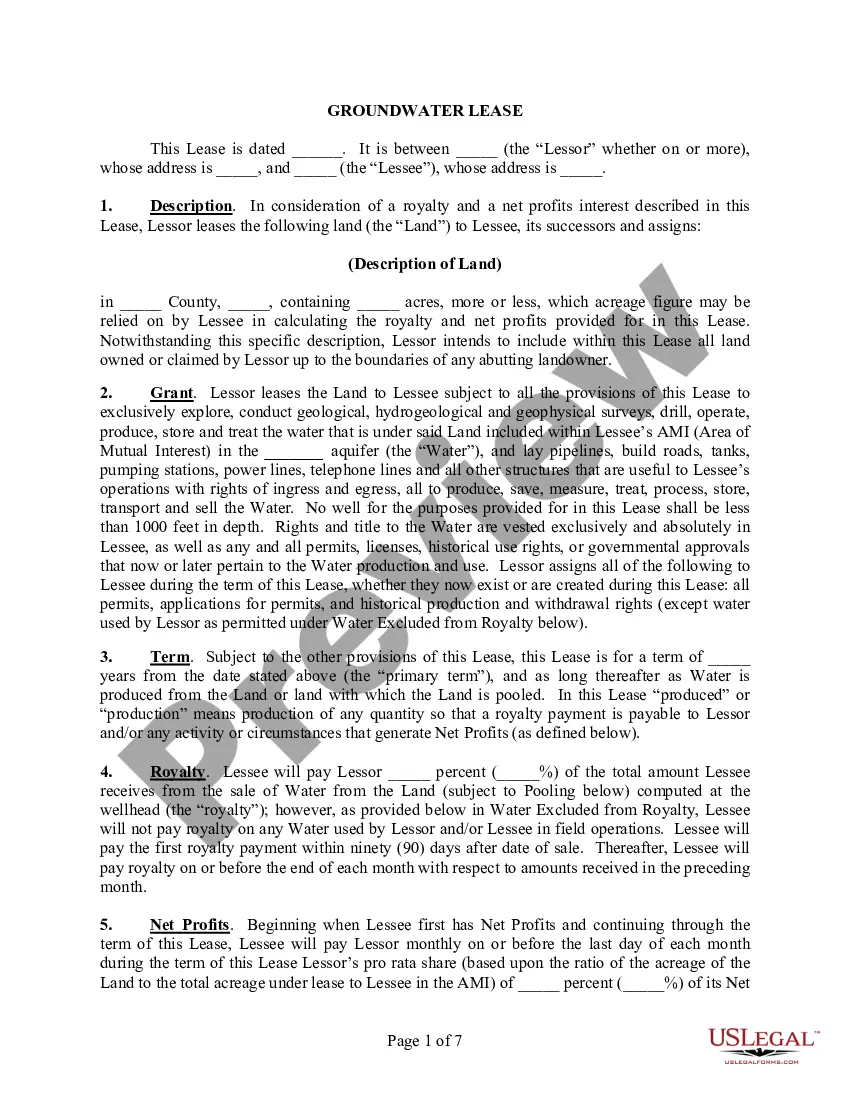
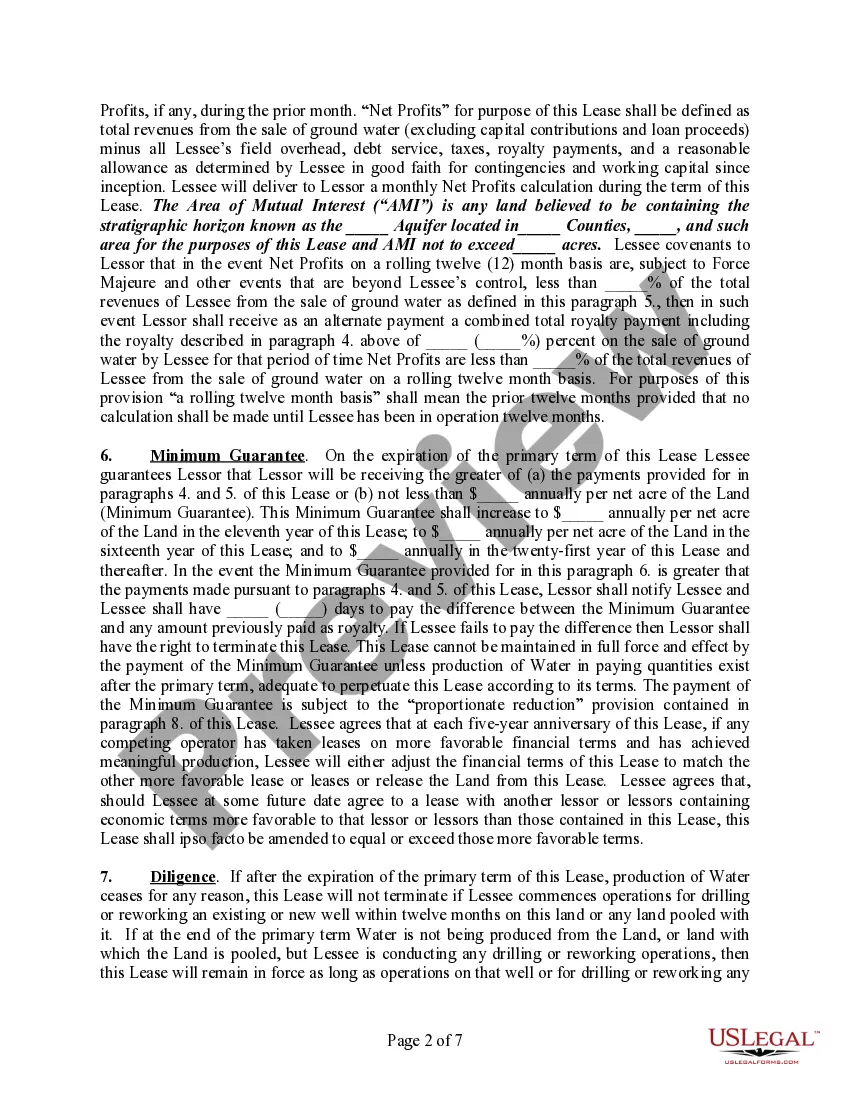
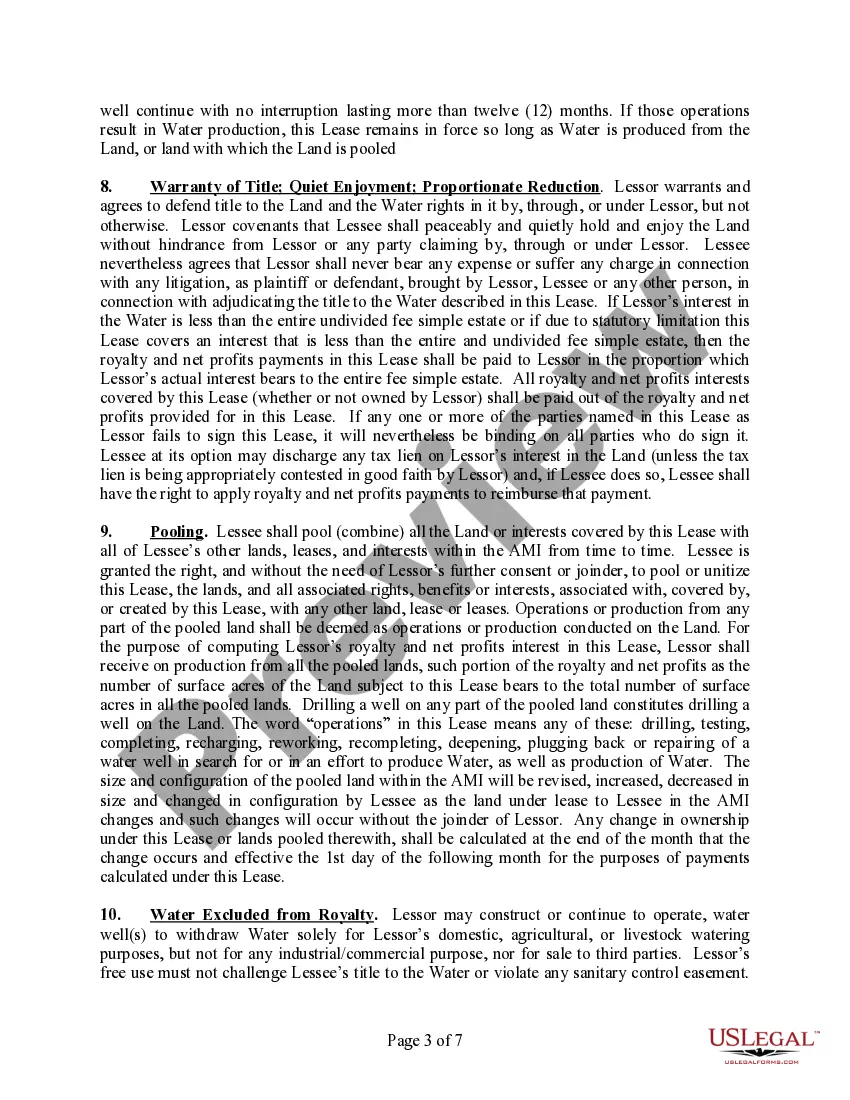
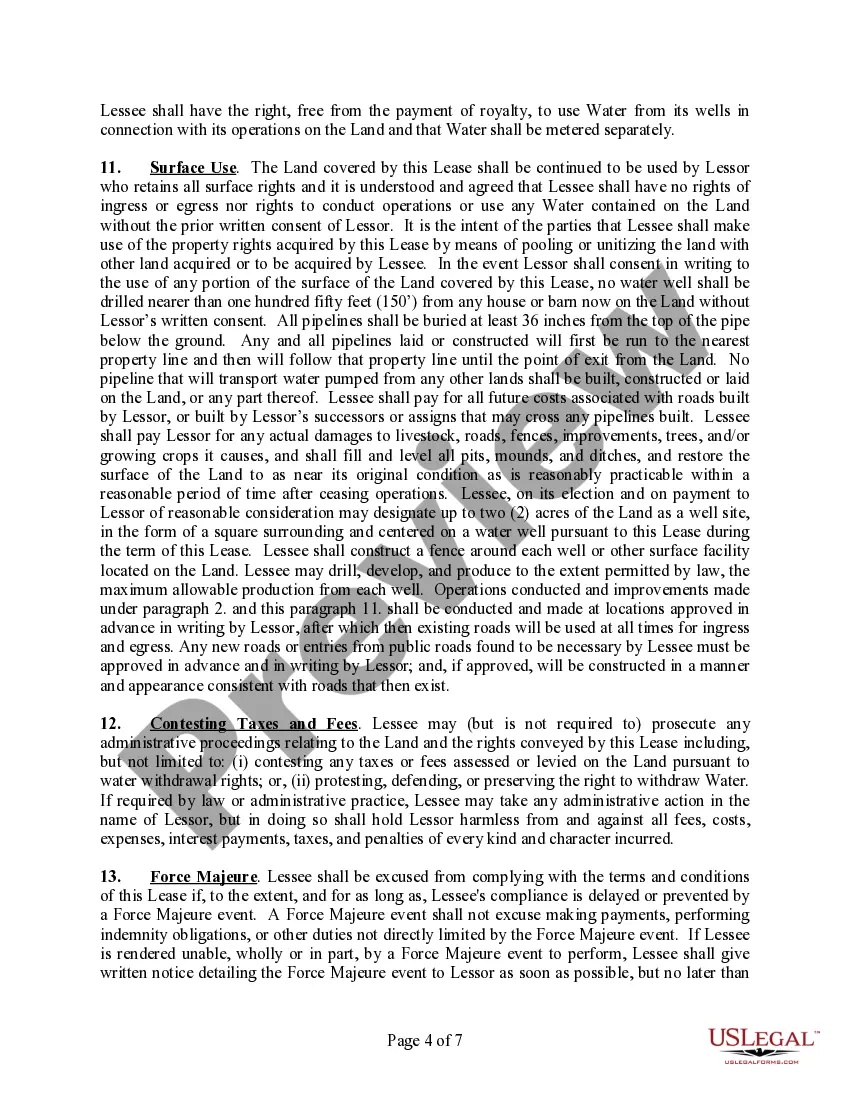
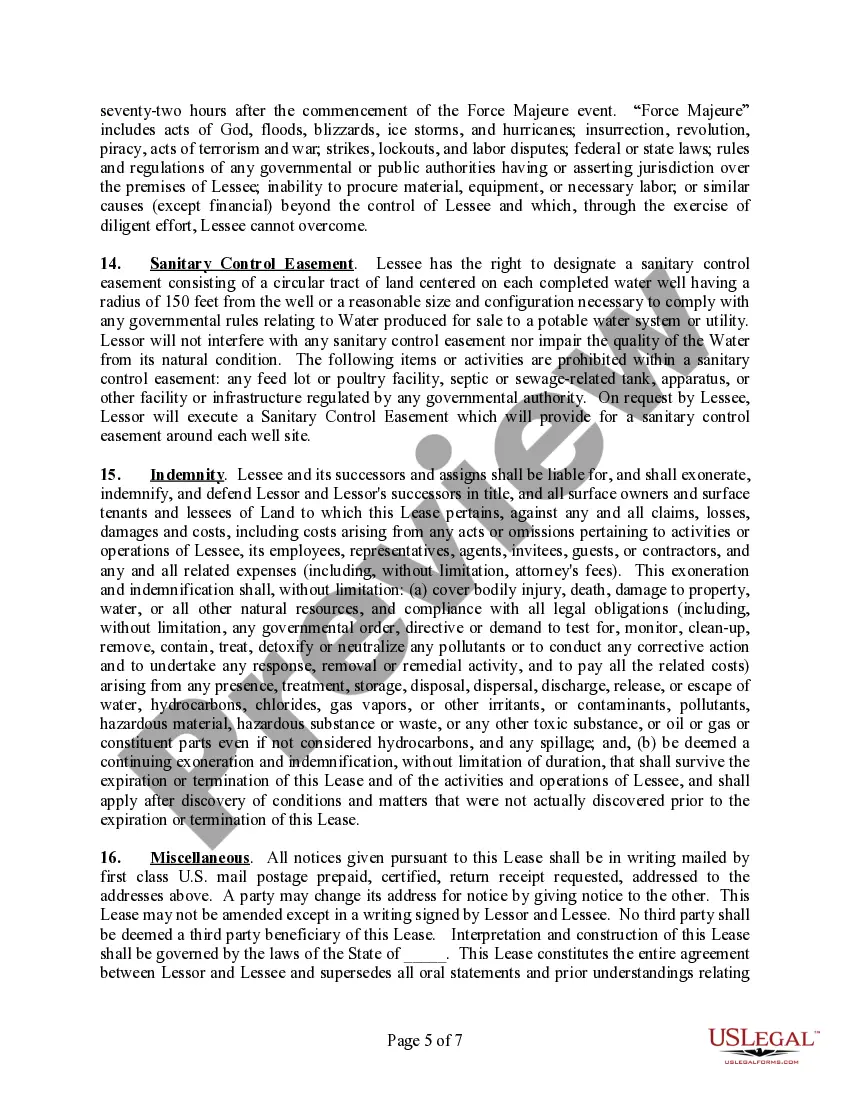
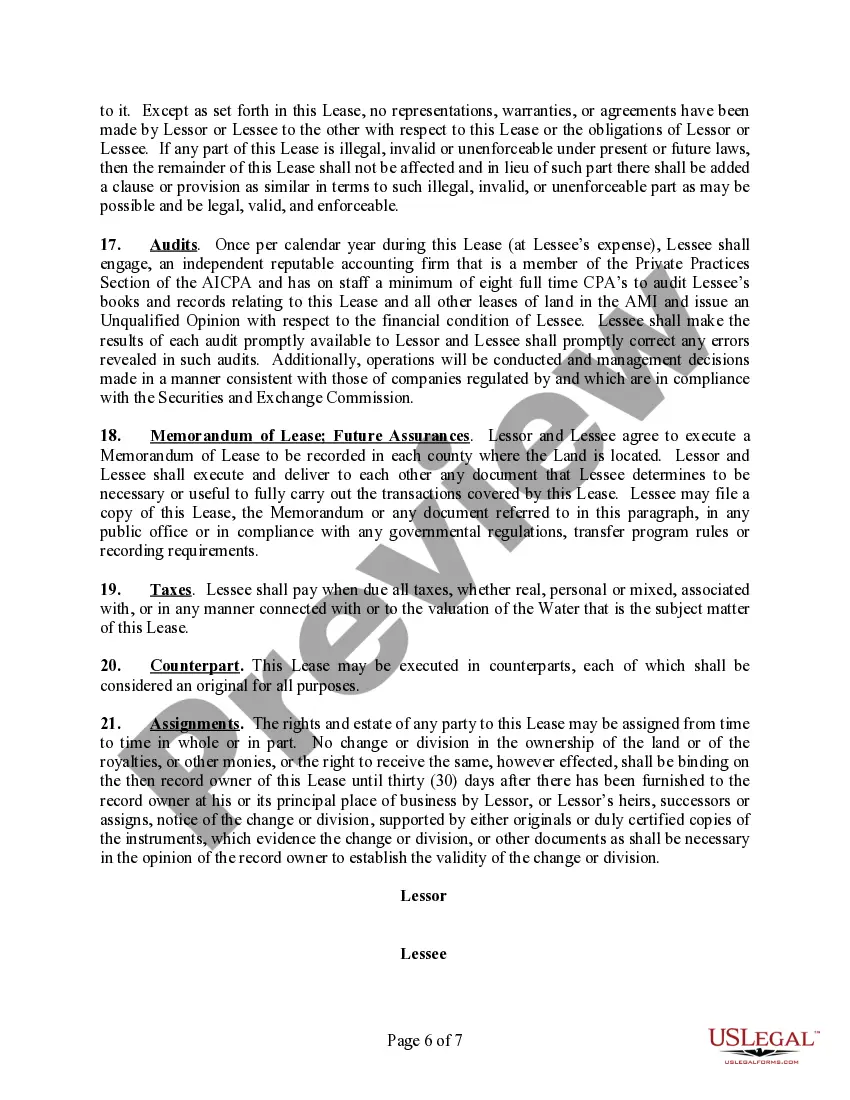
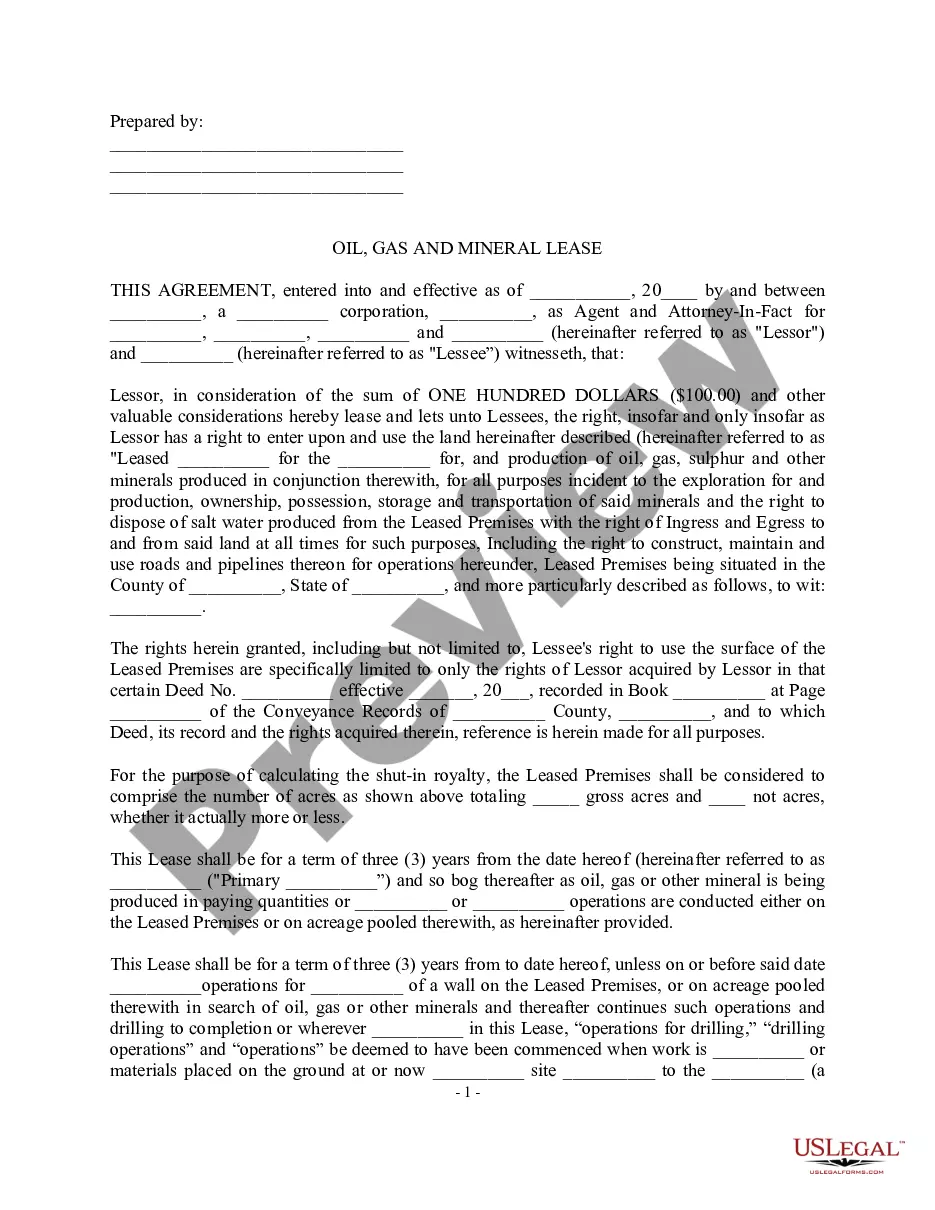
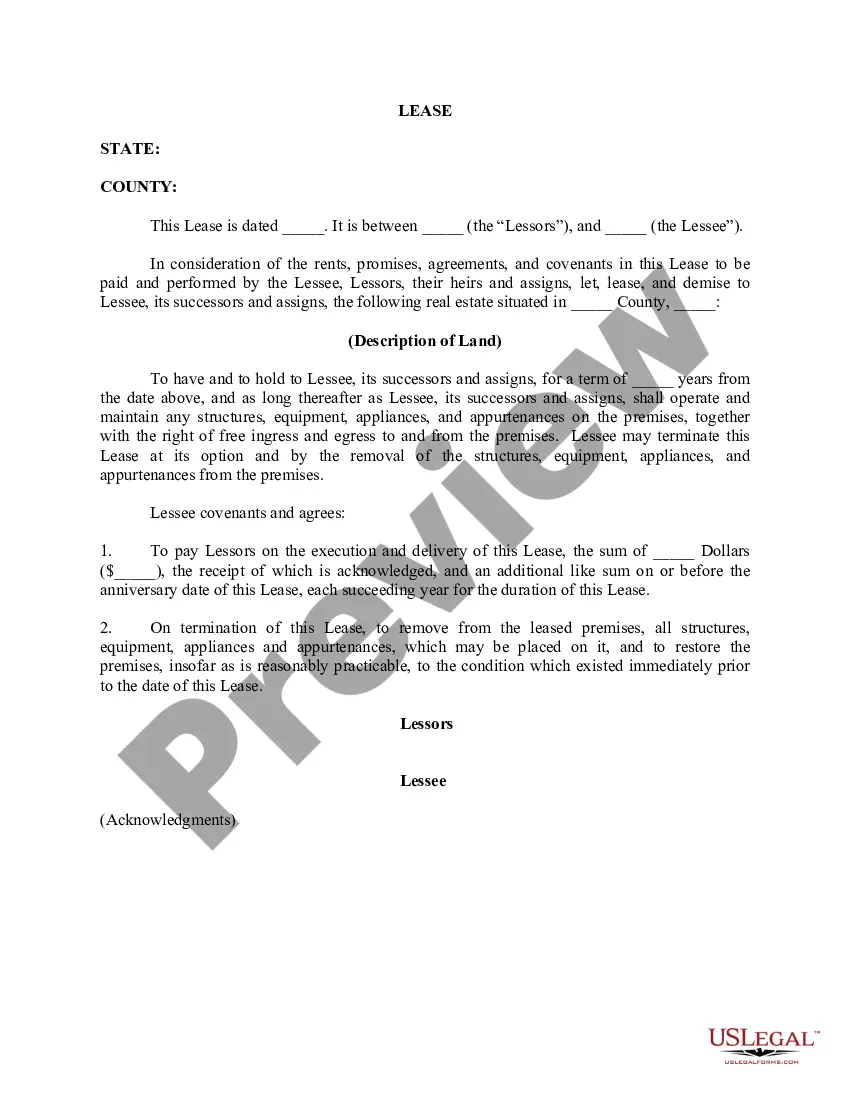
A groundwater lease is an agreement that allows someone to use water from underground sources, like aquifers, for things like farming, landscaping, or even industrial uses.