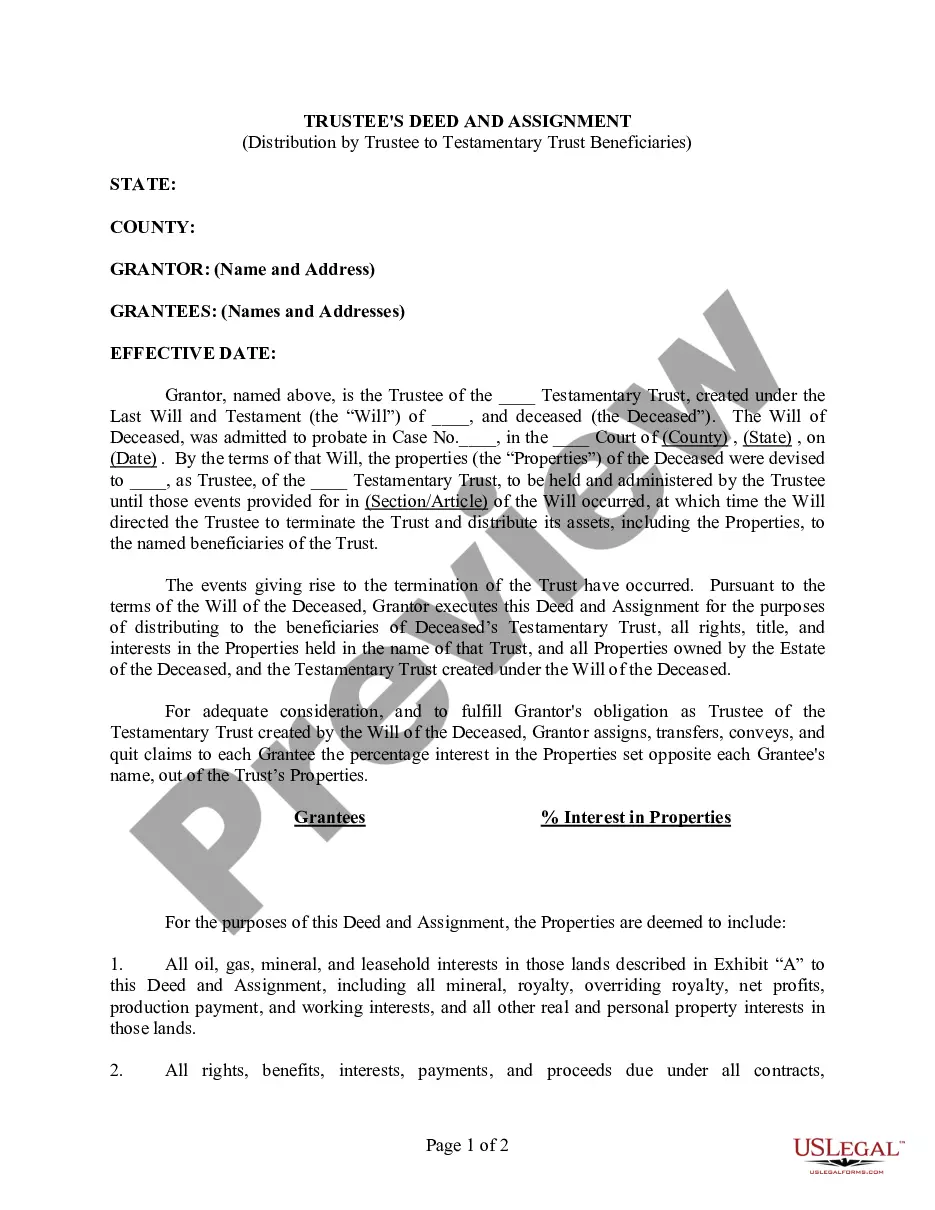
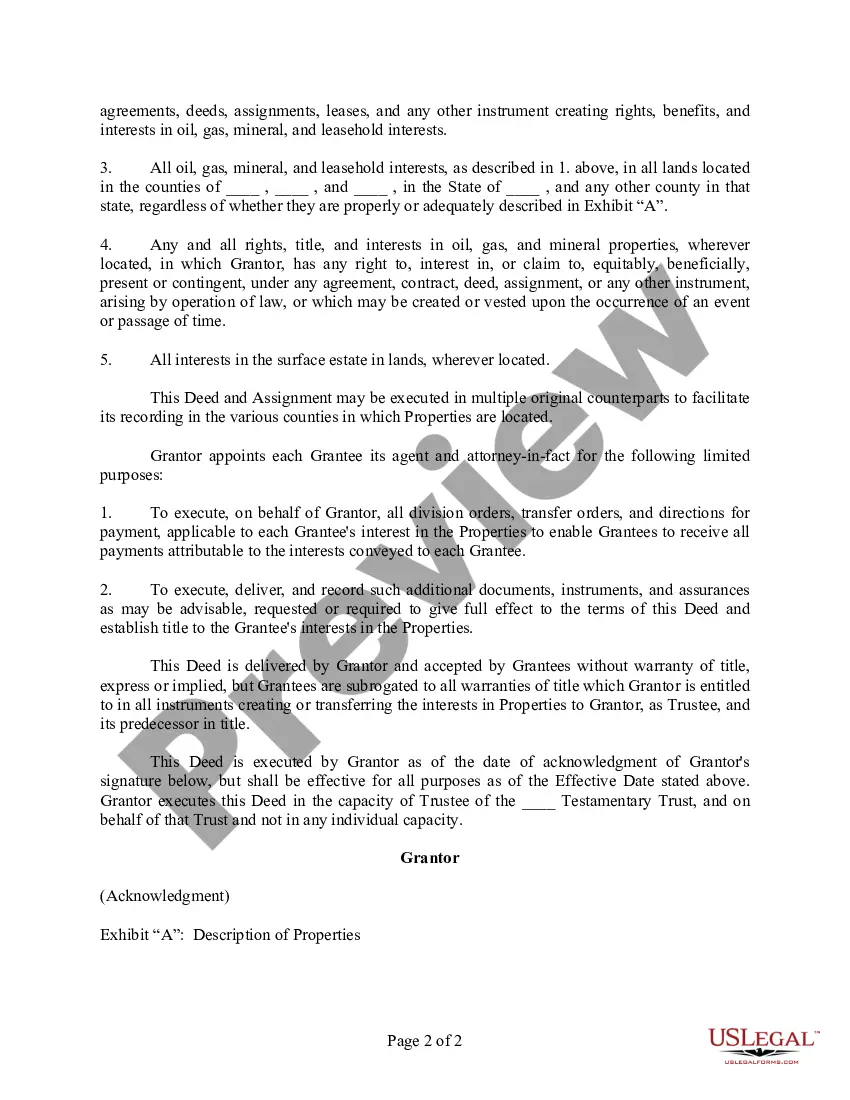
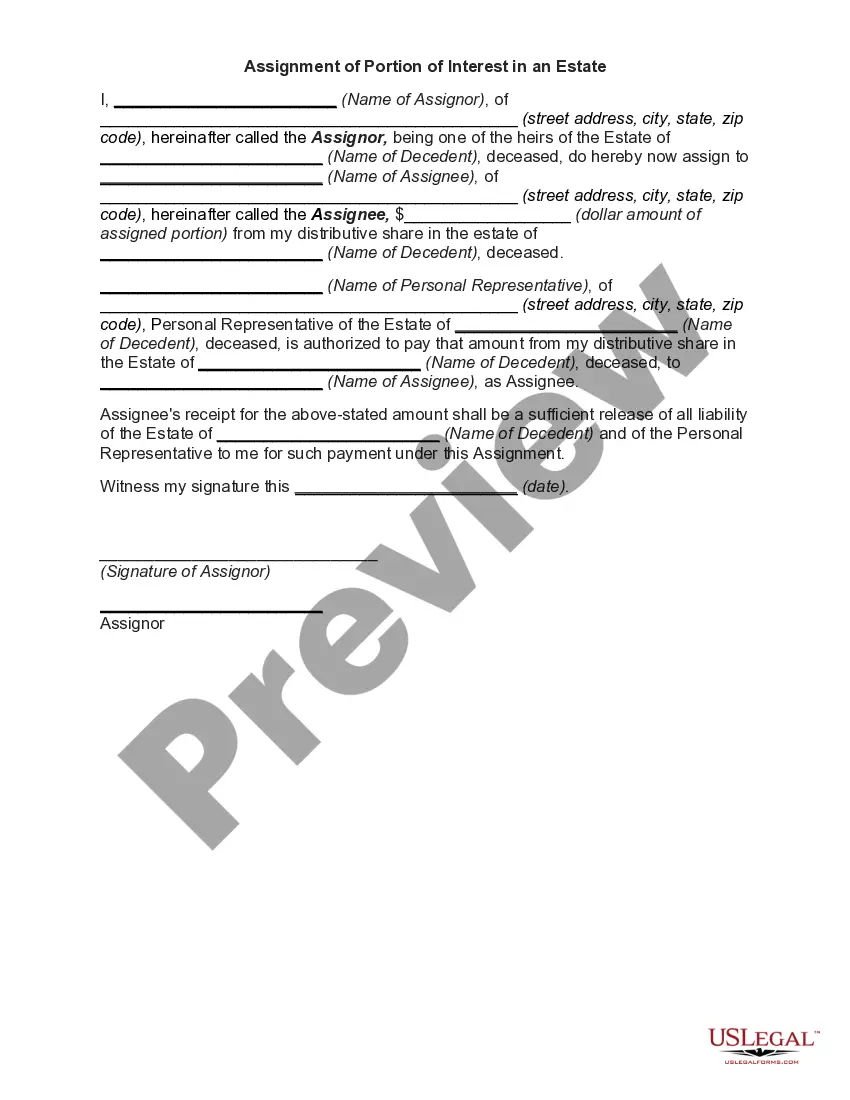
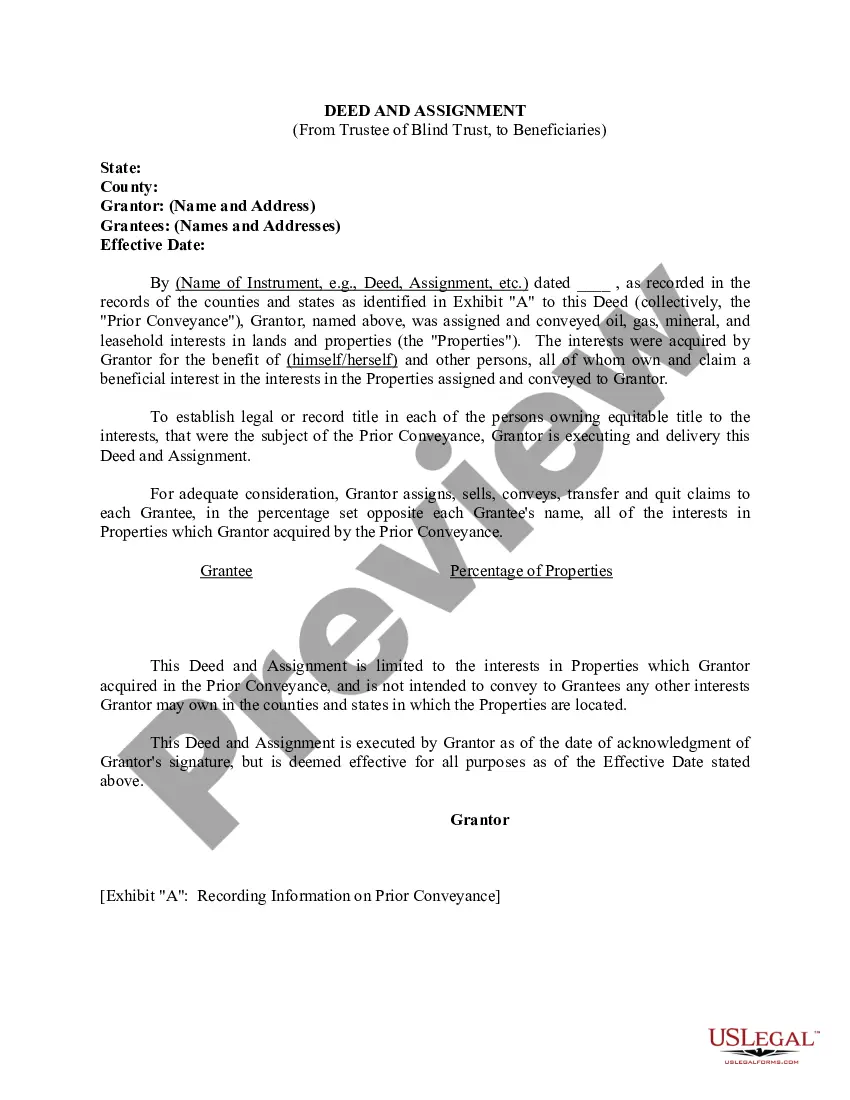
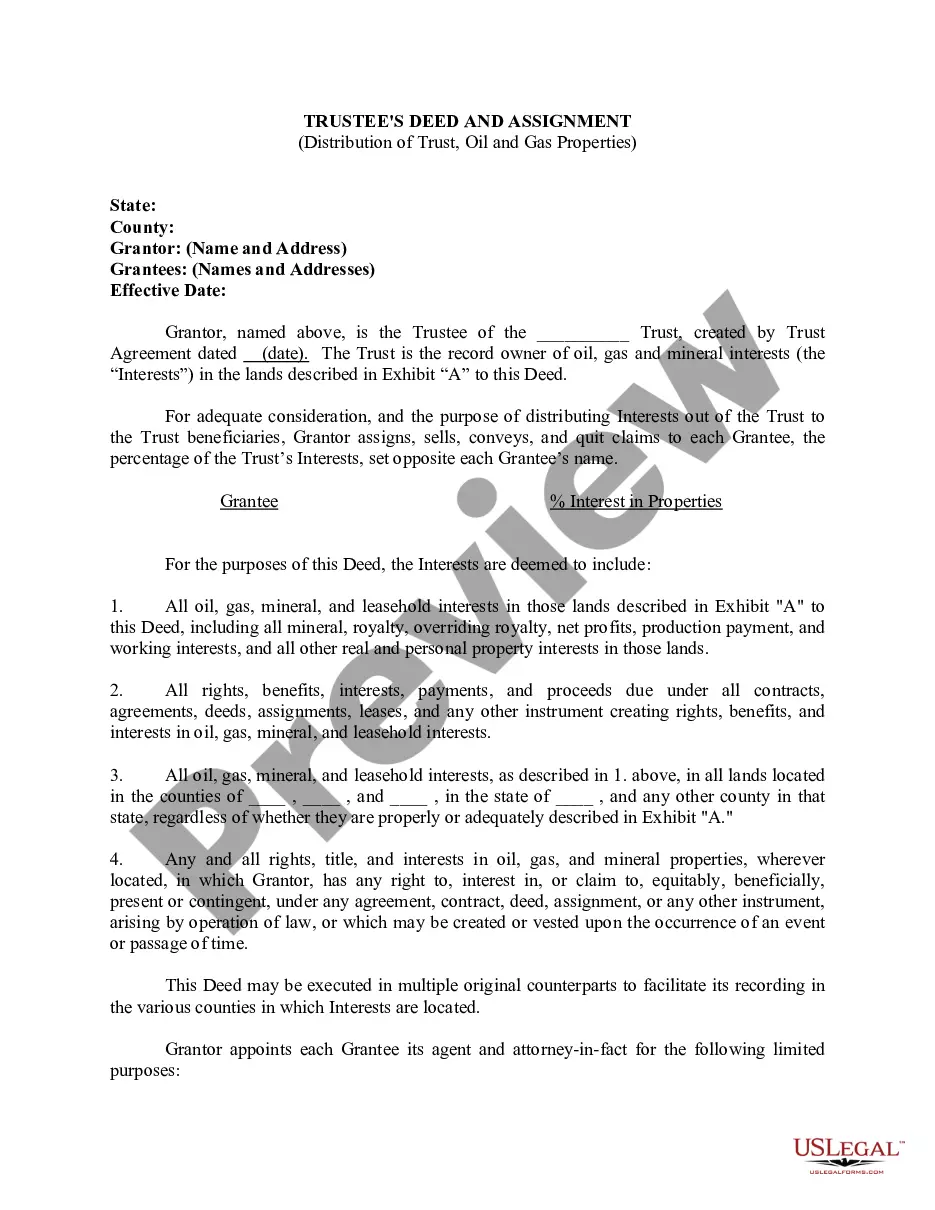
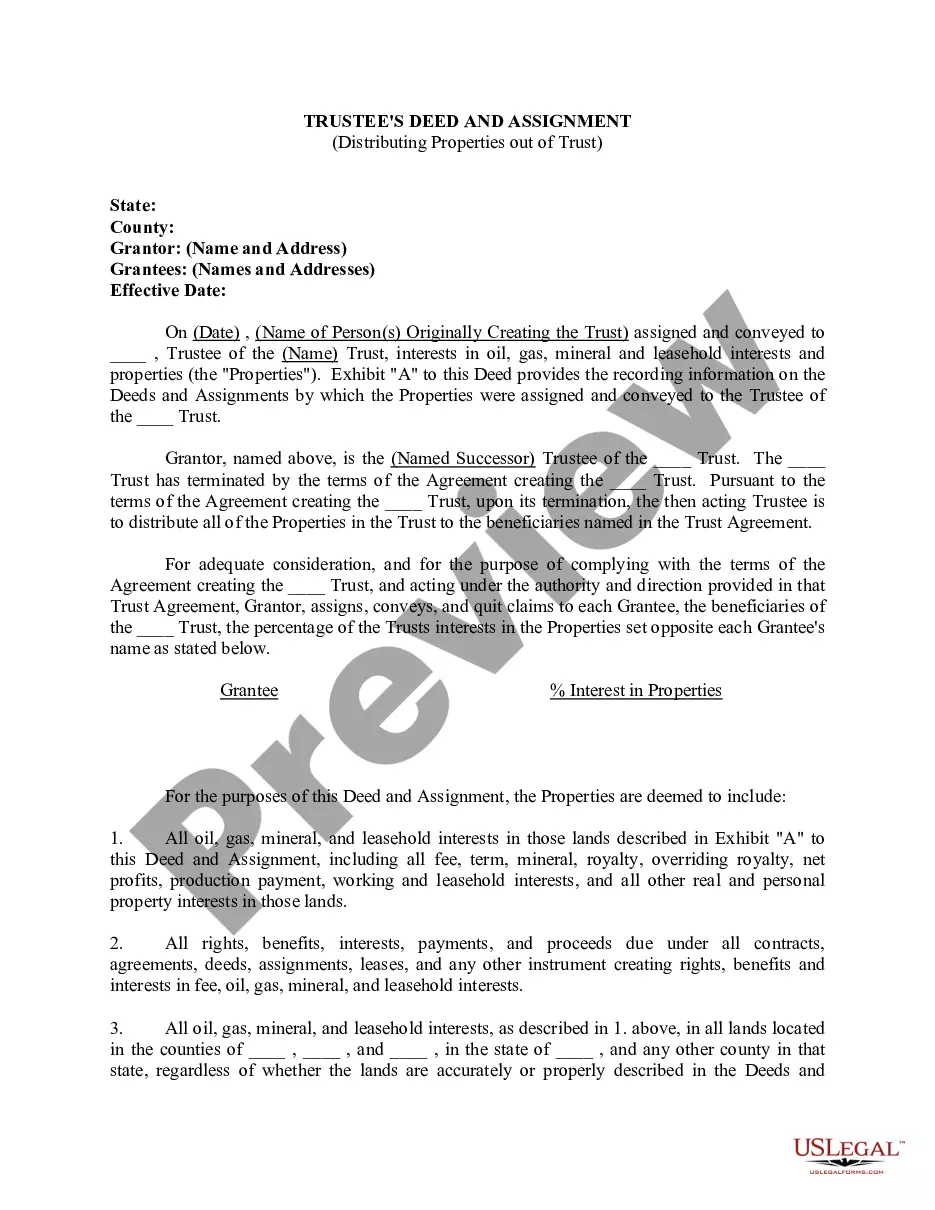
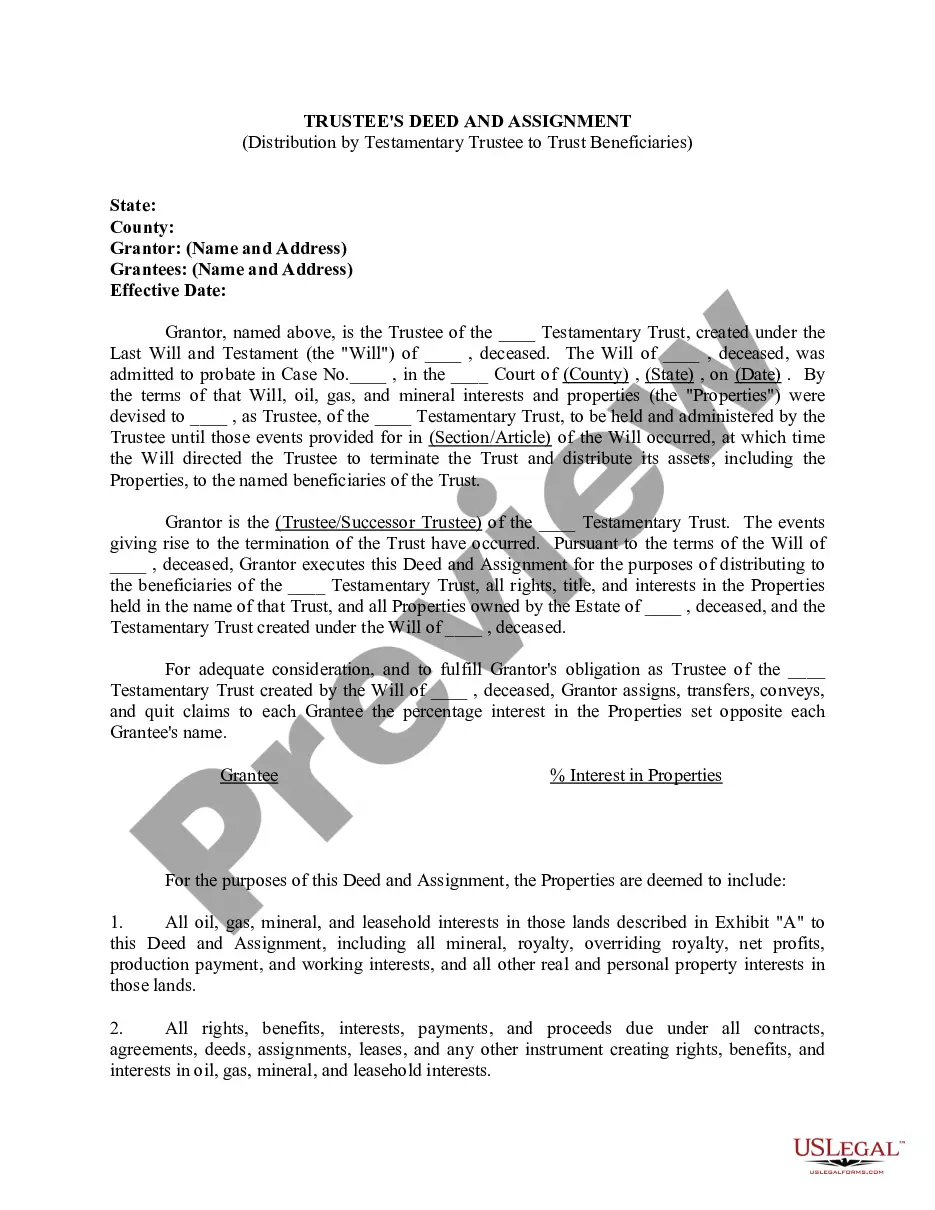
This is a form of deed in which a Trustee of a trust, created under the last will and testament of a deceased party, distributes the assets and interests out of the trust to the beneficiaries named in the trust created under the terms of the deceased's will.
Yes, beneficiaries can challenge a Trustee's Deed, but they'll need valid reasons and evidence to back up their claims. Otherwise, it can be a tough uphill battle.
If there's a dispute, it can lead to some heated discussions. Often, mediation is the first step, but it might end up in court if things get sticky.
While you can go solo, it’s usually wise to have an attorney help you navigate the legal jargon and make sure everything's done by the book.
Testamentary Trust Beneficiaries are individuals or entities who receive benefits from a trust that was created as part of a will after the creator passes away.
A trustee can be anyone appointed in a trust document, often a family member, a close friend, or a professional with experience in managing trusts.
An Assignment for Distribution is the process where a trustee allocates assets, including property, to beneficiaries under a trust, ensuring that everyone gets their fair share.
A Trustee's Deed is a legal document that shows the transfer of property from a trustee to a beneficiary, particularly in cases where the property comes from a deceased person's estate.