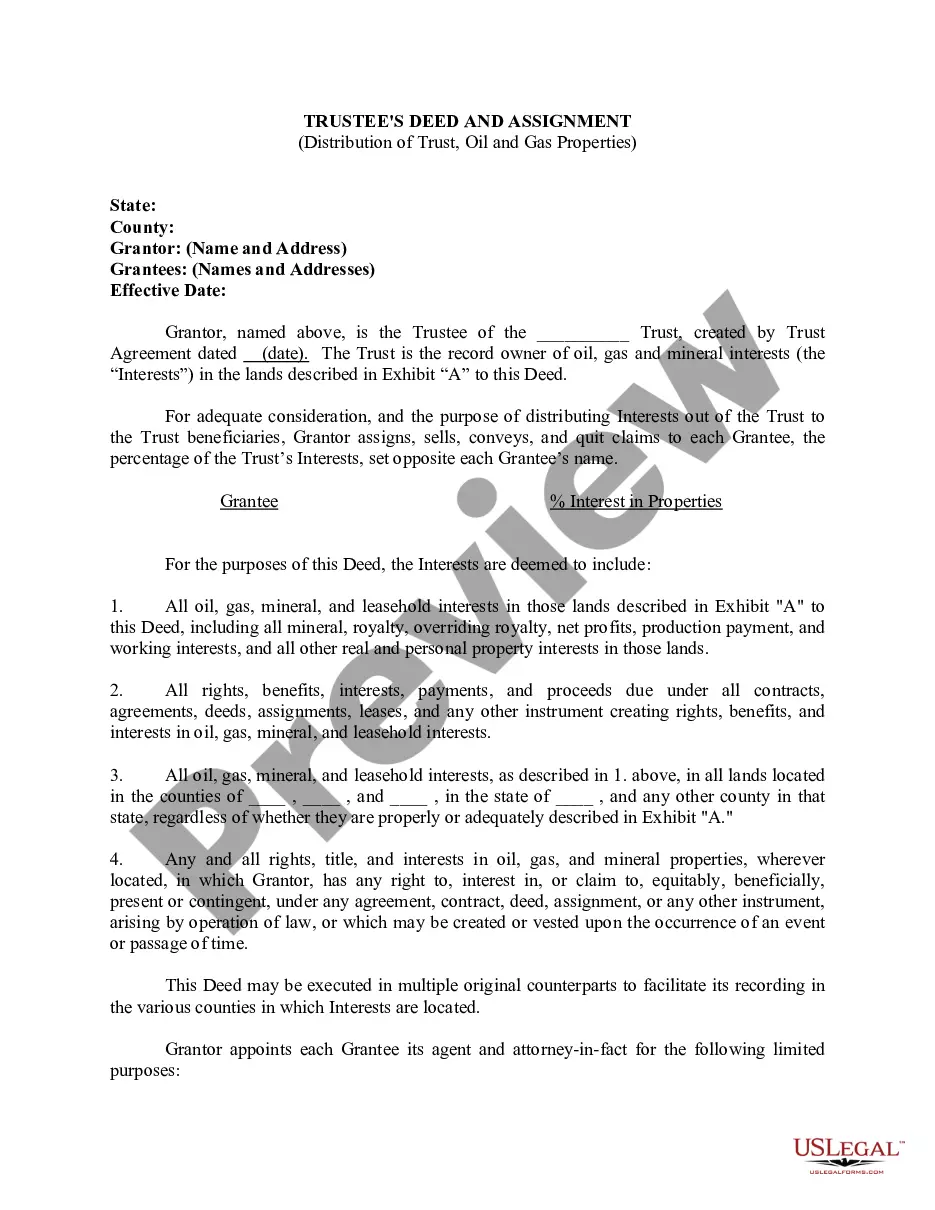
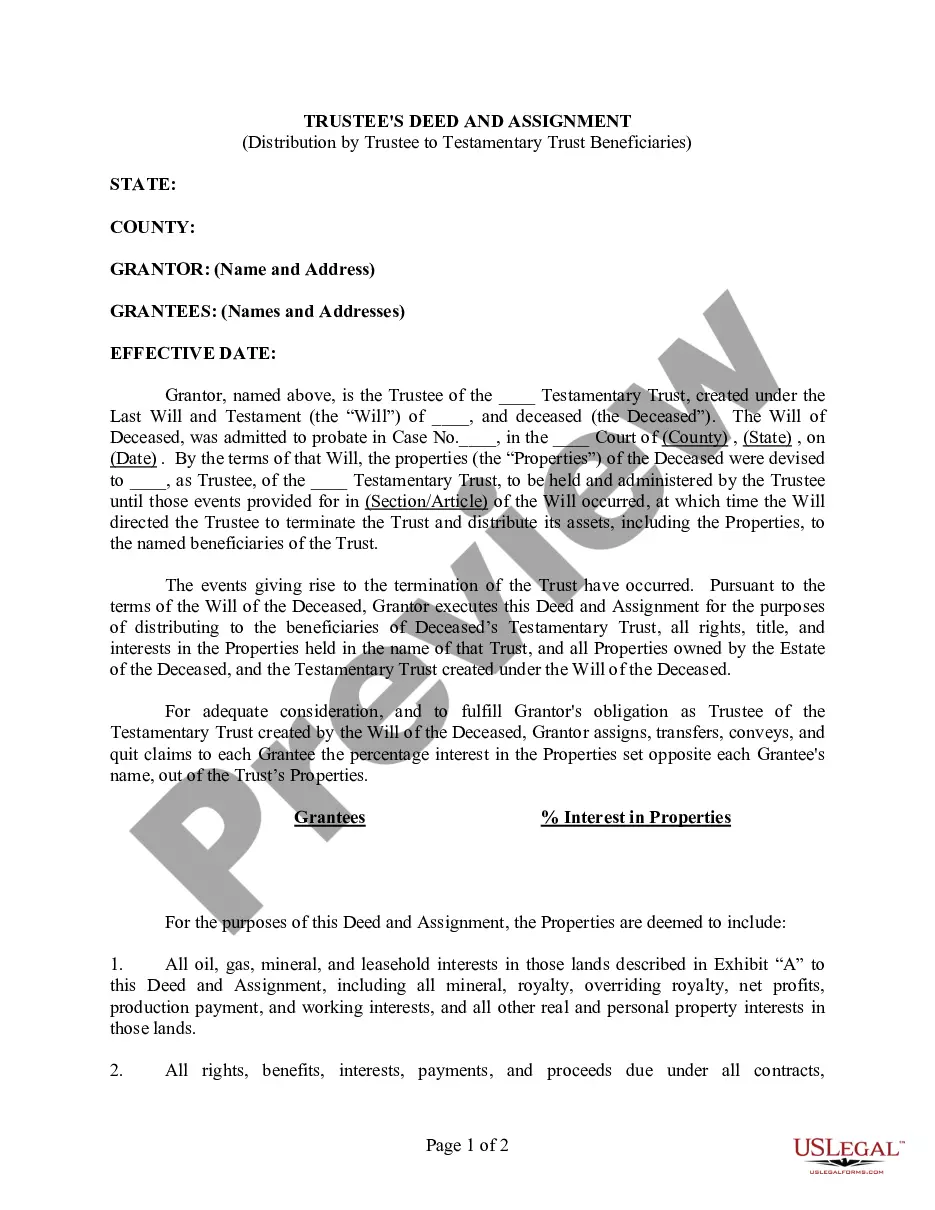
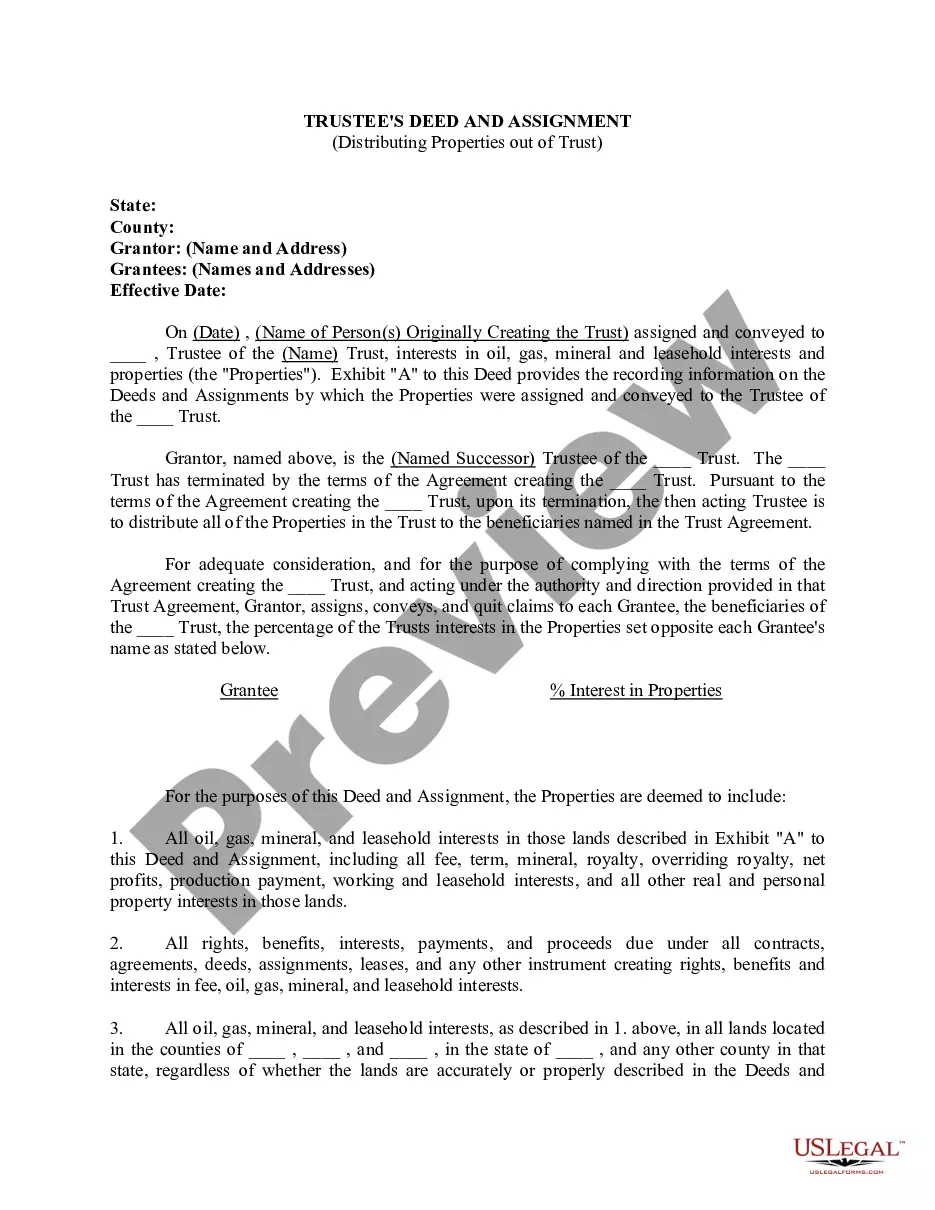
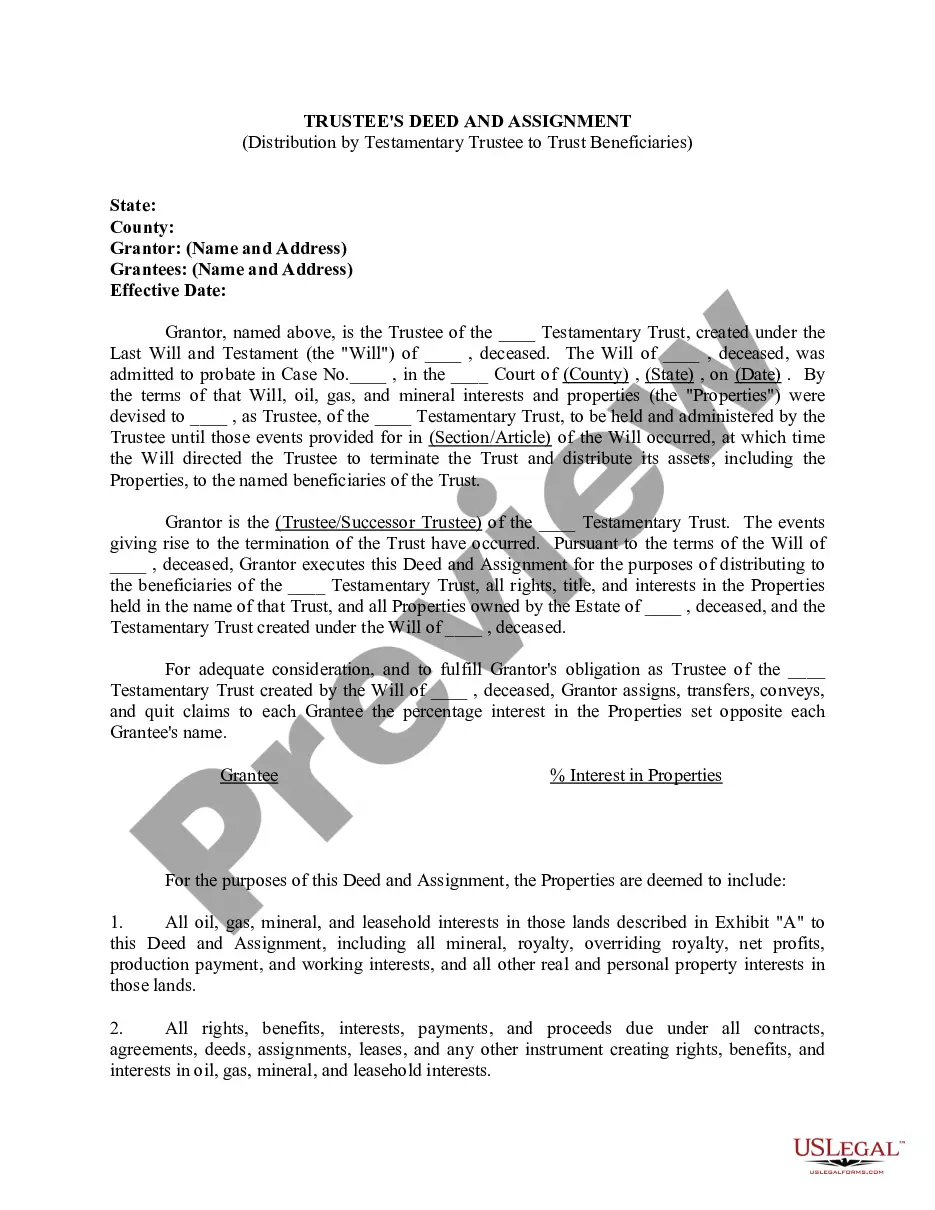
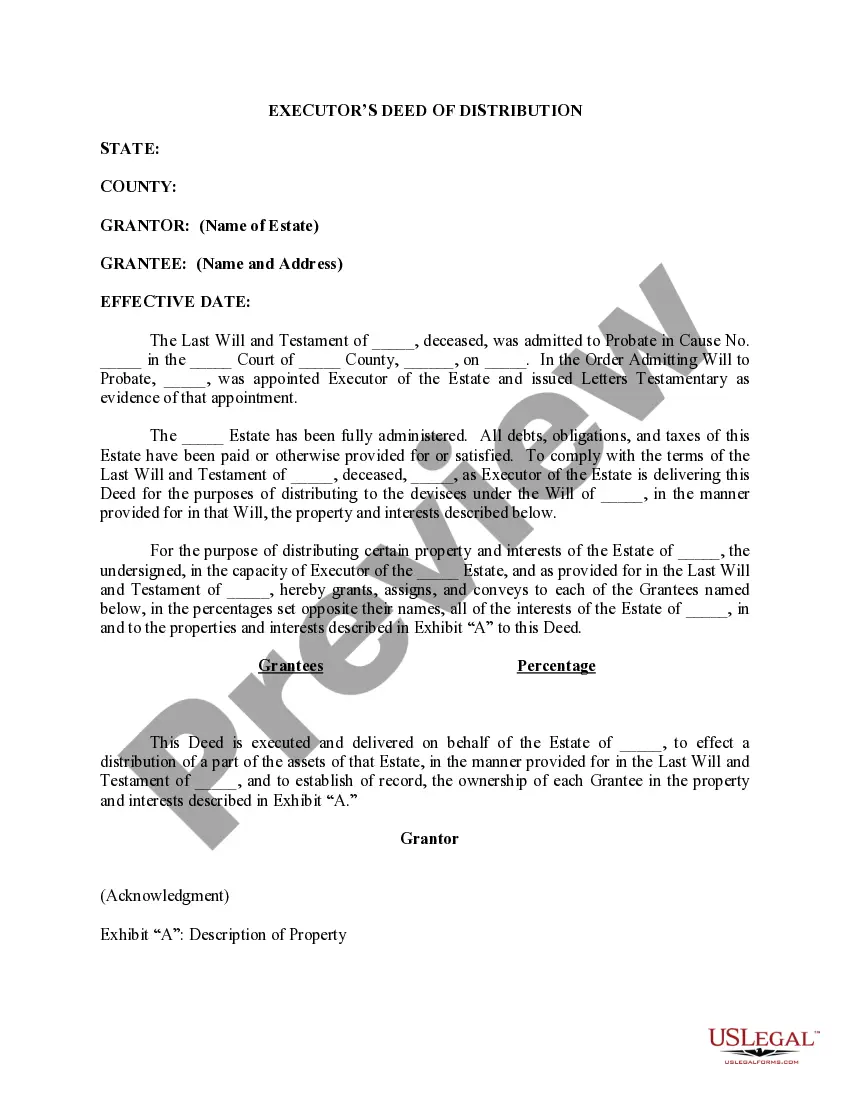
On the conclusion of the administration of an estate, it is often useful for the Executor to execute a deed to the beneficiaries under a will. This form addresses that situation.

Plano Texas Executor's Deed of Distribution Related Searches
How to fill out plano 2021
City of Plano
City of Plano departments
City of Plano permits online
City of Plano Permit portal
City of Plano Phone Number
City of Plano Permits phone number
City of Plano Address
Interesting Questions
Yes, notarization is usually required to make the document legally binding. Think of it as putting your signature on a dotted line with a witness!
Yes, you can contest it, but you'll need solid grounds, like showing that the executor didn’t follow the legal processes or acted improperly. It's best to gather your facts first.
If there’s no will, the estate is distributed according to Texas intestacy laws, and a deed may still be necessary to transfer property to heirs. It's a bit like a game of musical chairs!
Processing times can vary, but typically, it can take a few weeks to a couple of months. Patience is key, as it involves quite a bit of paperwork.
Yes indeed! Even with a will, you'll need the Executor's Deed to transfer property legally to the beneficiaries. It's part of dotting the i's and crossing the t's.
Typically, the executor of the estate prepares the deed, but it's wise to have a lawyer lend a hand to make sure everything's on the up and up.
An Executor's Deed of Distribution is a legal document that allows the executor of an estate to distribute the property and assets of a deceased person to their heirs or beneficiaries in Plano, Texas. It's like handing over the keys!