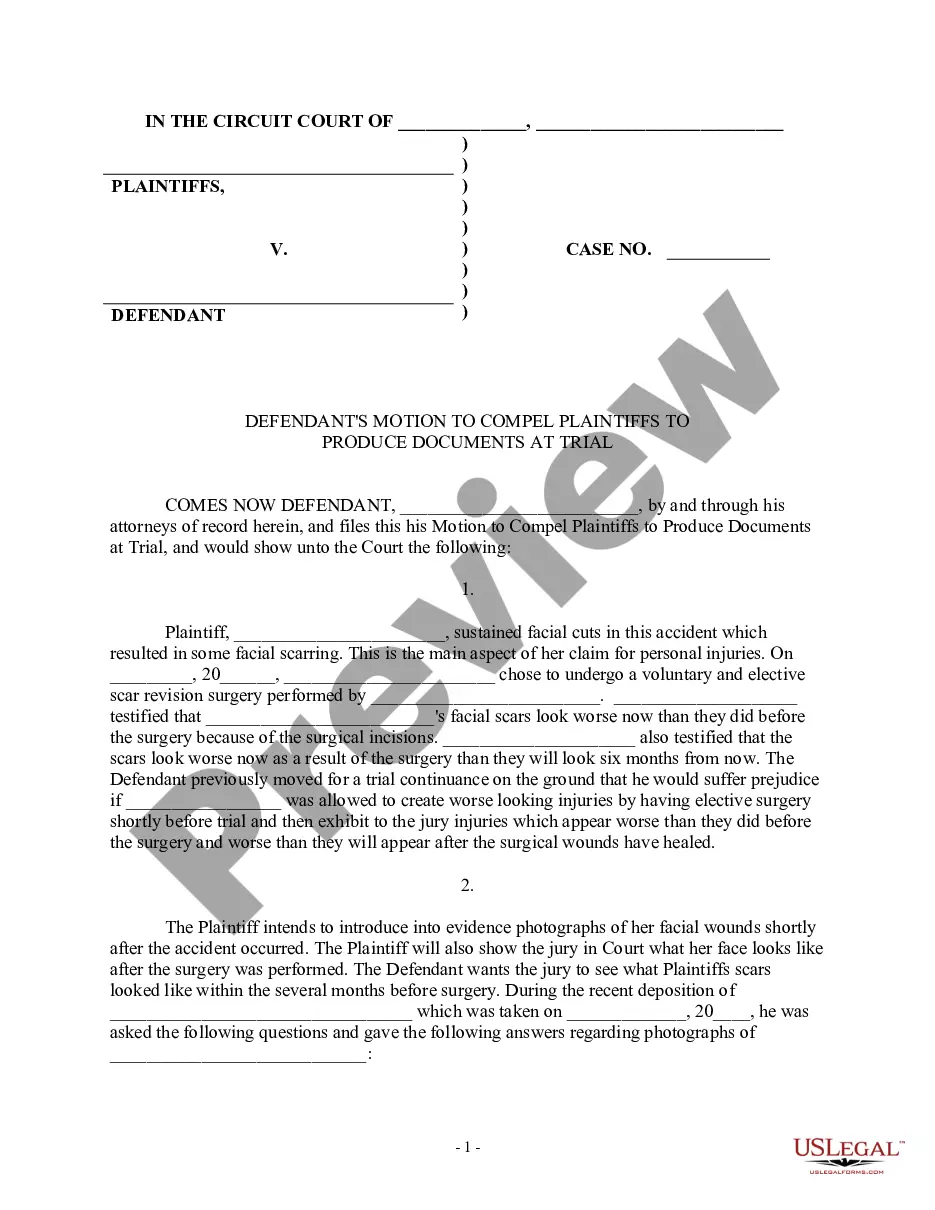
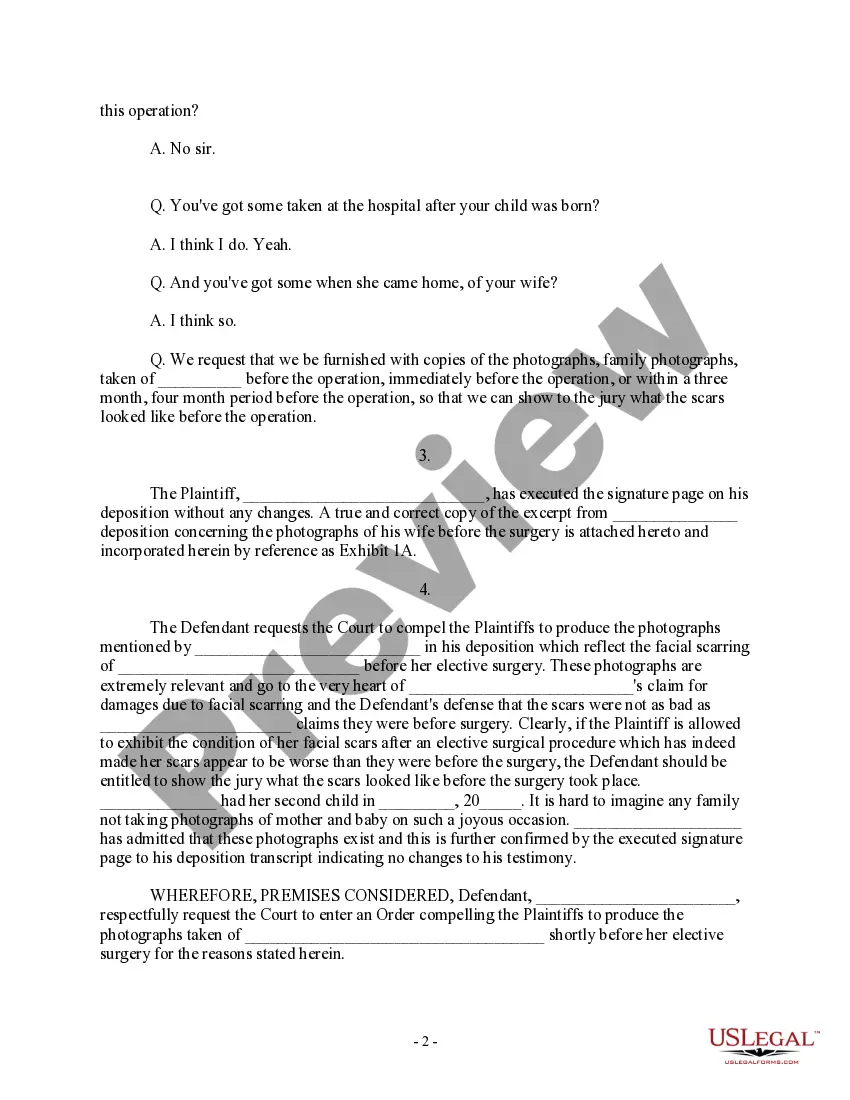
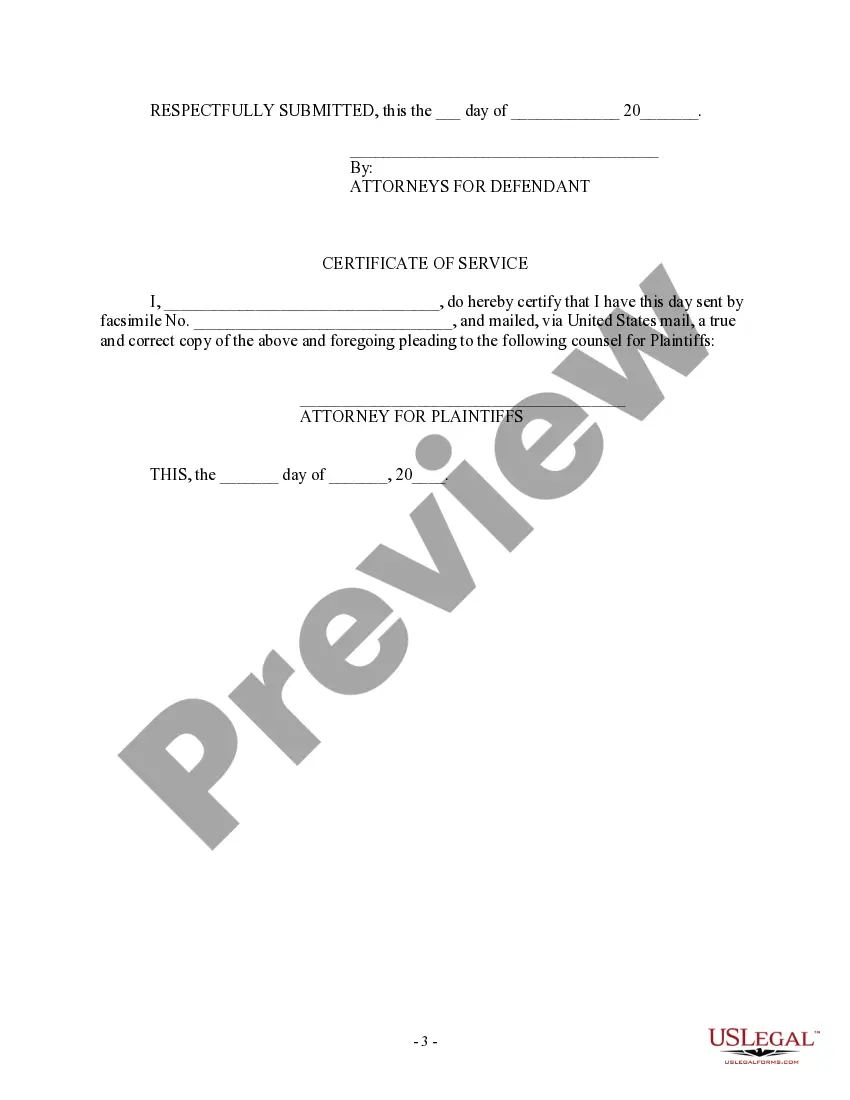
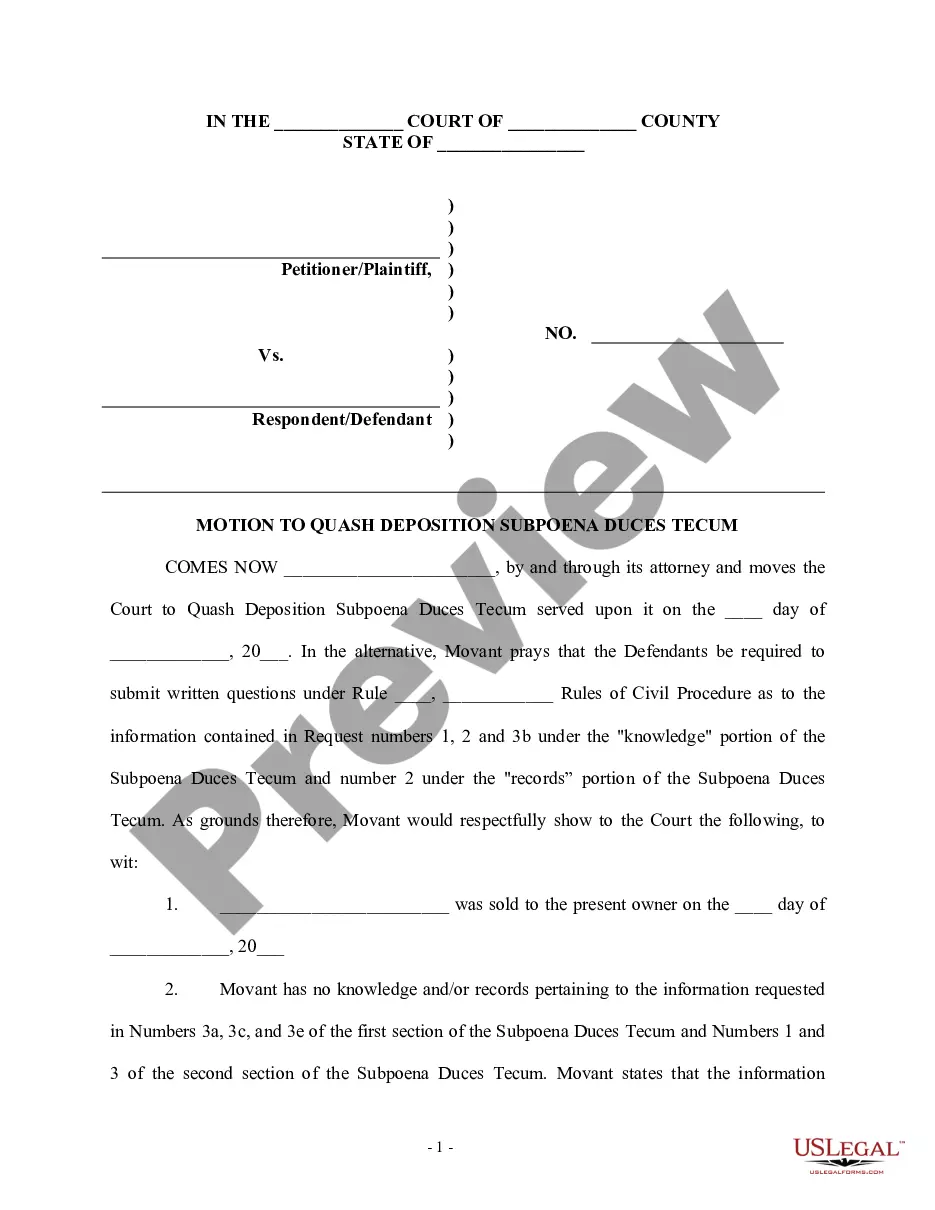
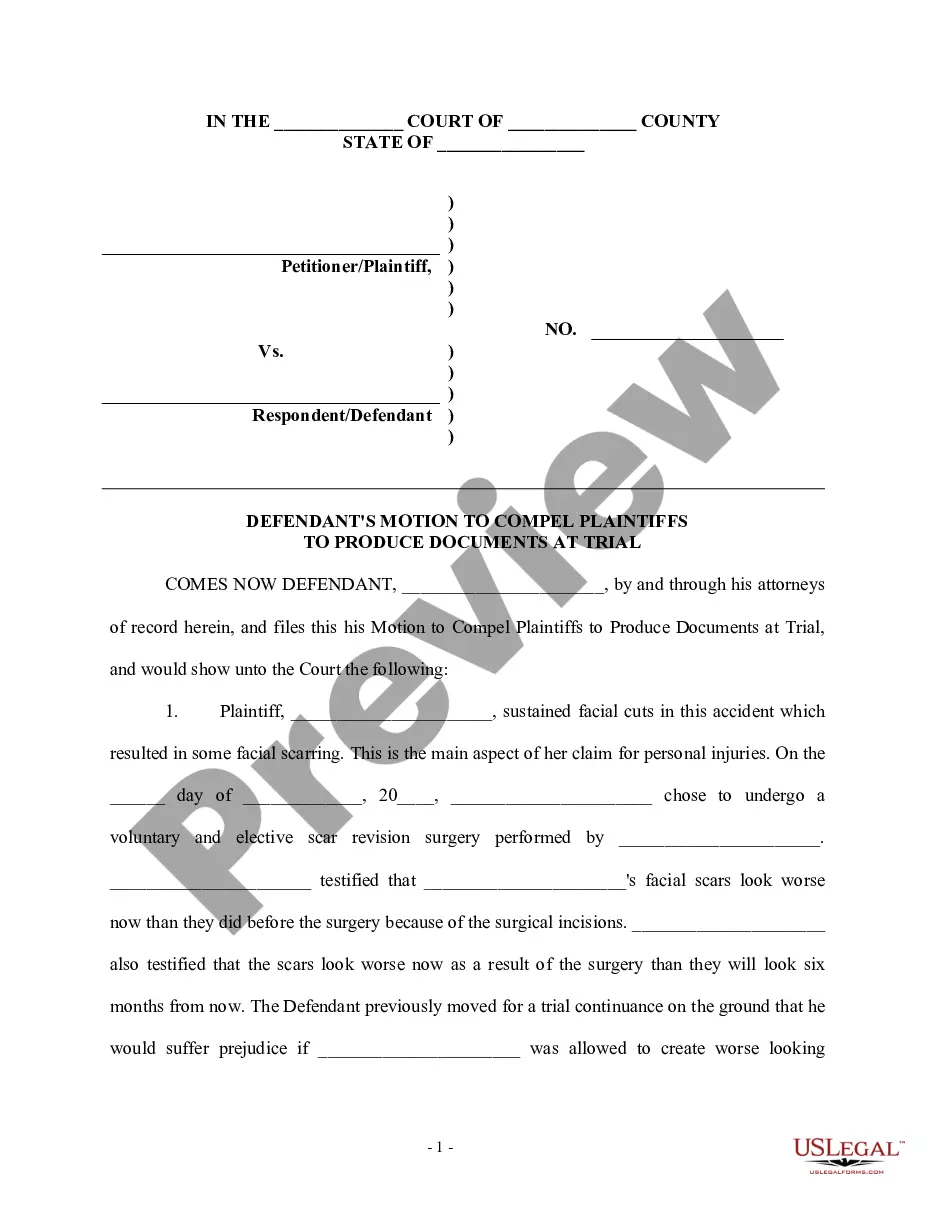
San Bernardino California Motion to Compel Plaintiffs to Produce Documents at Trial - Photographs
Description
Get your form ready online
Our built-in tools help you complete, sign, share, and store your documents in one place.
Make edits, fill in missing information, and update formatting in US Legal Forms—just like you would in MS Word.
Download a copy, print it, send it by email, or mail it via USPS—whatever works best for your next step.
Sign and collect signatures with our SignNow integration. Send to multiple recipients, set reminders, and more. Go Premium to unlock E-Sign.
If this form requires notarization, complete it online through a secure video call—no need to meet a notary in person or wait for an appointment.
We protect your documents and personal data by following strict security and privacy standards.

Make edits, fill in missing information, and update formatting in US Legal Forms—just like you would in MS Word.

Download a copy, print it, send it by email, or mail it via USPS—whatever works best for your next step.

Sign and collect signatures with our SignNow integration. Send to multiple recipients, set reminders, and more. Go Premium to unlock E-Sign.

If this form requires notarization, complete it online through a secure video call—no need to meet a notary in person or wait for an appointment.

We protect your documents and personal data by following strict security and privacy standards.
Looking for another form?
How to fill out Motion To Compel Plaintiffs To Produce Documents At Trial - Photographs?
Organizing documentation for business or personal needs is consistently a significant obligation.
When formulating a contract, a public service application, or a power of attorney, it's crucial to regard all federal and state laws relevant to the specific region.
However, smaller counties and even municipalities also possess legislative protocols that you must take into account.
The remarkable aspect of the US Legal Forms library is that all the documentation you've ever obtained is preserved - you can access it in your account under the My documents section at any time. Sign up for the platform and effortlessly acquire certified legal forms for any scenario with just a few clicks!
- All these elements contribute to making it arduous and time-intensive to create San Bernardino Motion to Compel Plaintiffs to Produce Documents at Trial - Photographs without professional help.
- You can easily prevent wasting funds on attorneys crafting your documentation and create a legally sound San Bernardino Motion to Compel Plaintiffs to Produce Documents at Trial - Photographs independently, utilizing the US Legal Forms online repository.
- It is the premier online directory of state-specific legal templates that are expertly verified, ensuring their legitimacy when selecting a template for your county.
- Previous subscribed users merely need to Log In to their accounts to retrieve the required form.
- In case you lack a subscription, adhere to the step-by-step instructions below to acquire the San Bernardino Motion to Compel Plaintiffs to Produce Documents at Trial - Photographs.
- Review the page you've opened and confirm if it has the document you require.
- To do this, use the form description and preview if these features are available.
Form popularity
FAQ
The deadline for filing a motion to compel production of documents is often tied to the discovery schedule established by the court. In many cases, it's critical to file this motion within 30 days after the discovery cut-off date to include the San Bernardino California Motion to Compel Plaintiffs to Produce Documents at Trial - Photographs. To avoid missteps, you can consult with legal platforms like USLegalForms, which can guide you through the deadlines and requirements. Accurate information ensures that you meet all necessary deadlines effectively.
The deadline for a motion to compel varies depending on the court's rules and the specific situation. Generally, you should file it within a reasonable time after the issue arises, particularly in cases involving the San Bernardino California Motion to Compel Plaintiffs to Produce Documents at Trial - Photographs. Familiarize yourself with the local rules, as they provide specific guidance on filing timelines. Taking prompt action helps ensure that you maintain a strong position in your case.
A motion to compel can be beneficial or disadvantageous, depending on the circumstances. In the context of the San Bernardino California Motion to Compel Plaintiffs to Produce Documents at Trial - Photographs, this action helps ensure the required documents are presented at trial. If you believe that the opposing party is withholding crucial evidence, filing this motion can be a good strategy. However, it can also lead to tensions between parties, so it's essential to weigh your options carefully.
A motion to compel is often necessary when a party fails to provide requested information or evidence. Reasons may include non-compliance with discovery obligations or the need to gather essential materials, like photographs, for trial preparation. In a San Bernardino California Motion to Compel Plaintiffs to Produce Documents at Trial - Photographs, these reasons can help clarify why your request is justified and important for the case.
California law places strict limits on the number of discovery requests a party can make. In a limited civil case (cases less than $25,000) you may ask each party only 35 questions total, whether they are form interrogatories, special interrogatories, requests for admission, or requests for production.
An at issue memorandum is a legal document usually filed in a civil case. It states that all the parties in a case have been served and that the parties are at issue (or in disagreement) over one or more points that need to be resolved at trial.
On the courtroom TV dramas, we often see each side submitting repeated motions to the judge during the trial. However, motions can be made before a trial, during the hearing, or even after a trial. The initial stage of a motion involves giving notice to the opposing party of the intent to file a motion.
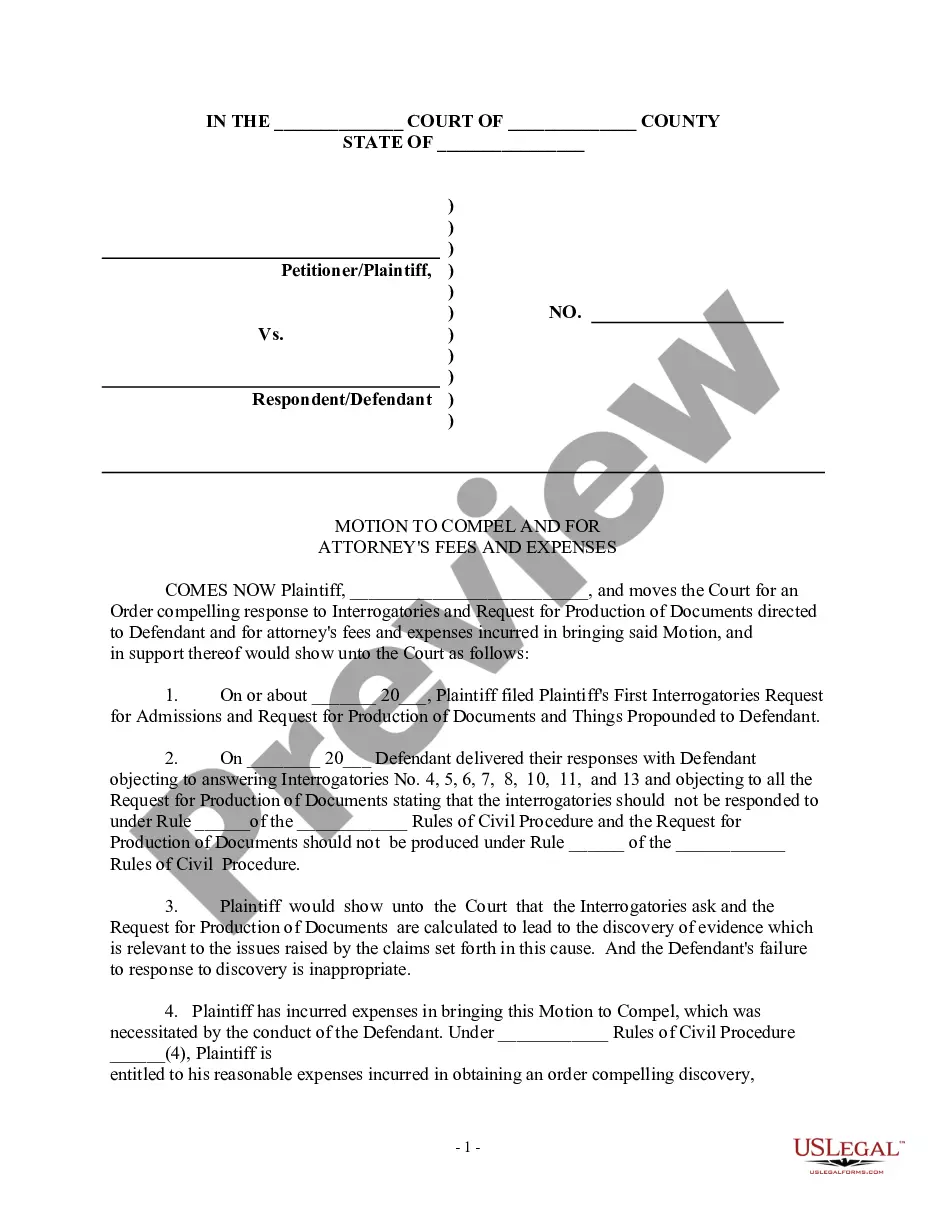
What Is a Request for Production of Documents? A request for production is a discovery device used to gain access to documents, electronic data, and physical items held by an opposing party in a legal matter. The aim is to gain insight into any relevant evidence that the opposing party holds.
(b) Except as provided in Section 2030.070, no party shall, as a matter of right, propound to any other party more than 35 specially prepared interrogatories. If the initial set of interrogatories does not exhaust this limit, the balance may be propounded in subsequent sets.
No Limits on Requests for Production: Proposed Changes to Federal Rules of Civil Procedure Leave a Door Open.