If it’s not documented, it could lead to disputes down the line. It’s like trying to recall what was said in a conversation without any notes – things can get fuzzy!
Generally, both the contractor and the client need to sign off on it. Think of it as getting a handshake agreement to ensure everyone is on the same page.
Yes, they can! Depending on the nature of the changes, they might cause delays. It’s like adding a pit stop in a race; you must build in extra time to get back on track.
Not always, but it’s often a good idea. If you’re making changes that affect costs or timelines, having it in writing can help avoid misunderstandings later on.
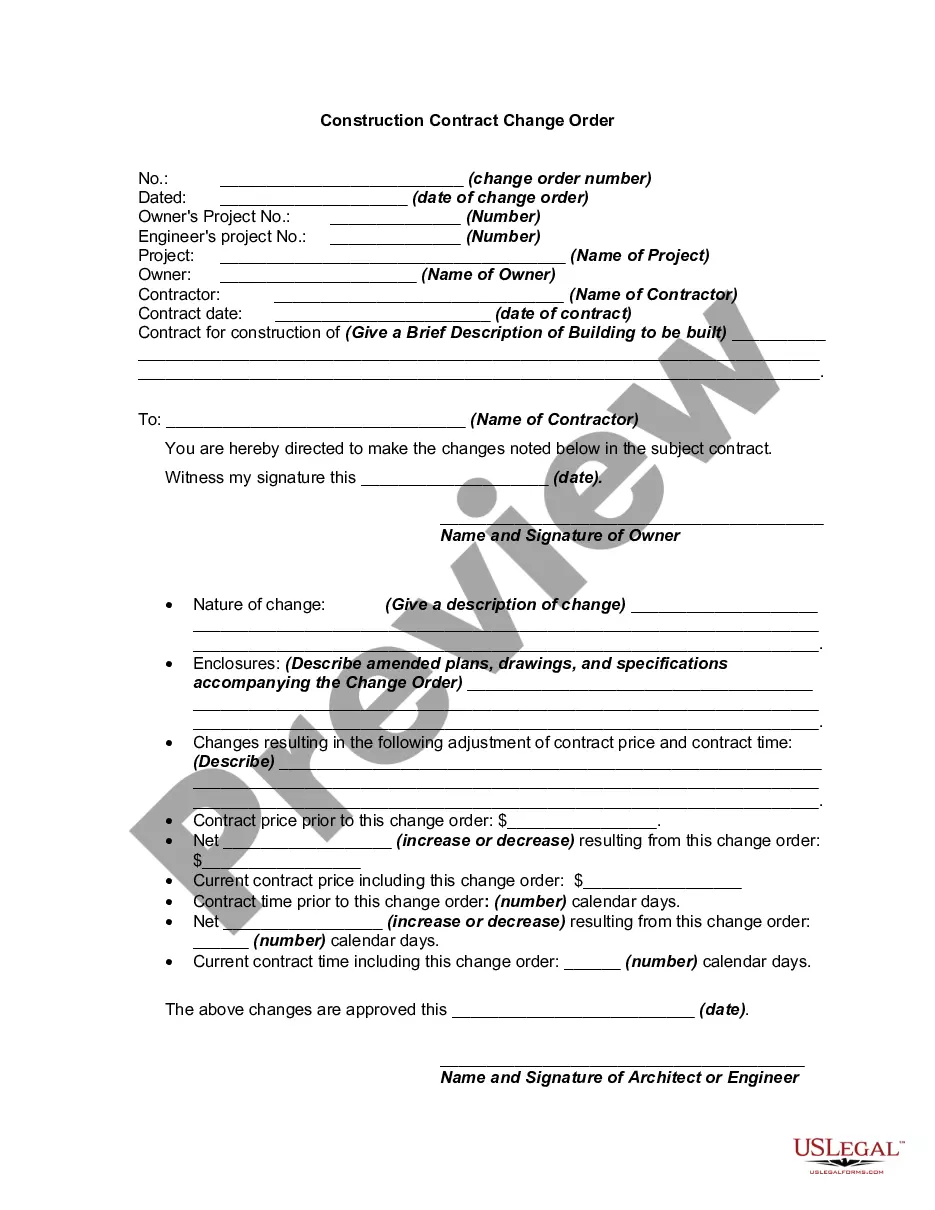
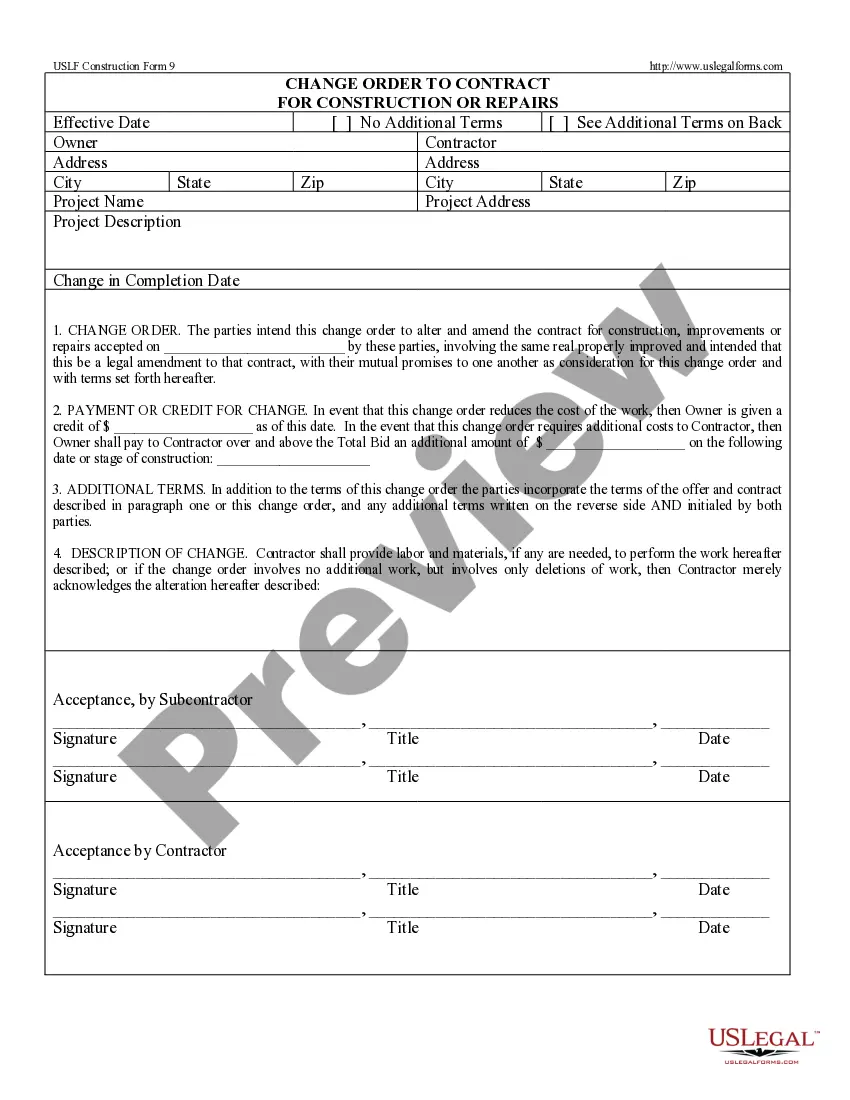
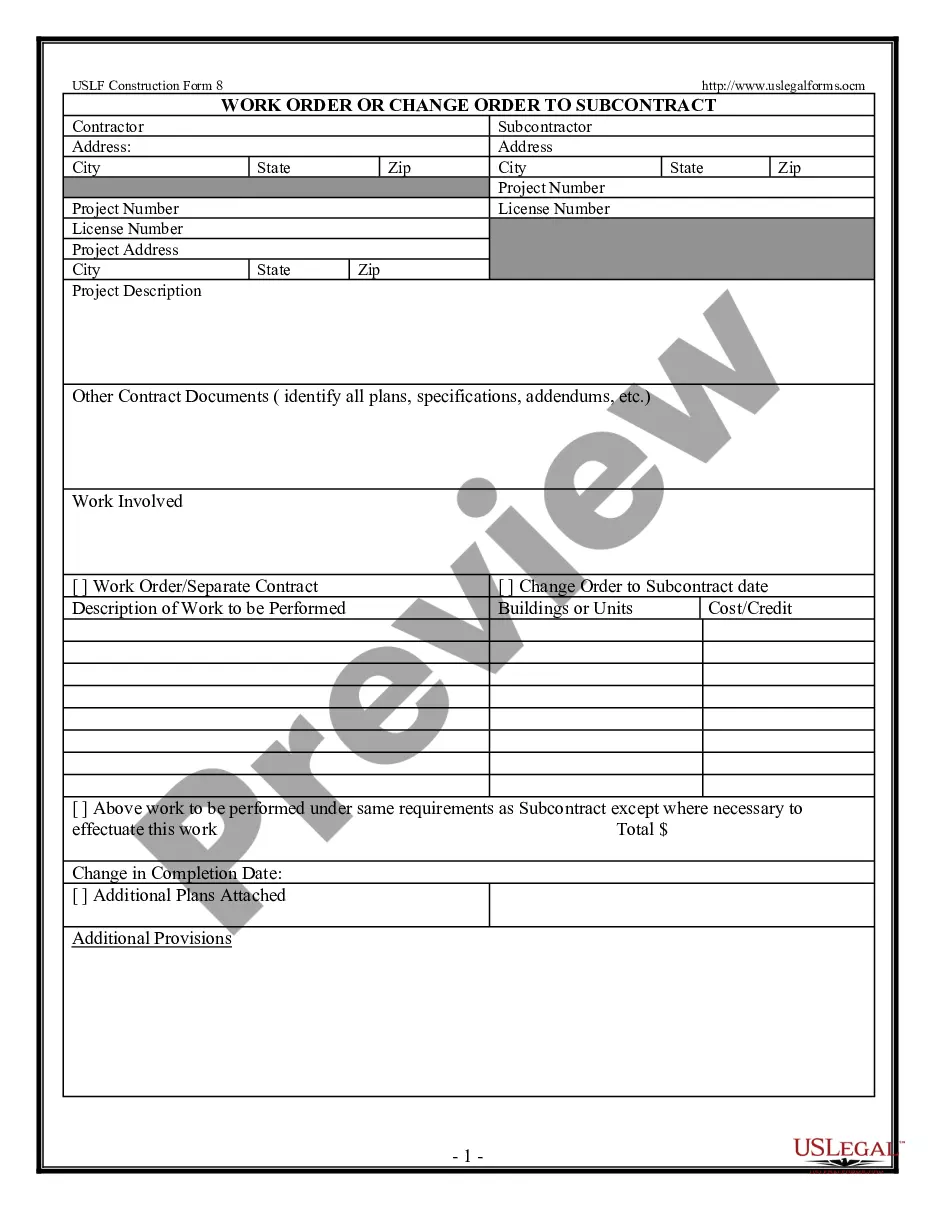
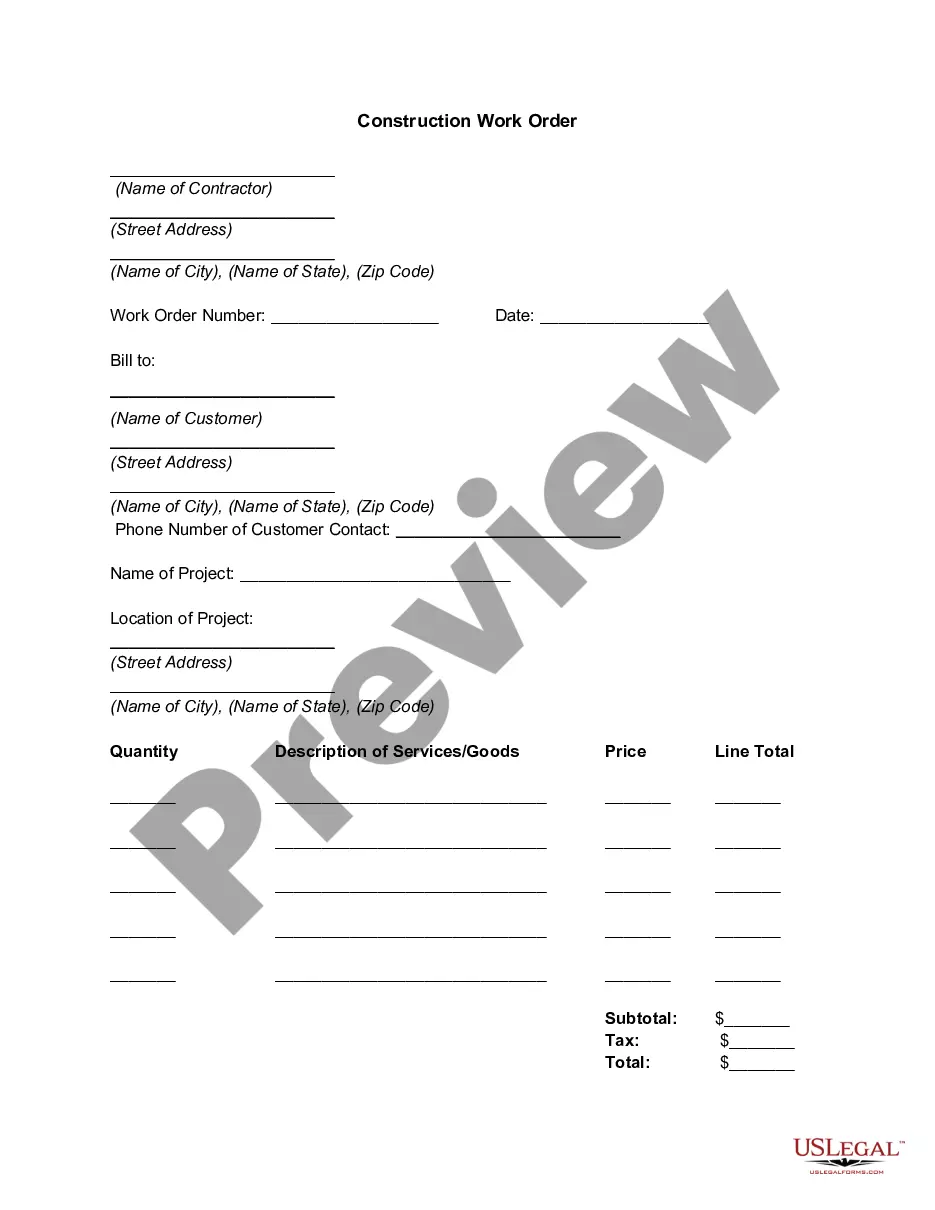
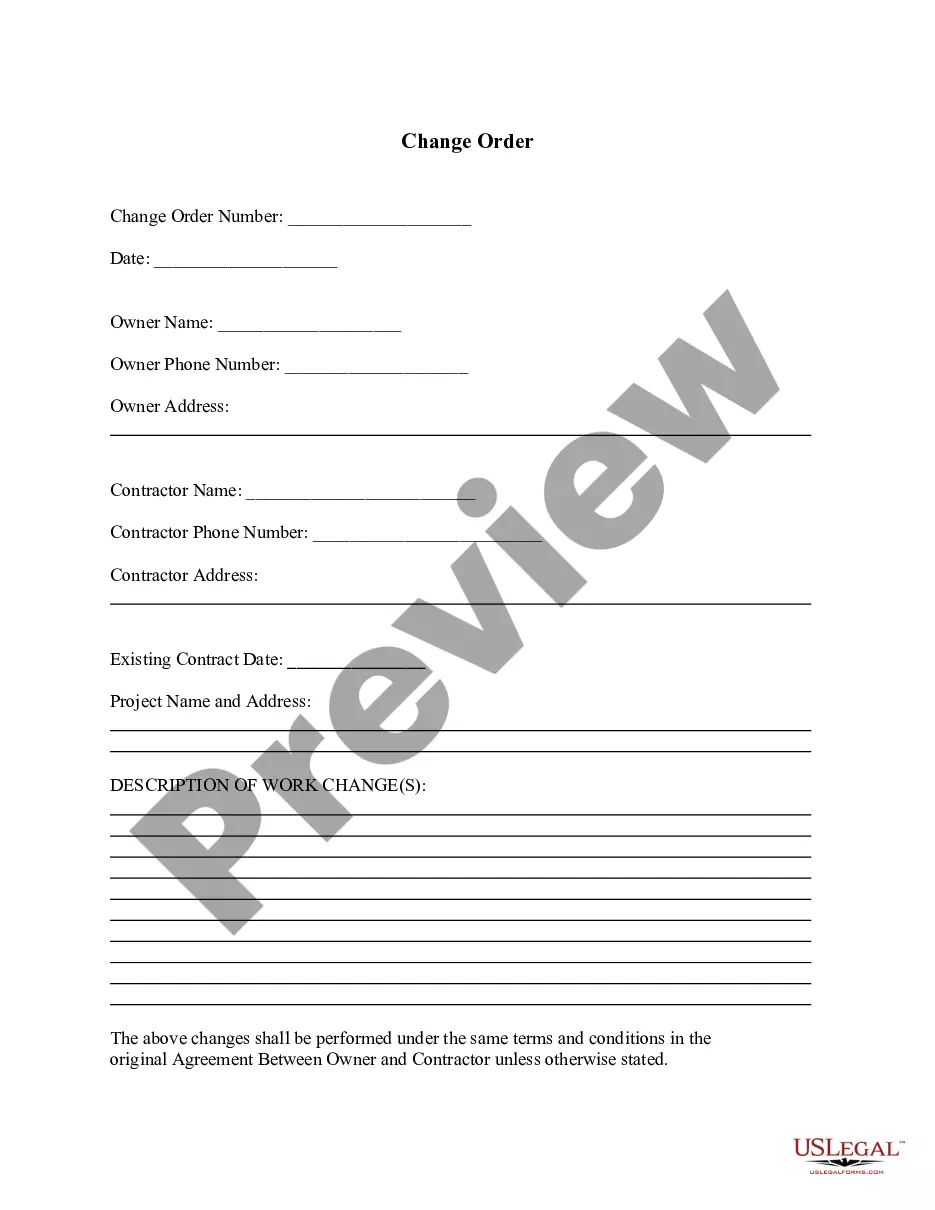
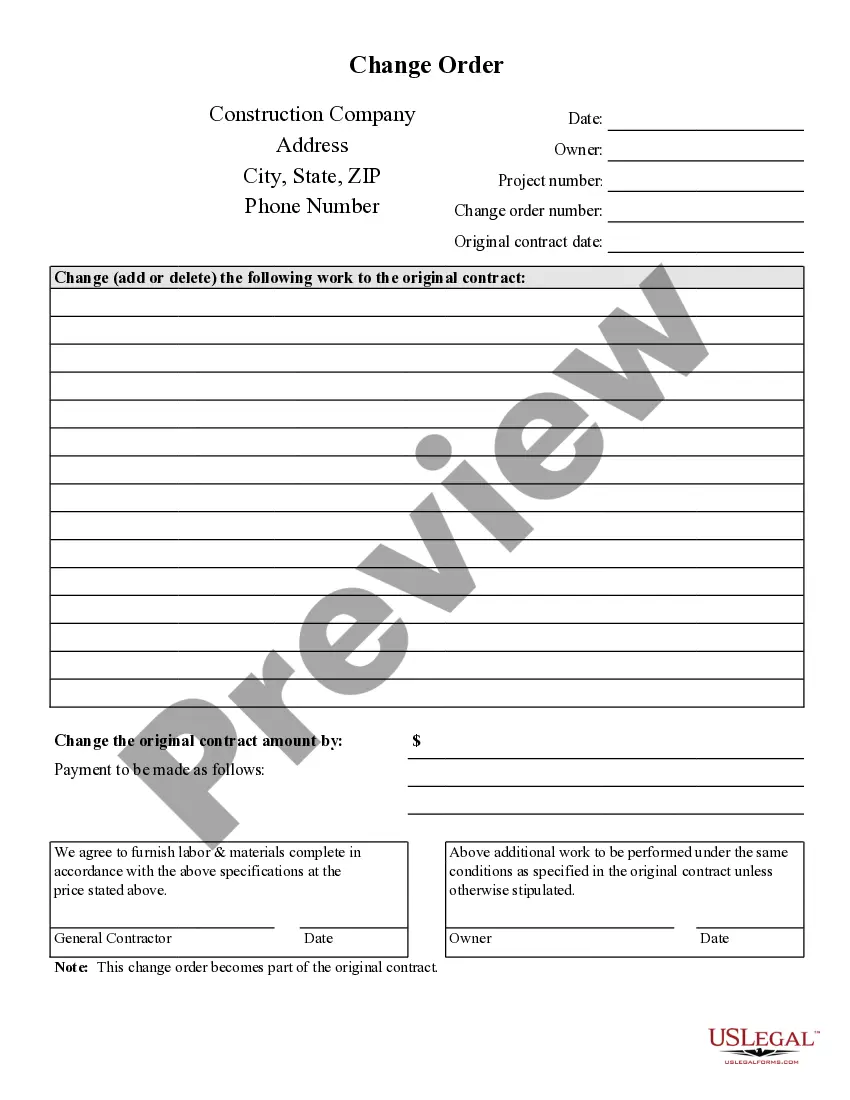
To request a change order, you typically fill out a form outlining the changes you want. It's similar to sending a letter to a friend, explaining what you’d like to adjust in your plans.
You might need a change order if something unexpected comes up, like a surprise discovery or a change in your plans. It’s a way to be flexible and adapt when life throws you a curveball.
A change order is a formal request to make changes to an existing contract, like altering the scope of work or project timeline. It's like changing the rules of the game after you've already started playing.