While a handshake might seem friendly, it's always best to have a written contract. It protects both parties and helps avoid any hard feelings if things don't go as planned.
It's a good idea to include a clause that allows for changes with mutual agreement. Just be clear about how that affects the planning and any potential costs.
You can include a section in your contract that addresses dietary restrictions and preferences. This way, everyone knows what's what ahead of time and no one goes home hungry.
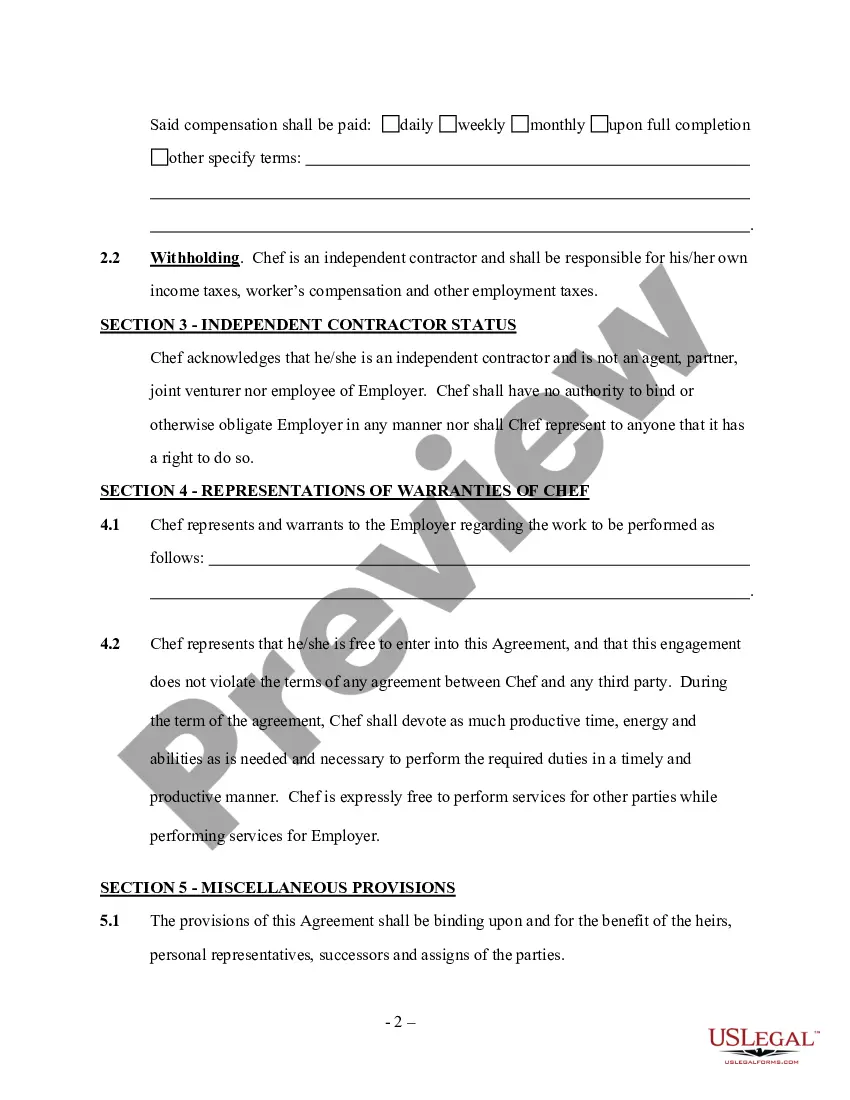
Many self-employed chefs opt for a deposit up front, with the remaining balance due after the service. This helps secure your time and makes sure clients are committed.
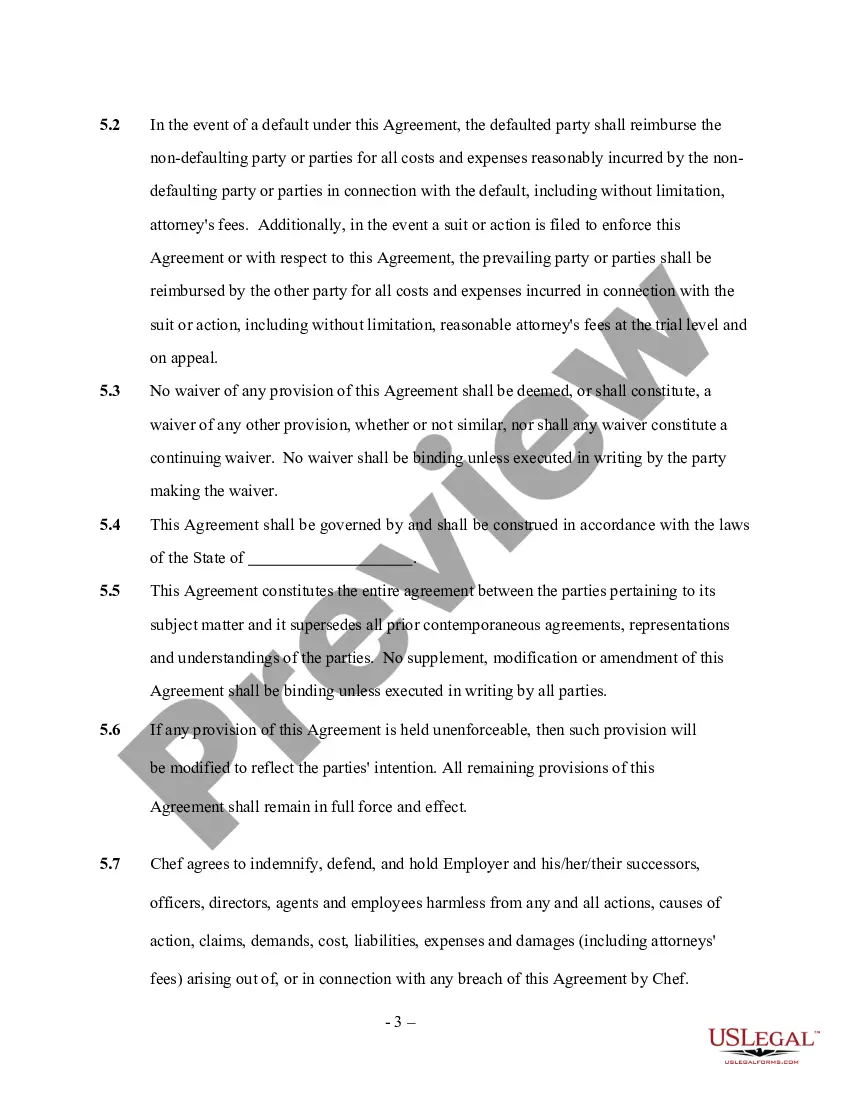
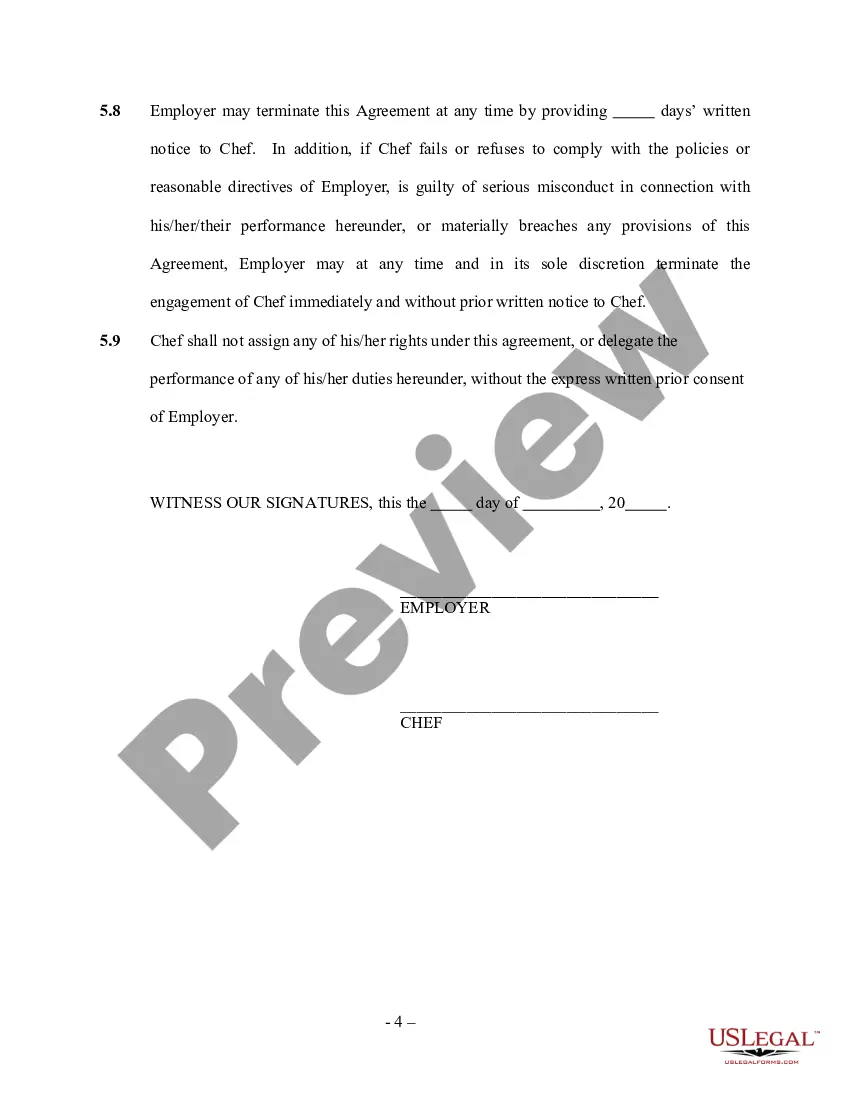
Include liability clauses and make sure to outline what happens in the case of a cancellation or rescheduling. This keeps both you and your clients safe and sound.
Yes, in Columbus, you may need a food service license and possibly other permits depending on your services. It's best to check with local regulations to keep things on the up and up.
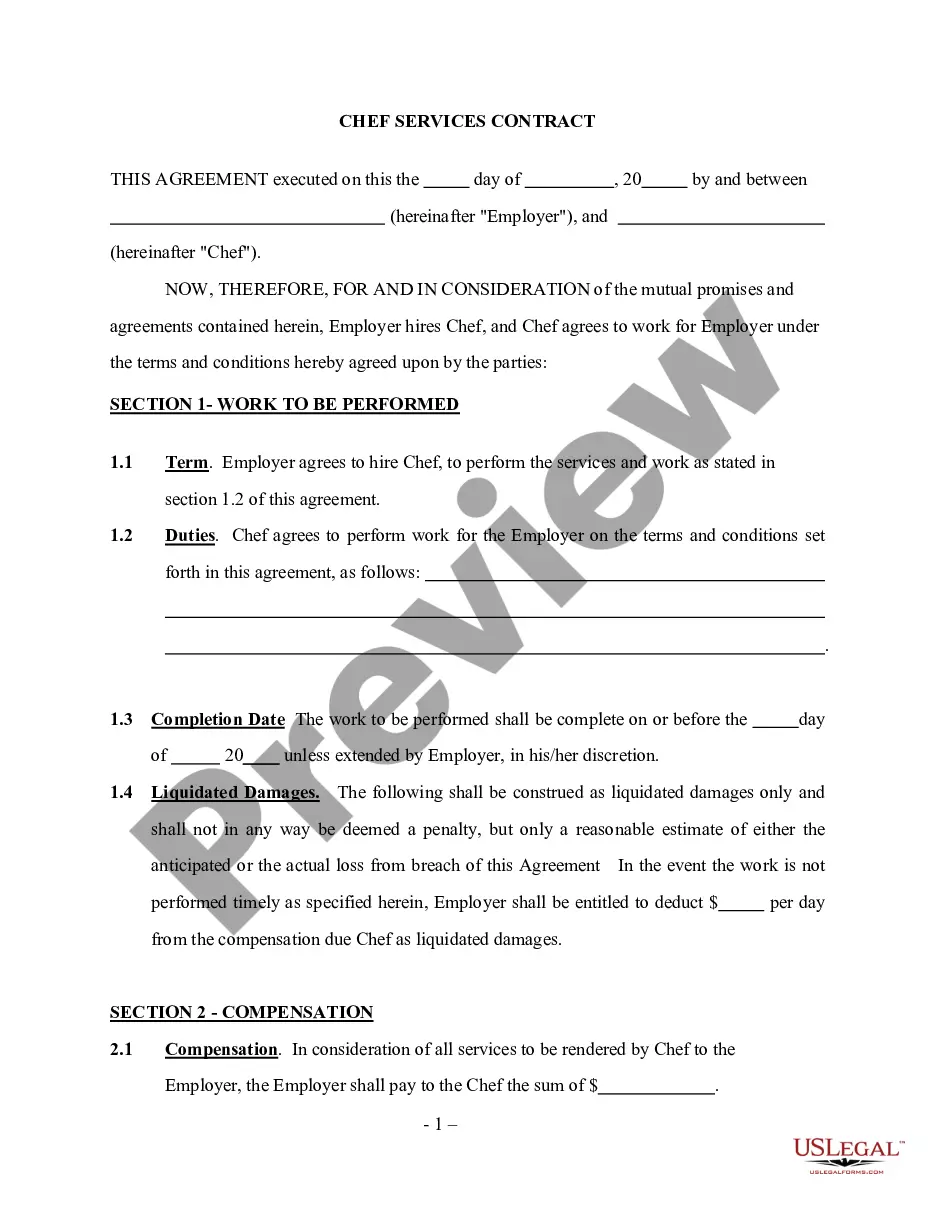
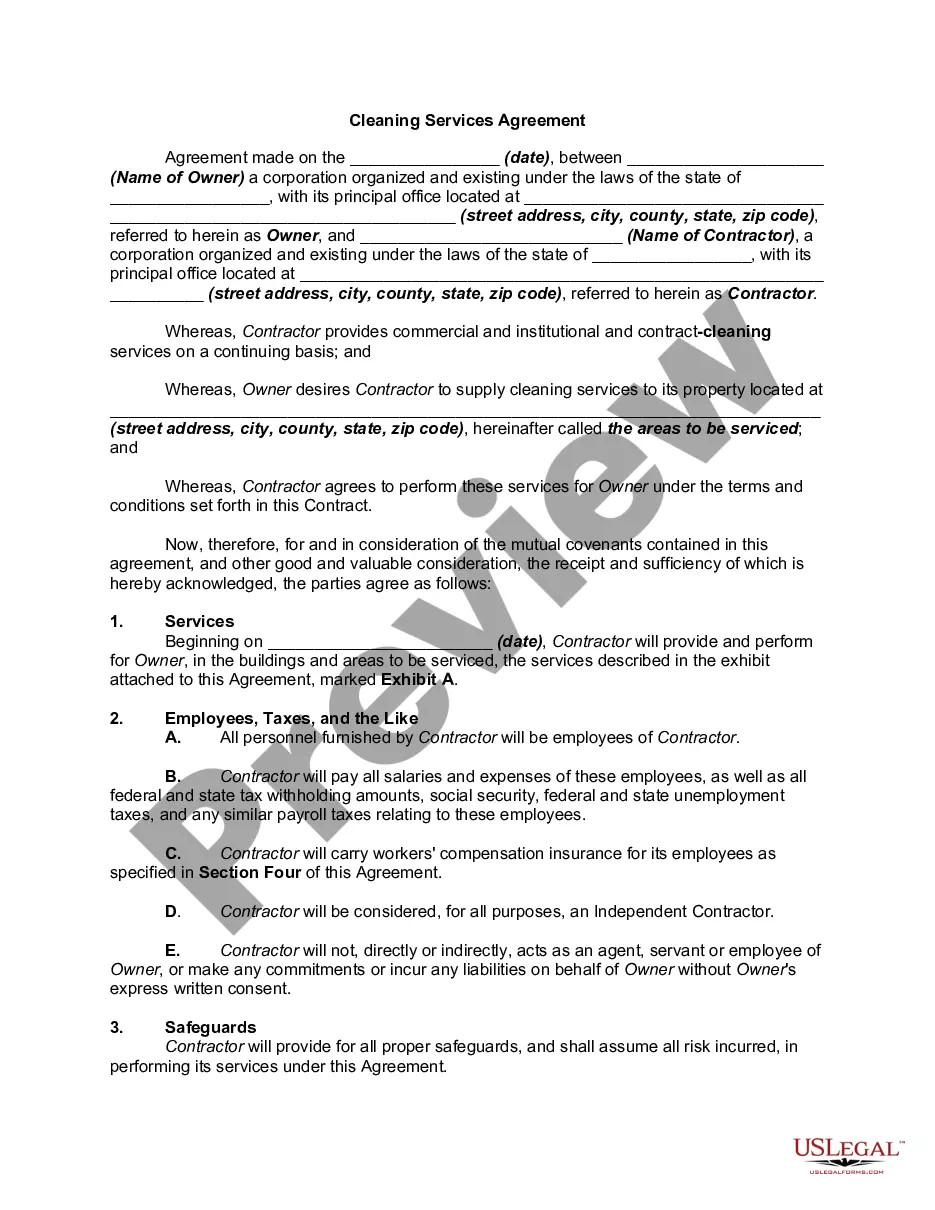
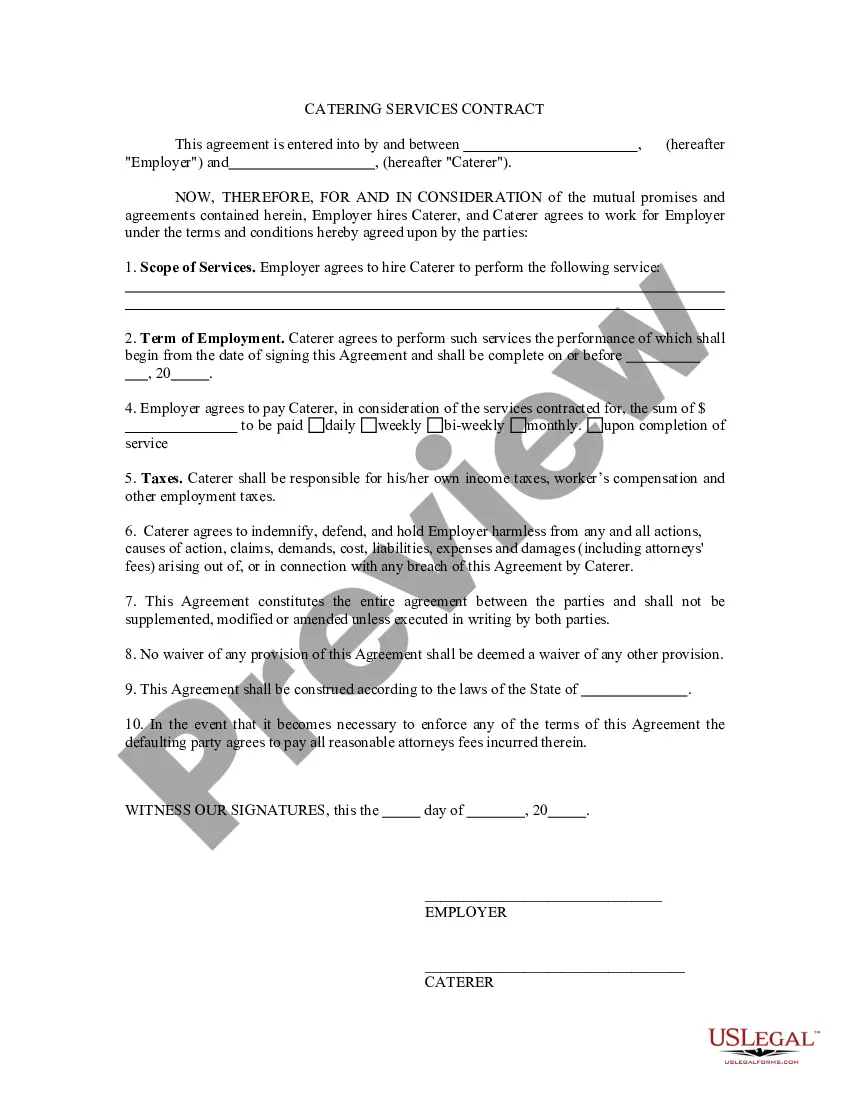
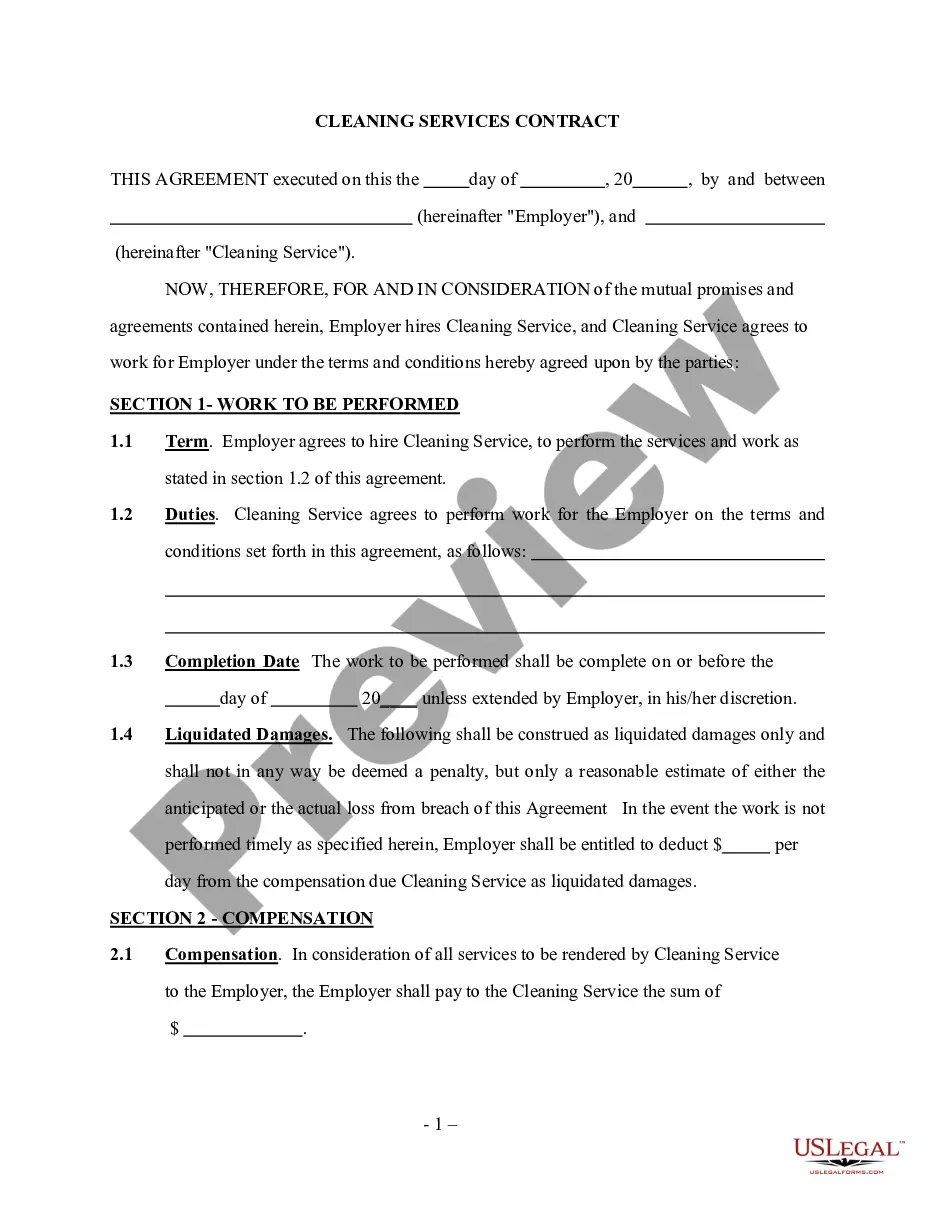
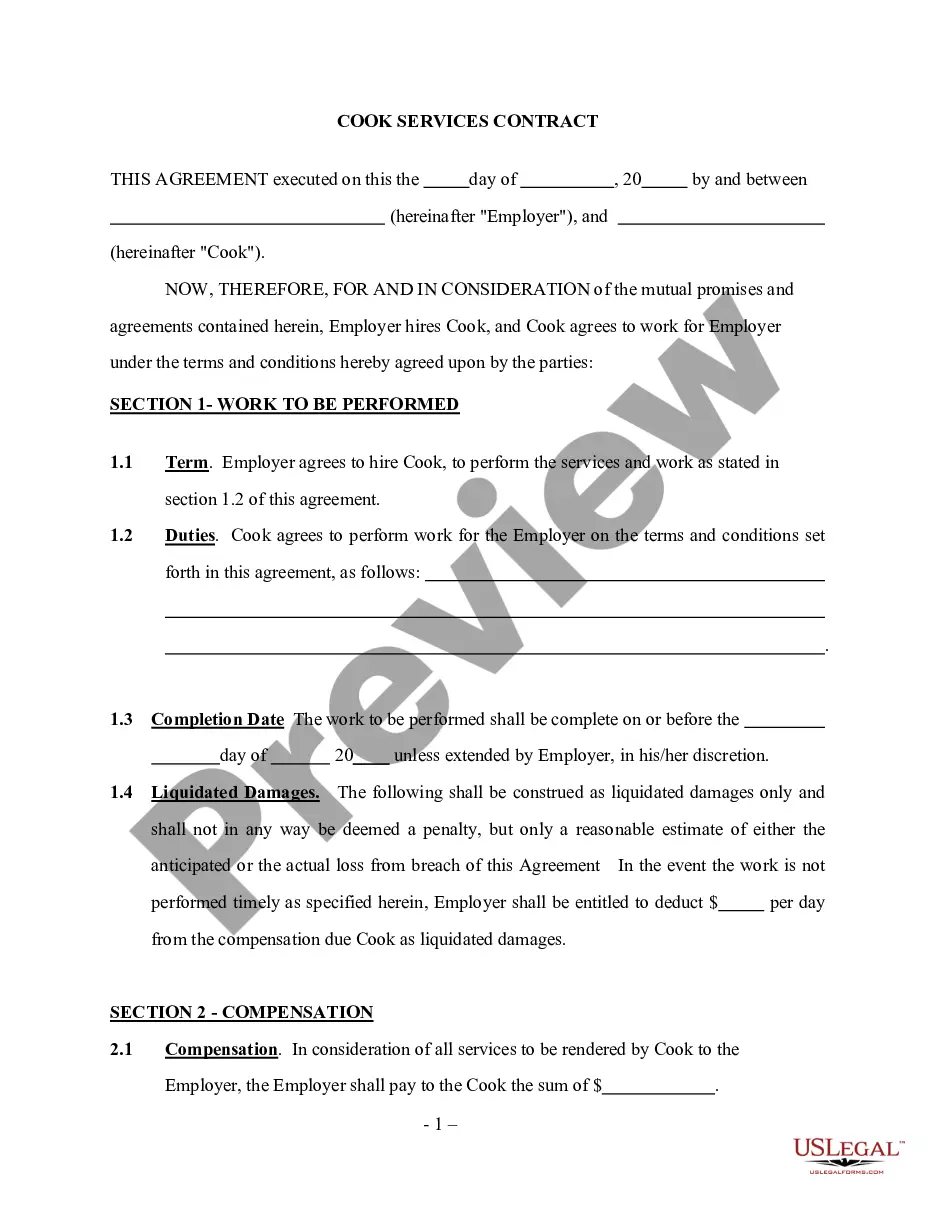
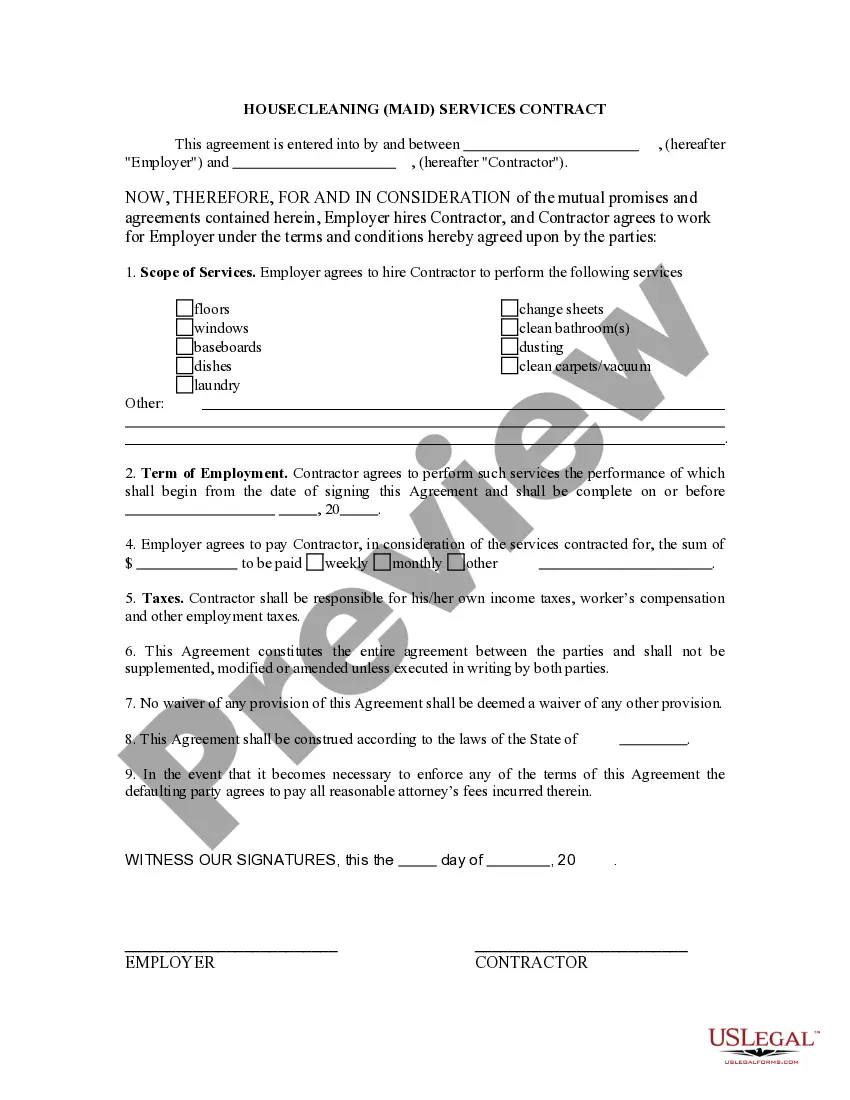
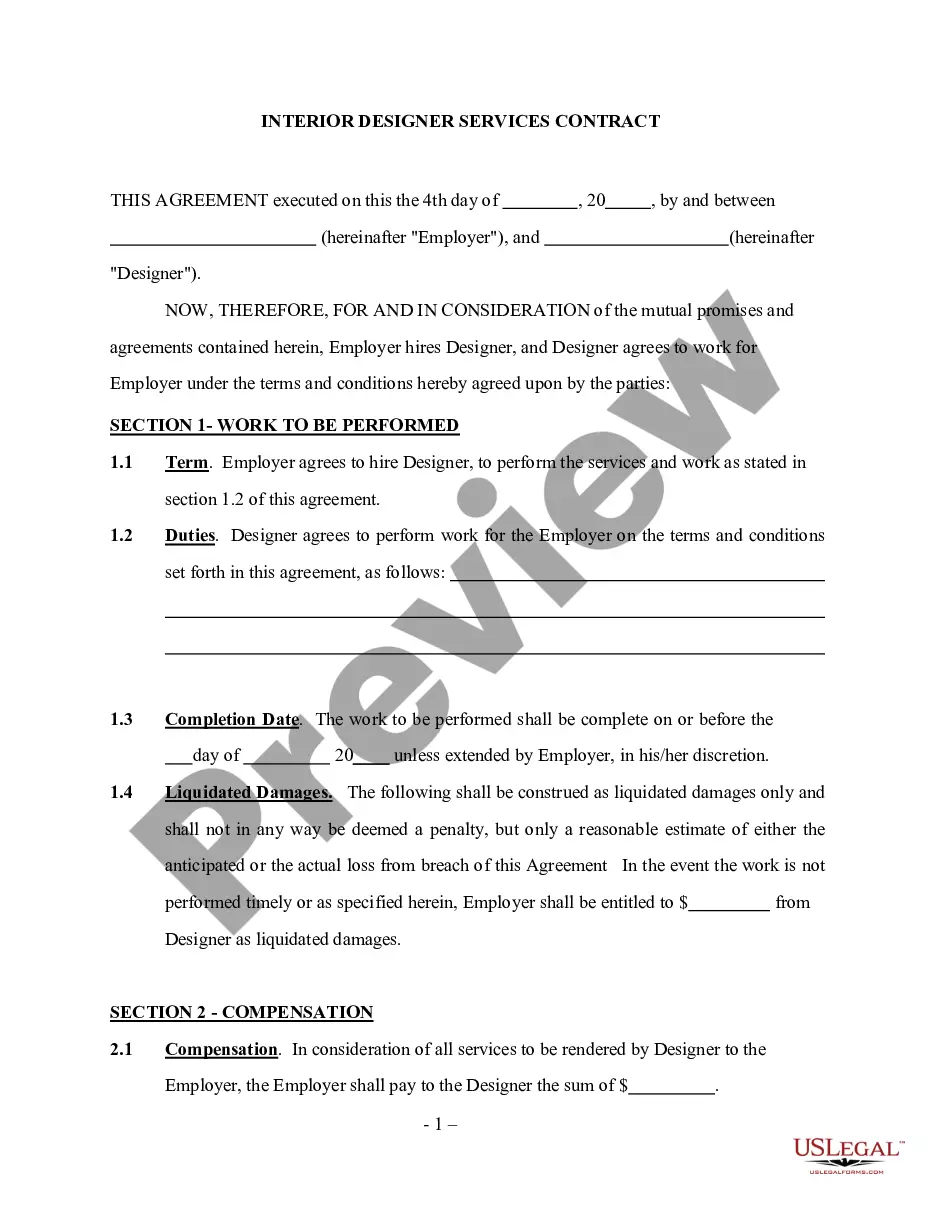
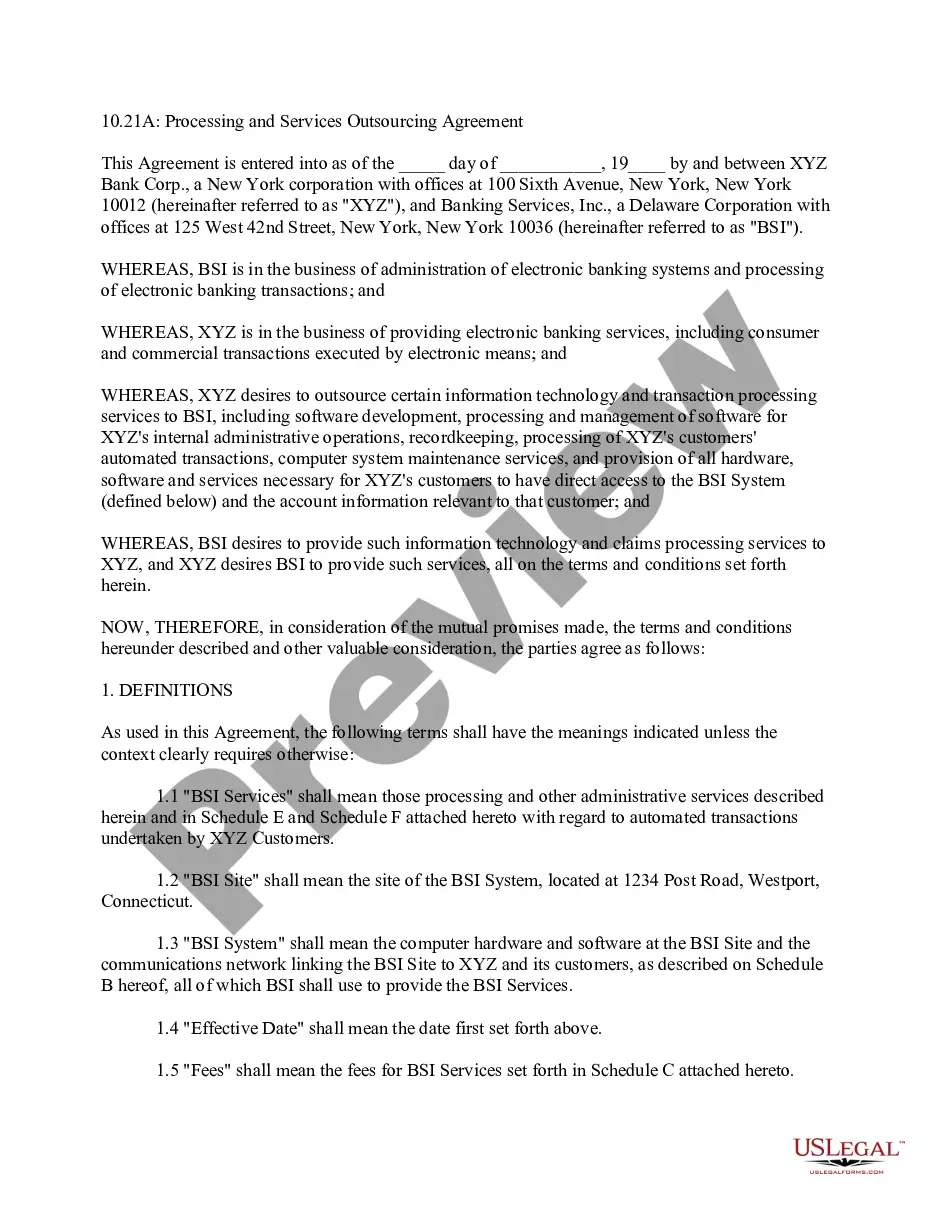
Make sure to cover the essentials like the scope of work, payment terms, and cancellation policies. It's important to be clear from the get-go to avoid misunderstandings down the line.