Take it seriously! It's wise to reach out to a legal professional to understand your options and ensure your rights are protected.
Generally, a Writ of Execution is valid for a set period, often around 30 years, but it's best to check with local court rules for specifics.
You might be able to contest the writ or negotiate with the creditor, but it can be a bit of a legal tug-of-war.
Commonly, personal property like bank accounts, vehicles, and sometimes real estate can be taken, but there are certain items that are protected by law.
Typically, only the winner of a court case can request this writ to collect their judgment from the losing party.
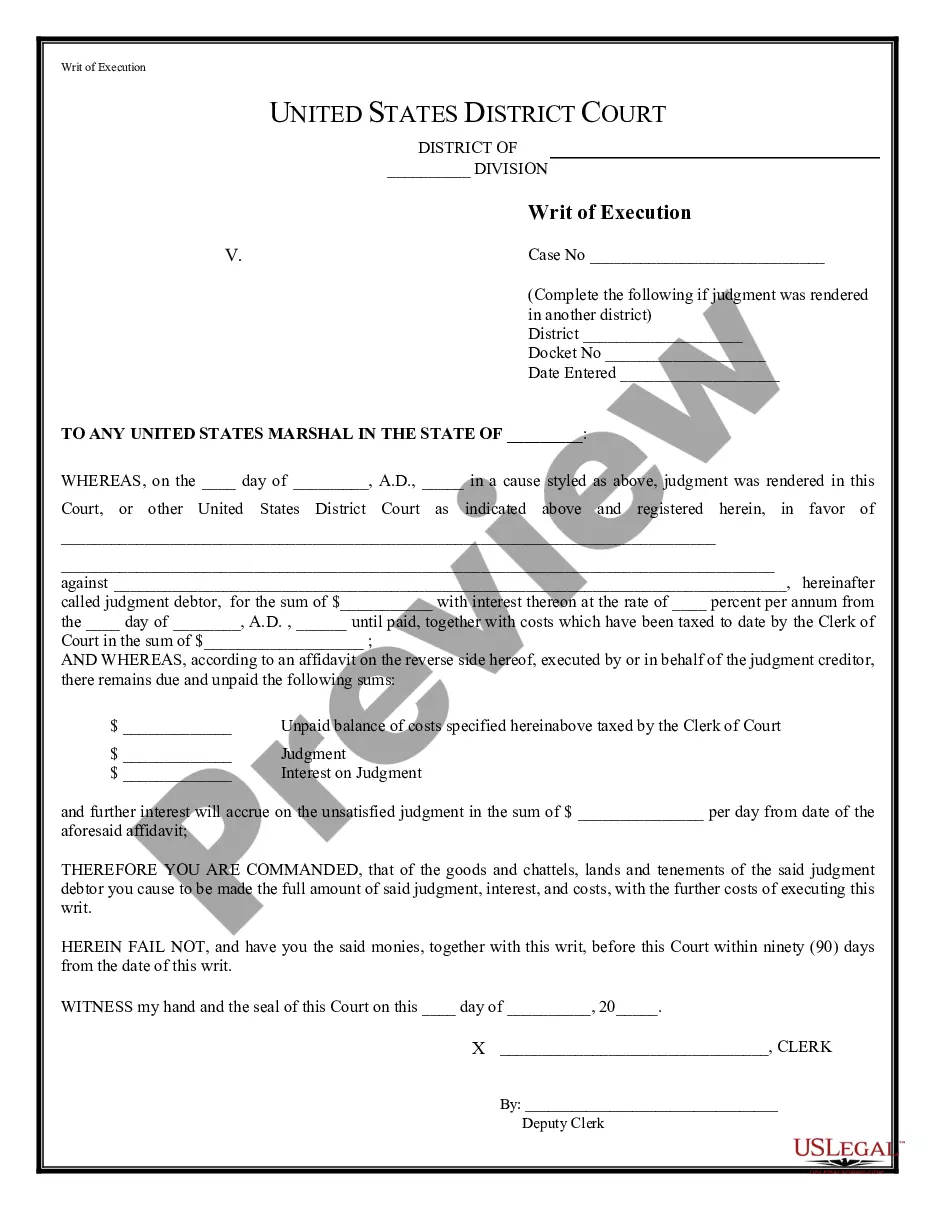
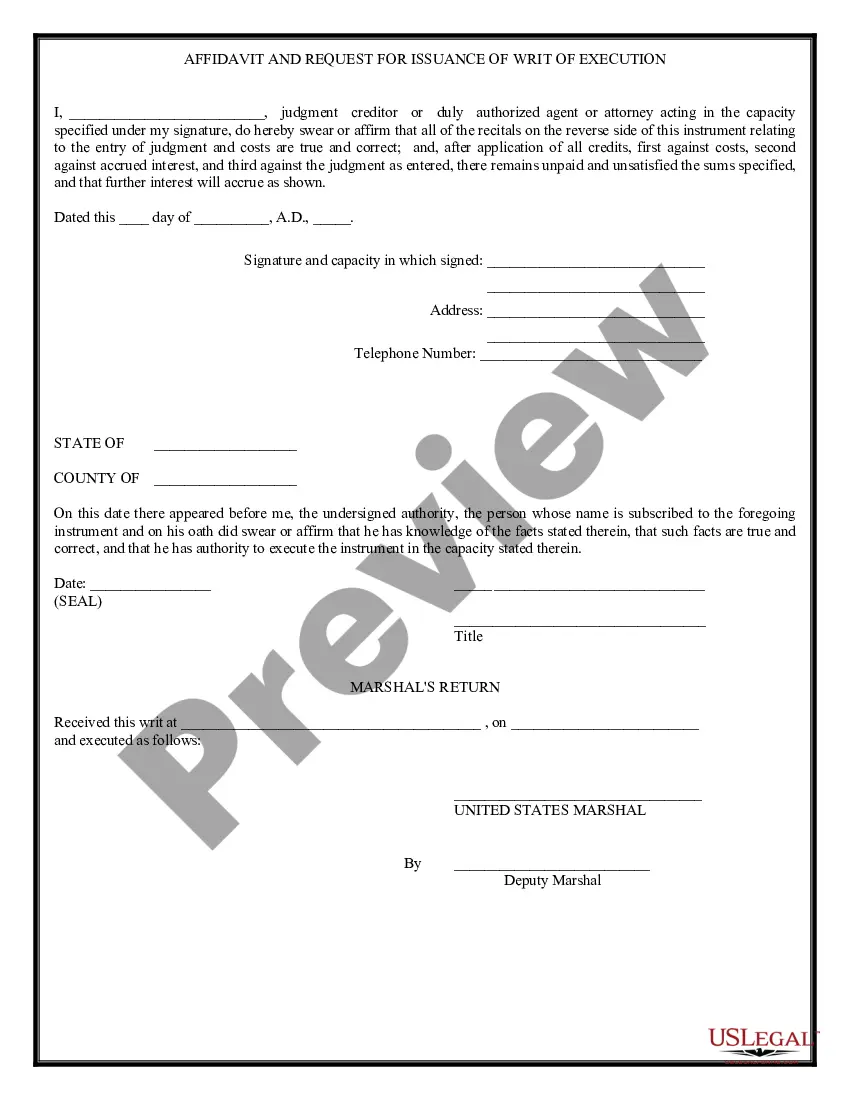
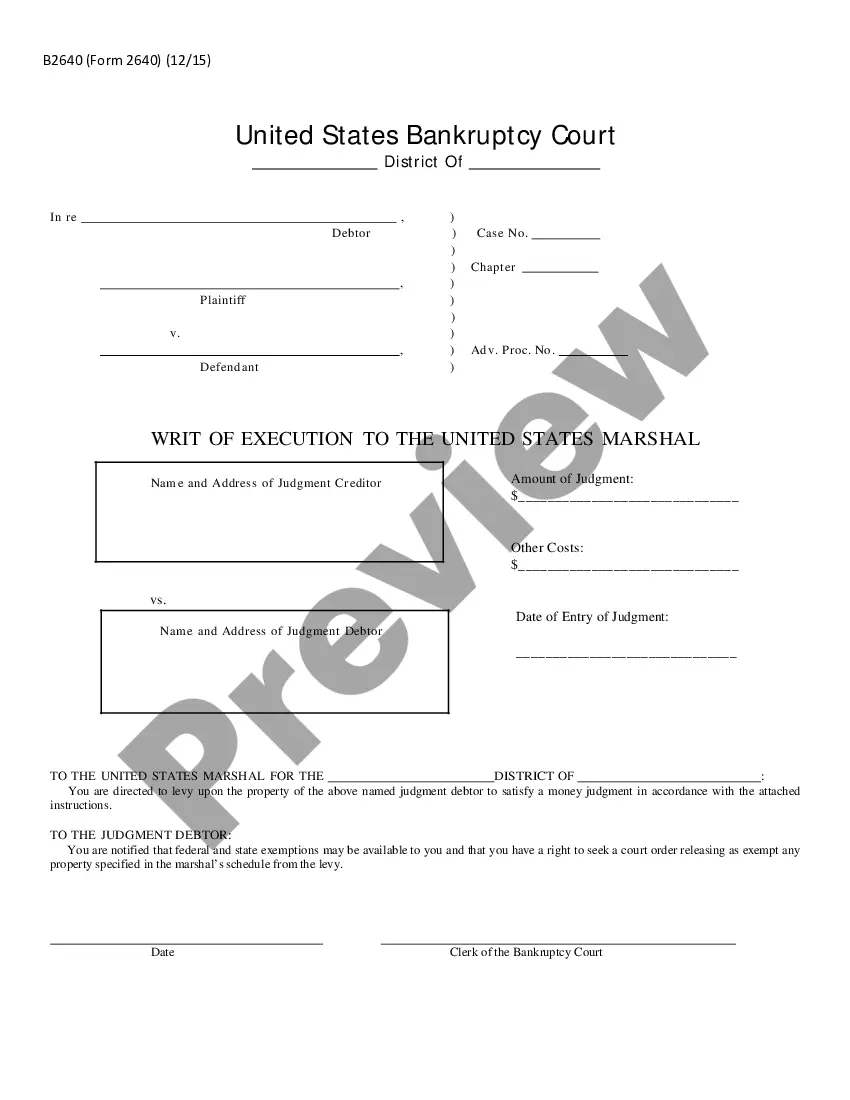
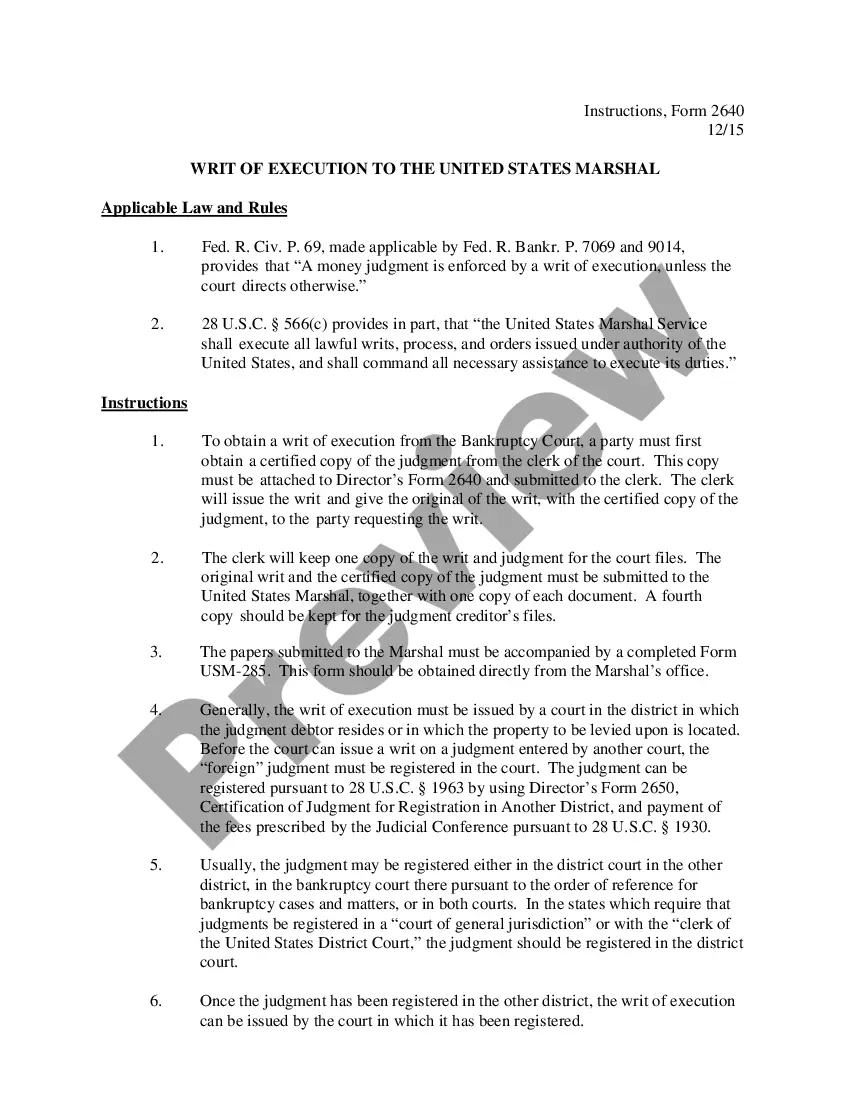
A Writ of Execution is a court order that lets a creditor seize your property to settle a debt after winning a judgment.