If you’re in doubt, it’s best to ask questions or seek help before you sign. Better safe than sorry, right? It’s always good to clarify before jumping in.
While it's not a must, having a lawyer can help you untangle the legal jargon. They can break it down like a friendly translator, making it easier to understand the fine print.
There can be exceptions, but they vary from one agreement to another. It’s like finding a hidden menu at a restaurant—sometimes there are special items you can order, but you have to know what to ask for.
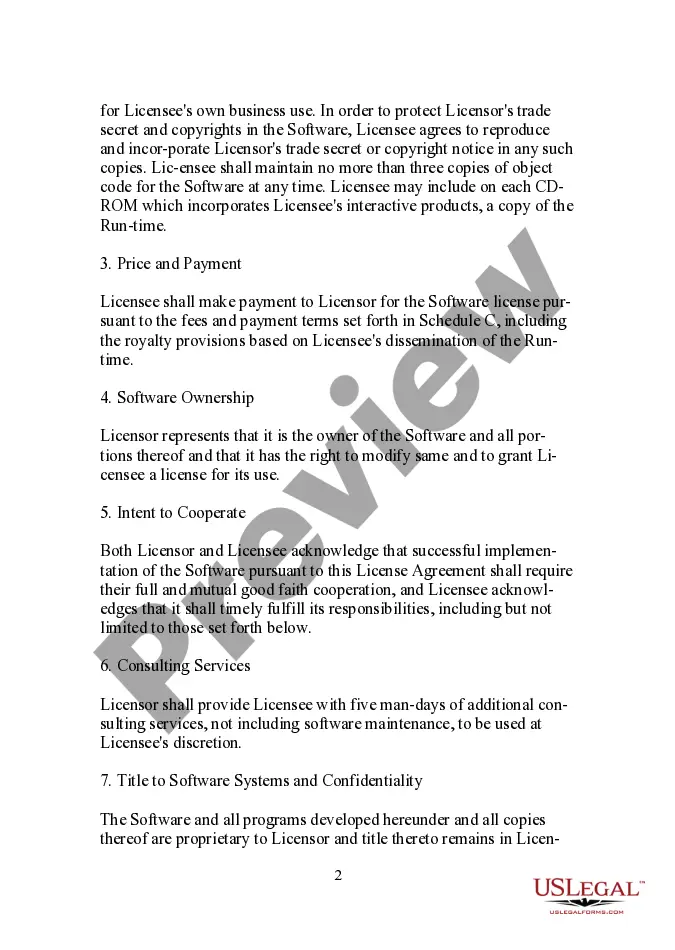
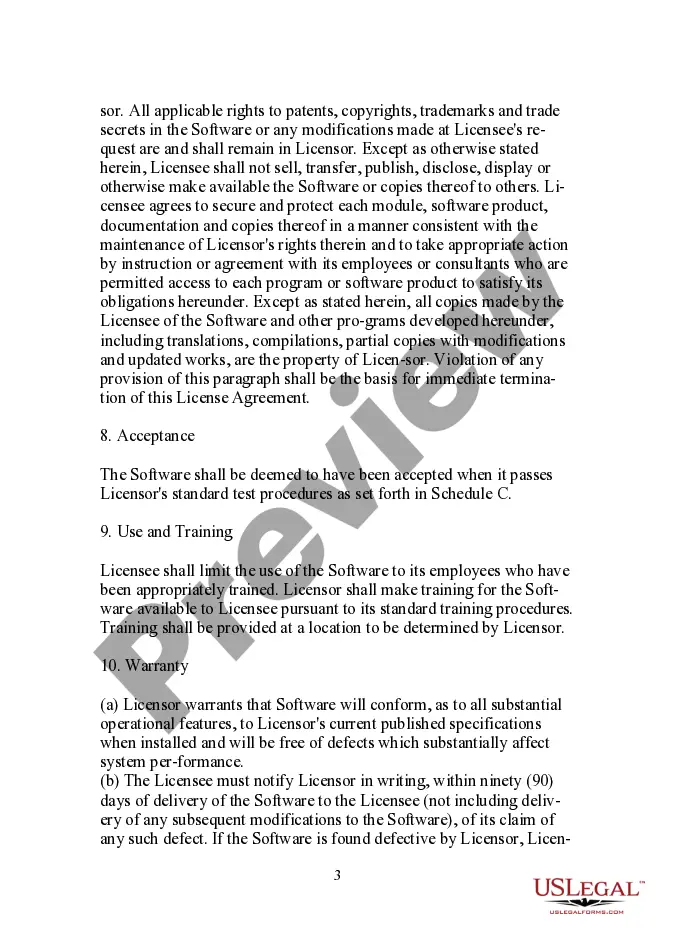
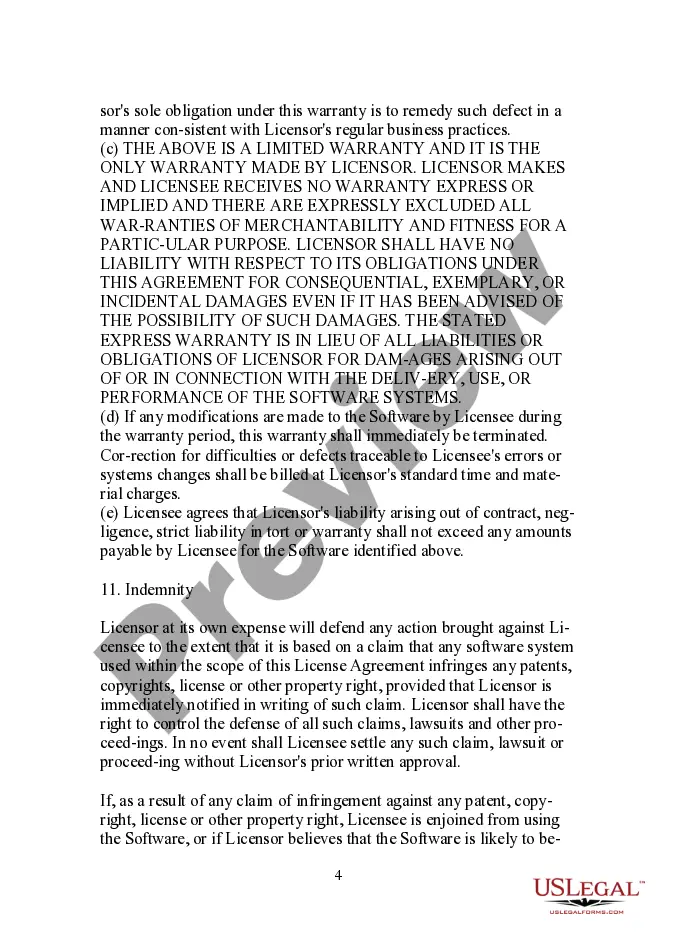
If you break the agreement, you might face consequences, like losing access to the software or even legal action. It's sort of like breaking a promise—you might lose a friend or trust.
Usually, no. Modifying the software is often a big no-no in restrictive agreements. It's like borrowing a book: you can read it, but you can't rewrite the chapters.
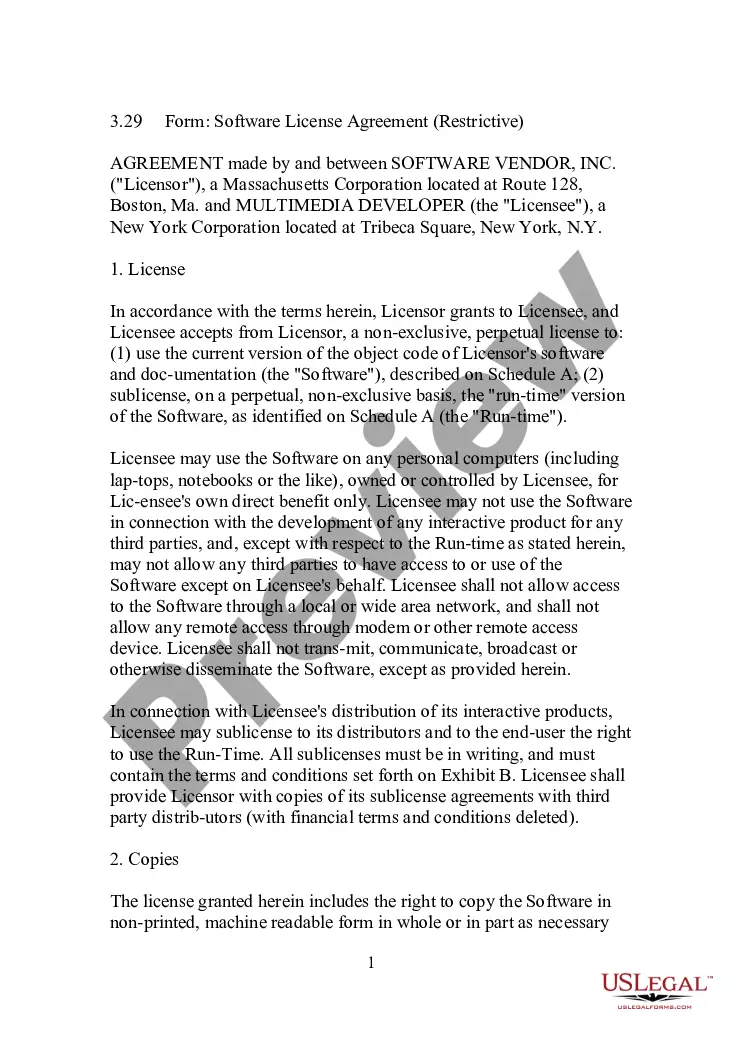
'Restrictive' means there are rules about how you can use the software. Think of it like a house rental agreement—you're allowed to live there, but you can’t throw huge parties without asking the landlord.
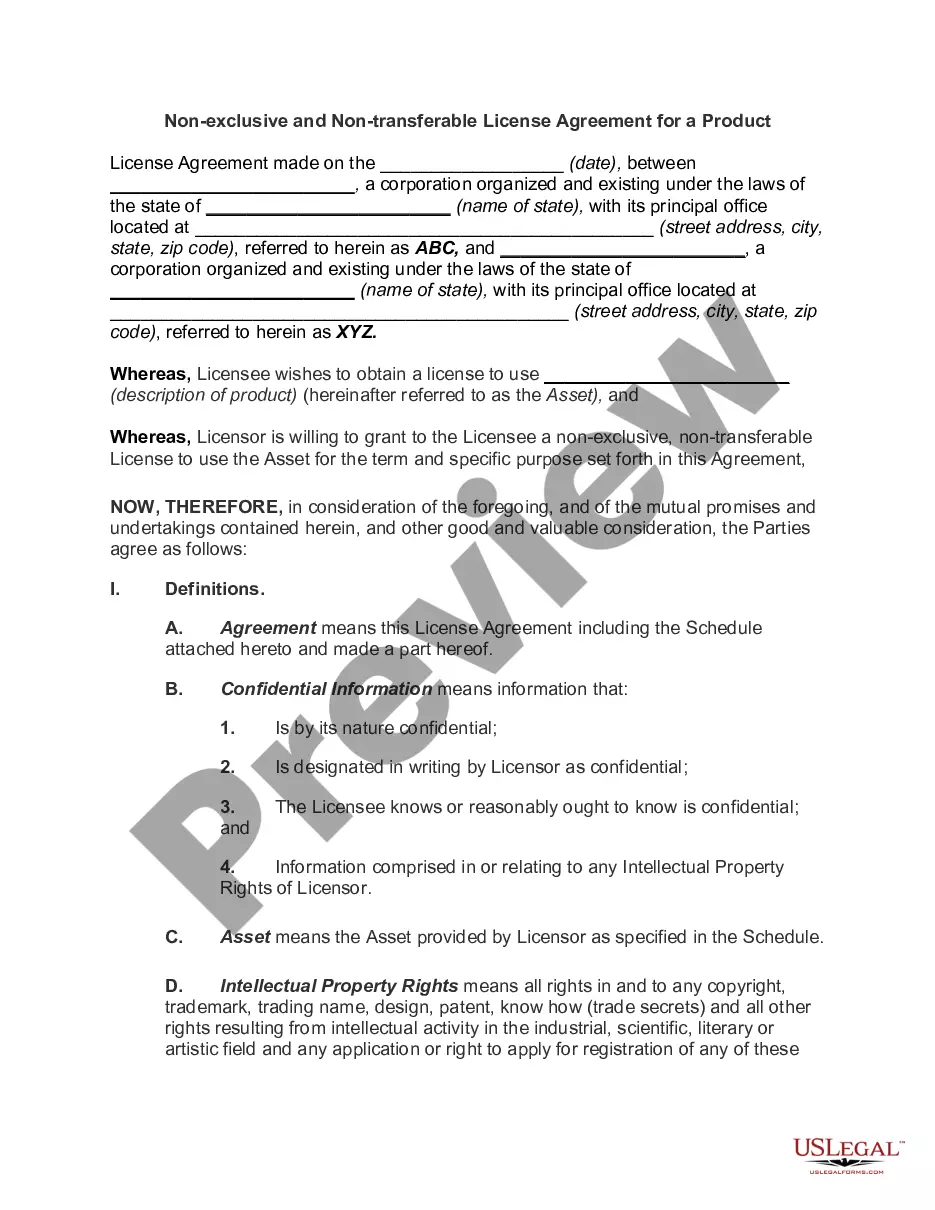
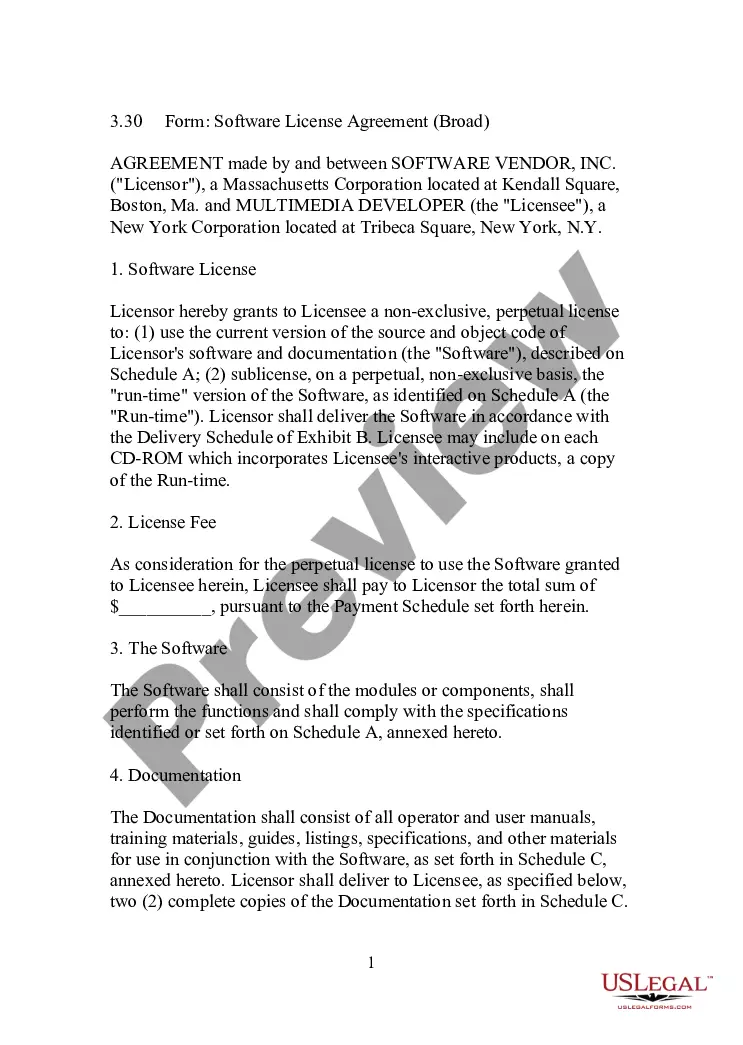
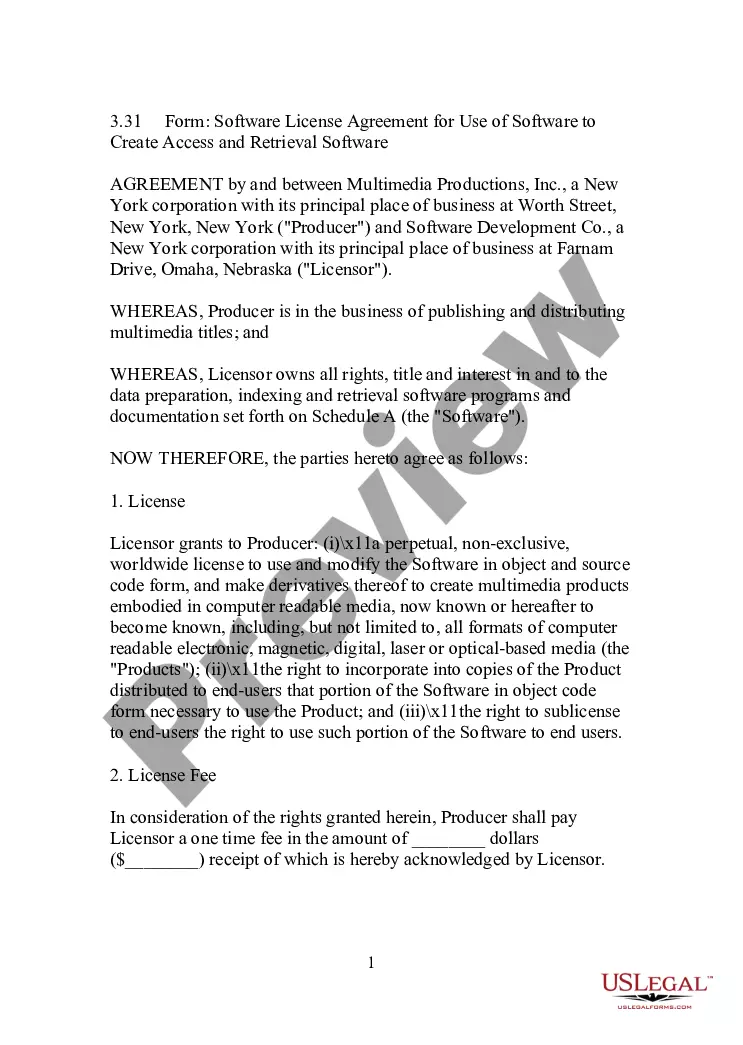
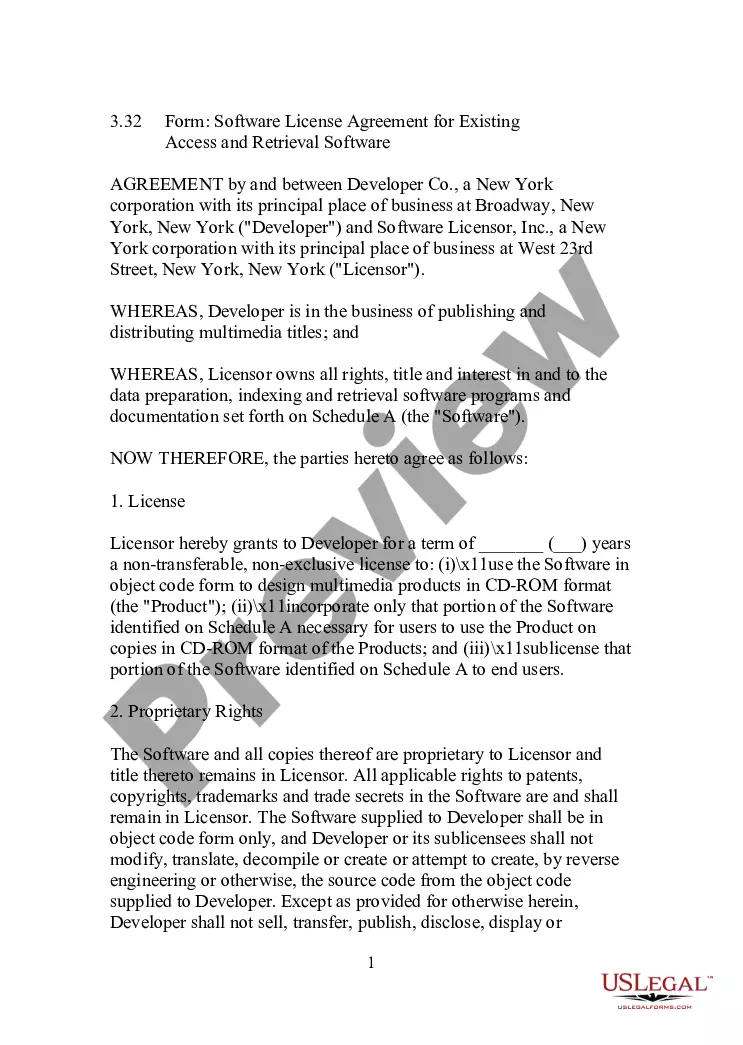
A Software License Agreement is a legal document that gives you permission to use a software program. It's like a ticket to a concert—it lets you enjoy the show, but you can't resell it or share it with friends without permission.