Dallas Texas Licensor Oriented Content License Agreement
Description
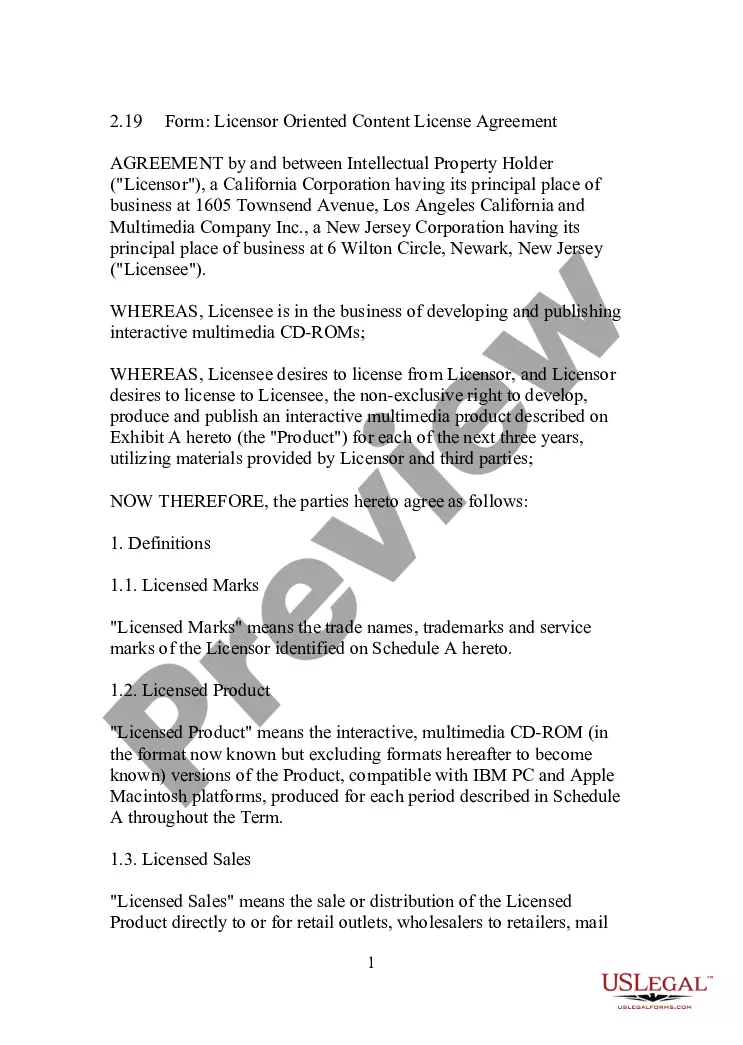
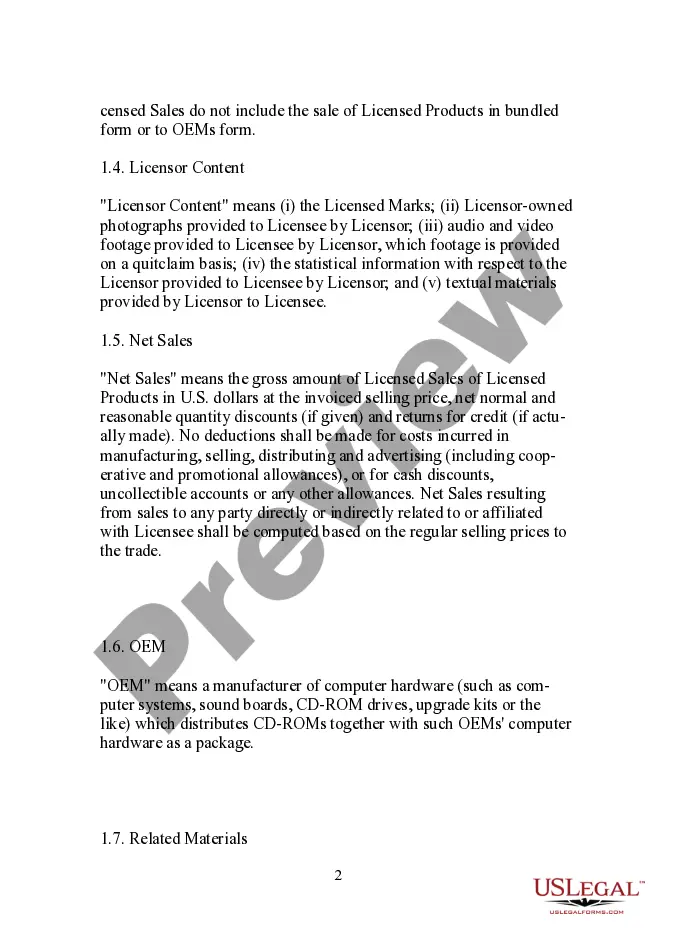
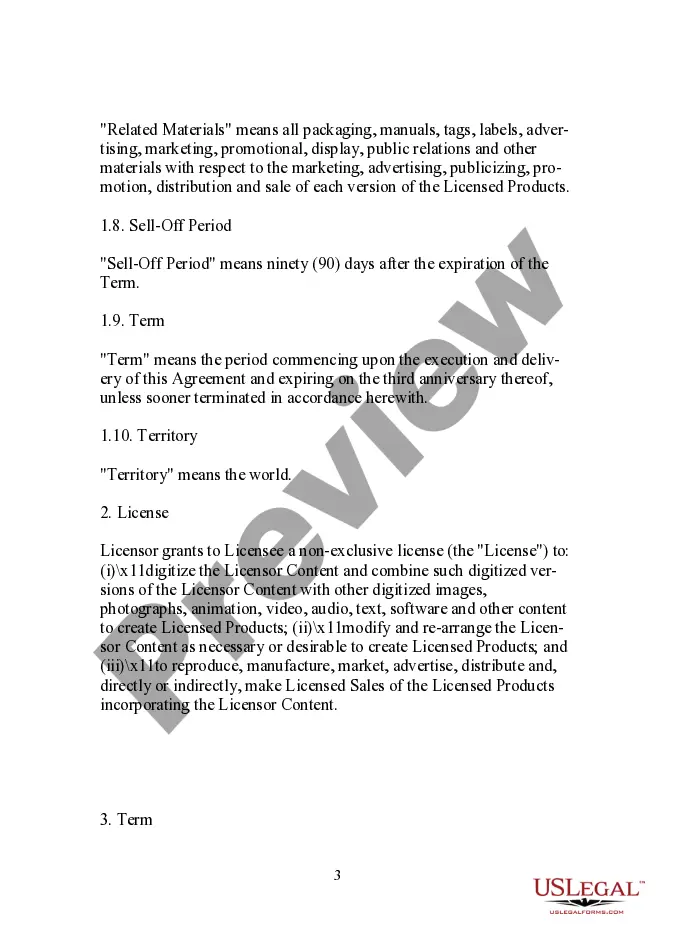
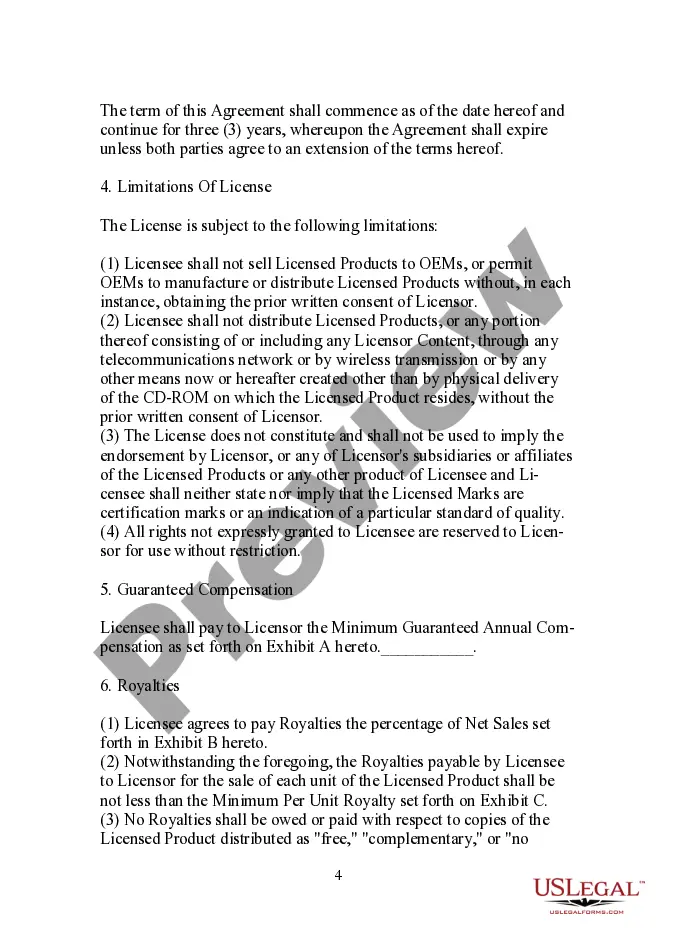
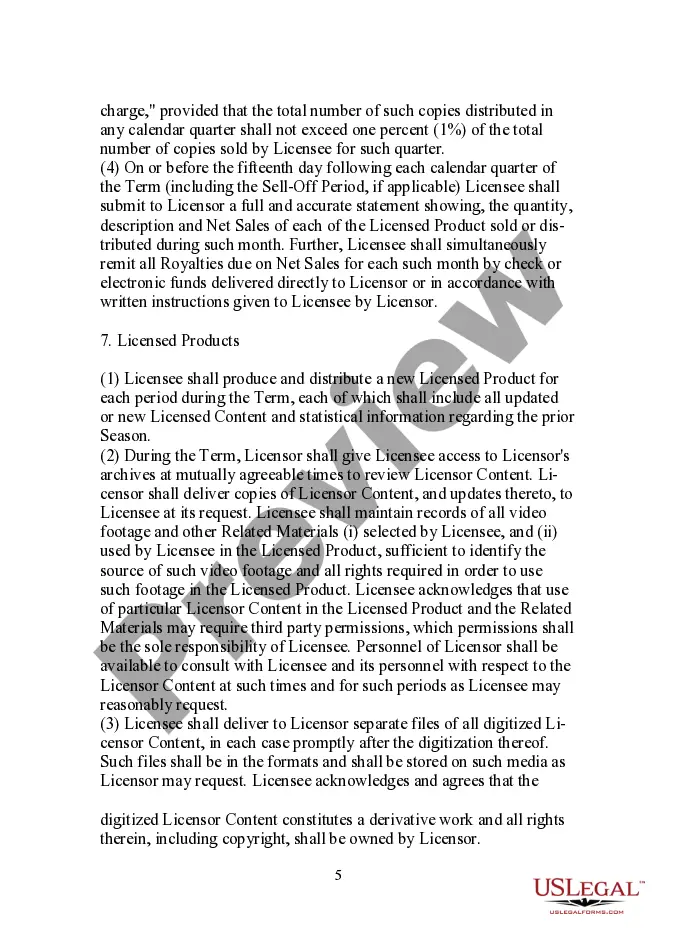
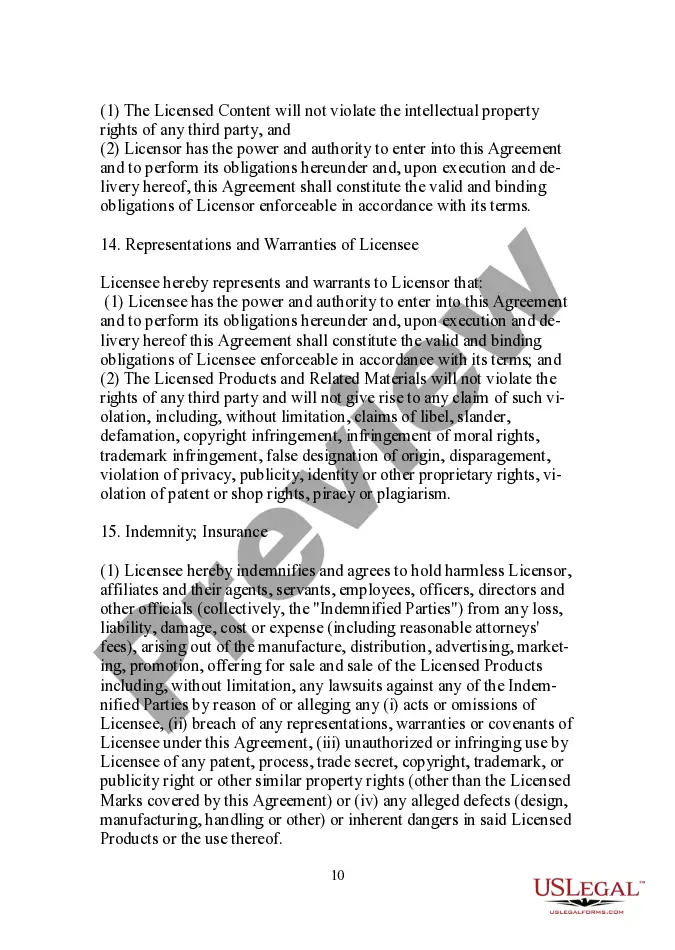

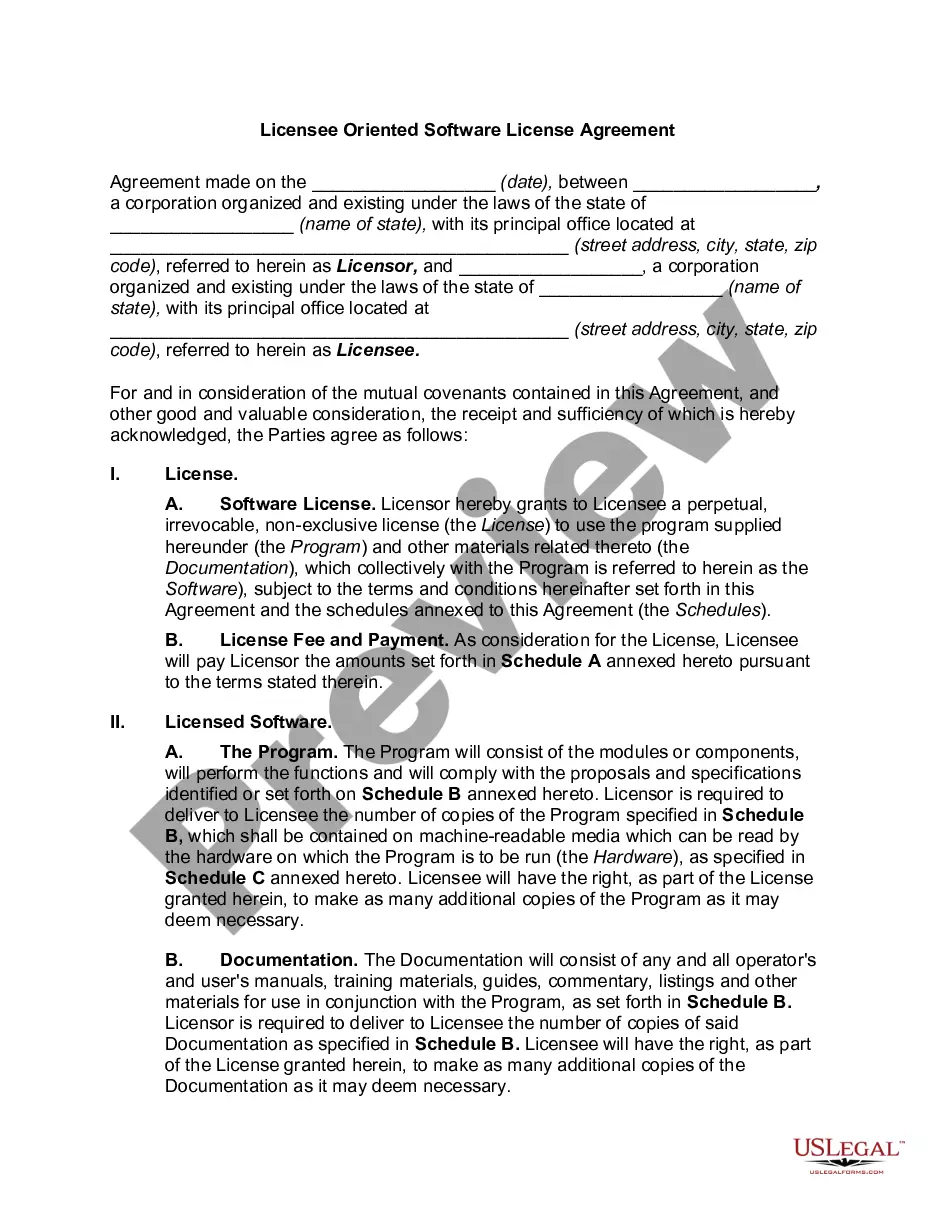
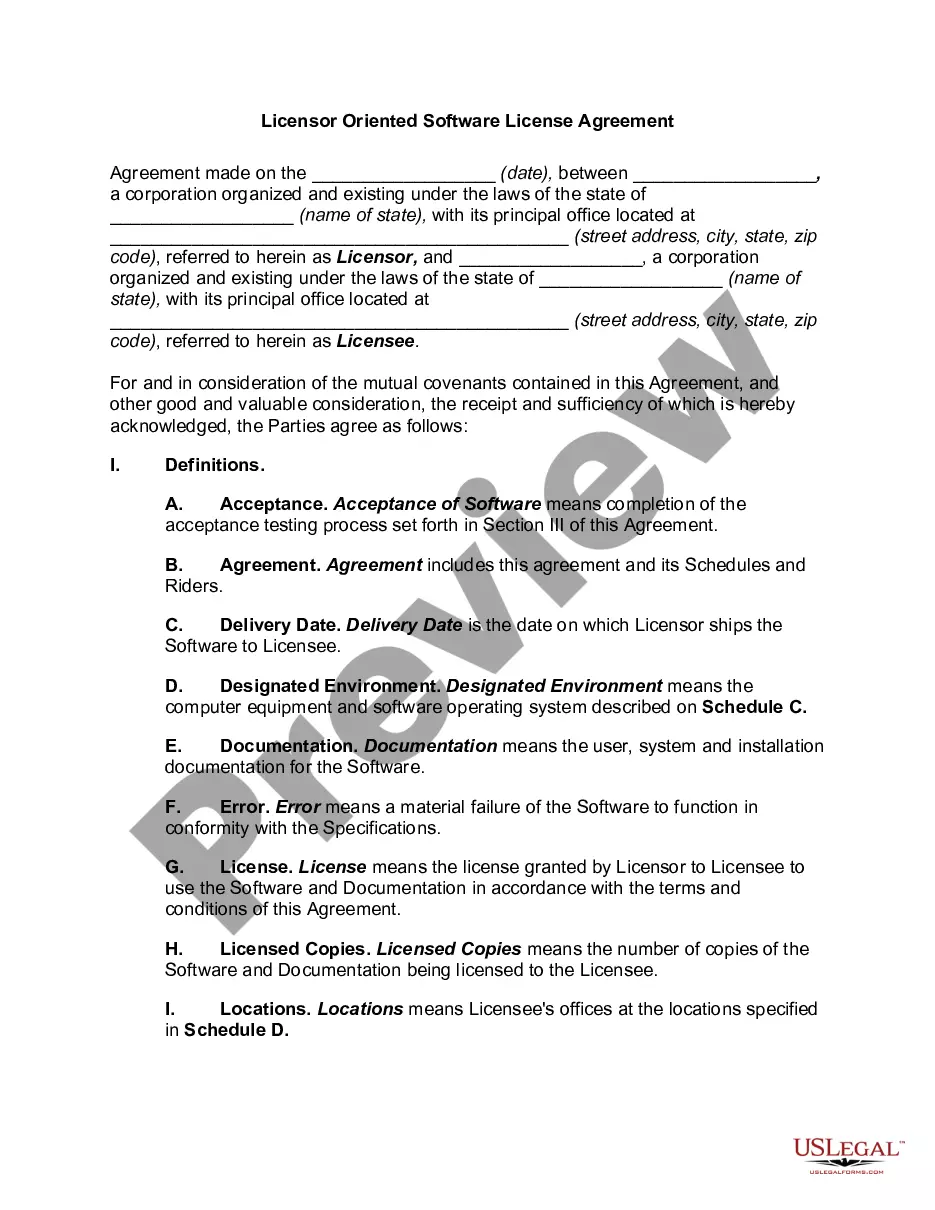
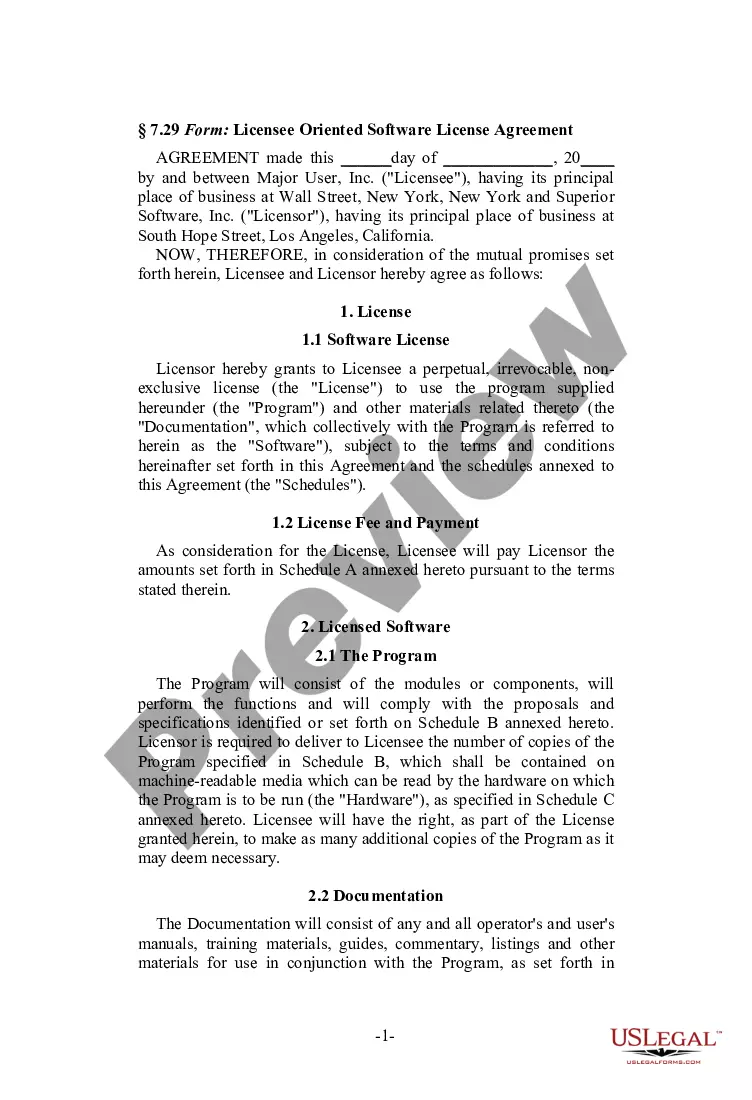
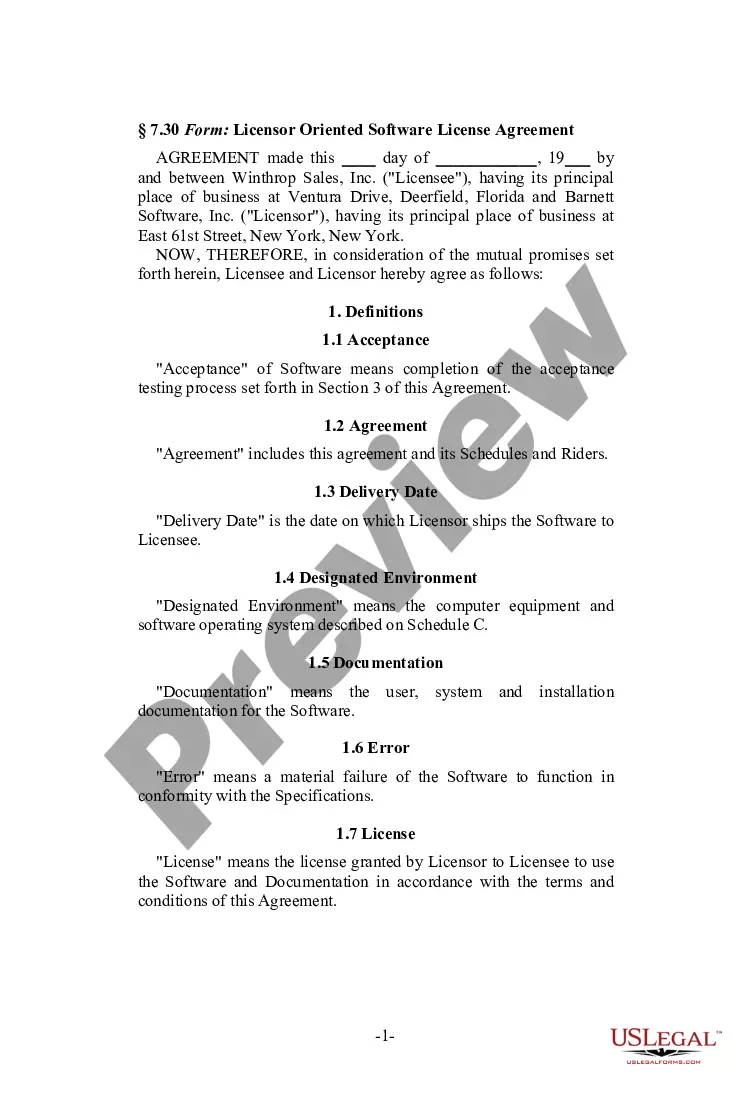
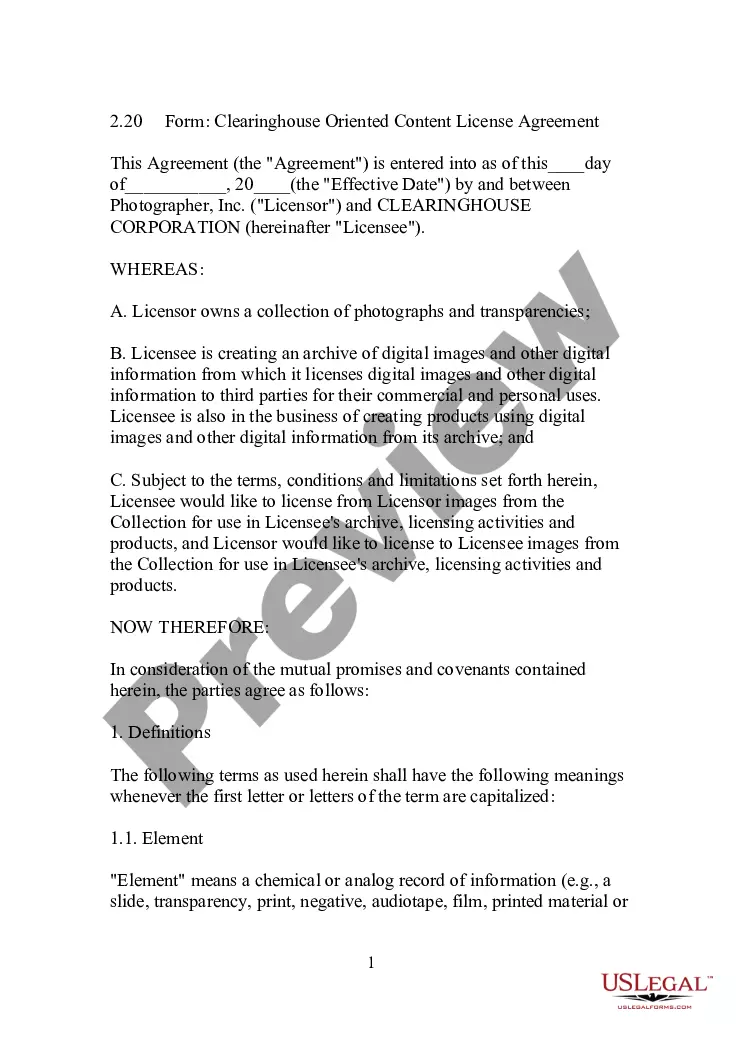
How to fill out Licensor Oriented Content License Agreement?
Drafting documents, such as the Dallas Licensor Oriented Content License Agreement, to manage your legal matters is a challenging and time-intensive endeavor.
Numerous situations necessitate an attorney's involvement, which can also render this task rather costly.
However, you can take control of your legal issues and handle them independently.
The process of onboarding new users is quite simple! Here’s what you need to do prior to downloading the Dallas Licensor Oriented Content License Agreement: Ensure that your template is tailored to your state/county since the regulations for drafting legal documents may differ from one state to another. Familiarize yourself with the form by previewing it or reading a brief introduction. If the Dallas Licensor Oriented Content License Agreement isn’t what you were hoping to find, then utilize the search bar at the top to locate another one. Log In or create an account to begin using our service and obtain the form. Is everything satisfactory on your end? Click the Buy now button and choose the subscription plan. Select the payment method and input your payment information. Your form is prepared for use. You can proceed to download it. It’s simple to discover and purchase the required document with US Legal Forms. Numerous businesses and individuals are currently benefiting from our extensive collection. Enroll now if you wish to explore what additional benefits you can access with US Legal Forms!
- US Legal Forms is here to assist.
- Our platform offers over 85,000 legal documents designed for various scenarios and life circumstances.
- We guarantee that each file complies with the laws of every state, so you don’t need to worry about potential legal compliance problems.
- If you’re already acquainted with our offerings and hold a subscription with US Legal, you understand how simple it is to obtain the Dallas Licensor Oriented Content License Agreement form.
- Feel free to Log In to your account, download the document, and tailor it to your needs.
- Have you misplaced your document? No problem. You can locate it in the My documents section of your account - whether on desktop or mobile.
Form popularity
FAQ
A licensing agreement allows the licensee to use, distribute, or sell a product while compensating the licensor, thereby creating a revenue stream for both. Additionally, it can permit the licensee to create derivative works based on the original content. In a Dallas Texas Licensor Oriented Content License Agreement, these aspects can enhance collaboration and business growth.
In the context of the Dallas Texas Licensor Oriented Content License Agreement, the two primary types of licensing agreements are exclusive and non-exclusive. An exclusive license means that only one party holds the rights to use the copyrighted material, while a non-exclusive license permits multiple parties to use the same material. Understanding these options helps you choose the best path for your content.
How to decide between types of licensing agreements Patent Licensing. Patents cover science and innovation.Trademark Licensing. Trademarks are signifiers of commercial source, namely, brand names and logos or slogans.Copyright Licensing.Trade Secret Licensing.Exclusive.Non-exclusive.Sole.Perpetual.
An example of a licensing agreement is a contract between the copyright holders of software and another company, allowing the latter to use the computer software for their daily business operations.
A content license agreement is a legal contract between an author (licensor) and another party (licensee) that is put in place when someone wants to license intellectual property (IP) rights.
The steps for making a license agreement are as follows: Download a template for a licensing agreement. Choose your role as the licensor or licensee. Define the license(s) in the agreement. Decide whether the license is exclusive or not. Settle the matter of fees and payment schedule. Add a renewal date and rules.
Practitioners and licensing executives often refer to three basic types of voluntary licenses: non-exclusive, sole, and exclusive. A non-exclusive licence allows the licensor to retain the right to use the licensed property and the right to grant additional licenses to third parties.
So now let us look at the important clauses needed to draft a content license agreement. Grant of License. This is the most important clause of this content license agreement.Publicity.Term.Confidentiality.Obligations and rights of the parties.Consideration.Termination.Minimum Performance guarantee.
Precisely identifying which intellectual property will be the subject of the license is necessary to ensure both parties are on the same page and not exceeding their rights. Scope of the Grant.Exclusivity.Territory.Term.Compensation.Termination.Conclusion.
A content license agreement is a legal contract between an author (licensor) and another party (licensee) that is put in place when someone wants to license intellectual property (IP) rights.